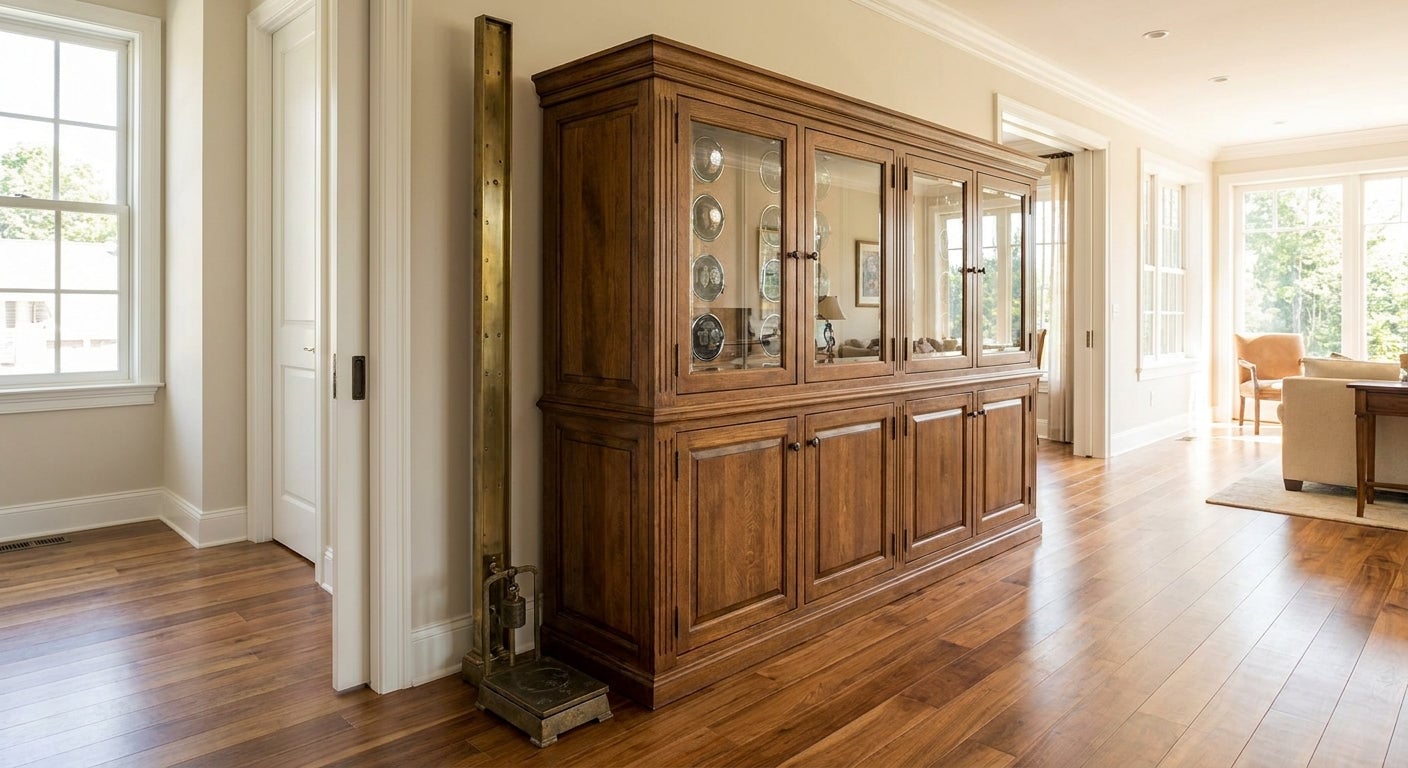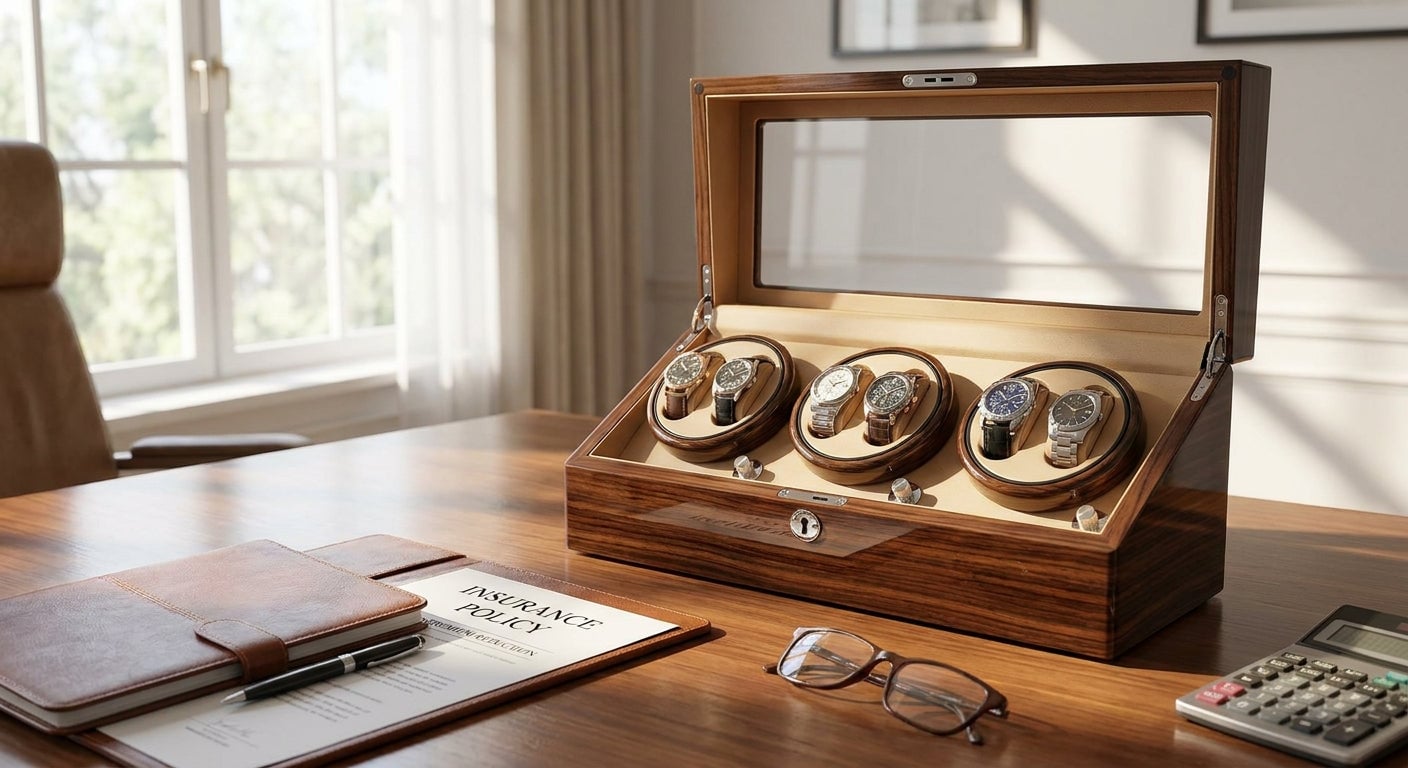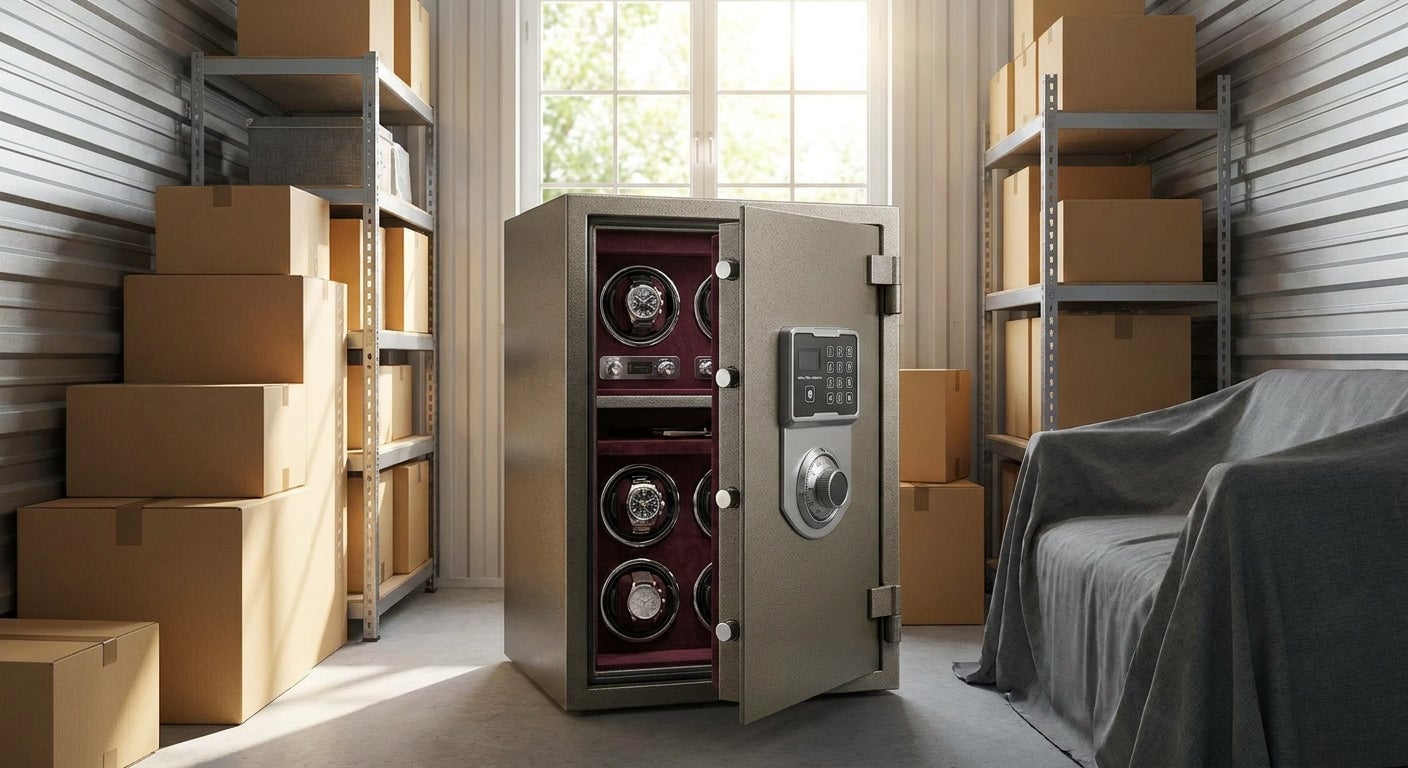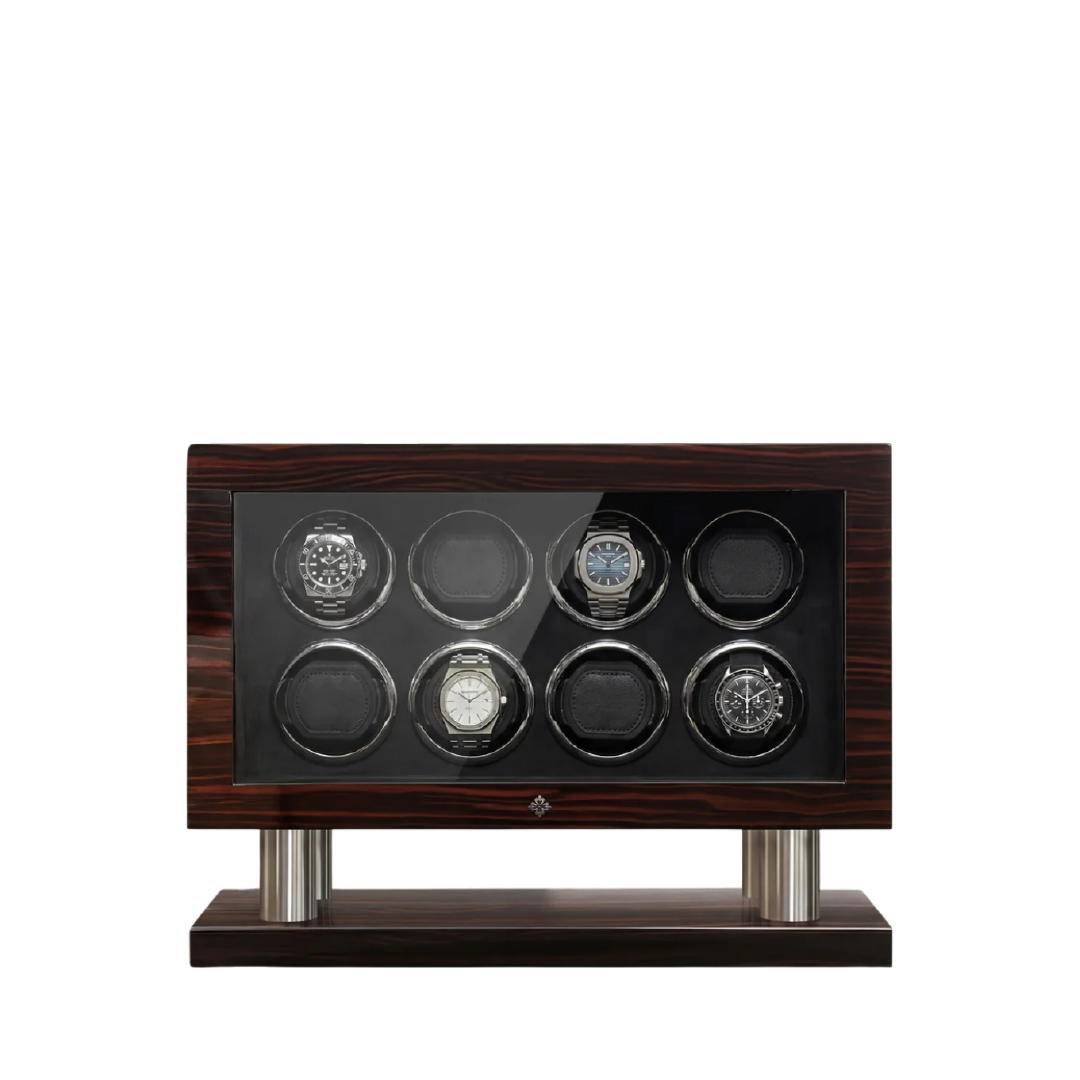

A walk-in vault room changes what a watch safe has to do. It stops competing with the room’s security and starts working inside it — which means the box itself, the floor it sits on, and the lock on the door all have to agree with each other. This guide lays out what to look for in a watch safe for vault room installations in 2026, with specific models and a verdict on each.
- Titan Sanctum 20 ($17,999) is the watch safe collectors install first in a finished vault room — Buy.
- Veron Elite 12 ($9,999) fits a 12-piece rotation inside a smaller vault niche — Buy.
- Centennial Bulletproof ($5,299) works as a secondary lockbox inside the room, not the primary vault — Consider.
- A watch safe for vault room use needs UL TL-30 vault-grade steel and a floor anchor, not a jewelry-box body.
- Skip anything under roughly 150kg with no drilled anchor points — a vault floor can hold more than that safe can use.
Why this matters
A closet safe and a vault room safe solve different problems. The closet safe is the security layer for the room. The vault room safe is a second, independent layer inside a space that’s already rated — which means it can carry a heavier lock, a thicker door, and a fire rating that matches the room rather than substituting for it. Collectors converting a spare room or pairing storage with an existing safe room built for firearms run into the same question: does the safe need to do the room’s job, or its own job. In 2026, the honest answer for a dedicated vault room is the latter — the room handles perimeter security, the safe handles fire, tamper resistance, and organized access for the pieces inside it.
Who this is for
This is written for collectors with 12 or more pieces who’ve built, or are actively building, a dedicated vault room — a converted closet, a basement room, or a purpose-built safe room in new construction. Many of these buyers already have a room-level lock and are choosing a safe as the second layer, not the only one. If you’re storing four watches in an apartment, a wall safe or a compact box is the better call — this guide is for the room, not the drawer.
What to look for in a watch safe for a vault room
Vault-grade steel and a real lock rating
A vault room safe should carry an independent rating, not just a description of “steel.” UL TL-30 and EN 1143-1 are the two standards that show up across the category, and they mean the lock has been tested against tools, not just marketing copy. Grade 304 stainless steel bodies are the baseline at this tier — anything softer belongs in a bedroom, not a vault room.
Fire rating in minutes, at temperature
Fire ratings only mean something with a number attached. Enigwatch’s Centennial Bulletproof carries a two-hour rating at 695°C — that’s the kind of figure worth comparing safe to safe. A vault room with drywall and standard framing does not buy you fire protection on its own; the safe still has to earn its rating.
Capacity for where the collection is going
Buy for three years out, not for the current count. A 12-slot safe filled to 11 pieces gives you nowhere to put the next acquisition without shuffling. Sizing up one tier — 12 to 20, or 20 to a larger cabinet-style vault — costs less than replacing the whole unit later.
Anchoring to the vault room floor
A safe that isn’t bolted down is a safe that can be carried out, room security or not. Confirm predrilled anchor points and a floor construction that can actually take lag bolts — concrete slab, not just subfloor plywood. This matters more in a vault room than anywhere else in the house, because it’s the assumption everyone makes and skips checking.
Access built for more than one person
Vault rooms often serve a household, not just one collector. Biometric access with multiple fingerprint slots, or a dual-authentication lock, avoids the shared-combination problem that undermines every other security choice you made.
A finish that reads as built, not bolted on
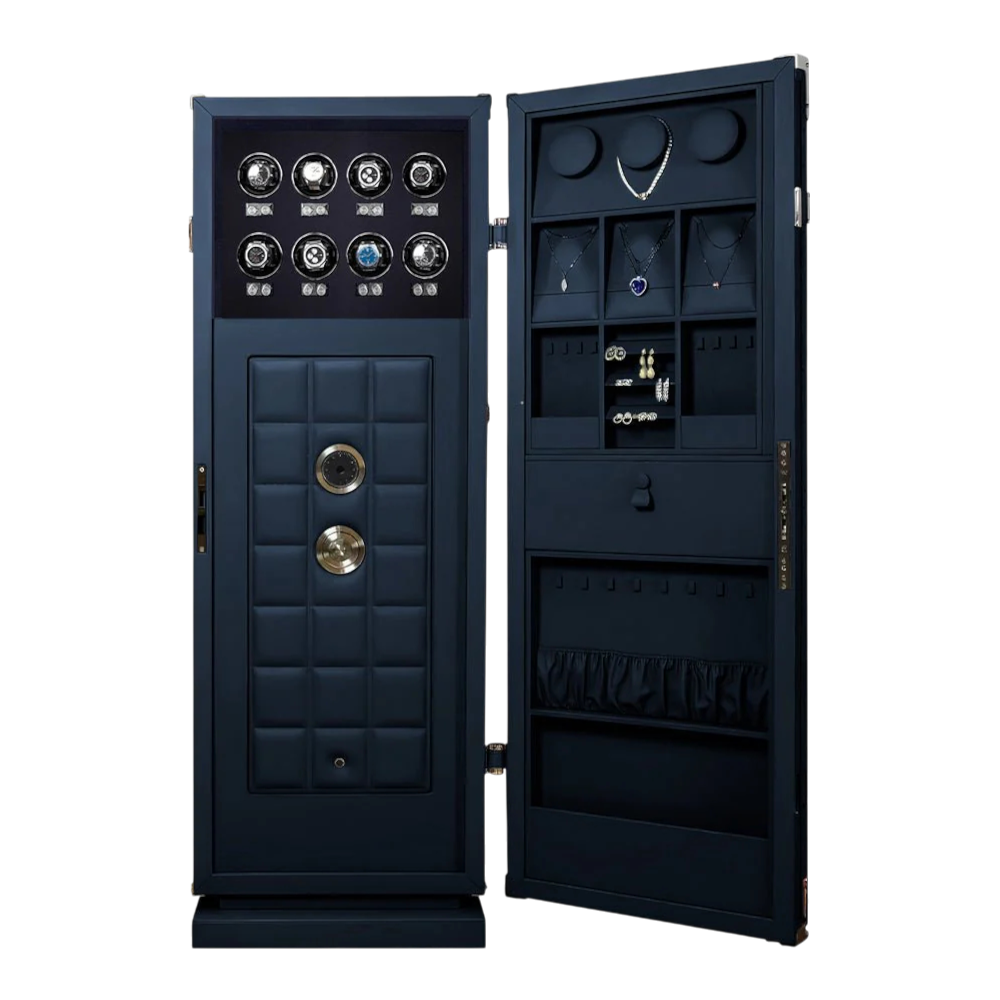
A vault room is a finished space. A safe with an unfinished steel exterior looks like a tool wheeled in from a warehouse. Nappa leather trim, Alcantara lining, and stainless bodies with a matte or brushed finish are what keep the room looking designed rather than retrofitted.
Top picks for a vault room installation
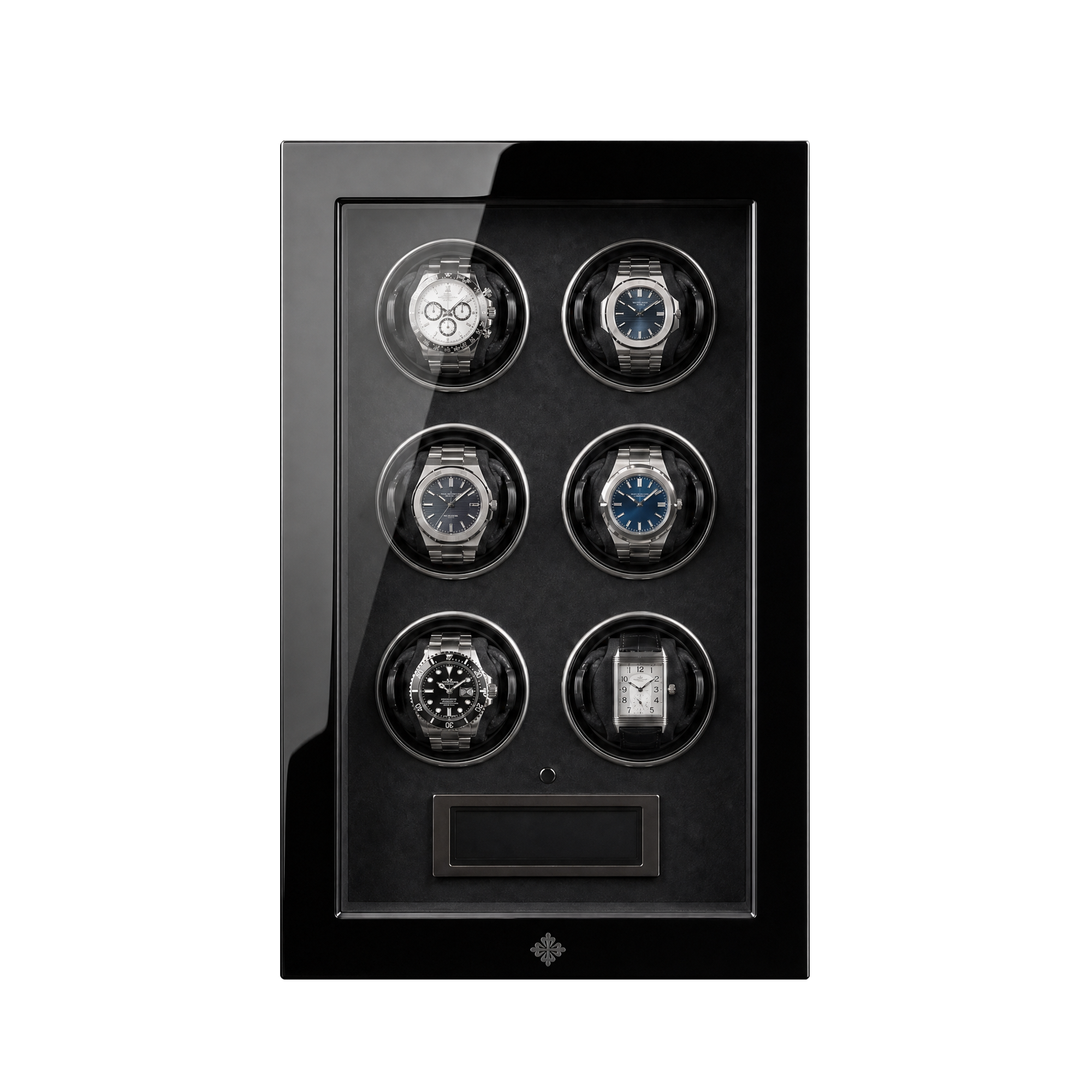
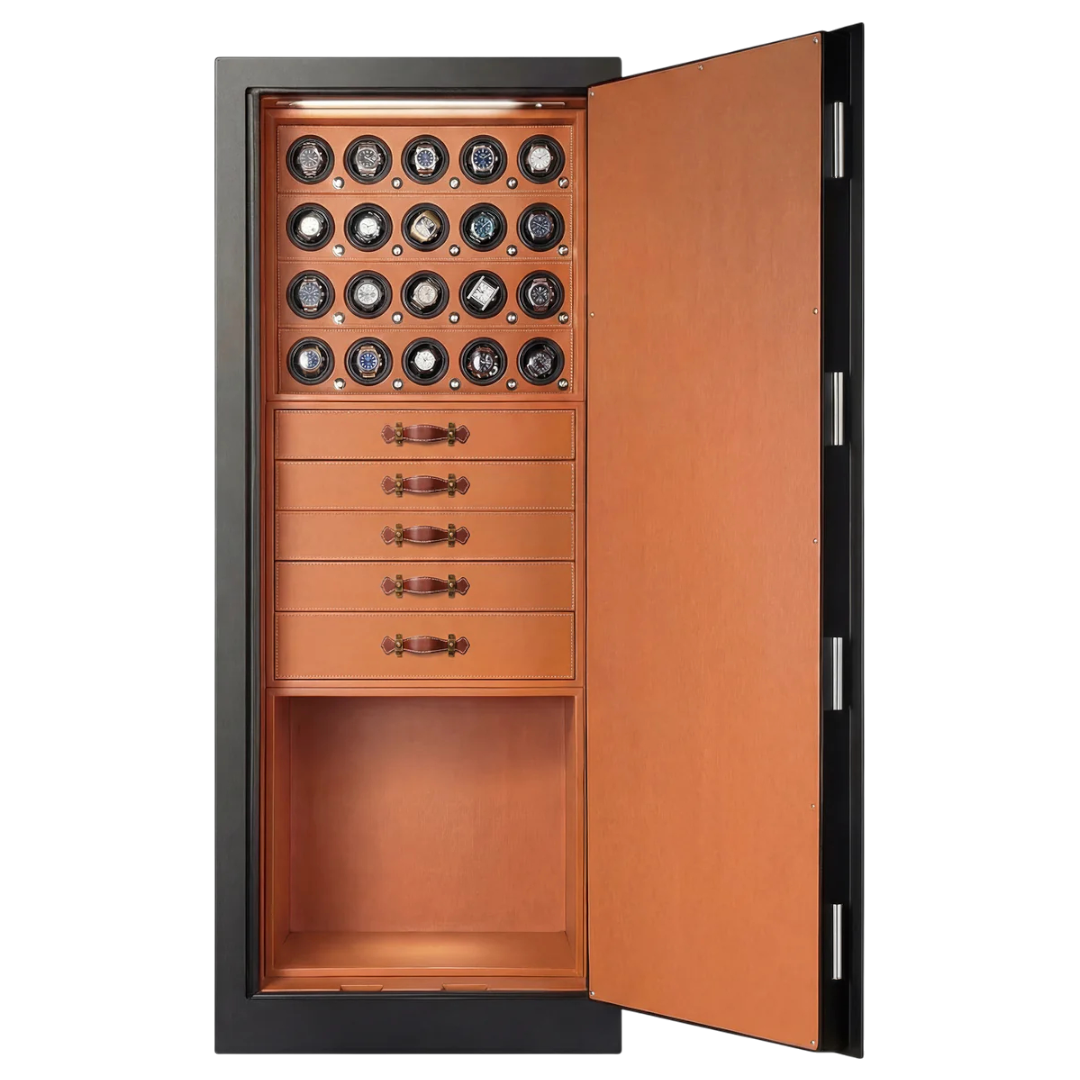
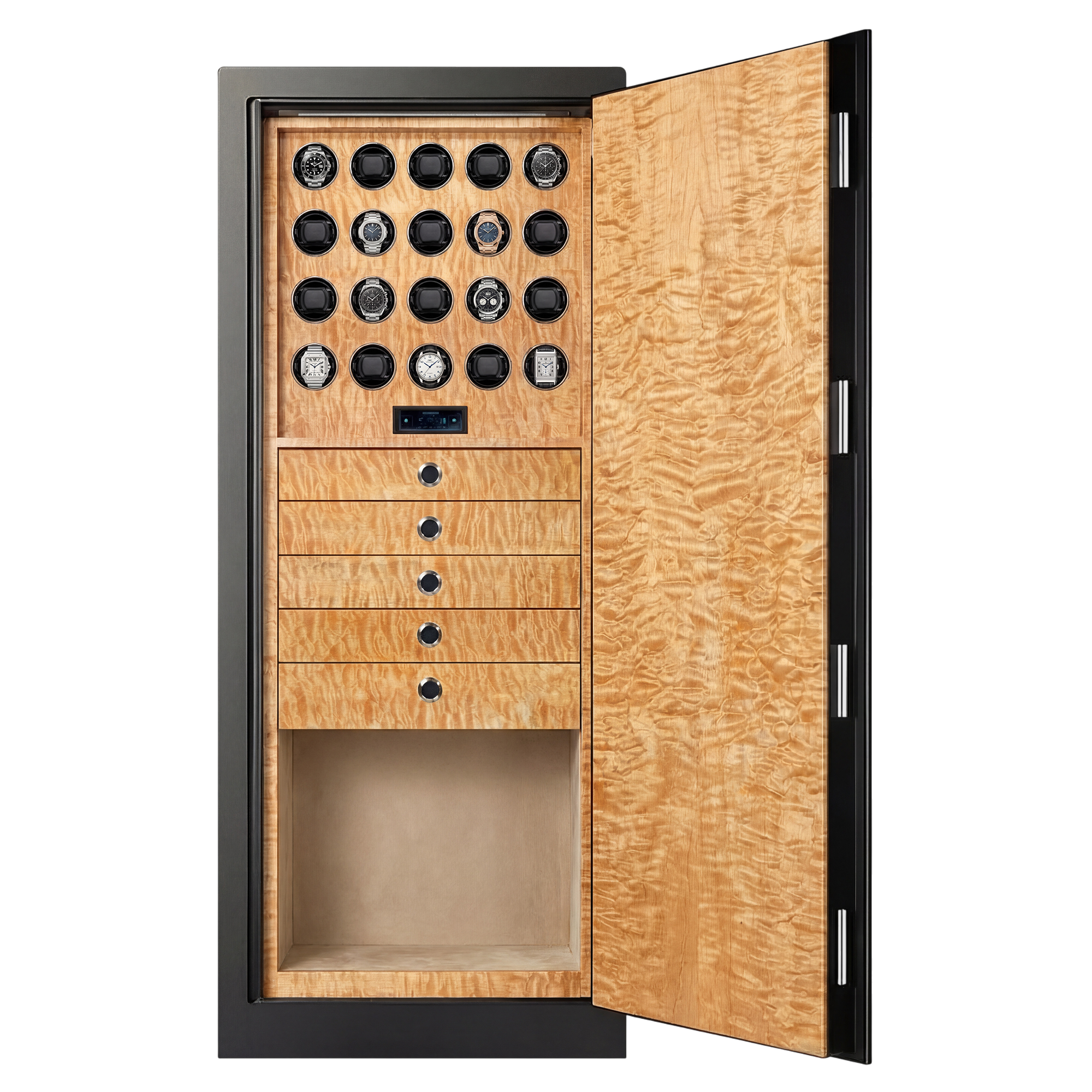
Titan Sanctum 20 — the vault-room anchor. Twenty slots, Grade 304 stainless steel frame, AR500 ballistic protection, and a UL TL-30 rated lock at $17,999. This is the safe built to be the fixed point in a finished vault room rather than a piece you’ll outgrow. Buy. Titan Sanctum 20
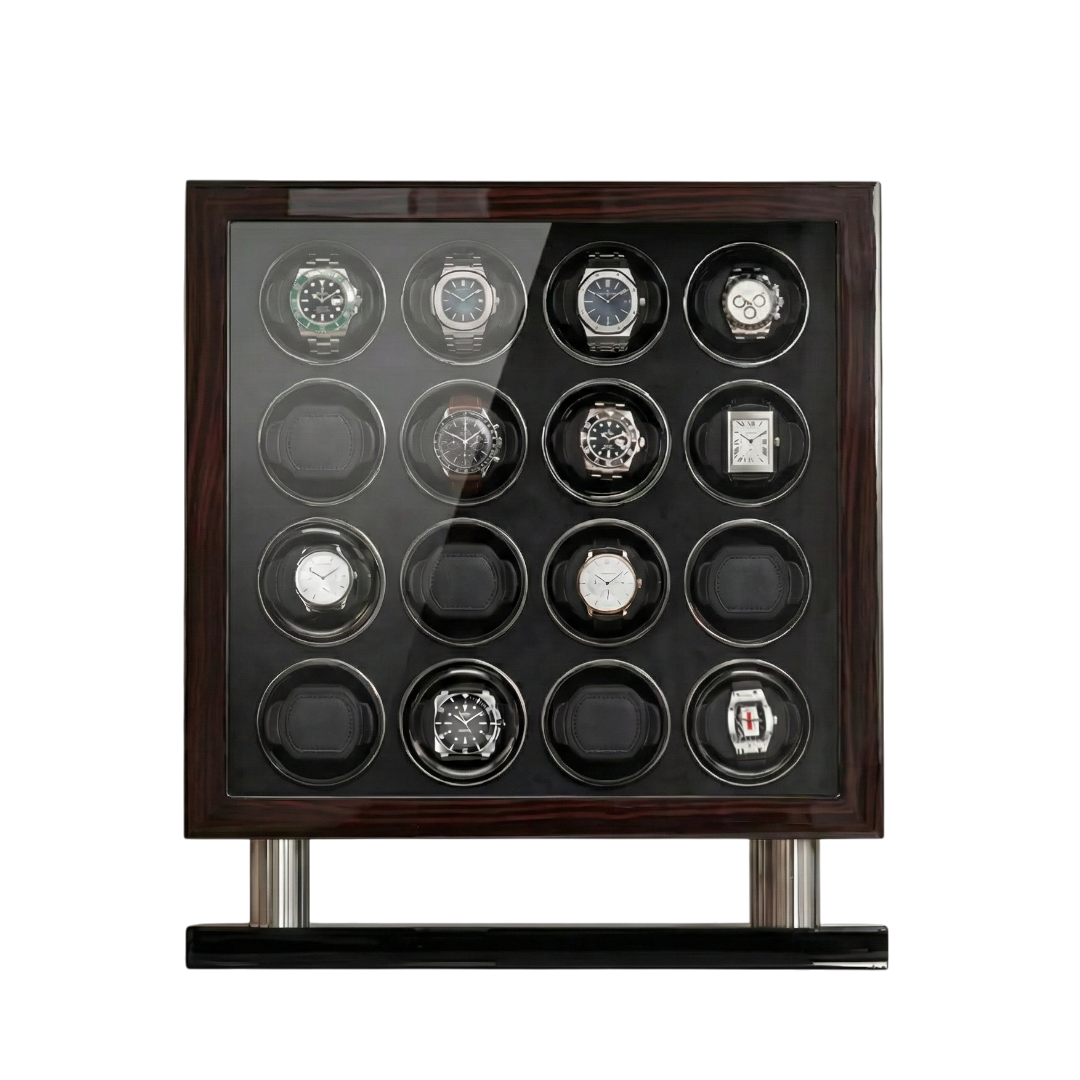
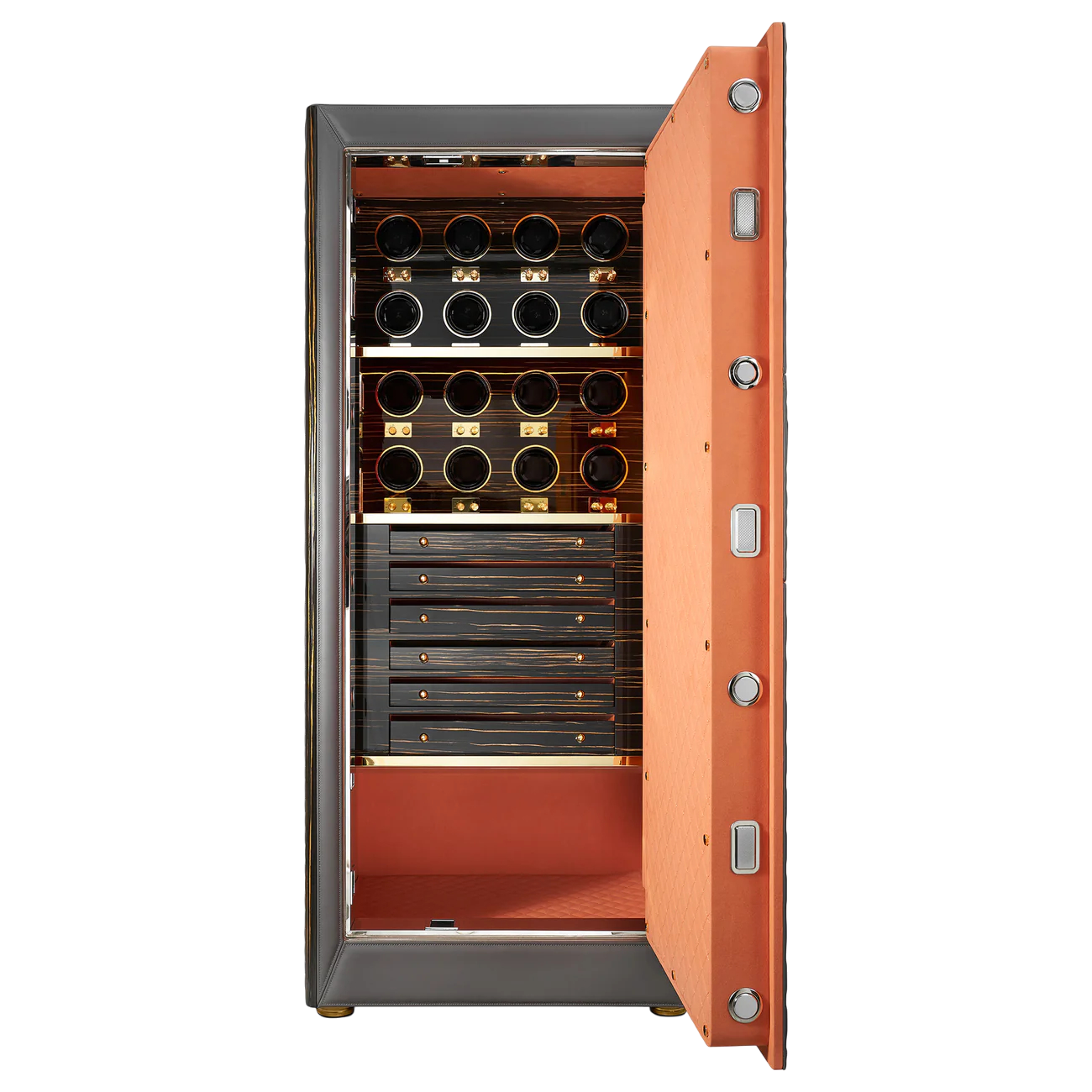
Veron Elite 20 — the daily-access showpiece. Twenty proprietary Japanese rotors, biometric entry, Gruppo Mastrotto Nappa interior, priced at $12,999. It’s built for a collector who opens the safe most days, not once a quarter — the Italian architecture makes that a pleasure rather than a chore. Buy. Veron Elite 20
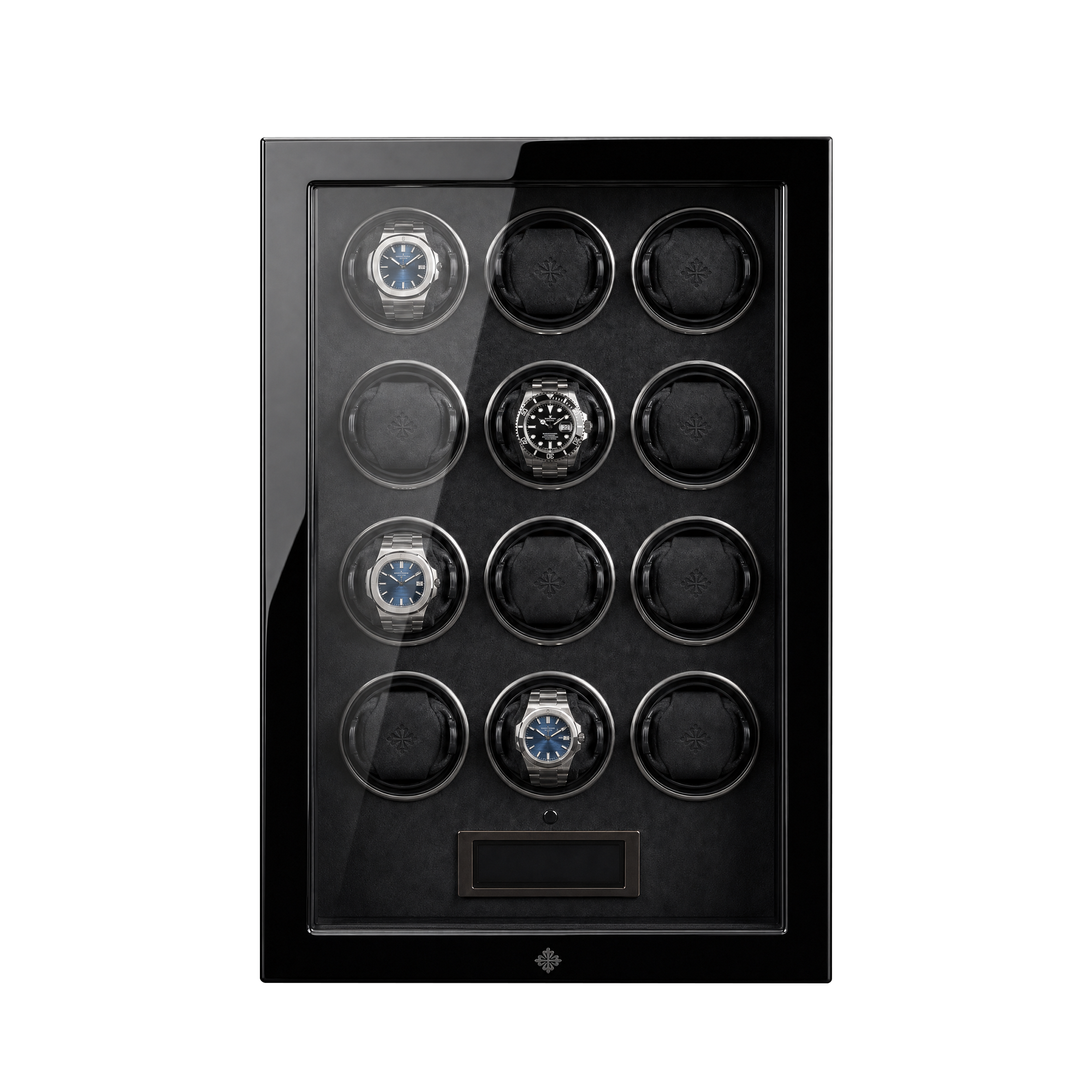
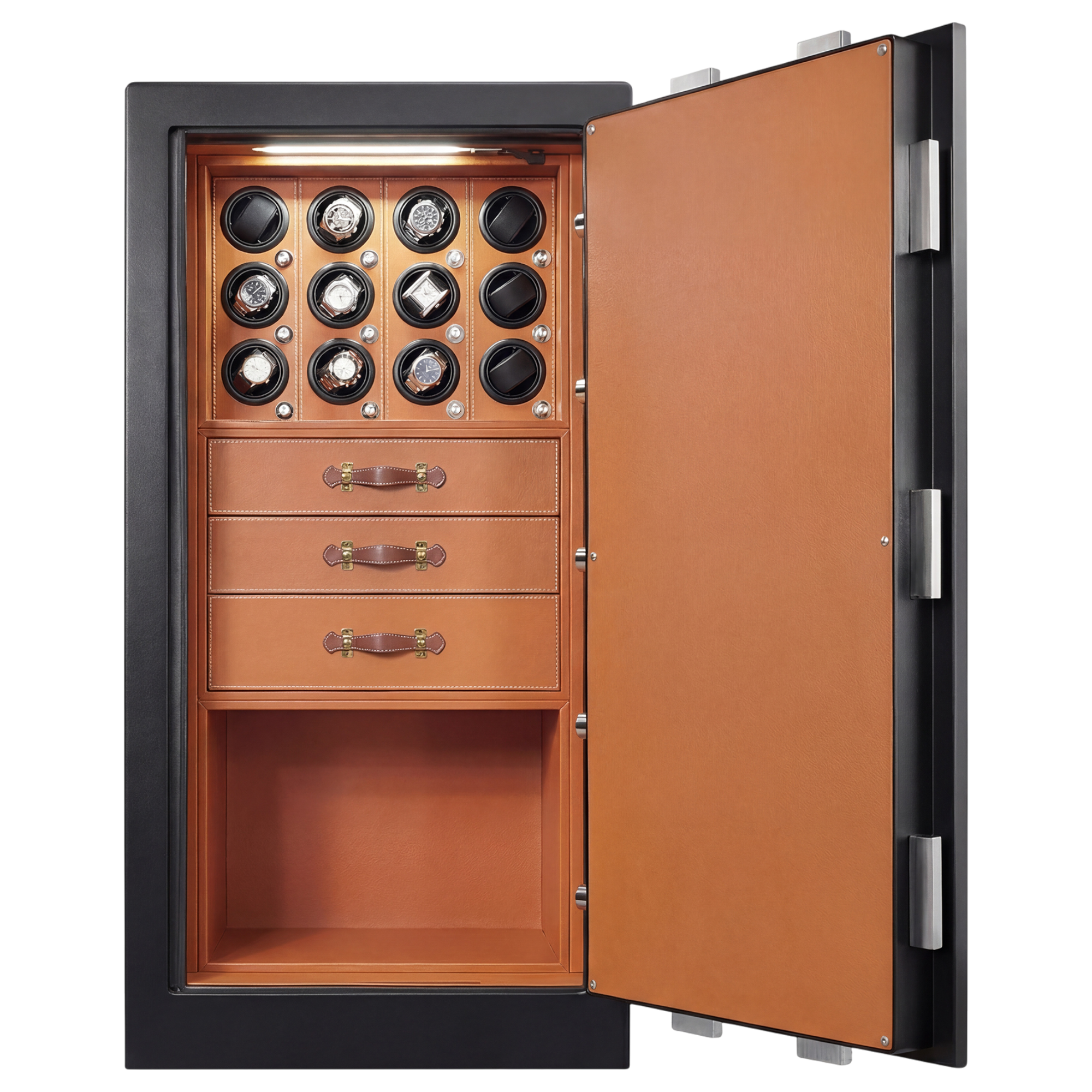
Veron Elite 12 — the right-sized start. Same Italian construction and UL TL-30 Grade III certification as its larger sibling, sized to 12 pieces at $9,999. The correct call for a vault room built ahead of a collection that hasn’t hit 20 pieces yet. Buy. Veron Elite 12
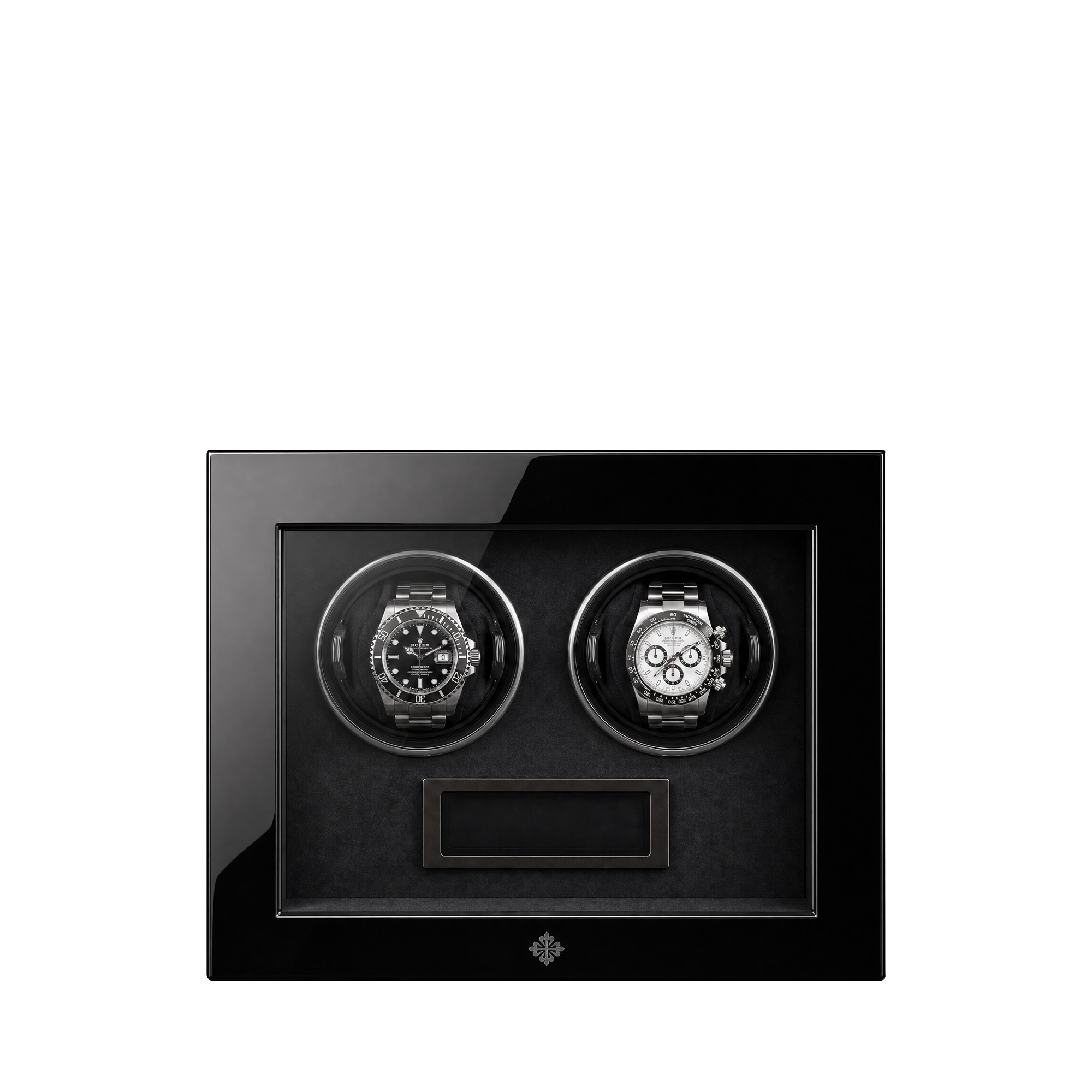
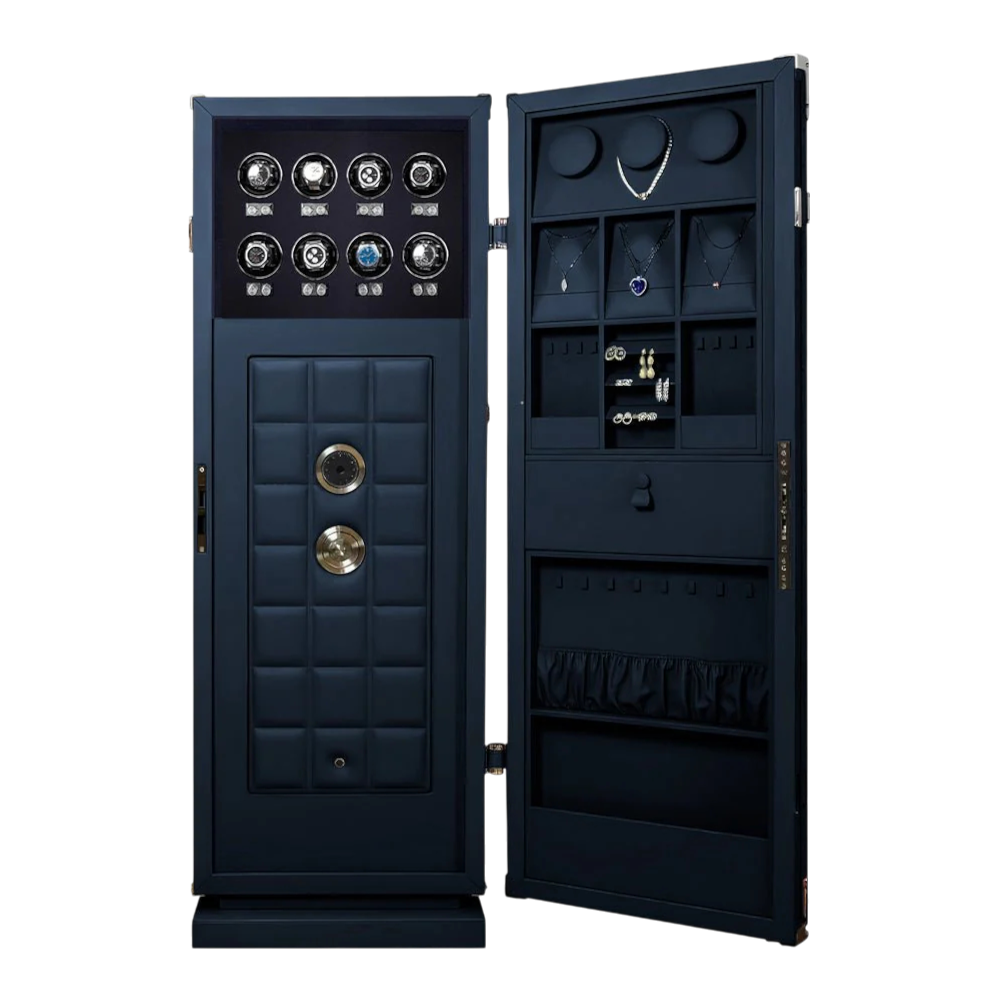
Centennial Bulletproof — the secondary lockbox. Two-slot capacity, Kevlar-reinforced steel, Grade 3A bulletproof rating, two-hour fire protection at 695°C, priced at $5,299. Not the primary vault-room safe — the pick for a grail piece or two that needs its own lock separate from the main collection. Consider.
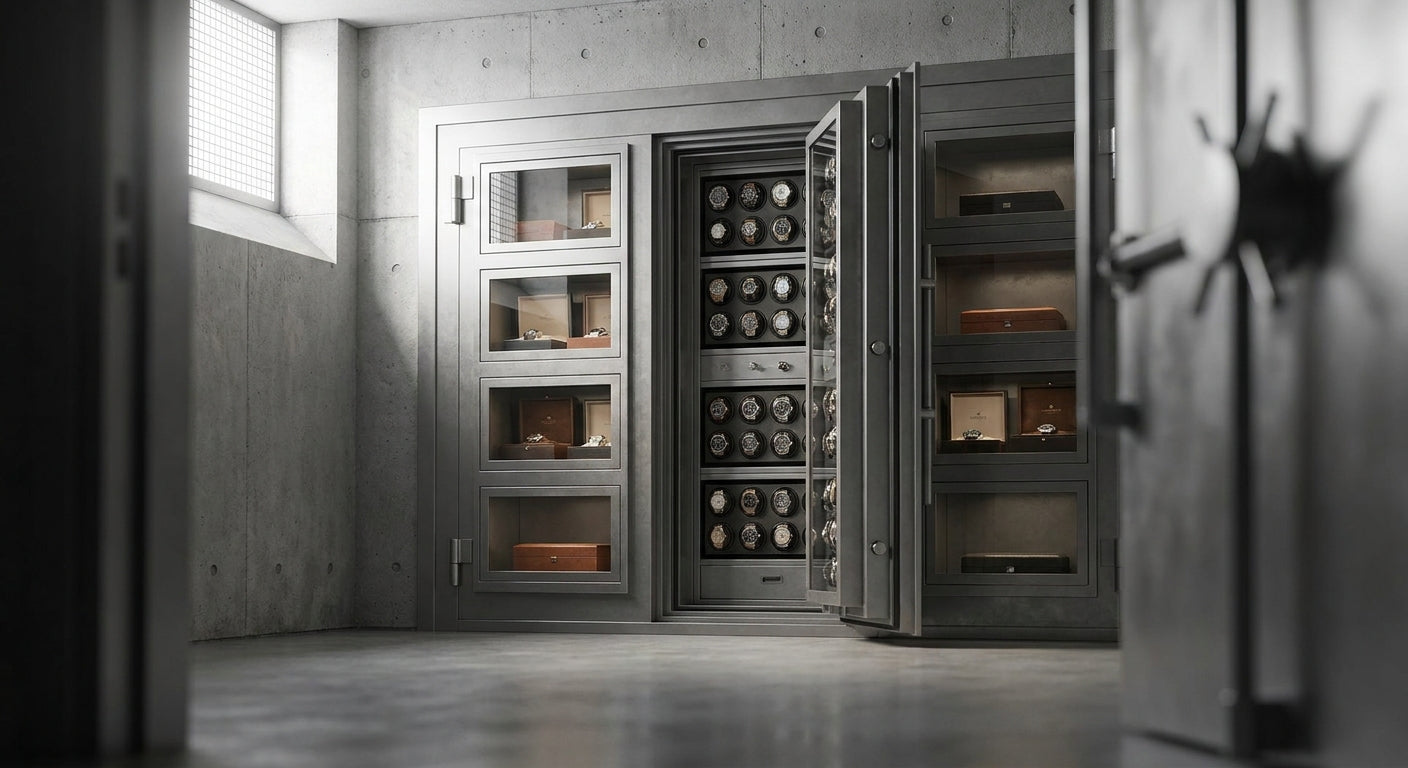
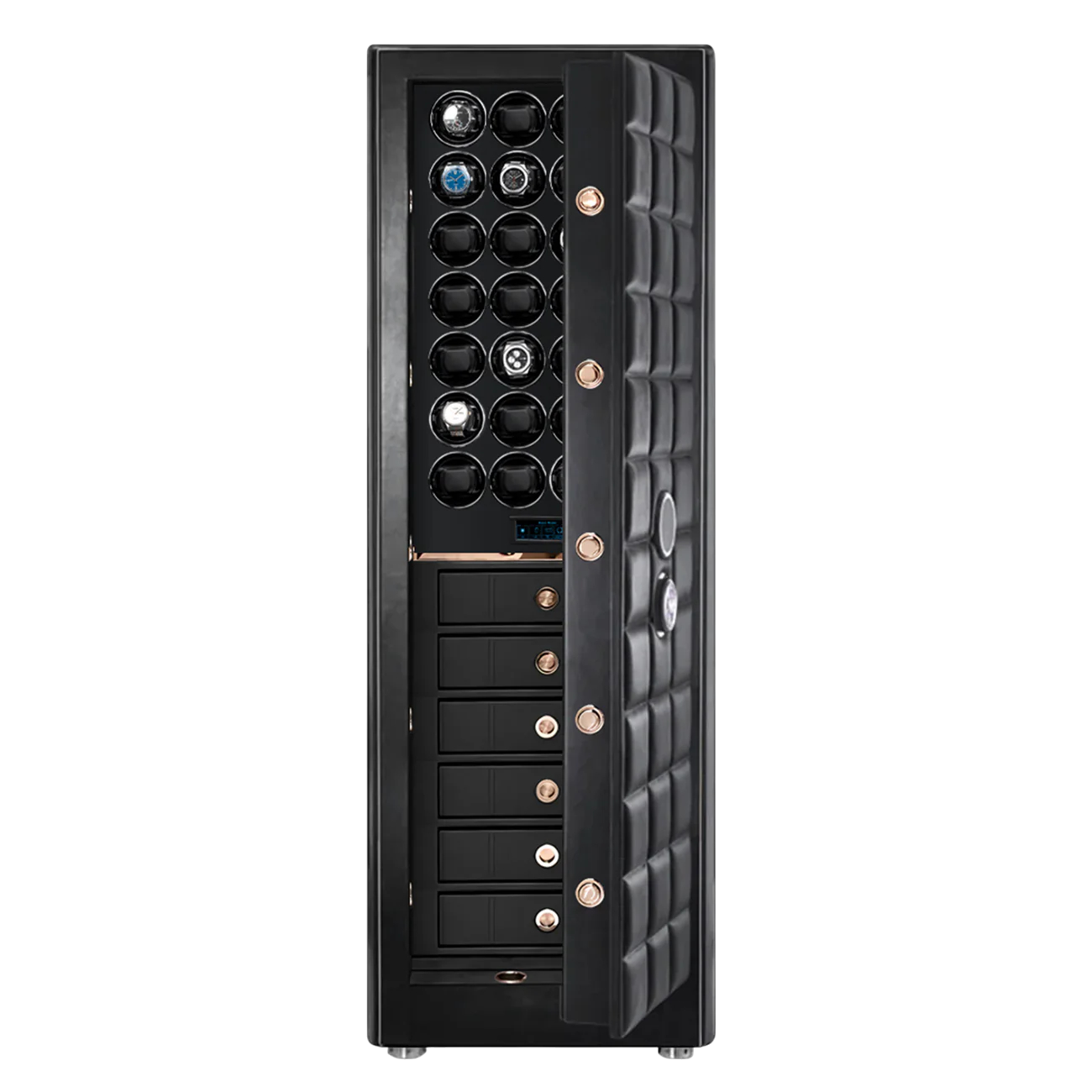
For vault rooms built around the safe rather than the safe fitted into an existing room, Enigwatch’s cabinet-scale models — the kind that integrate into a wall or study rather than sitting inside it — go well past this bracket in price and security tier. Those are the fixtures collectors install once and never touch again.
What to avoid
- Decorative jewelry safes rebadged as watch safes. They photograph well and hold nothing against a pry bar — no independent lock rating, thin steel gauge.
- Garage-grade gun safes with no climate control. They’re heavy and rated, but the humidity swings inside an unconditioned steel box will do more damage to a movement over a year than a break-in risk ever would.
- Any safe under roughly 150kg with no drilled anchor points. A vault room floor can hold far more weight and hardware than a light body is built to use — pair the wrong safe with the right room and you’ve wasted the room.
Verdict comparison
| Safe | Capacity | Fire rating | Lock | Price | Verdict |
|---|---|---|---|---|---|
| Titan Sanctum 20 | 20 watches | UL TL-30 rated | Biometric, AR500 ballistic | $17,999 | Buy |
| Veron Elite 20 | 20 watches | UL TL-30 Grade III | Biometric | $12,999 | Buy |
| Veron Elite 12 | 12 watches | UL TL-30 Grade III | Biometric | $9,999 | Buy |
| Centennial Bulletproof | 2 watches | 2 hrs at 695°C | Kevlar-reinforced, Grade 3A | $5,299 | Consider |
FAQ
What’s the best watch safe for a vault room?
For a finished vault room in 2026, the Titan Sanctum 20 is the strongest fit — 20-slot capacity, Grade 304 stainless steel, AR500 ballistic protection, and a UL TL-30 rated lock at $17,999. Smaller collections do better with the 12-slot Veron Elite at $9,999.
Is a vault room safe different from a closet safe?
Yes. A vault room safe operates as a second, independent security layer inside a room that already has its own lock, so it can carry a heavier build and a longer fire rating than a safe meant to be the only line of defense in a closet.
How much does a watch safe for a vault room cost in 2026?
Vault-grade watch safes with UL TL-30 certification run from roughly $5,299 for a two-watch model to $17,999 or more for a 20-slot unit, with cabinet-scale built-in options priced well above that.
Do I need to bolt down a safe inside a vault room?
Yes, even inside an already-secured room. Anchoring the safe to the floor prevents it from being carried out whole, which is the failure mode room-level security alone doesn’t stop.
What fire rating should a watch safe have in a vault room?
Look for a rating stated in minutes or hours at a specific temperature — the Centennial Bulletproof, for example, is rated two hours at 695°C. A vault room’s drywall and framing don’t add fire protection on their own.
Can a watch safe with a winder go inside a vault room?
Yes, and many collectors run one alongside a static safe so active pieces stay wound while grail pieces stay locked and still. Capacity and lock rating matter more than whether winding is built in.
What’s the difference between UL TL-30 and EN 1143-1?
UL TL-30 is a US tool-resistance rating; EN 1143-1 is the European equivalent, graded in Roman numerals from I to XIII by resistance value. Higher-tier vault safes often carry both.
How many watches fit in a 20-slot safe?
Exactly 20, by design — but collectors sizing for a vault room should buy one tier above their current count so the safe isn’t full within a year of installation.
One last thing
Humidity does more damage inside a sealed vault room than most collectors expect — a room built airtight for security also traps moisture, and a safe with no interior climate control can run warmer and wetter than the closet it replaced. Check the room’s HVAC before the safe’s rating; the two have to work together, not one covering for the other.
Related guides
Protect Your Watch Collection
Designed for collectors who demand the best. Explore our premium watch winders and luxury safes.
Protect Your Watch Collection
Designed for collectors who demand the best. Explore our premium watch winders and luxury safes.