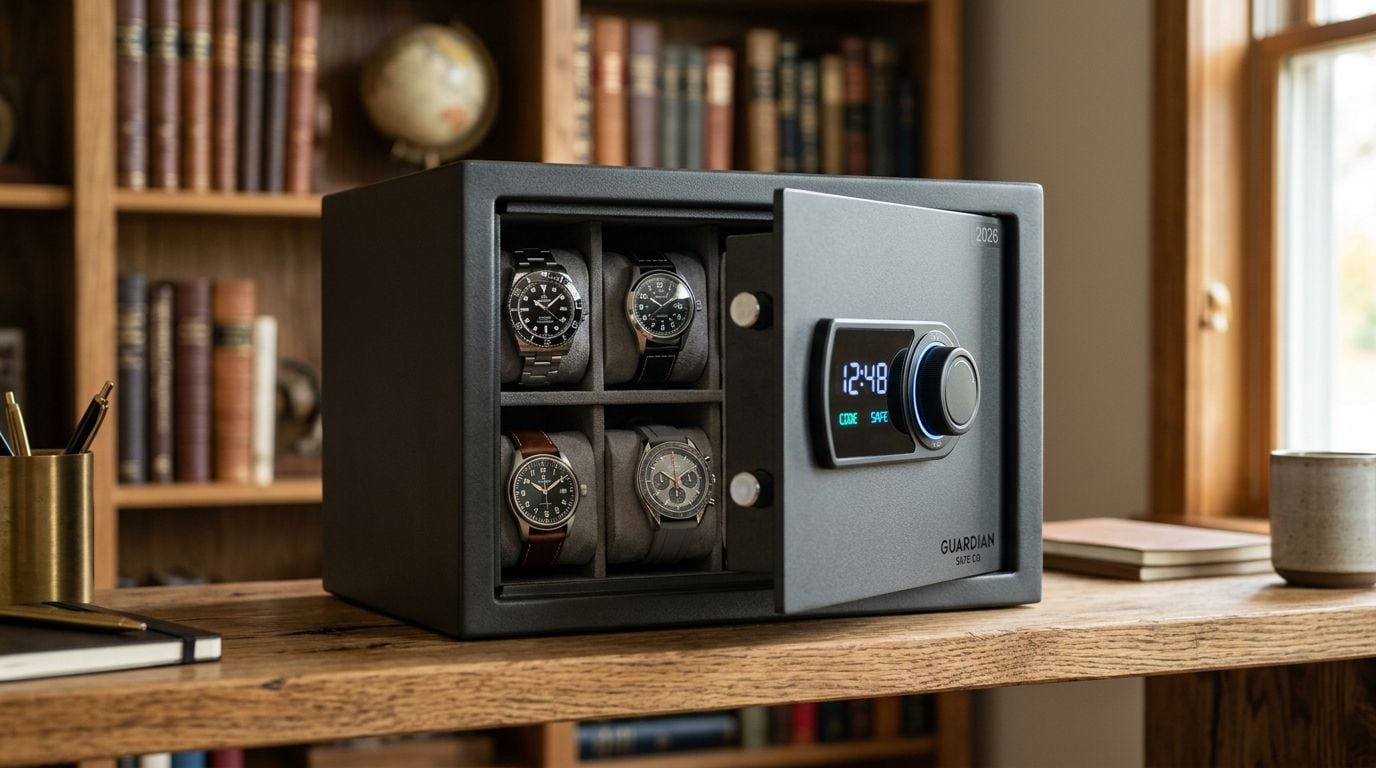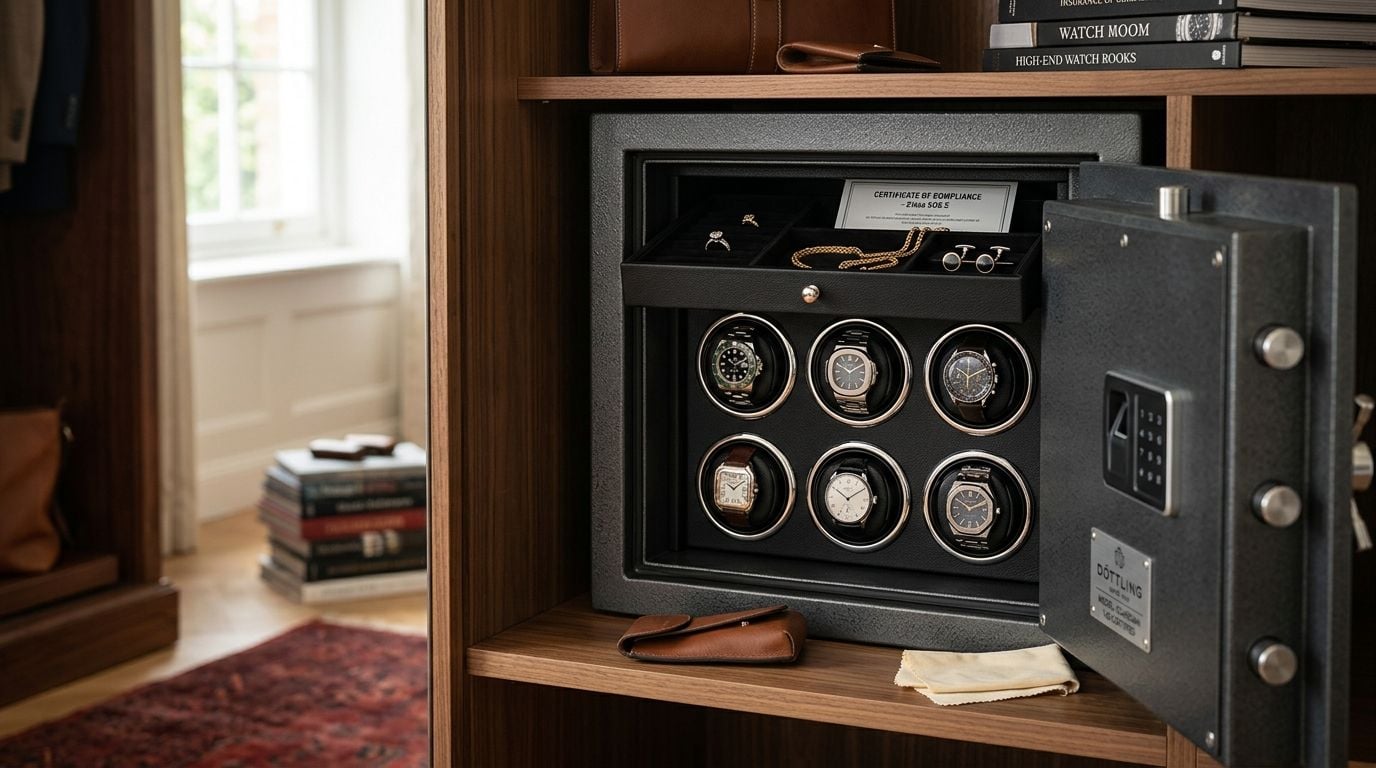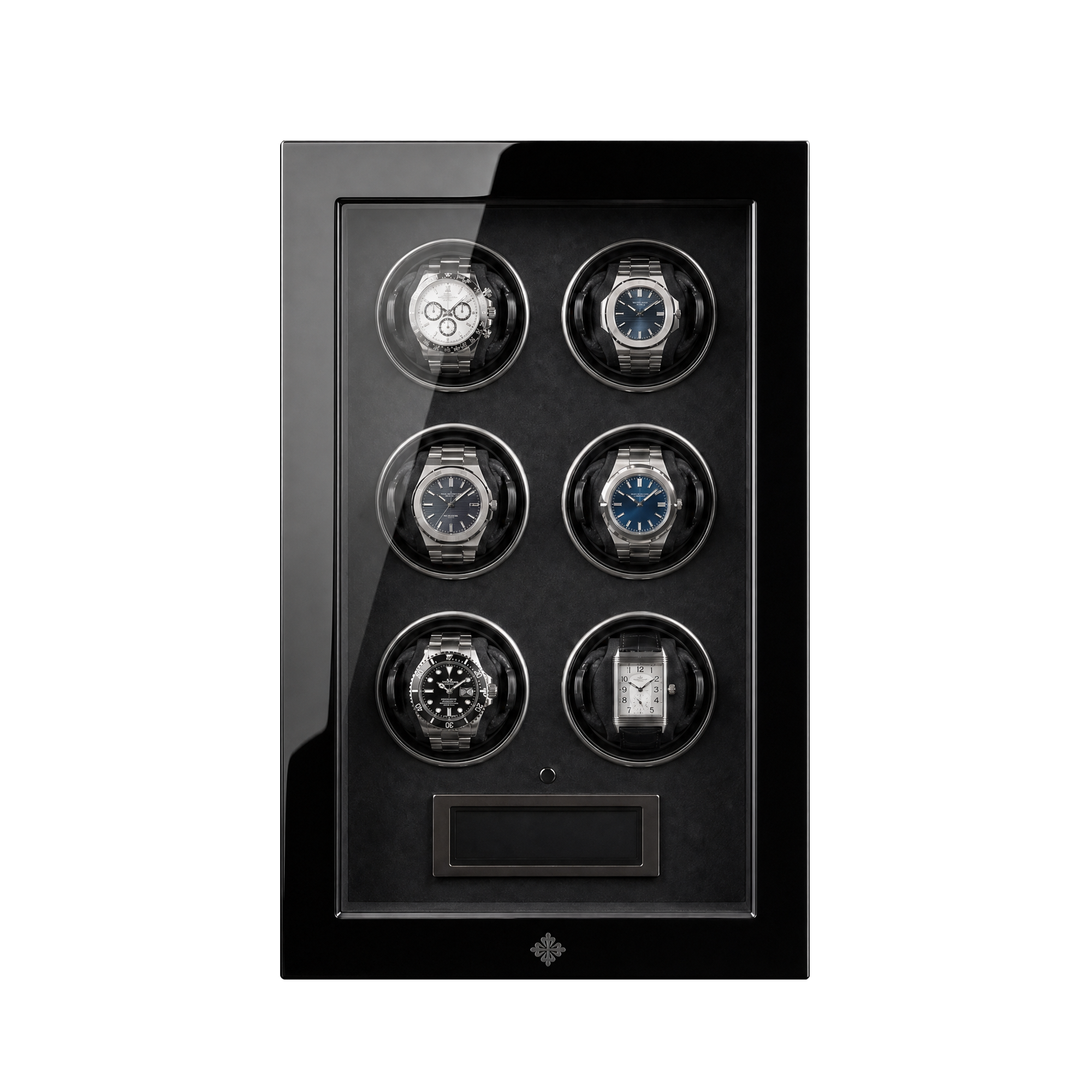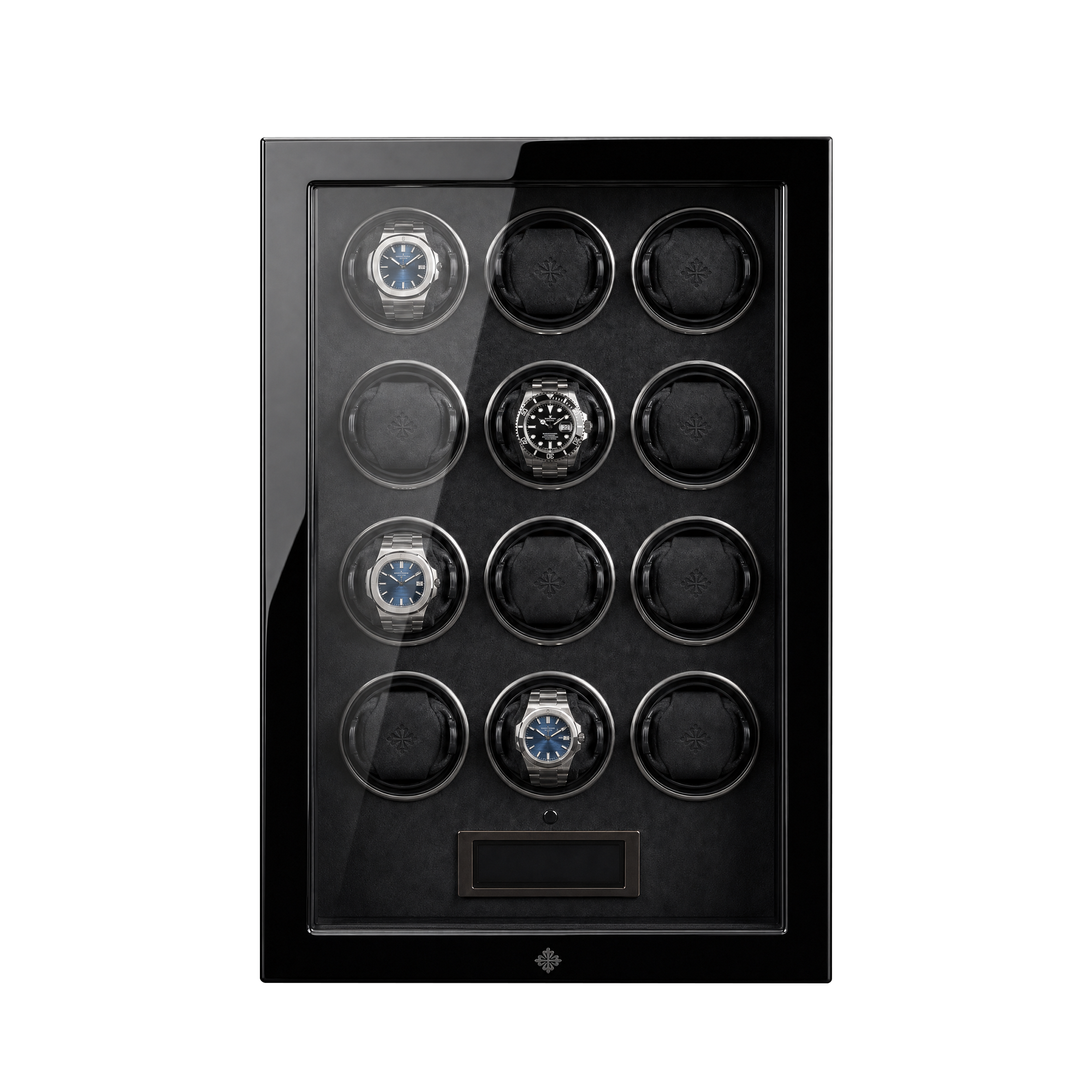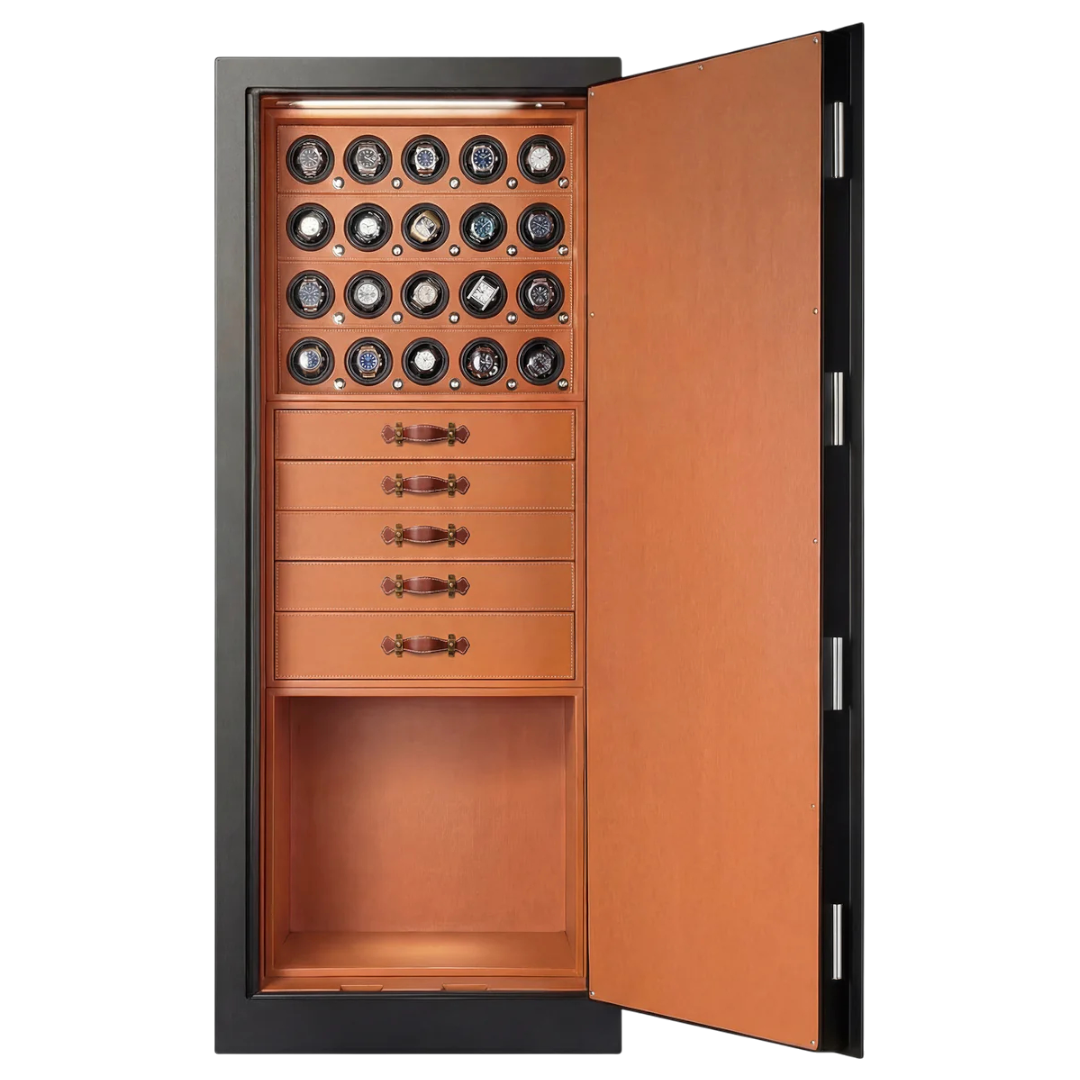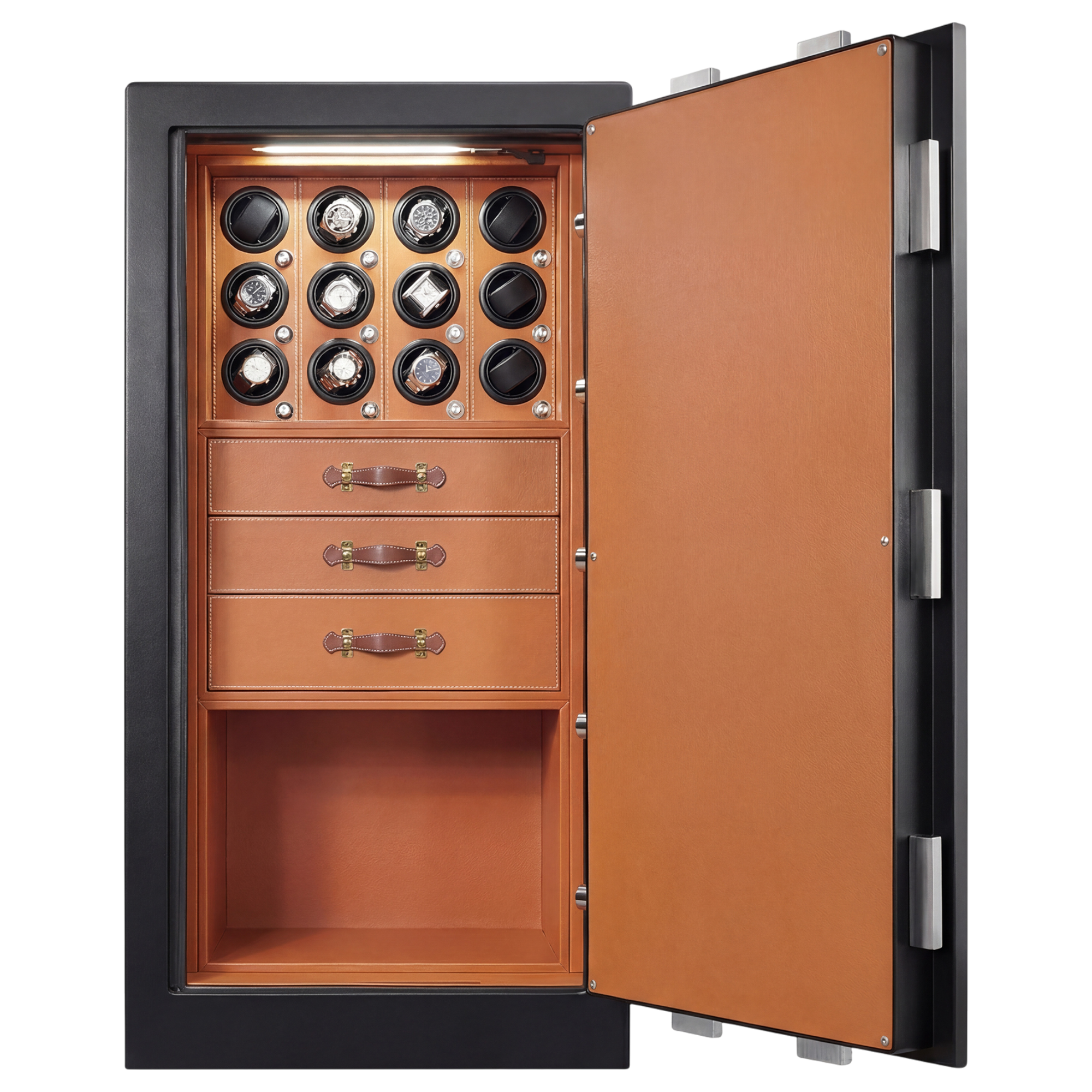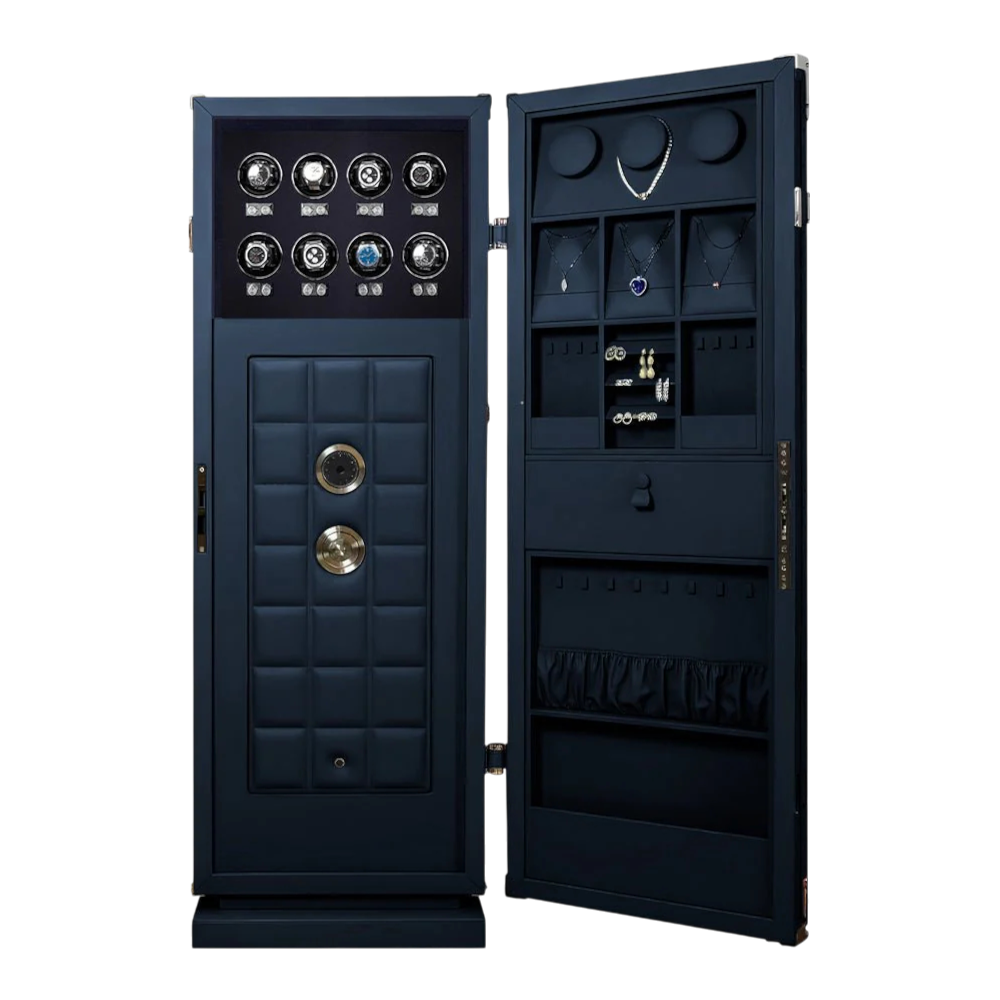

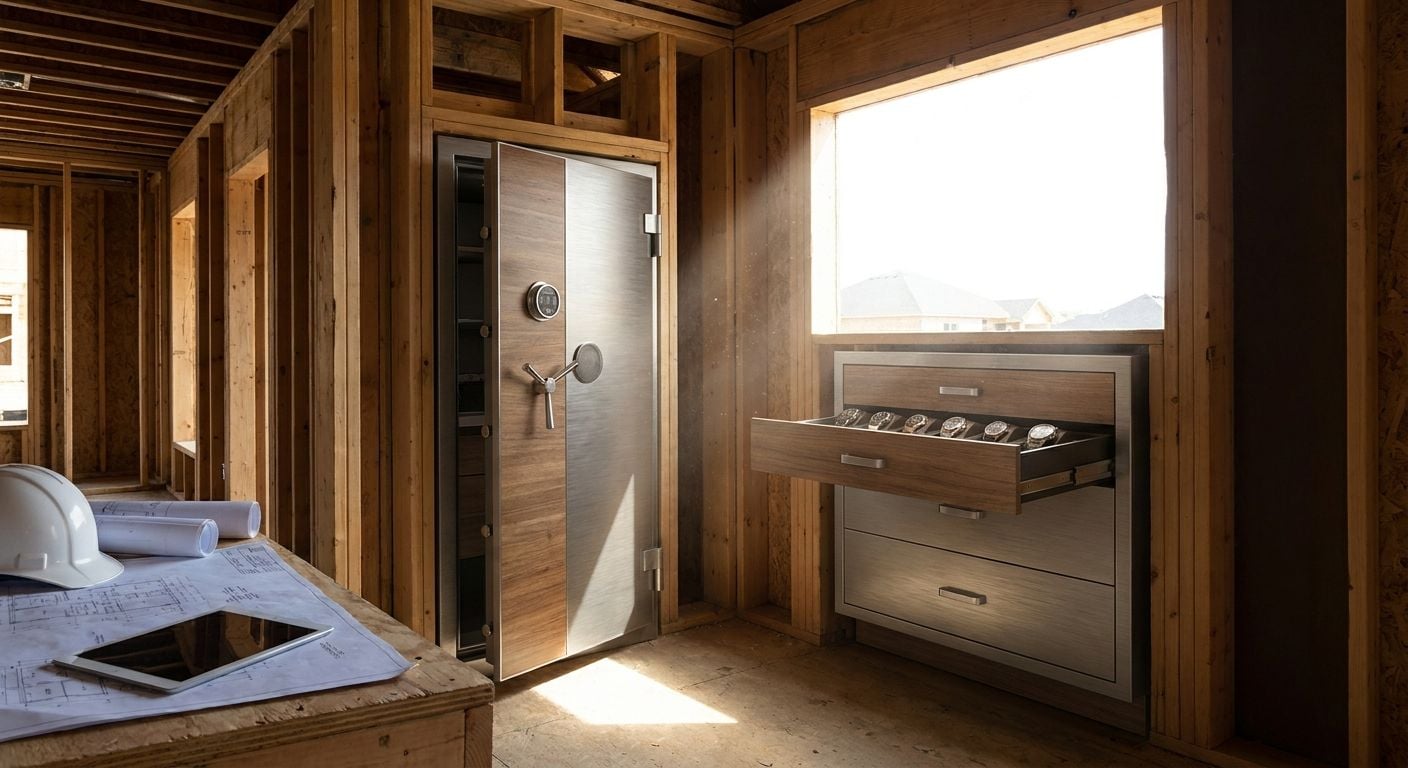
Framing decisions made before drywall goes up determine whether a watch safe fits, functions, and stays anchored for the life of a new home.
- Plan a watch safe for a new home build during framing, not after move-in — retrofits cost more and limit placement.
- A dedicated vault room beats a closet retrofit for collections over 12 pieces — build the room, not just the box.
- Confirm floor load, electrical rough-in, and 110V/220V outlet placement before the wall closes.
- Biometric lock watch safes need a dedicated low-voltage run during framing — plan it with your electrician now.
Why this matters
A watch safe installed after move-in works around whatever the house already gives you — a closet with the wrong stud spacing, an outlet on the wrong wall, no floor reinforcement under three hundred pounds of steel and hardwood. A watch safe planned during a new home build works the other way: the house gets built around the safe.
The difference shows up in cost and in options. Retrofitting a wall for a floor-anchored safe after drywall is up means cutting it open again. Doing it during framing costs almost nothing extra because the wall is already open.
Who this is for
This guide is for homeowners working with a builder or architect on new construction who want a permanent watch safe or watch safe with winder built into the plans — not bought and squeezed in after the fact. If you're deciding between a closet, a home office, or a dedicated room for a collection that will grow past a dozen pieces, this is the planning stage where those decisions actually get made.
What to look for in a watch safe for a new home build
Floor and wall load capacity
A safe holding a serious collection, plus its steel body and any built-in winder motors, carries real weight. Watch safe weight and how it affects home installation matters most at the framing stage, when a structural engineer or builder can add joist reinforcement for a few hundred dollars instead of retrofitting a finished floor later.
This matters more for a dedicated vault room or a second-floor closet than a ground-floor installation on a slab. Flag it with your GC before the subfloor goes down.
Anchoring before the walls close
Every Enigwatch watch safe is designed to be secured, not just set on a shelf. Bolting a watch safe down at home is far easier when the stud bay is still open and you can place blocking exactly where the anchor points need to land.
Ask your framer to add horizontal blocking between studs at the height your safe's mounting plate requires. Retrofitting this after drywall means locating studs with a finder and hoping the spacing cooperates.
Electrical rough-in for winders and access control
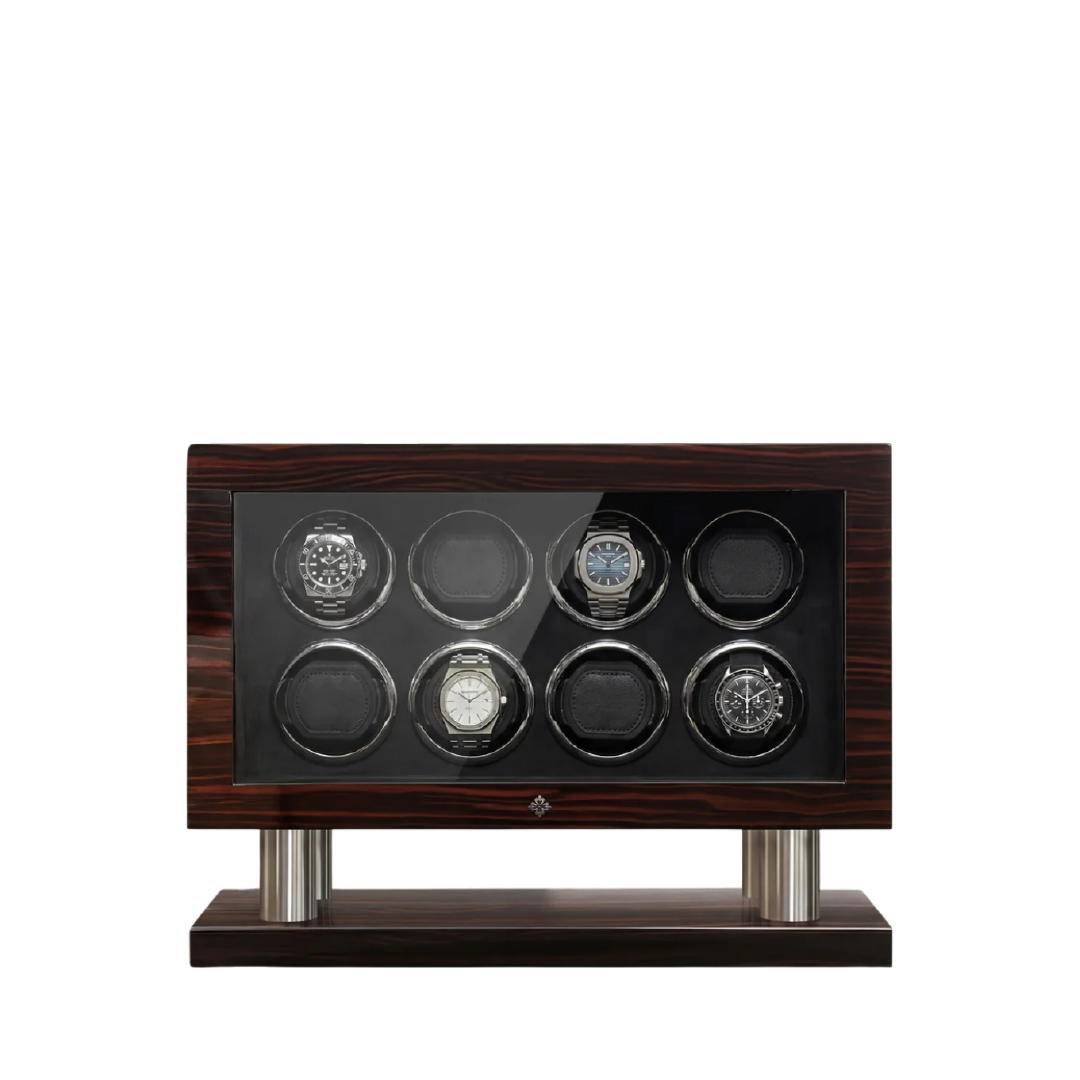
A watch safe with a built-in winder needs power at the unit — not an extension cord run across a closet floor. If the safe includes a biometric or digital lock, it also needs a low-voltage line for the reader and, in some cases, backup battery charging.
Confirm with your electrician whether the unit is wired for 110V or 220V before the walls are covered — Enigwatch ships worldwide, and international builds sometimes need the 220V configuration specified in advance rather than adapted after installation.
Climate and placement away from HVAC and sunlight
Automatic movements react to temperature swings and humidity the same way any precision mechanism does. Placing a safe directly beside an HVAC supply vent or on an exterior wall with direct afternoon sun creates the kind of temperature cycling that collectors spend money to avoid.
During a new build, you choose where the vents and windows go. Route the HVAC away from the planned safe location, and avoid exterior walls that face west if the room gets afternoon sun.
Room function: closet, office, or dedicated vault
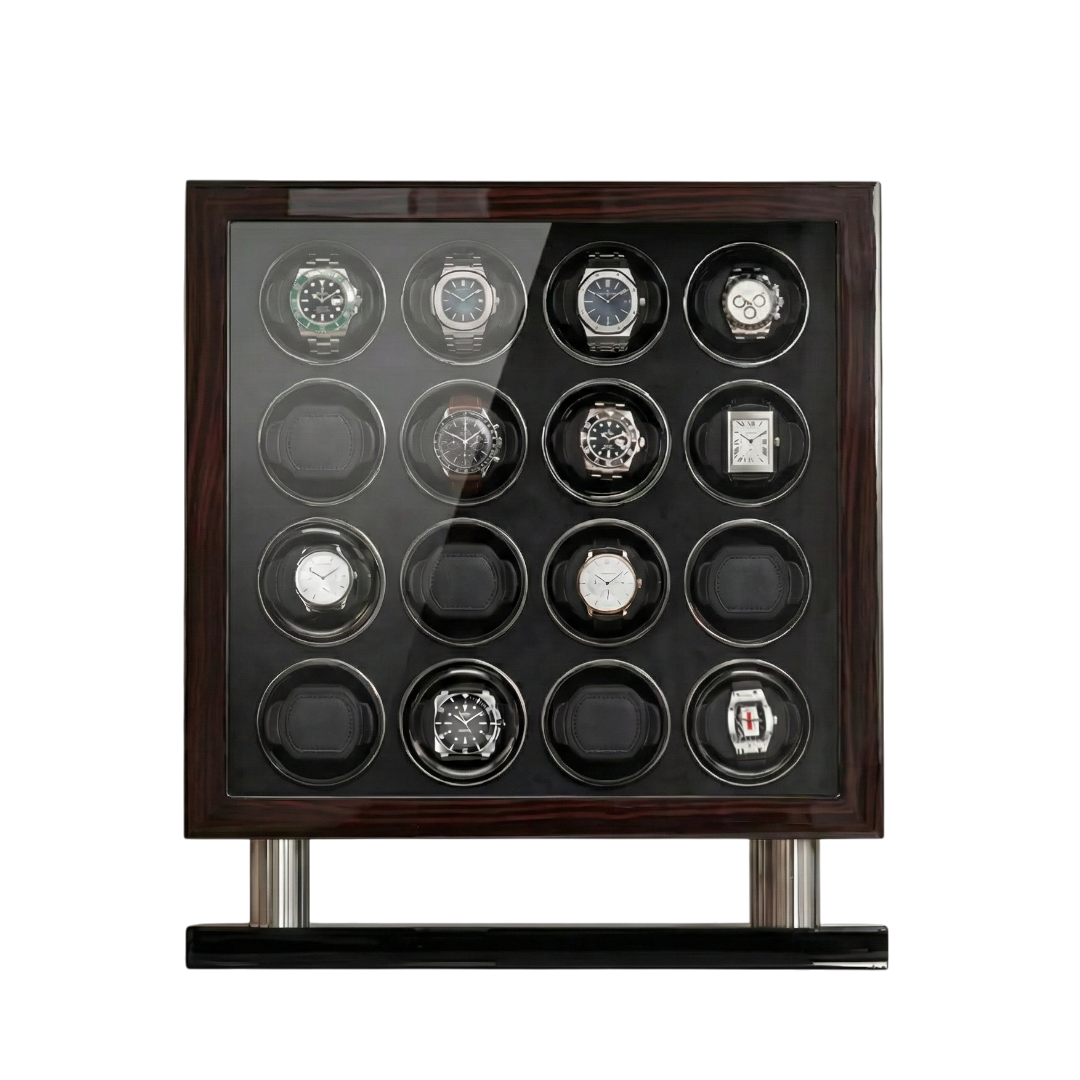
A new home build is the one moment you get to decide whether the safe lives in a closet, a home office, or its own room entirely. For collections that will grow past twelve to twenty pieces, a dedicated walk-in vault room built into the plans avoids the space constraints that come with converting a closet later.
For smaller collections, a reinforced closet or home office nook works — but decide now, because moving a bolted-down safe to a different room after the fact is a real project, not a weekend job.
Top picks for a new home build
The built-in pick: a dedicated vault room. Framed with reinforced flooring and its own climate zone, a vault room is the option serious collectors with a growing count of pieces should plan for from the start. Buy this route if your collection is already past ten to twelve watches or you expect it to grow — it's the only configuration where floor load, wiring, and lighting are designed in rather than retrofitted.
The wildcard: a biometric-lock safe wired during rough electric. Running the low-voltage line for a fingerprint or biometric reader during framing costs almost nothing. Skipping it means an exposed cable run later. Consider this if you want fingerprint access without a visible wire down the wall — it only works if you plan the run now.
The straightforward pick: a closet safe bolted to blocked studs. For a single-collector household without plans for a dedicated room, a closet with pre-placed blocking and a 220V or 110V outlet already run is the practical middle ground. Buy this if your collection sits under ten pieces and a full vault room isn't in the budget or the floor plan.
What to avoid
- Mounting to drywall without stud backing. It looks fine on install day and fails the first time the safe door is opened with any force — the anchor points need real blocking, not drywall anchors.
- Choosing a spot near an exterior wall with big temperature swings. A wall that faces direct sun for four hours a day works against the climate stability an automatic movement needs.
- Wiring for only one voltage standard. If there's any chance the home changes hands internationally or the owner splits time between countries, confirm 110V and 220V compatibility before the wall closes rather than after.
Plan the safe before the walls close
Coordinate placement, power, and anchoring with Enigwatch before drywall goes up.
Verdict comparison
| Criteria | Closet install | Home office nook | Dedicated vault room |
|---|---|---|---|
| Floor reinforcement needed | Sometimes | Sometimes | Usually |
| Best collection size | Under 10 | 10-20 | 12+ |
| Electrical rough-in complexity | Low | Moderate | High |
| Verdict | Buy for smaller collections | Consider for growing collections | Buy for serious, long-term collectors |
FAQ
When during a new home build should I plan for a watch safe?
Plan for a watch safe during the framing stage, before drywall closes the walls. This is when floor reinforcement, stud blocking, and electrical rough-in cost the least to add.
Do I need to reinforce the floor for a watch safe?
Reinforcement depends on the safe’s weight and the floor structure beneath it, especially above a second story. A structural engineer or builder can confirm this during framing rather than after the floor is finished.
Should the watch safe be wired for power during construction?
Yes, if the safe includes a built-in winder or biometric lock. Running power and low-voltage lines during rough electric avoids visible cords or exposed wiring later.
Is a biometric lock watch safe hard to retrofit into a closet?
It’s not hard, but it requires opening the wall to run a low-voltage line if that wasn’t planned during construction. Doing it during a new home build avoids that step entirely.
How much does a watch safe cost in 2026?
Luxury watch safes from Enigwatch range from roughly $5,000 to over $21,000 depending on capacity, materials, and lock type. Vault-room configurations and larger multi-slot safes sit toward the higher end.
Can a watch safe go in a walk-in vault room?
Yes, and for collections past ten to twelve pieces, a dedicated vault room built during construction is often the better long-term choice than a converted closet.
Does climate control matter for a watch safe near an HVAC vent?
Yes, placing a safe directly beside an HVAC supply vent creates temperature cycling that isn’t good for automatic movements. Route ductwork away from the planned safe location during the build.
Should I choose 110V or 220V for a new build watch safe?
Confirm which voltage your safe or winder requires and match it to your electrical plan before the wall closes. International builds or homes that may change ownership benefit from planning for both standards up front.
One last thing
The cheapest structural change in the entire process is the one made while the wall is still open — blocking behind drywall costs a builder almost nothing to add during framing and almost everything to add after the fact.
Related guides
Protect Your Watch Collection
Designed for collectors who demand the best. Explore our premium watch winders and luxury safes.