
A boat is the worst environment a watch safe will ever see: constant vibration, salt-laden air, temperature swings between the cabin and the dock, and a hull that flexes in a chop. This guide breaks down what actually holds up at sea versus what looks rugged in a showroom.
- A watch safe for boat use needs a UL-rated body, a biometric or keypad lock rated for wet hands, and active humidity control below 55% RH.
- Skip magnetic and simple key locks on a vessel — salt corrosion and constant vibration degrade both within a season or two.
- Bolt-through mounting into a bulkhead or reinforced sole beats adhesive pads or a safe left free-standing in a cabin.
- A steel-body safe with a sealed gasket door is the baseline for 2026; wood-veneer cabinets belong on land, not on a hull.
Why this matters
A jewelry box with a lock is not a safe, and a home safe bolted into a boat is not automatically marine-grade. Salt air corrodes exposed steel and hinge pins faster than most owners expect, and a hull under way vibrates at frequencies that loosen adhesive mounts within a single season. Collectors who move a $30,000-plus watch collection between a house and a vessel in 2026 are dealing with a storage problem land-based reviews rarely address.
Who this is for
This is written for the owner who splits time between a primary residence and a boat 30 feet or longer — sailboats with a below-deck cabin, motor yachts with a stateroom, or a live-aboard setup — and wants at least part of a collection secured on board rather than shuttled back and forth in a travel case. If you only bring one or two watches on weekend trips, a travel-focused case solves the problem more cheaply than a fixed marine installation.
What to look for in a watch safe for a boat
Lock type that survives wet hands
A standard key lock corrodes at the pins within a season of salt exposure, and a numeric keypad with exposed buttons fails the same way once salt crystallizes in the seams. A biometric lock built for luxury watches reads a fingerprint through a sealed sensor and has no exposed mechanical parts for salt to attack — this matters more on a boat than in any home installation.
A burglary rating that means something
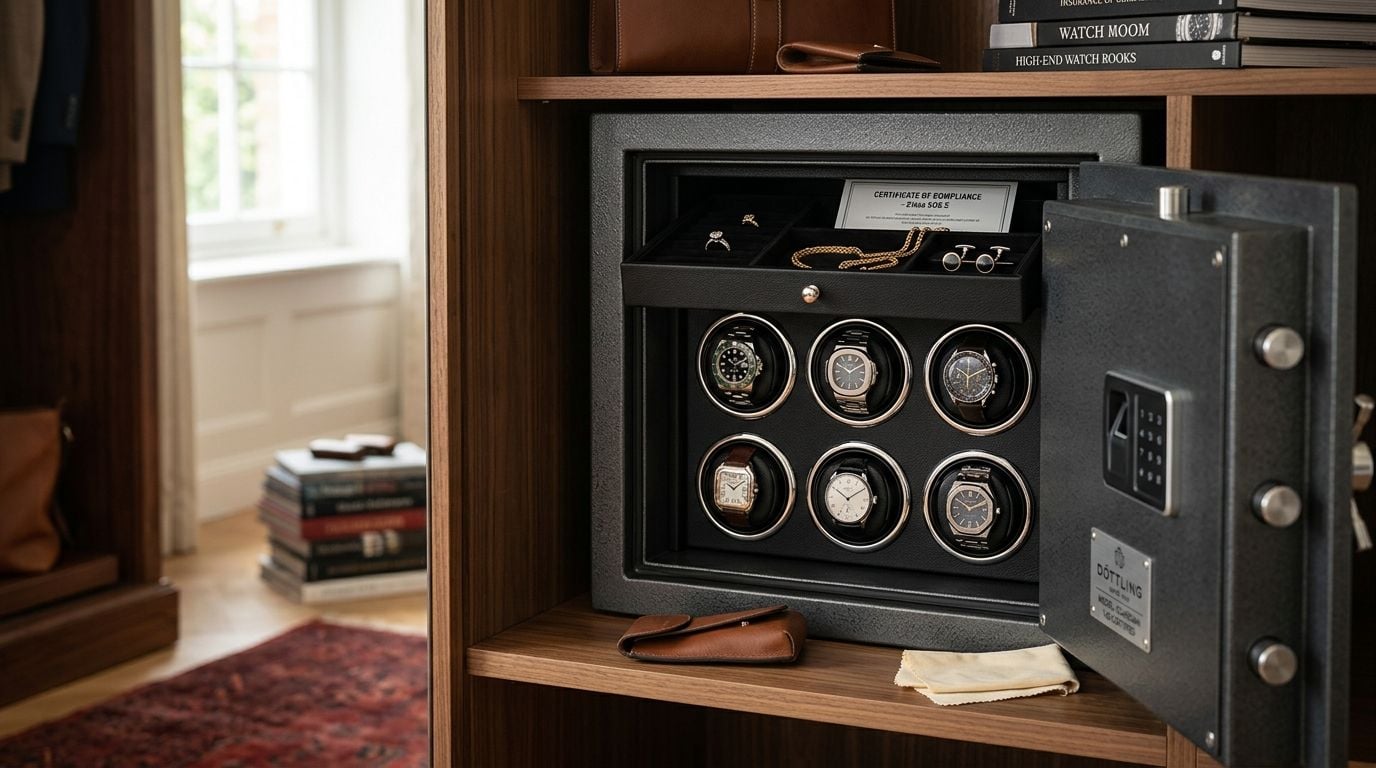
Marketing copy calls almost anything a "safe." The number that actually tells you what you're buying is the UL burglary rating printed on the certification plate. A vessel left at a marina slip for weeks at a time is an easier target than a monitored house, so the rating floor should be higher, not lower, than what you'd accept on land.
Salt-air resistance in the body and hardware
Steel that isn't finished for marine exposure pits and stains within one Atlantic season. Compare how beach houses handle humidity and salt air — a boat sees a more concentrated version of the same problem, with condensation cycling daily instead of seasonally.
Active humidity control, not passive
A cabin's humidity swings hard between a closed-up boat in July and an air-conditioned run offshore. Passive desiccant packs saturate within weeks in that environment. Active control that holds 45-55% RH protects both the movement lubricants and the dial finish, and it's worth checking before you buy rather than after a watch comes out fogged.
Mounting that holds under vibration and list
A safe that isn't through-bolted into a structural bulkhead or reinforced sole will walk across a cabin floor in a following sea. Adhesive pads and friction feet are a land-only solution.
Power draw you can run off house batteries
A winder-equipped safe or one with an active humidity system pulls continuous power. On a boat running off a battery bank rather than shore power full-time, that draw needs to be small enough not to compete with refrigeration and navigation electronics.
Top picks for marine use
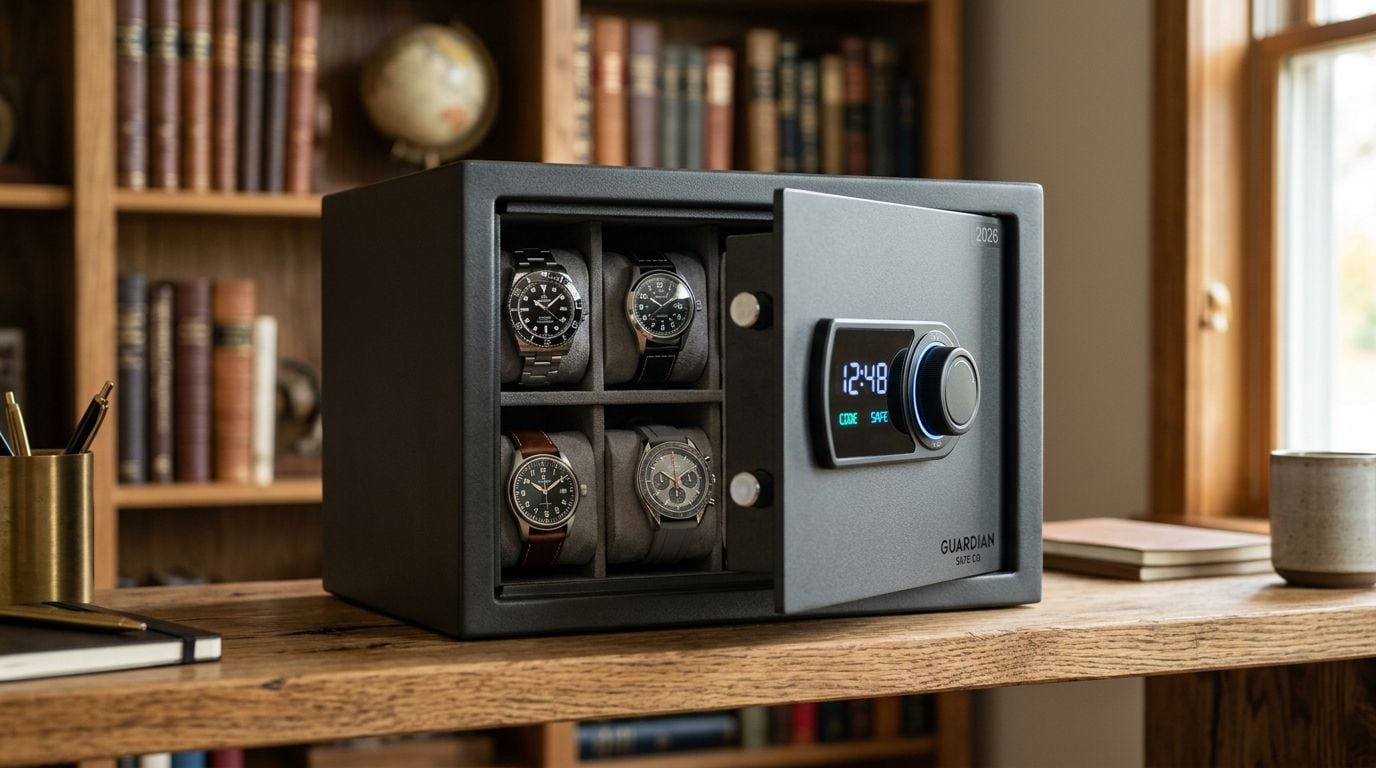
The bolted-console pick. A steel-body safe with a UL TL-15-class door and a through-bolt mounting kit is the baseline for a below-deck installation. The one number that matters here is door gauge — anything under 3/16-inch steel flexes under repeated vibration over a multi-year ownership period. Buy if you're installing into a dedicated stateroom closet.
The biometric-access pick. For a cabin shared by crew or family, a fingerprint-only lock removes the combination-sharing problem entirely and keeps working with wet or gloved hands. Buy if more than one person needs access underway.
The climate-controlled pick. A safe with active RH regulation built into the interior liner is the right call for anyone keeping the boat in a humid marina for more than four months a year. Consider this over a passive unit if your vessel sits in a slip through a full Gulf Coast or Mediterranean summer.
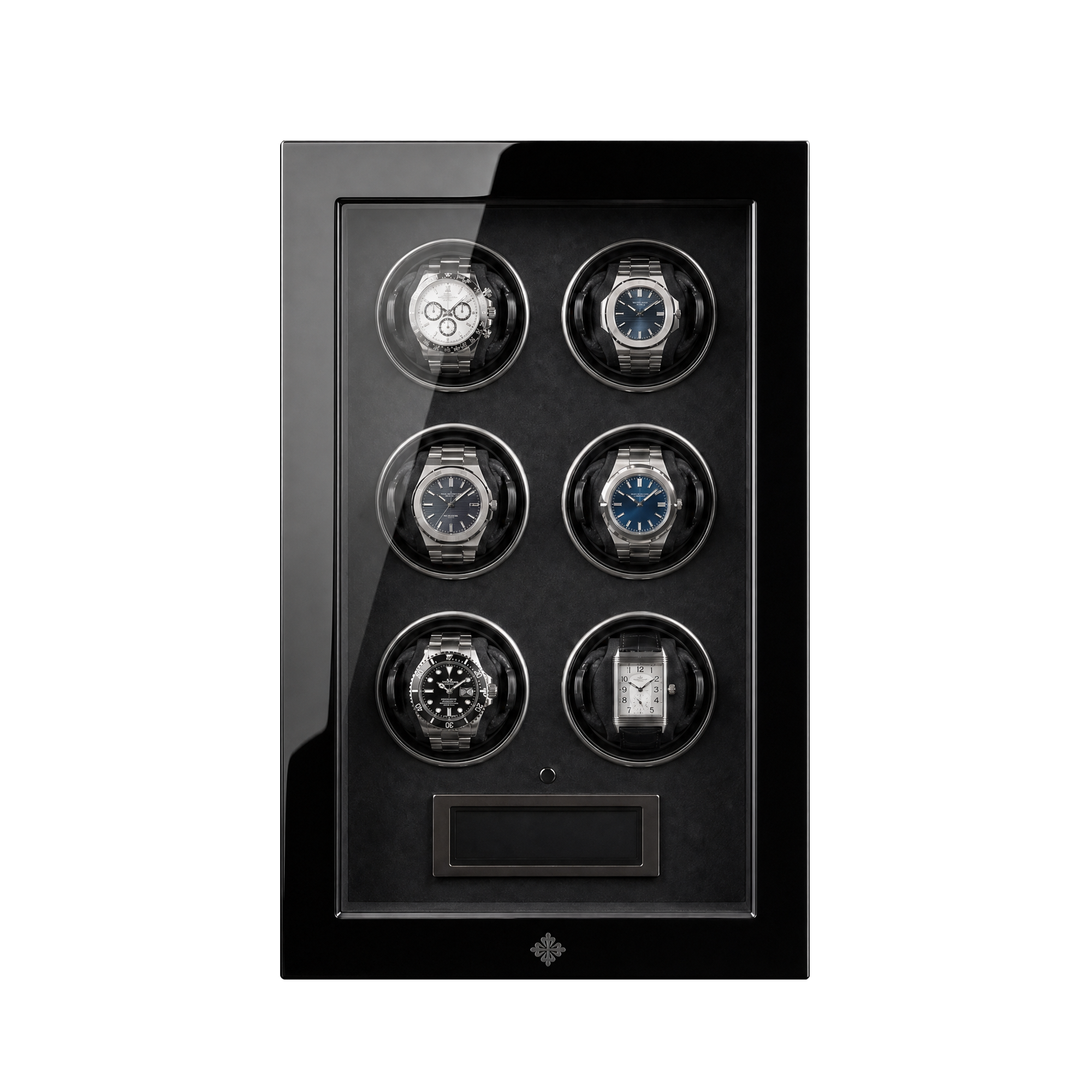
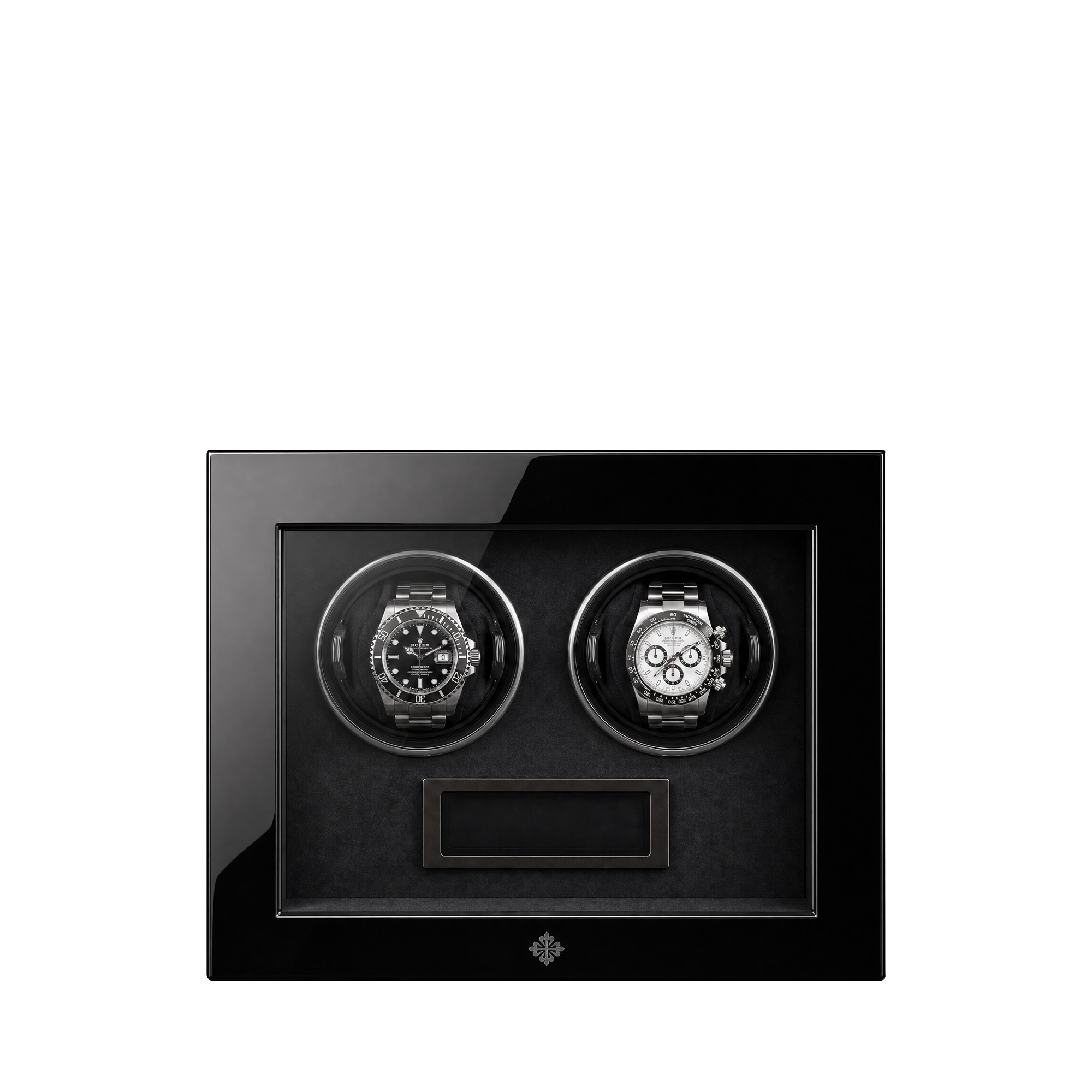
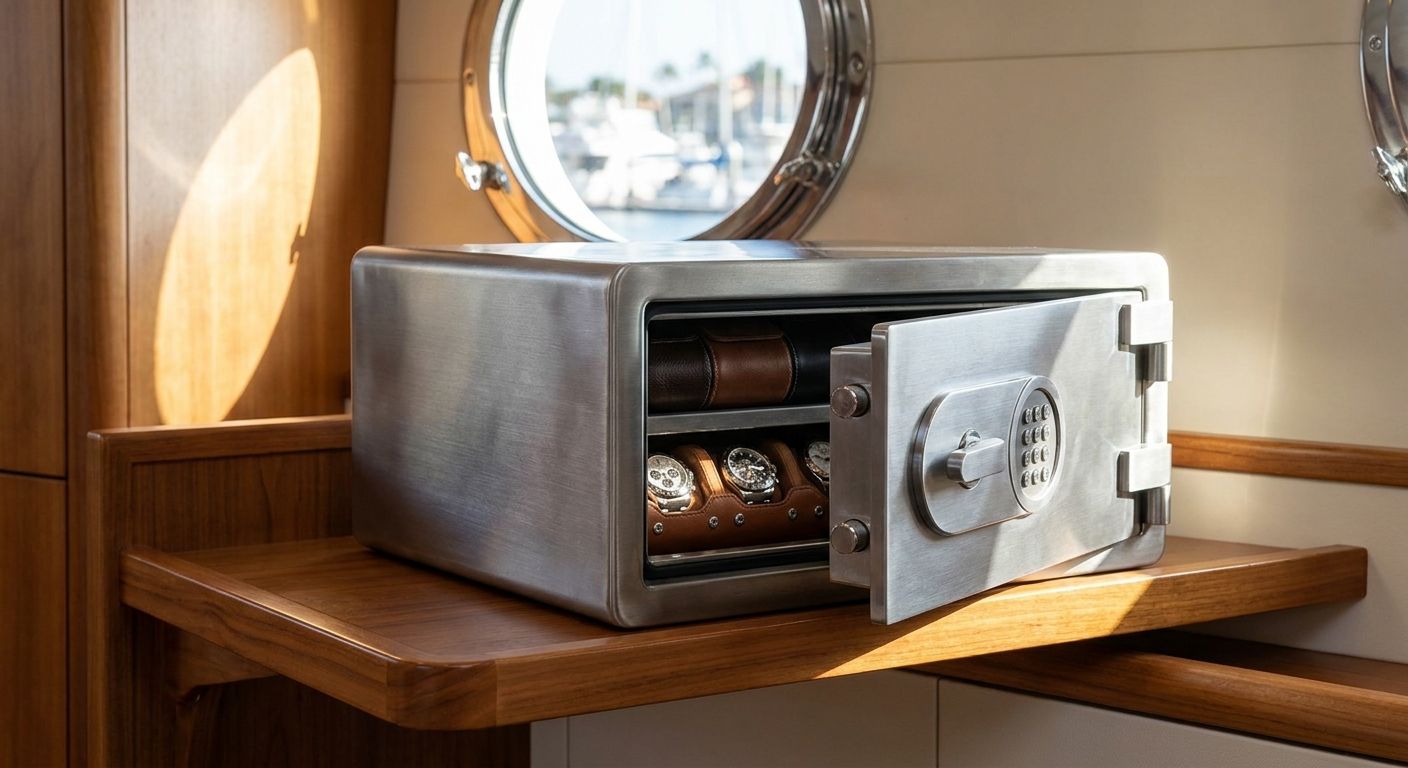
The compact tender pick. A small-capacity unit sized for four to six pieces fits a sailboat's tighter cabin footprint without eating into storage you need for gear. Consider it if your collection on board is a rotating subset rather than the full holding.
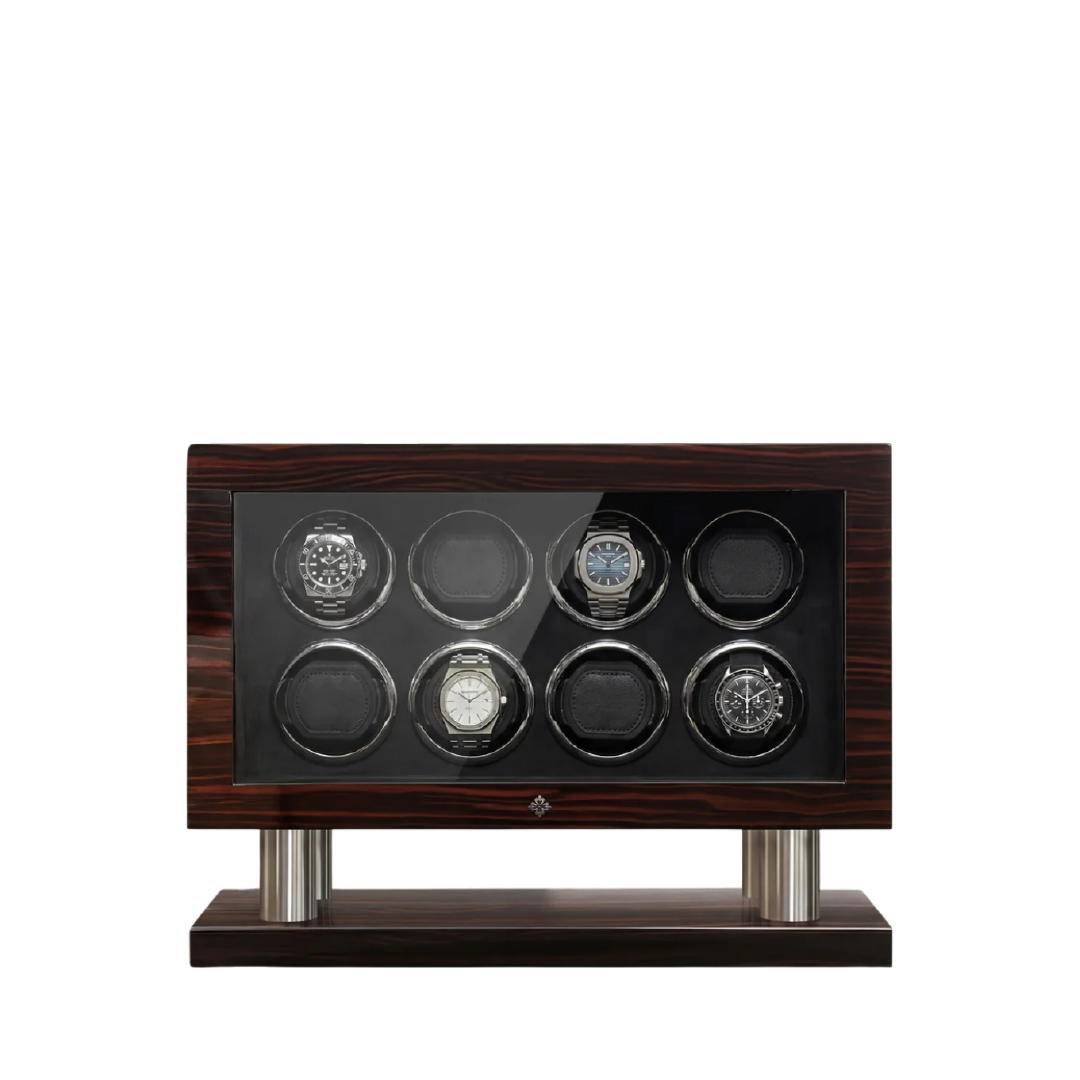
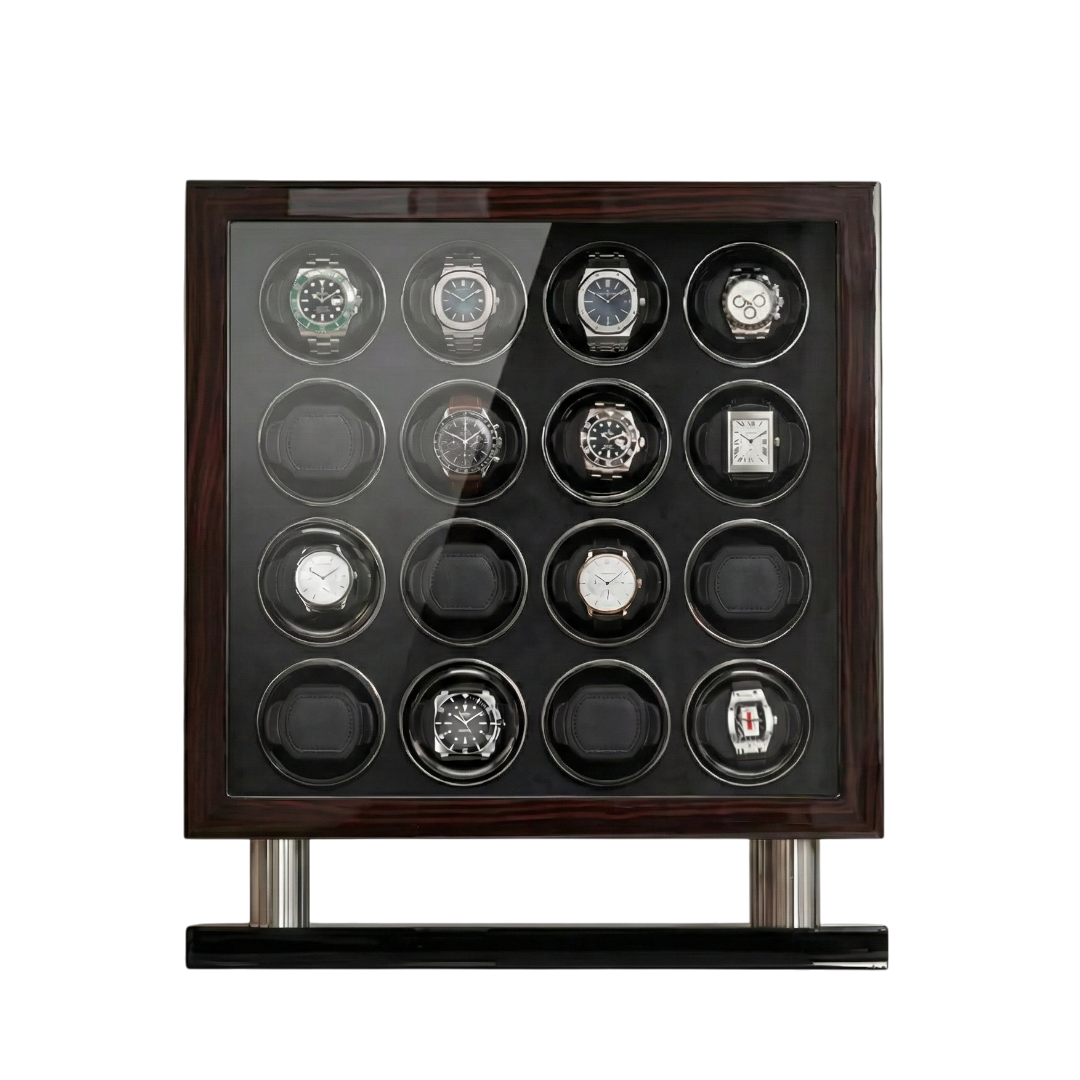
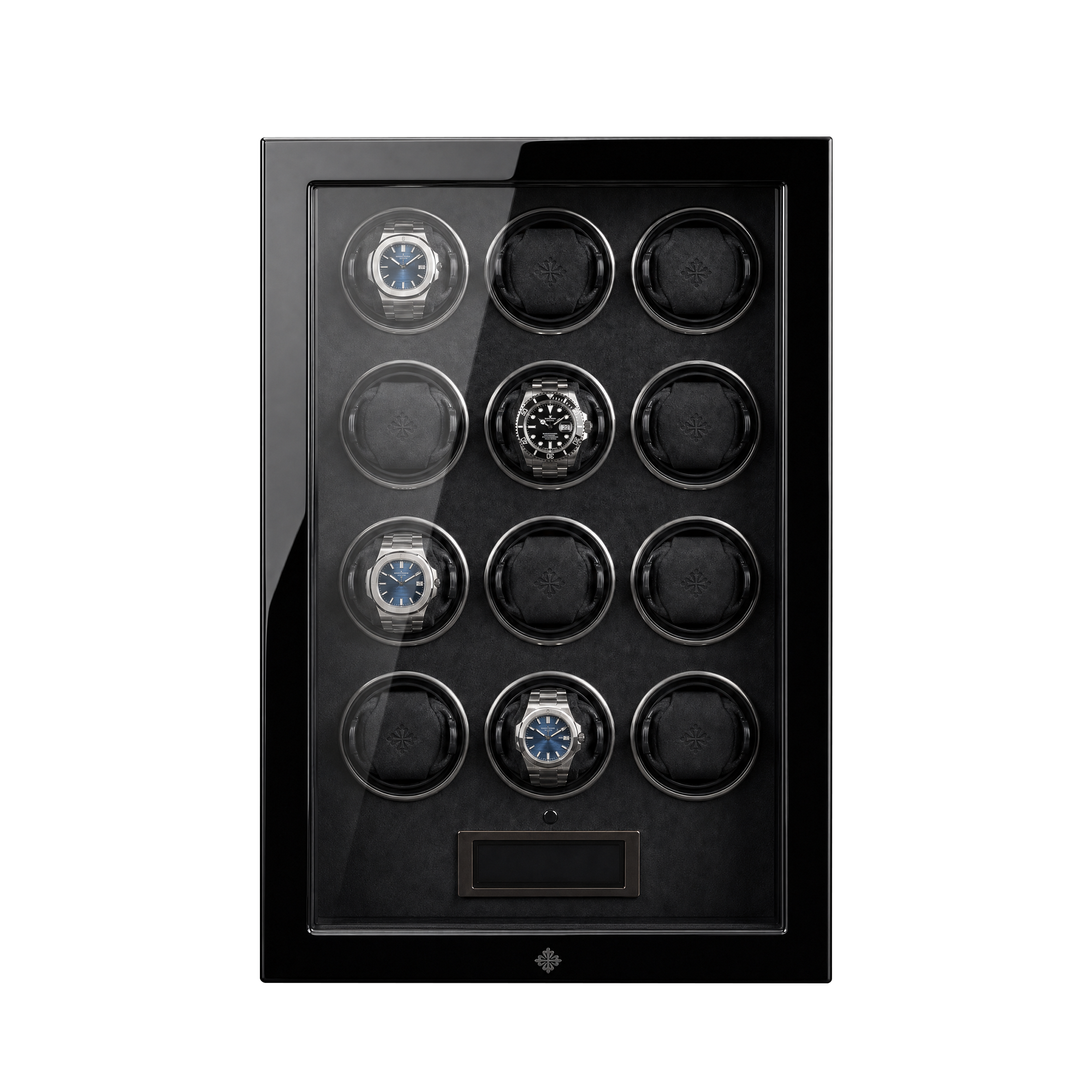
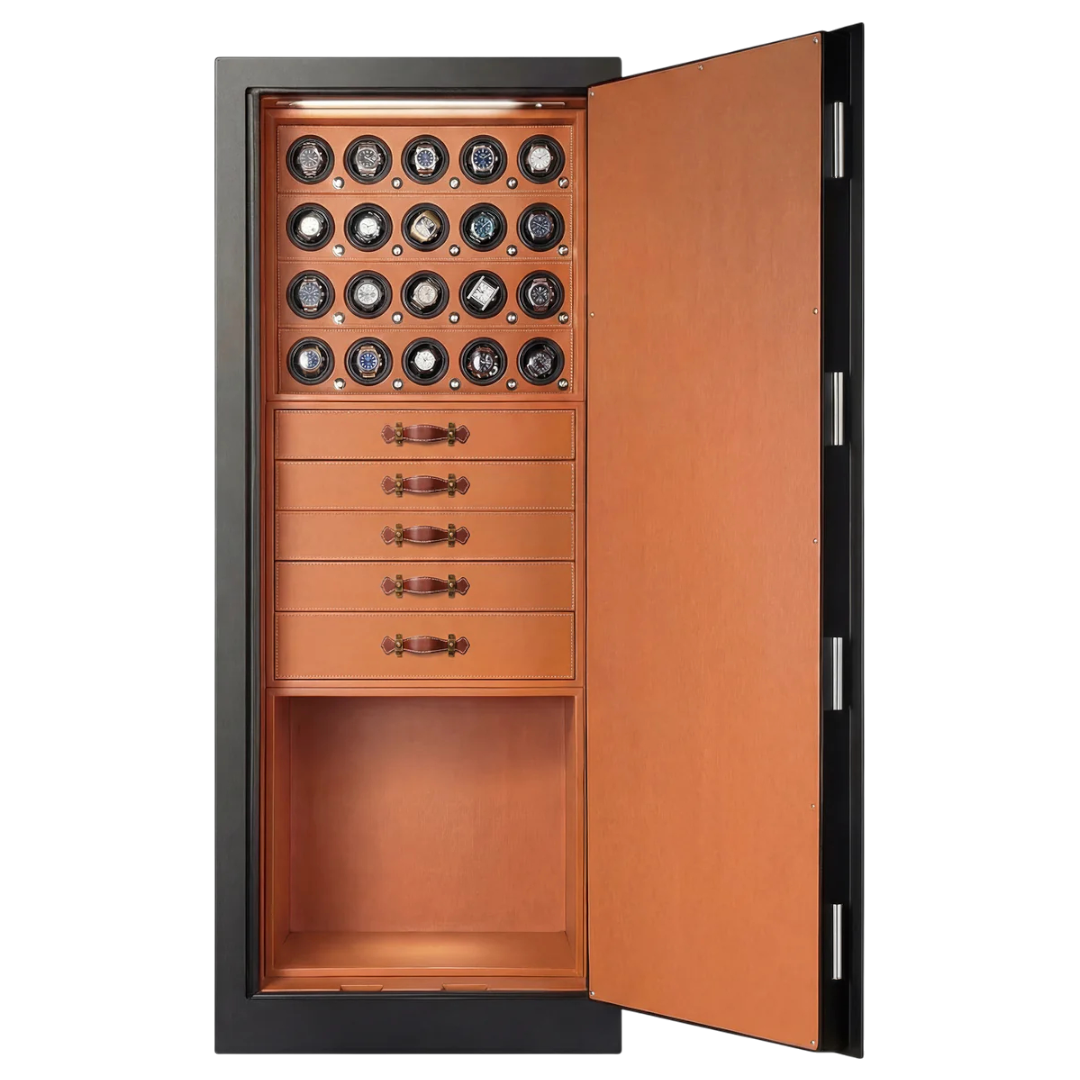
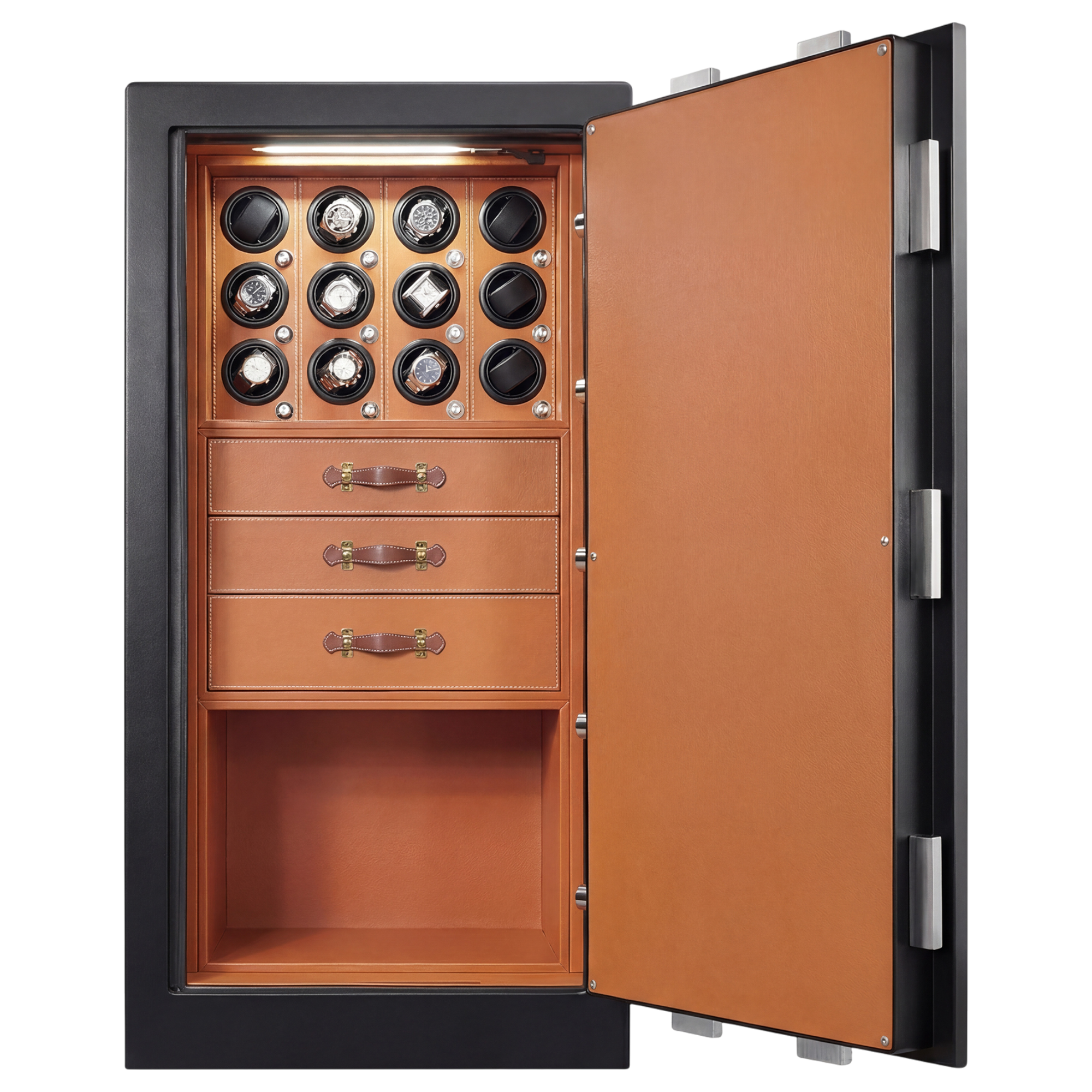
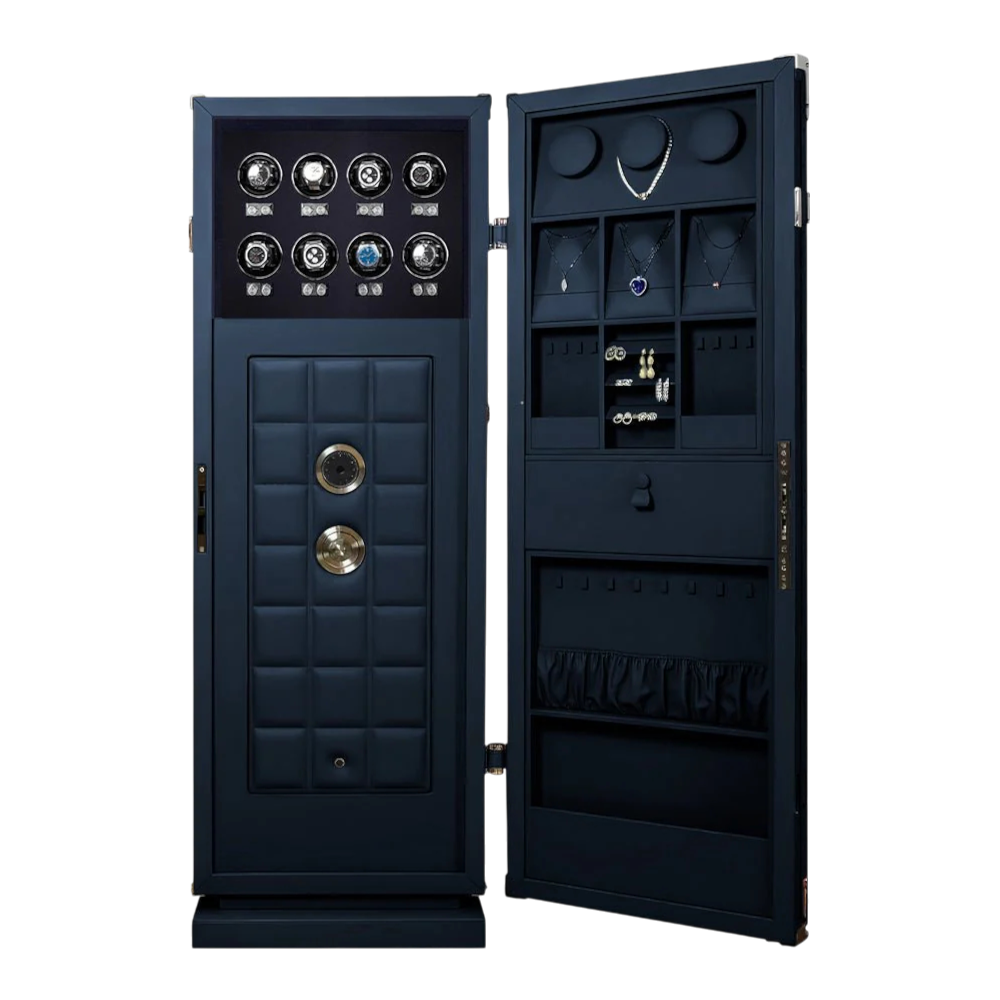
The oversized cabinet pick. A full winder-and-safe cabinet sized for a large collection is realistic on a motor yacht with a dedicated stateroom, but it's overbuilt and heavy for anything under 45 feet. Skip it on a smaller hull — the added weight and power draw aren't worth it below that size.
Plan a marine installation
Get a layout fitted to your vessel’s cabin dimensions and power budget.
What to avoid
- Wood-veneer cabinets marketed for closets. They look right in a showroom but swell and delaminate in a humid cabin within one or two seasons at sea.
- Free-standing safes with rubber feet instead of a bolt kit. If a safe isn't designed to be bolted into a structural point, a boat's motion will move it, and the guide for anchoring a unit at home applies almost unchanged to a bulkhead install.
- Any lock advertised as "weather-resistant" without a UL or marine certification number. That phrase means nothing on a spec sheet without a rating behind it.
A safe that isn't rated for shock and vibration is a jewelry box with a lock.
Verdict comparison
| Configuration | Security rating | Humidity control | Mounting | Best for | Verdict |
|---|---|---|---|---|---|
| Bolted steel console | UL TL-15+ | Passive or active | Through-bolt to bulkhead | Below-deck stateroom | Buy |
| Biometric-access unit | UL TL-15+ | Passive or active | Through-bolt | Shared crew access | Buy |
| Climate-controlled unit | UL TL-15 | Active, 45-55% RH | Through-bolt | Marina moorage 4+ months | Consider |
| Compact tender unit | UL TL-15 | Passive | Through-bolt or bracket | Sailboats, small cabins | Consider |
| Oversized winder cabinet | UL TL-30 | Active | Reinforced floor mount | 45-foot-plus motor yachts | Skip on smaller hulls |
FAQ
What’s the best watch safe for a yacht or boat?
A steel-body safe with a UL TL-15 or higher burglary rating, a biometric lock, and through-bolt mounting into a structural bulkhead is the strongest baseline for a boat in 2026. Wood-veneer cabinets and adhesive-mounted units don’t hold up to marine vibration and salt exposure.
Do I need a marine-grade watch safe if I only keep watches on board seasonally?
Yes, if the boat sits in a humid marina for more than a few months a year, since salt air and condensation cycles damage a standard home safe’s hardware faster than the same unit ages on land. A passive-humidity unit is usually enough for shorter seasonal use.
Is a biometric lock reliable on a boat with wet or salty hands?
A sealed fingerprint sensor reads through moisture and doesn’t have exposed mechanical pins for salt to corrode, which makes it more reliable at sea than a keypad or key lock. Check that the sensor housing is rated for the humidity range you’re mounting it in.
How do I bolt a watch safe to a fiberglass hull or teak deck?
Bolt into a structural bulkhead or reinforced sole rather than directly through a fiberglass skin, using a backing plate to spread the load. The same anchoring principles used for a home installation apply to a bulkhead mount on a vessel.
What humidity range protects automatic watches on a boat?
A range of 45-55% relative humidity protects both movement lubricants and dial finishes in a marine cabin. Passive desiccant packs saturate within weeks in that environment, so active control is worth the added cost on a boat kept afloat most of the year.
Can a standard home watch safe handle a boat’s vibration and list?
Most home safes are rated for stationary use and will shift or open under a hull’s list and vibration without a through-bolt mount. A marine installation needs hardware specifically rated for continuous low-frequency vibration, not just theft resistance.
How much does a marine-grade watch safe cost in 2026?
Pricing scales with capacity, lock type, and climate control, and a properly rated unit for a boat sits in the same range as a comparable land installation once mounting hardware is included. Check current configurations and pricing directly before budgeting a stateroom build-out.
Does saltwater air damage a watch safe’s finish?
Yes, unfinished or improperly sealed steel pits and stains within a single season of salt exposure, and hinge pins corrode faster than on any land installation. A marine-rated finish and sealed door gasket are the two details that prevent this.
One last thing
The detail most collectors miss on a boat isn't the lock or the rating plate — it's the power draw. An active climate-control system or winder cabinet running continuously off a battery bank competes with refrigeration and navigation electronics on a vessel not connected to shore power full-time, and that's the spec sheet line worth checking before the security rating.
Related guides
- Watch safe for travel: protecting luxury watches
- Watch safe humidity levels: what collectors should know
- Watch safe vs wall safe: which suits watch collectors
- Watch safe weight: why it matters for home installation
Protect Your Watch Collection
Designed for collectors who demand the best. Explore our premium watch winders and luxury safes.