
A beach house is the hardest place in the country to keep a mechanical watch. Salt-laden air, swinging humidity, and long stretches of vacancy attack steel, leather, and lubricant differently than a dry inland closet ever will, and the wrong watch safe for beach house use turns a $12,000 vault into a slow rust problem.
- Grade 304 stainless steel with a sealed gasket door is the baseline for any watch safe for beach house use in 2026 — lesser steel pits within a season.
- The Titan Sanctum 20 and Veron Elite 20 both use Grade 304 construction with biometric access rated for humid interiors — buy either for a primary residence.
- The Centennial Bulletproof Watch Safe fits a small beach house collection at $5,299 and still carries a two-hour fire rating at 695°C.
- Combination and key locks outlast biometric sensors in salt air unless the unit is rated for coastal humidity — check the spec sheet before you buy.
- Bolt the safe to a stud or slab, not drywall alone — coastal construction and storm risk make anchoring non-negotiable.
Why this matters
Humidity swings do more damage to a watch collection than a single flood ever would. Coastal air runs 60-80% relative humidity for months at a time, and that moisture carries chloride salts that pit exposed steel, tarnish plated hardware, and corrode the lugs on a bracelet left outside a case. Enigwatch’s own humidity guide puts the acceptable range for stored automatic watches at 40-50% RH — well below what a beach house delivers without climate control running year-round.
A watch safe built for an inland den doesn’t automatically solve this. Door gaskets, steel grade, and lock mechanism all determine whether the interior of the safe tracks outdoor humidity or holds a stable microclimate regardless of what’s happening on the porch.
Who this is for
This guide is for the owner of a second home on the coast — Hilton Head, the Outer Banks, the Gulf Coast, Malibu — who keeps part of a watch collection there and visits on an irregular schedule. The house sits unoccupied for weeks, the AC sometimes gets set back to save on the electric bill, and the collection needs to survive that neglect without a caretaker checking humidity readings weekly.
What to look for in a watch safe for a beach house
Steel grade and corrosion resistance
Grade 304 stainless steel resists chloride pitting far longer than the cold-rolled steel used in budget fire safes. Every Enigwatch vault above the entry tier — the Veron Elite line, the Titan Sanctum 20 — uses 304 stainless as the body material specifically because it holds up in marine environments. Cheaper safes powder-coat mild steel, and powder coat chips at the hinge within a year or two of salt exposure, exposing bare metal underneath.
Sealed door and gasket integrity
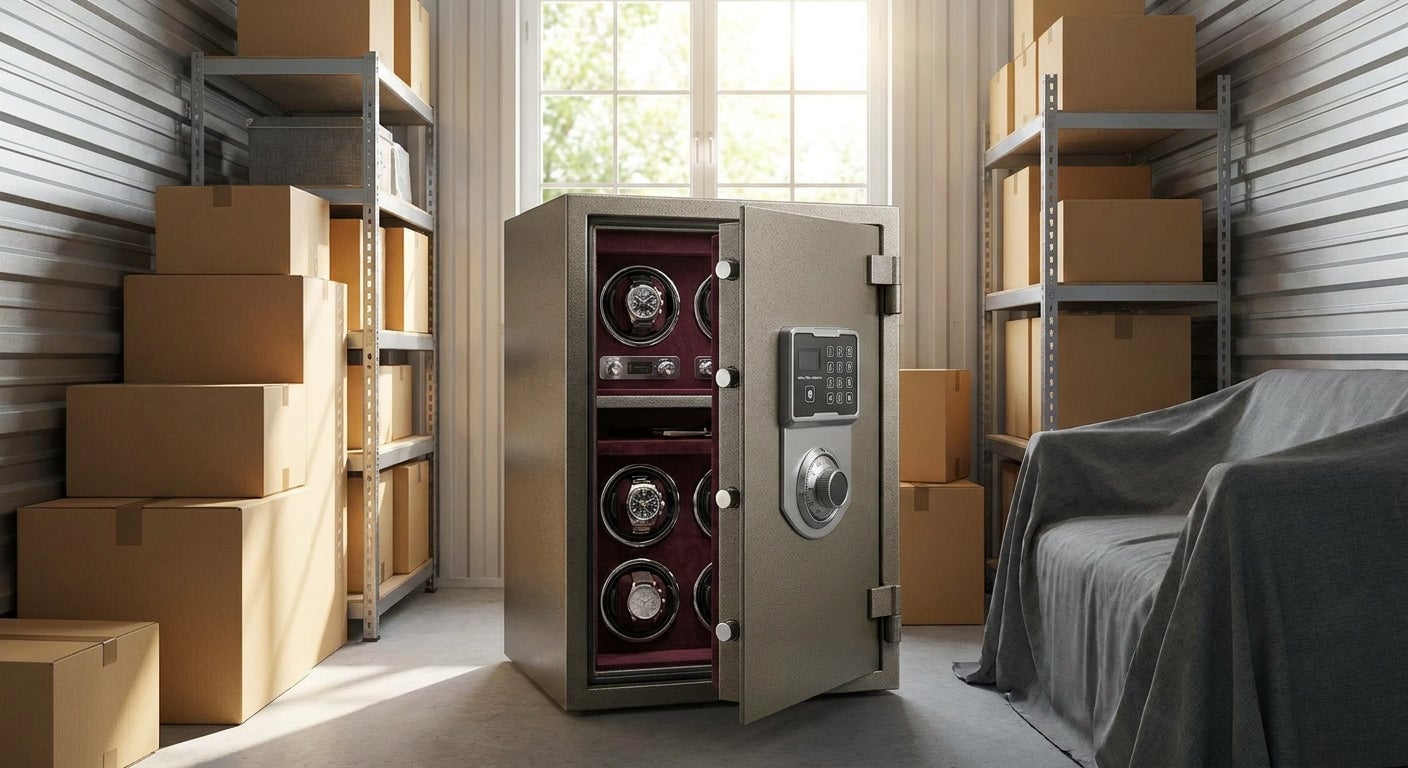
A vault door with a compression gasket keeps the interior air pocket isolated from the room. That matters more at a beach house than anywhere else, because the room air itself is the problem. Ask what gasket material a safe uses before buying — some listings don’t specify it at all, which is itself a signal to skip.
Interior lining that doesn’t trap moisture
Foam liners absorb and hold humidity, which then sits against the caseback of every watch on the shelf. Alcantara and full-grain Nappa leather, the two linings used across the Enigwatch safe catalog, breathe differently and don’t wick moisture the way synthetic foam does. This is a small detail on a spec sheet that becomes the difference between a watch that stays dry and one that develops a fogged crystal.
Lock mechanism reliability in humid climates
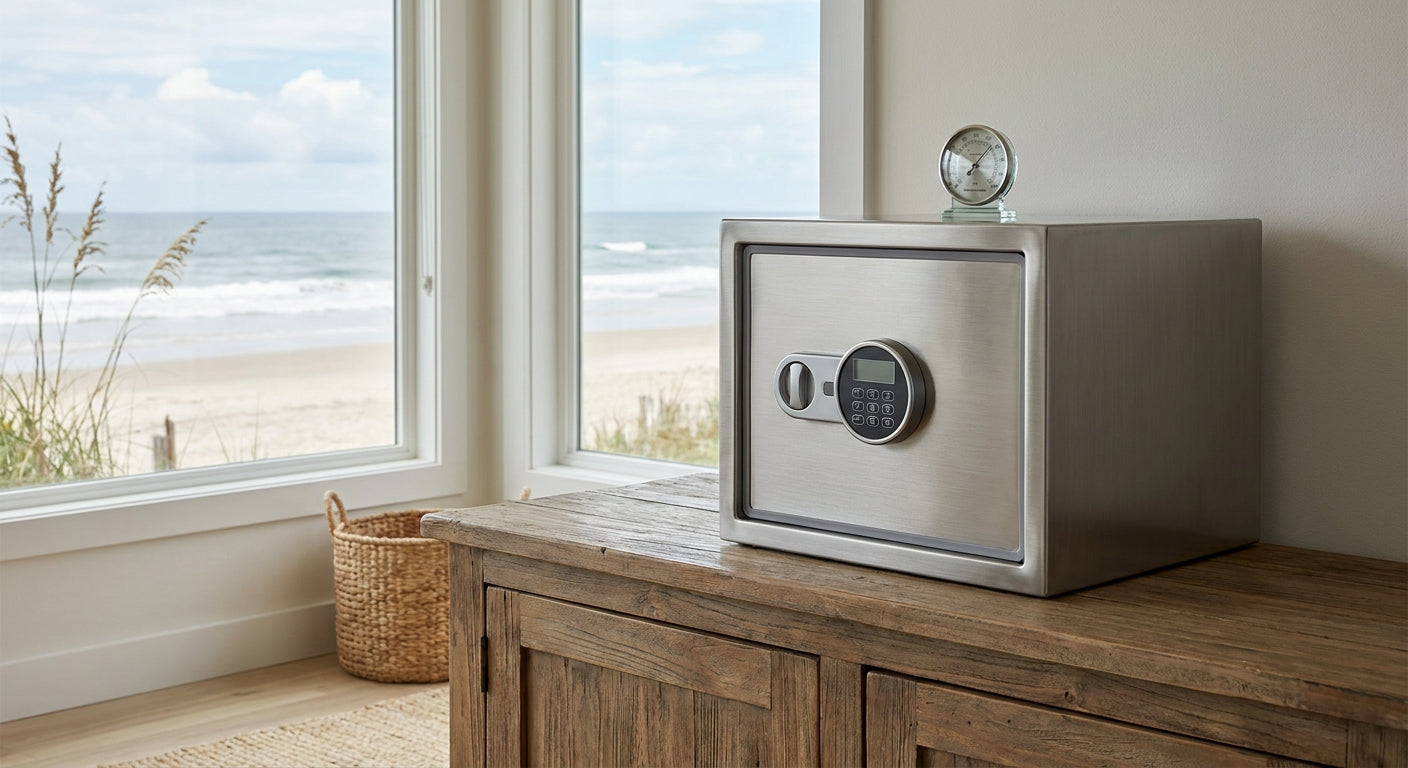
Biometric fingerprint sensors are convenient, but not every sensor is rated for the condensation that builds up on a safe door left in a humid mudroom. Combination dials and physical keys have no electronics to corrode, which is why some coastal buyers deliberately choose a mechanical lock over biometric access for a vacation property. If biometric access matters to you, confirm the sensor has an IP rating suited to humid interiors rather than assuming luxury means weatherproof.
Anchoring and weight for storm-prone construction
Coastal homes get built on pilings, slab, or crawl space, and hurricane risk means a safe needs to be bolted to a stud or slab rather than left freestanding. A vault under 200 lbs anchored properly will outperform a 500 lb unit sitting loose on a wood floor during a storm surge event. Check the anchoring hardware included before assuming a heavier safe is automatically more secure.
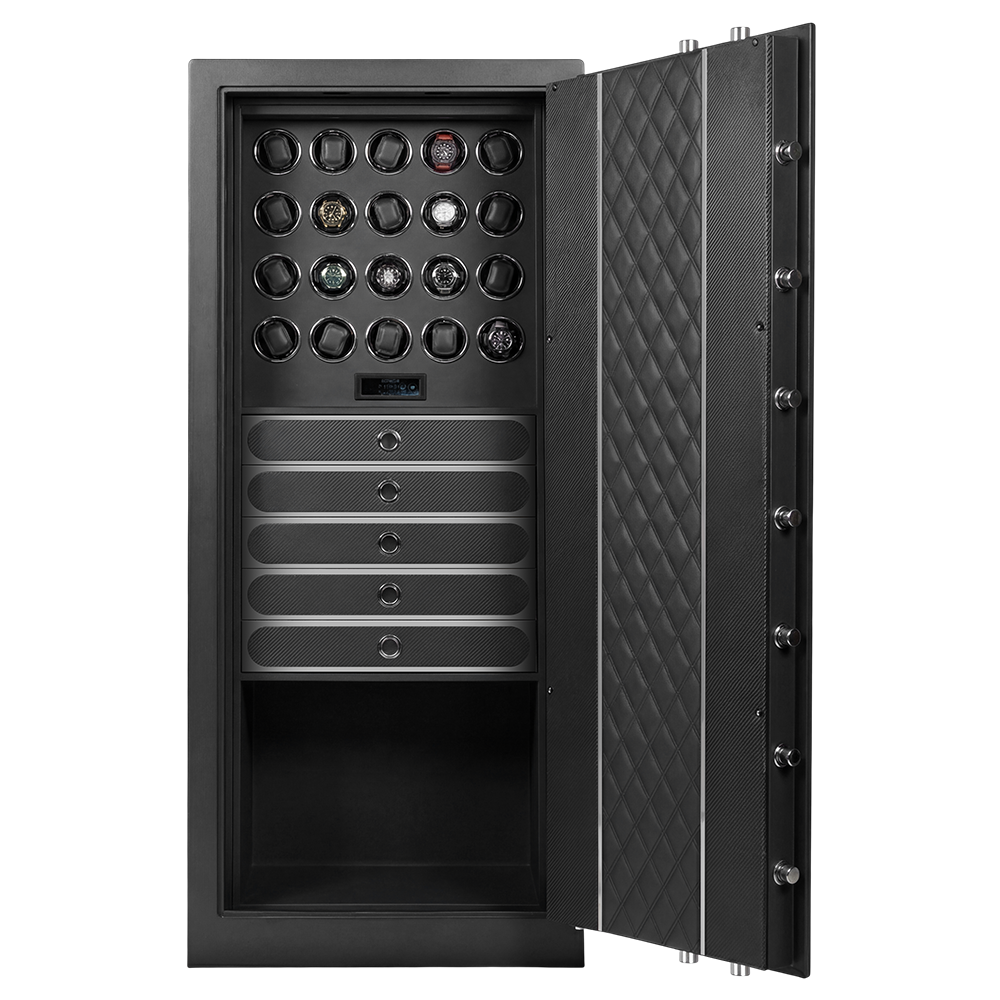
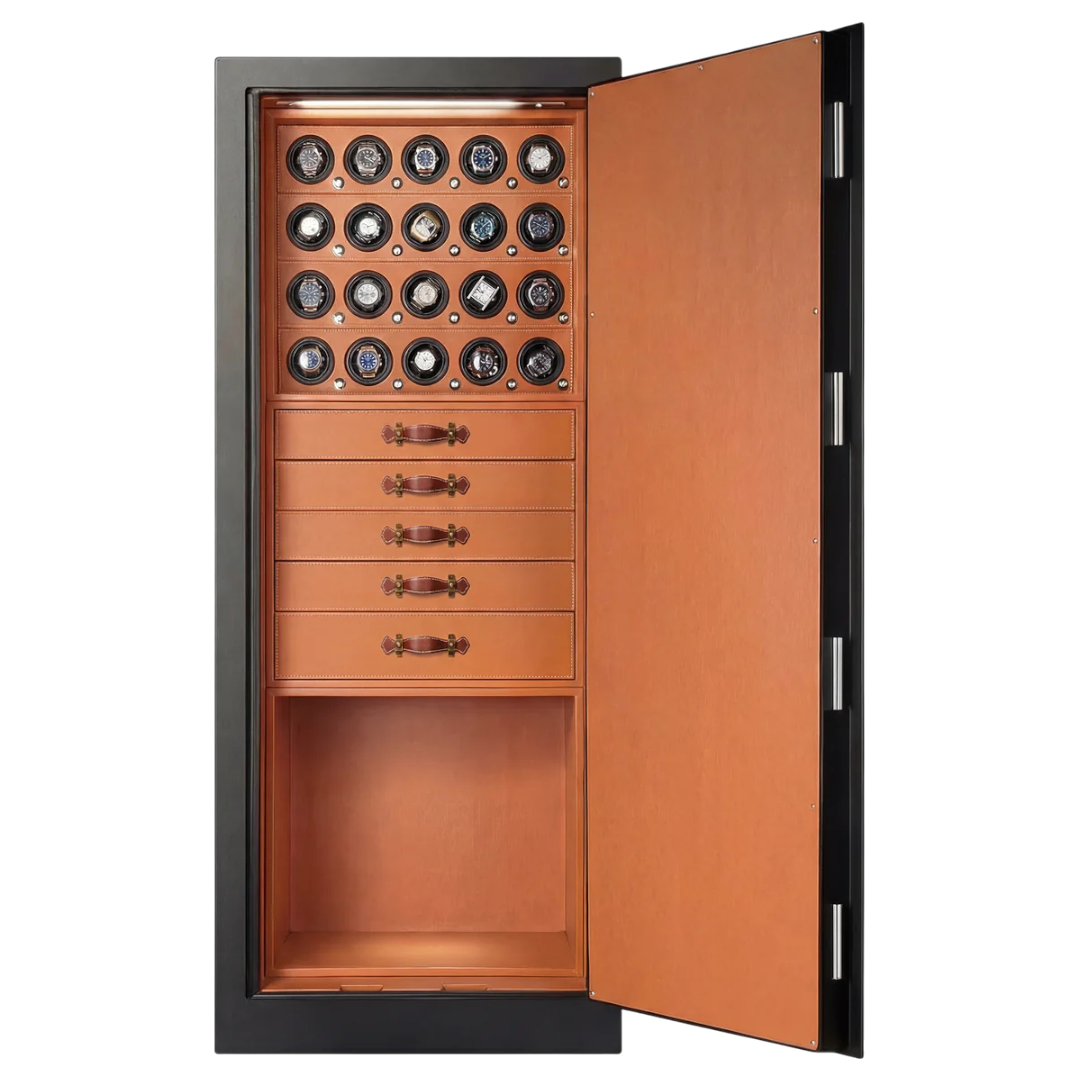
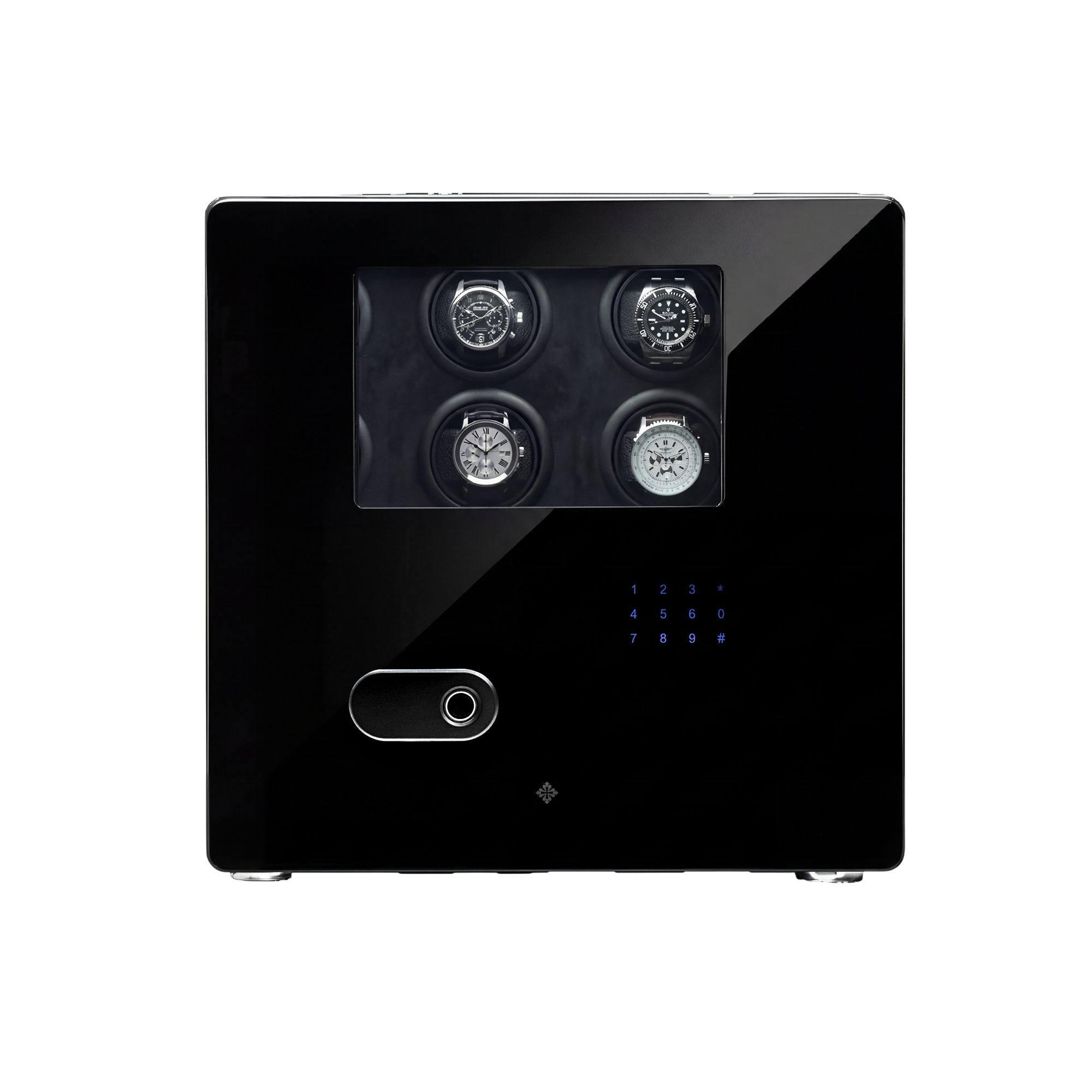
Top picks for a watch safe for a beach house
The fortress pick: Titan Sanctum 20
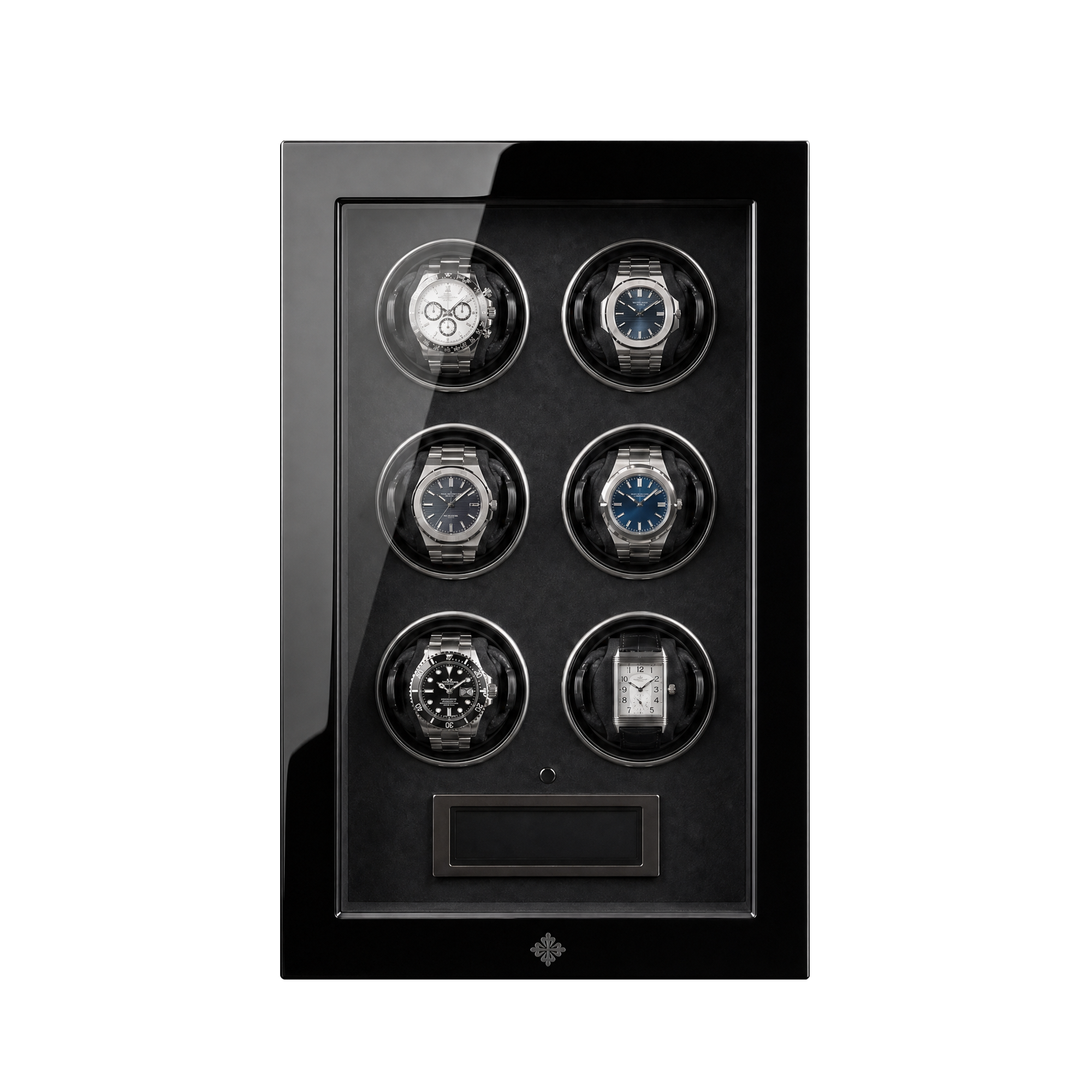
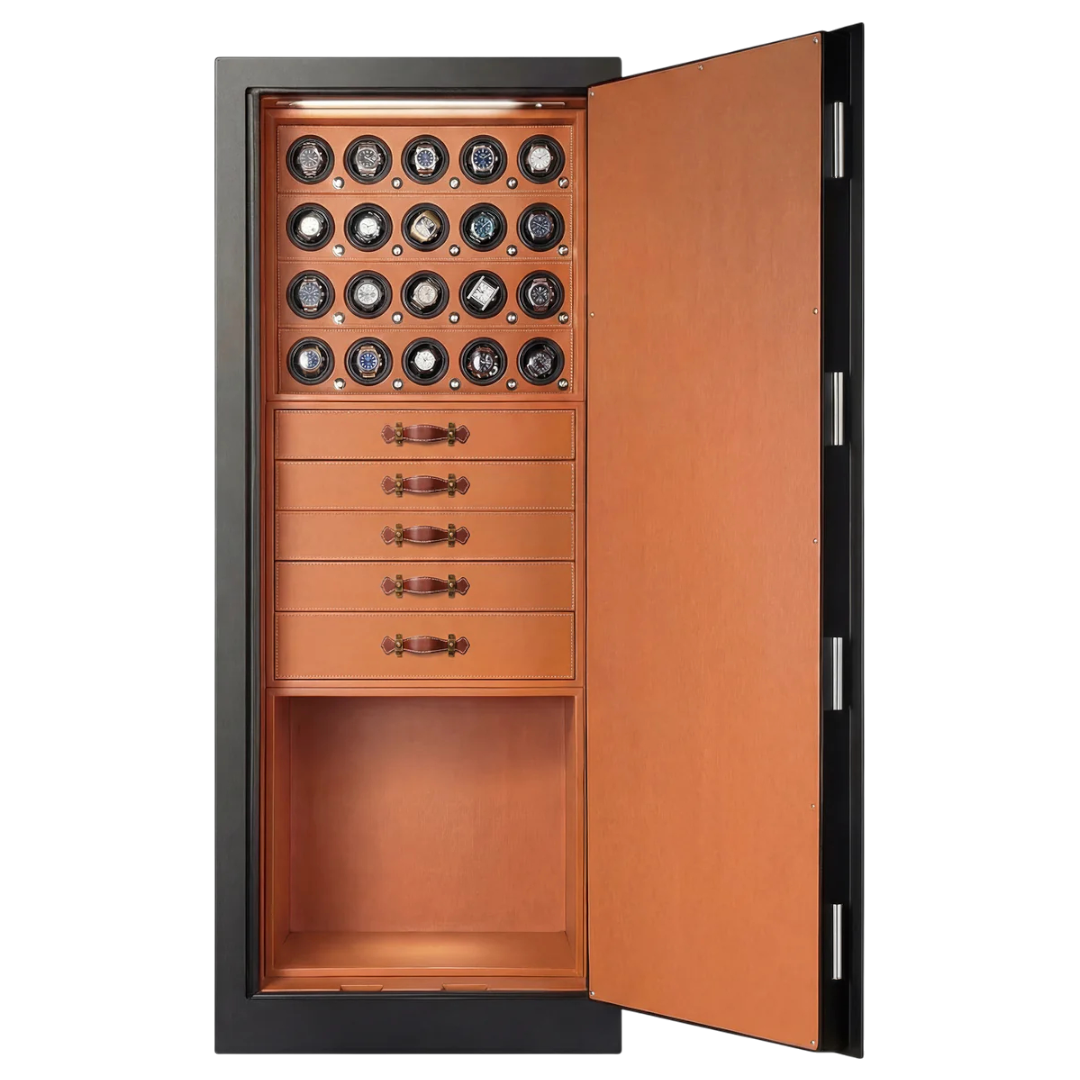
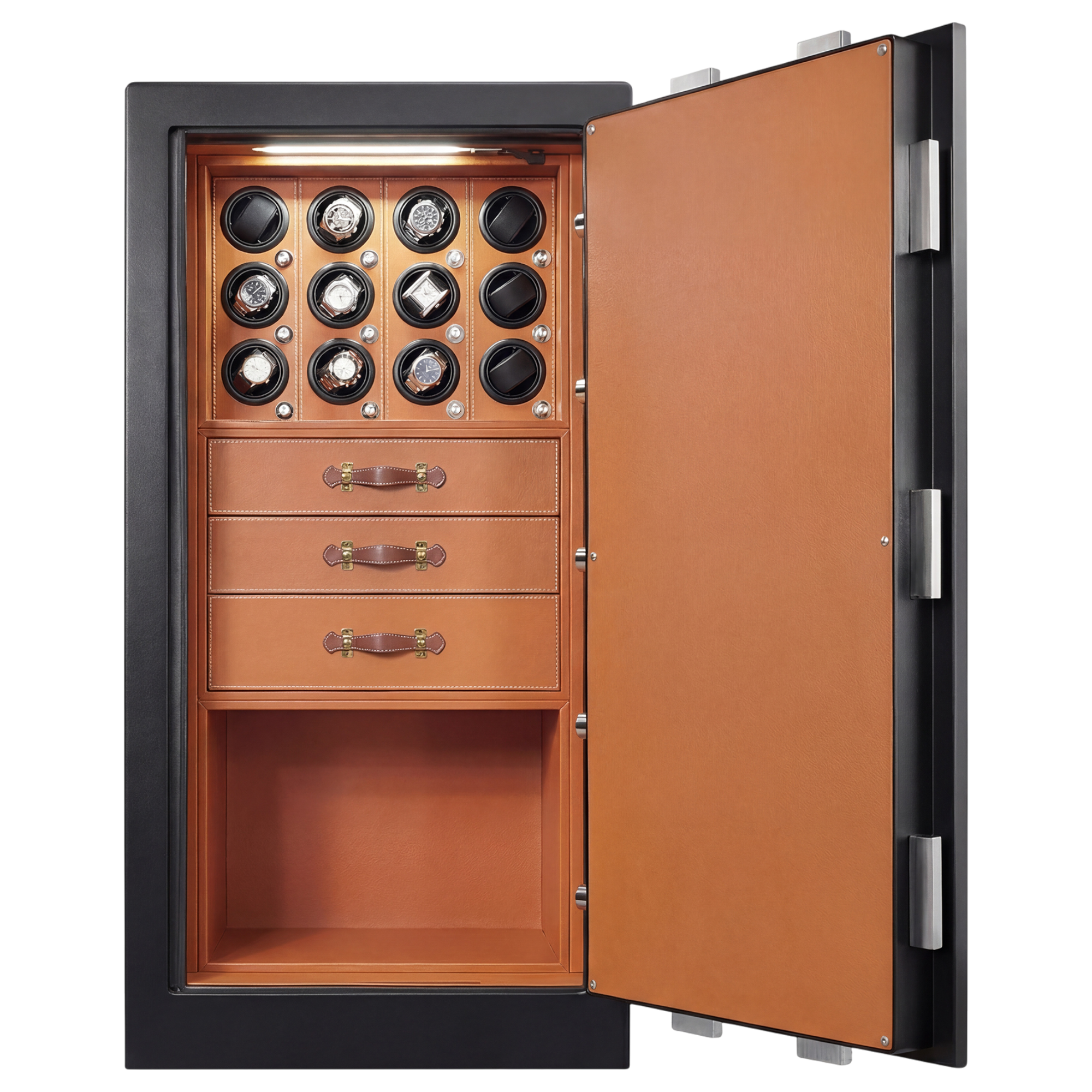
One spec that matters: AR500 ballistic Level 1 plating over a Grade 304 stainless frame, paired with a UL TL-30 Grade vault rating. At $17,999, the Titan Sanctum 20 is built for a primary coastal residence where the collection stays year-round and the house sees storm risk on top of humidity risk. Buy if the house is your main residence and the collection justifies the security tier.
The Italian build: Veron Elite 20
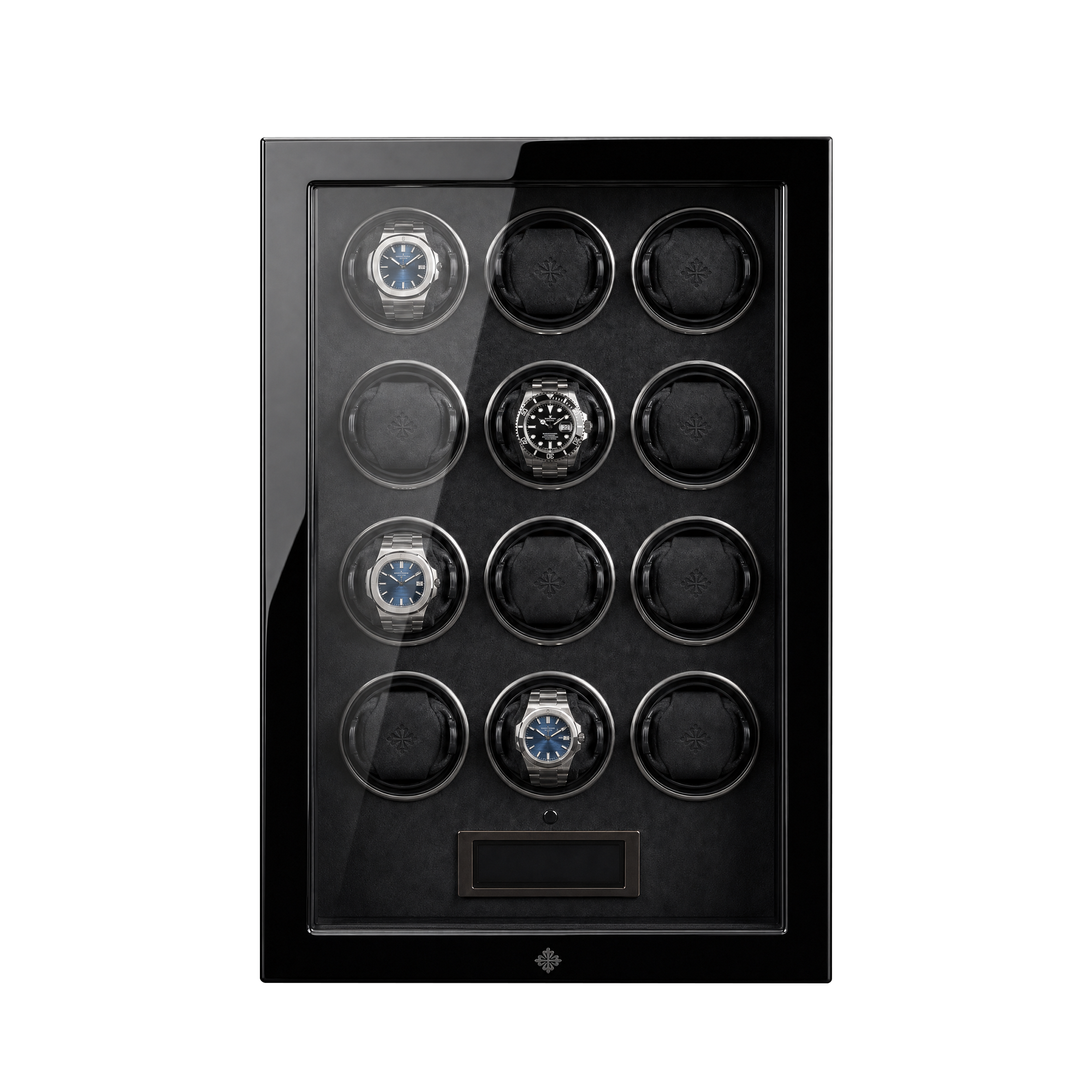
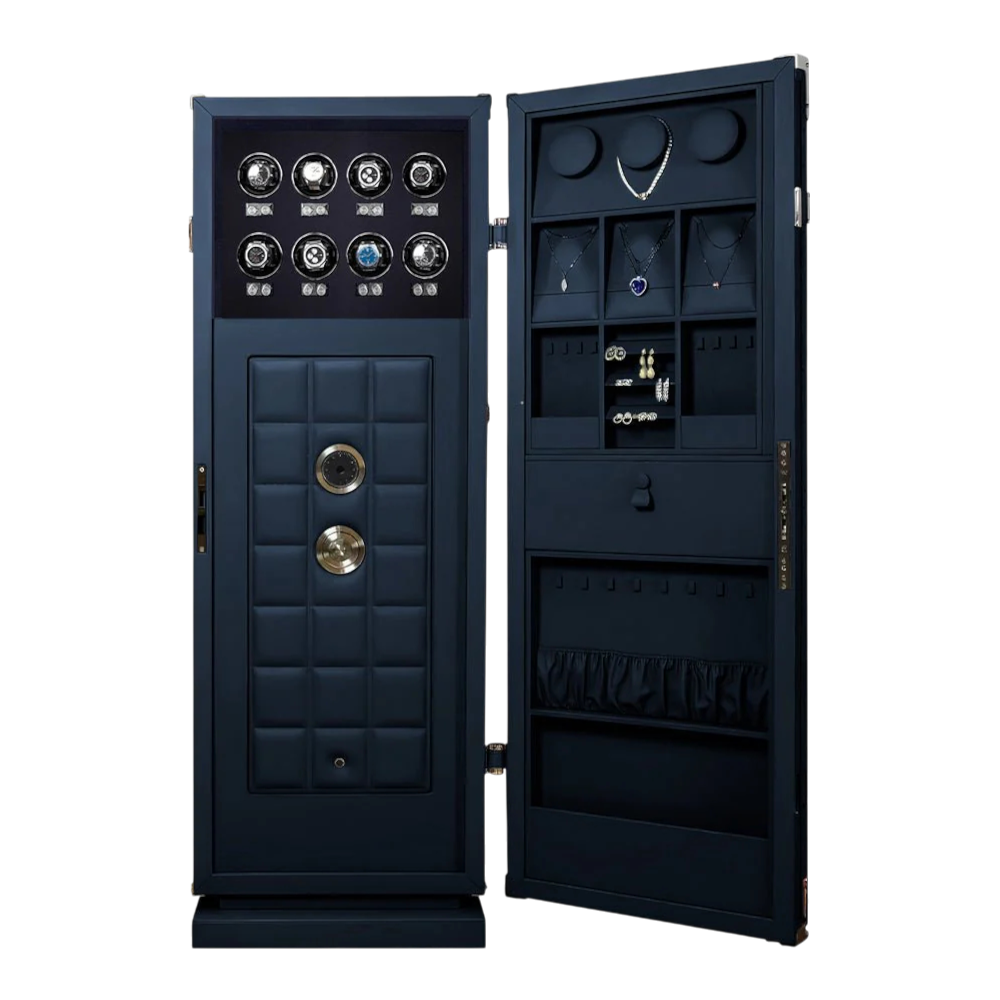
The Veron Elite 20 runs Grade 304 stainless with a Gruppo Mastrotto Nappa interior and biometric access across 20 rotors, priced at $12,999. It’s the pick for a buyer who wants vault-grade steel without the ballistic plating premium of the Titan Sanctum. Buy for a well-appointed second home with a large rotating collection.
The compact entry: Centennial Bulletproof
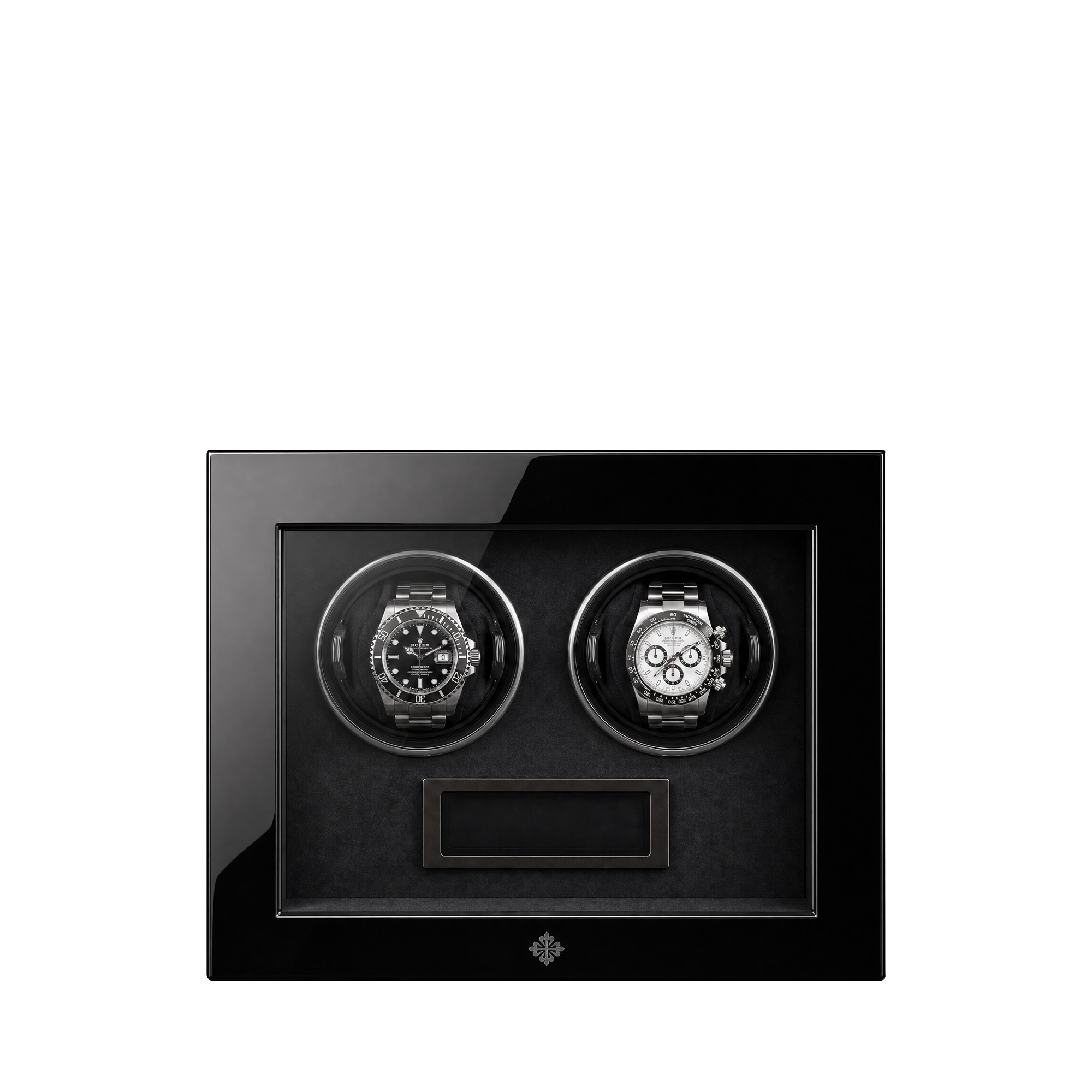
At $5,299, the Centennial Bulletproof Watch Safe carries Kevlar-reinforced steel and a two-hour fire rating at 695°C in a smaller footprint suited to a two-piece traveling collection. It’s the right size for a beach house where only a handful of watches ever leave the primary residence. Consider it if your coastal collection is small and the house isn’t your main address.
The built-in option: Grand Meridian 20
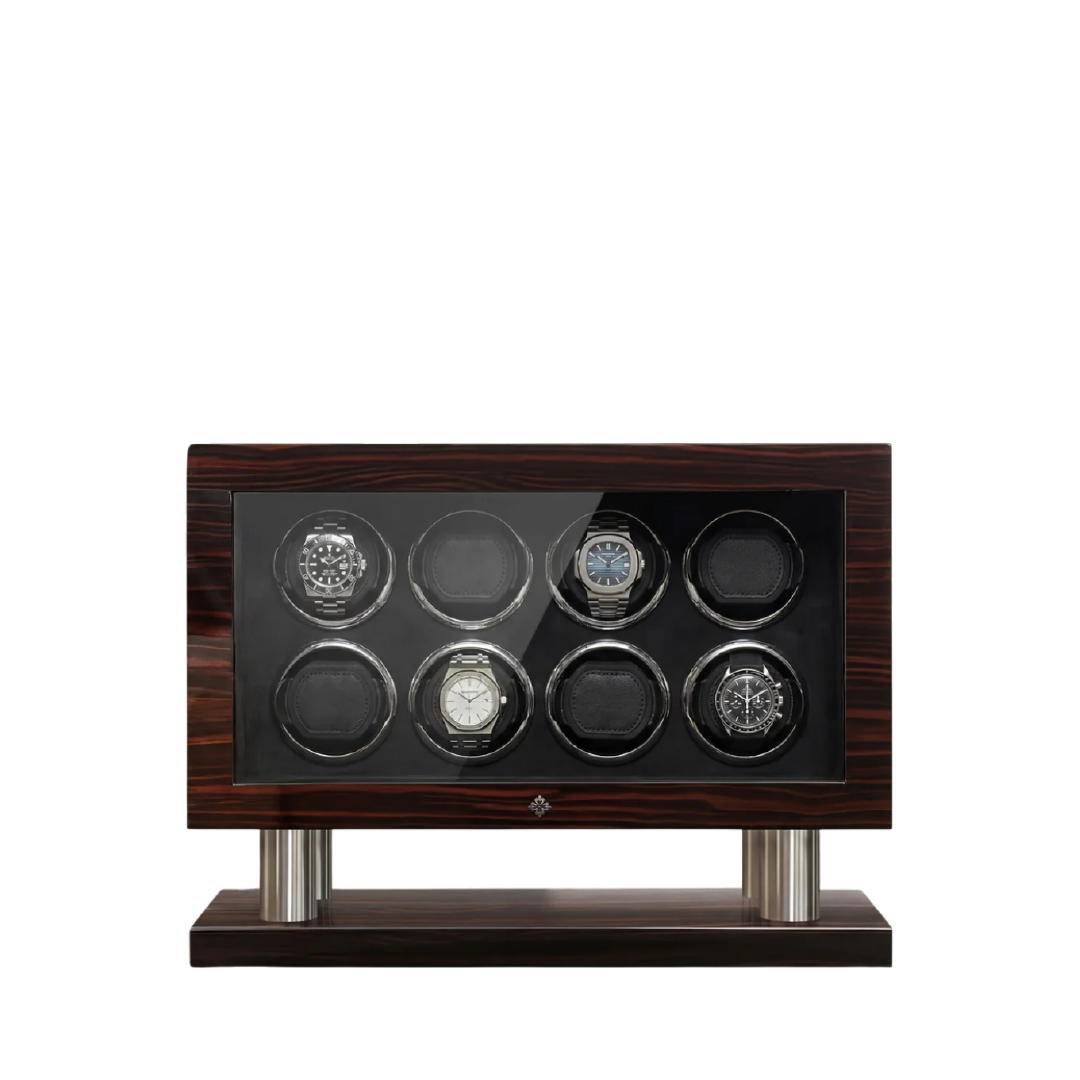
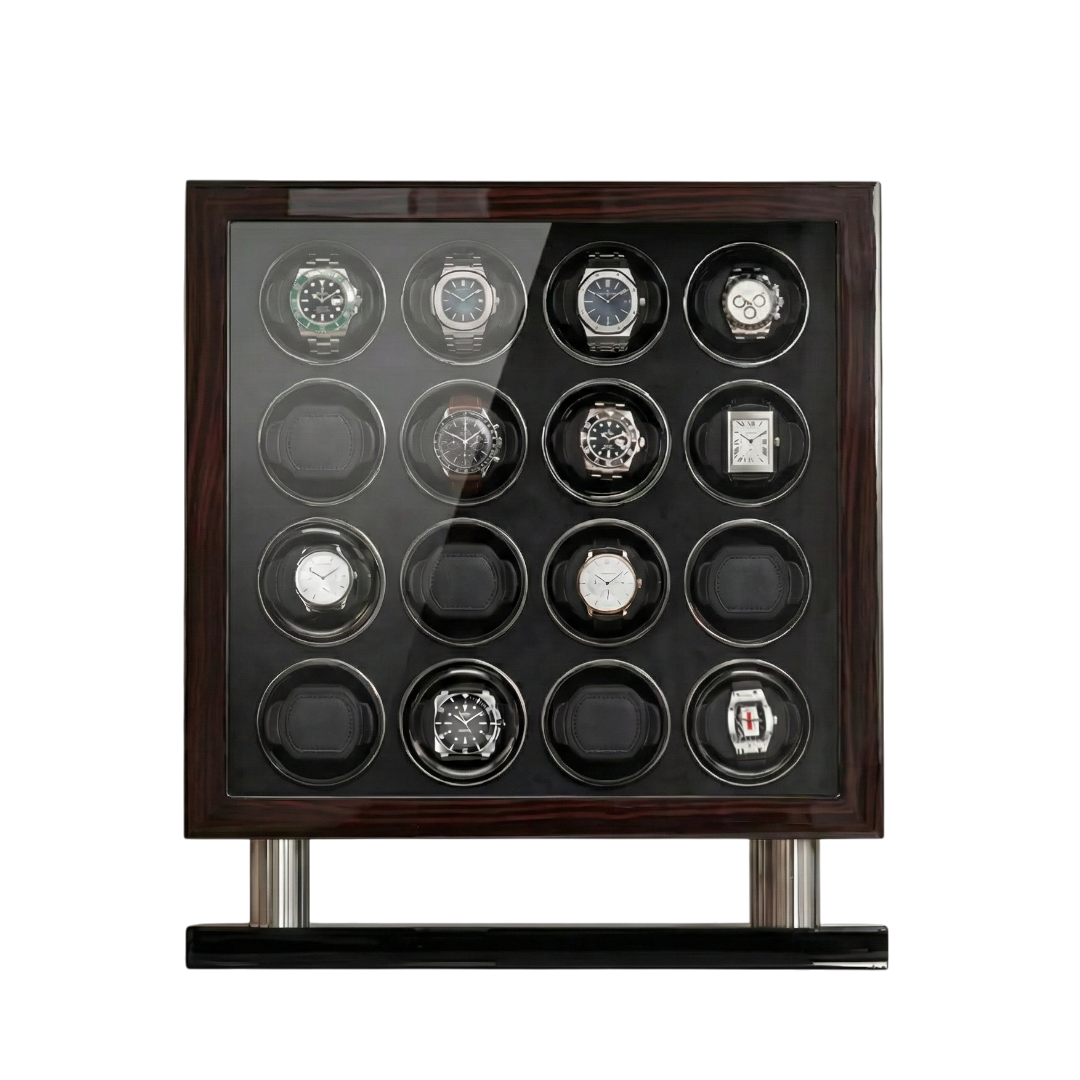
For owners doing a renovation or custom closet build, a Macassar Ebony-fronted vault like the Grand Meridian integrates into cabinetry rather than sitting as a standalone box, which keeps it out of direct salt-air contact near windows or exterior walls. Consider this route if you’re already remodeling and want the safe recessed into interior framing.
What to avoid
- Foam-lined budget safes marketed as “fireproof.” Fire resistance and humidity resistance are unrelated specs — a safe can survive a house fire and still let salt-laden air degrade a movement within months.
- Any safe with an unspecified gasket or door seal. If a listing doesn’t mention the seal material, assume there isn’t one worth mentioning.
- Oversized vaults with no anchoring hardware. Weight alone doesn’t stop a safe from tipping or shifting in storm conditions — anchoring does.
Verdict comparison
| Model | Steel grade | Lock type | Fire rating | Price | Verdict |
|---|---|---|---|---|---|
| Titan Sanctum 20 | Grade 304 stainless | Biometric | UL TL-30 Grade | $17,999 | Buy |
| Veron Elite 20 | Grade 304 stainless | Biometric | UL TL-30 Grade III | $12,999 | Buy |
| Centennial Bulletproof | Kevlar-reinforced steel | Biometric | 695°C, 2-hour | $5,299 | Consider |
| Grand Meridian 20 | Grade 304 stainless | Biometric | Built-in vault | $21,899 | Consider |
Every model on this table clears the 2026 baseline for coastal use: 304 stainless or Kevlar-reinforced construction, a sealed door, and a lining material that doesn’t hold moisture against the caseback.
FAQ
What’s the best watch safe for a beach house in 2026?
The Titan Sanctum 20 and Veron Elite 20 are the strongest picks for a primary coastal residence because both use Grade 304 stainless steel and biometric locks rated for humid interiors. Smaller collections do fine with the Centennial Bulletproof at $5,299.
Does salt air actually damage a watch safe?
Yes — chloride salts in coastal humidity pit exposed steel and corrode plated hardware faster than inland conditions. Grade 304 stainless resists this far longer than the mild steel used in budget fire safes.
Is a biometric lock reliable in a humid climate?
It depends on the sensor’s rating, not the price of the safe. Some buyers in humid coastal areas choose a combination or key lock specifically to avoid any electronic sensor near condensation.
What humidity level is safe for a watch collection?
40-50% relative humidity is the range most collectors target for stored automatic watches. A beach house without climate control running constantly can sit well above that for weeks at a time.
How much does a coastal-rated watch safe cost?
Coastal-rated vaults from Enigwatch run from $5,299 for the compact Centennial Bulletproof to $21,899 for a built-in cabinetry model like the Grand Meridian 20.
Should I bolt a watch safe to the floor at a beach house?
Yes, always anchor to a stud or slab rather than drywall. Storm risk and uneven coastal construction make a freestanding safe a liability regardless of its weight.
Do I need a fireproof safe or a humidity-resistant one for a beach house?
You need both specs, and they’re separate ratings. A fire rating like 695°C for two hours says nothing about how well the door seals against ambient moisture.
Can a watch winder run inside a humid beach house safely?
A sealed vault with a stable interior microclimate is safer for a winder-equipped safe than an open room where humidity swings daily. Check that the winder’s electronics are rated for the interior conditions before running it unattended for weeks.
One last thing
Most coastal buyers focus on the lock and skip the gasket entirely, and that’s backward — a biometric sensor failing is an inconvenience, a compromised door seal is what actually lets salt air degrade a $30,000 collection over a single humid summer. Check the seal spec before you check the lock type.
Related guides
Protect Your Watch Collection
Designed for collectors who demand the best. Explore our premium watch winders and luxury safes.
Protect Your Watch Collection
Designed for collectors who demand the best. Explore our premium watch winders and luxury safes.