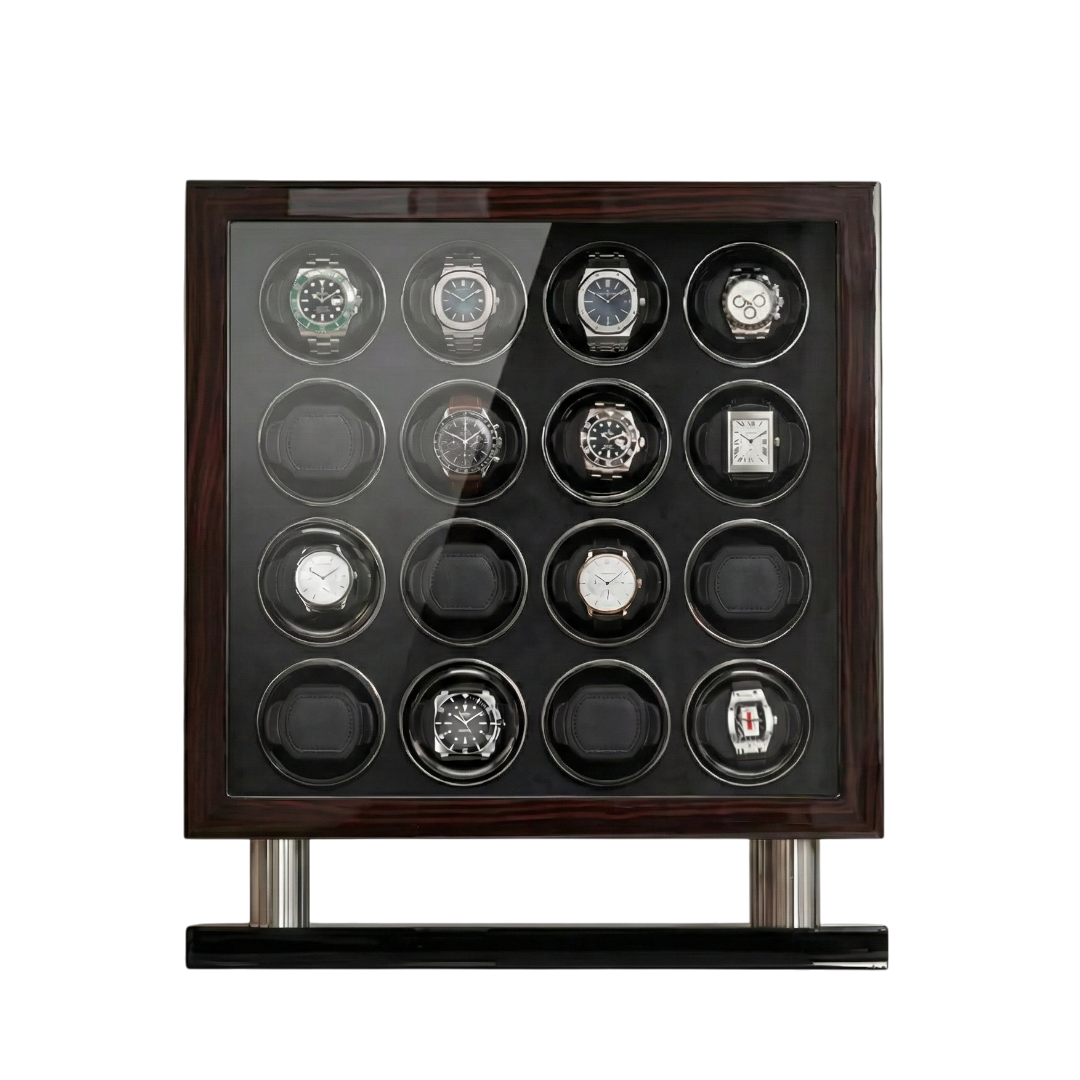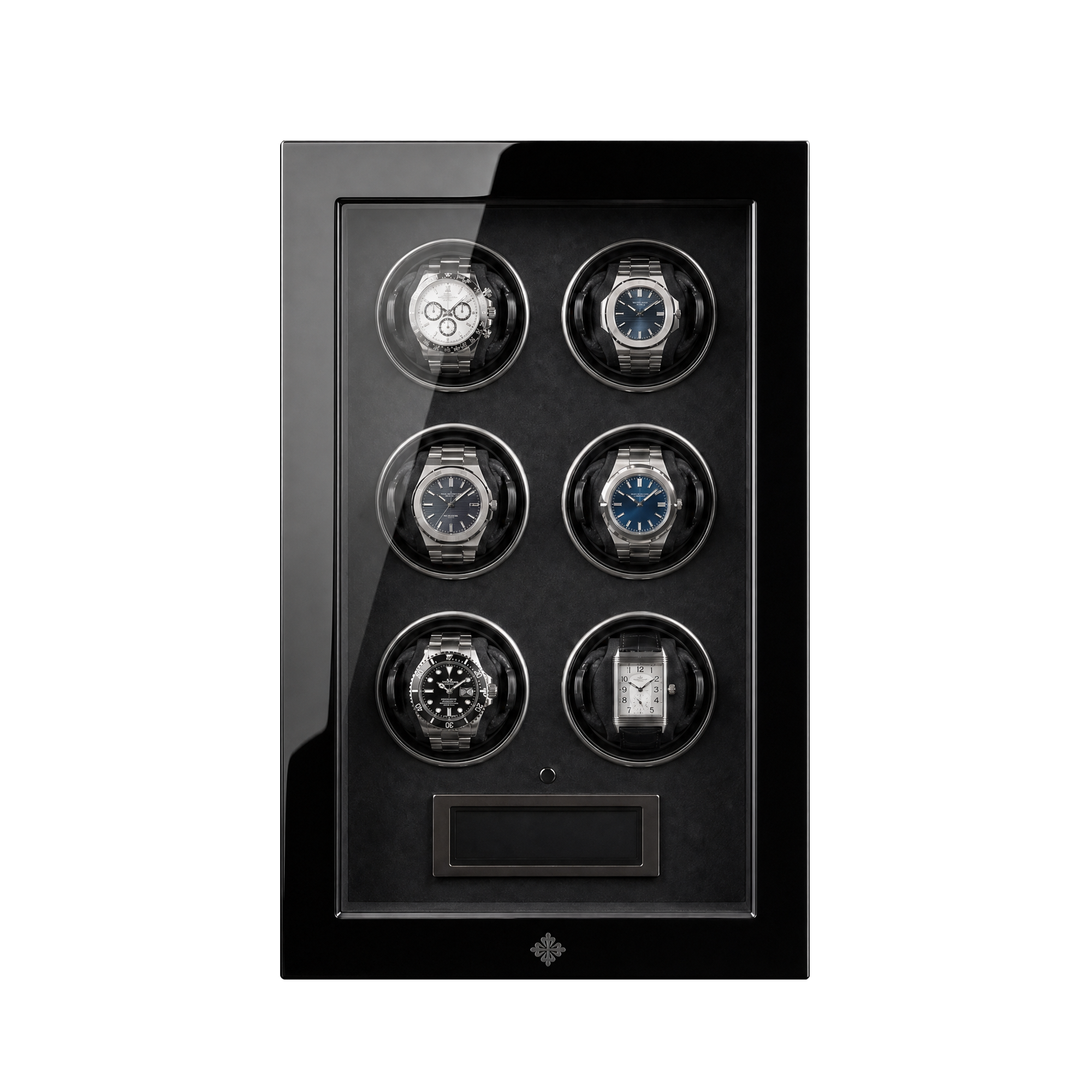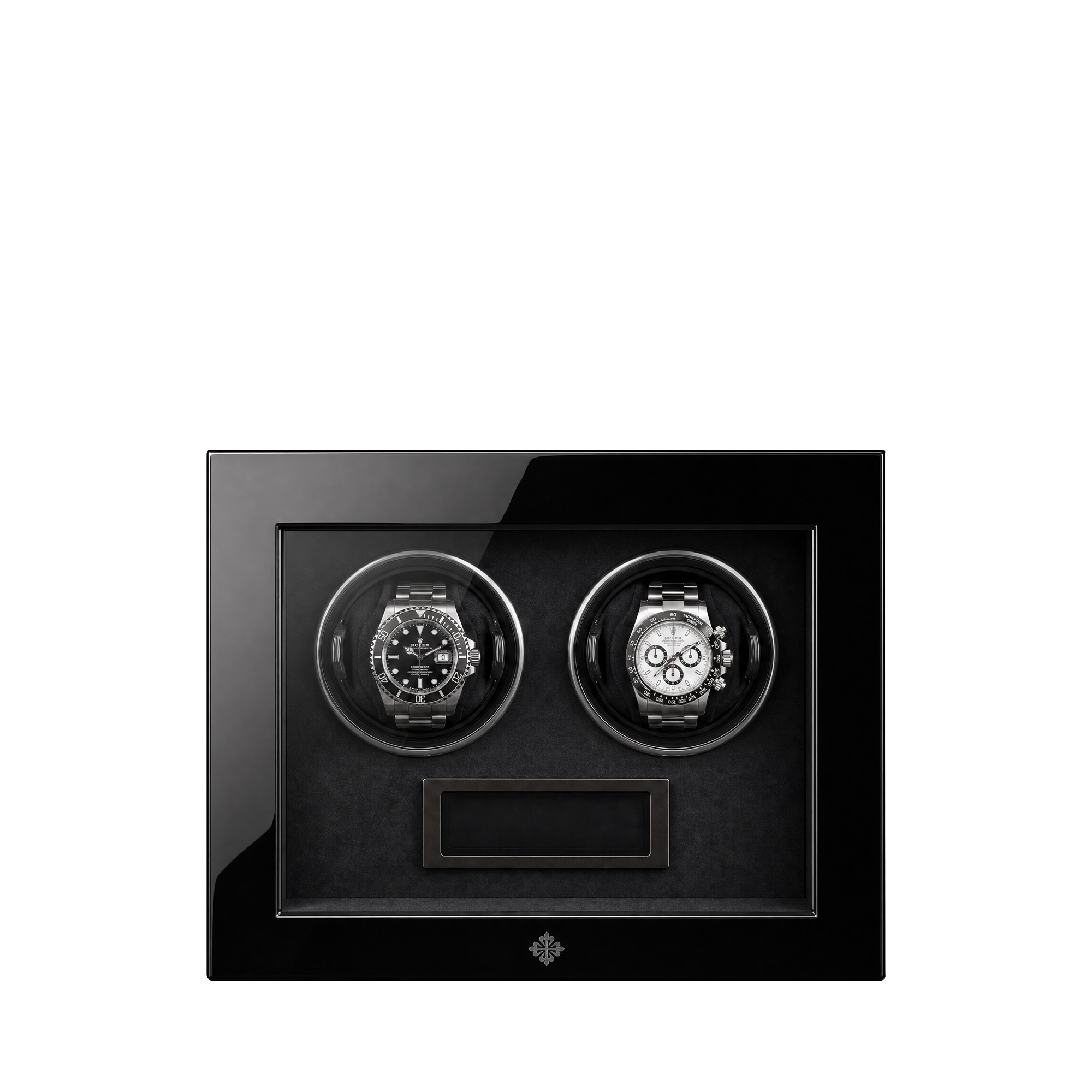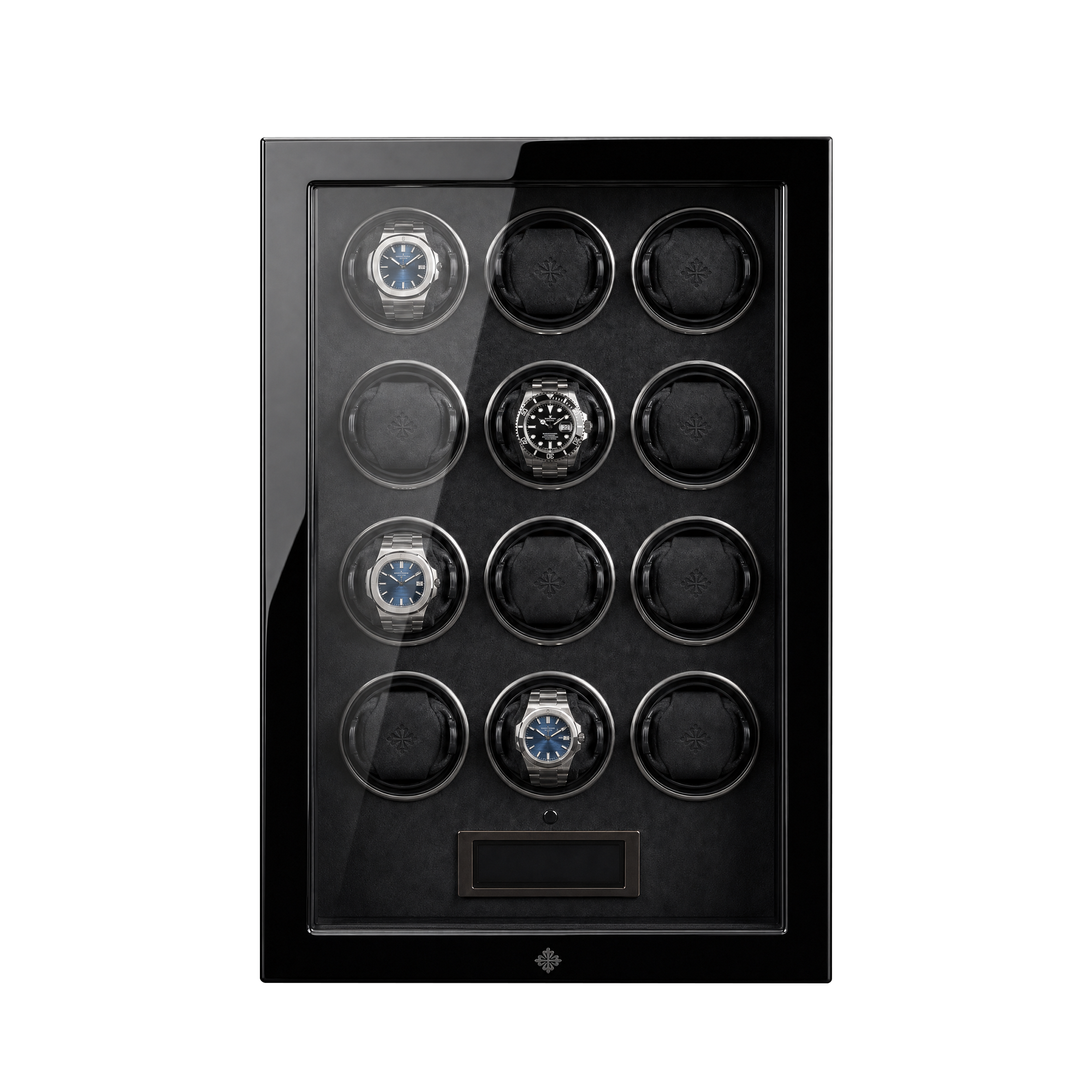

Nine watches sits in the awkward gap between a starter box and a serious collection — too many for a single winder, not quite enough to justify a full vault room. This guide covers how to size a watch winder for 9 watches without overbuying or leaving three timepieces sitting dead on a shelf.
- A 9-watch collection needs a 10- or 12-slot winder for headroom, not an exact 9-slot fit.
- Enigwatch’s Impresario series in a 12-slot configuration is the safe pick for growing collections in 2026.
- Skip anything under 8 slots — you’ll be shopping again within a year at this collection size.
- Match rotation programs to your mix of brands before you buy, not after.
Why this matters
A watch winder for 9 watches isn't really a search for the number 9 — it's a search for the next size up. Most manufacturers build in steps of 6, 8, 10, 12, 16, 20, and 24 slots, which means a true 9-slot cabinet barely exists in the market. Buy for where your collection is headed over the next 12 to 24 months, not where it sits today. Enigwatch's product line follows this same slot logic, and it's the reason the recommendations below skip straight past exact-count thinking.
Who this is for
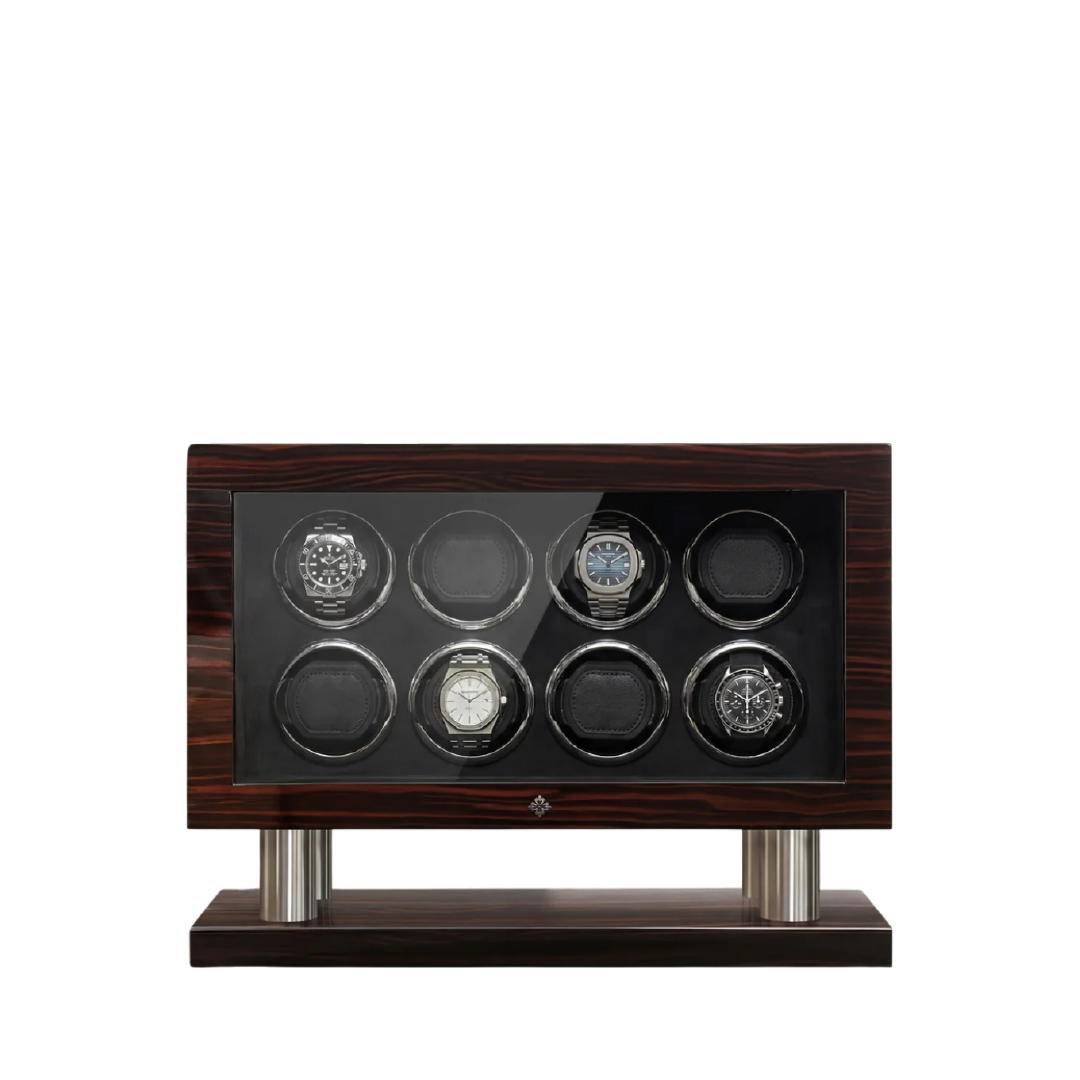
This guide is for the collector who started with a single automatic three or four years ago and has quietly built up to nine pieces — a mix of daily wearers, a dress watch for events, and one or two grail pieces that only come out occasionally. You're past the phase of a countertop double winder, but you're not yet buying a walk-in vault room. You need something built for 8 watches as a reference point, then one size beyond it.
What to look for in a watch winder for a 9-watch collection
Slot count with real headroom
Buying exactly to your current count guarantees you'll be shopping again within a year. A 9-watch collector should be looking at 10- or 12-slot units, not 9-slot units, because collections at this stage rarely stay flat. The math is simple: a 12-slot cabinet gives you three empty positions to grow into before you're forced into a second purchase.
Independent rotation programs per slot
A mixed collection of nine watches almost never shares one turns-per-day (TPD) setting. Rolex movements typically want 650-800 TPD, while some Panerai and Omega calibers call for different counts entirely. A unit with independently programmable modules per watch, not one master dial for the whole cabinet, is non-negotiable once you're past six pieces.
Motor quality and noise at scale
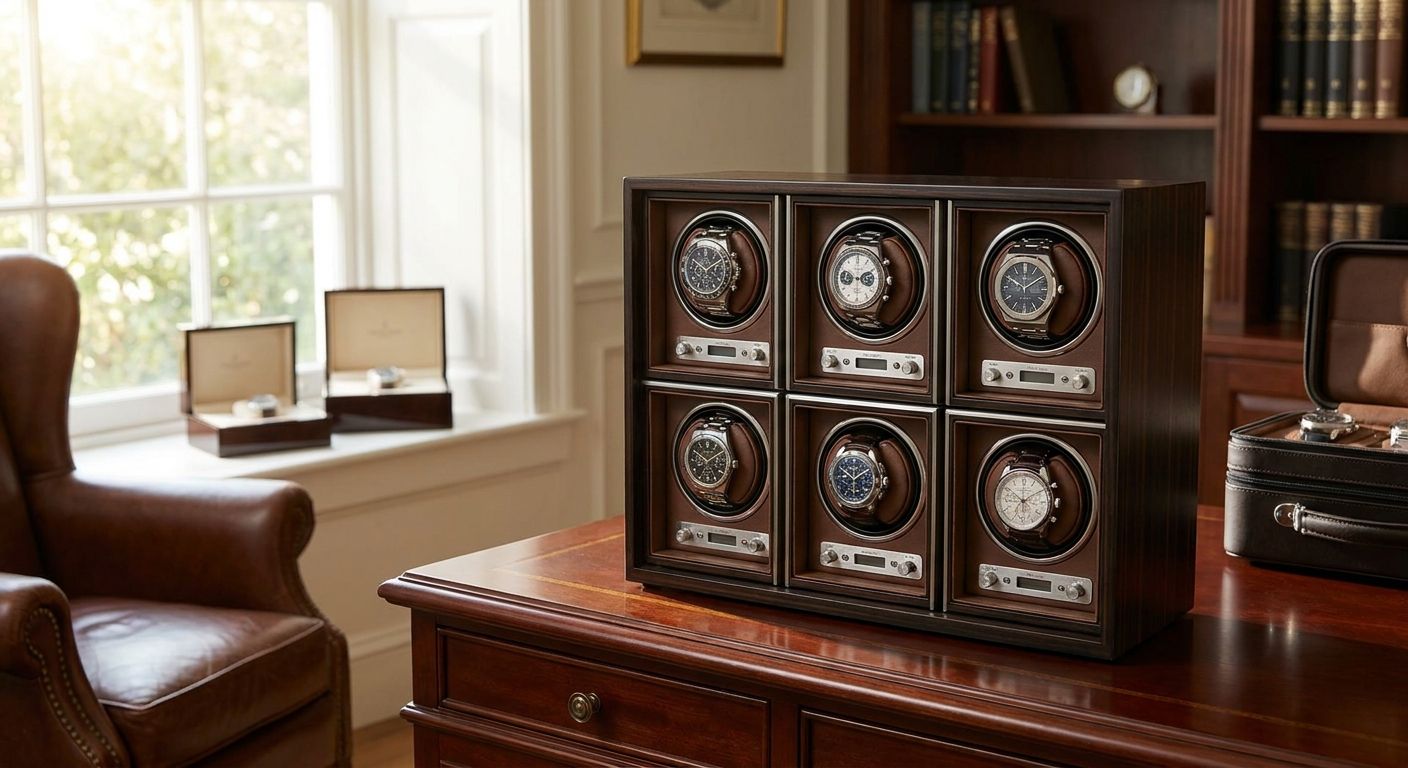
Nine motors running simultaneously in a bedroom or home office is a different noise problem than one motor on a nightstand. Japanese Mabuchi motors are the industry standard for quiet, consistent long-term operation, which matters more as slot count climbs — a cheap motor that's tolerable alone becomes a hum you notice across a room when nine of them run at once.
Interior material and case protection
At nine watches you're very likely storing bracelets, straps, and at least one exotic leather band in the same cabinet. Alcantara and Nappa leather interiors reduce clasp and case-back scratching over years of daily rotation in a way that basic foam cushions don't.
Security and access at higher value density
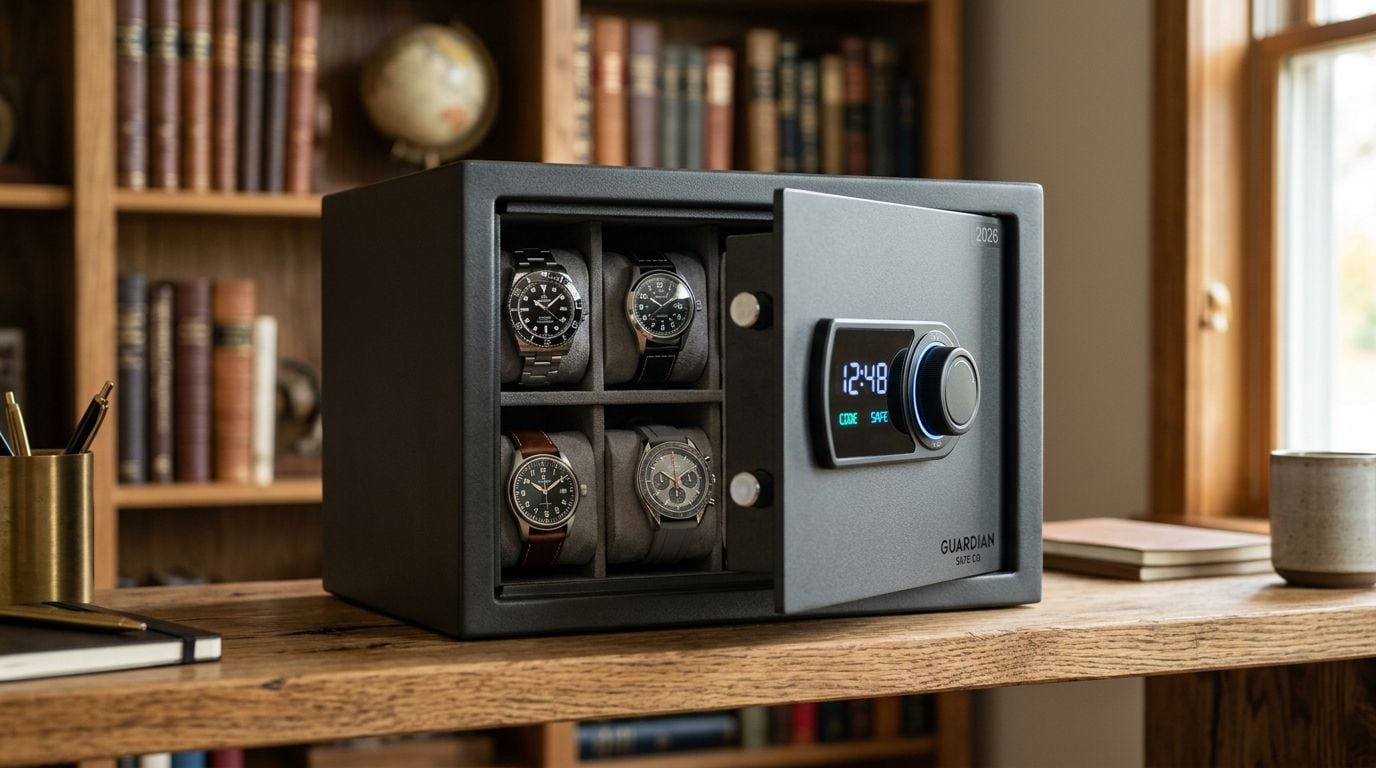
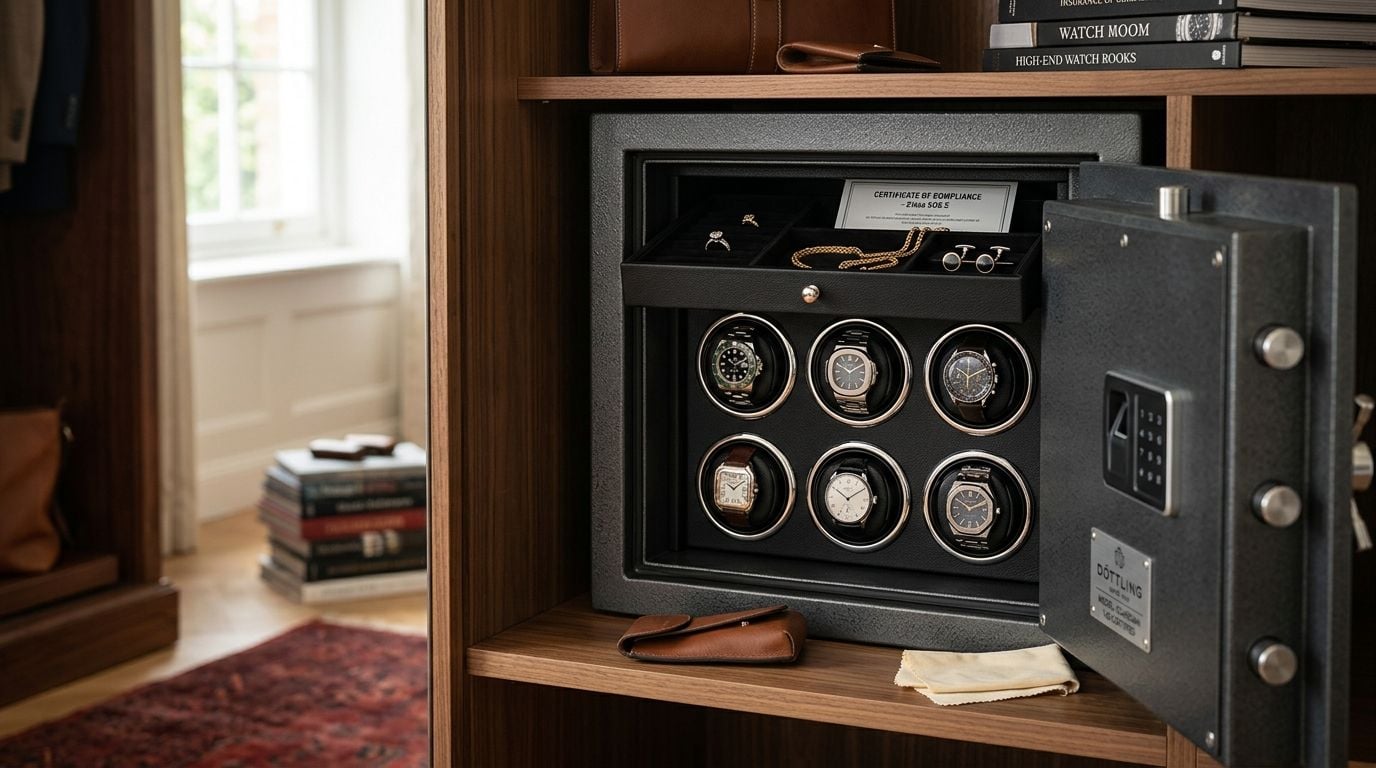
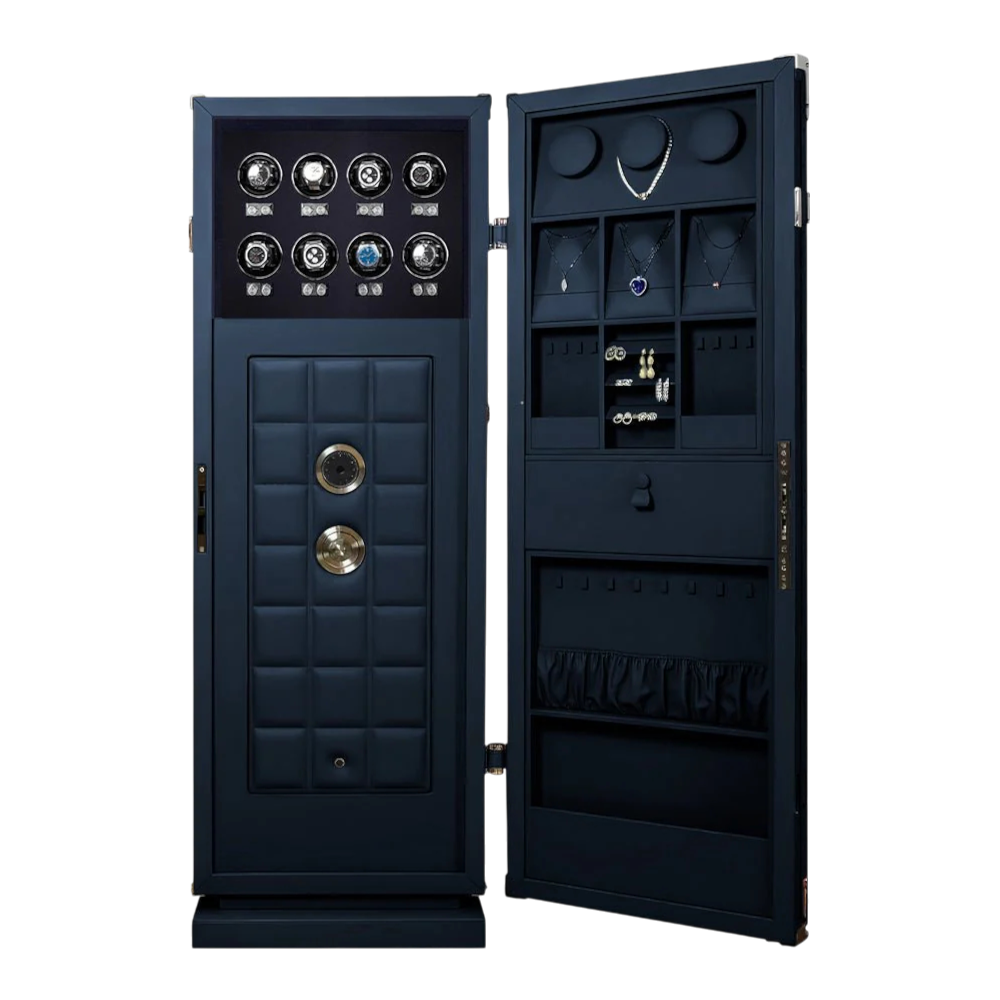
Nine watches, even a modest mix, often represents a meaningful insured value sitting in one piece of furniture. Biometric or combination access becomes a more serious consideration at this stage than it was with a two- or three-watch box, because the concentration of value in a single cabinet changes the security calculus entirely.
Footprint and finish for the room it lives in
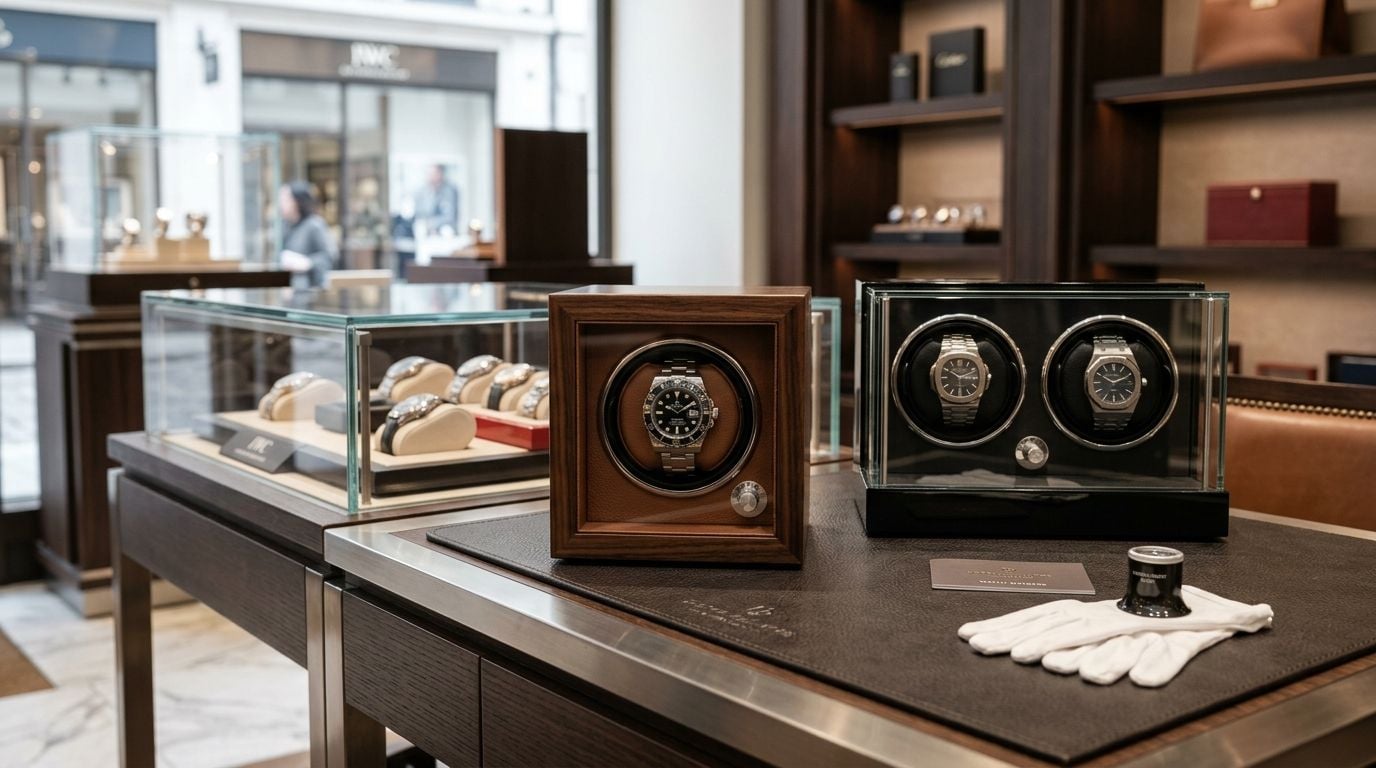
A 12-slot cabinet is meaningfully larger than an 8-slot box, and it needs a real furniture decision — a dresser top, a closet built-in, or a dedicated shelf. Wood veneer, leather, or glass-front finishes all wear differently in a bedroom versus a home office, so match the finish to where it's actually going.
Top picks for a 9-watch collection
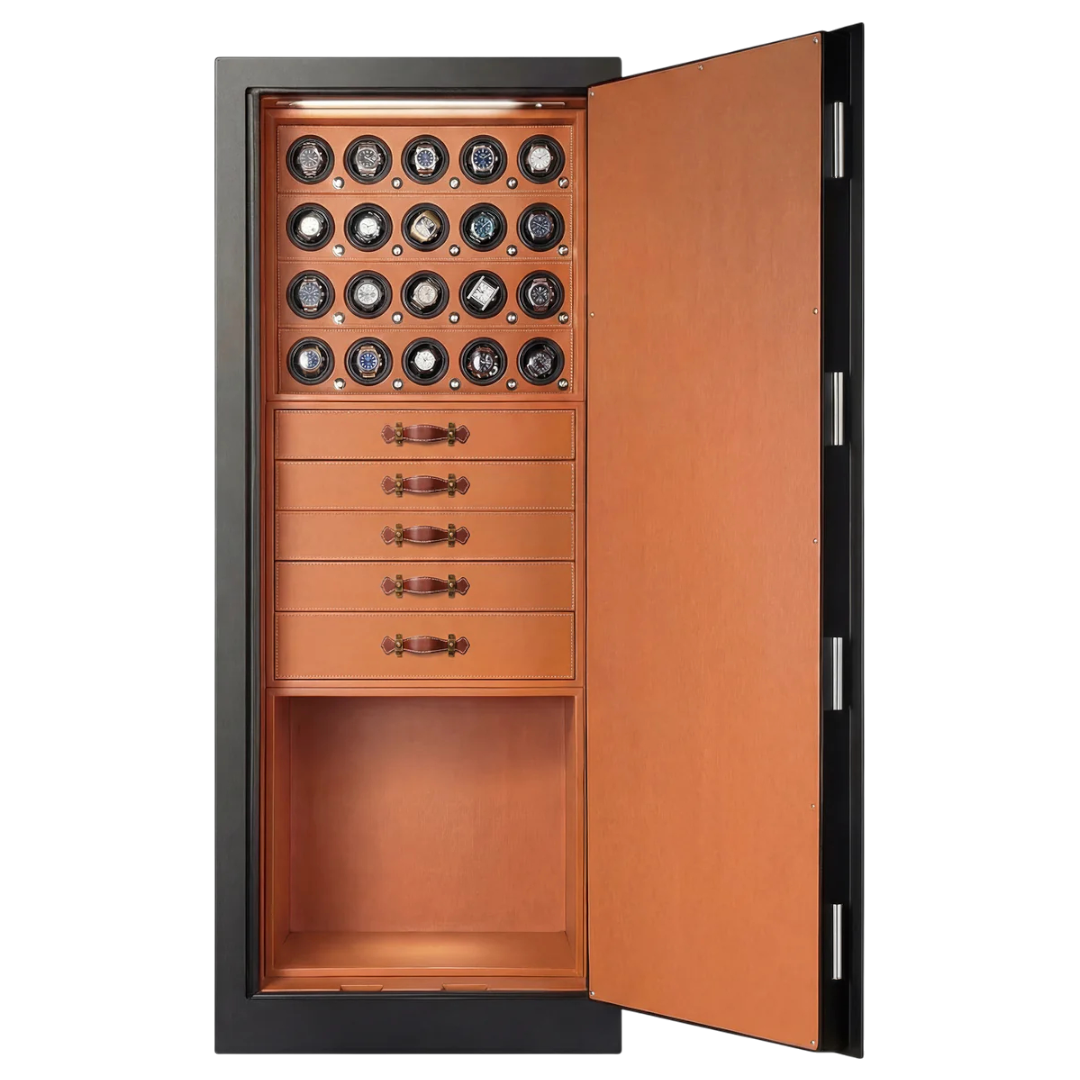
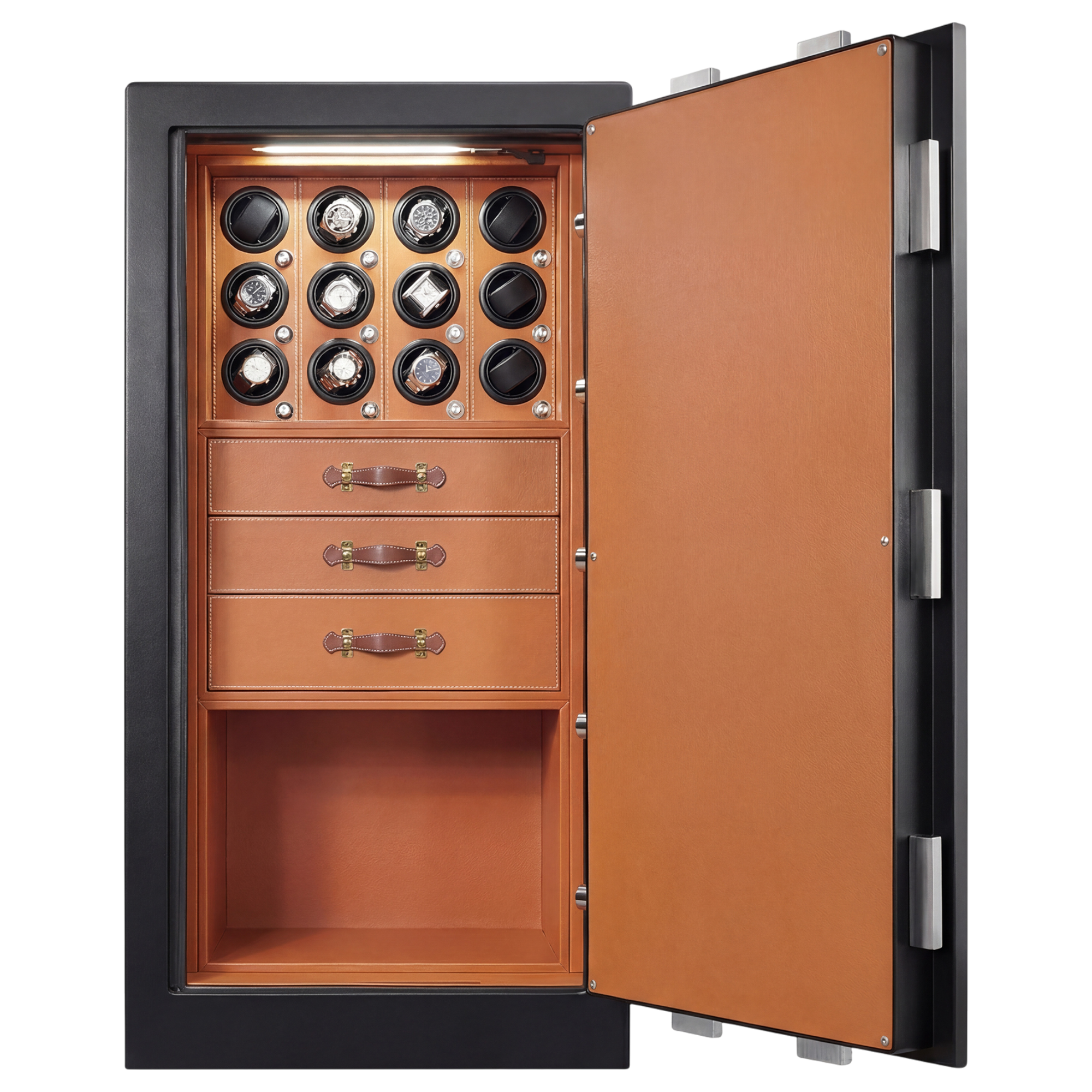
The safe pick — a 12-slot configuration. Twelve independently programmable slots covers nine watches today with three positions open for the next few purchases, which is exactly the buffer a growing collection needs. Enigwatch's Impresario watch winder series is built around this kind of modular, per-slot control. Verdict: Buy.
The near-exact fit — a dedicated 10-slot module. If you're confident your collection plateaus around ten pieces, a 10-watch winder gets you one slot of headroom without the larger footprint of a 12-slot cabinet. It's the tighter, more space-conscious option for a smaller room. Verdict: Consider.
The flexible pick — an 8-slot base plus a standalone single winder. Two separate units cost more in total footprint and complexity than one cabinet, but they let you keep a grail piece on its own dedicated program away from the rest of the rotation. It's a reasonable stopgap if you're not ready to commit to furniture-scale storage in 2026. Verdict: Consider.
The undersized trap — a 6-slot winder. A 6-slot cabinet forces you to hand-wind three of your nine watches every time you rotate what's on display, which defeats the purpose of owning a winder at all. It looks like savings on the price tag; it's actually a second purchase waiting to happen. Verdict: Skip.
What to avoid
- Buying to the exact number. A true 9-slot unit locks you out the moment you buy watch number ten — go one tier up every time.
- One TPD setting for the whole cabinet. Mismatched rotation programs across nine mixed-brand watches shortens gasket life and mis-winds at least a few of them; rotation programs and what each mode does is worth reading before you set anything.
- Undersized motors marketed as "quiet." A motor that sounds fine solo can produce a noticeable hum multiplied across nine simultaneous units — ask specifically about motor type before buying, not after delivery.
Compare 12-slot Enigwatch configurations
See per-slot rotation programs and interior finishes before you buy.
Verdict comparison
| Configuration | Slot count | Headroom for growth | Best for | Verdict |
|---|---|---|---|---|
| Impresario 12-slot | 12 | 3 open slots | Growing mixed collections | Buy |
| Dedicated 10-slot module | 10 | 1 open slot | Stable collections near 10 | Consider |
| 8-slot + single winder | 8 + 1 | Splits grail piece separately | Space-constrained rooms | Consider |
| 6-slot winder | 6 | None — under capacity | Collections of 6 or fewer | Skip |
A fully outfitted winder or safe from Enigwatch runs roughly $5,000 to over $21,000 depending on slot count, interior material, and lock type, so decide your slot count first and let that narrow the finish and access options.
FAQ
What size watch winder do I need for 9 watches?
A 10- or 12-slot watch winder is the right size for 9 watches in 2026 — buying an exact 9-slot unit leaves no room to add a tenth piece. A 12-slot cabinet, like Enigwatch’s Impresario series, gives three slots of headroom.
Is a 12-slot winder overkill for 9 watches?
No — three empty slots is a reasonable buffer, not overkill, because collections at the 9-watch stage typically keep growing. Buying exactly to your current count usually means a second purchase within a year.
Can one watch winder handle different TPD settings for each watch?
Only units with independently programmable modules per slot can run different TPD settings simultaneously. A single master-dial winder forces the whole cabinet onto one rotation program, which mismatches at least some watches in a mixed nine-piece collection.
How much does a watch winder for 9 watches cost?
Enigwatch’s cabinet-scale winders and safes range from roughly $5,000 to over $21,000 depending on slot count, motor configuration, interior material, and lock type. A 12-slot unit with premium finishes sits toward the upper half of that range.
Should I buy two smaller winders instead of one large cabinet?
Two smaller units, such as an 8-slot base plus a single winder, work if you want a grail piece on its own isolated rotation. For most 9-watch collectors, one 12-slot cabinet is simpler to manage and takes up less total footprint.
Do Japanese Mabuchi motors matter for a large winder cabinet?
Yes — motor quality matters more as slot count rises because nine or more motors run at once. Japanese Mabuchi motors are the industry standard for quiet, consistent operation at this scale.
What interior material is best for a 9-watch winder?
Alcantara or Nappa leather interiors reduce scratching on cases and bracelets over years of daily rotation, which matters more when nine watches are cycling through the same cabinet. Basic foam cushions wear faster under that volume of use.
Do I need biometric access at 9 watches?
It’s worth considering once your insured value concentrates in one cabinet, which nine watches often does. Biometric or combination locks add a layer of access control beyond a simple key.
One last thing
The number that trips up most 9-watch buyers isn't slot count — it's motor count. Nine or more motors running independently in one cabinet is a real acoustic load, and it's the detail that separates a winder you forget about from one you hear every night. Ask about motor type before you ask about finish.
Related guides
- How to choose a watch winder when you own more watches than slots
- Watch winder for 8 automatic watches: Yachtline guide
- How many TPD does a Rolex need in a winder
- Watch winder cabinet finish: wood, leather, or glass
Protect Your Watch Collection
Designed for collectors who demand the best. Explore our premium watch winders and luxury safes.