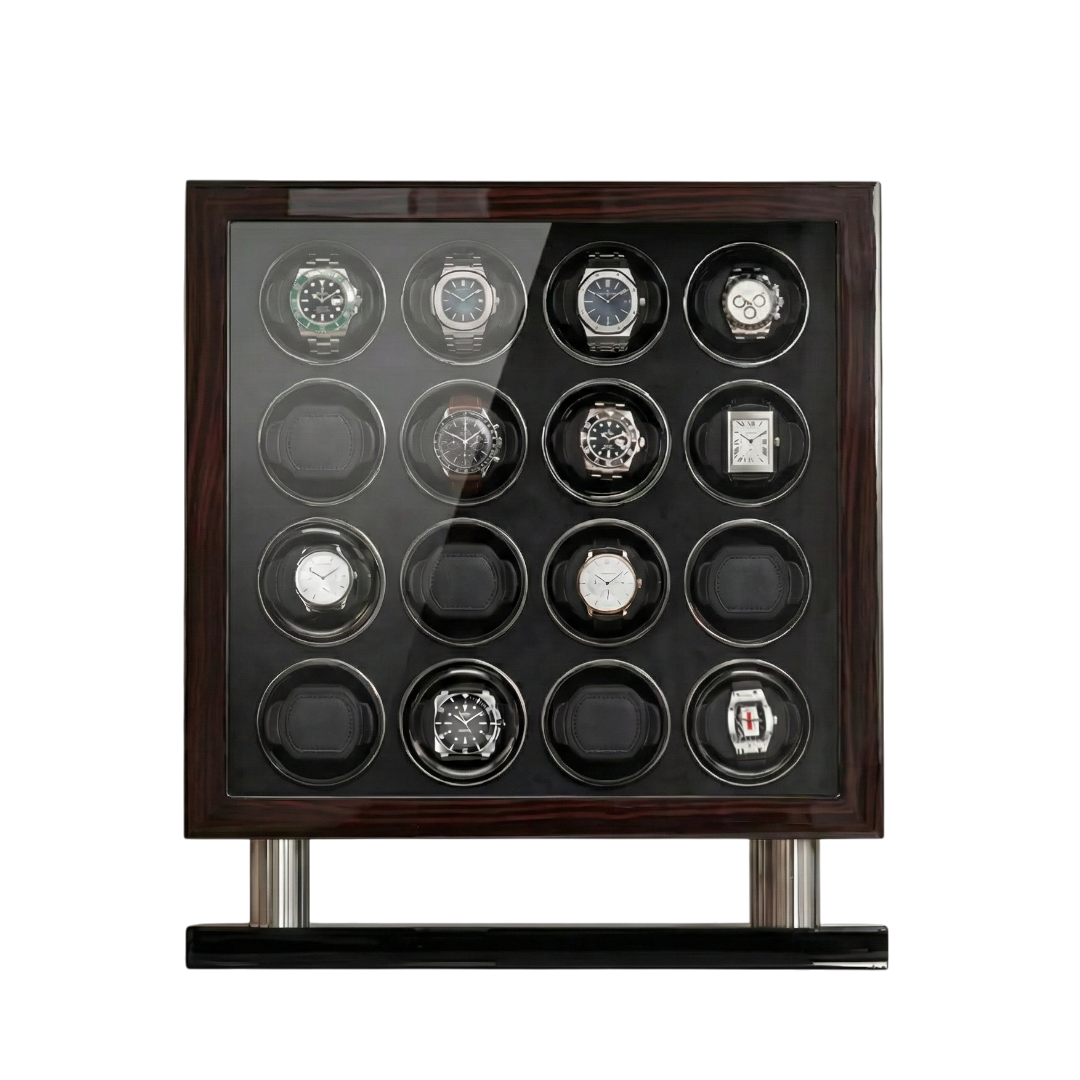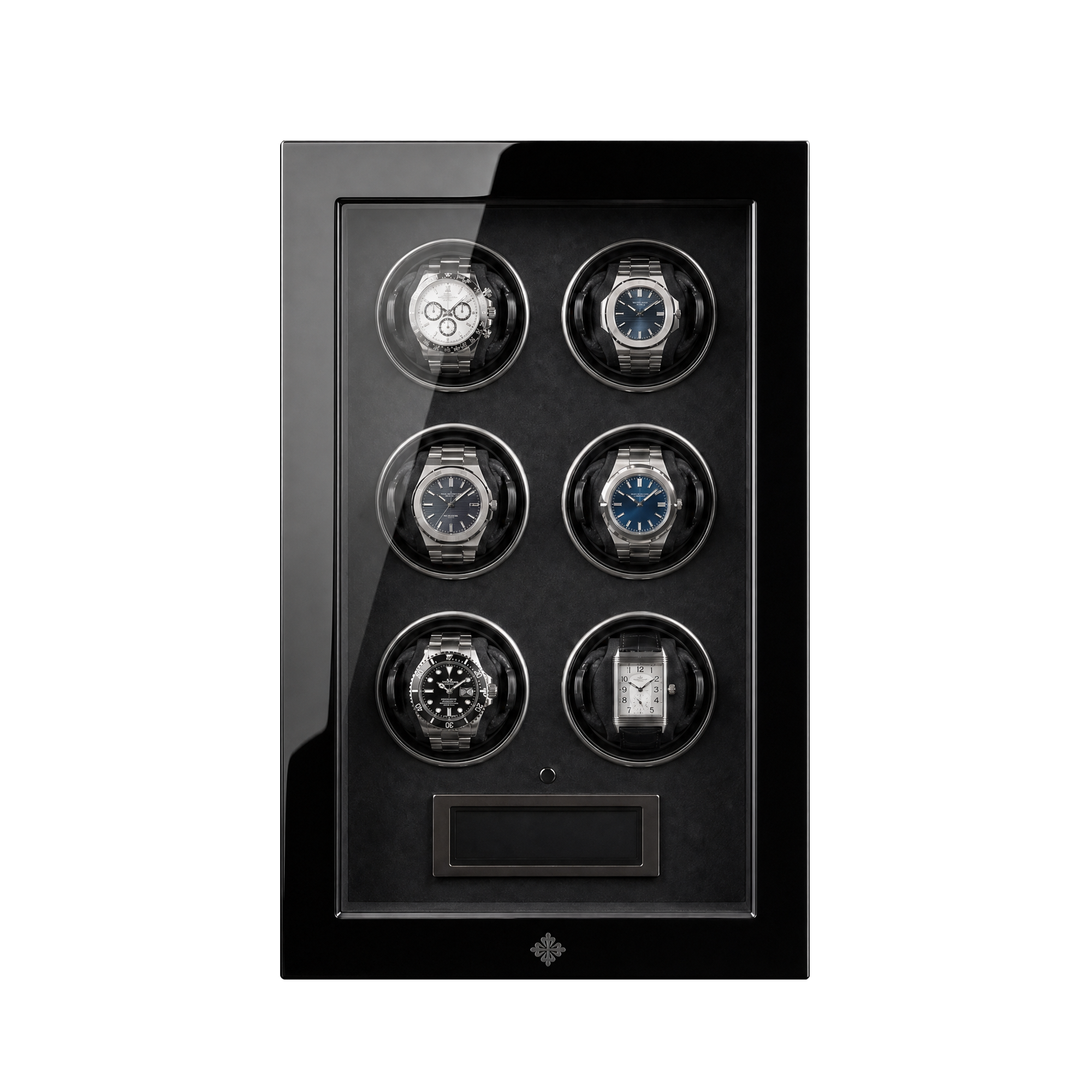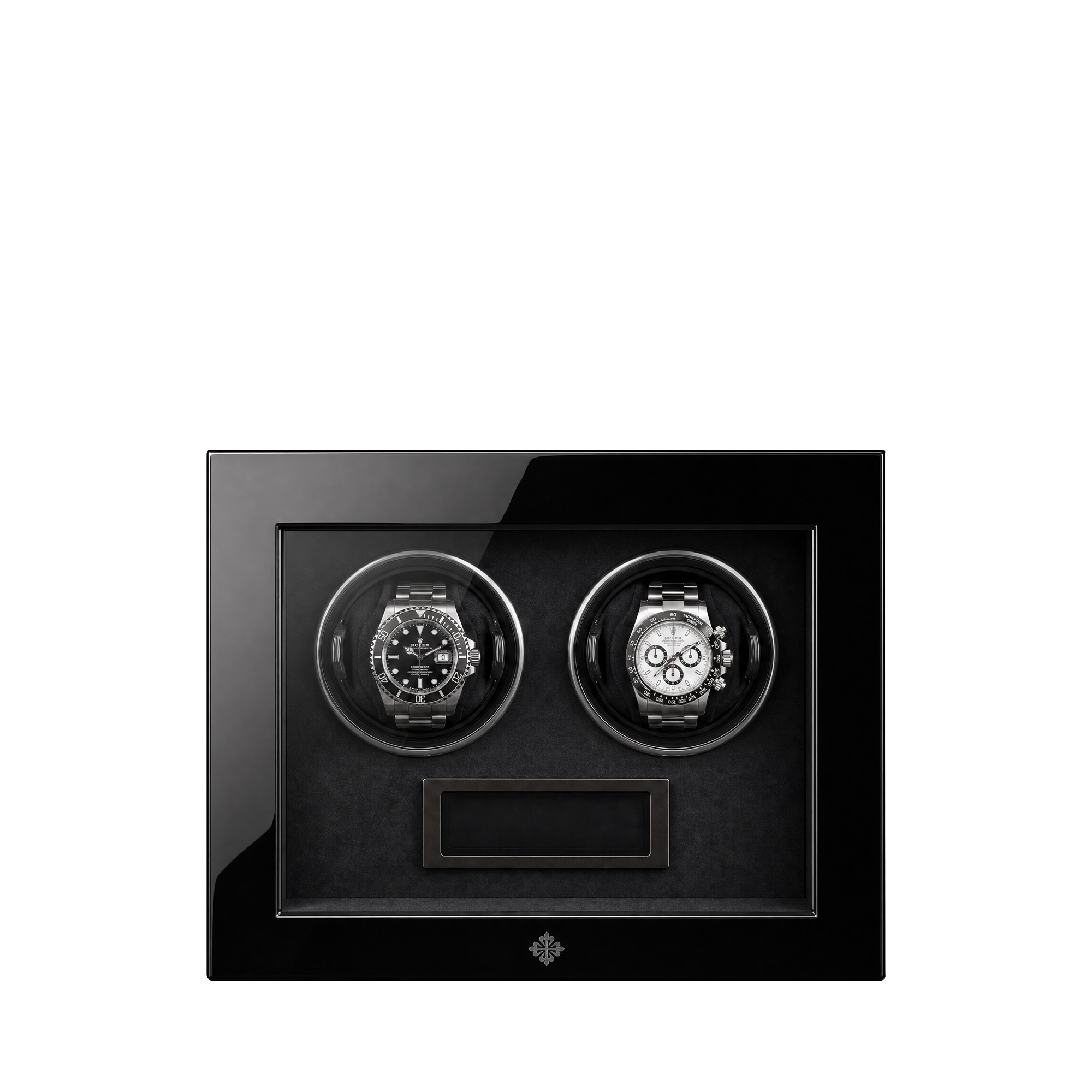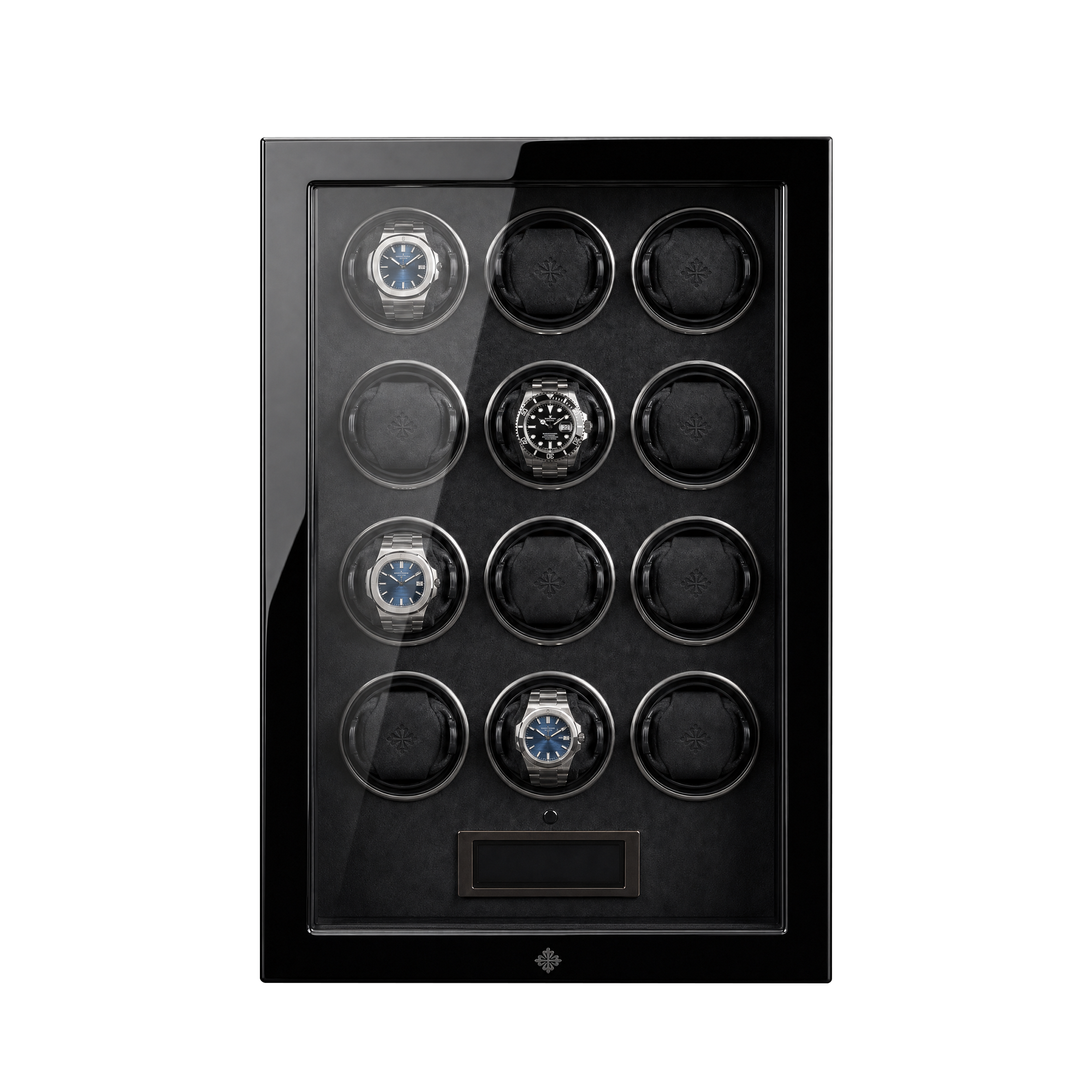

A surgeon's on-call schedule doesn't care what an automatic movement needs to stay wound, which is exactly why a watch winder for a surgeon has to solve problems a hobbyist's winder never faces: unpredictable hours, a bedroom that has to stay silent during recovery sleep, and a collection that gets picked up and set down in a hurry between cases.
- A watch winder for a surgeon needs a silent motor and flexible TPD programs, not just slots.
- The Apollo Watch Safe 12-slot with biometric access is the safe pick for call-heavy schedules. Buy.
- The Virtuoso Watch Winder wins on quiet-bedroom operation for post-call sleep. Buy.
- Skip winders with no power-loss memory – a lost program can leave a watch stopped for days.
Why this matters
A surgeon on a 24-hour call rotation might not touch a watch for three days, then wear four different pieces in a single week once elective cases resume. An automatic that sits idle stops keeping time and needs resetting every time it's picked back up – a small annoyance that gets tedious fast when you're already running on four hours of sleep.
Noise is the other variable generic buying guides ignore. A motor that clicks audibly every 20 minutes is a non-issue in a den. It's a real problem next to a bed where someone is recovering from a night shift. Enigwatch's guide on watch winder noise levels breaks down what silent actually means in motor design, and it's worth reading before you shortlist anything.
Who this is for
This guide is for a practicing surgeon – attending, resident, or fellow – who owns two or more automatic watches and doesn't have time to hand-wind between shifts. It's for someone whose schedule swings between 60-hour weeks and stretches of near-total absence from home, who wants a watch ready to wear the moment they walk out the door, and who is buying storage that also functions as security given the value sitting on a dresser or in a closet.
What to look for in a watch winder for a surgeon
Rotation programs that match an unpredictable schedule
A winder with only one or two fixed programs forces you to guess at turns per day (TPD) and direction. A surgeon's collection often mixes brands with very different winding requirements – a Rolex GMT and an Omega Seamaster don't need identical settings. Look for a unit with multiple stored programs so switching watches doesn't mean re-learning the settings every time.
Noise low enough for a call-night bedroom
If the winder lives in or near the bedroom, motor noise matters more than almost any spec on the sheet. A winder that runs audibly through the night defeats the purpose of catching sleep after a 14-hour case. Test for noise before you buy, or buy from a brand that documents motor design specifically for bedroom placement.
Biometric or quick-access security
A surgeon's home is often unoccupied for long, irregular stretches, which makes a fast, reliable lock more important than a decorative one. Fingerprint access removes the friction of combinations and keys when you're grabbing a watch on your way to a 5 a.m. case. Enigwatch's biometric lock watch safe guide covers what to expect from access speed and reliability here.
Power reliability during multi-day OR blocks
Some winders lose their programmed settings the moment power drops, and a surgeon away for a 48-hour block won't know until they get home to a stopped watch. A unit that holds its program through a brief outage, or resumes automatically, saves you the reset ritual every time the power blinks.
A footprint that fits a condo, not just a mansion
Surgeons in training or early practice often live in apartments or condos near the hospital, not sprawling houses. A winder or safe footprint that fits a closet shelf or a narrow dresser top matters more here than raw slot count. Buy for the space you actually have in 2026, not the collection you might have in ten years.
Top picks for a surgeon's schedule
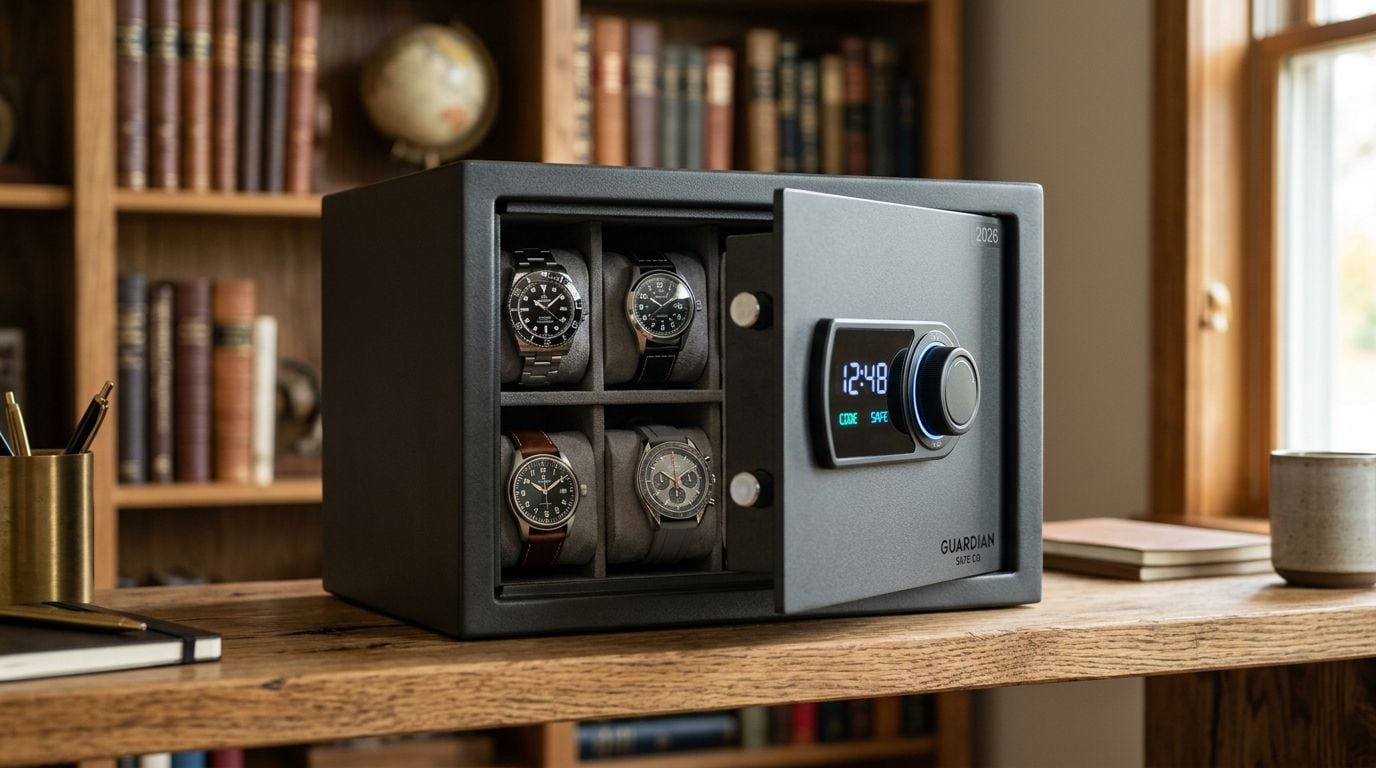
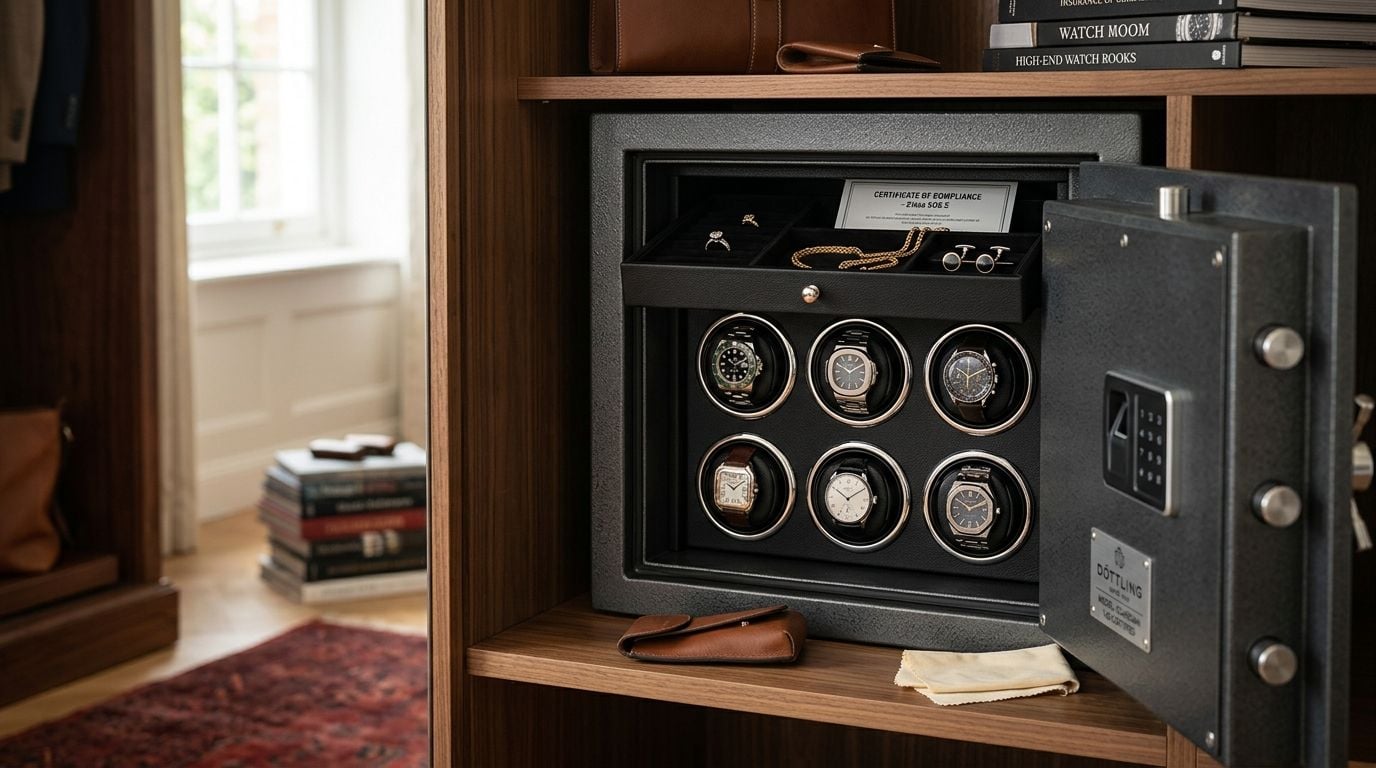
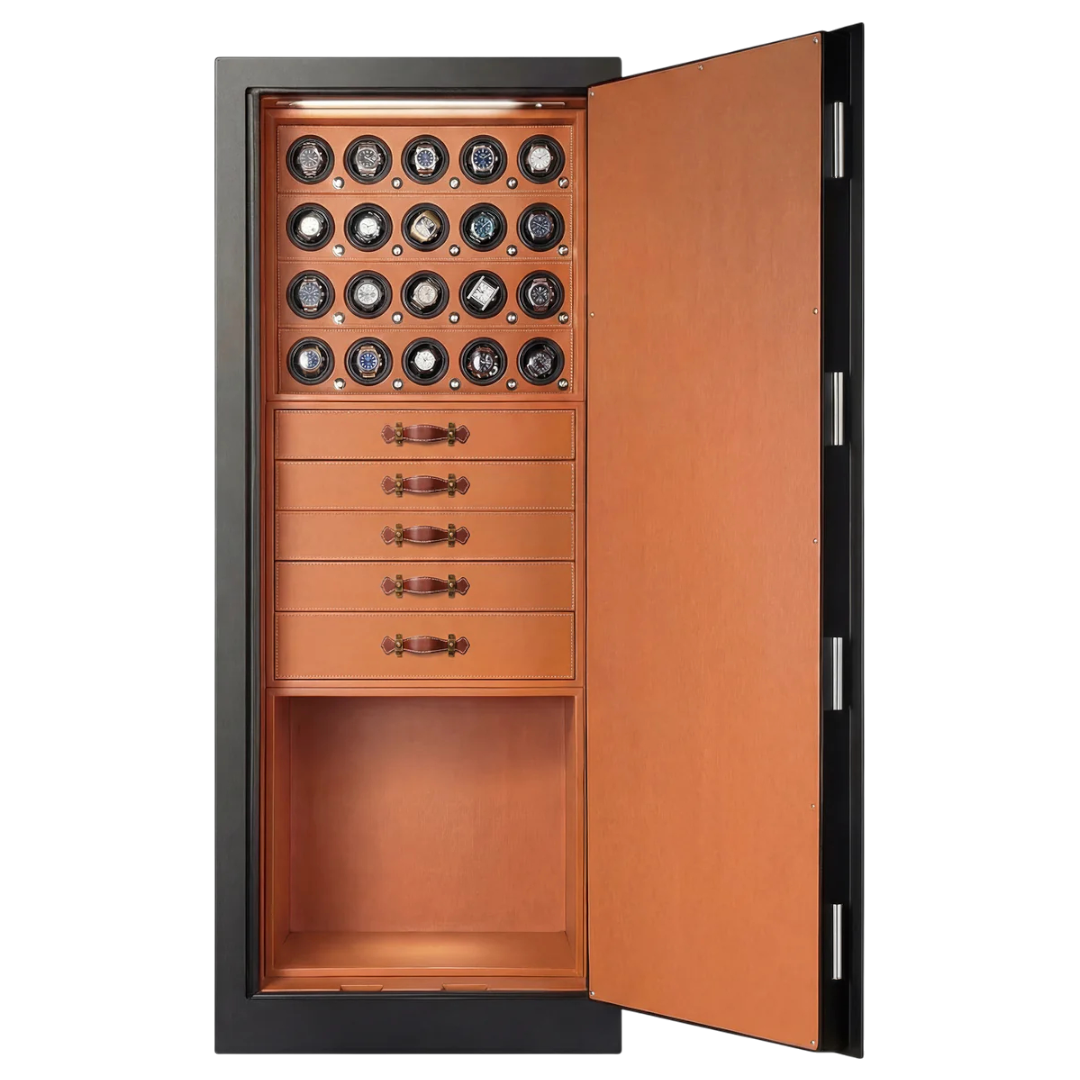
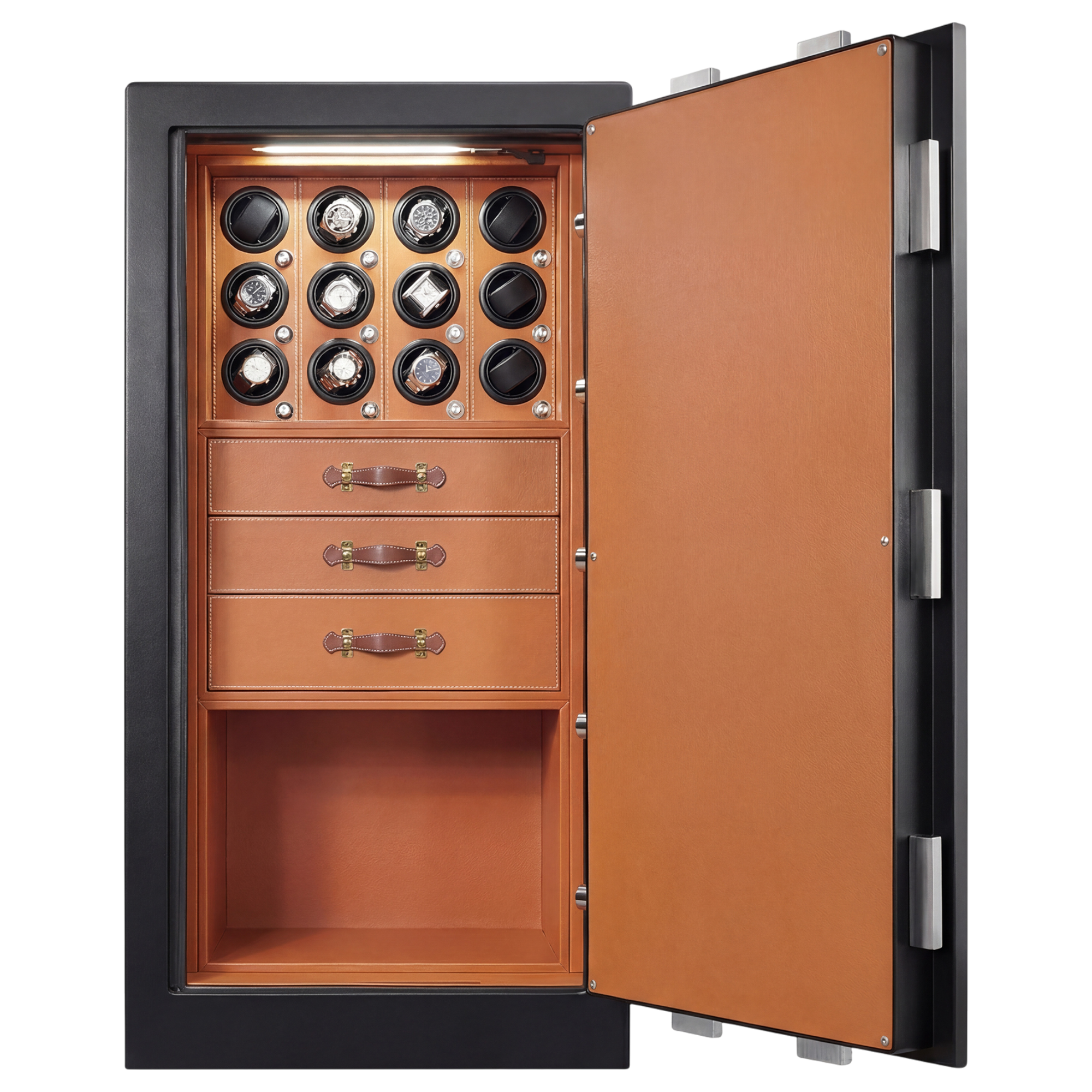
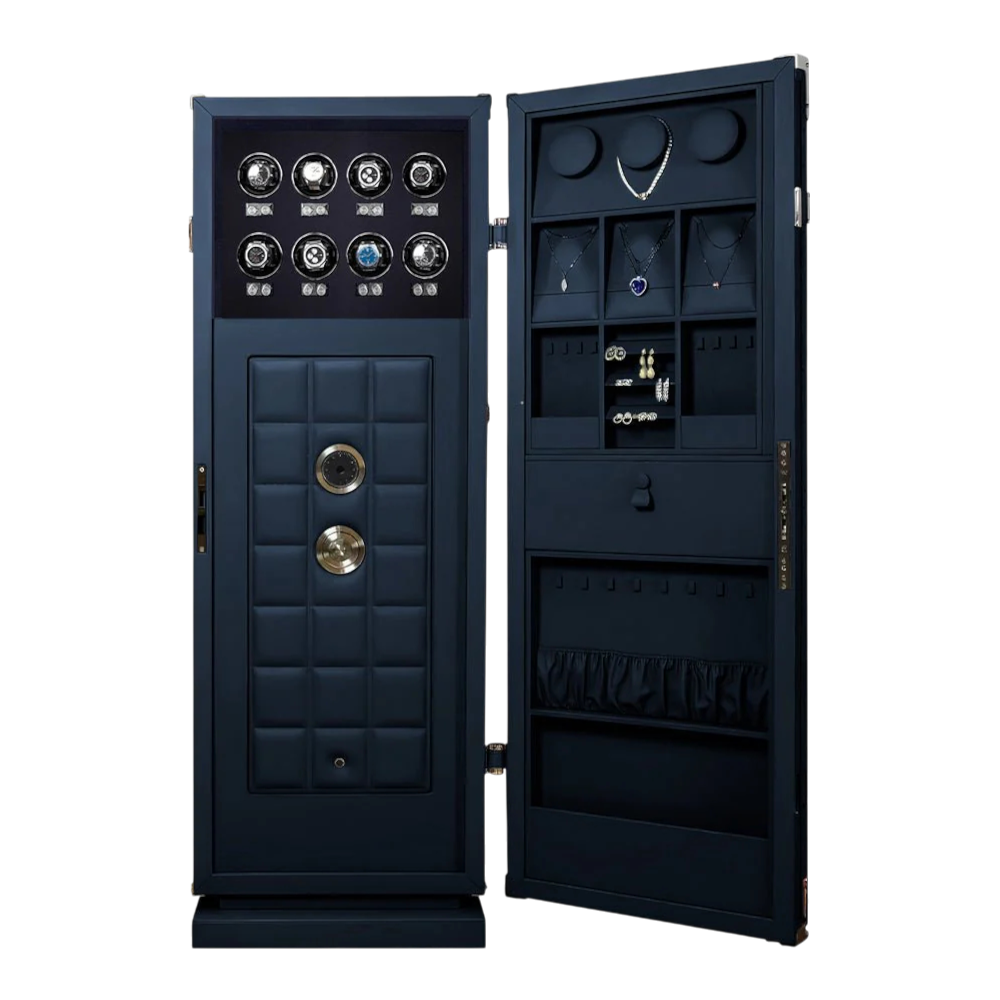
The safe pick: Apollo Watch Safe, 12-slot. This is the pick for a surgeon whose collection has outgrown a simple box and who wants storage and winding under one biometric lock. Twelve slots covers a real rotation without forcing a second purchase in two years, and biometric access matters when you're leaving the house at odd hours. Verdict: Buy. The Apollo 12-slot watch safe breakdown covers who that size actually fits.
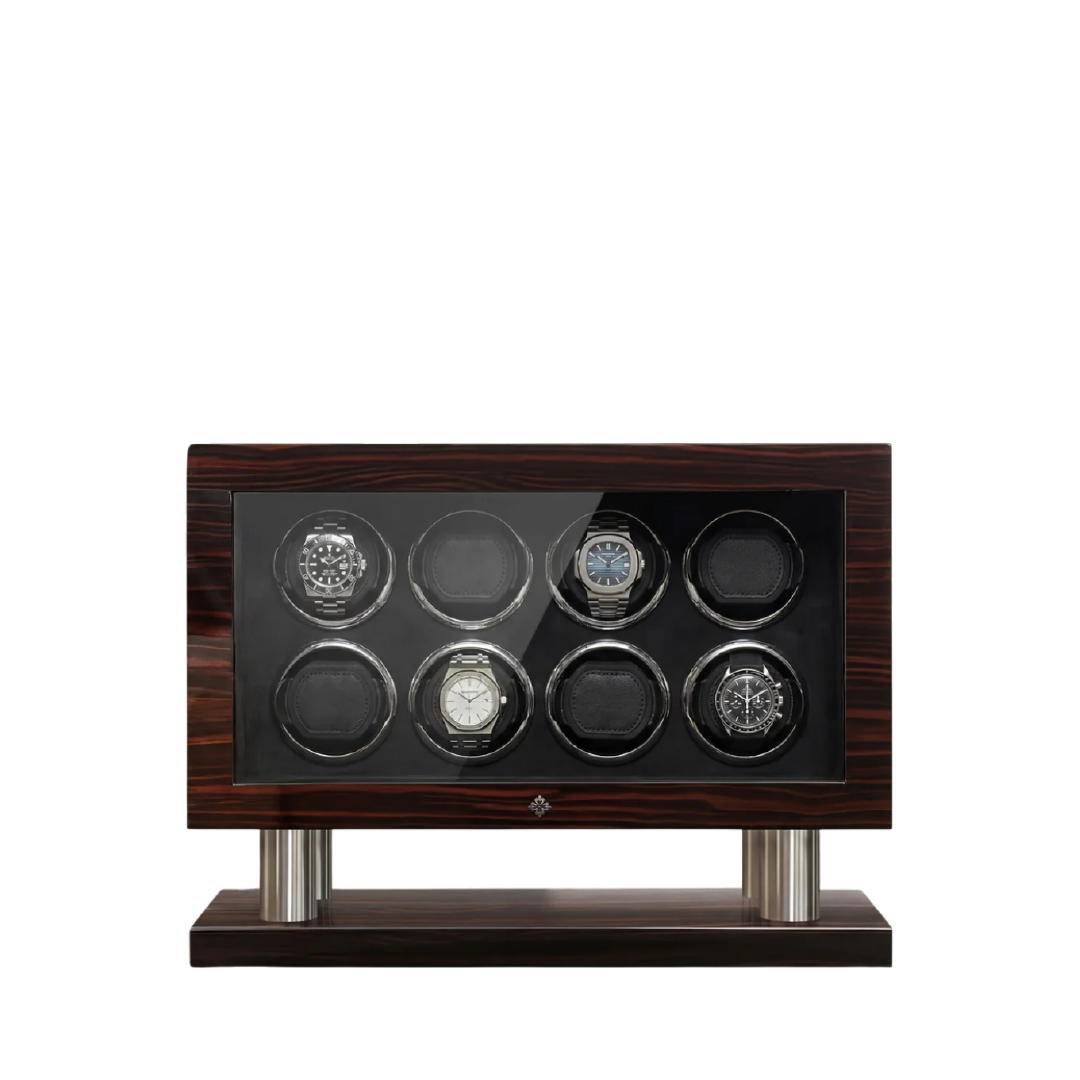
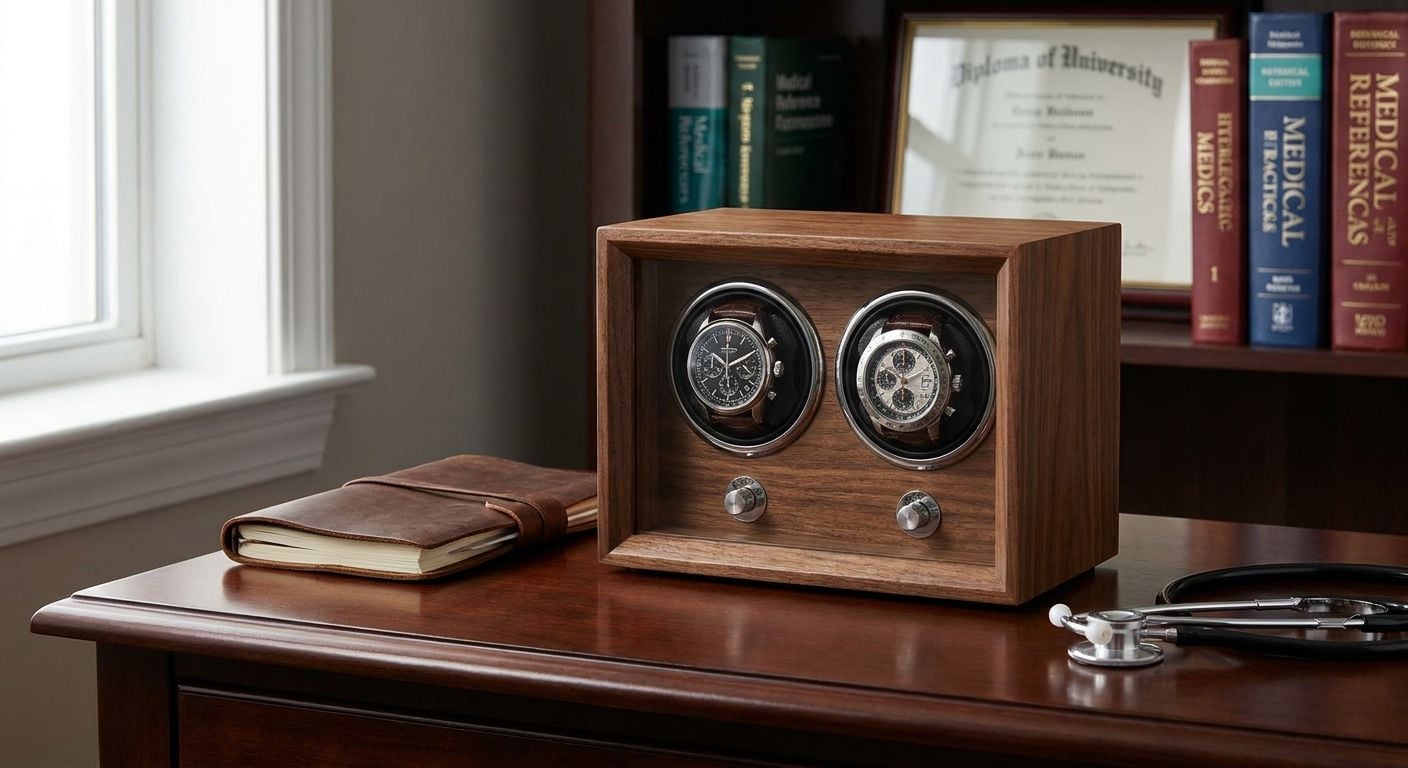
The quiet operator: Virtuoso Watch Winder. Built around a motor designed for near-silent bedroom operation, this is the pick when the winder has to sit six feet from where you sleep between shifts. It trades the display flourish of larger cabinets for a footprint and sound profile suited to a nightstand or dresser. Verdict: Buy. The Virtuoso watch winder guide covers who should size up from here.
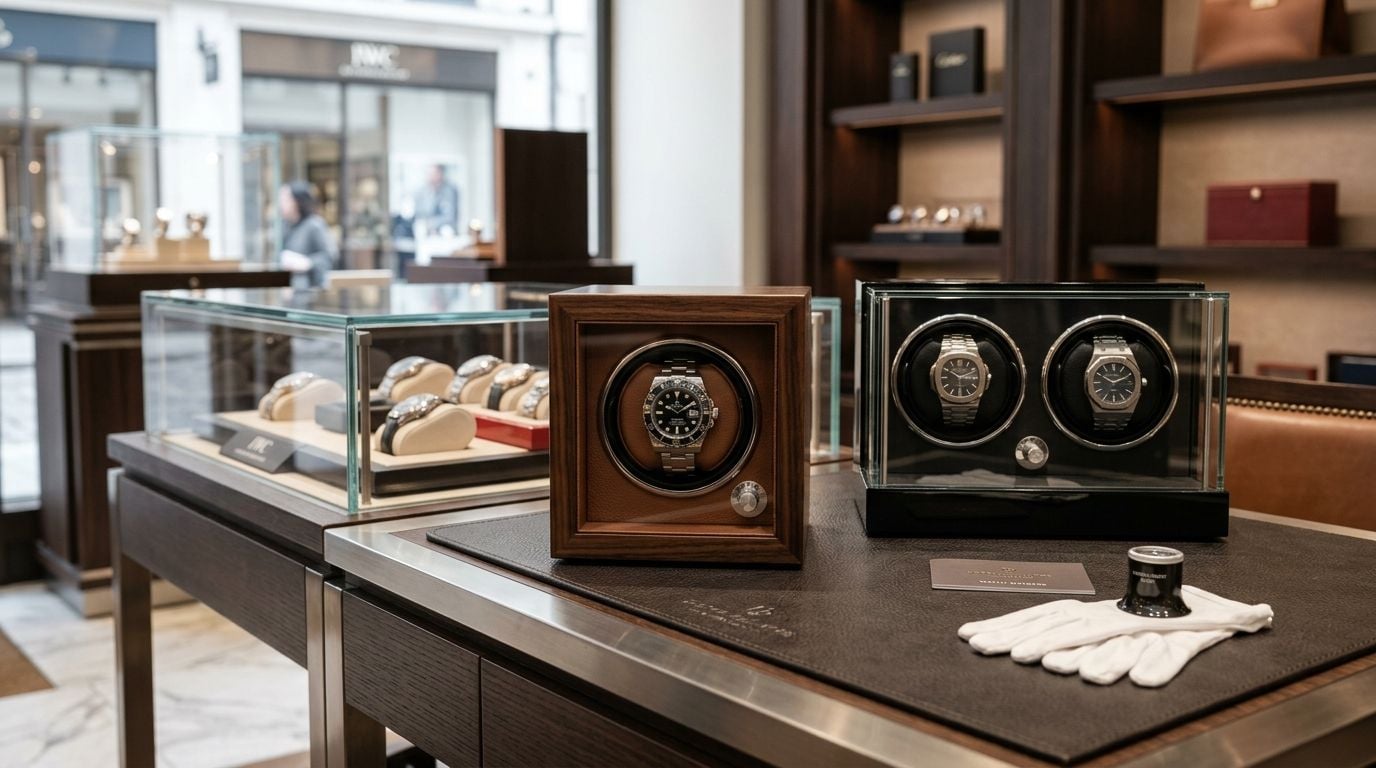
The wildcard: Impresario Watch Winder Series. This series spans several models with different program counts, worth a look if your collection covers more brands than most – a Rolex, a Cartier, and a Grand Seiko all needing different settings. It's a wildcard because the right model depends heavily on which pieces you're actually rotating. Verdict: Consider, and only after checking the model comparison against your specific watches.
What to skip: generic multi-dial gift-box winders. These appear everywhere around graduation and holiday season and look similar to collector-grade winders in photos. Most run a single fixed TPD with no biometric option and a motor loud enough to notice from across a room. Verdict: Skip if your watches cost more than the winder protecting them.
See Enigwatch winders and safes
Compare capacity, motor type, and lock options across the full 2026 range.
What to avoid
- Fixed single-program winders. They force one TPD and direction on every watch you own – fine for a one-watch collection, wrong for anyone rotating multiple brands.
- Combination-only locks with no biometric option. Fumbling a code at 5 a.m. before a case is a real friction point, not a hypothetical one.
- Units with no memory through a power interruption. A winder that forgets its program after a brief outage means a manual reset every time you're away for a multi-day block, and a watch found stopped when you finally get home.
Verdict comparison
| Model | Best for | Noise profile | Access | Verdict |
|---|---|---|---|---|
| Apollo Watch Safe, 12-slot | Collections needing security plus winding | Enclosed motor bay | Biometric | Buy |
| Virtuoso Watch Winder | Bedroom or nightstand placement | Built for near-silent operation | Standard | Buy |
| Impresario Watch Winder Series | Mixed-brand collections needing varied TPD | Varies by model | Standard | Consider |
| Generic gift-box winder | One-watch, low-value collections only | Often audible | None | Skip |
FAQ
What is the best watch winder for a surgeon?
For most surgeons, a unit with multiple stored rotation programs and a quiet motor works best because schedules and watch rotations are irregular. The Enigwatch Apollo Watch Safe 12-slot and the Virtuoso Watch Winder both fit this profile in 2026, one prioritizing security and capacity, the other near-silent bedroom operation.
Do surgeons need a watch winder if they don’t wear their watch every day?
Yes, if the watch is automatic and sits unworn for more than a day or two at a time, which is common during multi-day call blocks. Without winding, the watch stops and needs the date and time reset every time you pick it back up.
How much does a luxury watch safe cost in 2026?
Enigwatch luxury watch safes and winders run roughly $5,000 to over $21,000 in 2026, depending on slot count, motor type, and lock hardware. Biometric access and larger multi-slot capacity push toward the higher end of that range.
Is a biometric lock better than a key lock for a home watch safe?
Biometric locks are faster in daily use because there is no key to misplace or code to remember during a rushed morning. Key locks remain reliable and do not depend on battery power for the reader itself.
What happens to a watch winder during a power outage?
Lower-end winders lose their programmed TPD and direction settings the moment power drops and need reprogramming once power returns. Better-built units hold or resume their program automatically, which matters if you are away from home for a multi-day OR block.
How many TPD does a Rolex or Omega need in a winder?
Turns-per-day requirements vary by caliber, so the correct number depends on the specific movement inside the watch. Check a model-specific TPD guide for your exact reference before setting a winder rather than guessing.
Can a watch winder fit in a small condo closet?
Yes, compact single- and double-slot winders fit on a closet shelf or dresser top without a dedicated room. Larger multi-slot safes and cabinets need planning around footprint and weight before installation.
Does using a watch winder damage an automatic watch?
A properly set winder running correct rotation and direction settings does not damage an automatic movement. Problems come from incorrect TPD settings, not from winder use itself.
One last thing
The detail most buyers overlook is not the motor or the lock – it is the rotation program count. A surgeon rotating even three watches across a mixed-brand collection will hit the limits of a single-program winder within the first month of ownership in 2026, long before the motor or the finish ever becomes an issue.
Related guides
Protect Your Watch Collection
Designed for collectors who demand the best. Explore our premium watch winders and luxury safes.