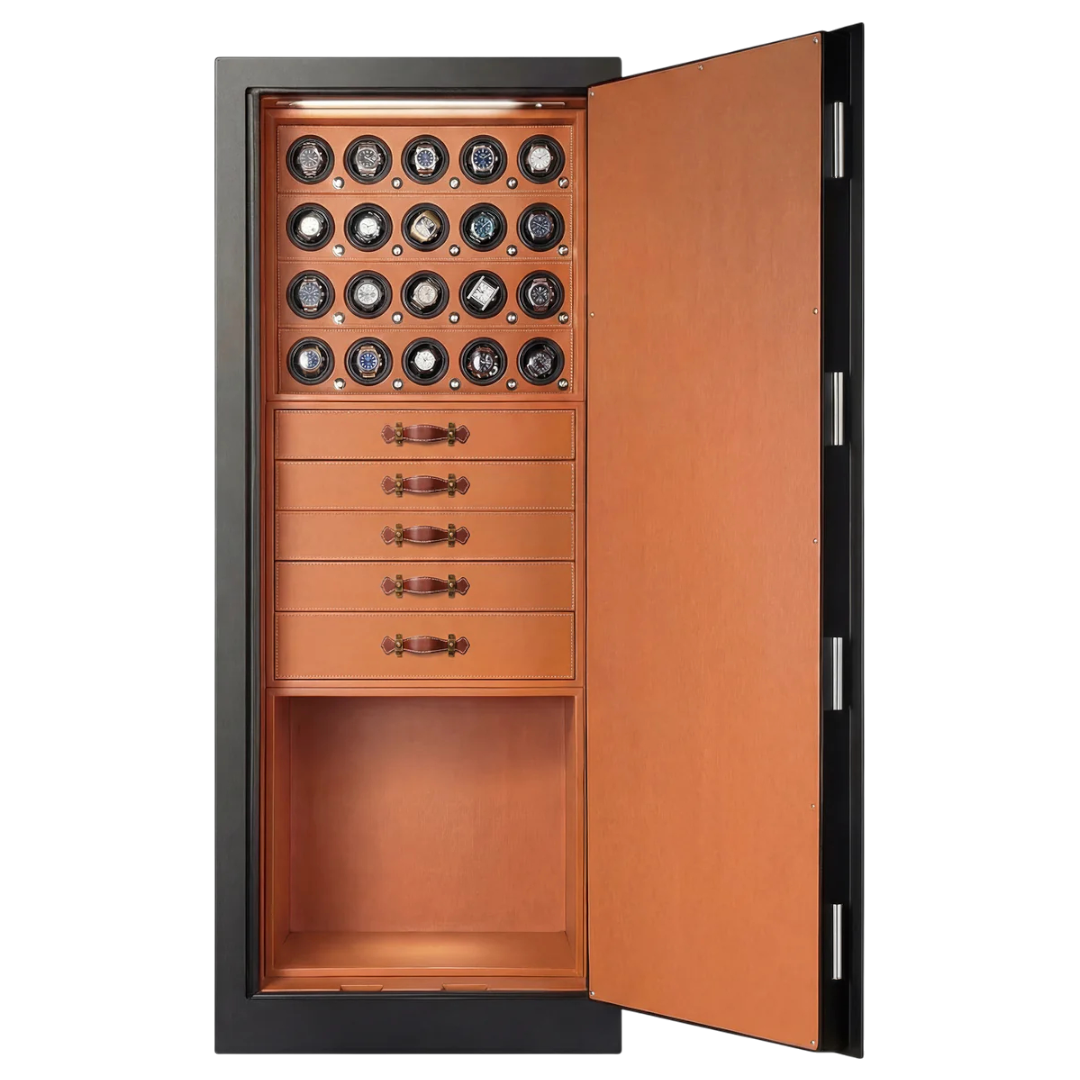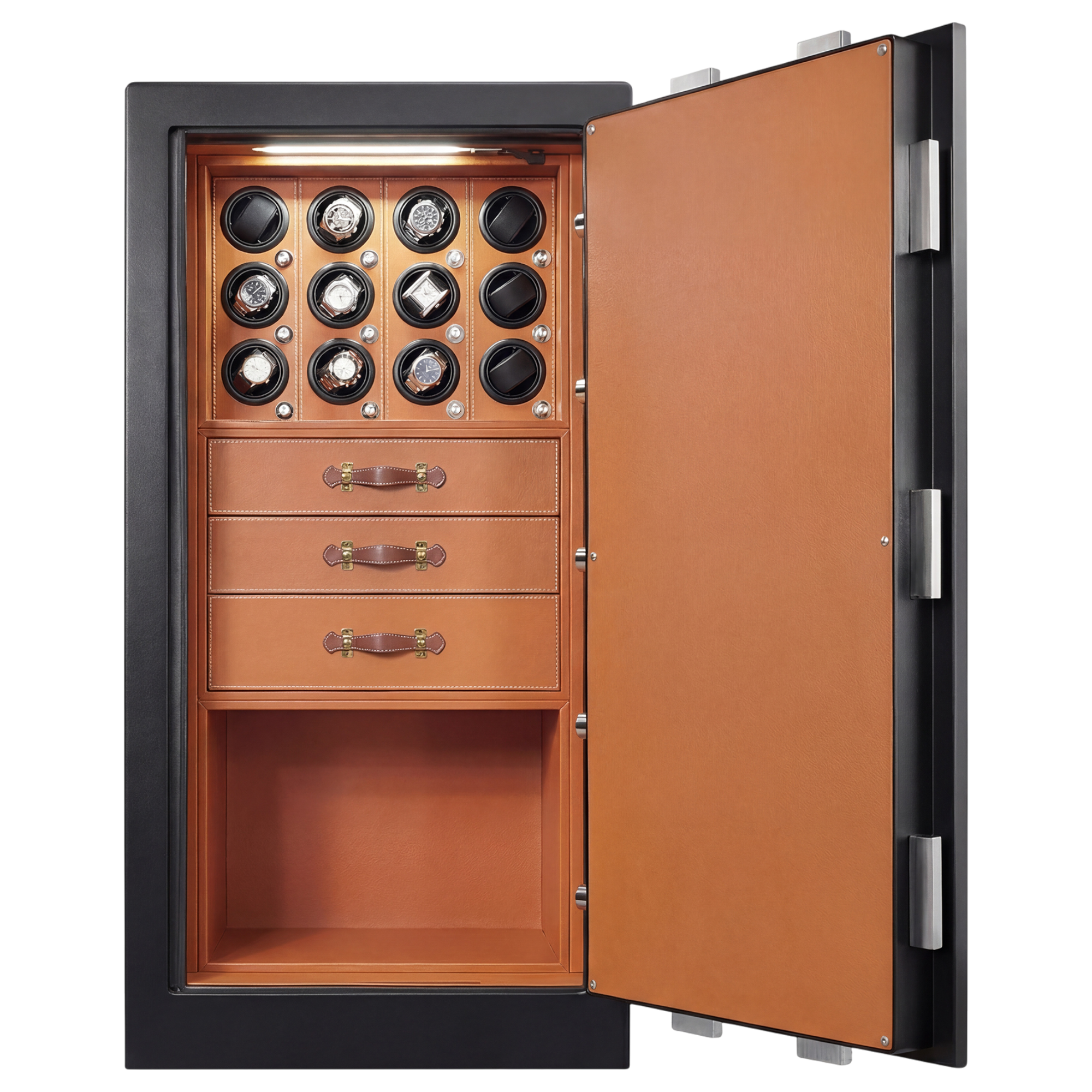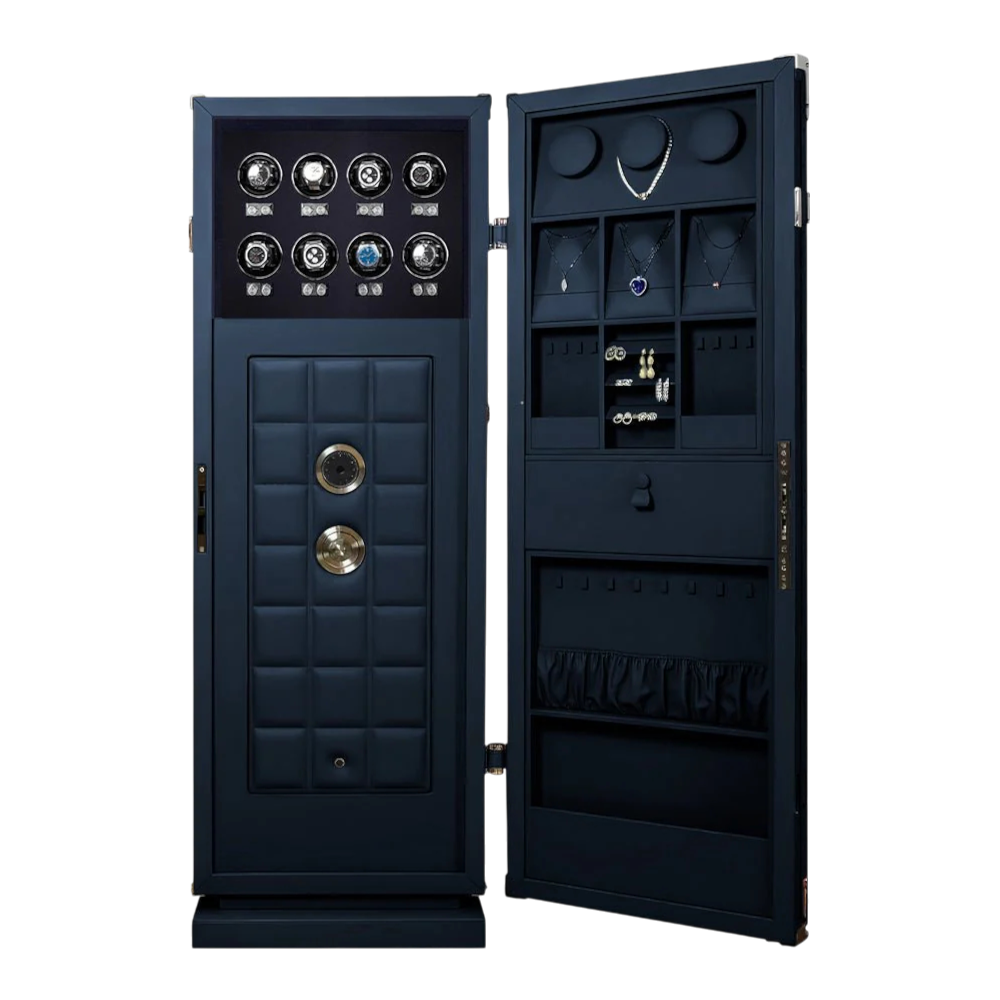


The $500 ceiling is where the watch winder market gets genuinely interesting — you can still find quality motors, programmable TPD settings, and real wood or lacquer finishes without crossing into the four-figure territory most buyers aren’t ready for in 2026.
TL;DR: The best watch winder under $500 in 2026 is the Enigwatch Impresario Series 6 for collectors with a small rotation of automatic watches — it delivers programmable turns-per-day, bi-directional winding, and a noise-controlled motor in a sub-$500 build. Single-watch buyers can step down to the Impresario Series 2 or a Delta Series unit. If you’re storing more than six watches, the Virtuoso Series 6 or Yachtline Series 8 are the logical upgrades that still land under the $500 mark depending on configuration.
How We Ranked
Every pick on this list comes from the Enigwatch catalog — a brand focused exclusively on automatic watch winders and safes for luxury timepiece owners. Rankings were based on four criteria weighted in order: motor quality and noise output, TPD range and direction programmability, build material (wood veneer vs. synthetic shell), and slot count relative to price. No product earns a spot here because it’s cheap. It earns a spot because it solves a real problem for a specific buyer at or below $500 in 2026.
The Ranked List
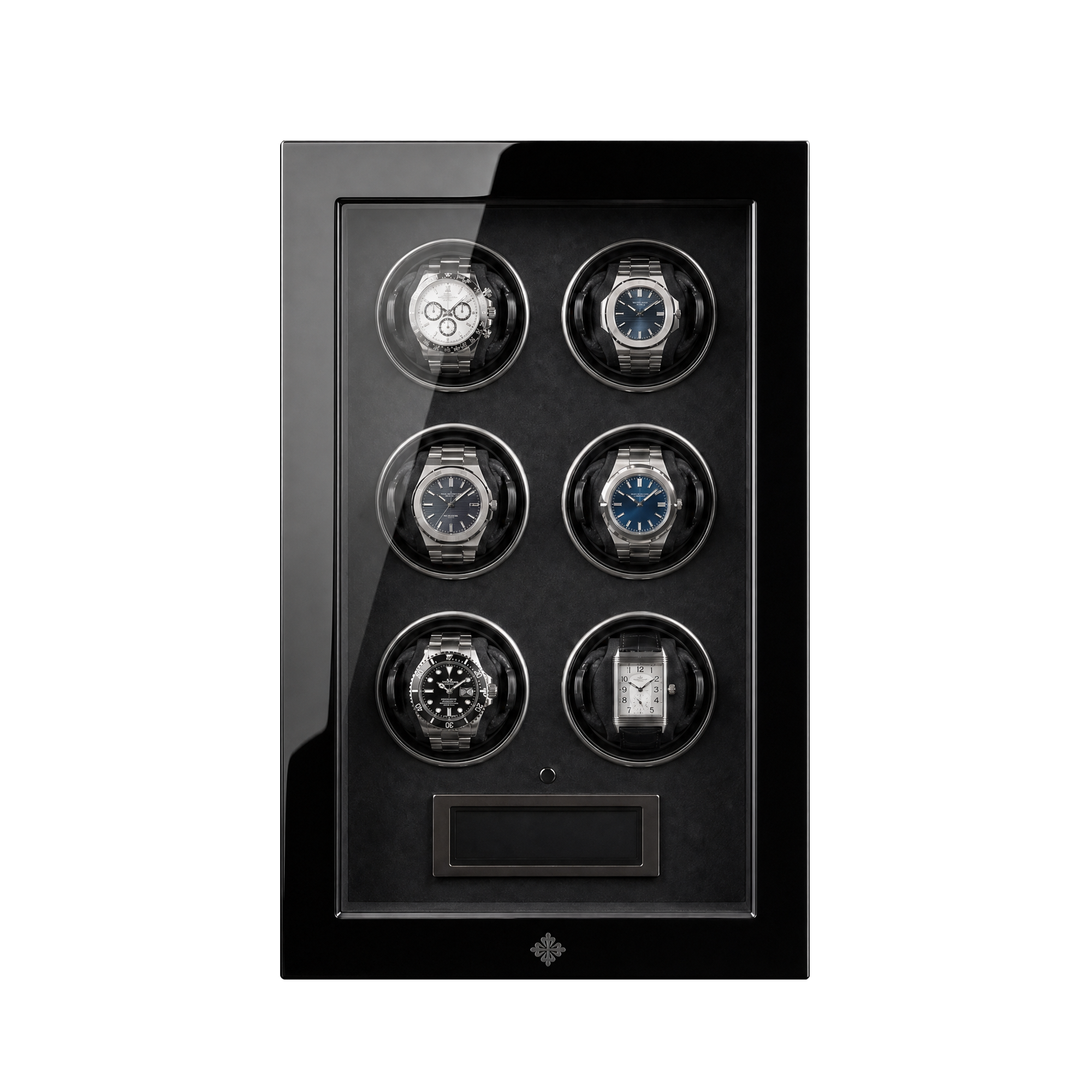
1. Impresario Series 6 — The Collector’s Workhorse
Six watch slots, bi-directional rotation, and fully programmable TPD settings in one of the cleanest builds Enigwatch offers at this price tier. The Impresario Series 6 runs ultra-quiet motors — a meaningful spec for bedroom or office placement where an audible hum kills the product. This is the single best answer to “best watch winder under 500” for anyone rotating between four and six automatics in 2026.
It handles Rolex, Omega, and Tudor with zero configuration anxiety — set clockwise, counter-clockwise, or alternating, dial in 650–1,800 TPD depending on your movement, and leave it. The build uses a lacquered wood shell with a glass display cover that earns its place on a desk rather than hiding in a closet.
Verdict: Buy. This is the default pick. If you own four to six automatic watches and you’re reading this in 2026, this is where $500 belongs.
2. Virtuoso Series 6 — The Upgrade for Style-Conscious Buyers
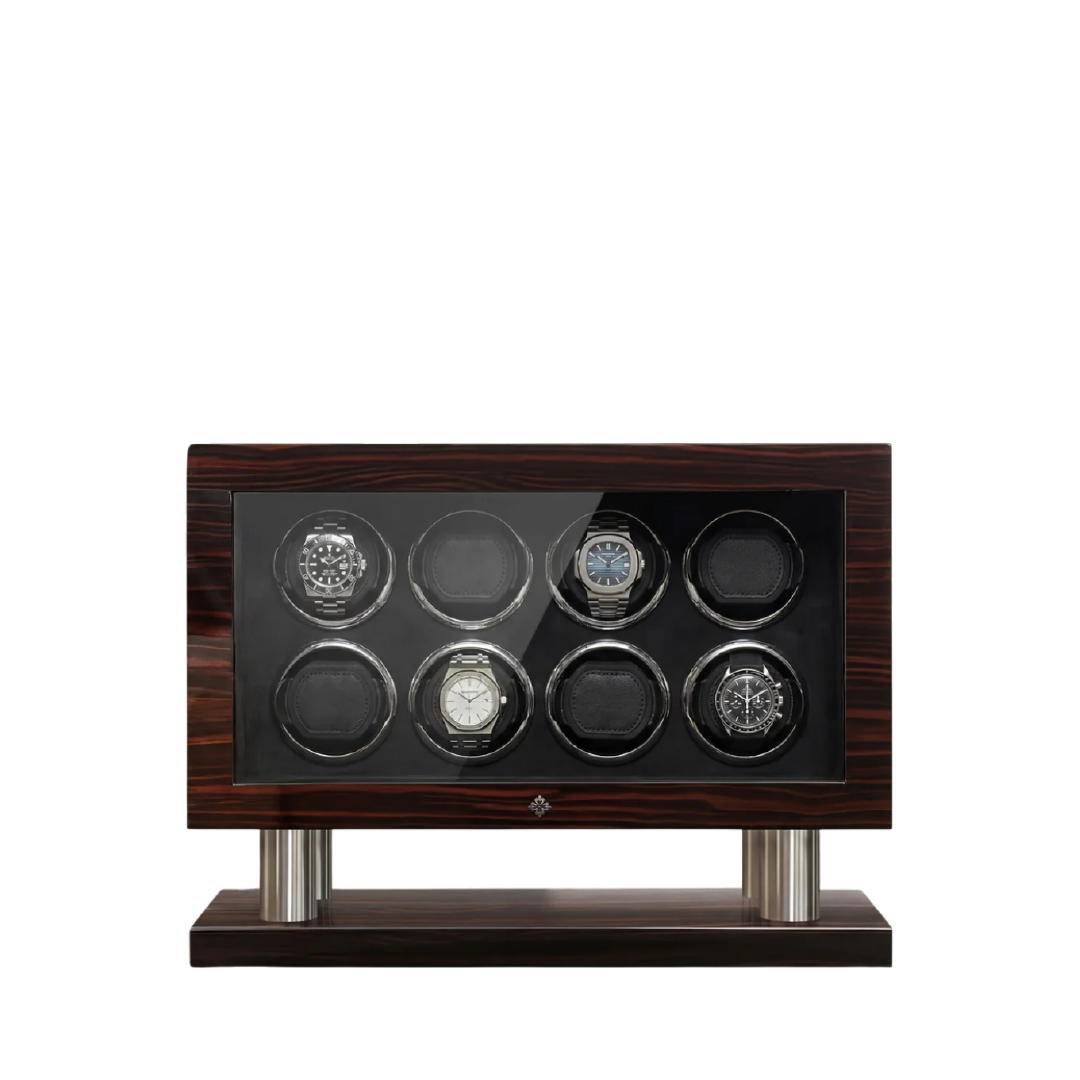
The Virtuoso Series 6 targets the same six-slot segment as the Impresario but with a noticeably more premium exterior finish. Where the Impresario leans functional, the Virtuoso leans decorative — think richer veneer options and a display case design built as much for showing as for winding.
Motor specs stay competitive: bi-directional winding, programmable TPD, quiet operation. The difference is aesthetic, and for buyers who display their winder openly in a study or master bedroom, that difference justifies the consideration. Pricing at this tier in 2026 may push slightly toward the $500 ceiling, so confirm current configuration costs before ordering.
Verdict: Buy if the display presentation matters to you. Hold if you want maximum utility per dollar — the Impresario Series 6 wins that race.
3. Impresario Series 2 — The Entry Point Done Right
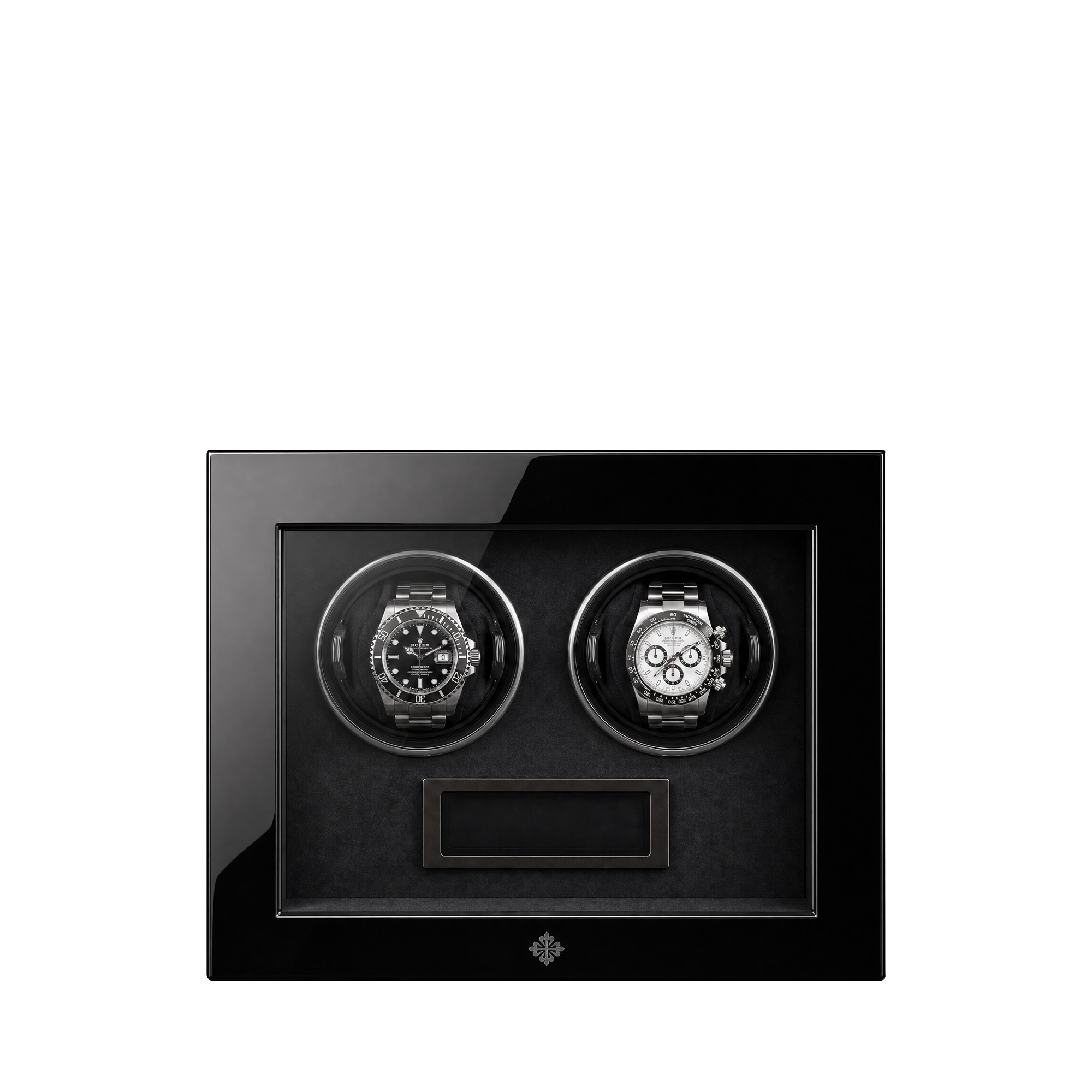
Two slots. Quiet motor. Programmable bi-directional winding. The Impresario Series 2 is the correct answer for someone with a Rolex Submariner and an Omega Seamaster who doesn’t want to pay for slots they’ll never use. At well under $500, it leaves budget for a watch pillow or a warranty extension without stress.
Don’t let the entry-level slot count mislead you — the motor and programming architecture in the Series 2 is the same generation as the Series 6. You’re not buying a stripped-down product; you’re buying an appropriately sized one.
Verdict: Buy for a two-watch collection. Skip if you plan to add a third watch within the next 12 months — size up now.
4. Yachtline Series 8 — The Wildcard for Growing Collections
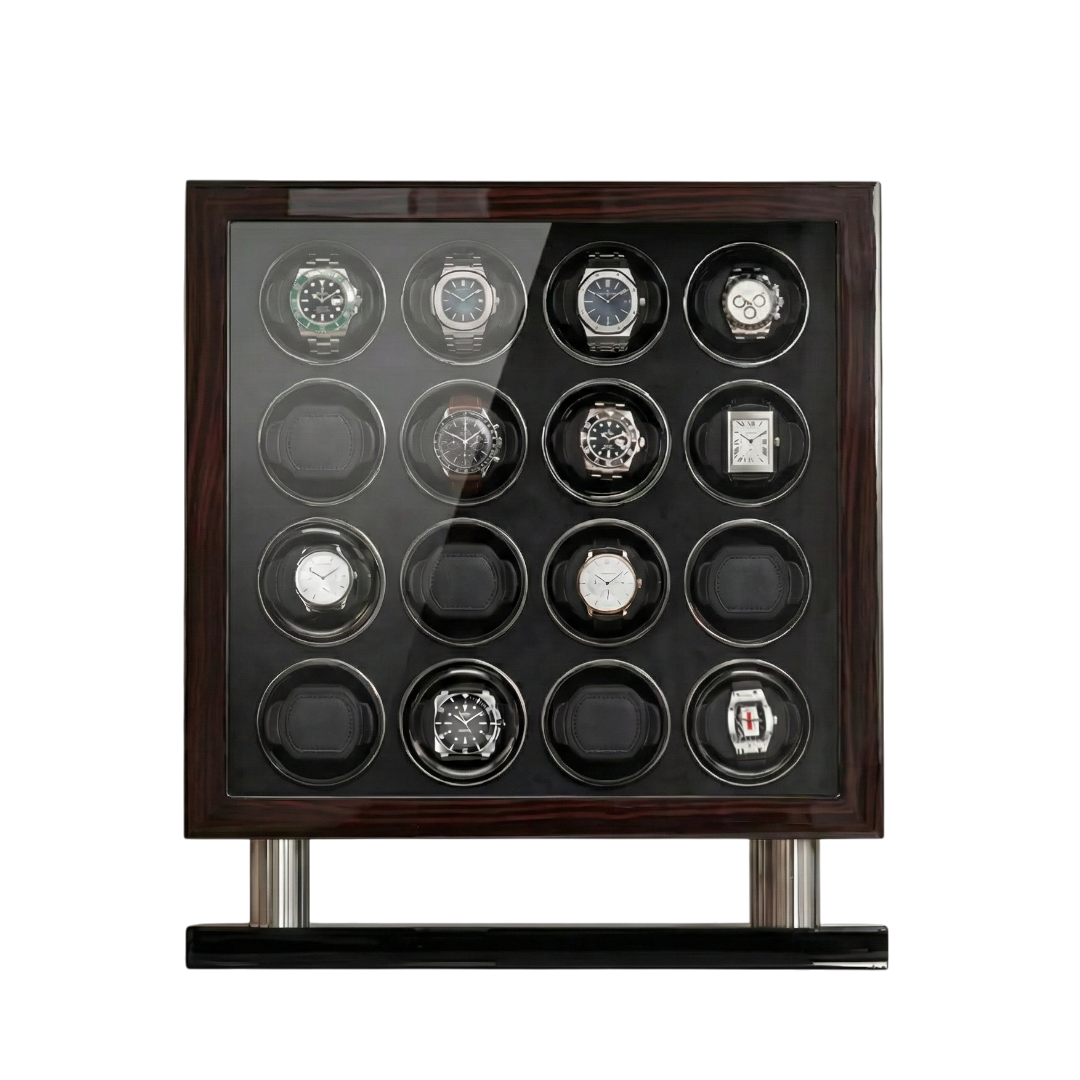
Eight slots at a price point that, depending on configuration, can land at or near $500 in 2026. The Yachtline Series 8 targets buyers who are one or two watches away from outgrowing a six-slot unit and don’t want to buy again in 18 months. The Yachtline series carries a nautical-inspired design language — premium finishes with a more distinctive look than the Impresario line.
Motor performance and TPD programmability match the Impresario standard. The eight-slot chassis adds weight and footprint, so measure your shelf or drawer space before ordering.
Verdict: Consider if you’re actively growing your collection. If you’re stable at four to six watches, the Impresario Series 6 is more efficient.
5. Delta Series Single Watch Winder — The Minimalist Pick
The Delta Series single-slot winders (available in black and army colorways) are the tightest, most affordable entry into the Enigwatch lineup in 2026. One watch. One motor. Compact enough to live in a drawer or travel bag. For someone who owns a single automatic watch and wants proper daily winding without occupying desk real estate, this is the answer.
The Delta Series won’t win a display-cabinet showdown, but it wins on practicality. The motor is quiet, the form factor is manageable, and the price sits comfortably below the $500 ceiling with room to spare.
Verdict: Buy for a single-watch owner. Overkill consideration doesn’t apply here — it’s the right tool for the job.
Comparison Table
| Model | Slots | Direction | TPD Programmable | Build | Best For |
|---|---|---|---|---|---|
| Impresario Series 6 | 6 | Bi-directional | Yes | Wood lacquer + glass | 4–6 watch collections |
| Virtuoso Series 6 | 6 | Bi-directional | Yes | Premium veneer | Display-focused buyers |
| Impresario Series 2 | 2 | Bi-directional | Yes | Wood lacquer + glass | Two-watch owners |
| Yachtline Series 8 | 8 | Bi-directional | Yes | Nautical-finish shell | Growing collections |
| Delta Series Single | 1 | Programmable | Yes | Compact shell | Single-watch minimalists |
What to Avoid
Winders with fixed TPD and single-direction only. Some sub-$200 models found on general retail marketplaces spin at a fixed rate in one direction. A Rolex Submariner needs roughly 650–800 TPD; a Patek Philippe Nautilus needs closer to 650–950 depending on the movement. A winder that can’t be tuned will over-wind or under-wind your movement over weeks. That’s a servicing problem.
Hollow plastic shells marketed as “piano lacquer.” The finish terminology gets abused at this price tier. Real lacquer over wood has weight and resonance you can feel. A hollow ABS shell with a shiny coat vibrates differently and transmits motor noise directly into the case. If the product listing doesn’t specify wood substrate, assume it’s plastic.
No-name motors without a stated warranty. At $500 and below, motor longevity is the primary risk. Any winder without a minimum 1-year warranty on motor components is a gamble. Enigwatch offers extended warranty options separately — a signal that the motors are worth protecting.
Where to Buy
- Direct from Enigwatch.com is the only channel that guarantees warranty coverage, current pricing, and access to white glove delivery or shipping insurance add-ons.
- Avoid third-party resellers on general marketplaces unless you can confirm the warranty terms transfer — most don’t.
- If you’re buying a six-slot or larger unit, the white glove delivery option is worth evaluating given the product weight and finish sensitivity.
FAQ
What is the best watch winder under $500 in 2026?
The Impresario Series 6 from Enigwatch. Six slots, bi-directional programmable winding, quiet motor, and a wood-lacquer build that holds up in a display setting — all at or below the $500 mark.
How many turns per day does a watch winder need?
Most automatic movements need between 650 and 1,800 TPD. Rolex movements typically fall in the 650–800 range. Always check your specific movement’s manufacturer spec — a programmable winder eliminates the guesswork entirely.
Is a two-slot watch winder enough for a Rolex and an Omega?
Yes. The Impresario Series 2 handles two watches independently with per-module direction and TPD settings, so your Submariner and Seamaster can each run their own program without conflict.
Do watch winders damage automatic movements?
A properly calibrated winder does not damage a healthy movement. The risk comes from winders with no TPD control that over-wind the mainspring. Bi-directional, programmable units like the Enigwatch lineup eliminate that risk when set correctly.
What’s the difference between the Impresario and Virtuoso series?
Both lines share the same motor generation and TPD programmability. The Virtuoso series uses a more decorative exterior finish — richer veneer, different design lines — aimed at buyers who prioritize display presentation alongside function.
Can a watch winder under $500 handle a Patek Philippe or AP?
Yes, with the right TPD setting. High-end complications like the Patek Nautilus or AP Royal Oak simply need the correct TPD dialed in — typically 650–900. The Impresario Series 6 covers that range. The movement itself doesn’t know what the case looks like.
Is noise a real concern with watch winders?
For bedroom placement, yes. Budget winders with exposed gears or undersized motors produce an audible hum at night. Enigwatch motors are rated for low-noise operation — a spec worth paying for in a bedroom or home office environment in 2026.
How much should you spend on a watch winder?
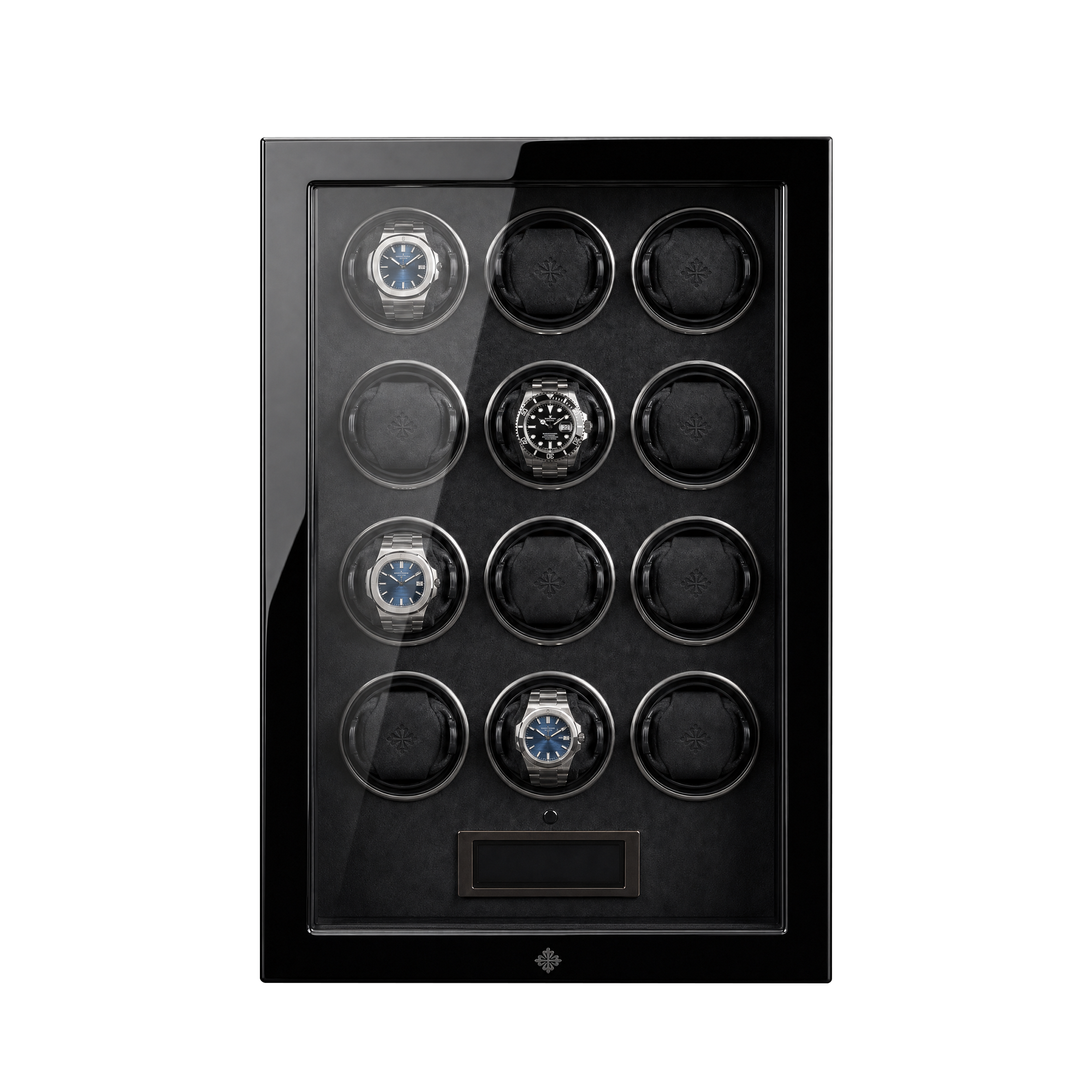
For a single automatic watch, $100–$200 is adequate. For four to six watches with display value, $300–$500 is the right range. Beyond $500, you’re buying capacity (12+ slots) or exotic finishing — not meaningfully better motor technology at the entry level.
One Last Thing
The most common mistake buyers make in 2026 is buying a single-slot winder for a collection that’s clearly going to grow. If you already own three or four watches, start with a six-slot unit. The price delta between the Impresario Series 2 and Series 6 is smaller than the cost of buying twice.
Related Guides
Protect Your Watch Collection
Designed for collectors who demand the best. Explore our premium watch winders and luxury safes.