
Piano lacquer is the reference finish for premium wood objects. It’s the finish on grand pianos, luxury yacht interiors, and top-tier watch storage. The reason it costs more than factory spray finishes comes down to layer count, polish technique, and craft labor. This article explains what makes piano lacquer different, why it shows up on premium winders and cabinets, and how it holds up over decades of use.
What Piano Lacquer Actually Is
Piano lacquer is a multi-coat finishing process, not a specific chemical formulation. The defining features.
- 5 to 9 layers of lacquer applied sequentially
- Sanding between each layer to remove imperfections
- Hand polishing after the final layer to high gloss
- Multiple days to weeks of cure time between layers
- Final buffing that produces deep mirror-like reflection
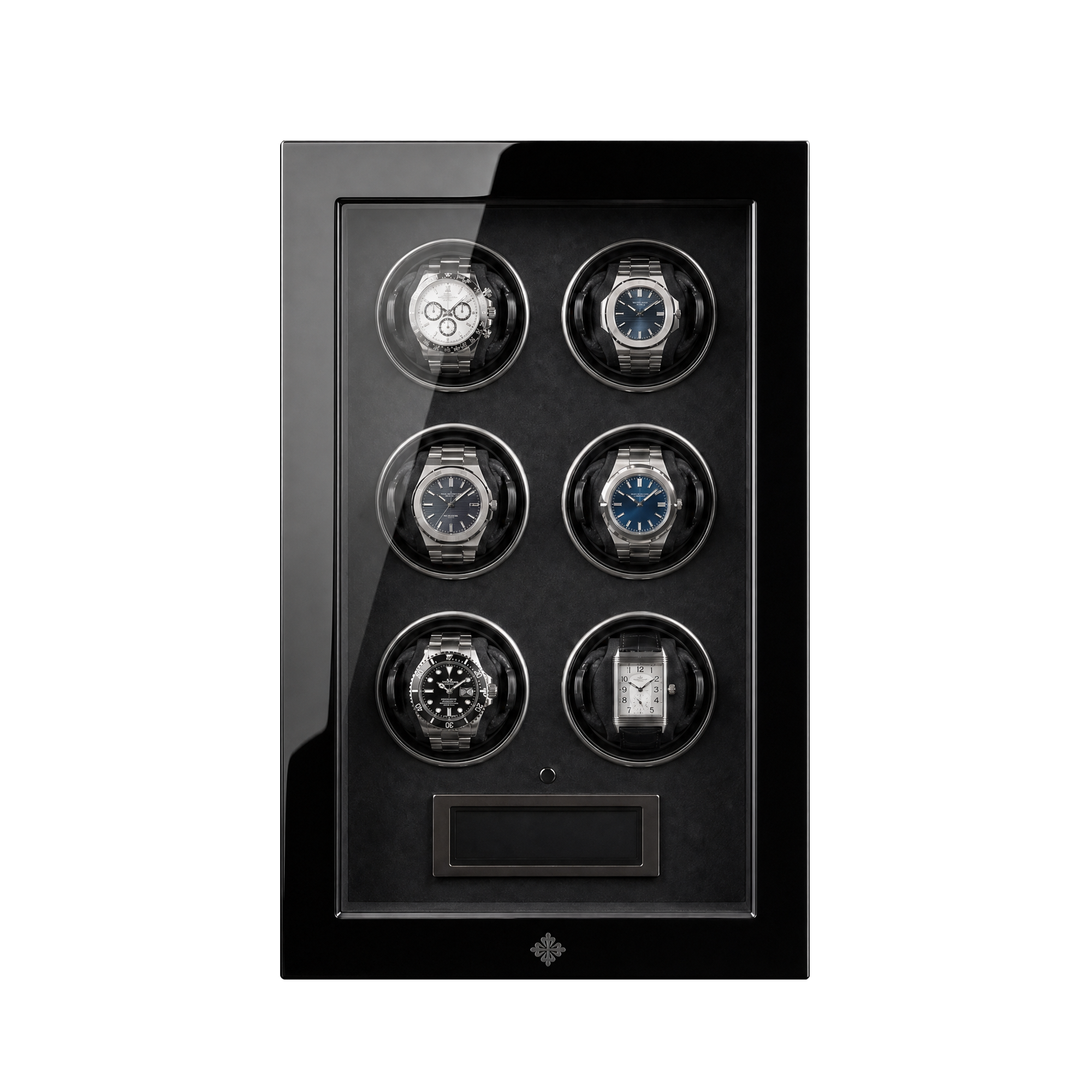
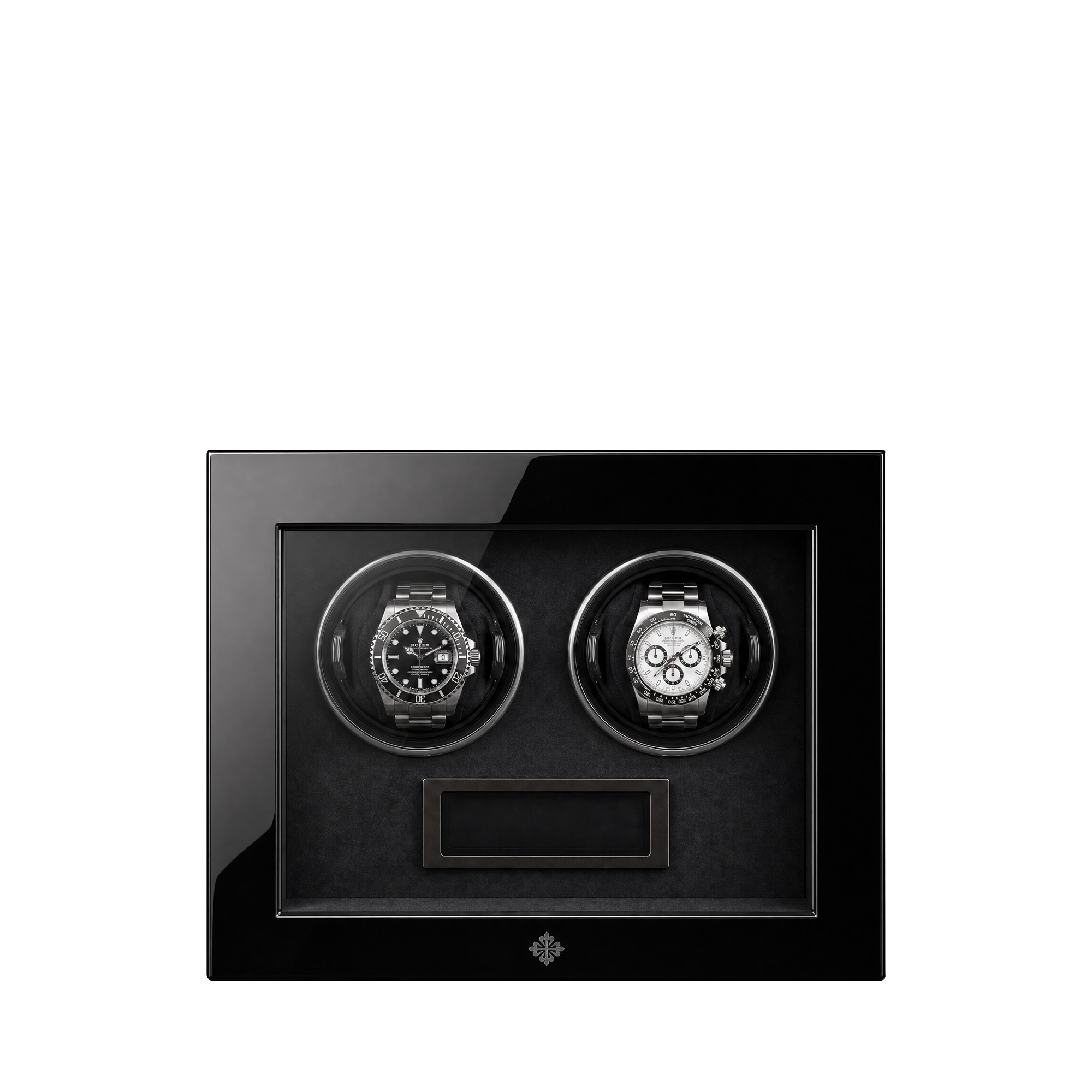
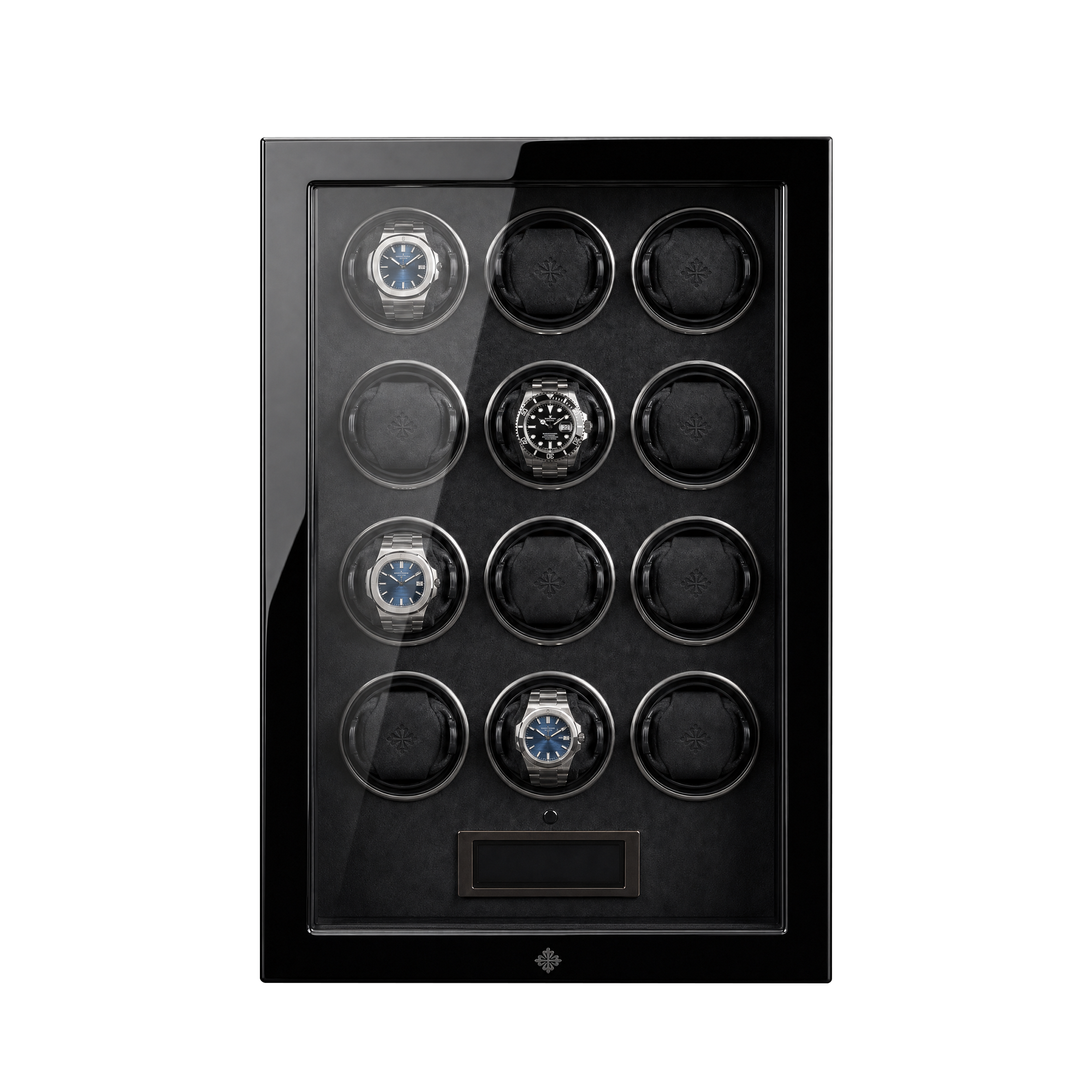
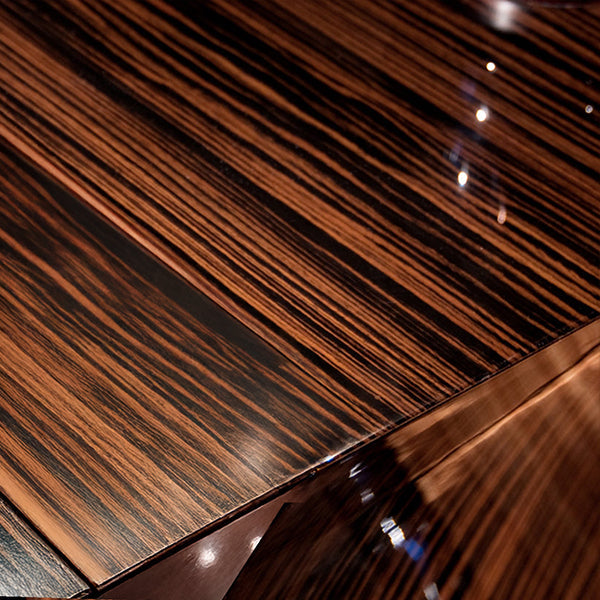
The result is a surface that looks liquid-like in its depth, reflects clearly enough to read text in the reflection, and feels substantially different from thinner factory finishes. The wood underneath becomes less visible as a texture and more visible as a color depth.
Why Premium Cabinets Use It
Three reasons.
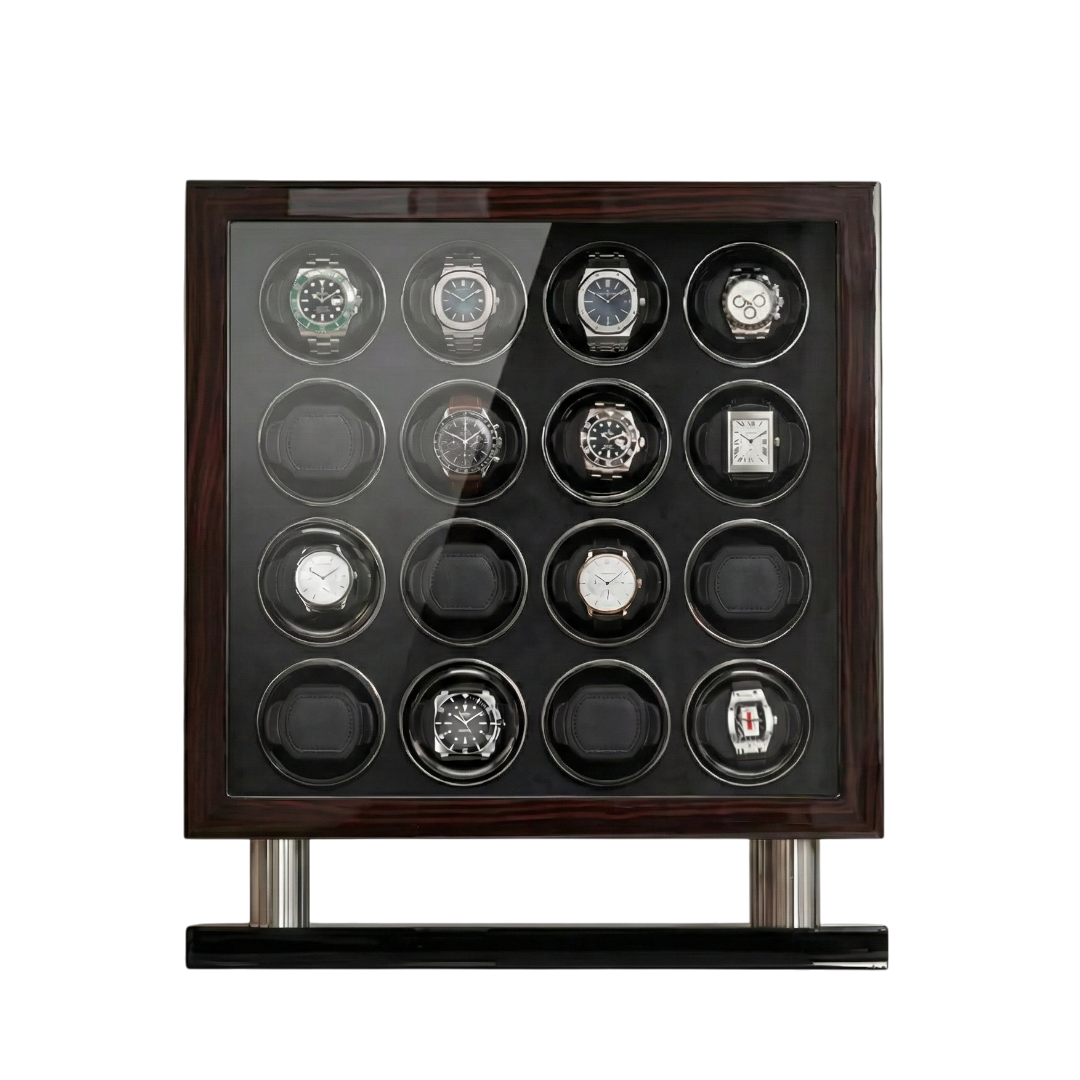
Visual depth. Piano lacquer produces more depth than single-coat finishes. Dark woods (Macassar ebony, rosewood) gain dramatic reflective quality. Lighter woods get a glass-like clarity.
Protection. Multiple lacquer layers protect wood from moisture, temperature changes, and surface wear over decades. Factory spray finishes can chip and wear through to bare wood within a few years.
Feel. The hand-polished surface has a specific tactile quality. Smooth without feeling plastic, cool without feeling metallic.
How Enigwatch Applies Piano Lacquer
Across the premium cabinet lines and luxury safes, Enigwatch uses a 5-layer hand-polished piano lacquer process. The sequence.
- Wood selection and book-matching of veneer panels
- Base coat for adhesion and grain sealing
- Second coat with inter-coat sanding
- Third coat, progressive grain fill
- Fourth coat building depth
- Fifth coat for top surface
- Final hand polishing with progressively finer compounds
Total process runs 3 to 6 weeks per unit, depending on wood species and size. The cost reflects the labor and time more than material.
Piano Lacquer vs Standard Finishes
| Property | Piano Lacquer | Factory Spray |
|---|---|---|
| Layer count | 5 to 9 | 1 to 2 |
| Labor | Hand-polished by craftsperson | Machine spray |
| Time to produce | Weeks | Hours |
| Depth appearance | Liquid-like mirror | Flat glossy |
| Scratch resistance | High, depth absorbs minor marks | Moderate, scratches visible through |
| Chip resistance | High, multi-layer structure | Moderate |
| Aging characteristic | Develops patina slowly over decades | Can yellow or wear through |
| Cost | Premium | Baseline |
Which Enigwatch Pieces Use Piano Lacquer
The finish appears on premium cabinets and luxury safes where wood surface is a primary design element.
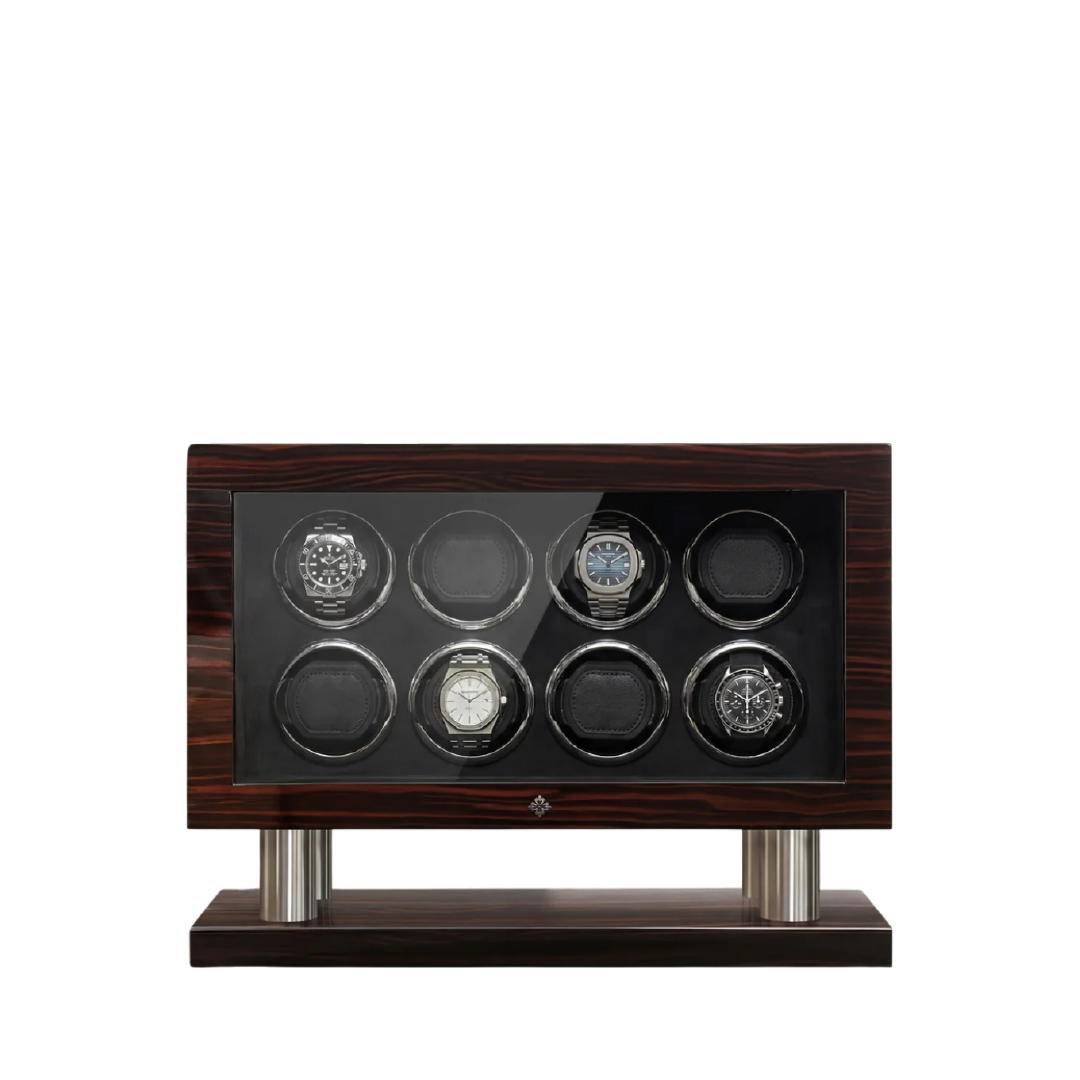
The Macassar Ebony 20 features the finish across book-matched Macassar ebony veneer panels. The high-gloss lacquer brings out the stripe contrast of the wood.
The Tourbillon Prada uses piano lacquer across its Art Deco-inspired exterior for architectural visual impact.
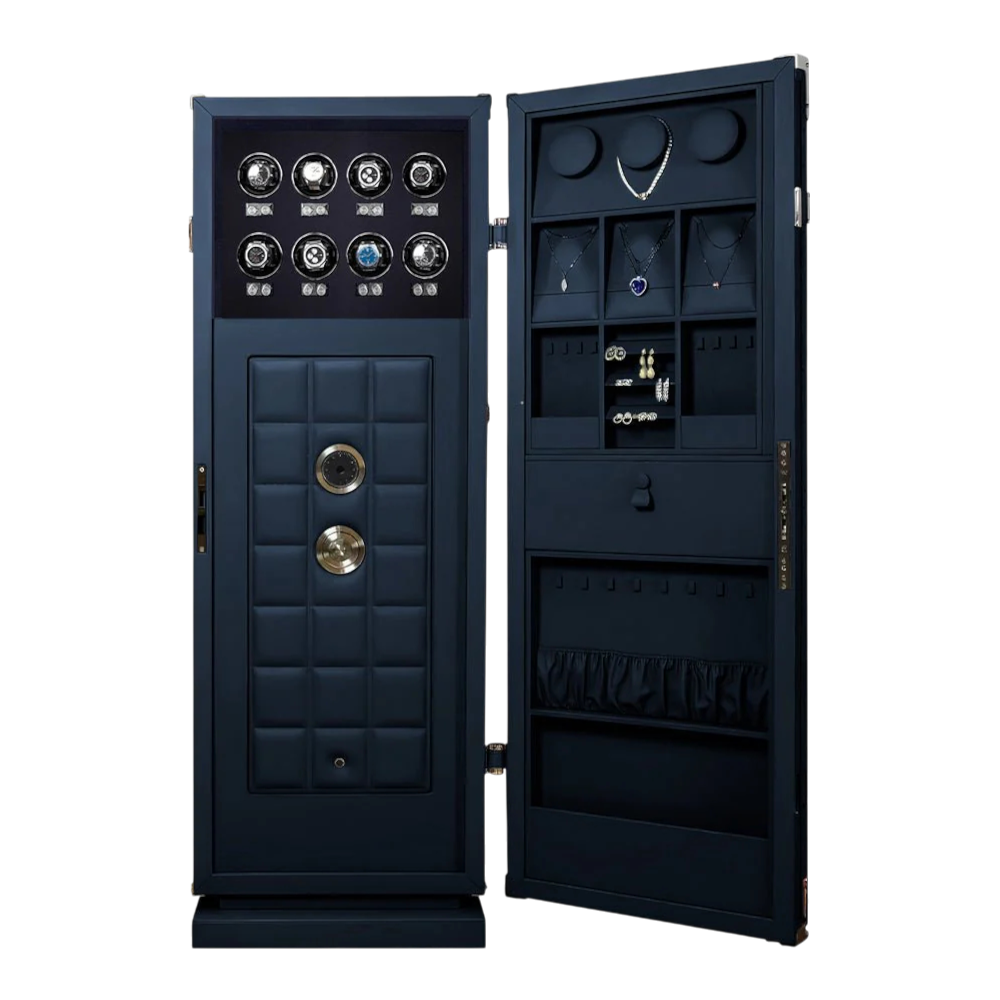
The Virtuoso Series and Yachtline Series cabinet-style winders use piano lacquer on outer surfaces for the display-grade finish.
Custom builds through Custom Safes can specify piano lacquer as standard or add it as an upgrade over basic finishes.
Caring for a Piano Lacquer Finish
Routine care is simple.
- Microfiber cloth for dust, weekly or as needed
- Distilled water for light spots or marks
- Specific lacquer polish (no silicone-based waxes) every 6 to 12 months
- Keep away from direct sunlight to prevent UV fading
- Control humidity to 40-55 percent to prevent seasonal cracking
Avoid:
- Abrasive cleaners or scrub pads
- Ammonia or alcohol-based cleaners
- Leaving wet cloths on the surface (water spotting)
- Direct heat from lamps or electronics
Repair When It Ages
Piano lacquer is repairable. Unlike thin factory finishes where damage means refinishing or replacement, piano lacquer can be locally repaired by a qualified finisher. Scratches can be sanded and re-polished through the existing layer structure without stripping back to bare wood.
Serious damage (chips, deep gouges) may require partial re-lacquering of an affected panel. A skilled finisher can match the surrounding material acceptably.
Frequently Asked Questions
Is piano lacquer actually different from a good factory finish?
Yes, significantly. Depth, repair capability, and long-term resilience differ measurably. The hand-polishing step is not replicable by automated processes.
How long does piano lacquer last?
Decades. Properly maintained pieces stay presentable for 30+ years with periodic polish and basic care.
Does piano lacquer fade?
UV exposure causes gradual fading over years. Indoor placement away from direct sun prevents noticeable fade.
Can I polish it myself?
Light polish with dedicated lacquer polish, yes. For deeper restoration, use a qualified finisher.
Is piano lacquer the same as French polish?
No. French polish uses shellac applied by pad rubber. Piano lacquer uses modern acrylic or polyurethane lacquers. Visually similar at the highest level, technically different.
Why is piano lacquer expensive?
Labor. The multi-layer process with hand polishing takes weeks per piece. Factory finishes take hours. Labor differential is the cost difference.
Does piano lacquer work on any wood?
Most premium cabinet woods. Works especially well on dense woods like Macassar ebony. Softer woods may show grain through the finish more.
The Finish That Makes the Cabinet
Piano lacquer is the finish that separates genuine premium cabinet work from factory-grade competitors. For Enigwatch pieces featuring this finish, browse the Virtuoso Series, Yachtline Series, or specify piano lacquer on a bespoke build through Custom Safes.
Related reading: Macassar ebony vs walnut, luxury watch safes, leather vs Alcantara interiors.
Protect Your Watch Collection
Designed for collectors who demand the best. Explore our premium watch winders and luxury safes.
Protect Your Watch Collection
Designed for collectors who demand the best. Explore our premium watch winders and luxury safes.