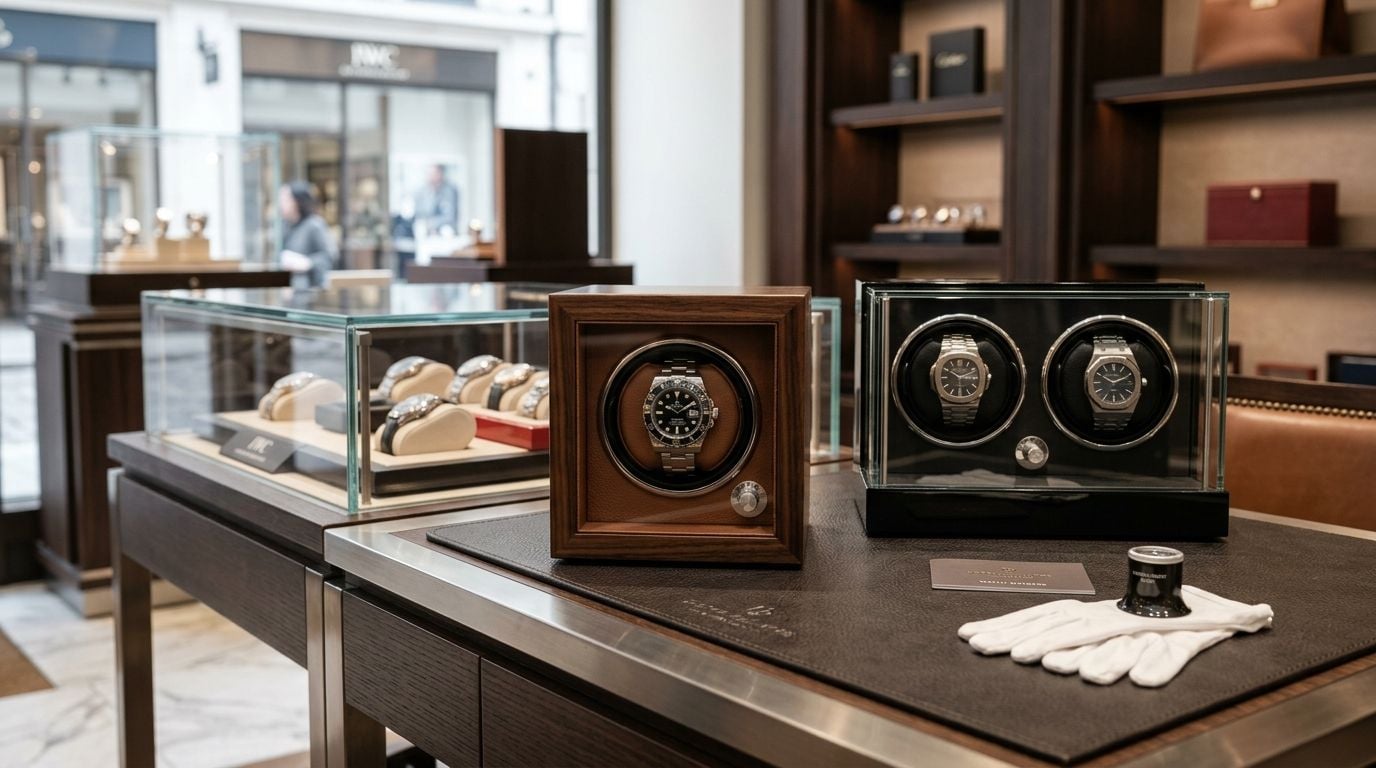

A watch winder for a collector who rotates watches seasonally needs multiple independent winding programs, not just multiple slots, because a six-piece summer rotation and a four-piece winter rotation almost never share the same turns-per-day requirement. The collector who wears the same three watches year-round solves one TPD problem. The seasonal-rotation collector is running two or three schedules at once, and whatever isn't in active rotation gets zero winding unless the box is built to handle that.
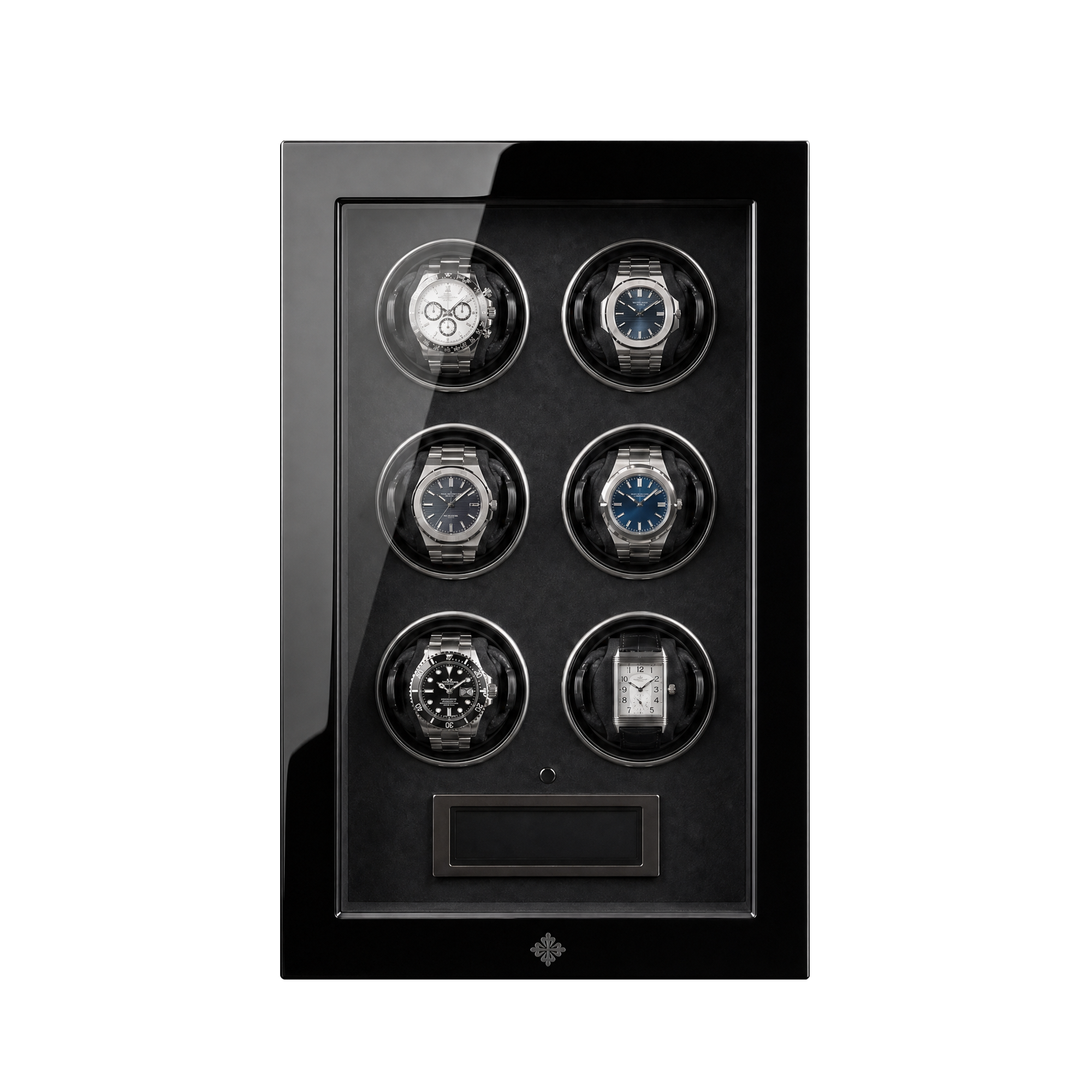
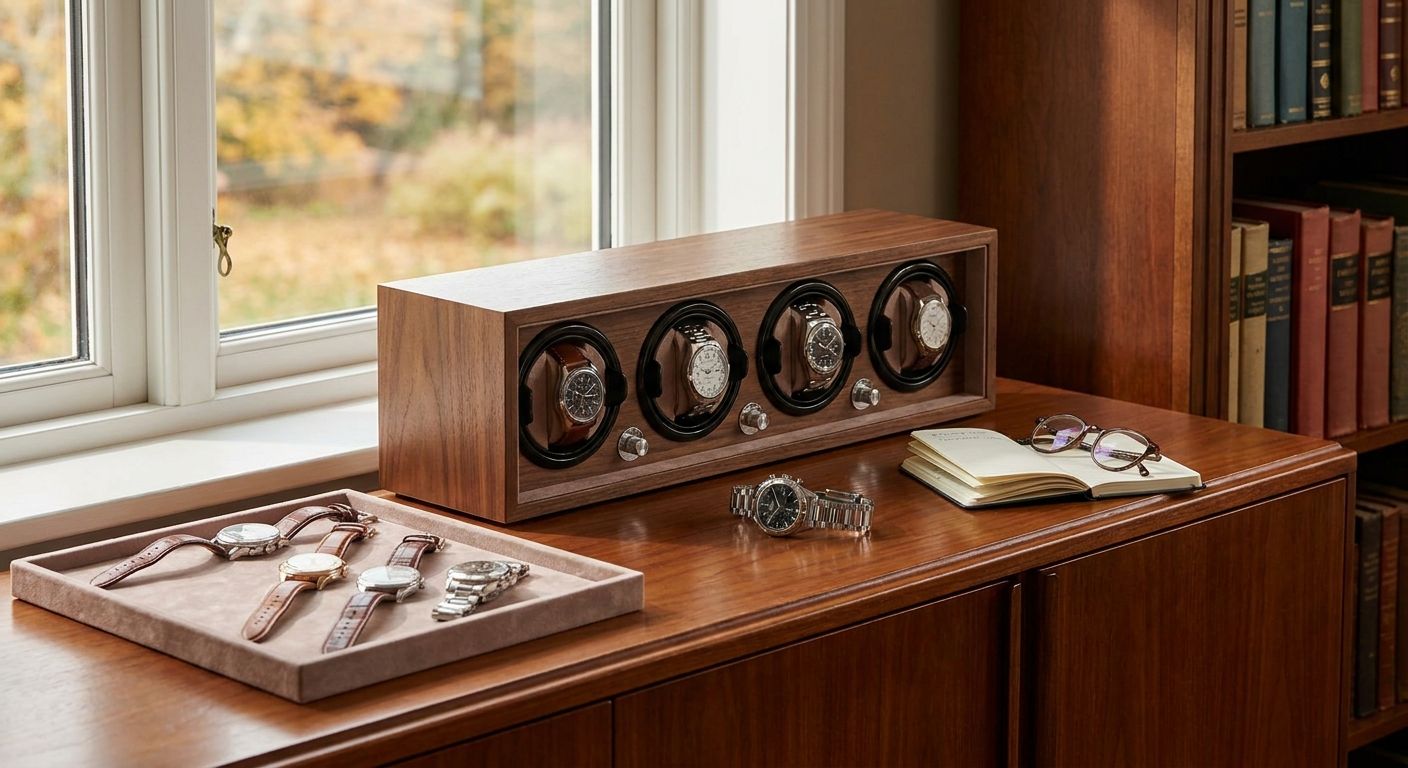
- Virtuoso Series 6 Watch Winder runs six independent programs — the right pick for a watch winder for seasonal rotation across four to six pieces.
- Watches idle past 90 days need a full hand-wind before wear, not a slot in a winder that’s been off for months.
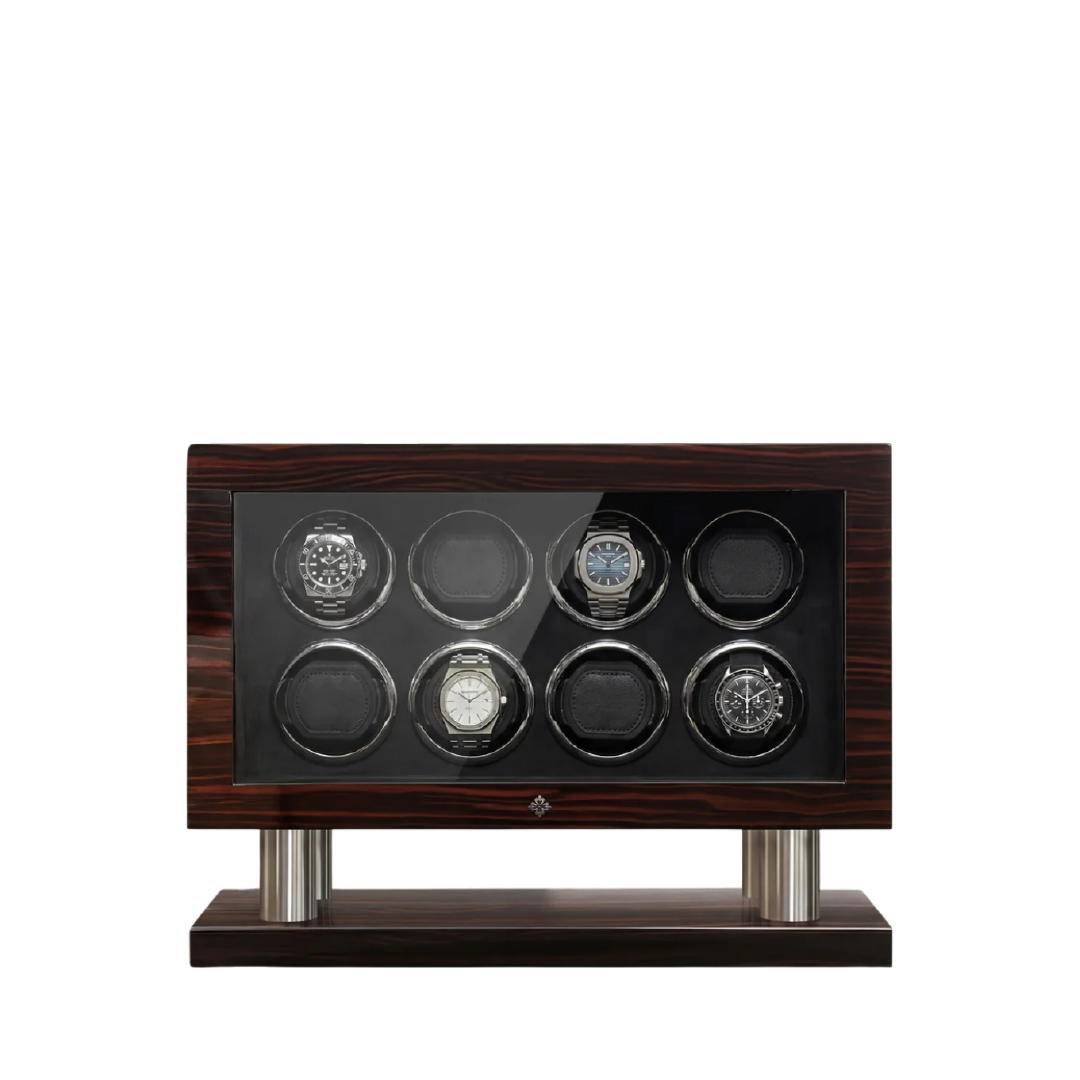
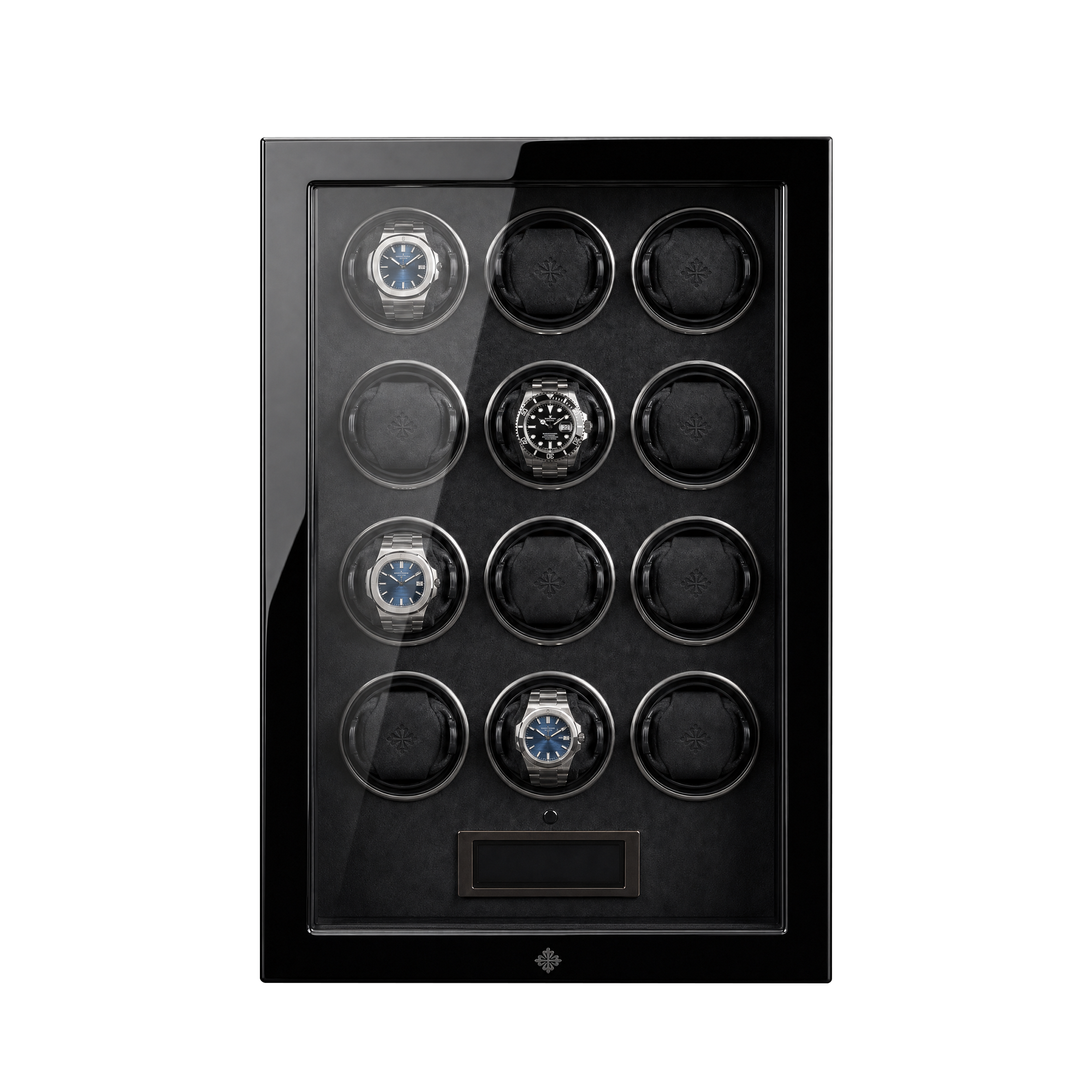
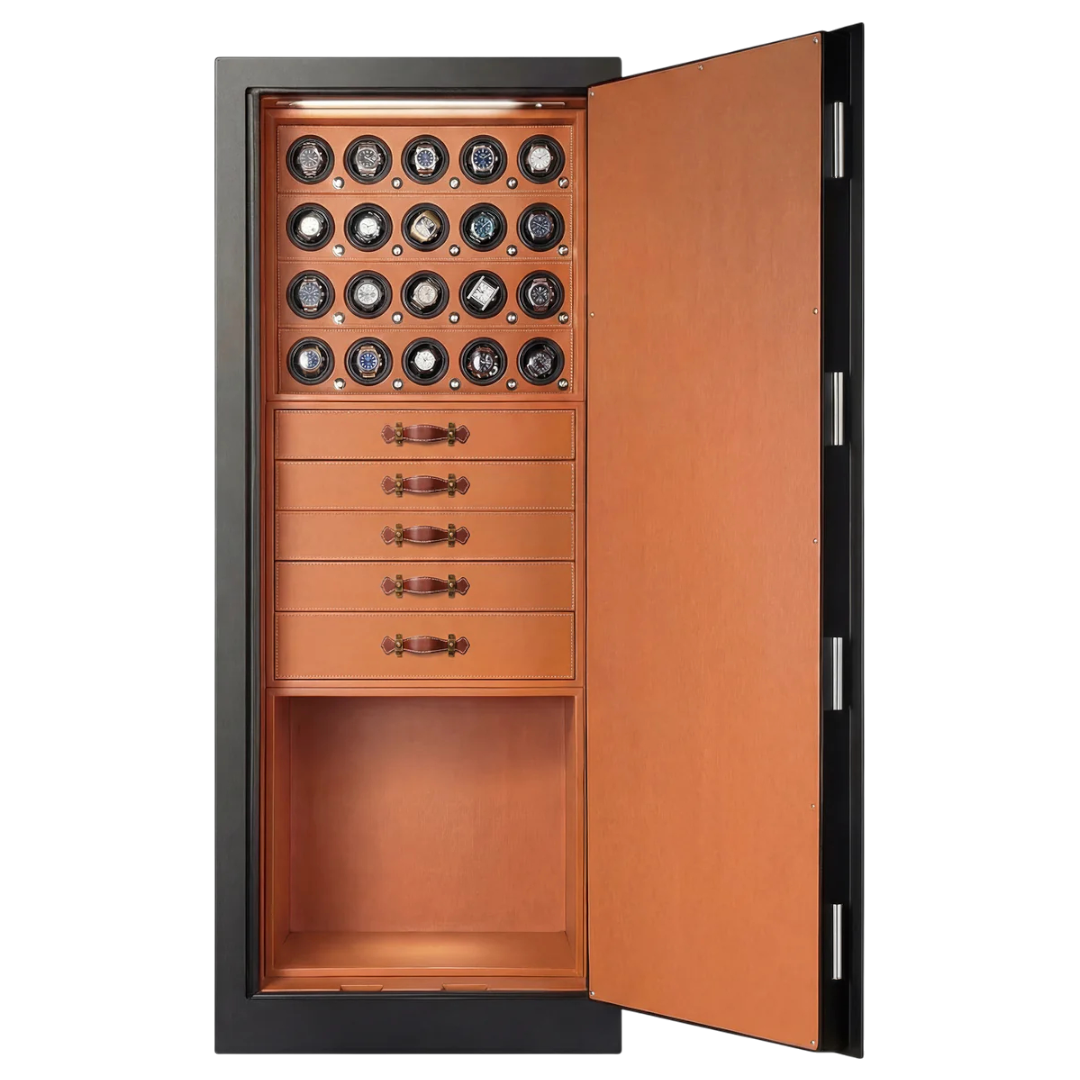
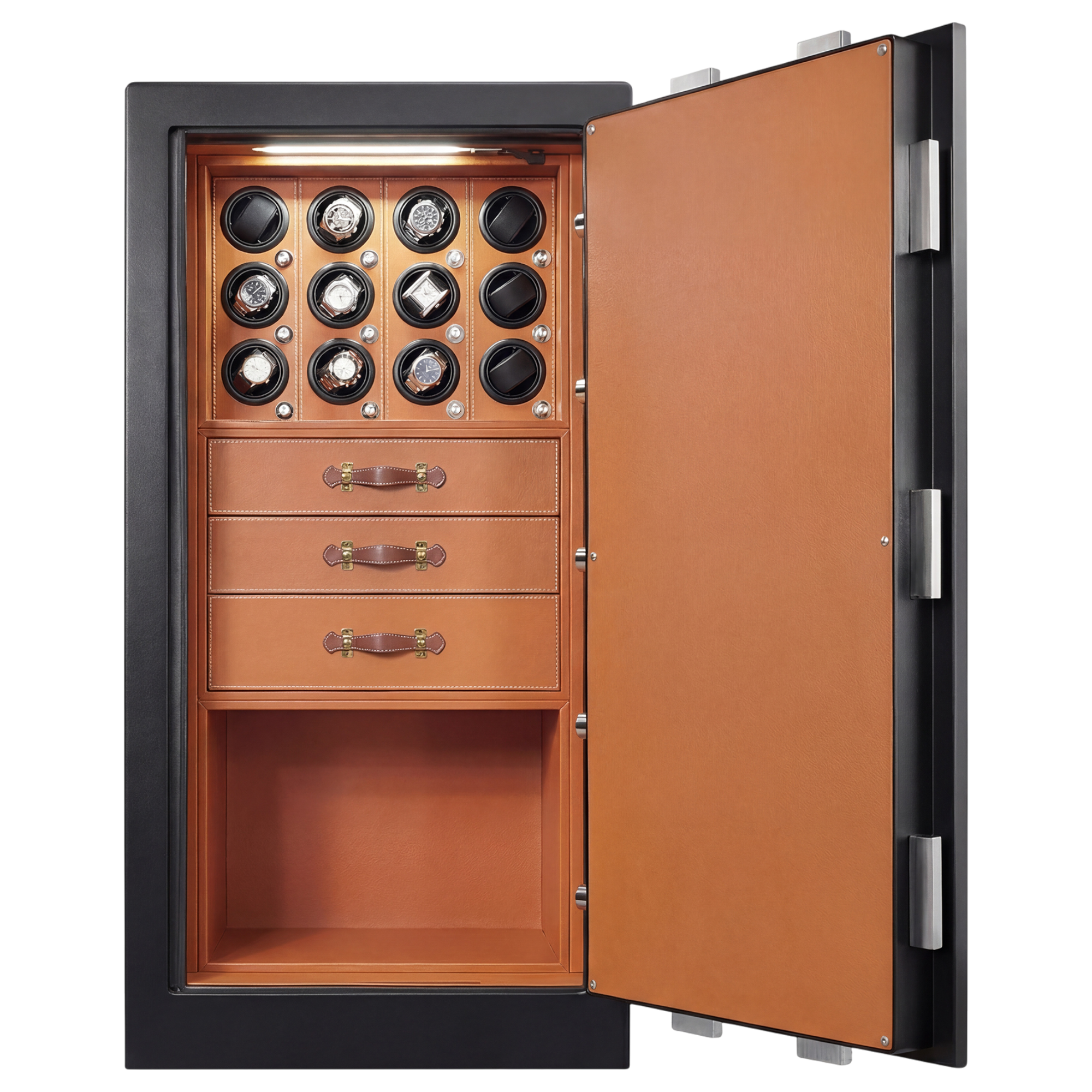
- Impresario Series 12 Watch Winder covers 8-12 piece seasonal wardrobes behind a fingerprint lock.
- Off-season watches belong in humidity-stable, light-free storage, not a bare shelf drawer.
Why watch winders matter for the seasonal-rotation collector
A one-mode winder can service a summer rotation fine, but the winter pieces sit dead in a drawer for six months and come back needing a full manual wind before they're accurate enough to wear out the door. That's the gap a single-program box misses. Enigwatch's rotation programs guide breaks down what each winding mode does mechanically, which matters more here than in a daily-wear setup because you're managing several concurrent schedules, not one.
The practical result: a watch winder for seasonal rotation has to run independent TPD and direction settings per slot, or half your collection is either under-wound or over-wound every time you swap the season's lineup.
Map your collection by rotation slot
Start with a plain inventory before buying anything. Group every piece by the season it gets worn, not by brand or value.
- List reference number, caliber, and last-worn date for each watch
- Assign a fixed slot per season (summer / fall-winter / travel) so nothing floats
- Use a spreadsheet or a simple notebook — no software required
- Flag which pieces genuinely need winding versus which are quartz or manual-wind only
- Note strap material per watch, since leather and rubber store differently
Set turns-per-day by caliber before you rotate
TPD is not one-size-fits-all across a mixed seasonal collection. A dive watch on an ETA-based movement and a dress watch on an in-house caliber rarely share a spec.
- Pull the manufacturer TPD spec for each caliber before programming anything
- Common Swiss automatics run 650 to 950 turns per day — check yours, don't guess
- Set clockwise, counterclockwise, or bidirectional per the movement's actual rotor design
- Re-check TPD any time you add a new reference to the rotation
- Log the setting next to the watch in your inventory sheet
Track idle time on off-season pieces
A piece sitting out of rotation for four months is a different maintenance case than one you wore last week.
- Record the exact date a watch goes into off-season storage
- Set a calendar check at 30, 60, and 90 days
- Note the caliber's published power reserve — most automatics hold 40 to 70 hours
- Photograph clasp and bezel position periodically for insurance records
Test the movement before you re-wear a seasonal piece
Don't strap on a watch that's been sitting for months without checking it first.
- Hand-wind 20-30 crown turns before setting the time on anything idle past 90 days
- Check date/day wheel alignment — many complications need a manual reset after extended stops
- Confirm the second hand is running smoothly, not stuttering, before wearing it out
- Set time only after winding is confirmed, to avoid stressing a cold mainspring
Store off-season watches away from light and humidity
The half of your collection sitting out of rotation is more exposed to damage from environment than from lack of winding.
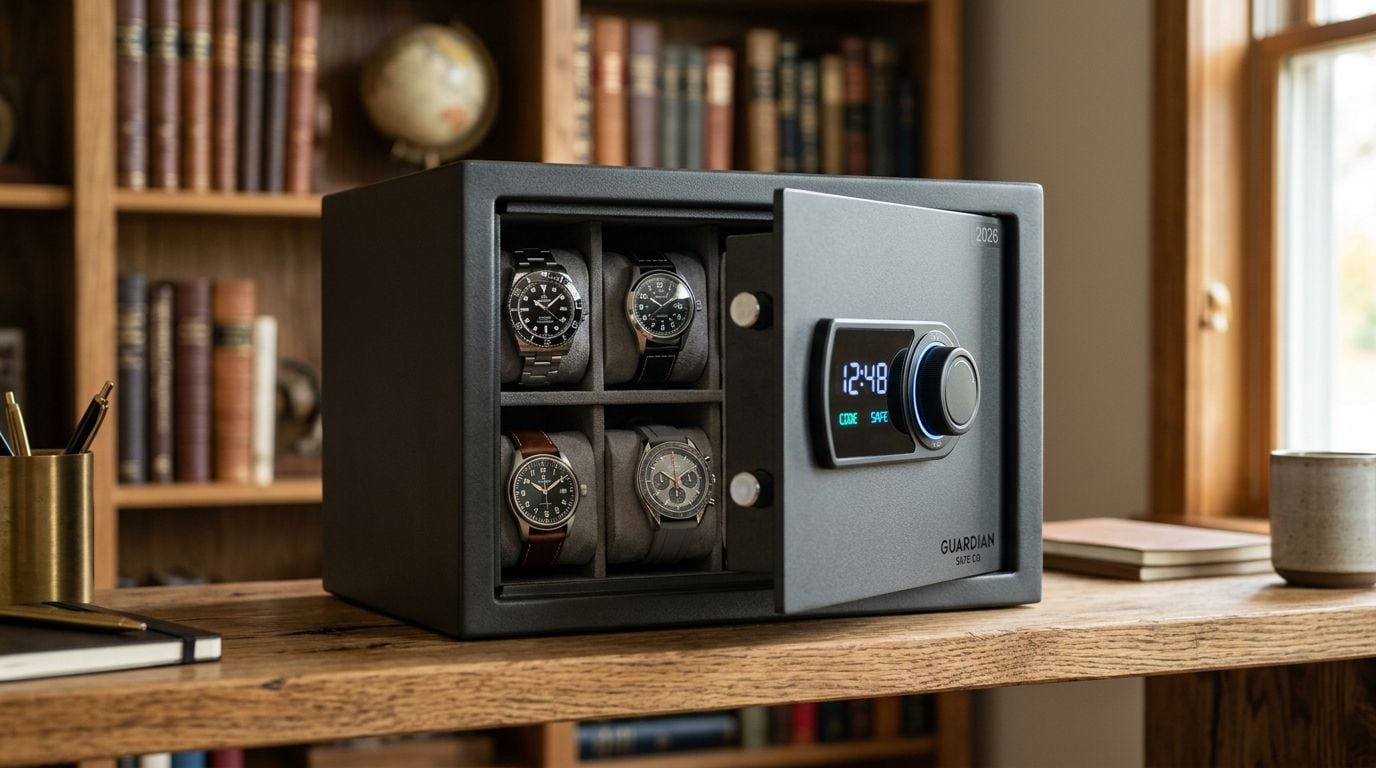
- Keep stored pieces in an opaque box or safe, not on an open shelf near a window
- Target 40 to 50% relative humidity for anything sitting untouched for weeks
- Use silica packets in drawers without active humidity control
- Enigwatch's guide on storing automatic watches without a winder covers the manual-storage baseline before you spend on hardware
The same logic applies to any object left untouched for months, watch or otherwise: stable temperature and low light exposure matter more than the box itself. It's the same principle behind a safe for stored collectibles protecting cards and memorabilia — the mechanism inside doesn't change what the environment needs to do.
Choose one winder that covers your full seasonal wardrobe
Once TPD, storage, and tracking are sorted, the winder itself is the last decision, not the first.
- Count your peak seasonal rotation size, not your total collection
- Confirm the winder runs independent programs per slot, not one shared mode
- Check whether biometric or key access matters for where it'll sit
- Match the cabinet footprint to where you actually have shelf or closet space


Comparing options for seasonal rotation
| Option | Best for | Key limitation |
|---|---|---|
| Virtuoso Series 6 Watch Winder | 4-6 piece seasonal rotations, each on its own program | Caps out once your seasonal wardrobe passes six pieces |
| Impresario Series 12 Watch Winder | 8-12 piece rotations behind biometric access | Larger footprint needs dedicated shelf or cabinet space |
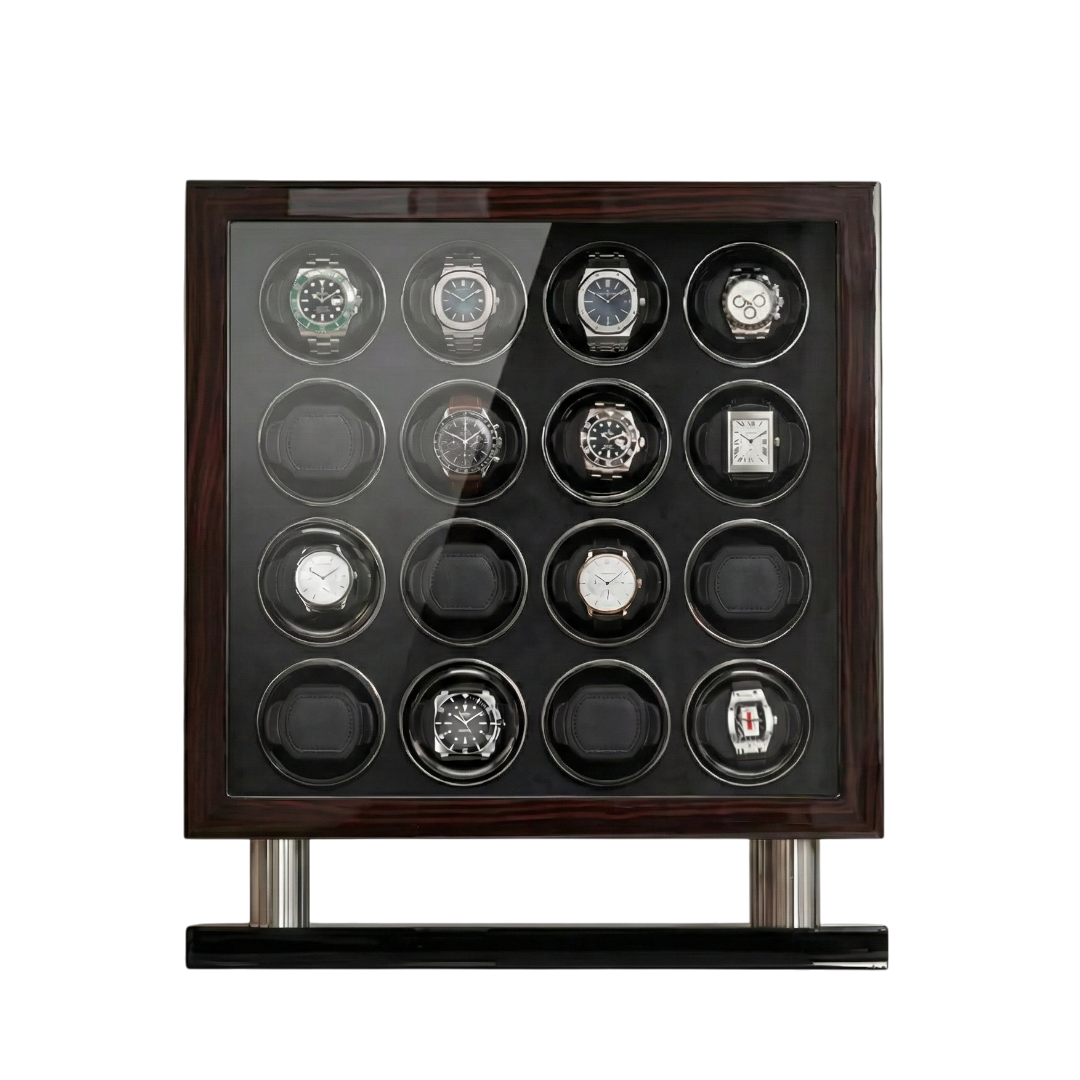
| Yachtline Series 8 Watch Winder | Horizontal display alongside a rotating capsule | Fixed horizontal layout, won't stack vertically |
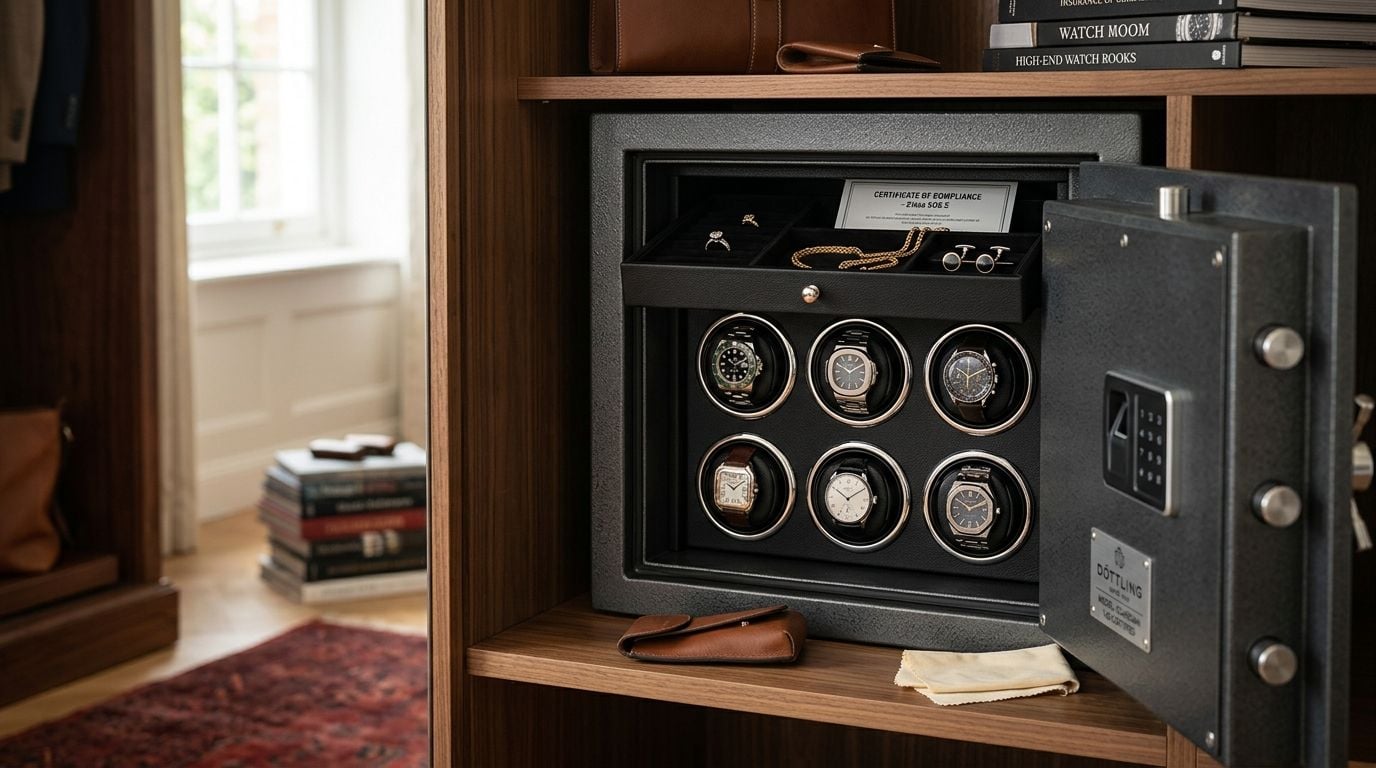
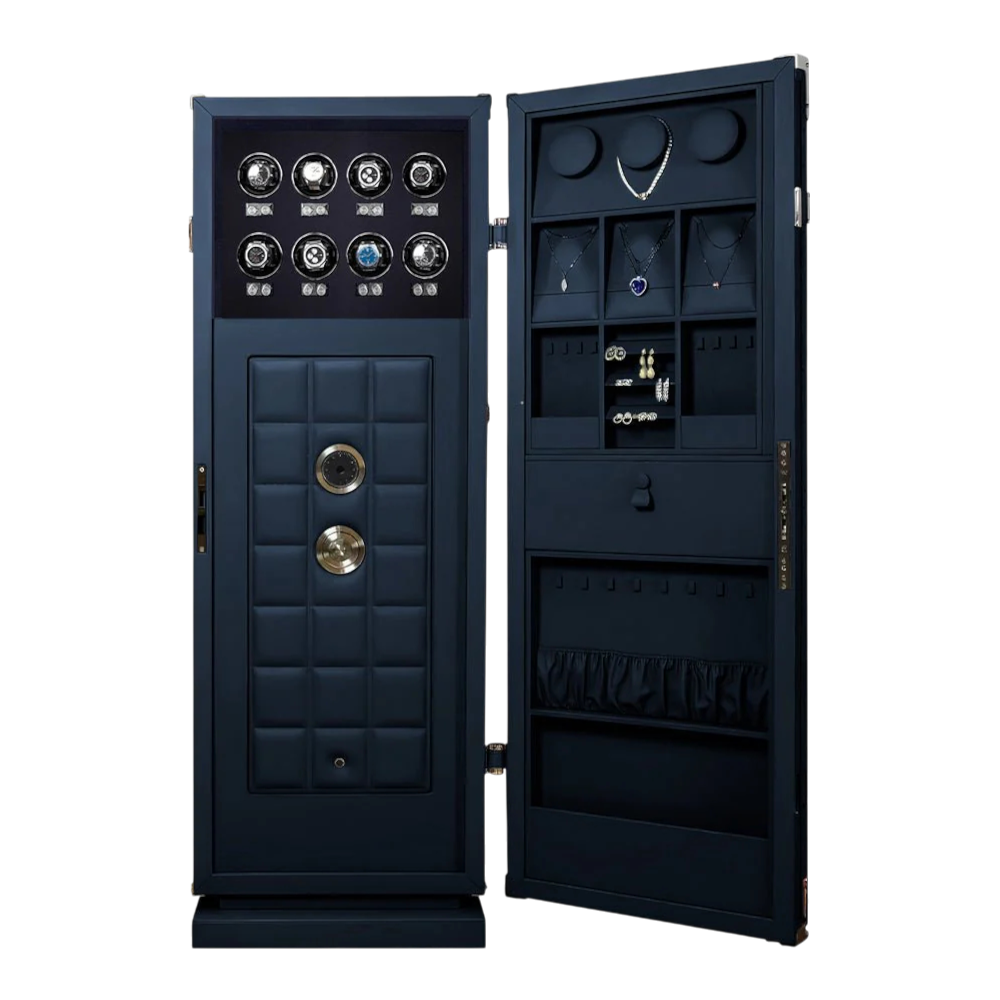
| Watch safe with winder built in | Collectors who want winding and storage in one unit | Higher unit cost than a standalone winder |
| Manual hand-winding, no winder | Collectors rotating only one or two pieces a year | Requires discipline and a fixed rewind schedule collectors often skip |
Collectors who want winding and storage combined in a single footprint should look at Enigwatch's buyer's guide for a watch safe with a winder built in before choosing between a standalone winder and a combined unit.
“If a watch sits idle past 90 days, treat it like new: hand-wind it before you strap it on.”
Common mistakes seasonal-rotation collectors make
- Treating off-season pieces as fully stored. They still need a rewind protocol when they come back into rotation, not just an open slot in the winder.
- Running one TPD program for the whole wardrobe. Match turns-per-day to each caliber's actual spec instead of using a default mode for everything.
- Storing off-season watches in direct light or a humid closet. This damages lume, straps, and dial finishes faster than it affects the movement itself.
- Skipping the idle-time log. Without a record, you can't tell if a stopped watch has a dead mainspring or just sat for six months.
- Buying one single-slot winder per watch instead of one multi-program box. This multiplies cost and cabinet space without solving the actual scheduling problem behind a watch winder for seasonal rotation.
For collectors whose seasonal wardrobe has outgrown their current slots, Enigwatch's guide on choosing a winder when you own more watches than slots walks through the exact math for sizing up.
FAQ
What’s the best watch winder for seasonal rotation?
The Virtuoso Series 6 Watch Winder is the best watch winder for seasonal rotation collectors managing four to six pieces, since it runs six independent programs at once. Collectors rotating more than six pieces should look at the Impresario Series 12 instead.
How long can an automatic watch sit before it needs rewinding?
Most automatic movements carry 40 to 70 hours of power reserve, so a watch left untouched for more than two or three days will stop. Past 90 days of storage, plan on a full hand-wind before wearing it again, not just a few hours in a winder.
Should off-season watches stay in a winder or a safe?
Off-season watches are better off in a safe or humidity-controlled box than left running in a winder indefinitely, since constant winding a watch you’re not wearing adds mechanical wear for no benefit. A winder is for the active rotation; storage is for everything else.
How many TPD does a watch need after months of storage?
TPD doesn’t change based on how long a watch sat idle — match it to the caliber’s manufacturer spec, typically 650 to 950 turns for common Swiss automatics. What changes is the need for a manual wind first, since a winder alone won’t bring a fully stopped watch back to accurate time quickly.
Is one winder with multiple programs better than one winder per watch?
For seasonal rotation, one multi-program winder is more practical than several single winders, since it saves cabinet space and runs different TPD schedules simultaneously. Single winders per watch make sense only for a one- or two-piece rotation.
Does rotating watches seasonally affect movement lubrication?
Movements left idle for extended stretches can see lubricant settle unevenly, which is why service intervals for rotated watches typically follow the same 4-6 year window as daily wearers, not longer. Regular winding, even at reduced frequency, keeps the gear train moving instead of sitting static.
How much humidity is safe for stored automatic watches?
Target 40 to 50% relative humidity for stored automatic watches, whether they’re in a safe or a drawer. Humidity outside that range accelerates strap deterioration and affects dial finishes faster than it affects the movement.
Can I use one winder for both summer and winter watches?
Yes, provided the winder has independent programs so each watch gets its own TPD and direction setting rather than one shared mode. A single-mode winder forces every watch onto the same schedule, under-winding some calibers and over-winding others.
One last thing
The watch that suffers most from seasonal rotation usually isn't the one sitting in the safe — it's the one you assume is fine because it's "only been a few months." A GMT or annual calendar left idle past 90 days often needs a date and complication reset on top of the rewind, and that reset takes longer than the winding itself. Build reset time into your 2026 rotation calendar, not just wind time, and the seasonal swap stops being a scramble.
Related guides
- TPD explained across brands
- Power reserve and why a winder helps
- Watch safe humidity levels collectors should know
- Choosing a watch winder for 8 watches
Protect Your Watch Collection
Designed for collectors who demand the best. Explore our premium watch winders and luxury safes.