

If you own an automatic watch, two questions come up fast: do you actually need a watch winder, and what happens if you skip it? This guide answers both, then walks you through exactly how to care for your automatic watch in 2026 — winder or not.
TL;DR: Automatic watch care in 2026 means matching your winding routine to how often you wear each piece. A watch winder is not mandatory, but it eliminates daily resetting and lubricant stagnation for watches worn fewer than 4–5 days per week. For a single daily-wear watch, a winder is optional. For a collection of 3 or more automatics, it is the single most practical maintenance tool you can own. Enigwatch winders cover 1- to 24-slot configurations with adjustable TPD (turns per day), which is the one specification that actually matters for long-term automatic watch care.
Why This Matters
An automatic movement winds itself through the motion of your wrist — roughly 650–800 micro-rotor rotations per day of normal wear. Stop wearing the watch and the mainspring runs down within 38–50 hours for most modern movements. That sounds harmless, but two things happen when lubricants sit static for weeks or months: they migrate away from friction surfaces and, in older oils, can congeal. Neither outcome is catastrophic in the short term, but repeated stop-start cycles accelerate wear and push your service interval closer. A watch winder keeps the rotor moving, the lubricants distributed, and your complications (perpetual calendars, moon phases, annual calendars) continuously set.
What You’ll Need
- Your automatic watch (or collection)
- Your movement’s TPD specification — check the manufacturer’s manual or the watch winder TPD brand reference guide for every major brand
- A winder with independently programmable rotation direction (CW, CCW, or bi-directional)
- A soft microfiber cloth for exterior cleaning
- A dust-free storage location, away from direct sunlight and magnetic fields
- Optional: a watch safe if your collection value exceeds your homeowner’s policy sub-limit
The Steps
Step 1: Identify Your Watch’s TPD Requirement
TPD — turns per day — is the non-negotiable input for any winding program. Set it too low and the watch still stops; set it too high and you add unnecessary rotor wear. Most ETA-based movements (Rolex, Tudor, Omega, many Breitling) need 650–900 TPD. Patek Philippe and some A. Lange & Söhne calibers need as few as 650 TPD. Panerai movements are notoriously easy — 650 TPD CW typically covers every Luminor and Radiomir caliber. Find the exact figure in the movement’s technical sheet before programming anything.
The common mistake: guessing. A Rolex Perpetual rotor winds bi-directionally, so a CCW-only winder program wastes roughly half of every rotation cycle. Always confirm both TPD and direction.
Step 2: Set the Rotation Direction on the Winder
Automatic movements wind via one of three rotor configurations: clockwise (CW) only, counter-clockwise (CCW) only, or bi-directional. Bi-directional is the safest default if you are unsure — it covers all movement types. A quality winder, such as those in the Enigwatch Impresario or Virtuoso lines, lets you set each motor slot independently, which matters when you are winding a Rolex (bi-directional) alongside a Jaeger-LeCoultre (bi-directional) and a vintage Seiko (CW only) in the same unit.
Expected outcome: your watch’s power reserve indicator, if equipped, should read full within 6–8 hours of first mounting.
Step 3: Program Rest Intervals
A winder should not spin continuously. Gear trains need rest, and a mainspring held at maximum tension 24/7 creates a false stress scenario that has no equivalent in normal wear. The standard practice in 2026 is an on/off cycle — typically 4–6 minutes of rotation followed by 8–12 minutes of rest, repeated across a 24-hour period until the target TPD is reached. Most programmable winders let you set this cycle directly. If yours does not, a basic intermittent program set to “auto-stop” after the daily TPD is reached accomplishes the same thing.
The common mistake: leaving the winder on continuous rotation. It over-stresses the mainspring and runs up unnecessary motor hours.
Step 4: Mount the Watch Correctly
The watch holder — the inner cup or pillow — must grip the case without contact pressure on the crown or pushers. Crowns are the most common point of damage during winder use. Adjust the holder diameter for a snug but not tight fit. The watch should not rattle or shift during rotation. If the case is larger than 44mm (common in Panerai, Hublot Big Bang, or Richard Mille), verify that the holder accommodates oversized lugs before purchasing a winder.
Expected outcome: zero contact marks on the case, crown, or crystal after 30 days of continuous winding.
Step 5: Clean the Watch Before Mounting
Skin oils, sweat, and dust accumulate on the case between wears. Mounting a dirty watch into a winder and running it for 30 days essentially cycles grime around the bracelet and case back. Wipe the case, bracelet, and crystal with a dry microfiber cloth before mounting. For metal bracelets with debris in the links, a soft toothbrush and lukewarm water work on water-resistant cases rated to at least 30 meters. Avoid any liquid near the crown unless the watch is currently screwed down.
Step 6: Store the Winder Correctly
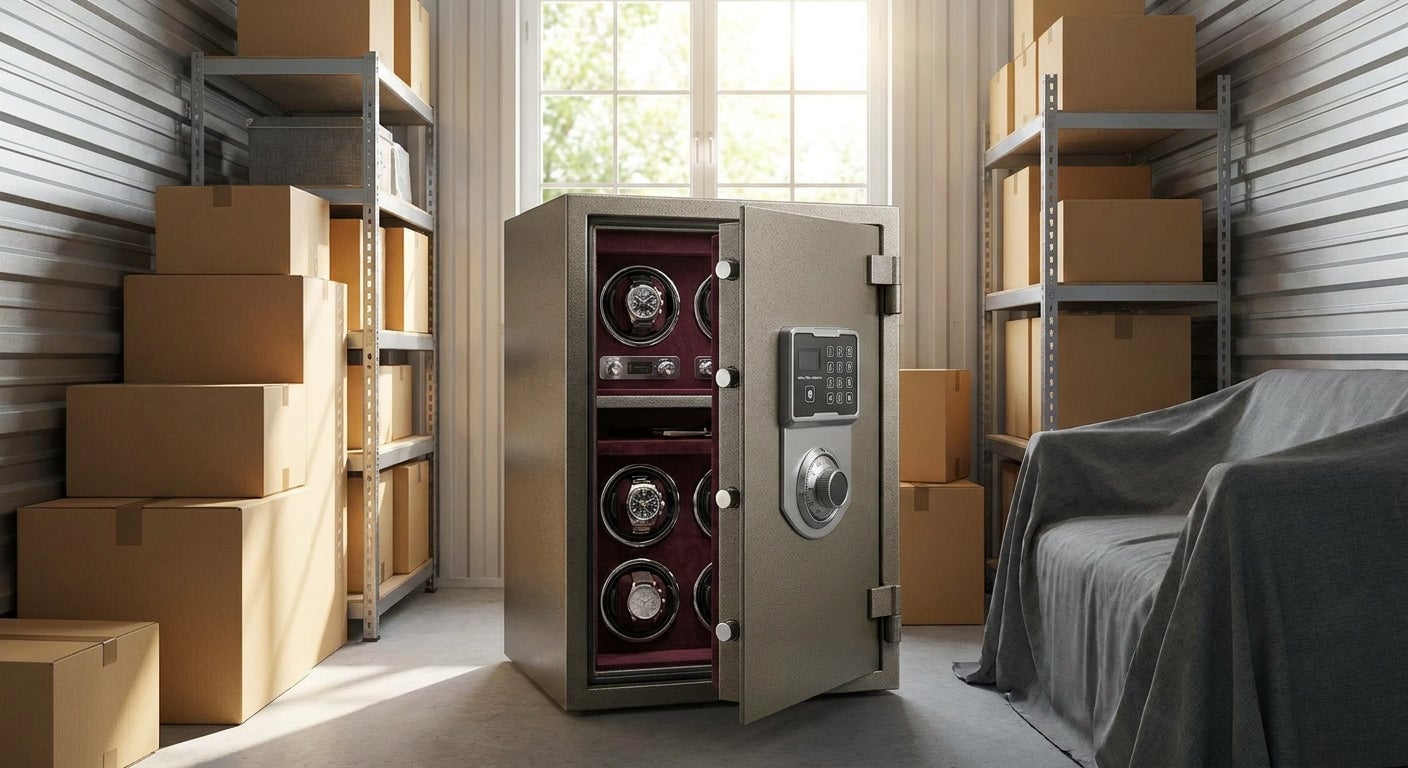
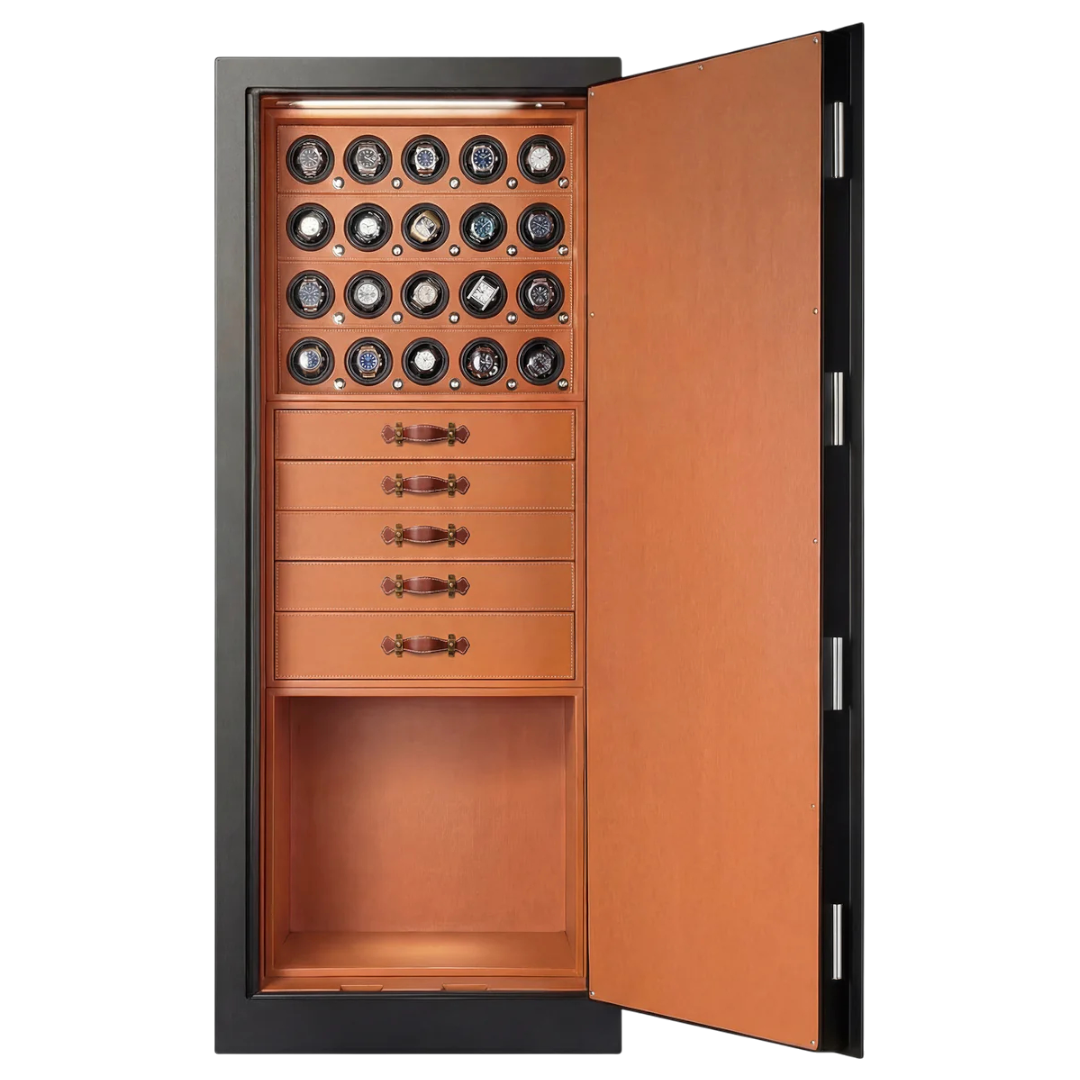
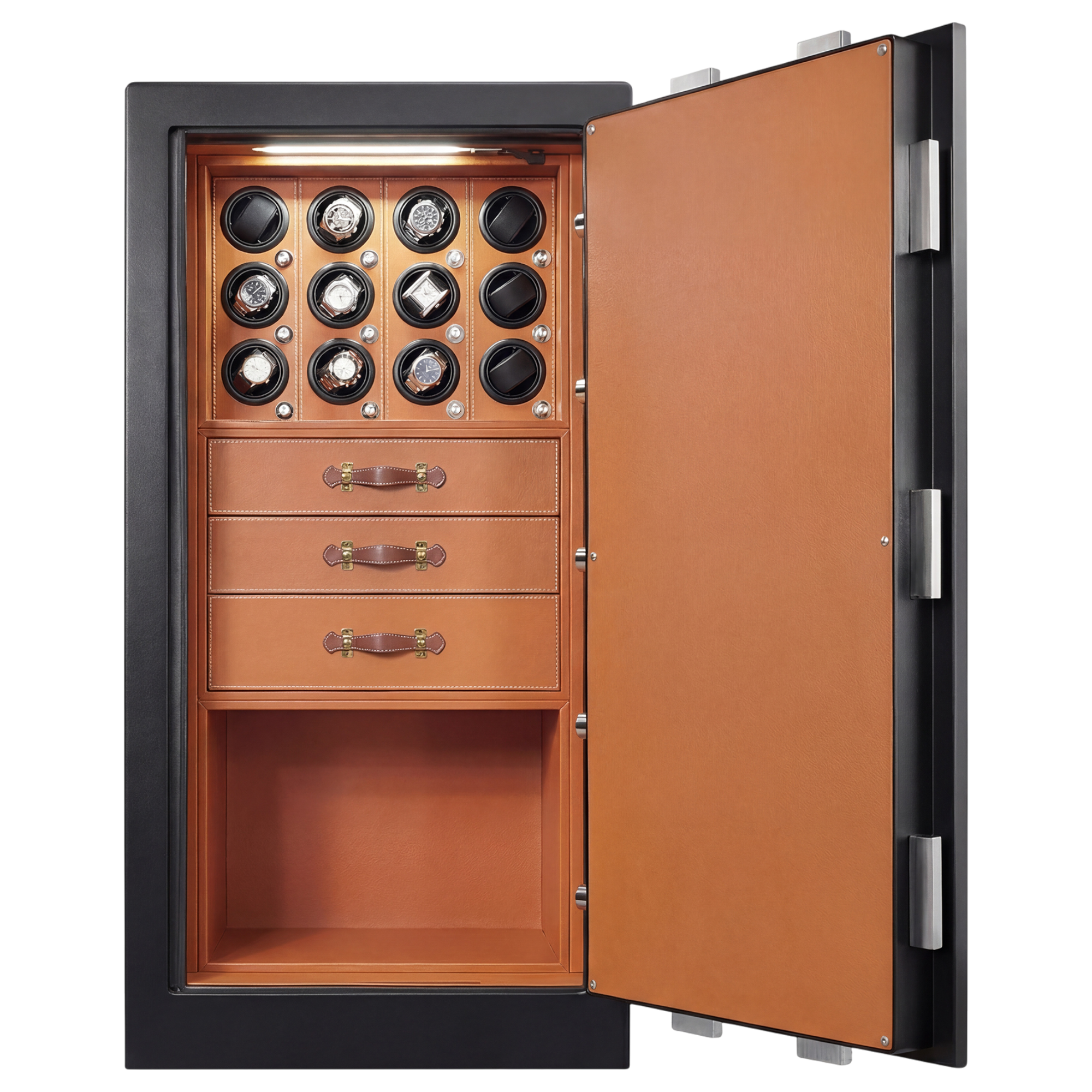
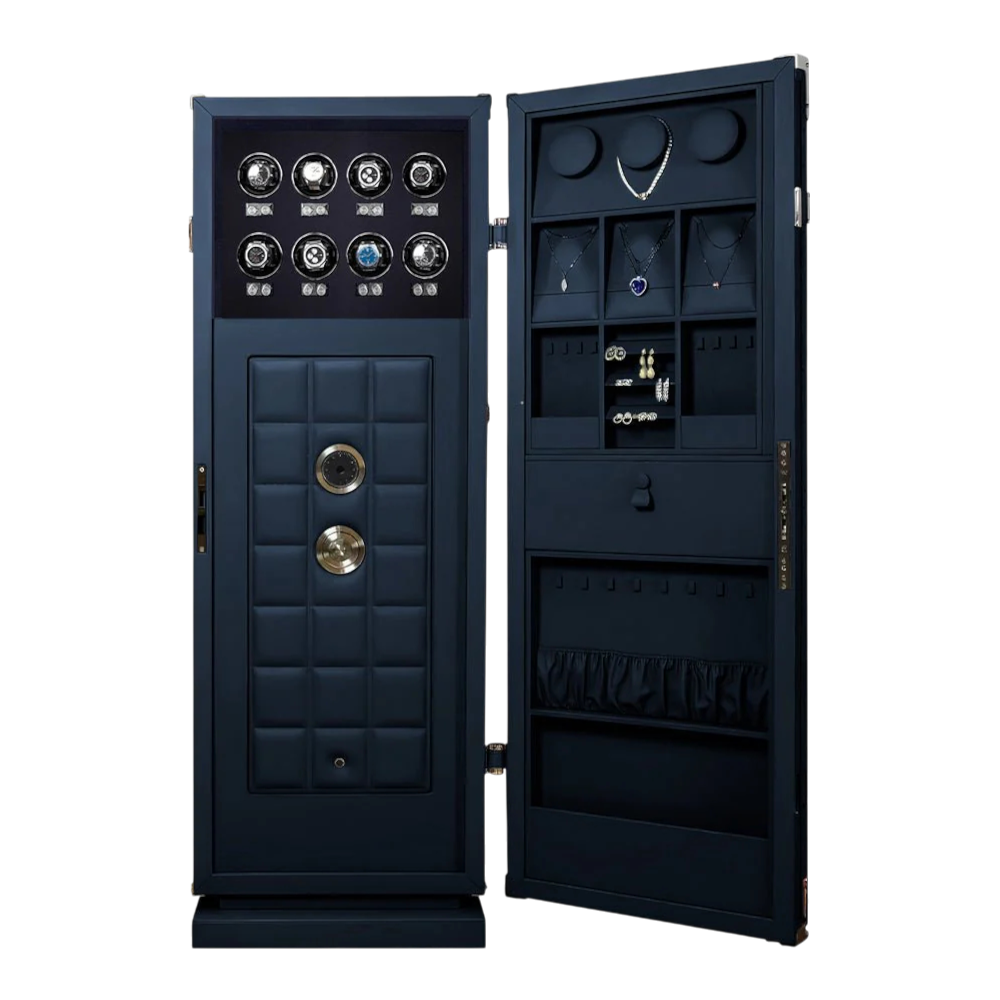
Place the winder away from direct sunlight — UV exposure fades interior fabrics and, over years, can affect gasket elasticity on watches with degraded seals. Keep it at least 6 inches from speakers, subwoofers, or electric motors that generate magnetic fields strong enough to affect a balance wheel. Room temperature between 60°F and 77°F is ideal. If you own 6 or more pieces, a dedicated watch safe with a built-in winder solves storage and security simultaneously — one unit handles both functions.
Expected outcome: a stable, dust-free environment that does not introduce new risk factors while solving the winding problem.
Step 7: Follow a Service Schedule Regardless
A watch winder does not replace mechanical servicing. It reduces lubricant migration during storage, but it does not reverse age-related oil breakdown. Most Swiss mechanical movements need service every 5–7 years under normal use. If a watch has not been serviced in 10 years, mount it in the winder and it will run — but worn pivots and degraded gaskets are still worn and degraded. Book service before relying on a winder as a long-term care solution for a neglected movement.
Troubleshooting
Watch stops after mounting in the winder. TPD is set too low, or the rotation direction does not match the movement. Confirm the manufacturer’s spec and check the direction setting. Also verify the winder motor is actually running — some units have a silent-start delay of 30–60 seconds.
Watch gains or loses more than 10 seconds per day while in the winder. This is a movement issue, not a winder issue. Winders do not affect rate accuracy. A significant rate change after mounting usually means the watch is near a magnetic source — check the winder’s proximity to electronics.
Crown feels stiffer than usual. The watch holder is applying lateral pressure to the crown. Re-seat the watch, adjust the holder diameter, and check that the watch is centered. Persistent crown stiffness after adjustment warrants a watchmaker inspection.
Winder makes clicking or grinding noise. Check that the watch is properly seated and not contacting the rotor cover or winder housing during rotation. If noise persists without a watch mounted, the motor is the source — watch winder motor replacement parts are available if you are comfortable with the repair, or contact the manufacturer.
Winder runs but watch has no power after 12 hours. The power reserve may be fully depleted before mounting. Manually wind the crown 20–30 turns (or per the manufacturer’s manual) to prime the mainspring, then mount. A completely dead mainspring takes longer than a normal winding cycle to reach full power reserve.
Watch runs fine but complications are wrong. Complications like perpetual calendars and moon phases need manual correction the first time you mount a watch after a stop. The winder keeps them running from that point forward. Set the complication correctly on first mount, and the winder maintains it indefinitely.
Tools and Resources
- Your movement’s service manual or the brand’s official TPD specification
- Watch winder TPD brand reference guide — covers every major manufacturer
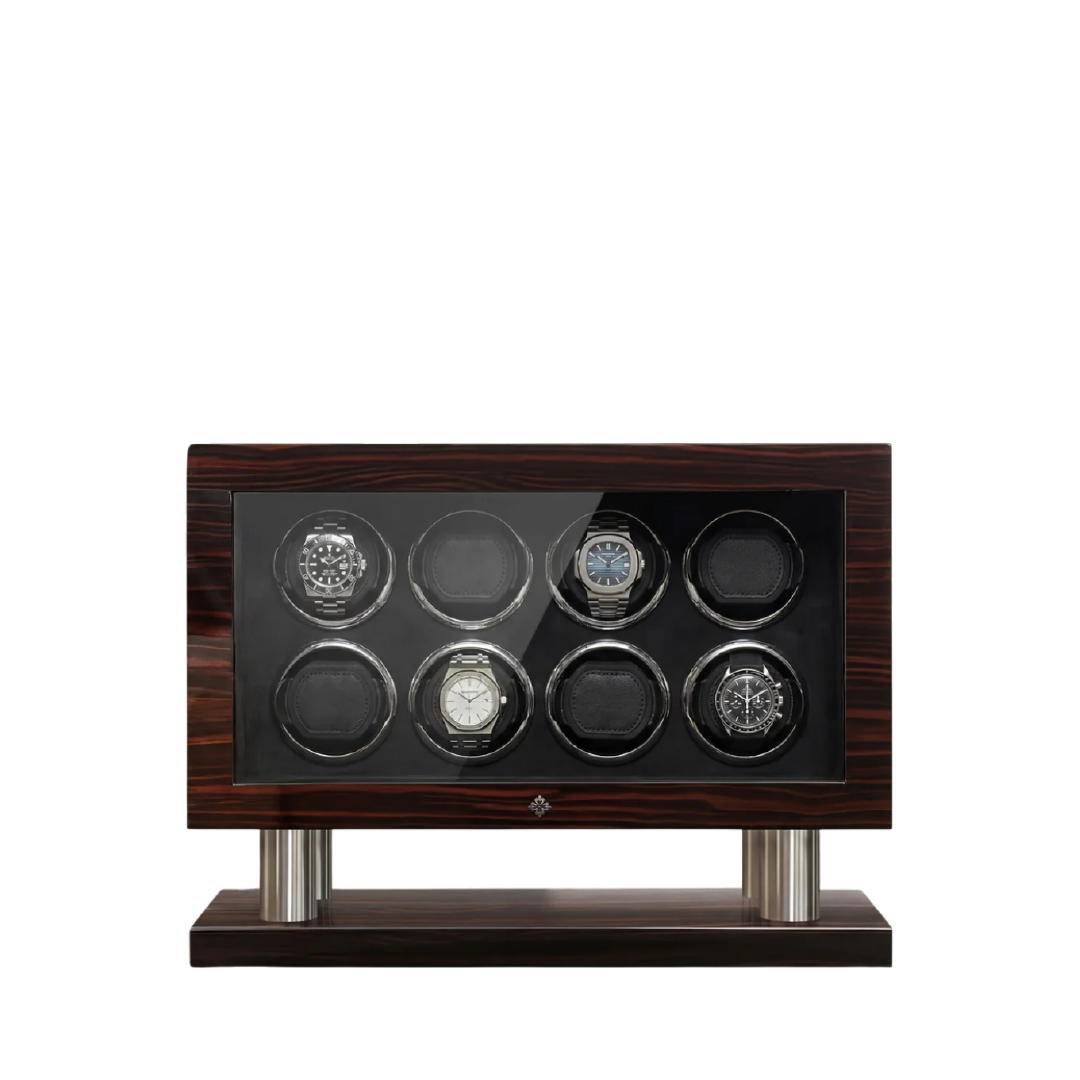
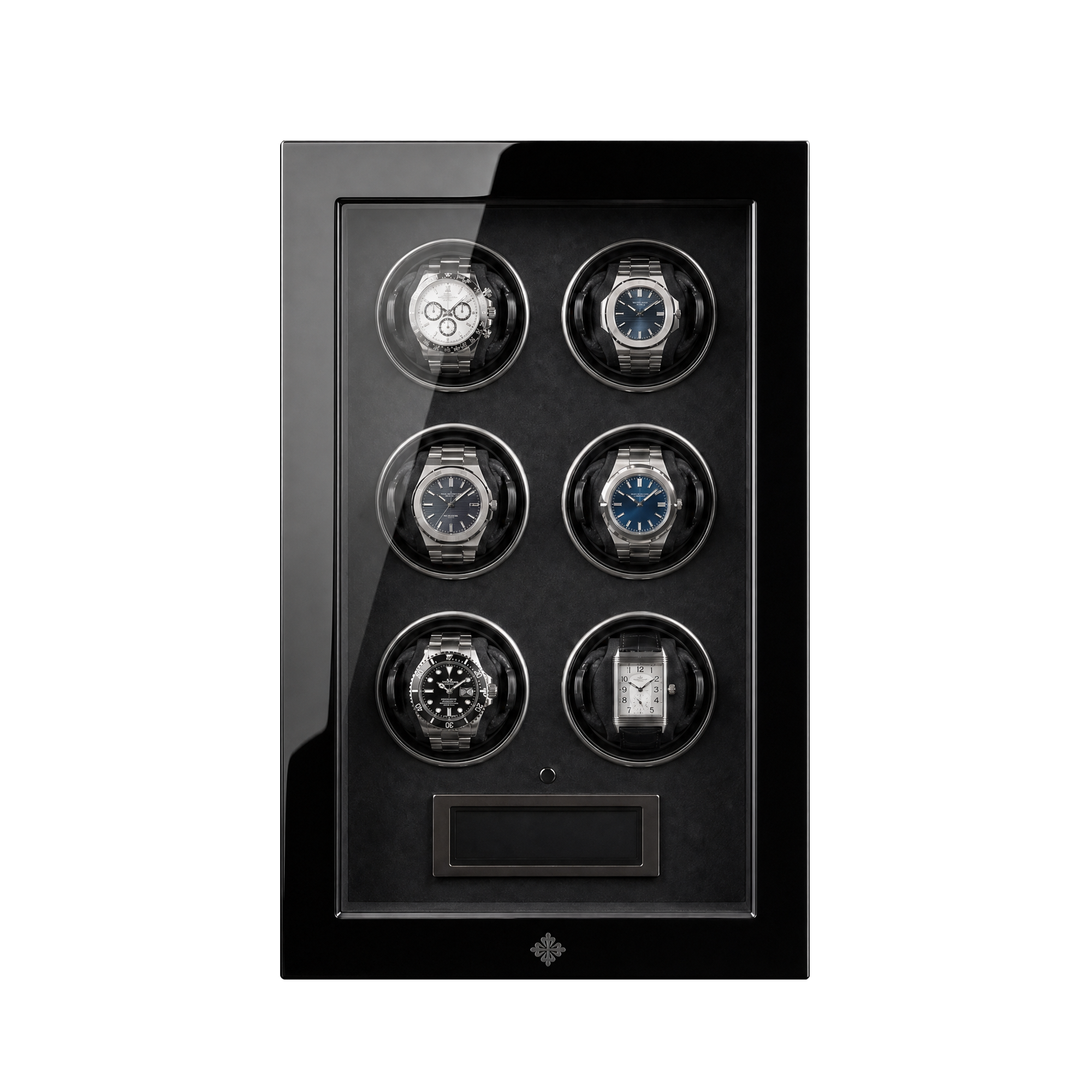
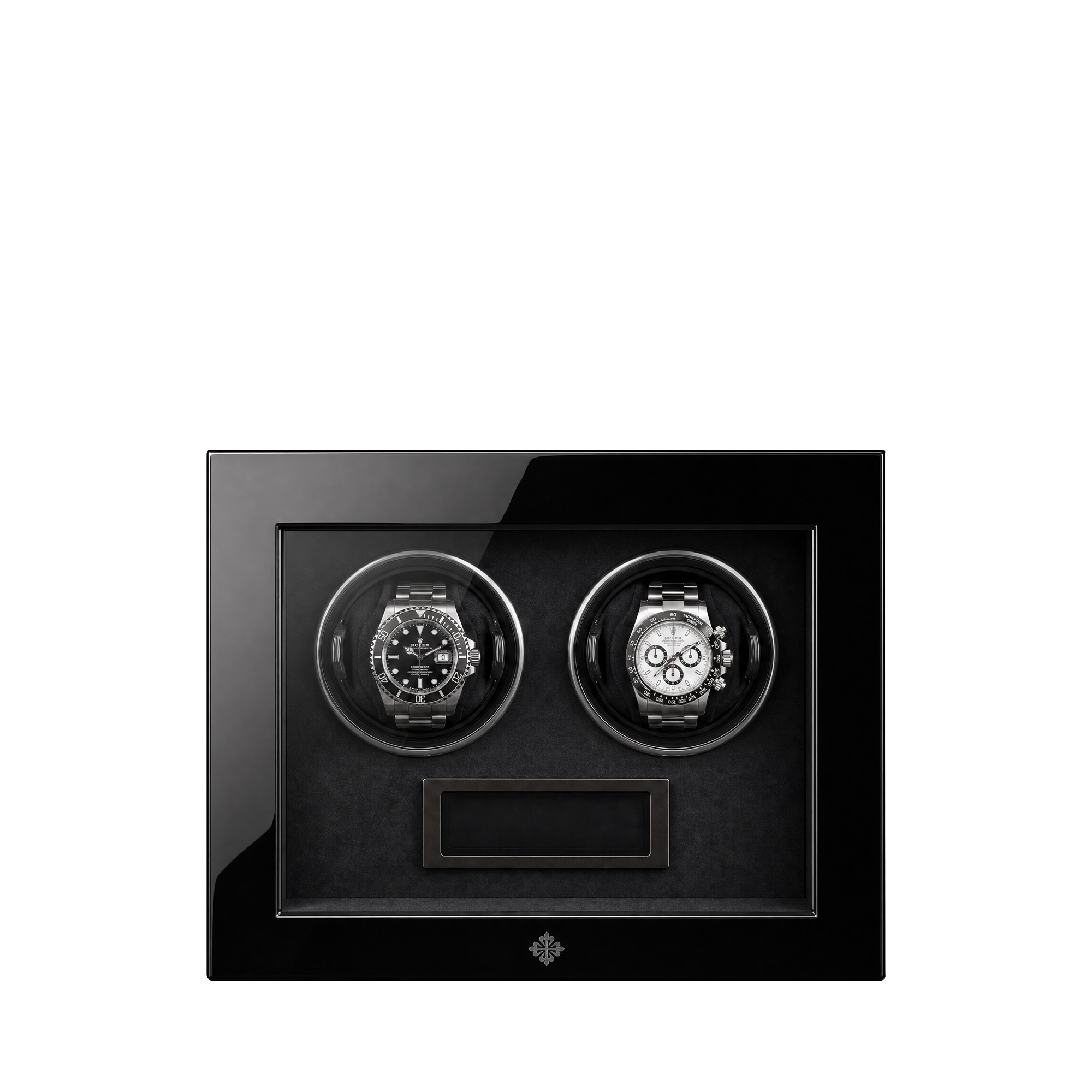
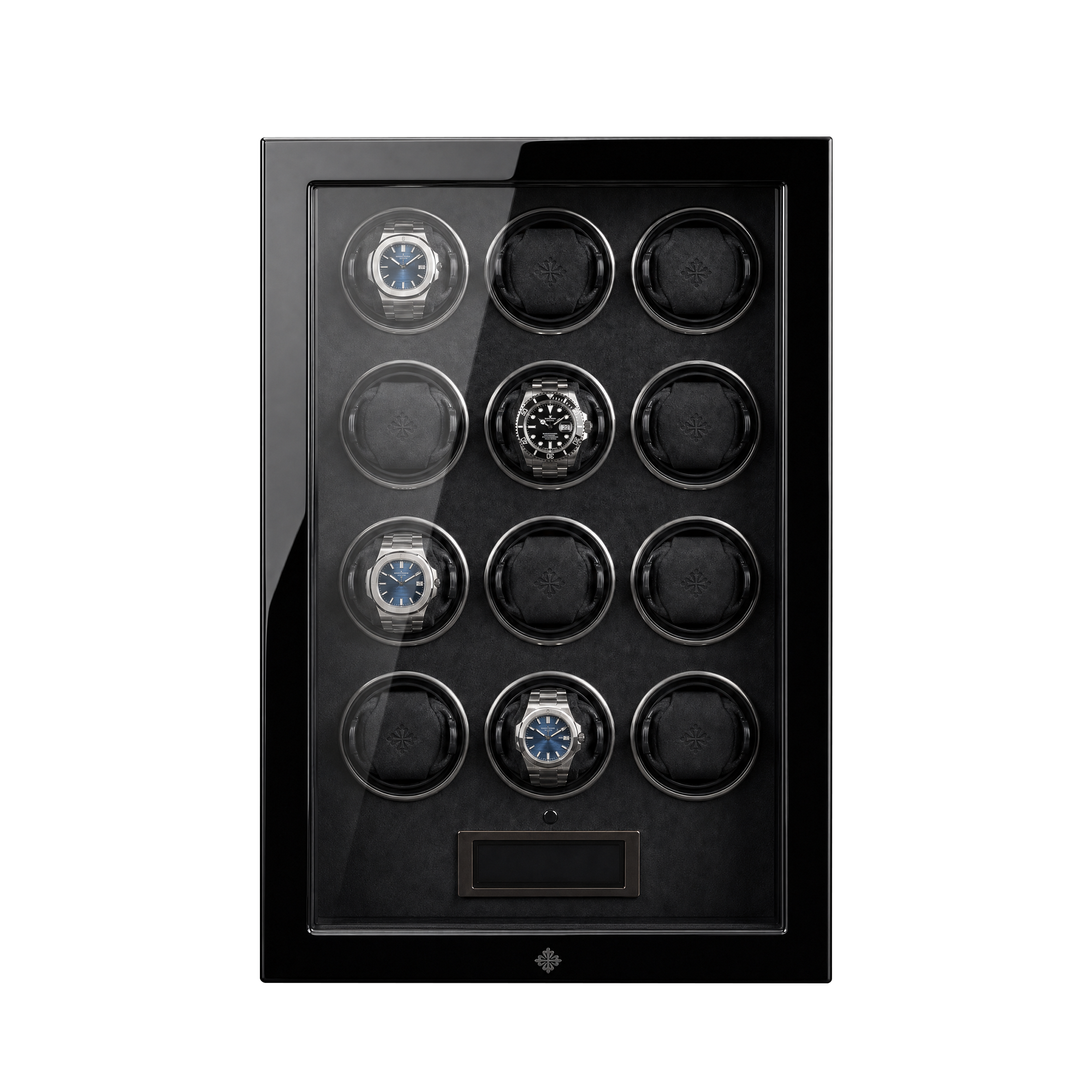
- Enigwatch Impresario Series (2, 6, 12, 24 slots) for single-motor-per-slot programmable winding
- Enigwatch Virtuoso Series for larger collections needing independent per-slot control
- Microfiber cloth and a soft-bristle brush for exterior cleaning
- A watch safe — Enigwatch offers options from the Apollo watch safe box through the Centennial Bulletproof and Guardian Elite vault lines for high-value collections
What to Do Next
If you own 3 or more automatics and have been storing any of them in a drawer or display box for more than 2 weeks at a time, start with a programmable multi-slot winder. If your collection includes watches worth $10,000 or more per piece, pair the winder with a rated safe. The watch safe with winder built-in buyer’s guide covers every combination option and is the right next read.
FAQ
Do I need a watch winder for automatic watch care?
You need one if you rotate between 3 or more automatics, own any watch with a perpetual calendar or annual calendar complication, or frequently go 48+ hours without wearing a specific piece. For a single daily-wear watch, a winder is a convenience, not a requirement.
What happens if I don’t use a watch winder?
The watch stops — usually within 38–50 hours. You reset it manually each time. Short-term, that is fine. Long-term, repeated stop-start cycles and lubricant migration in a fully drained movement accelerate wear and can push your 5–7 year service interval forward.
What is the correct TPD for automatic watch care?
It depends on the movement. Most Swiss automatics (Rolex, Omega, Tudor, Breitling) need 650–900 TPD. Patek Philippe calibers typically need 650–800 TPD. Always confirm via the manufacturer’s technical sheet or a verified brand TPD guide before programming a winder in 2026.
Can a watch winder damage my automatic watch?
A correctly programmed winder does not damage a healthy automatic movement. Damage occurs when TPD is set far too high for extended periods, when the watch holder applies pressure to the crown, or when a movement that already needs service is run continuously instead of being sent for maintenance.
Is a watch winder worth it for a Rolex?
Yes, particularly for the GMT-Master II, Sky-Dweller, and Day-Date with perpetual calendar, where manual resetting after a stop is time-consuming. Rolex Perpetual movements are bi-directional, so set the winder to bi-directional rotation at 650–800 TPD.
How quiet should a watch winder be?
A quality winder in a bedroom or study should produce less than 30 dB at 1 meter — roughly the level of a quiet library. Any audible clicking or whirring above ambient room noise at normal distances indicates a motor or mounting issue worth investigating.
How often should I service an automatic watch if I use a winder?
The service interval does not change. Plan for service every 5–7 years regardless of winder use. The winder reduces lubricant stagnation between wears but does not slow down the age-related breakdown of oils inside the movement.
What size watch winder do I need?
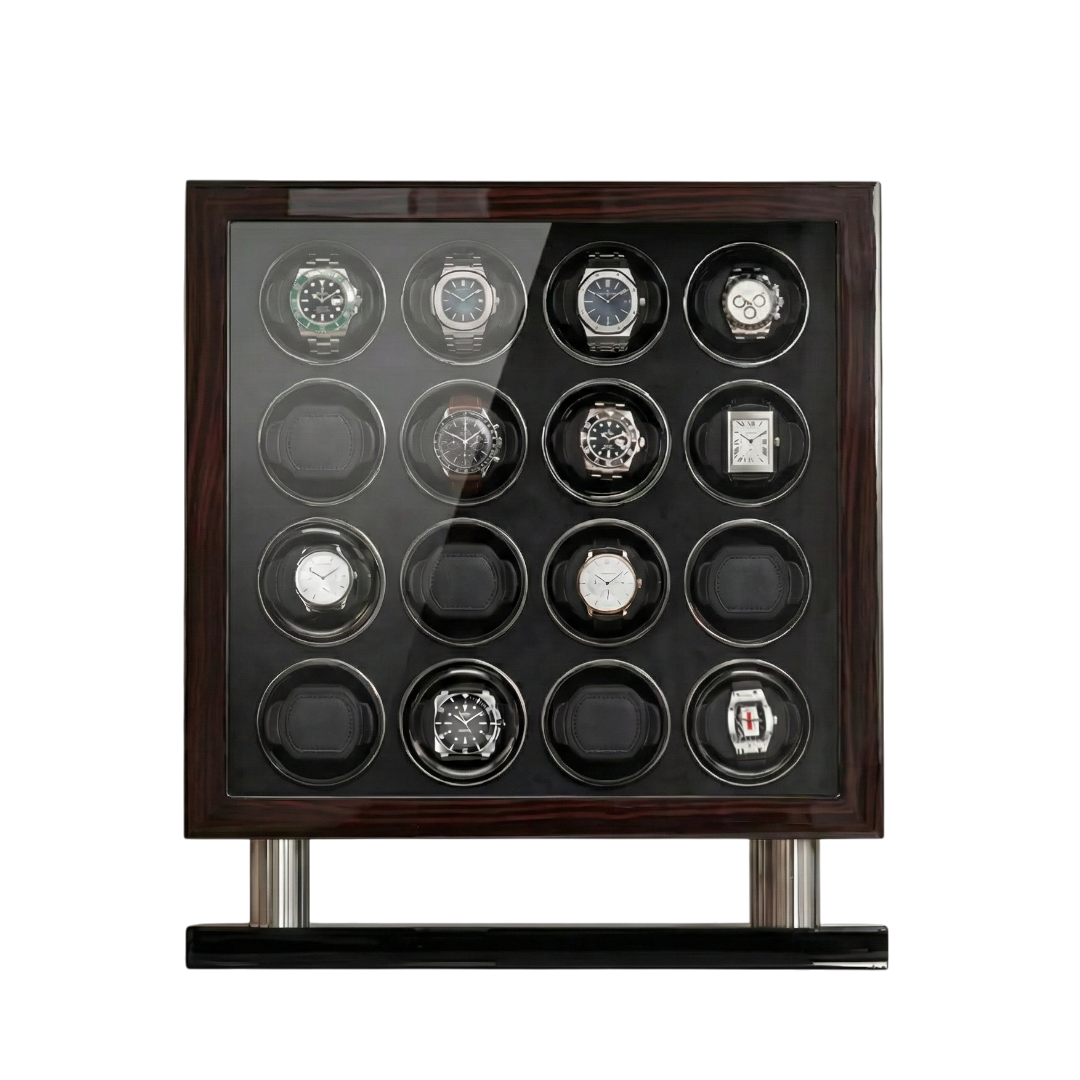
Count your automatics, then buy for the collection you expect to have in 2 years, not today. Most collectors with 4 watches end up at 6 within 18 months. A 6-slot unit covers a typical mid-size collection; 12-slot covers serious collectors. Enigwatch offers 2-, 6-, 12-, and 24-slot configurations across the Impresario, Virtuoso, and Yachtline lines.
One Last Thing
The most overlooked automatic watch care step in 2026 is not the winder setting or the service schedule — it is magnetic protection. A modern Swiss lever-escapement movement can be magnetized by a laptop speaker or a magnetic phone mount, and the resulting rate error (often +30 to +60 seconds per day) is almost always misdiagnosed as a mechanical problem. Keep your winder and storage solution away from any surface-mounted magnetic source. A watchmaker can demagnetize a movement in under 5 minutes for free or minimal charge — but catching the cause first saves you a trip.
Related Guides
Protect Your Watch Collection
Designed for collectors who demand the best. Explore our premium watch winders and luxury safes.