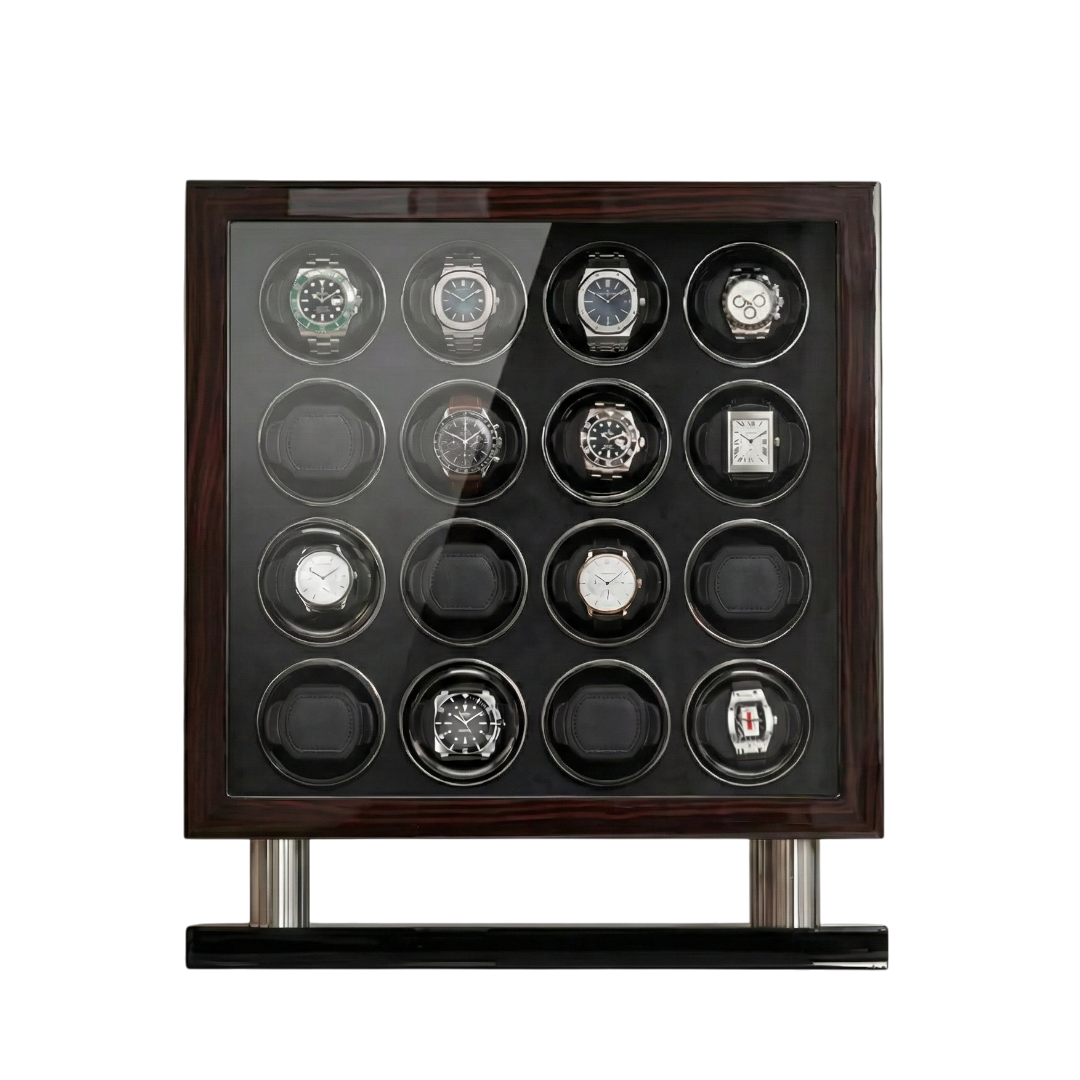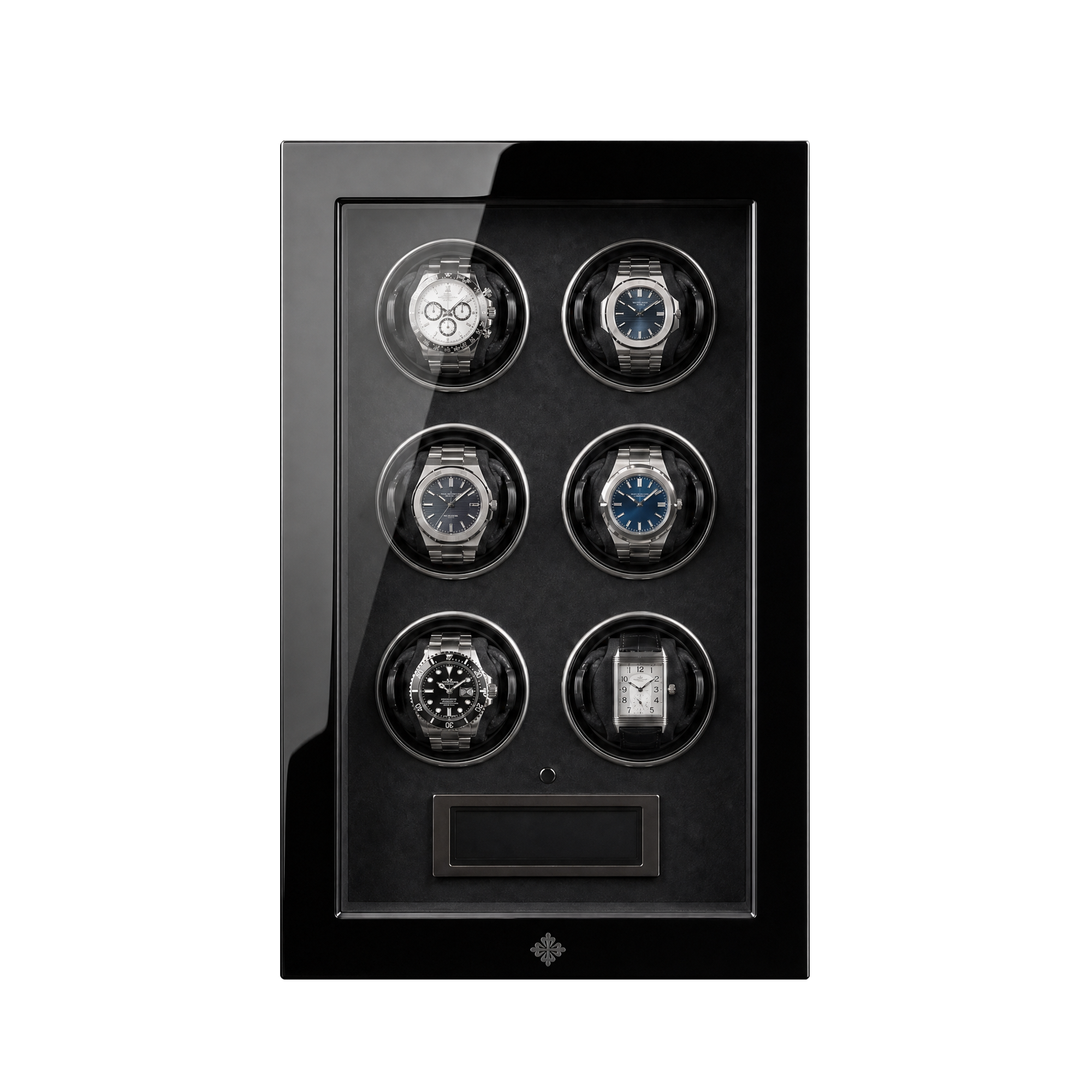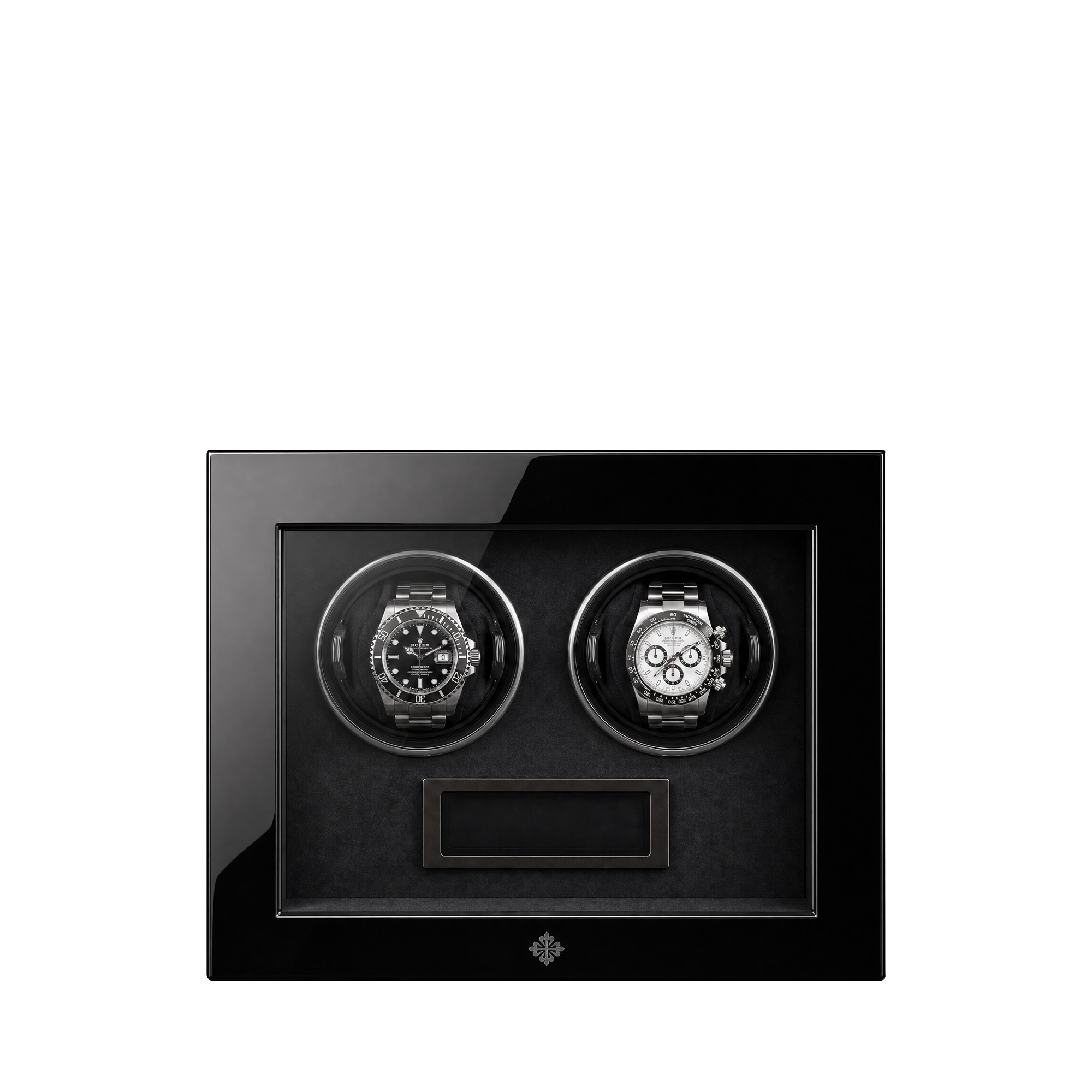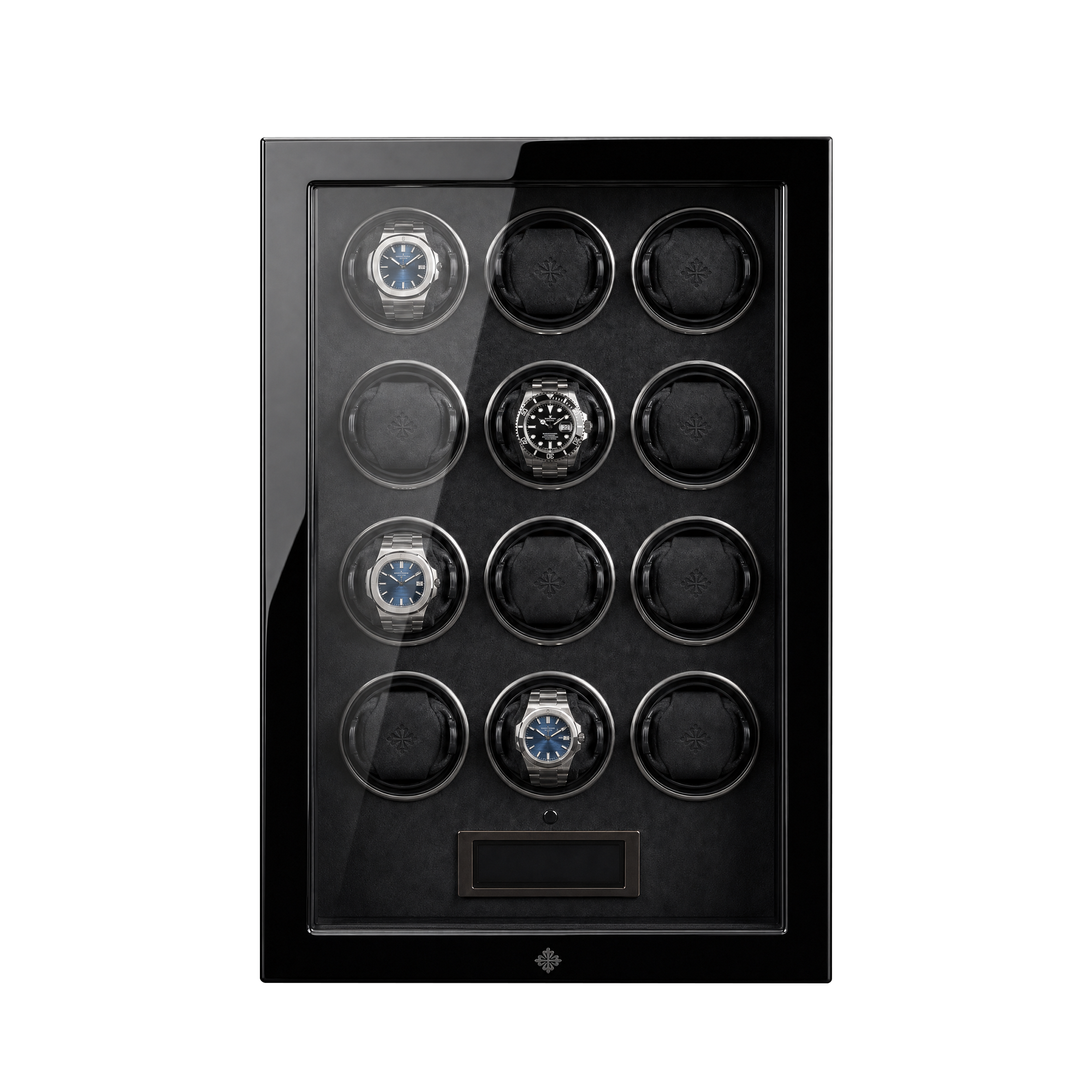

Tissot automatic movements are more demanding than most buyers expect. The ETA-based calibers that power the T-Sport, PRX Powermatic 80, Le Locle, and Seastar lines each carry specific turns-per-day requirements — and a winder set to the wrong TPD or direction will either under-wind the rotor or, more likely, leave the watch stopping every few days. This guide ranks the best watch winders for Tissot automatic watches in 2026, with settings, verdicts, and the context to pick confidently.
TL;DR: The best watch winder for Tissot automatic watches in 2026 runs bidirectional rotation at 650–800 TPD. The Enigwatch Impresario Series 2 is the right single-watch pick; the Impresario Series 6 handles collectors with multiple Tissots. Both use Japanese Mabuchi motors, run near-silent, and ship with a lifetime warranty. If you own one Tissot and nothing else, the Delta Series single winder also works. Skip winders with fixed TPD or no direction control — they are wrong for Tissot calibers.
Why Tissot Calibers Are Specific About TPD
Tissot sources most of its automatic movements from ETA and Sellita. The Powermatic 80, used across the PRX, Le Locle, and Seastar 1000 lines, has a 80-hour power reserve — which means it is more tolerant of brief winding gaps, but still requires consistent rotation to keep complication registers accurate. Tissot’s published recommendation is 650–800 TPD in bidirectional rotation.
Fix that number in mind: 650–800 TPD, bidirectional. A winder that only spins clockwise or counterclockwise will add mechanical stress to the rotor. A winder set at 1,800 TPD — common on generic “automatic” presets — will cycle the rotor far beyond what the mainspring needs. Neither extreme damages the watch immediately, but both shorten service intervals over years of use.
How These Were Ranked
This ranking is built on three criteria: motor quality and TPD precision (can the winder actually deliver 650–800 TPD bidirectional?), build materials relative to price (what is touching your watch?), and practical fit for a Tissot owner’s collection profile. Tissot sits in the $300–$1,200 segment — a serious watch, not an entry-level impulse purchase, but also not a piece that demands a $10,000 vault. The right winder reflects that positioning: precise mechanics, quality materials, no excess.
All Enigwatch units use Japanese Mabuchi motors. Mabuchi motors from Osaka are the same motor family used in medical equipment; they produce less than 20 dB of operating noise at standard load, which matters if the winder lives on a bedside table or in a dressing room.
Ranked: Best Watch Winders for Tissot in 2026
1. Impresario Series 2 — Best for a Single Tissot or a Pair
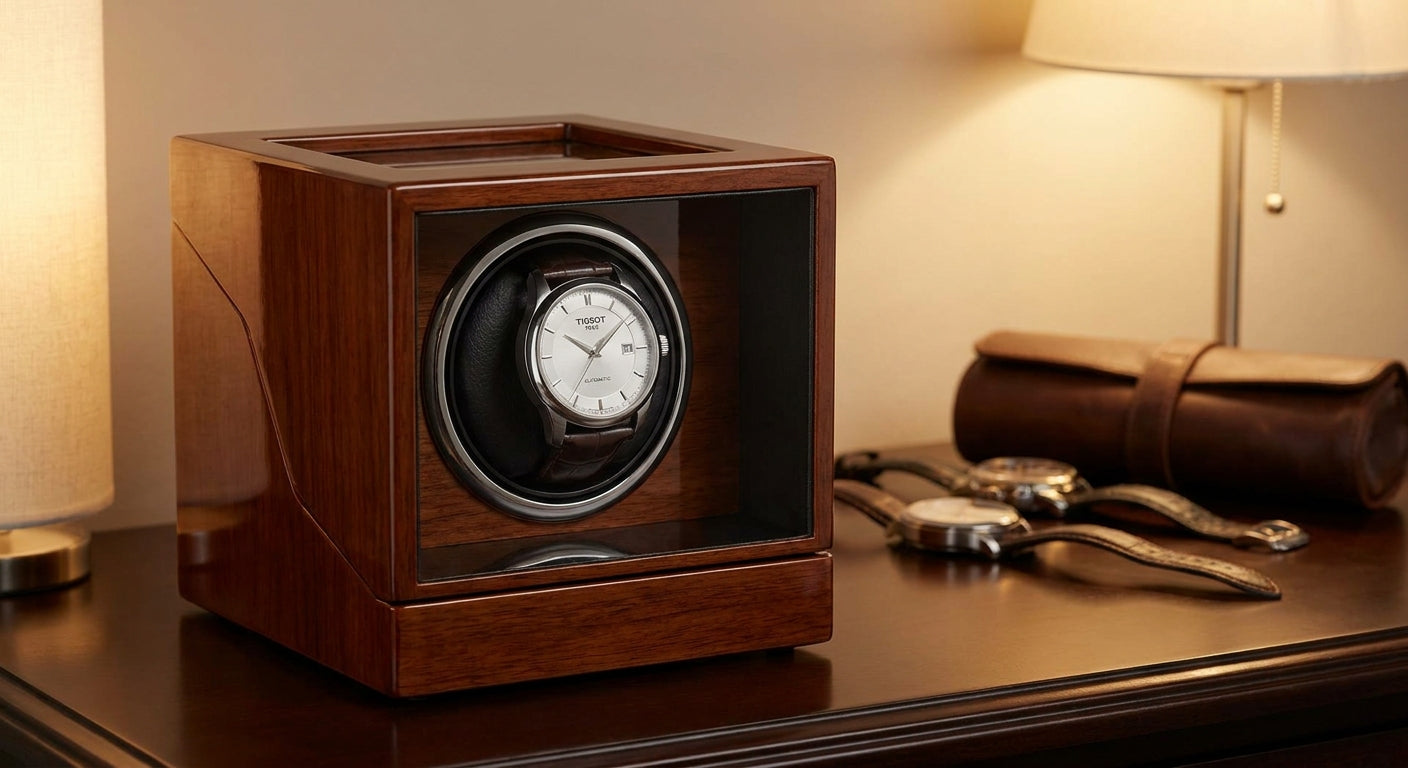
The focused pick. Two independently programmable rotors, TPD adjustable from 300 to 1,200 in defined steps, bidirectional mode standard. The interior uses Italian Alcantara — a suede-equivalent material that will not scratch bracelet lugs or crystal edges during daily removal. Dimensions are compact enough for a desk or nightstand shelf without dominating the surface.
For a Tissot PRX Powermatic 80 or a Seastar 1000, set each rotor to 700 TPD bidirectional. That is the center of Tissot’s recommended range and the setting that keeps the mainspring optimally tensioned without unnecessary rotor cycling.
Verdict: Buy. Impresario Series 2
2. Impresario Series 6 — Best for a Small Tissot Collection
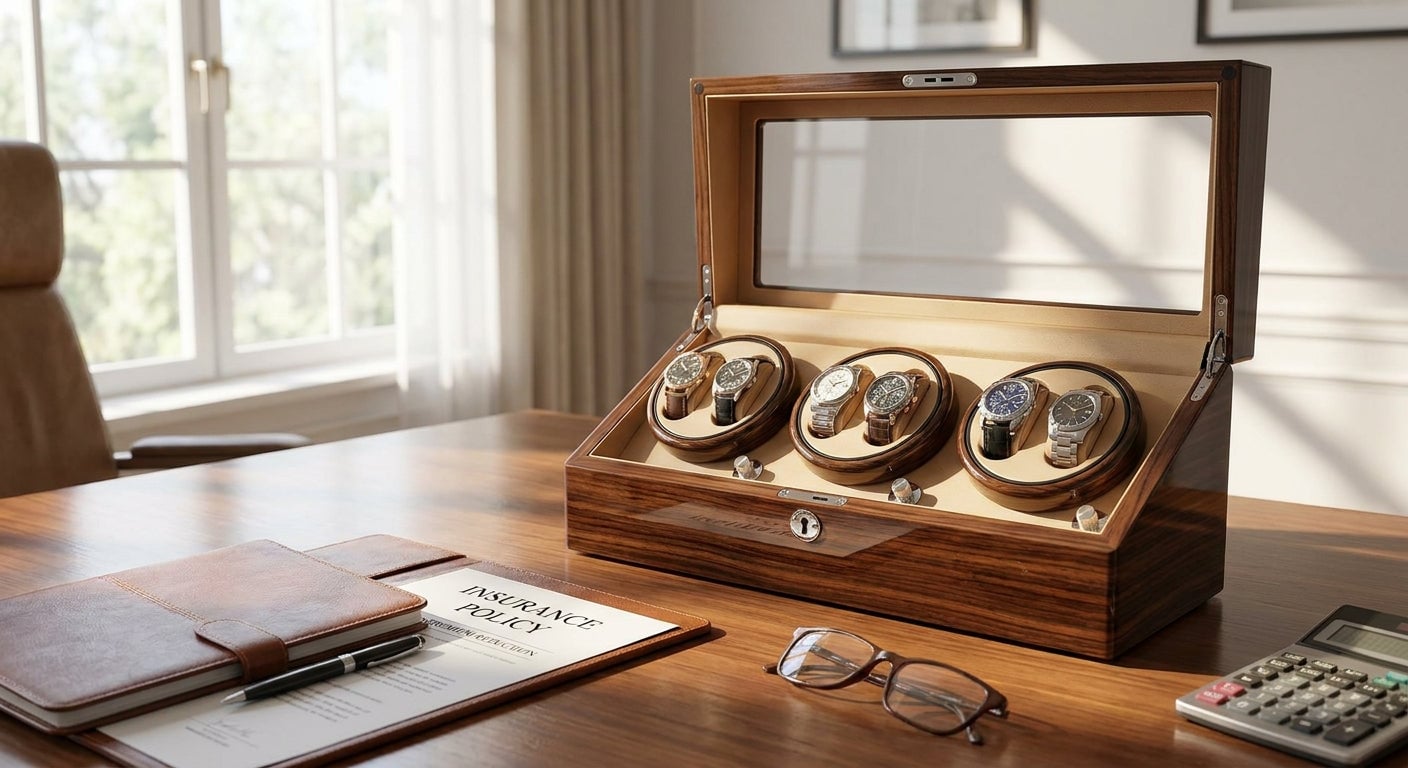
The collector’s base unit. Six independently controlled rotors, each programmable to a separate TPD and direction. If you own a mixed group — a PRX next to a T-Sport Automatic and a Le Locle — you can set each to its own profile without compromise. The Series 6 uses the same Mabuchi motor system as the Series 2, with exotic wood veneer casing available in several finishes.
Six slots in 2026 is the right size for a collector who buys one or two pieces a year and rotates wearing. You are not overspending on capacity, and you are not forced to upgrade again in twelve months.
Verdict: Buy. Impresario Series 6
3. Virtuoso Series 6 — Best When Display Matters as Much as Function
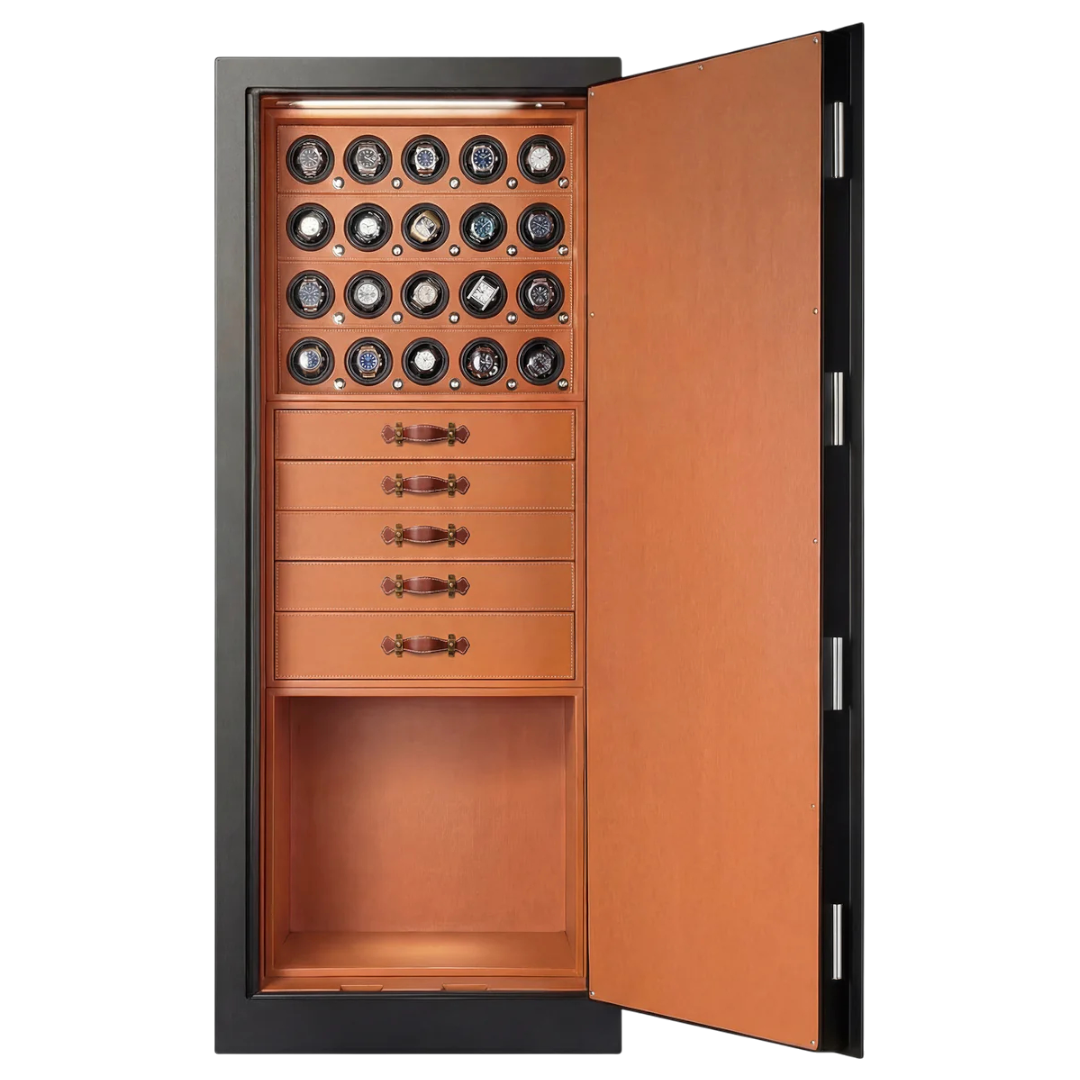
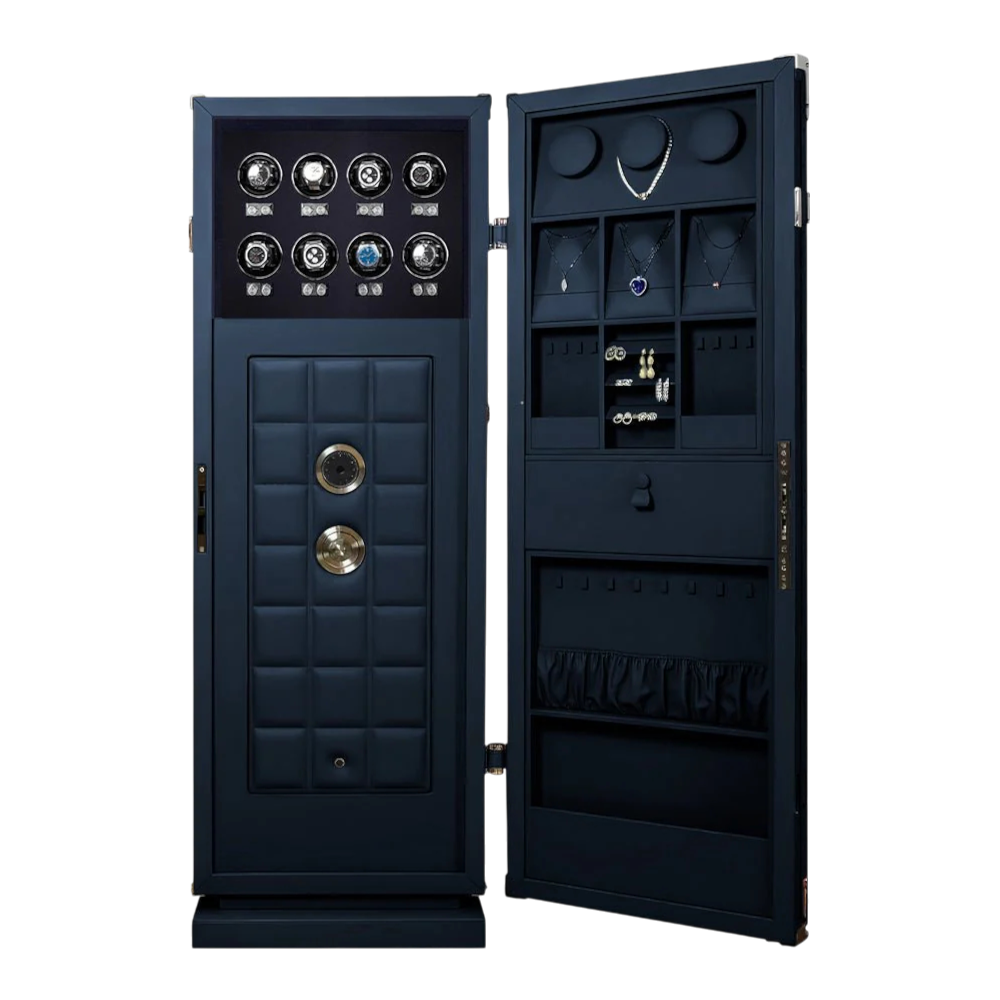
The visible-storage pick. Same six-rotor mechanical spec as the Impresario Series 6, but with a glass-fronted cabinet profile. If the winder lives in a study or dressing room where the watches are meant to be seen at rest, the Virtuoso’s display orientation justifies the form factor. TPD and direction controls are identical.
The tradeoff is footprint: the Virtuoso Series 6 is a standing display unit, not a shelf piece. Confirm you have floor or furniture space before ordering.
Verdict: Buy for collectors who display. Hold if the winder goes inside a closet or drawer.
4. Delta Series Single Watch Winder — Best Entry Point for One Tissot
The entry-level Enigwatch. A single-rotor winder for collectors who own one Tissot automatic and want reliable mechanics without the outlay of a multi-slot unit. Available in two colorways (army and black), TPD adjustable, bidirectional. The Mabuchi motor is the same family across the lineup — you are not getting a downgraded motor because the price is lower.
This is also the right recommendation if someone is buying their first automatic watch in 2026 and wants a winder to go with it before the collection grows.
Verdict: Buy for single-watch owners. Hold if you plan to add a second Tissot within six months — the Series 2 is a better long-term investment.
5. Yachtline Series 8 — Best When Tissot Shares Space with Other Brands
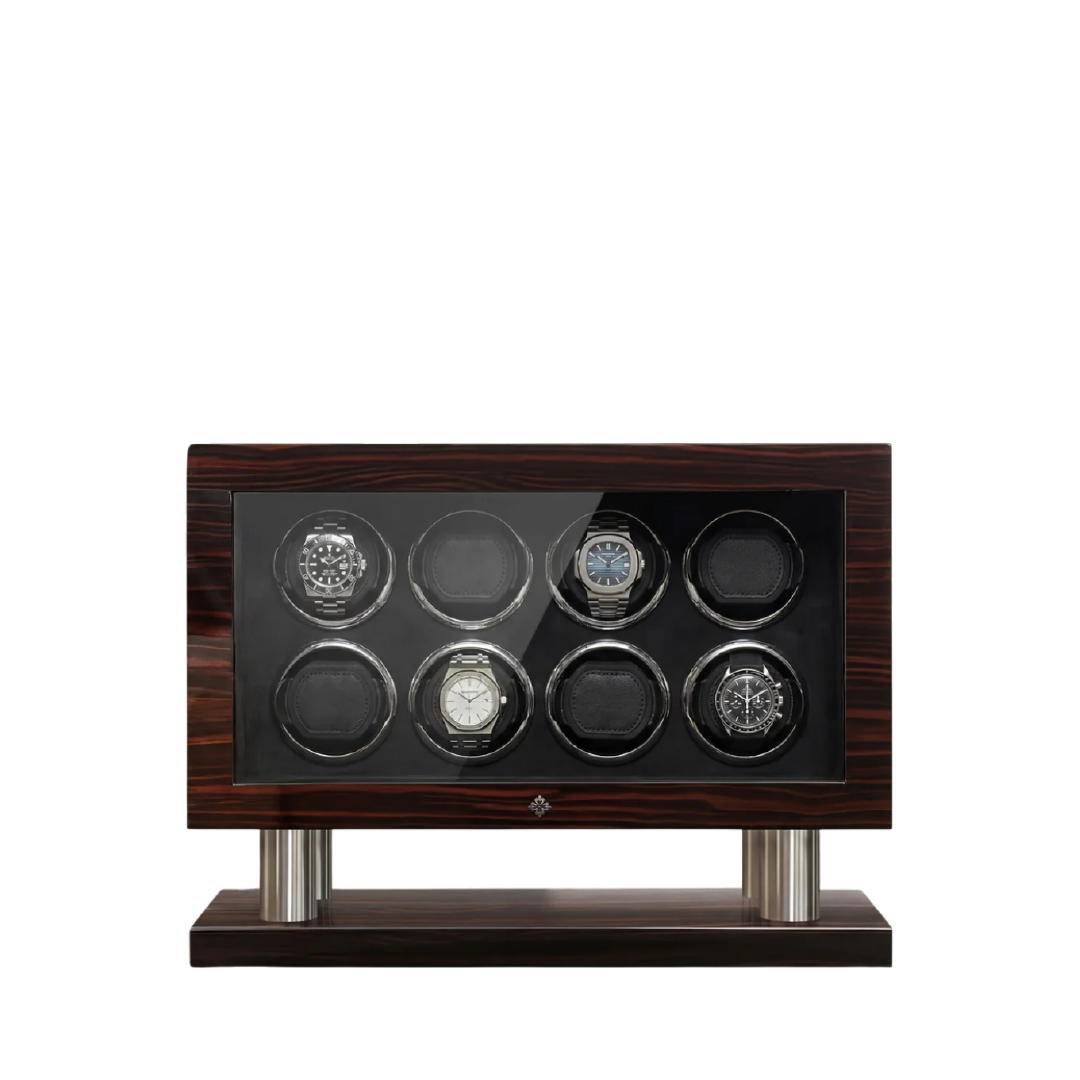
The mixed-brand option. Eight rotors, individually programmable. If your Tissot sits alongside an Omega Seamaster, a Tudor Black Bay, or a mid-range Seiko, the Yachtline Series 8 handles each without forcing a one-size-fits-all setting. The Omega will need 650–950 TPD; the Tissot wants 650–800 TPD; the Tudor sits at 650–800 TPD as well. All three fit within the Yachtline’s programmable range.
The Yachtline series has a nautical-inspired cabinet profile — pronounced horizontal lines, brushed hardware — which is a polarizing aesthetic. If that does not match your space, the Impresario Series 6 covers the same functional ground in a more neutral form.
Verdict: Buy for mixed-brand collections. Hold if you prefer a classic cabinet look.
Comparison Table
| Model | Rotor Slots | TPD Range | Direction | Motor | Best For |
|---|---|---|---|---|---|
| Impresario Series 2 | 2 | 300–1,200 | Bidirectional | Mabuchi | Single Tissot or pair |
| Impresario Series 6 | 6 | 300–1,200 | Bidirectional | Mabuchi | Small Tissot collection |
| Virtuoso Series 6 | 6 | 300–1,200 | Bidirectional | Mabuchi | Display-forward setup |
| Delta Series Single | 1 | Adjustable | Bidirectional | Mabuchi | First automatic watch |
| Yachtline Series 8 | 8 | Adjustable | Bidirectional | Mabuchi | Mixed-brand collection |
What to Avoid
Fixed-preset winders with no TPD control. Dozens of sub-$100 units on the market spin at a fixed 1,800 or 2,200 TPD in one direction. For Tissot’s ETA-based calibers, that is more than double the recommended rate. The watch will not break immediately, but excess rotor movement stresses the winding mechanism incrementally.
Single-direction-only winders. Tissot specifies bidirectional rotation for its ETA and Sellita movements. A clockwise-only or counterclockwise-only winder means the rotor drags on the non-driving return stroke — the movement is designed to wind from both directions, and a single-direction winder defeats that.
Winders with no rest cycle. A mainspring fully wound does not benefit from continued rotation. Quality winders include a rest interval in their program cycle. If the unit description does not mention a rest or sleep cycle, it almost certainly runs continuously — that is mechanical waste at best and accelerated wear at worst.
Where to Buy
All Enigwatch units ship directly from enigwatch.com with worldwide delivery. Enigwatch includes a lifetime warranty on motors and mechanical components — confirm that is in writing at checkout. Professional installation service is available for cabinet-scale units. For a winder sized at the Series 2 or Delta Series level, self-installation takes under five minutes.
Do not buy Enigwatch units from third-party marketplaces. The warranty is fulfilled through the direct channel; third-party purchases create a gap in coverage documentation.
FAQ
What TPD does a Tissot automatic watch need in a winder?
Tissot recommends 650–800 turns per day in bidirectional rotation for its ETA and Sellita-based movements, including the Powermatic 80 caliber used in the PRX and Seastar lines.
Can a watch winder damage a Tissot Powermatic 80?
A winder set to excessive TPD or single-direction-only rotation can add unnecessary stress to the rotor and winding mechanism over time. Set any winder to 650–800 TPD bidirectional and the risk is negligible. The overwind myth — that a winder will wind the mainspring past its limit — is not relevant to modern slip-clutch movements like those in Tissot. For a detailed look at this, see does a watch winder damage automatic watches.
Is the Tissot PRX Powermatic 80 compatible with all watch winders?
Mechanically, yes — the PRX fits a standard winder cushion. Functionally, no — many generic winders cannot be set below 1,000 TPD or lack bidirectional mode. Confirm TPD programmability and bidirectional rotation before buying.
How quiet should a watch winder be for a Tissot?
Tissot owners are not typically running a winder in a server room. A quality winder using a Mabuchi motor operates below 20 dB — inaudible from two meters. If a winder audibly hums at normal conversation distance, the motor is generating more vibration than the movement needs.
Do I need a winder with 6 slots if I only own one Tissot?
No. A single-rotor unit like the Delta Series or a two-slot Impresario Series 2 is the right fit for one or two watches. Over-specifying capacity means spending more on electronics and housing you do not use.
What direction should a Tissot watch winder rotate?
Bidirectional. Tissot’s ETA and Sellita calibers wind from both rotor directions. A unidirectional winder forces the rotor to drag on the non-winding return stroke, which is mechanically inefficient.
Can I use the same winder for a Tissot and a Rolex?
Yes, as long as each rotor is independently programmable. The Tissot wants 650–800 TPD; a Rolex Submariner wants 650–800 TPD as well. In practice, the two are compatible on the same multi-slot unit — but confirm independent per-rotor programming rather than a global setting.
What happens if I don’t use a winder for my Tissot Powermatic 80?
The 80-hour power reserve means the watch will run approximately three days unworn before stopping. That is longer than most ETA movements, which typically stop after 38–48 hours. You can let it stop and reset it — the mechanical cost is minimal — but a winder eliminates the reset routine entirely.
One Last Thing
Tissot’s Powermatic 80 movement uses a silicon-based escapement on some references, which reduces the urgency of exact TPD compliance compared to older ETA movements. The 80-hour reserve gives you more margin than a standard 38- or 42-hour movement. What that means in practice: even if your winder is set slightly outside the 650–800 range, the watch is unlikely to stop. But “unlikely to stop” is not the same as “optimally maintained.” Set it right once and you never have to think about it again.
Related Guides
Protect Your Watch Collection
Designed for collectors who demand the best. Explore our premium watch winders and luxury safes.