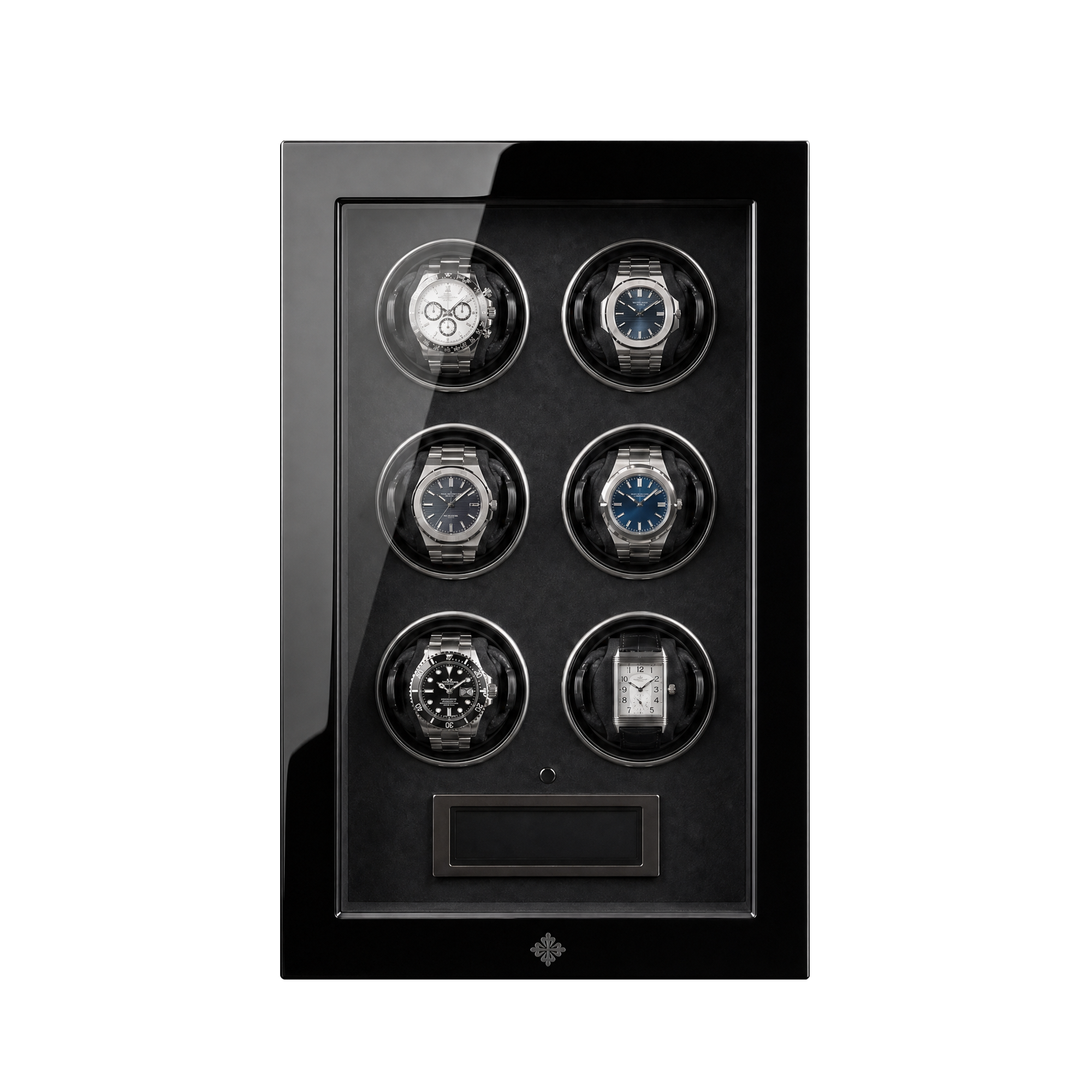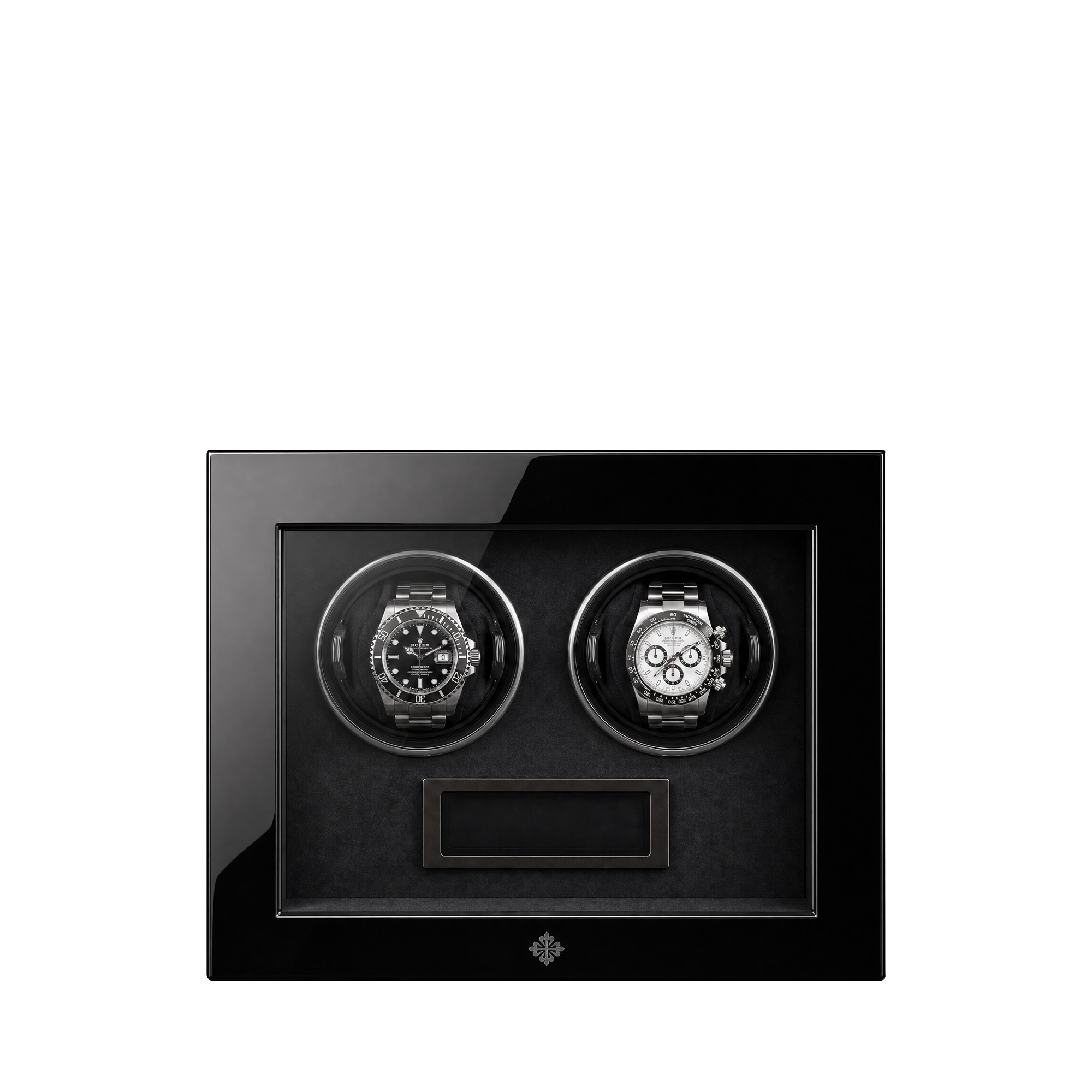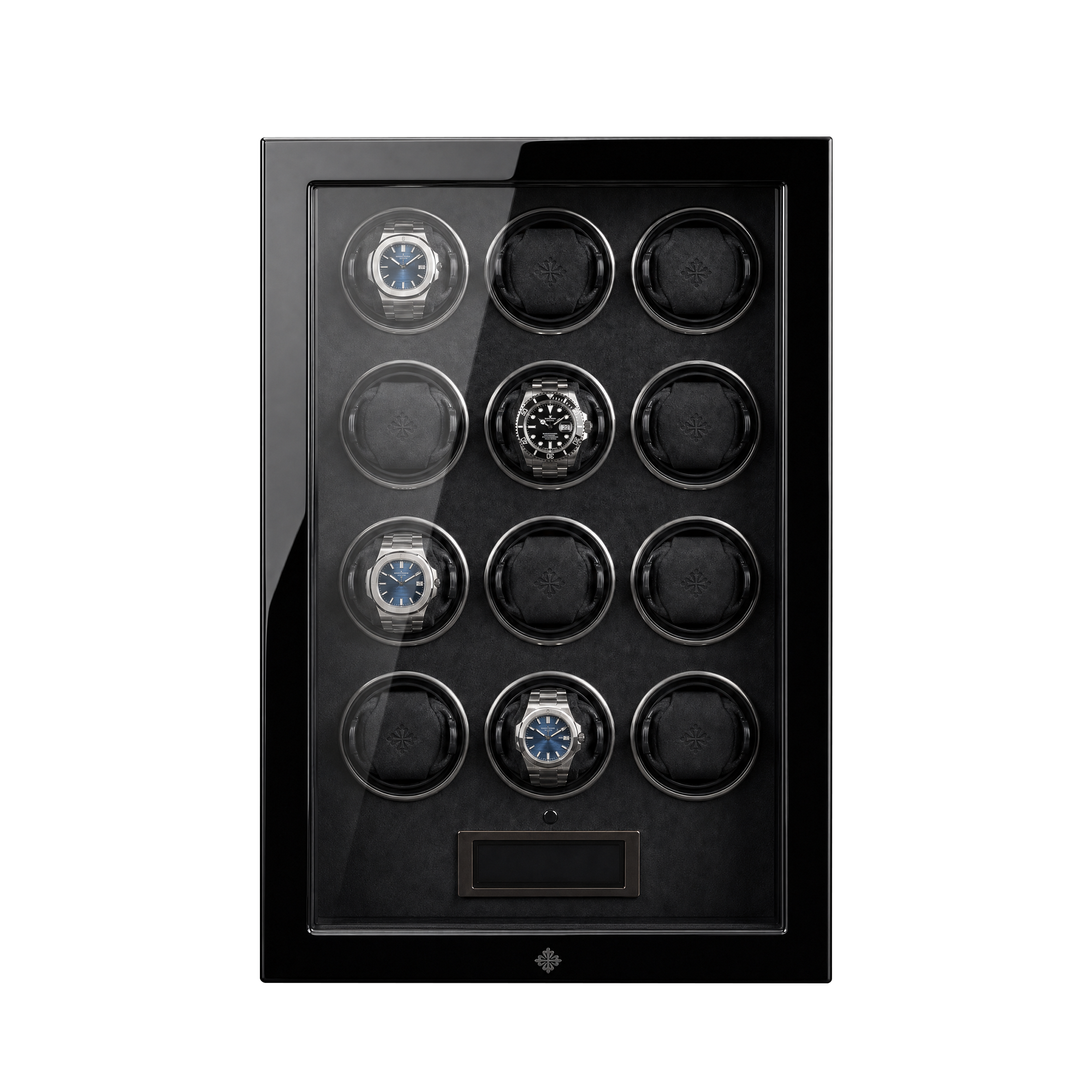

Watch winder direction looks like a throwaway setting. It isn’t. An automatic movement winds in a specific direction based on how its rotor and reverser wheels are built. Winding against that direction does nothing useful. Winding bi-directional when the movement only winds one way wastes half your motor hours. This guide explains the three settings, which one your watch needs, and how to check.
How Automatic Winding Actually Works
An automatic watch has a weighted rotor that swings with wrist movement. Inside the movement, reverser wheels translate rotation into mainspring tension. Some movements wind only when the rotor spins clockwise. Some only counterclockwise. Most modern movements wind in both directions.
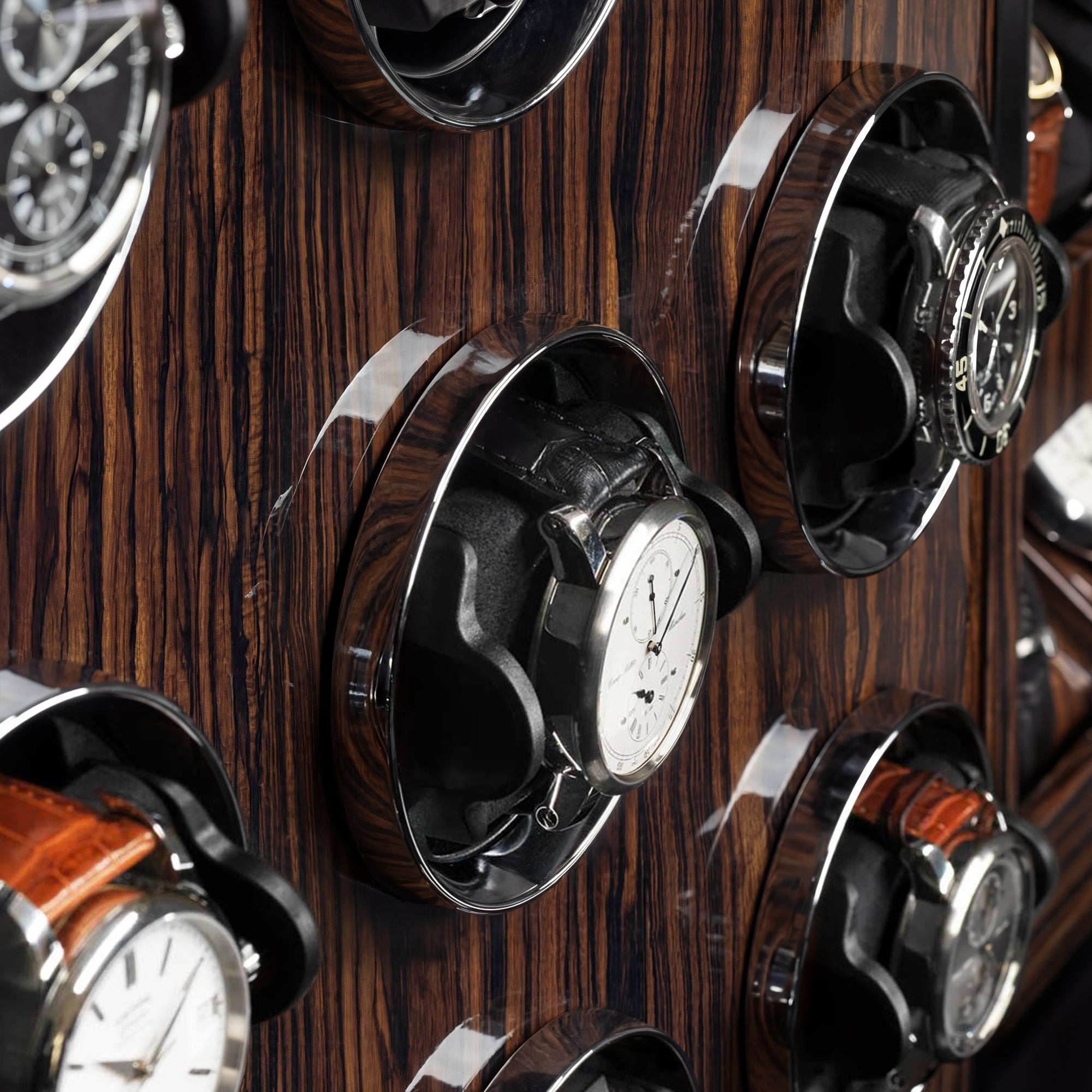
A winder exists to replicate what wrist movement would normally do. It spins the watch on a rotating pillow, which drives the rotor. If your watch winds bi-directionally, the winder’s direction doesn’t matter much. If your watch winds only one way, the wrong direction means the winder is running but the mainspring isn’t tensioning.
The Three Direction Settings
Clockwise (CW). The pillow rotates in one direction. Appropriate for movements that wind only clockwise.
Counterclockwise (CCW). Opposite direction. Appropriate for movements that wind only counterclockwise, notably some Patek and Panerai calibers.
Bi-directional. The pillow alternates between CW and CCW rotation. Appropriate for movements that wind in both directions, which is most modern automatics.
Direction by Caliber
| Caliber | Brand | Direction |
|---|---|---|
| 3135, 3235 | Rolex (Submariner, GMT, Sky-Dweller) | Bi-directional |
| 324 S C, 240 | Patek Philippe (Nautilus, Calatrava) | Counterclockwise |
| 8500, 8900 | Omega (Seamaster, Planet Ocean) | Bi-directional |
| B01 | Breitling (Chronomat, Navitimer) | Bi-directional |
| 3120 | Audemars Piguet (Royal Oak) | Bi-directional |
| P.9010 | Panerai (Luminor) | Clockwise |
| RM 011 | Richard Mille | Bi-directional |
| 899 | Jaeger-LeCoultre (Reverso Tribute) | Bi-directional |
| ETA 2824-2 | Generic ETA base | Bi-directional |
| 9S65 | Grand Seiko | Bi-directional |
For the full reference, see the TPD and direction reference by brand.
What Happens If You Pick the Wrong Direction
Three scenarios.
Bi-directional movement, running on CW-only or CCW-only. The watch winds during the matching direction and nothing during the reverse. Effective TPD is roughly half of what the setting says. Under-wound over time.
One-directional movement, running on the wrong direction. The watch doesn’t wind at all. Motor runs, watch stops.
One-directional movement, running on bi-directional. The watch winds during matching strokes and does nothing during the reverse strokes. Slightly inefficient but generally fine. Effectively half the TPD the setting claims.
How to Check Your Movement Direction
Four options.
One, check the manufacturer’s technical data sheet. Most major brands publish this.
Two, check the TPD reference which lists direction for major calibers.
Three, look up the caliber number online. Searching “[caliber] wind direction” typically returns accurate info.
Four, default to bi-directional if unknown. Most modern movements are bi-directional, and bi-directional works for one-directional movements with reduced efficiency but no harm.
Why Per-Rotor Direction Programming Matters
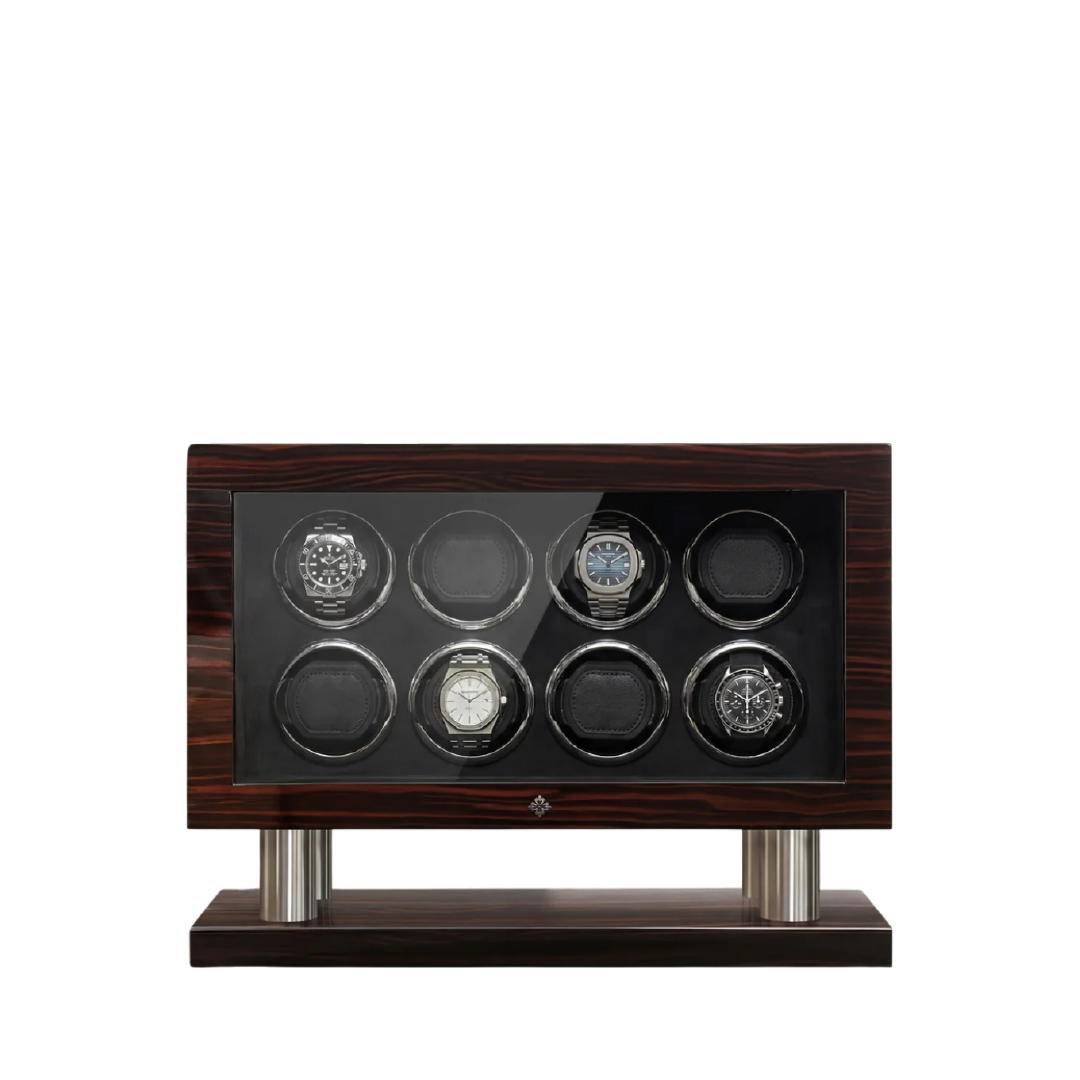
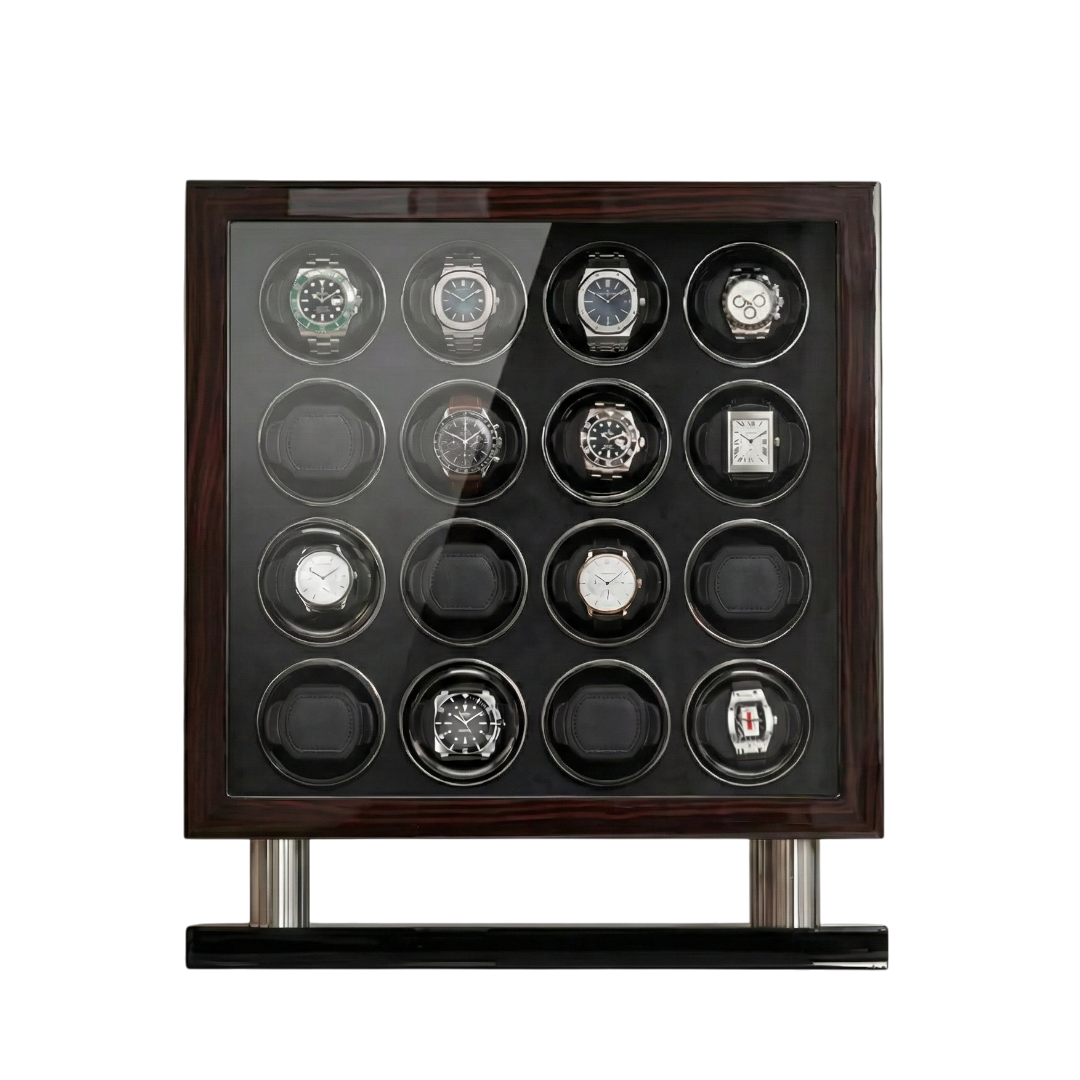
Mixed-brand collections have mixed direction requirements. A Rolex (bi), a Patek (CCW), and a Panerai (CW) running in the same winder need independent direction settings per rotor.
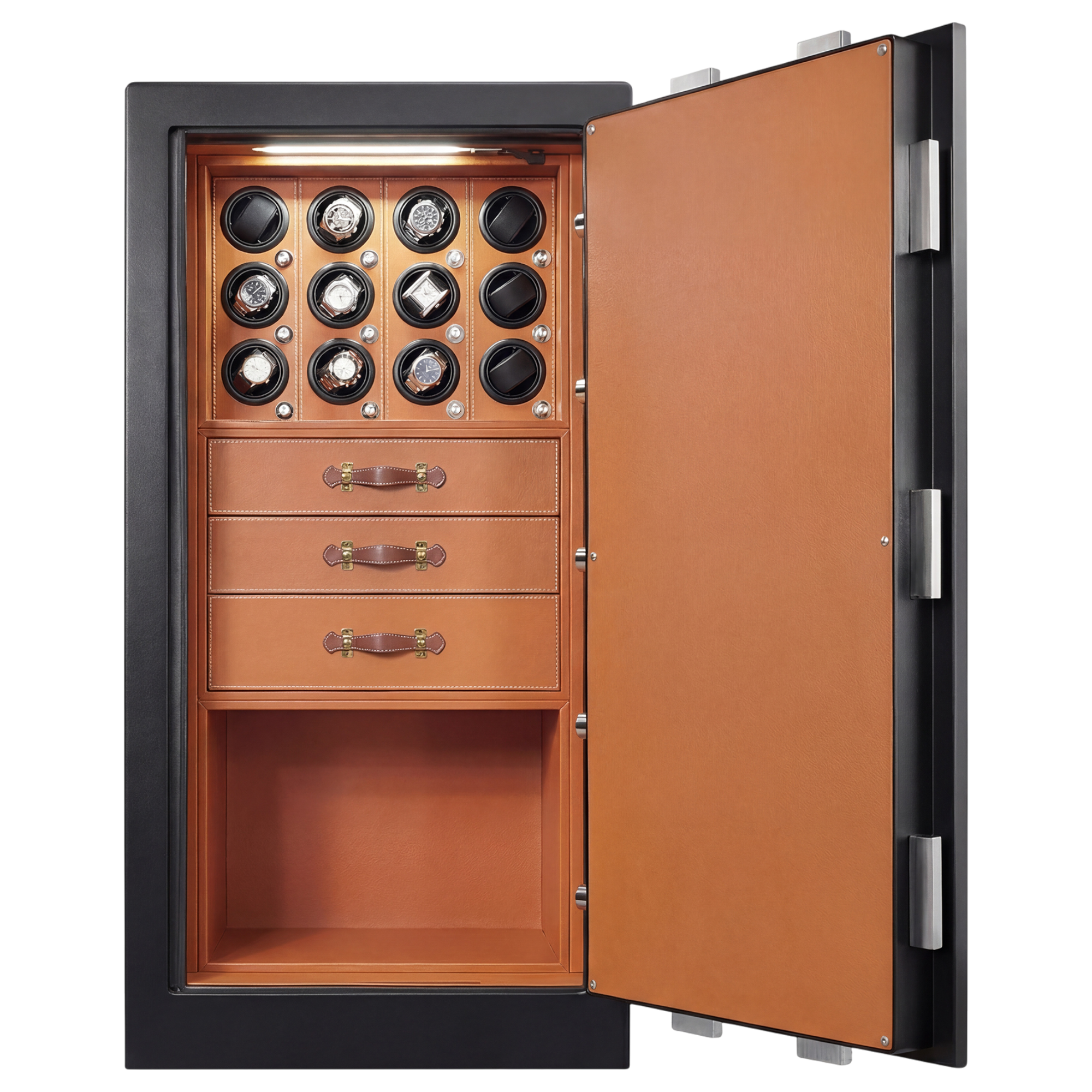
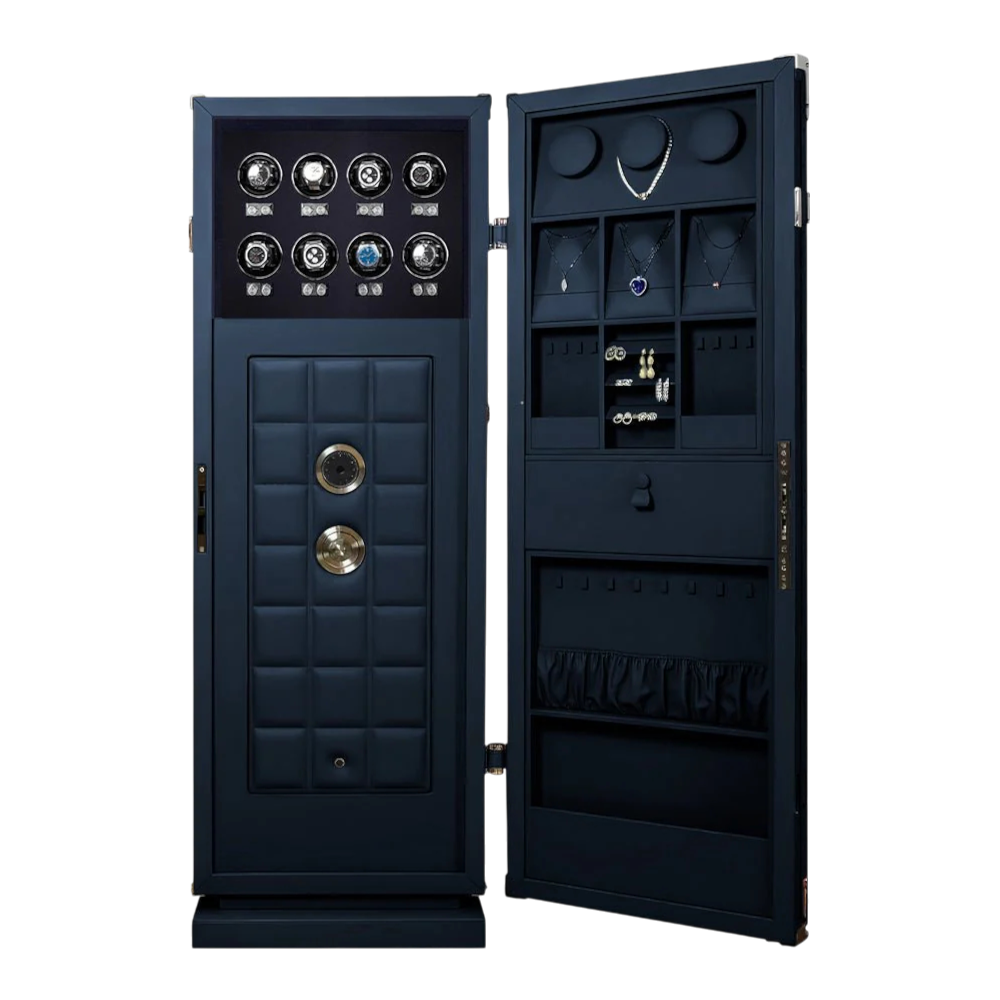
Fixed-direction winders force you to pick one setting for all rotors. The wrong one costs you winding efficiency on the mismatched watches. Per-rotor programming solves this. Our Impresario Series and Virtuoso Series include per-rotor direction programming across all capacities.
Common Direction Mistakes
Setting all rotors to bi-directional by default. Works for most watches but under-performs for one-directional calibers. Set per-watch.
Assuming all Rolex is bi-directional. Most are. Older calibers (1575, 3035) have specific requirements, bi-directional is safe but not always optimal.
Running CCW on Panerai. Many P.9010 calibers wind clockwise only. CCW does nothing.
Assuming all Patek is CCW. Most modern Patek (324 S C, 240) is CCW. Newer calibers like 26-330 and 31-260 vary.
Frequently Asked Questions
Does direction damage the watch?
Wrong direction doesn’t damage the watch. It just fails to wind efficiently. The mainspring stays under-tensioned.
How do I find my watch’s caliber?
Check the back of the watch case (engraved on most), the original papers, or the manufacturer’s website by watch model and reference number.
Is bi-directional always the safe default?
For modern automatics, mostly yes. For vintage or specialized movements, check the specific caliber.
Can I change direction while the winder is running?
Yes. The winder pauses briefly and resumes in the new direction. Most modern winders handle this without issue.
Do all brands use the same direction for all their watches?
No. Brands use multiple calibers across their ranges. Rolex uses bi-directional across the current line. Panerai uses clockwise on some calibers and bi-directional on others.
What about dual-rotor movements like Rolex Sky-Dweller?
Dual-complication movements with twin rotors still wind bi-directionally in the standard Rolex configuration.
How often should I verify my direction settings?
Set once per watch and leave it. Check if you swap a watch in the winder for a different caliber.
The Quick Rule
Check your caliber against the TPD reference. Program per-rotor on a quality winder. Default to bi-directional if you can’t find specific caliber data.
For more reading, see brand-specific settings guides like Rolex TPD settings, Omega settings, and Breitling settings.
Protect Your Watch Collection
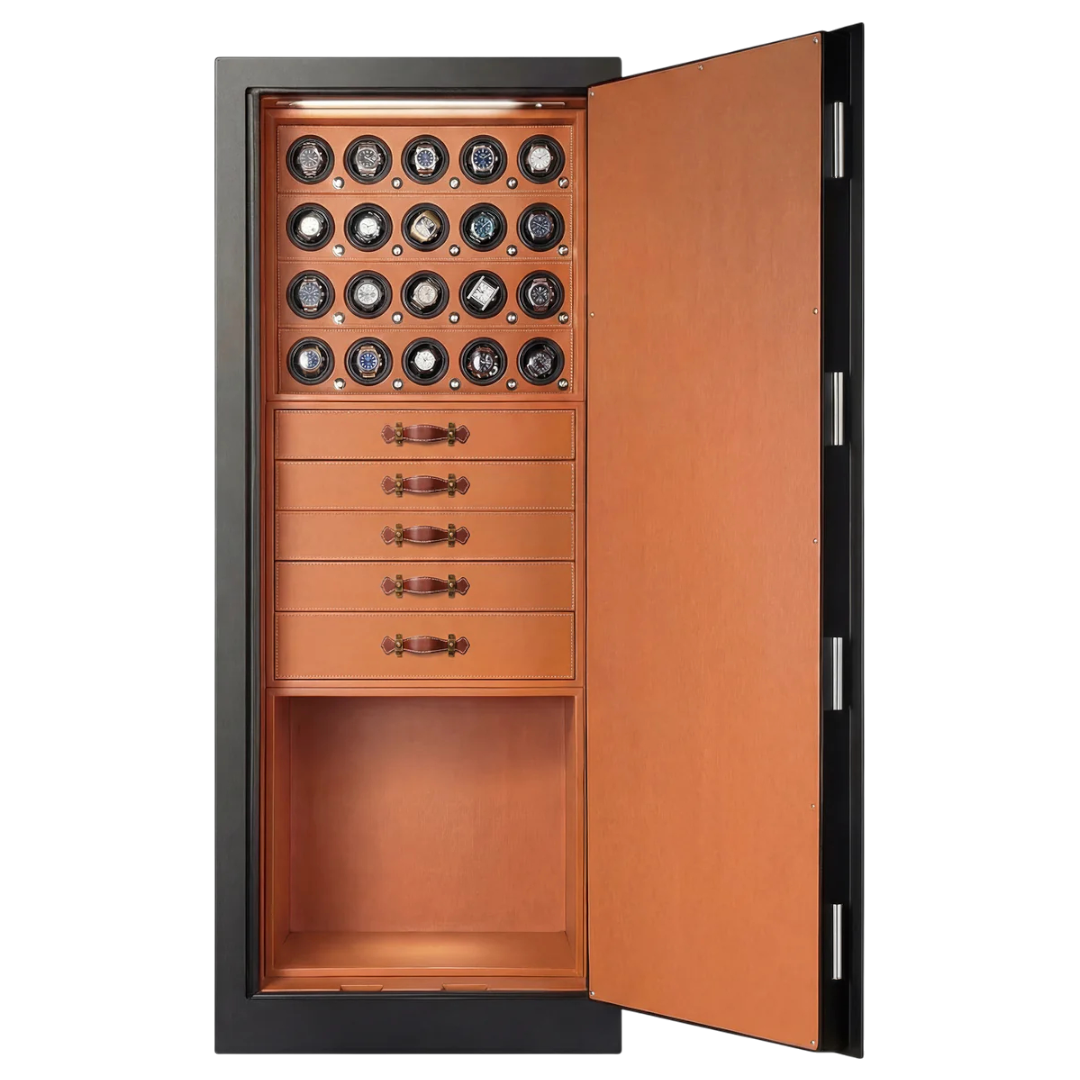
Designed for collectors who demand the best. Explore our premium watch winders and luxury safes.
Protect Your Watch Collection
Designed for collectors who demand the best. Explore our premium watch winders and luxury safes.