
Calibrating a watch winder for a new movement takes five minutes and prevents the two most common mistakes collectors make: running the wrong TPD and winding in the wrong direction.
TL;DR: To calibrate a watch winder for a new movement, match the rotation direction (clockwise, counterclockwise, or bidirectional) to the movement’s specification, set turns per day (TPD) to the manufacturer’s range, then run a 24-hour test and check the power reserve the following morning. A Rolex 3135 wants roughly 650 TPD clockwise; an Omega co-axial often needs bidirectional rotation near 800-900 TPD. Get the direction wrong and the movement still winds, just inefficiently — get the TPD badly wrong and you either underwind or stress the mainspring over months. The Enigwatch Impresario Series 12 and similar programmable winders make this a two-minute adjustment once you know the numbers.
Why this matters
Every automatic movement has a manufacturer-specified TPD range and a preferred rotation direction, and neither is universal. Swap a watch onto a winder set up for the previous movement, and you’re guessing. In 2026, most luxury movements list this data in the owner’s manual or on the brand’s technical spec sheet, but a lot of collectors never check it — they just leave the winder on whatever setting shipped with the box.
Miscalibration doesn’t destroy a movement overnight. It shows up as a watch that reads inaccurate after a weekend on the winder, or one that’s still losing power reserve despite running 24 hours a day. Both are fixable in the time it takes to read this guide.
What you’ll need
- The movement’s caliber number and TPD spec (owner’s manual, brand website, or a caliber reference chart)
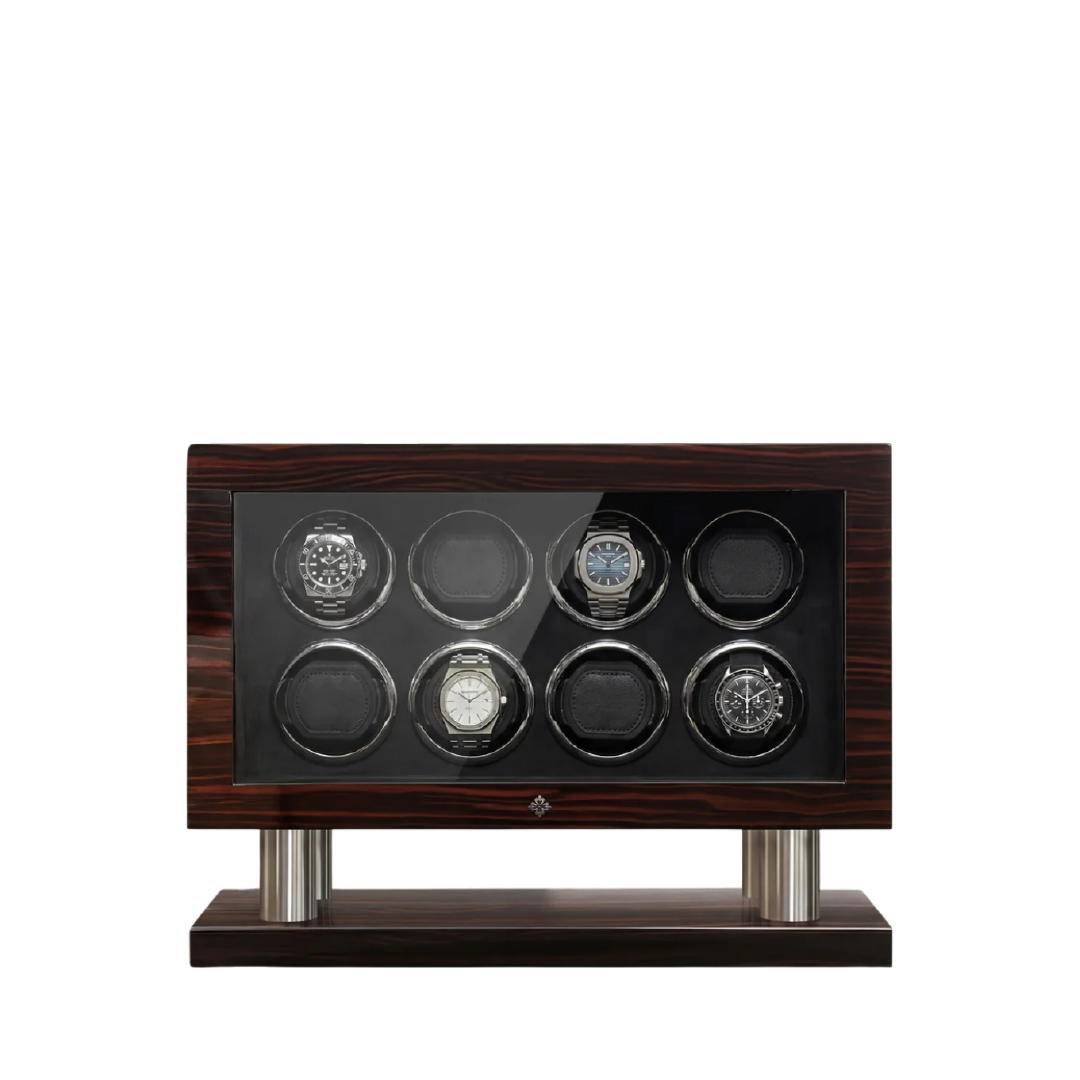
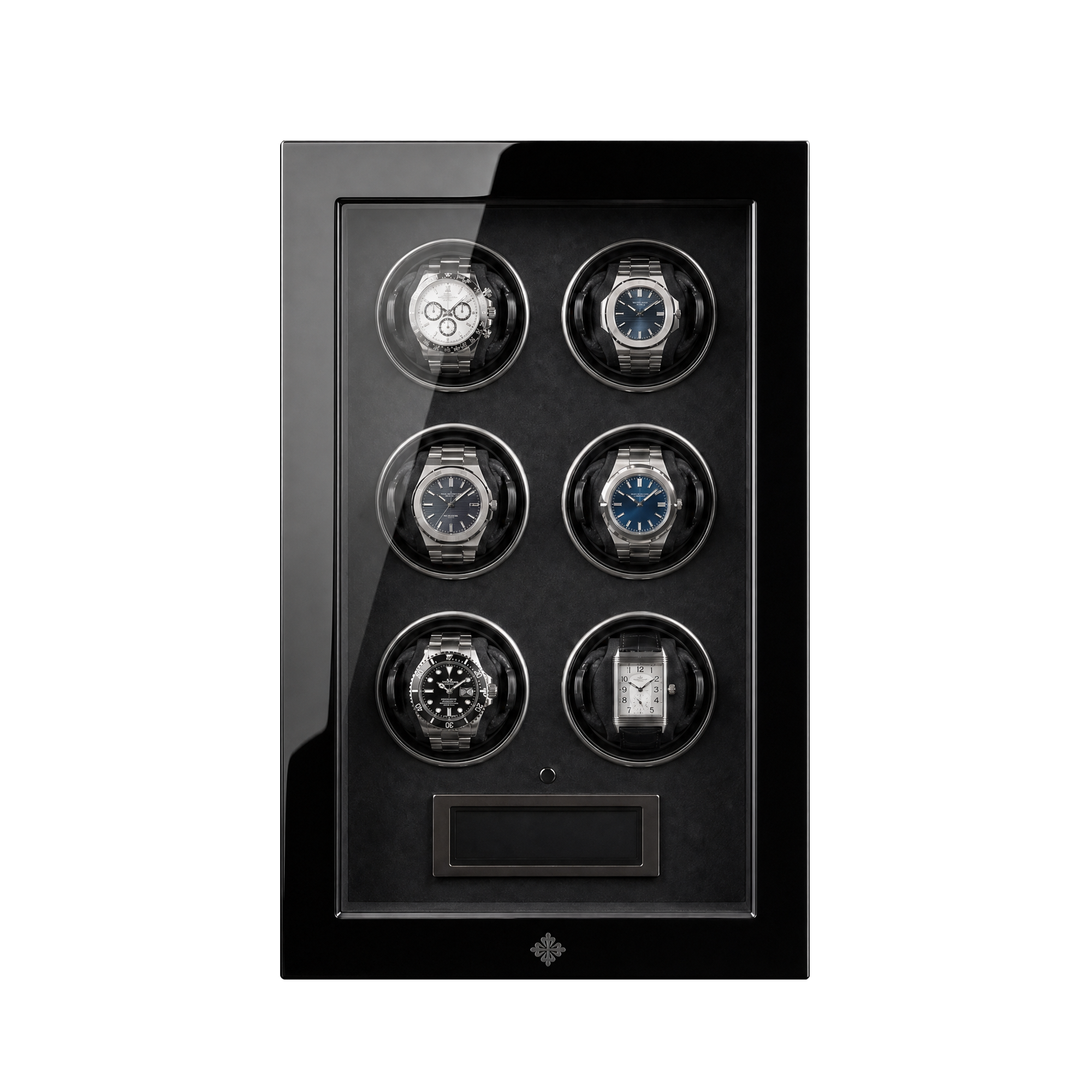
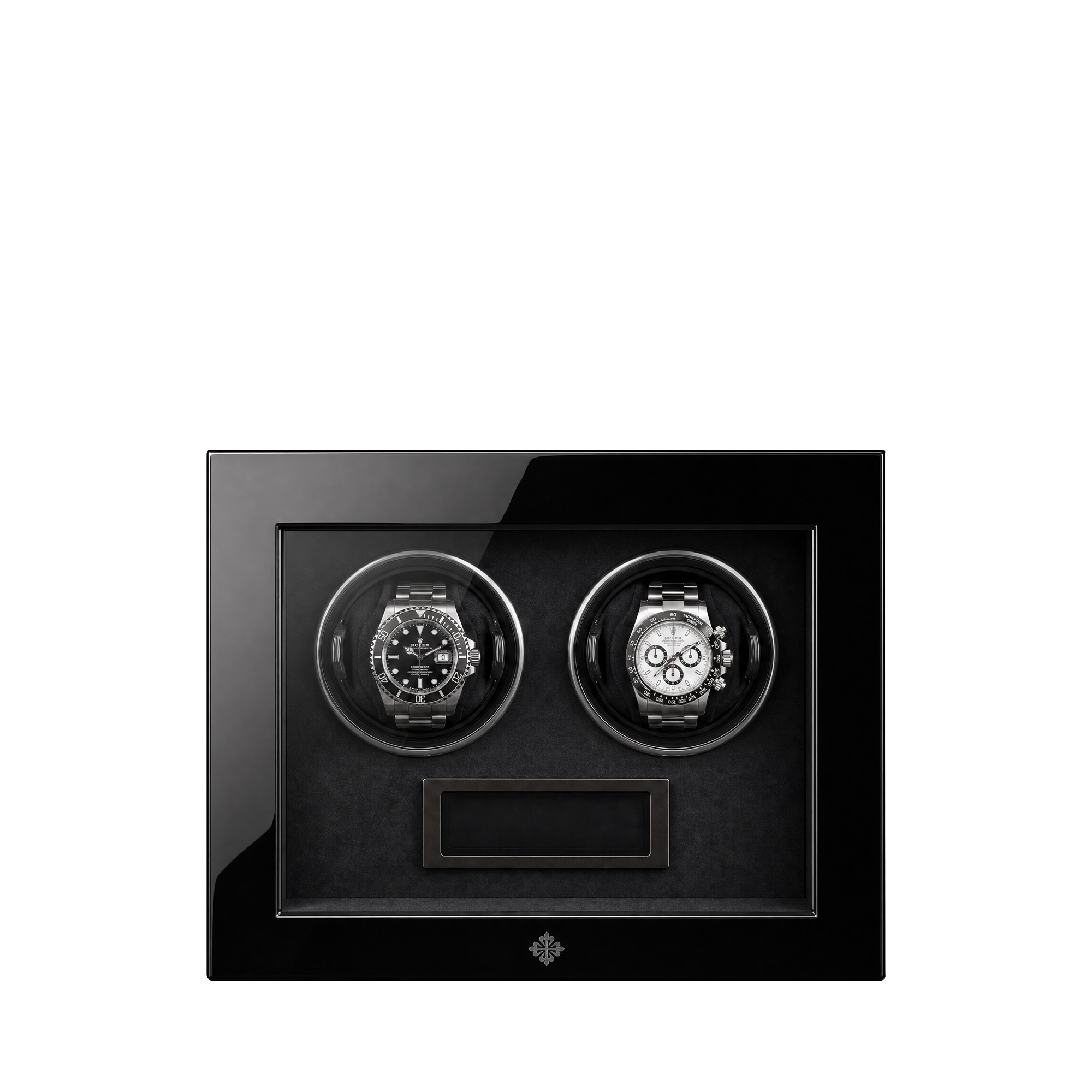
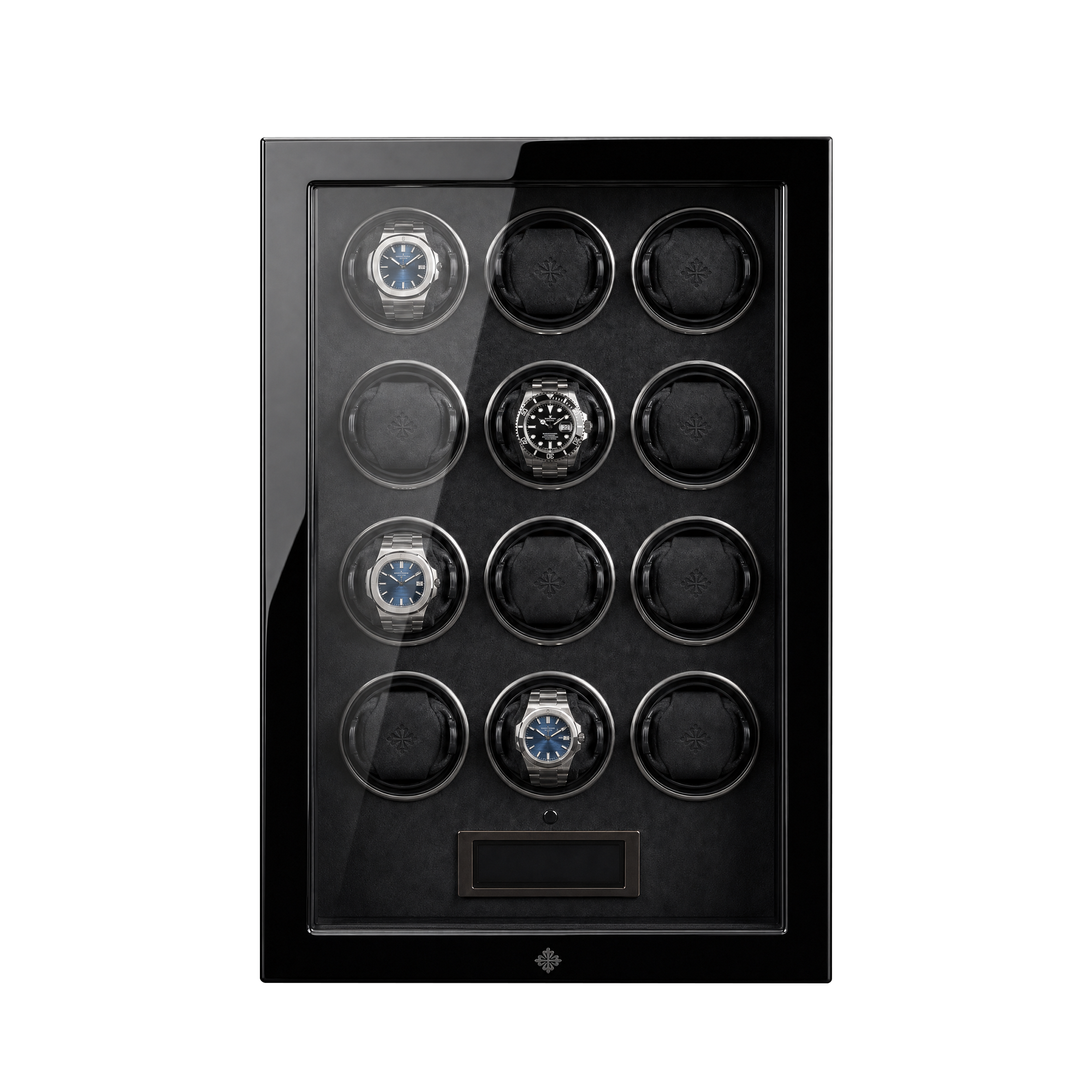
- A programmable watch winder with adjustable TPD and direction settings, such as the Impresario Series 12 watch winder
- 24 hours of uninterrupted winder time for the test cycle
- A way to check power reserve the next day (winding crown resistance or a timegrapher if you have one)
- 5-10 minutes for the initial setup
The steps
1. Identify the movement’s rotation requirement
Most automatic calibers are bidirectional at the rotor but only need winding in one effective direction — clockwise, counterclockwise, or both. This matters because a winder spinning the wrong direction relative to the rotor’s free-wheel mechanism does nothing useful; the mainspring never engages. Check the caliber spec before touching a dial. Getting this step wrong means every other setting is irrelevant.
2. Pull the manufacturer’s TPD number
TPD (turns per day) tells the winder how many rotations to complete in 24 hours to match the movement’s natural winding rate. Ranges typically run from 600 TPD for smaller Swiss calibers up to 950-1,200 TPD for some Japanese and in-house movements. Undershoot and the watch loses power reserve slowly over days; overshoot and you’re adding unnecessary wear cycles to the rotor bearing, not the mainspring itself — overwinding an automatic via a winder is largely a myth, but excess rotor cycling still isn’t free.
3. Set the TPD on the winder
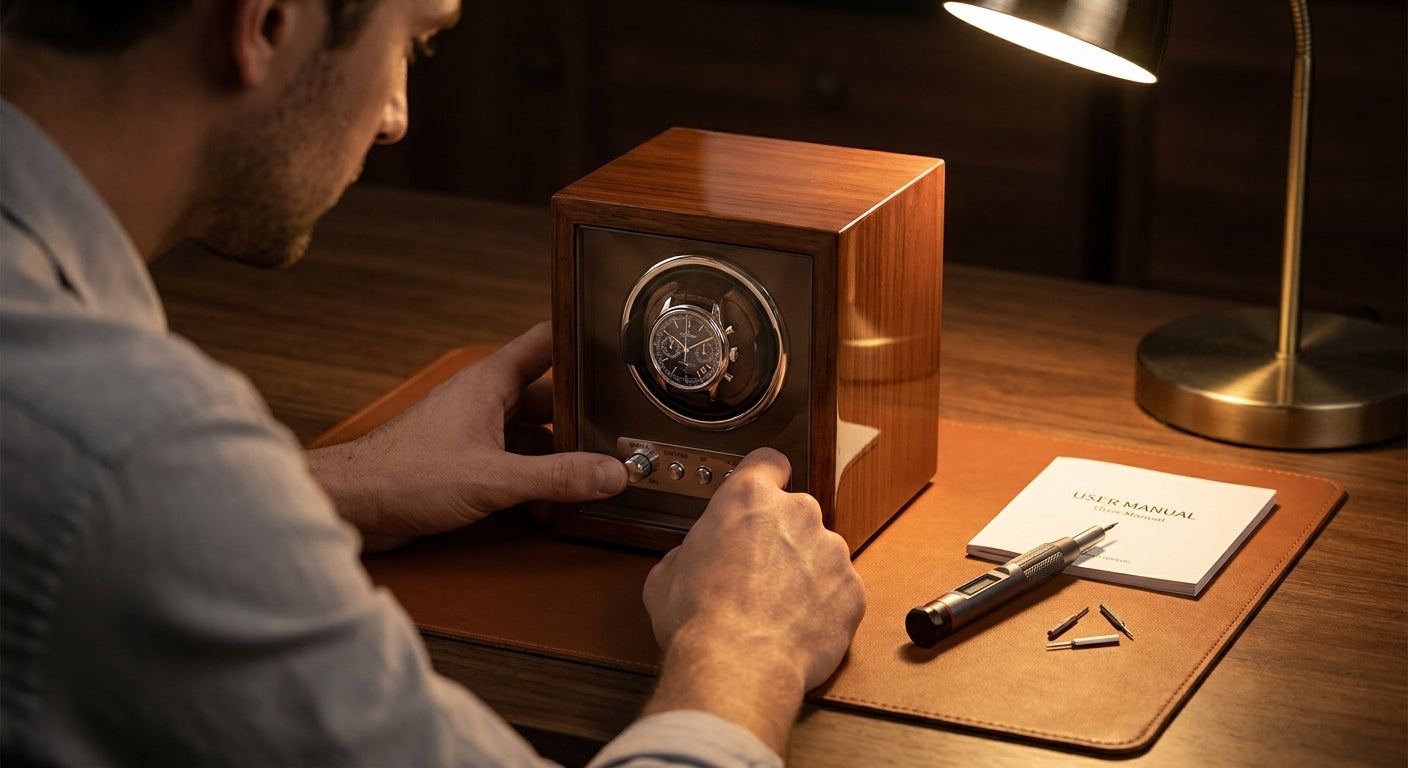
On a programmable unit, this is a dial or digital input — not a physical adjustment to the motor. Set the number in the middle of the manufacturer’s stated range unless you have a specific reason to bias high or low. If the movement lists a range of 650-800, start at 700 and adjust after the 24-hour test.
4. Set the direction (CW / CCW / bidirectional)
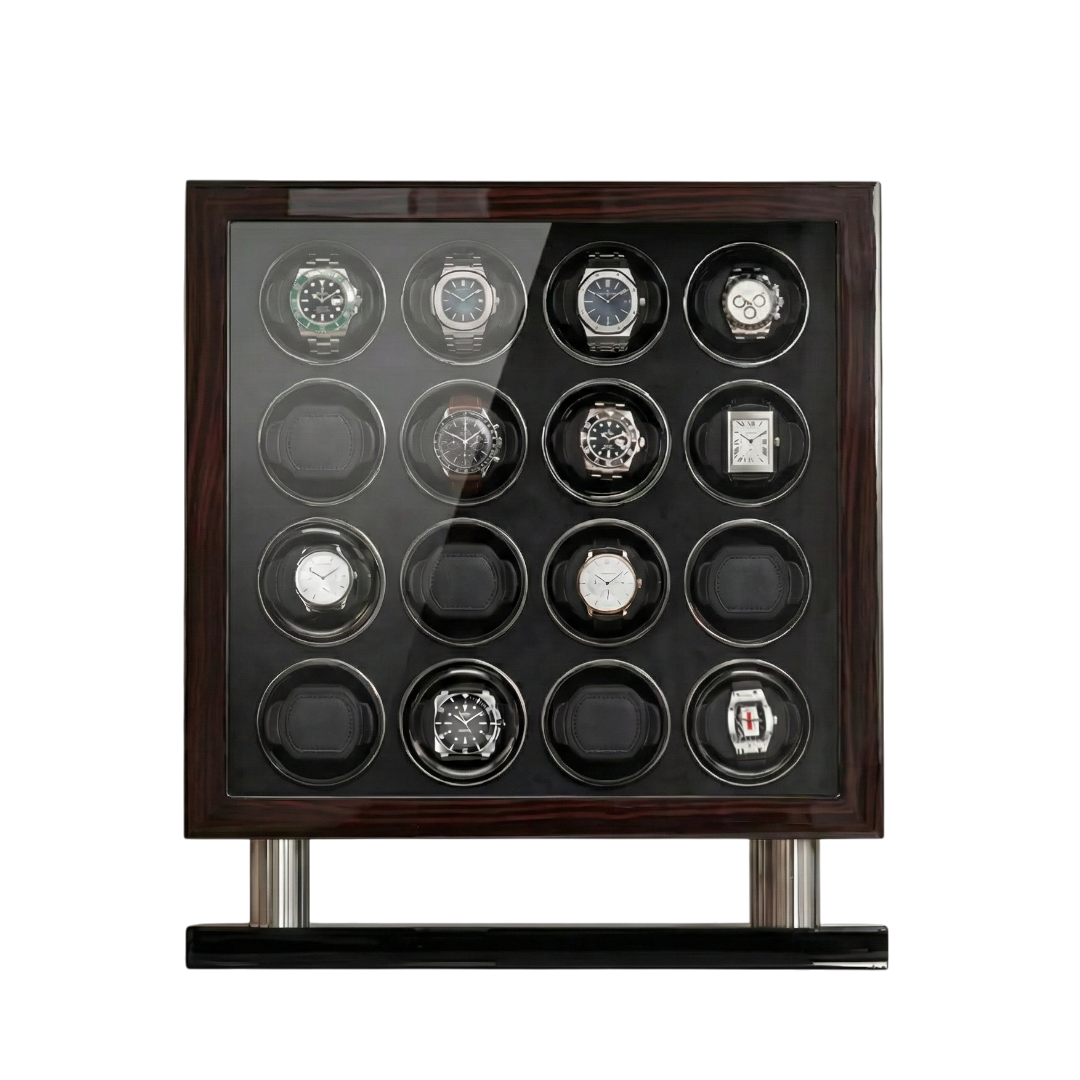
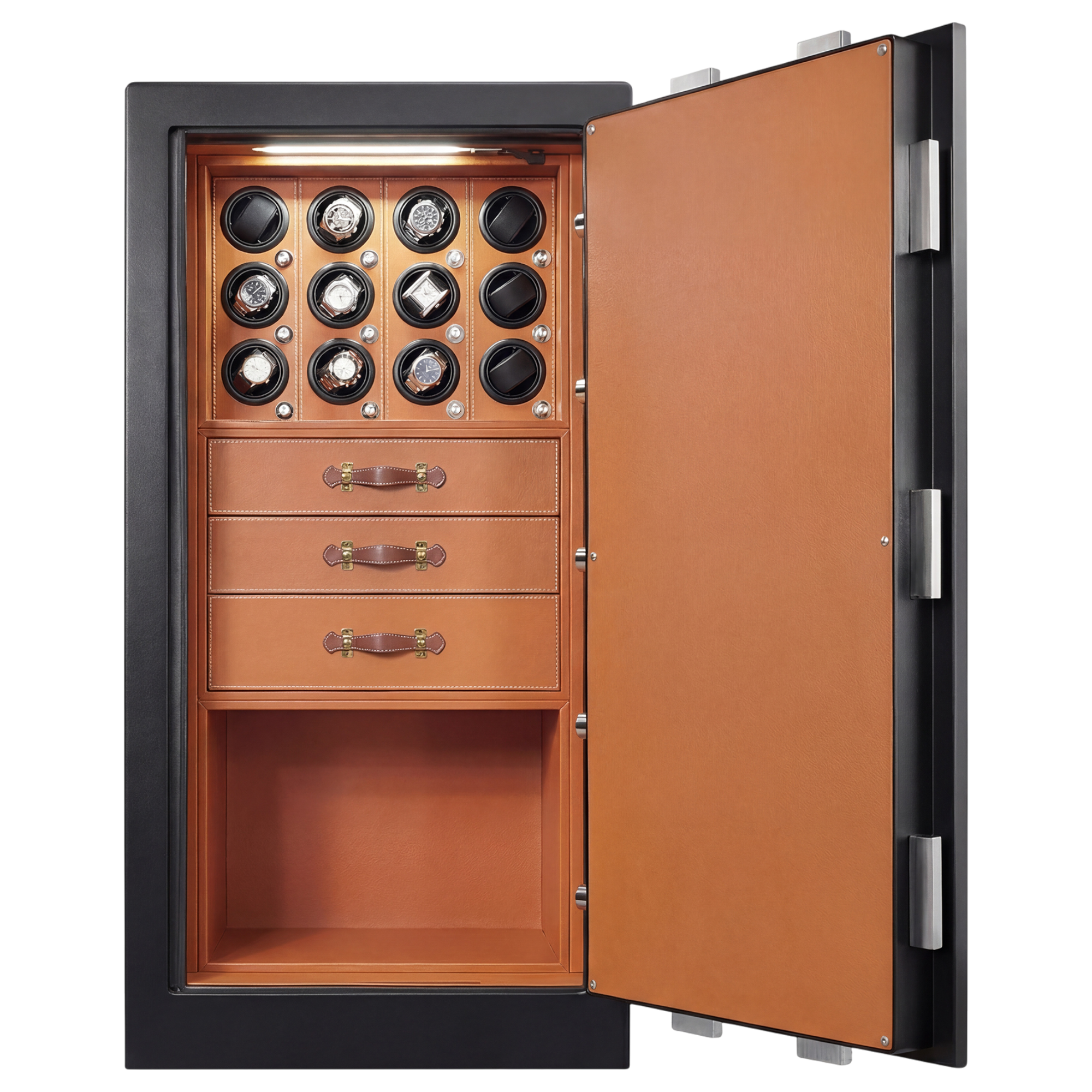
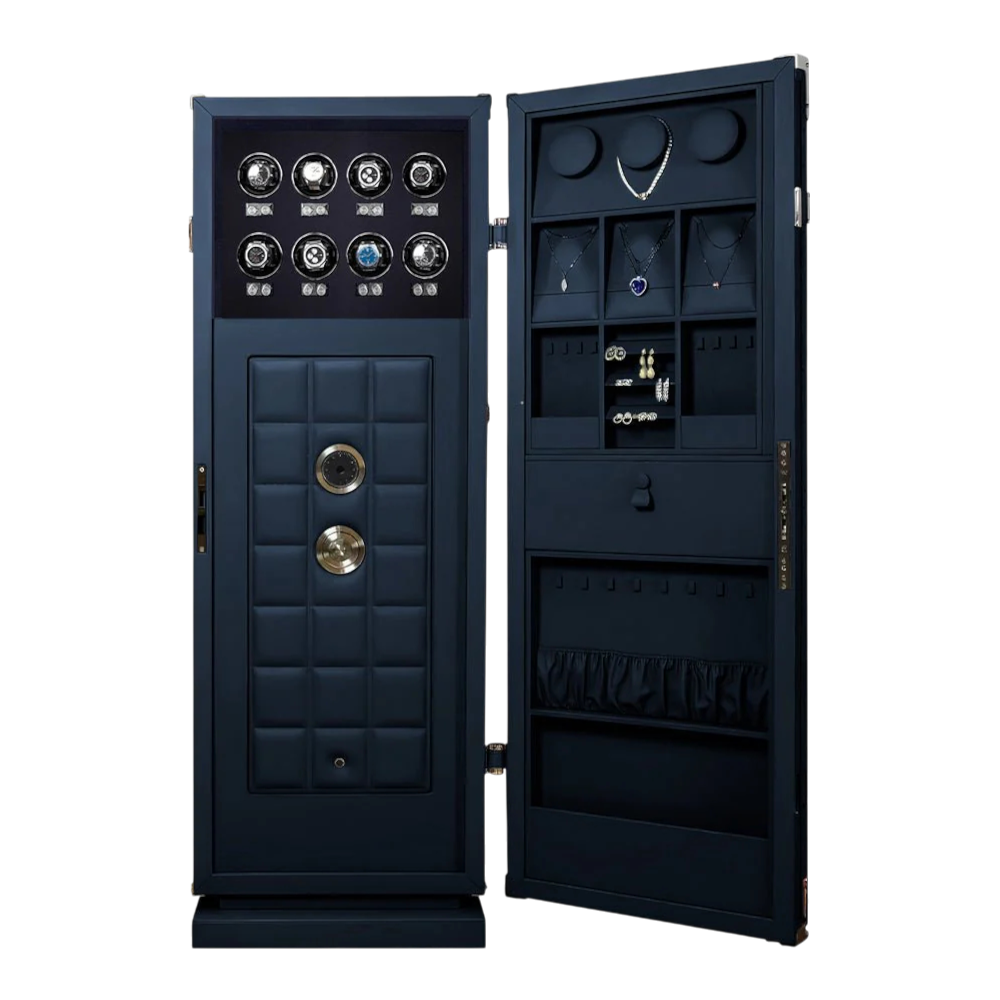
Match the direction setting exactly to what you found in step one. Most Enigwatch winders offer all three modes, which covers the overwhelming majority of automatic calibers on the market today, including mixed collections with Rolex, Omega, and Patek Philippe pieces sharing the same cabinet.
5. Configure rest intervals if the movement calls for one
A handful of calibers specify a rest period between winding cycles rather than continuous rotation. If the spec sheet mentions an interval program, set it now — most programmable winders support this natively. Skipping it when required is a common setup mistake that shows up as inconsistent accuracy.
6. Run a 24-hour test cycle
Load the watch, start the cycle, and leave it untouched for a full day. Don’t check it hourly — the point is to see where power reserve sits after a complete cycle, not mid-cycle. This single test tells you more than any spec sheet guess.
7. Check power reserve and adjust
The next morning, check the crown resistance or run a quick timegrapher reading if available. A movement sitting near full power reserve with normal amplitude means the calibration is correct. If it’s noticeably under, raise the TPD by 50-100 and retest. Common mistake: adjusting TPD after only a few hours instead of a full cycle — the numbers won’t have settled yet.
8. Log the settings
Write the caliber, TPD, and direction on a card or note inside the cabinet, especially in a multi-slot winder holding several different movements. This is the step most people skip, and it’s the reason recalibration takes ten minutes instead of thirty the next time a watch rotates through.
Troubleshooting
- Watch still loses power despite 24/7 winding: Direction is likely wrong before TPD is. Recheck the caliber’s rotor mechanism, not just its stated TPD.
- Watch reads fast or slow after a few days on the winder: This is usually a regulation issue with the movement itself, not a calibration problem — a watchmaker check is the right next move, not another TPD adjustment.
- No TPD spec published for the caliber: Start at 650 TPD bidirectional, run the 24-hour test, and adjust from there — it’s a safe middle ground for most Swiss automatics.
- Motor noise changed after switching movements: Confirm the watch is seated correctly in the holder; a loose fit causes vibration that sounds like a motor issue but isn’t.
- Mixed collection, different calibers, one cabinet: Program each slot independently rather than settling on one compromise setting — see the TPD reference guide for caliber-by-caliber numbers.
- Direction setting unclear from the manual: Rotate the crown by hand and feel for resistance in one direction versus the other — that’s usually the winding direction to match, detailed further in the clockwise vs counterclockwise guide.
Tools and resources
- Caliber TPD reference chart (brand manual or online spec sheet)
- A programmable winder with independent TPD and direction control
- A notepad or the cabinet’s built-in log card for tracking settings across movements
- A basic understanding of your movement’s power reserve rating, usually 38-70 hours depending on caliber
What to do next
Once calibration is dialed in, most collectors run into rotation-program questions next — bidirectional versus single-direction cycling changes wear patterns over years, not days, so it’s worth understanding before you set it and forget it.
FAQ
What TPD should I use for a new movement with no published spec?
Start at 650 TPD bidirectional and run a 24-hour test; most Swiss automatics settle within that range, and you can adjust up or down 50-100 TPD after checking power reserve the next morning.
Does the wrong rotation direction damage a watch?
No, but it does nothing useful — the mainspring simply won’t wind if the rotor’s free-wheel mechanism doesn’t engage in that direction, leaving the watch running down despite sitting on an active winder.
How long should the calibration test cycle run?
A full 24 hours, uninterrupted. Checking mid-cycle gives inaccurate power reserve readings and leads to unnecessary TPD adjustments.
Can one winder cabinet run different TPD settings per slot?
Yes, on programmable multi-slot winders each position is set independently, which is standard for collections mixing brands like Rolex, Omega, and Patek Philippe in the same cabinet.
Is a higher TPD always better for winding efficiency?
No. Overshooting the manufacturer’s range doesn’t speed up winding meaningfully and adds unnecessary rotor cycles; staying inside the stated range is the correct approach in 2026 as it was in prior years.
How do I know if my watch winder is calibrated correctly?
Check power reserve after a full 24-hour cycle — a movement sitting near full reserve with normal amplitude on a timegrapher confirms correct TPD and direction.
Do vintage automatic movements need different calibration than modern ones?
Often yes — many vintage calibers specify lower TPD ranges around 600-700 due to older mainspring construction, so check period-specific documentation rather than assuming modern defaults apply.
What happens if I never recalibrate when switching movements?
The watch may still wind partially, but inconsistent power reserve and inaccurate timekeeping are common outcomes — recalibration takes under ten minutes and eliminates the guesswork.
One last thing
The detail most collectors miss isn’t TPD or direction — it’s that the same caliber can carry different manufacturer-recommended TPD figures depending on the case size and rotor mass in a given reference, so two watches sharing a movement family aren’t always calibrated identically. Check the specific reference, not just the caliber family, before you commit to a setting for months.
Related guides
Protect Your Watch Collection
Designed for collectors who demand the best. Explore our premium watch winders and luxury safes.
Protect Your Watch Collection
Designed for collectors who demand the best. Explore our premium watch winders and luxury safes.