
A watch winder either keeps your automatic moving or it doesn’t — and the difference between the two shows up in five checks you can run in under ten minutes.
TL;DR
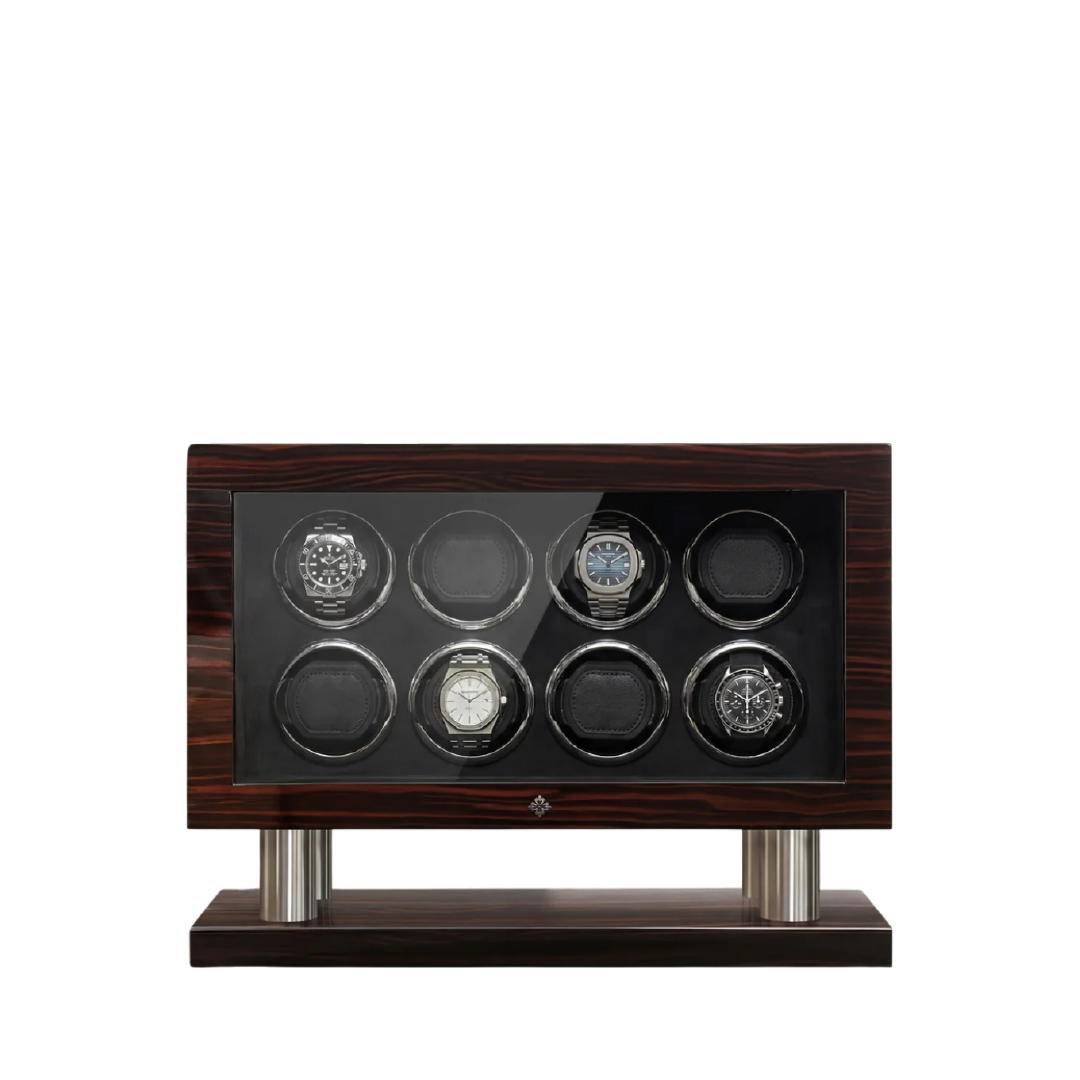
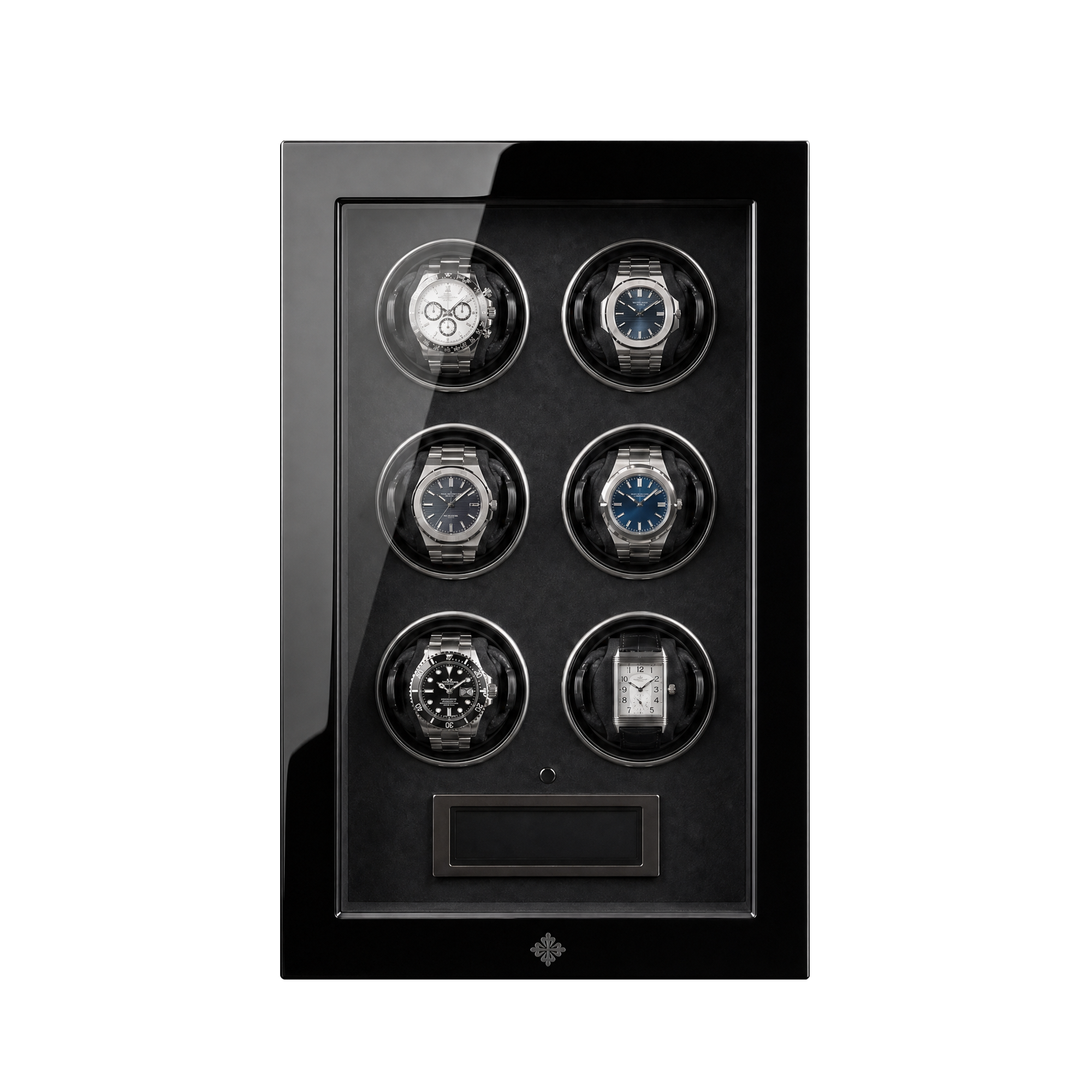
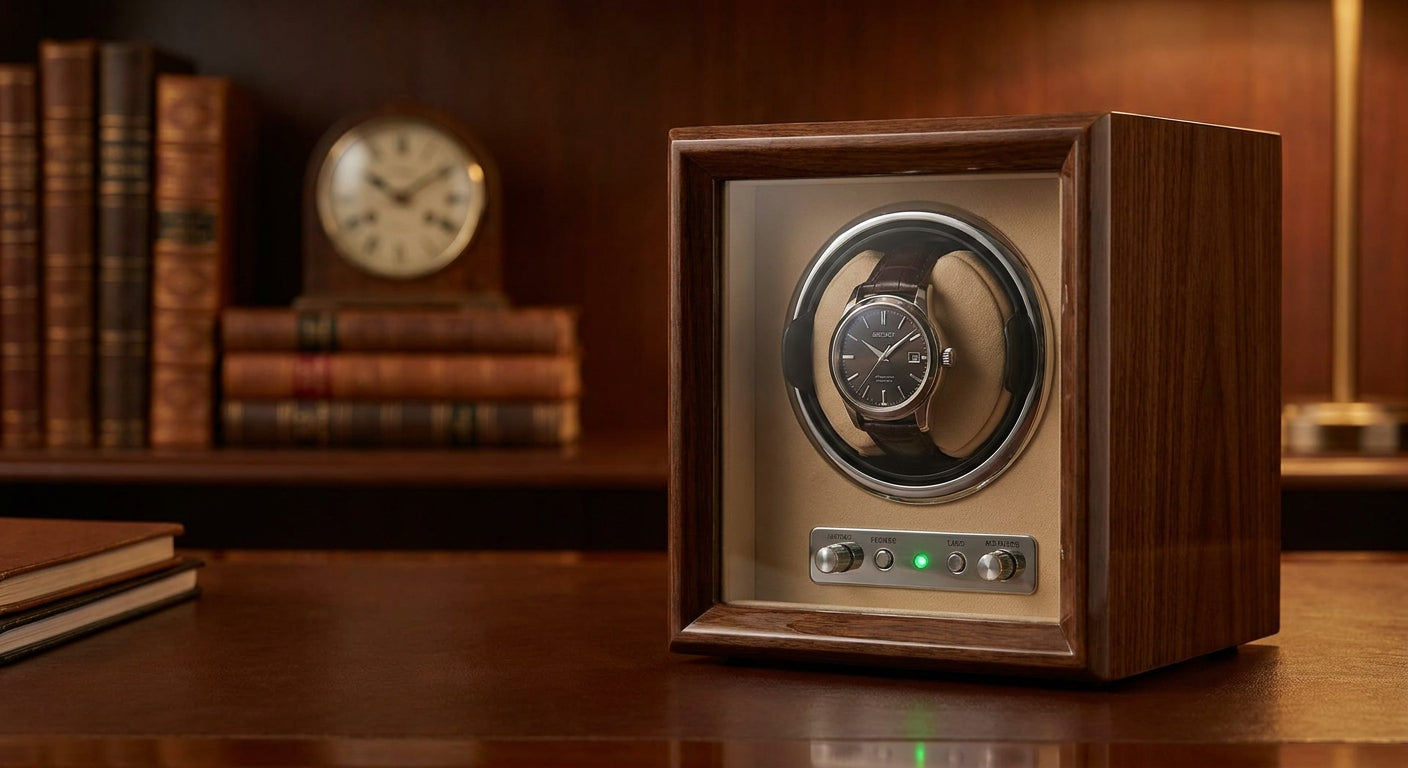
A working watch winder rotates the rotor cage at the interval you set, keeps the watch’s power reserve topped off overnight, and produces no grinding, clicking, or heat at the motor housing. If your watch reads the same time it did the night before, or stops within a few hours of leaving the winder, something’s off — check the TPD setting, the rotor seating, and the motor first. The Enigwatch Impresario Series 6 watch winder, run at 650 TPD bidirectional, is a good reference point: after eight hours it should show full wind and correct time, no exceptions. If your unit misses that mark in 2026, the fix is almost always TPD, direction, or a rotor that isn’t fully seated — not a dead motor.
Why this matters
An automatic watch that isn’t wound loses accuracy the moment its mainspring runs down, and a mispositioned date wheel means resetting complications you’d rather not touch daily. A malfunctioning winder doesn’t announce itself — it just lets the watch quietly stop between wearings. Collectors with six-figure pieces in an Impresario Series 6 or similar unit lose more sleep over silent failure than loud failure, because loud failure at least tells you something’s wrong.
The checks below apply to any winder — Enigwatch or otherwise — but the reference numbers (TPD ranges, expected wind times) are calibrated to what a properly functioning Japanese Mabuchi motor should deliver in a modern winder built in 2026.
What you’ll need
- A fully wound watch (hand-wind it for 30 seconds if it’s been sitting)
- A notepad or phone to log the time before you close the winder box
- 8-12 hours of uninterrupted run time for the test
- The winder’s manual or settings dial (TPD and direction switch)
- A flashlight, for checking rotor seating and motor housing
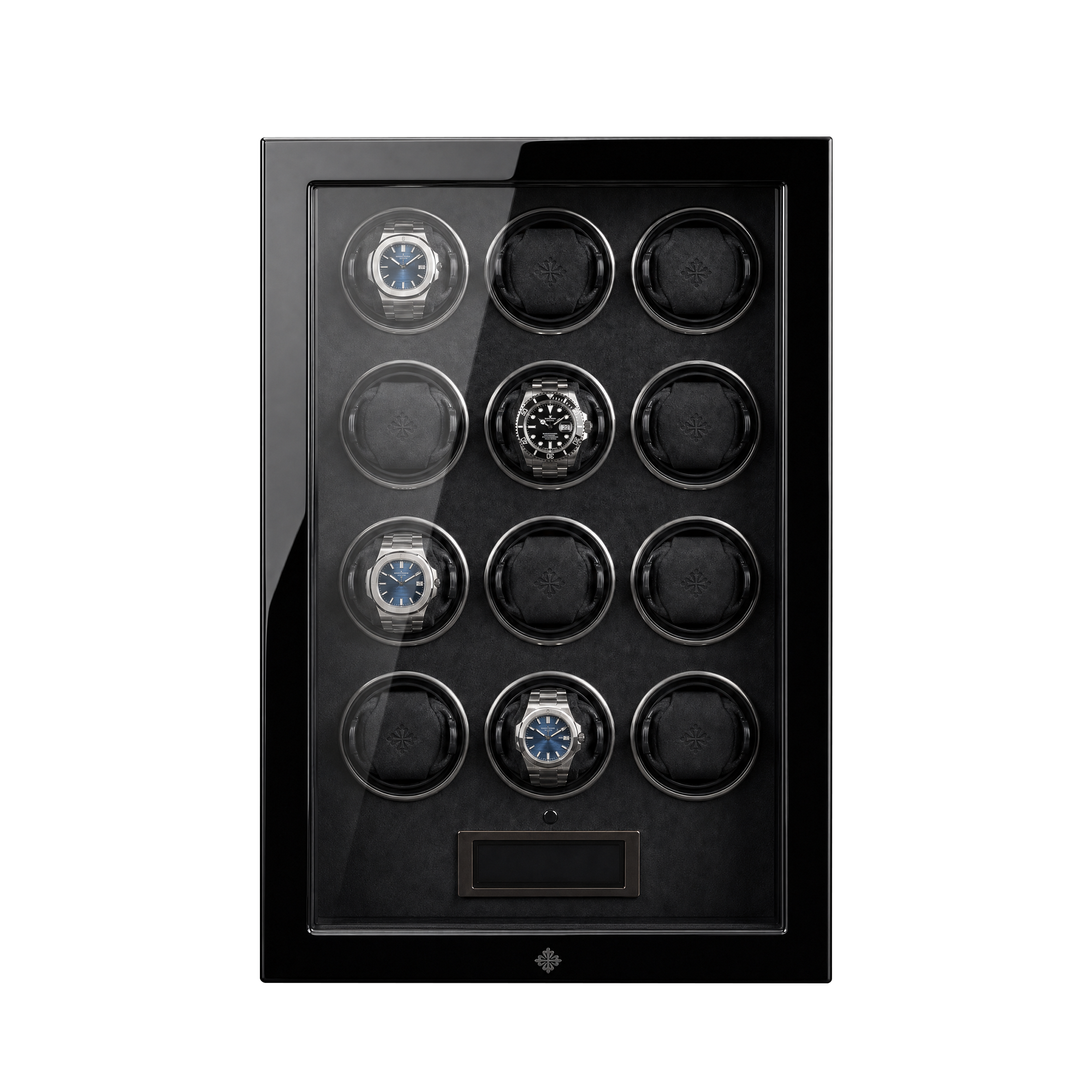
If you’re testing a new unit like a Virtuoso Series 12 watch winder, do this test before you load a real piece in — run it with a cheap automatic or empty for the first cycle.
The steps
1. Set the watch and log the exact time
Wind the watch fully by hand, set it to the correct time, and write down the exact minute before closing the lid. This gives you a baseline you can check against after the test window. Skipping this step is the single biggest reason people misdiagnose a working winder as broken — they forget what time they started at.
2. Confirm the TPD matches the movement
Most automatic calibers need somewhere between 600 and 950 turns per day (TPD) — Rolex movements typically run 650-800, Omega co-axial calibers often want 800-900. Check your watch’s stated TPD against the winder’s dial setting. A winder set too low simply won’t generate enough winding energy even if the motor is perfectly healthy.
Common mistake: setting TPD from memory instead of checking the actual movement. A Miyota 8215 and a Rolex 3235 have very different requirements.
3. Check the rotation direction
Some calibers wind in one direction only, others need bidirectional rotation. If your winder is set to clockwise-only and your watch’s rotor only catches counterclockwise motion, you’ll get zero wind despite the motor running fine. Flip the direction switch and re-test if the first cycle shows no gain.
4. Watch the rotor cage for a full rotation cycle
Open the lid and watch one full cycle. A properly functioning winder pauses, rotates the cage a set number of turns, then rests — this is the TPD program working as designed, not a malfunction. If the cage doesn’t move at all, or moves erratically and stalls mid-turn, that points to a motor or gear issue rather than a settings problem.
5. Listen and feel the motor housing
Run your fingertip near the base of the winder during a rotation cycle. A healthy Mabuchi motor runs near-silent with no vibration you can feel through the housing. Grinding, clicking, or a housing that’s warm to the touch after a few hours signals wear or debris in the gear train — not something to ignore, since it usually gets worse.
6. Check the watch after 8-12 hours
Open the winder and compare the time on the watch to what a synced phone or reference clock shows. A correctly wound automatic should be within a few seconds per day of accurate — if it’s lost several minutes, or stopped altogether, the winder isn’t delivering enough turns, or the TPD/direction setting from steps 2-3 needs adjustment.
7. Test power reserve after removing the watch
Pull the watch off the winder once it’s confirmed fully wound and let it sit unworn. Most automatics hold a 40-70 hour power reserve; if the watch stops well short of its rated reserve, the winder may not have actually delivered a full wind despite looking like it was running.
Troubleshooting
Rotor spins but the watch never gains power. Check TPD first — roughly eight times out of ten it’s set too low for the movement. See how to set TPD on a luxury watch winder for caliber-specific numbers.
Winder makes a grinding or clicking sound. This is a gear or motor issue, not a settings issue — read how to clean a watch winder rotor and motor before assuming the motor is dead; dust and lint buildup causes more noise complaints than actual motor failure.
Watch stops overnight even with the winder running. Confirm the rotor cushion is holding the watch snugly — a loose fit means the winder’s rotation doesn’t transfer to the watch’s own rotor. Re-seat the watch and re-test for 8 hours.
Winder stopped completely after a power cut. This is a settings-reset issue in most units, not a hardware fault — see what happens to your watch during a watch winder power outage for what to check on restart.
Motor housing feels warm after a few hours. Mild warmth on a unit running 12+ hours straight is normal in most winders built in 2026; hot-to-touch or a burning smell means stop the unit and inspect immediately.
Date or day wheel is off after a full cycle. This usually isn’t a winder fault at all — it’s a complication that needs manual correction after any period off the wrist, winder or not.
Tools and resources
- Your winder’s TPD and direction dial (check the manual before assuming defaults)
- A synced reference clock or phone for the 8-12 hour comparison test
- The Impresario Series 6 watch winder product page, if you’re comparing your unit’s expected performance against a known Mabuchi-motor reference build
- A flashlight for inspecting rotor seating and motor housing without full disassembly
What to do next
If the test above confirms the winder is functioning correctly, log the TPD and direction settings somewhere you’ll remember them — most misdiagnosed “broken” winders are just re-set to defaults after a battery change or power cut. If you’re troubleshooting after an actual outage, walk through how to reset a watch winder after power loss step by step before assuming a repair is needed.
FAQ
How do I know if my watch winder is actually working?
Run the watch for 8-12 hours in the winder, then compare its time and power reserve to a synced reference. A working winder keeps the watch within a few seconds per day of accurate and holds close to its rated power reserve once removed.
Why does my watch stop even though the winder is running?
The rotor cage is usually spinning, but TPD is set too low or the rotation direction doesn’t match the caliber’s winding direction — check both settings before assuming a mechanical fault.
Is it normal for a watch winder motor to make noise?
A healthy Mabuchi motor runs close to silent. Grinding or clicking during rotation points to gear wear or dust buildup, not normal operation.
How many TPD does my watch need?
Most automatics need 600-950 TPD depending on caliber — Rolex movements typically run 650-800, while some Omega co-axial calibers want closer to 900. Check the movement spec rather than guessing.
Can a power outage damage a watch winder?
No, but it usually resets the TPD program to default, which can look like a malfunction. Restoring the correct settings after power returns usually solves it.
Should the motor housing get warm during use?
Mild warmth after several hours of continuous running is typical in 2026-era winders. Hot-to-the-touch housing or any burning smell means stop the unit and inspect it.
How long should I test a winder before deciding it’s faulty?
Give it a full 8-12 hour cycle before judging — shorter tests don’t give the mainspring enough time to show a real gain or loss.
Does a working winder mean the watch never needs manual winding?
No — date and day complications on some calibers still need manual correction if the watch sat off the wrist for any stretch, winder or not.
One last thing
Most “broken winder” complaints in 2026 trace back to a TPD dial bumped during cleaning, not an actual motor failure — check the setting before you check the warranty.
Protect Your Watch Collection
Designed for collectors who demand the best. Explore our premium watch winders and luxury safes.
Protect Your Watch Collection
Designed for collectors who demand the best. Explore our premium watch winders and luxury safes.