
A watch winder magnetic clasp precaution list matters the moment your automatic sits a few centimeters from another rotor, because a magnetized folding clasp doesn’t stay contained to its own slot.
- A watch winder magnetic clasp risk is real: keep magnetic-clasp watches at least 3 inches from other rotors.
- Test the clasp with a paperclip first — not every folding clasp sold in 2026 carries a magnet.
- A movement gaining or losing more than 15 seconds a day after winding likely picked up magnetism — demagnetize it.
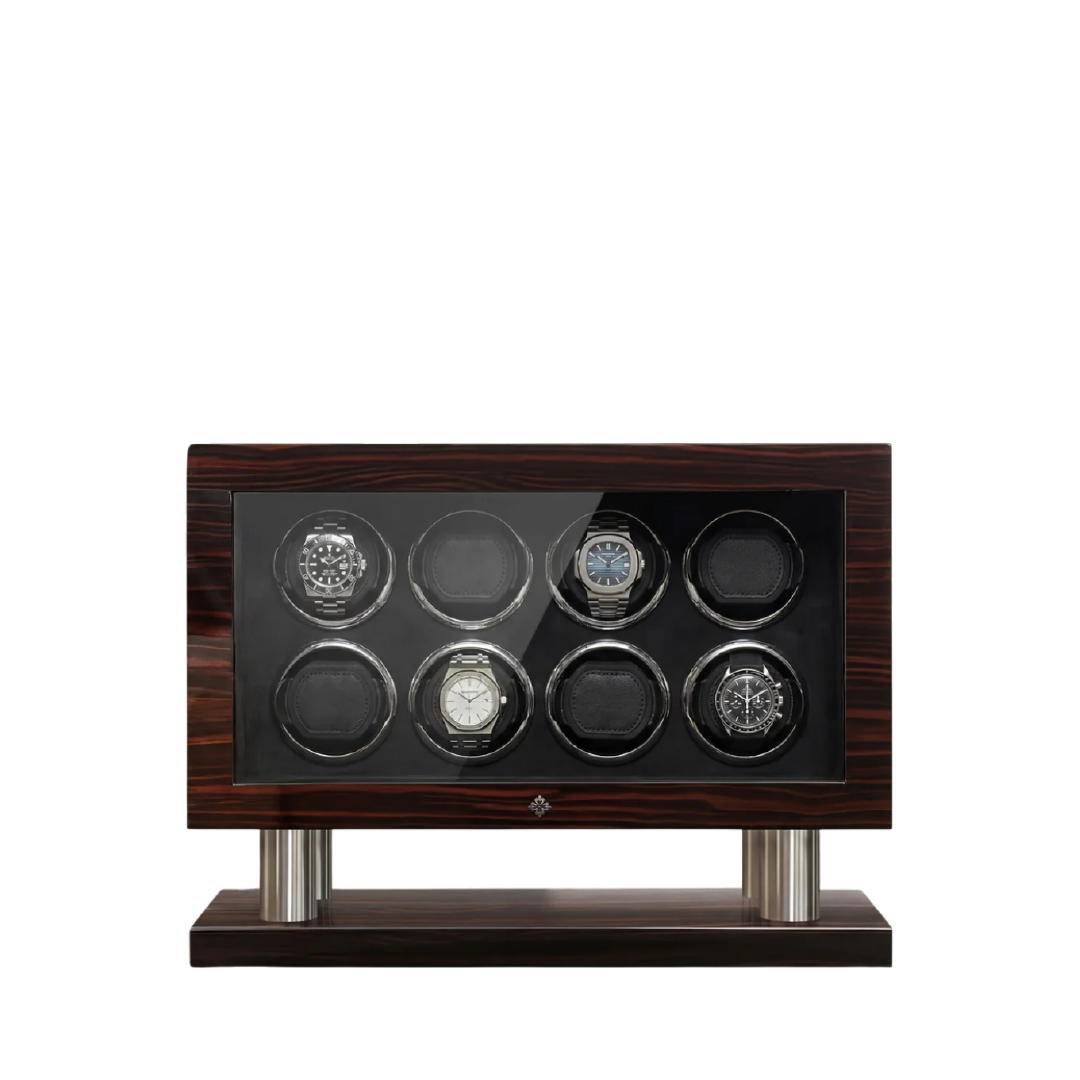
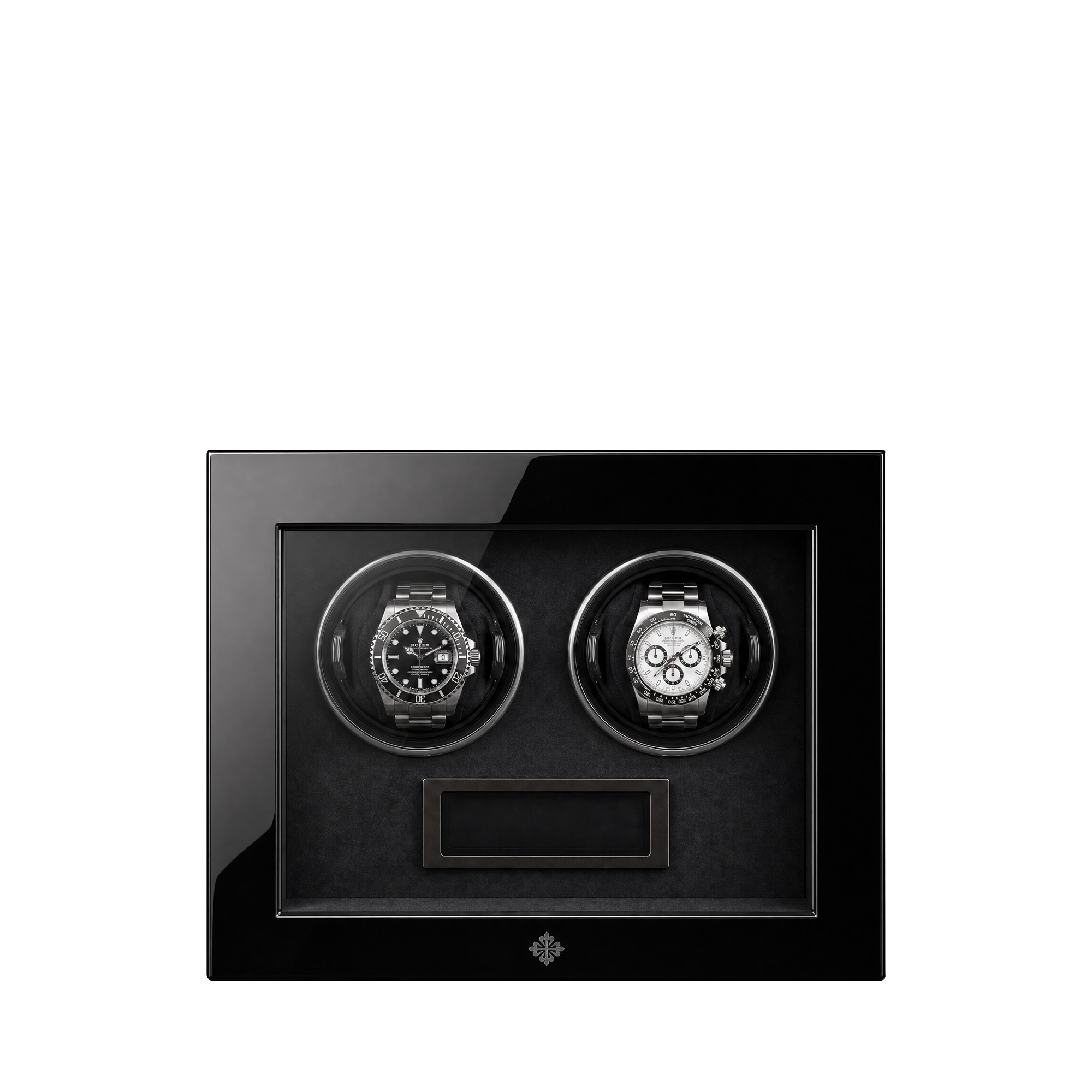
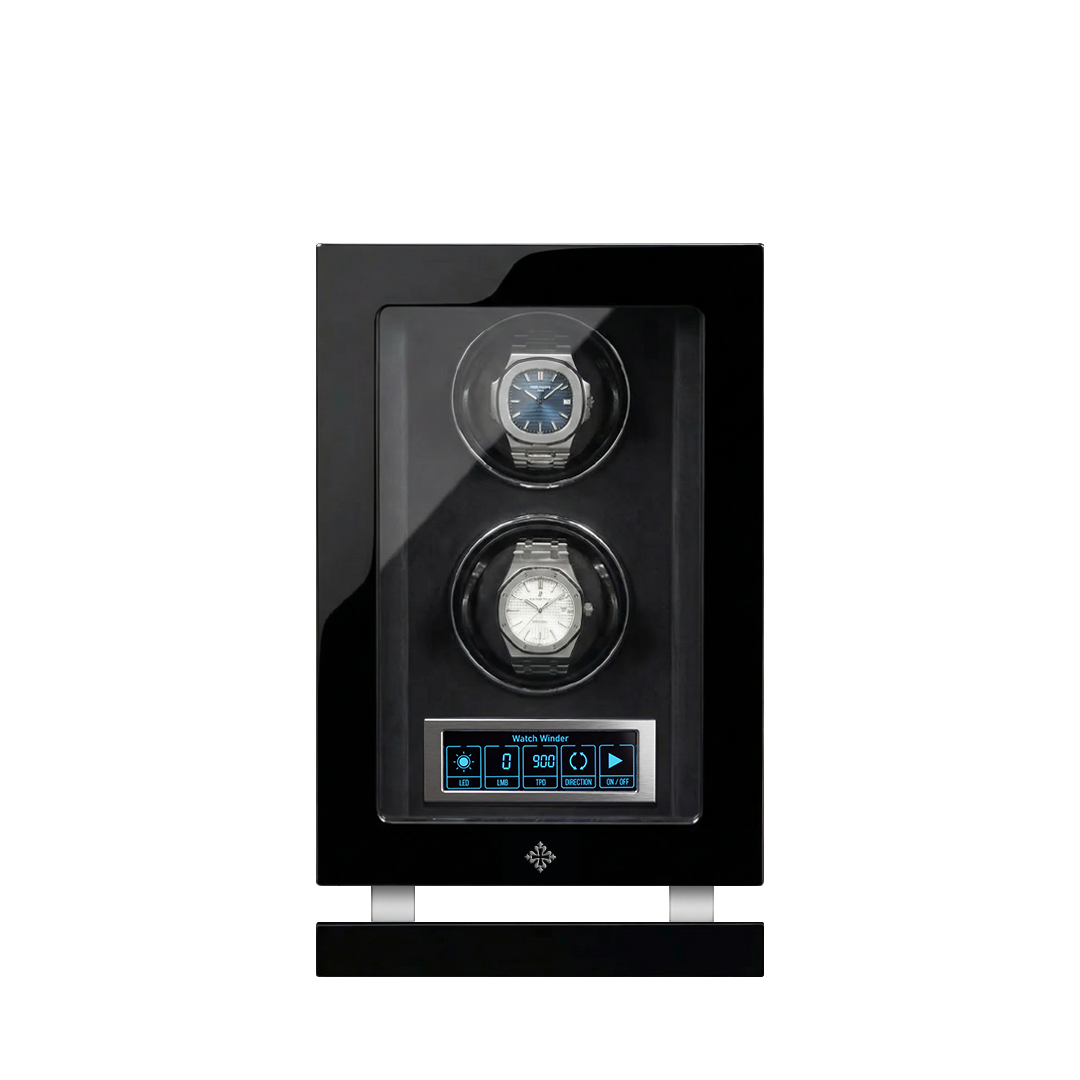
- Enigwatch’s Impresario Series 2 watch winder ($649) isolates two watches on independent programs, the safest single-box fix. Buy it.
- Alcantara linings scuff faster under a magnetic clasp’s hinge — reposition the watch or add a winder pillow.
Why This Matters
A magnetic clasp is not a rumor accessory brands invented for marketing copy. Some folding clasps use small embedded magnets to snap the deployant shut, and a magnet sitting a few millimeters from a hairspring is exactly the setup that causes rate deviation in an automatic movement. Magnetism doesn’t announce itself the way a scratch does — a watch can run 20 seconds fast a day for weeks before an owner checks it against a phone clock.
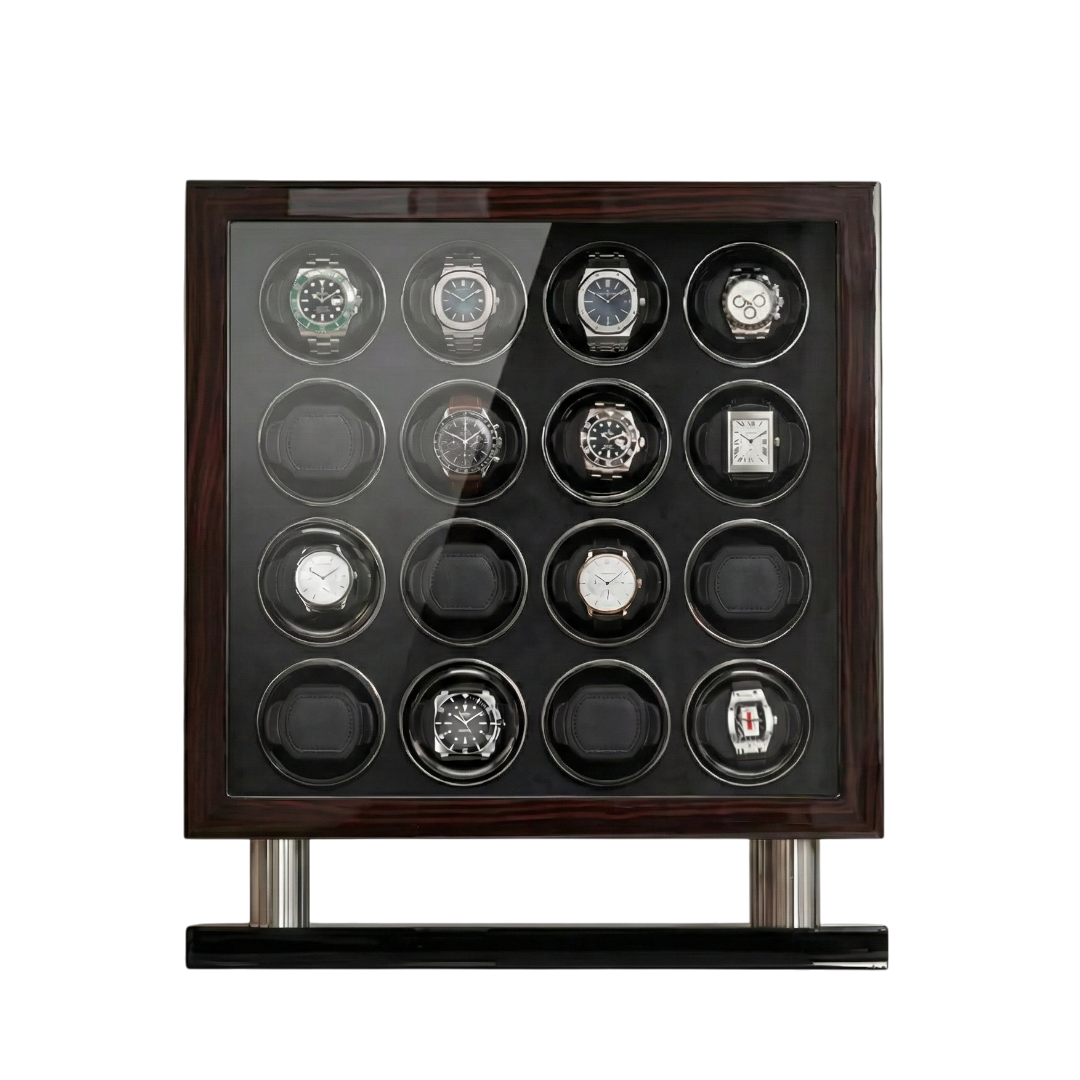
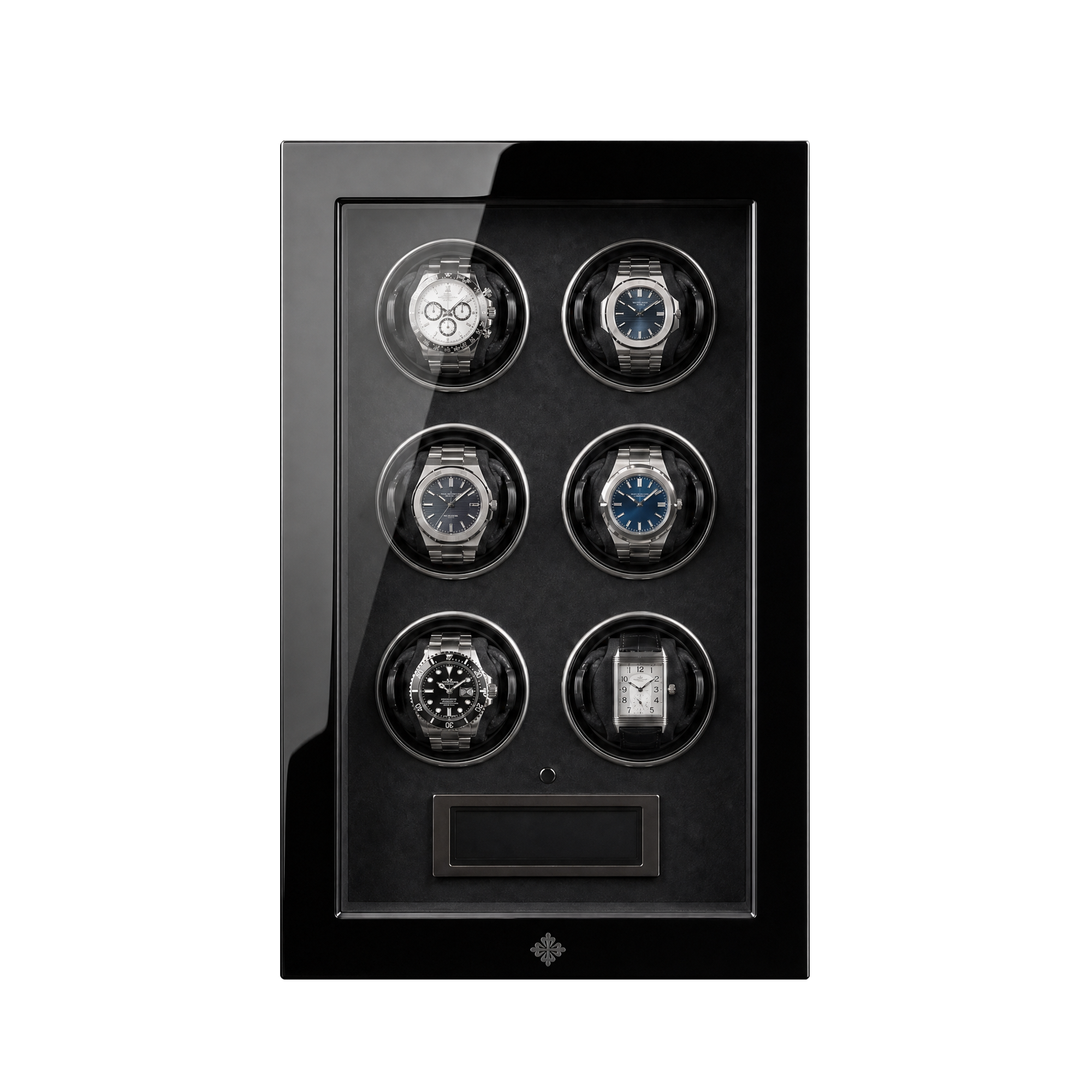
Inside a multi-slot winder box, the risk compounds. Rotors sit inches apart, and a magnetized clasp resting against a neighboring movement for 2026’s typical eight-hour daily cycle is enough exposure to shift a balance spring’s rate. This isn’t theoretical — it’s the same principle that makes airport security trays and phone cases with magnetic mounts a known hazard for automatic watches.
What You’ll Need
- A small steel paperclip or screwdriver tip, to test whether the clasp actually pulls
- A loupe or strong light, to check the clasp hinge for wear
- A timegrapher app or a stopwatch and a fixed reference clock, to track rate over 48 hours
- A single or dual-slot winder with independent programs — not a shared-motor box
- A soft microfiber cloth for the interior lining
The Steps
Step 1: Confirm the Clasp Is Actually Magnetic
Not every folding clasp marketed as “magnetic” carries enough force to matter, and not every clasp that snaps shut firmly is magnetic at all — some use spring-loaded latches that just feel similar. Hold a steel paperclip near the clasp’s closure point. If it pulls from more than a centimeter away, treat the watch as magnetic for storage purposes. Skipping this test means you either over-isolate a harmless watch or under-isolate a real risk.
Step 2: Isolate the Watch by Slot, Not Just by Box
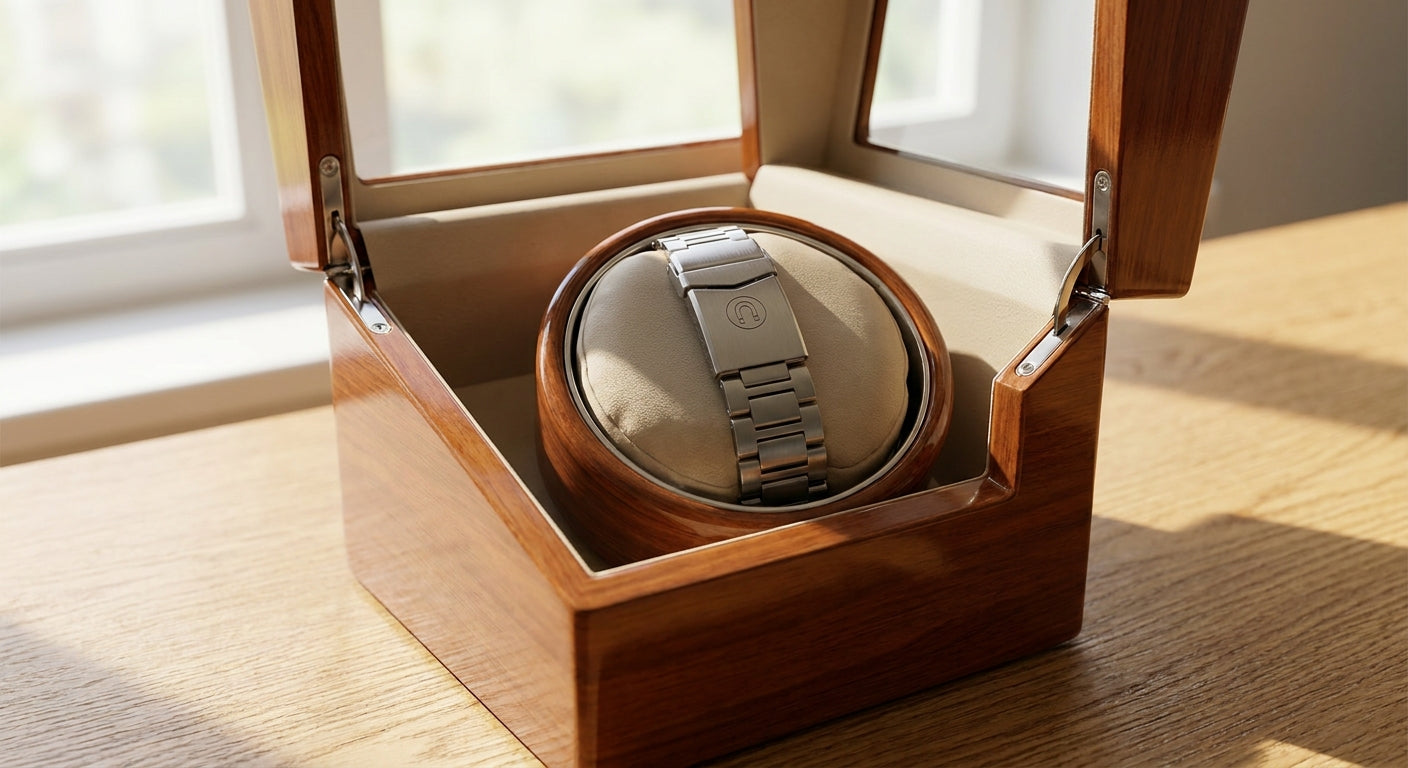
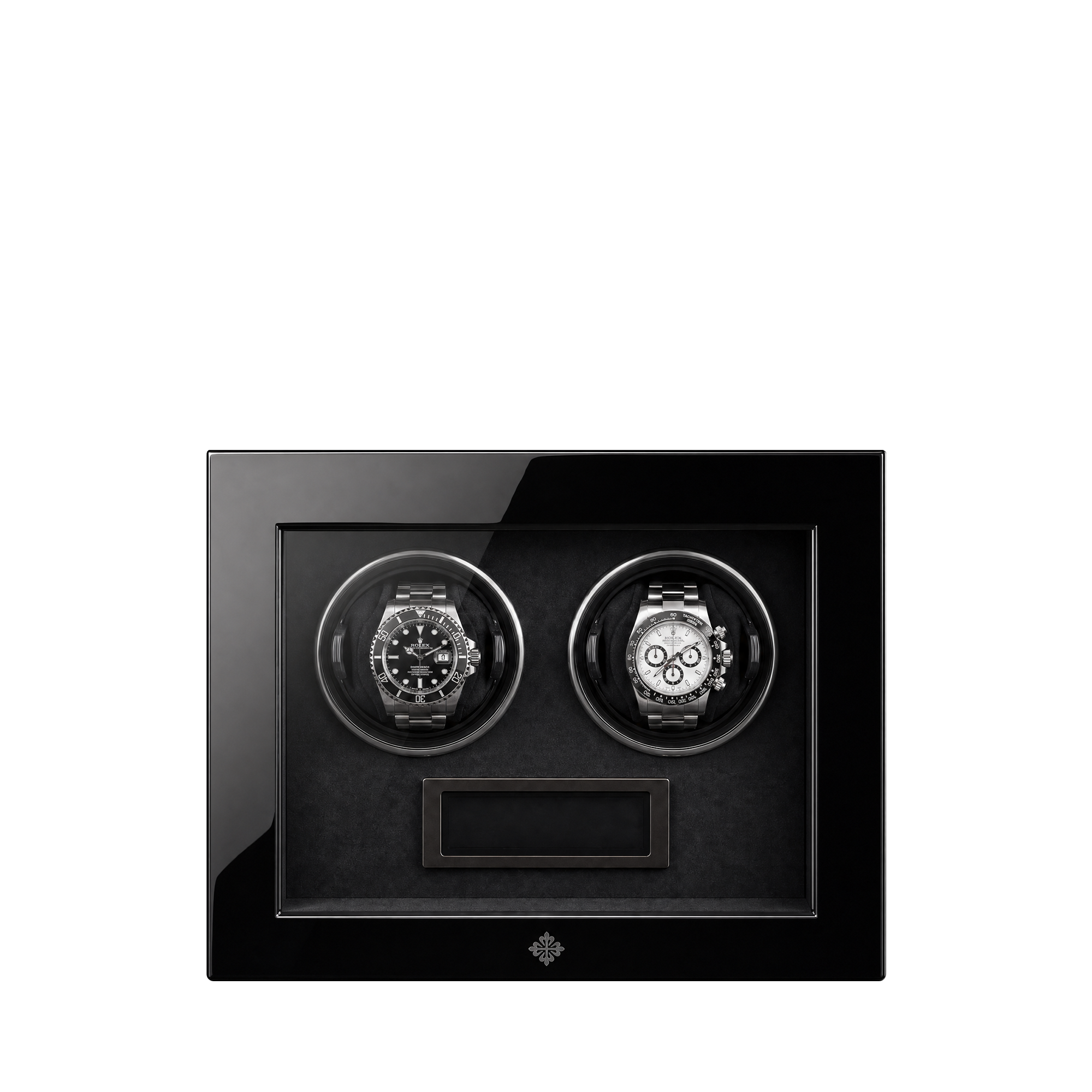
A magnetic-clasp watch needs its own rotor and at least 3 inches of clearance from any other occupied slot. In a shared cabinet, that usually means an end position, not a middle slot boxed in on both sides. An Enigwatch watch winder with independent per-slot motors, like the Impresario Series 2 watch winder at $649, keeps two watches on separate programs without crowding — Buy for anyone storing one magnetic-clasp piece alongside a second automatic.
Step 3: Orient the Clasp Away From the Motor Housing
Winder motors themselves use small magnets in the drive mechanism. Resting a magnetic clasp directly against or near the motor housing for 8-plus hours a day adds a second exposure source on top of the first. Position the watch so the clasp faces outward or upward, away from the housing wall, every time you load it.
Step 4: Set a Conservative TPD and Check Clasp Alignment
High turns-per-day settings mean more rotation cycles, and more cycles mean the clasp hinge flexes against the winder pillow more often. Set the winder to the movement’s factory-specified TPD, typically in the 650-950 range for most Swiss and Japanese calibers, rather than defaulting to the box’s maximum. Check that the clasp sits flat against the pillow, not twisted, before closing the lid.
Step 5: Run a 48-Hour Rate Test After the First Wind Cycle
Before assuming the setup is safe long-term, time the watch against a fixed reference for 48 hours. A deviation beyond 15 seconds a day is the threshold that points to magnetism rather than normal mechanical tolerance. Most healthy automatics in 2026 hold within 5-10 seconds a day once regulated; anything past 15 needs a demagnetizer, not more testing.
Step 6: Keep Demagnetizers and Loose Magnetic Accessories Out of the Box
A demagnetizing tool, a magnetic watch stand, or a phone with a MagSafe-style back left inside or on top of the winder cabinet adds a field the clasp doesn’t need help from. Store those items in a separate drawer, never on the same shelf as an active winder.
Step 7: Inspect the Interior Lining Every 90 Days
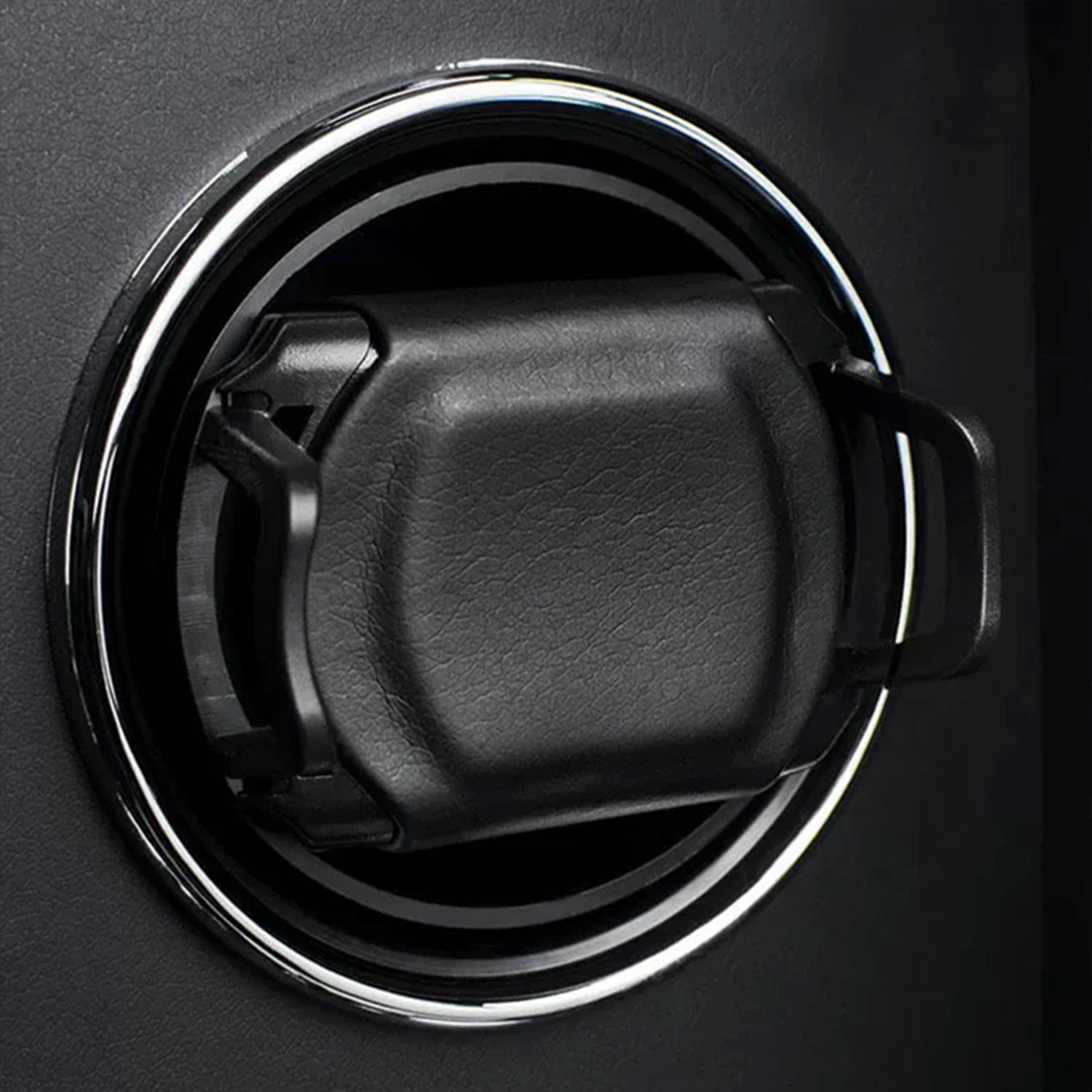
A magnetic clasp’s hinge is a hard edge, and Alcantara or Nappa lining takes wear from repeated contact during rotation. Check the pillow and interior wall where the clasp rests every quarter for thinning or fraying. Catching it early means a reposition; catching it late means a lining repair.
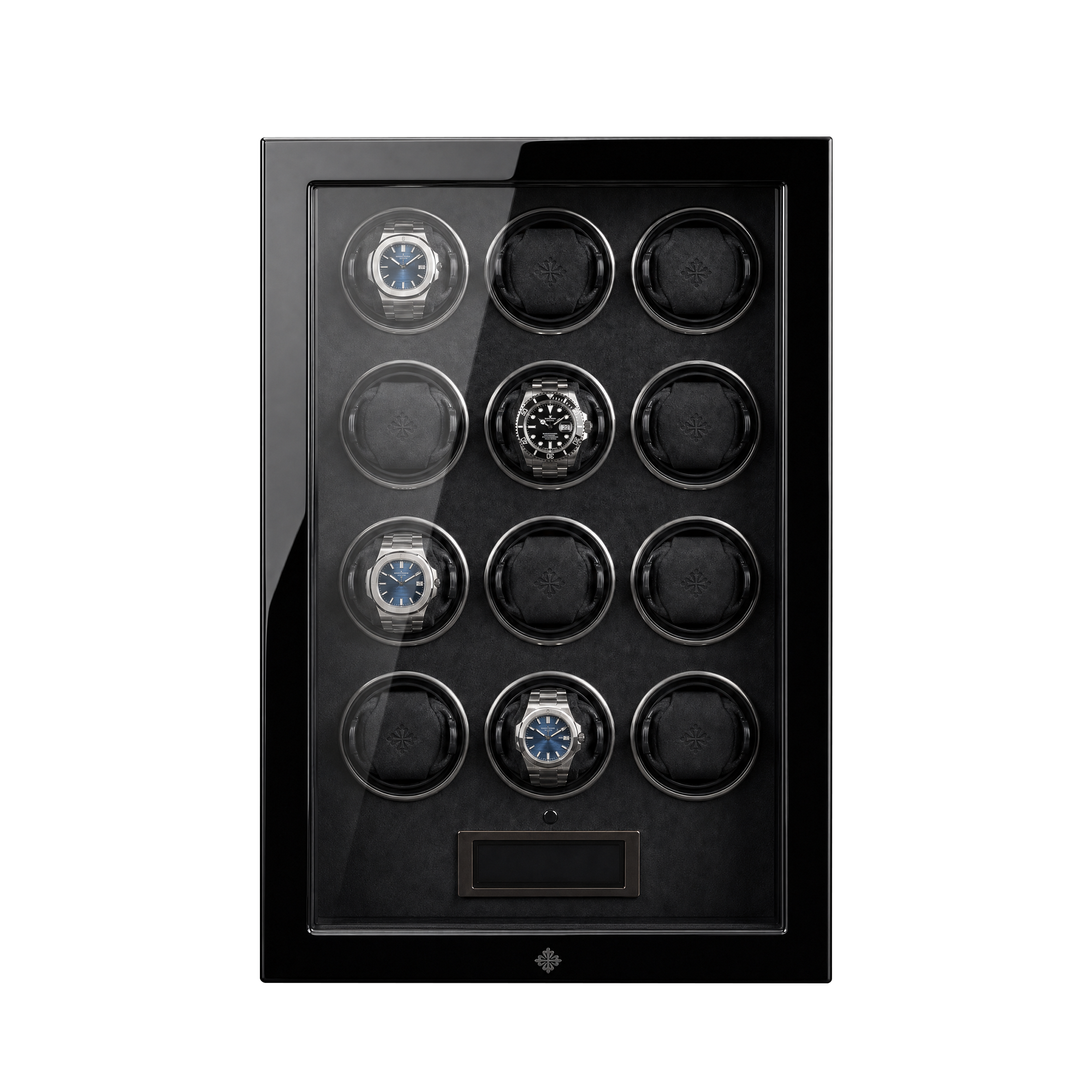
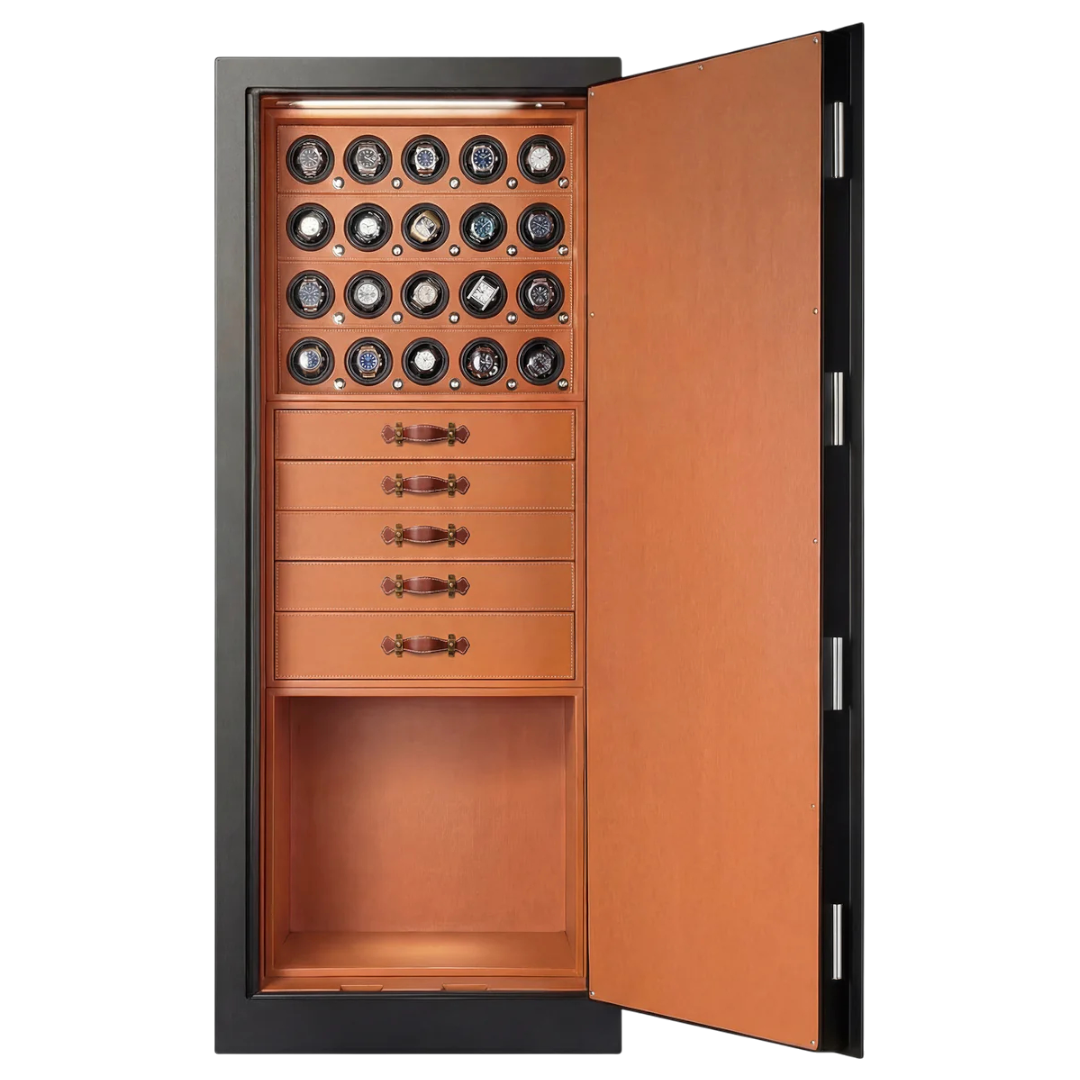
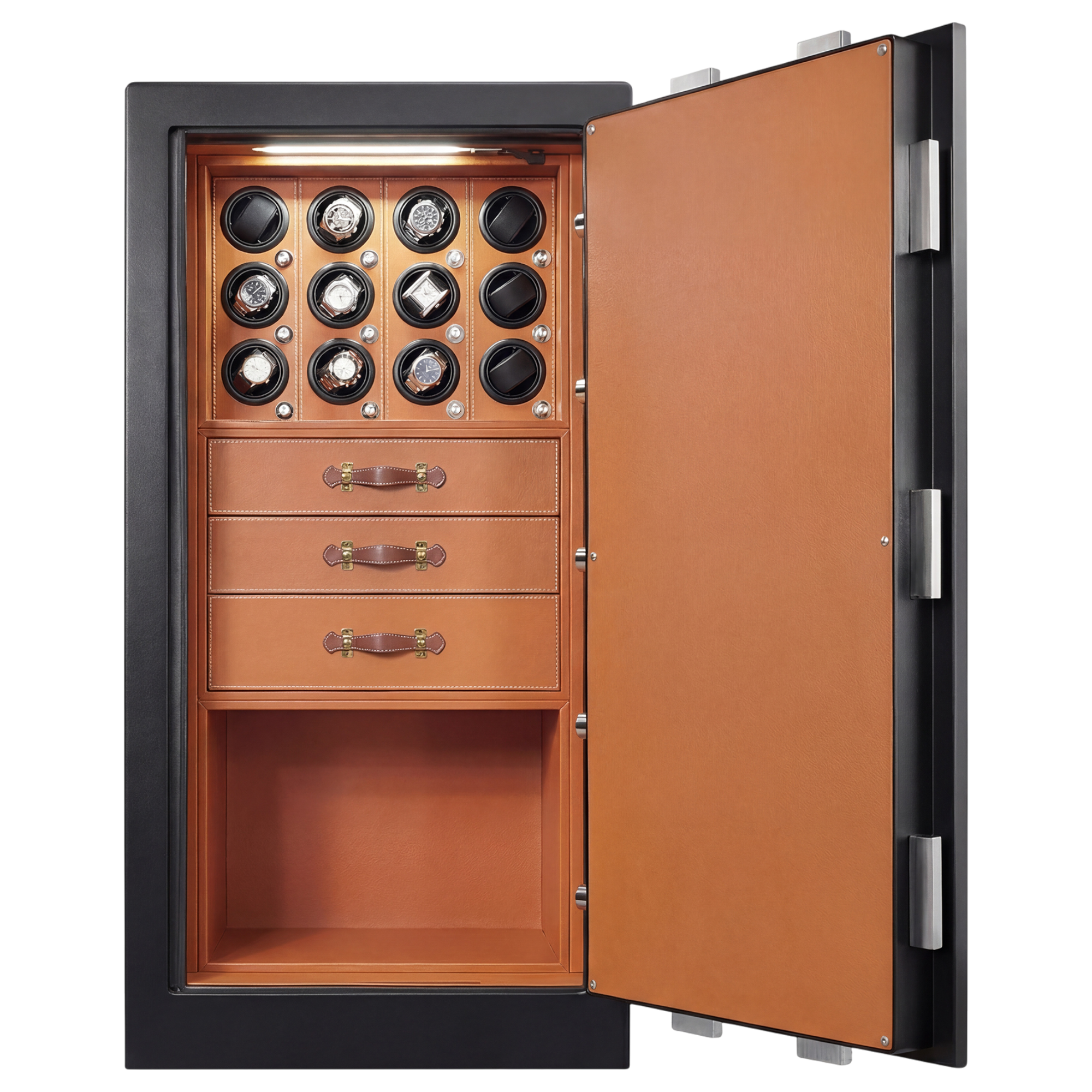
Common mistake: loading a magnetic-clasp watch into the exact center slot of a 12-piece cabinet because it’s the most convenient position. That slot has neighbors on both sides — the worst possible placement for isolation.
Troubleshooting
The watch gains or loses more than 15 seconds a day after a full winding cycle. This points to magnetism, not a winding problem. Have the movement checked with a demagnetizer before assuming the winder is at fault.
The clasp is scuffing the Alcantara or Nappa lining. Reposition the watch or add a pillow accessory to stop a watch winder from scratching a bracelet — a hard clasp edge against soft lining wears the interior faster than the movement itself ages.
The clasp pops open mid-rotation. Lower the TPD setting and confirm the clasp sits flat against the pillow rather than under tension from an oversized cushion.
Two watches on adjacent slots both show unexplained rate drift. This is cross-exposure. Move the magnetic-clasp watch to an end slot with at least 3 inches of clearance on the open side.
The clasp tested magnetic but the watch runs fine after weeks of storage. Some magnets are weak enough that distance alone neutralizes the effect — keep the separation habit anyway, since exposure is cumulative over months, not just days.
Tools And Resources
- A steel paperclip for the magnet test
- A timegrapher app or stopwatch for the 48-hour rate check
- A microfiber cloth for lining maintenance
- An Enigwatch watch winder with independent per-slot motors for isolation
- A separate storage drawer for demagnetizers and magnetic accessories
What To Do Next
Once the clasp is isolated and the rate holds steady, the next question collectors usually ask is whether the winder itself can hurt the watch at all. Does a watch winder damage automatic watches covers the mechanical side of that question in full — worth reading before you assume every irregularity traces back to the clasp.
FAQ
What is a watch winder magnetic clasp risk?
A magnetic clasp on a watch bracelet can expose a nearby automatic movement to a magnetic field strong enough to shift its rate. The fix is physical separation, not avoiding winders altogether.
How do I know if my clasp is magnetic?
Hold a steel paperclip near the closure point. If it pulls from more than a centimeter away, treat the watch as magnetic for storage purposes.
How far apart should magnetic and non-magnetic watches sit in a winder?
Keep at least 3 inches of clearance between a magnetic-clasp watch and any other occupied slot. An end position works better than a center slot boxed in on both sides.
What rate deviation means my watch picked up magnetism?
A deviation beyond 15 seconds a day after a winding cycle points to magnetism rather than normal mechanical tolerance. Most healthy automatics in 2026 hold within 5-10 seconds a day once regulated.
Can a watch winder itself magnetize a movement?
Winder motors use small magnets in the drive mechanism, so resting a magnetic clasp directly against the housing adds a second exposure source. Orienting the clasp away from the motor wall reduces this.
Is a single-slot winder safer for a magnetic clasp watch?
Yes — a single or dual-slot winder with independent motors, like the Impresario Series 2 watch winder, avoids the crowding that shared-motor cabinets create.
Does the clasp damage the winder’s interior lining?
A hard clasp hinge against Alcantara or Nappa lining wears the material faster over repeated rotation cycles. Inspect the lining every 90 days and reposition the watch if wear appears.
Should I keep a demagnetizer near my watch winder?
No. Store demagnetizing tools and other magnetic accessories in a separate drawer away from the winder cabinet to avoid adding an unnecessary field source.
One Last Thing
The detail most collectors miss in 2026: magnetism exposure is cumulative, not instant. A clasp that tests weakly magnetic and shows no rate change after a week can still shift a movement’s rate after months of daily eight-hour contact — the 90-day lining check doubles as a reminder to re-run the rate test, not just look for scuffs.
Related Guides
Protect Your Watch Collection
Designed for collectors who demand the best. Explore our premium watch winders and luxury safes.
Protect Your Watch Collection
Designed for collectors who demand the best. Explore our premium watch winders and luxury safes.