
The Royal Oak is not one watch. That’s the thing most buyers outside the dedicated AP collector community don’t fully understand. The 39mm “Jumbo” with Caliber 2121 and the 41mm standard with Caliber 4302 are different objects in almost every way that matters — thickness, complication level, wearing character, and how they should be handled in a winder.
If you came here from our Audemars Piguet brand guide, you already understand why 800 TPD bidirectional is the specification and why the integrated bracelet finish matters. This article goes deeper: into the specific references, what separates the Jumbo from the standard Royal Oak, and why the winder conversation is genuinely different for each.
Royal Oak reference breakdown
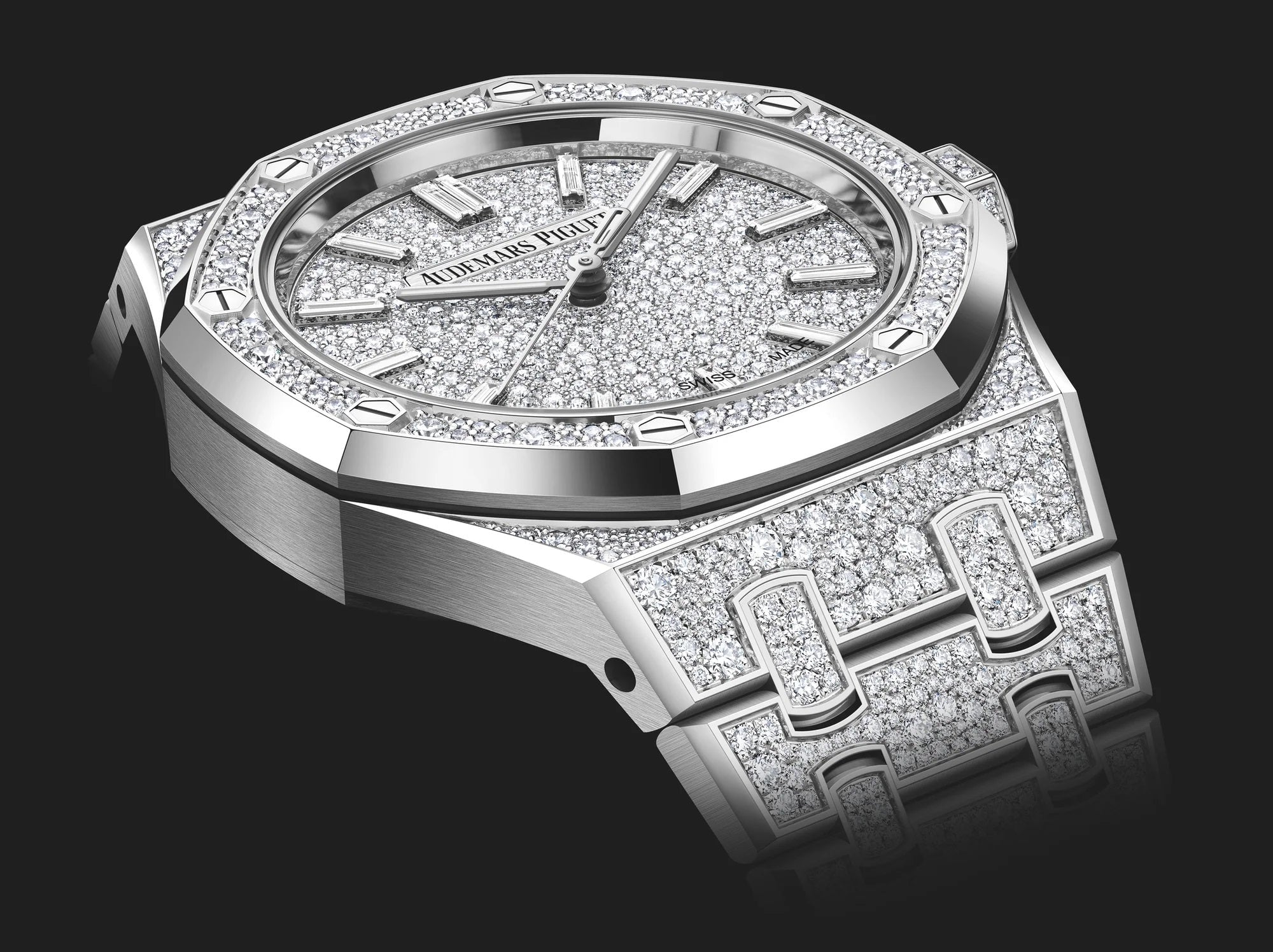
The current Royal Oak lineup includes:
The Royal Oak “Jumbo” — Reference 15202 (39mm):
Gerald Genta’s original 1972 design, preserved almost exactly. Caliber 2121. 6.1mm thick case. Ultra-thin. No date (in the classic configuration). Power reserve: 40 hours. This watch is AP’s most historically significant reference and the most delicate in terms of case handling.
The Royal Oak Selfwinding — Reference 15500 (41mm):
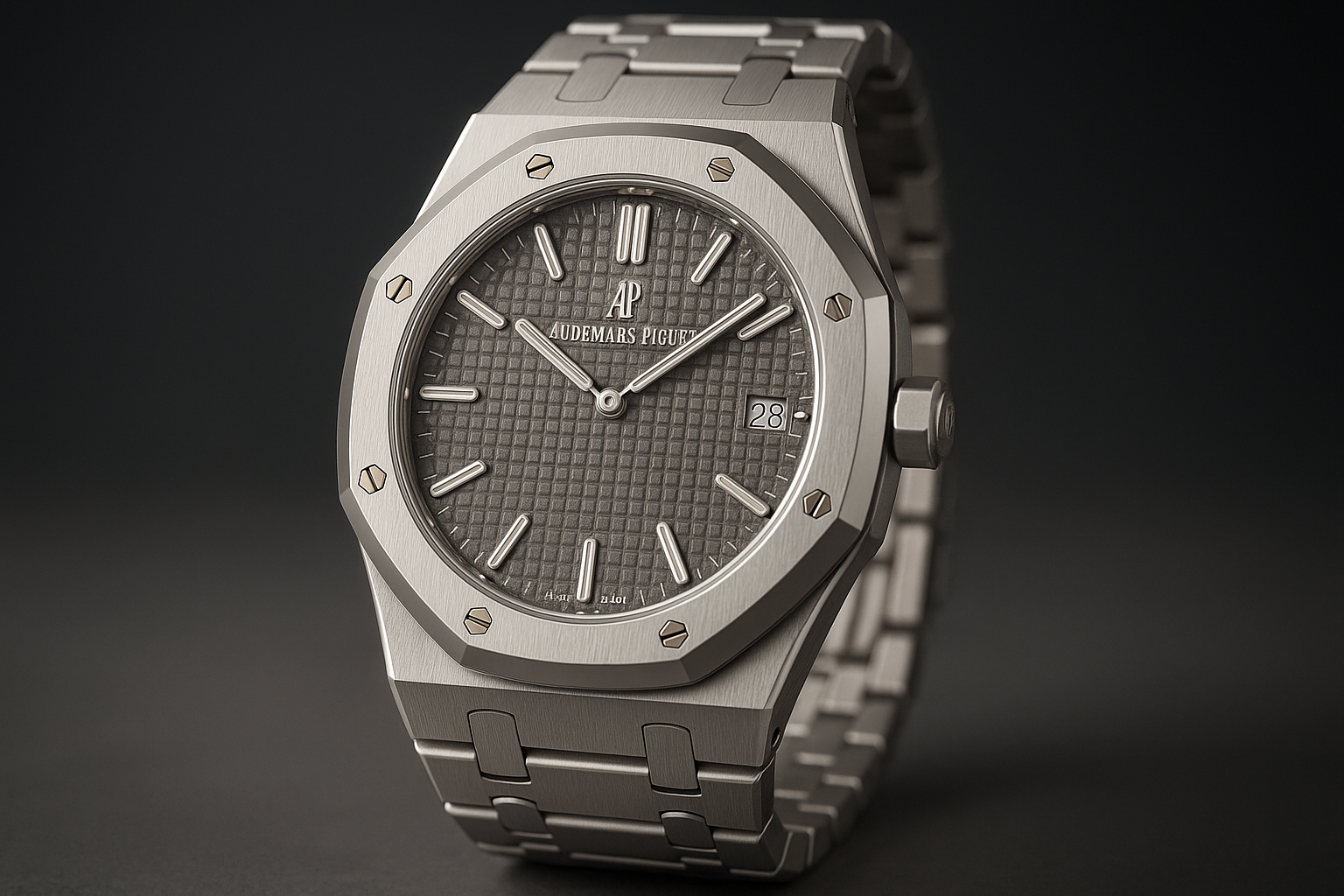
The current “standard” Royal Oak. Caliber 4302. Date at 3 o’clock. 10.4mm case thickness. 55-70 hour power reserve depending on generation. More robustly built than the Jumbo, more commonly seen in sport and casual contexts.
The Royal Oak Selfwinding Chronograph — Reference 26240:
Caliber 4409 integrated chronograph. 41mm. A flyback-capable chronograph complication built into the integrated Royal Oak case. 70-hour power reserve.
The Royal Oak Offshore — Reference 26237 and variants:
Larger (42-44mm), thicker, rubber or leather strap options. Caliber 4401 or 4409. 50-70 hour power reserve depending on configuration.
| Reference | Caliber | TPD | Direction | Power Reserve |
|---|---|---|---|---|
| Royal Oak Jumbo 15202 | 2121 | 800 | Bidirectional | 40 hours |
| Royal Oak Selfwinding 15500 (41mm) | 4302 | 800 | Bidirectional | 55–70 hours |
| Royal Oak Chronograph 26240 | 4409 | 800 | Bidirectional | 70 hours |
| Royal Oak Perpetual Calendar | 5134 | 800 | Bidirectional | 40 hours |
| Royal Oak Offshore 26237 | 4401 | 800 | Bidirectional | 50 hours |
| Code 11.59 Selfwinding | 4302 | 800 | Bidirectional | 70 hours |
For the full AP caliber database, see the Audemars Piguet TPD page.
The Jumbo: why it’s closer to a dress watch than it appears
The Royal Oak Jumbo confuses the casual observer. It’s an octagonal steel sports watch designed in 1972 for the person who wanted to wear a steel watch to dinner. But in its modern form, the Jumbo is less a sports watch and more a precision dress instrument in sporty clothing.
At 6.1mm thick, the Jumbo is thinner than many conventional dress watches. The Caliber 2121 — also used in the Patek Philippe 5711 and Vacheron Constantin Overseas in modified form — is one of the thinnest automatic movements in production. The integrated bracelet’s links are the same alternating brushed and polished surfaces as the standard Royal Oak, but on a thinner case that’s more sensitive to pressure at the lug interface.
The 40-hour power reserve is critical. Less than two days off the wrist and the Jumbo stops. For a watch that commands six figures in stainless steel, stopping it and resetting it manually — even though the time-only configuration makes that simple — is a friction point that a winder eliminates entirely.
The Jumbo sits on a winder at 800 TPD bidirectional, like every other current AP reference. But its ultra-thin case and integrated bracelet warrant the same interior material care as the Day-Date — Alcantara or Italian Nappa leather, correct fit, no pressure on the case flanks. See our materials and construction page.
The Royal Oak Perpetual Calendar: the non-negotiable case
 Photo by
 The Royal Oak Perpetual Calendar (Caliber 5134) carries a 40-hour power reserve and a perpetual calendar complication. Two days off the wrist and it stops. Resetting a stopped perpetual calendar on a Royal Oak requires advancing through date, day, month, moon phase, and leap year display manually — a process measured in minutes and requiring careful sequencing to avoid advancing past the correct date.
This is the AP reference for which a winder is closest to mandatory. A perpetual calendar that never stops is a perpetual calendar that never needs to be reset. For the broader case on why perpetual calendar watches specifically benefit from winders, see our watch winder for perpetual calendar guide.
Why the Royal Oak bridges two rotation categories
The standard Royal Oak 15500 occupies an unusual position in a collector’s rotation. It’s robust enough to be a daily driver — 10.4mm case, sapphire caseback, integrated steel bracelet — but expensive enough that many collectors treat it as an occasional wear piece.
The collector who wears the Royal Oak daily winds it naturally. The collector who rotates it every three or four days against a Rolex Submariner and a Datejust will find it stopped when they reach for it — because the 55-hour reserve on the 4302 doesn’t bridge a weekend off the wrist.
A winder in this context isn’t just about the Royal Oak. It’s about the entire rotation running without friction. The Royal Oak gets its slot at 800 TPD bidirectional. The Submariner runs at 700 TPD bidirectional in the adjacent slot. Both are always ready.
Which Enigwatch winder for a Royal Oak?
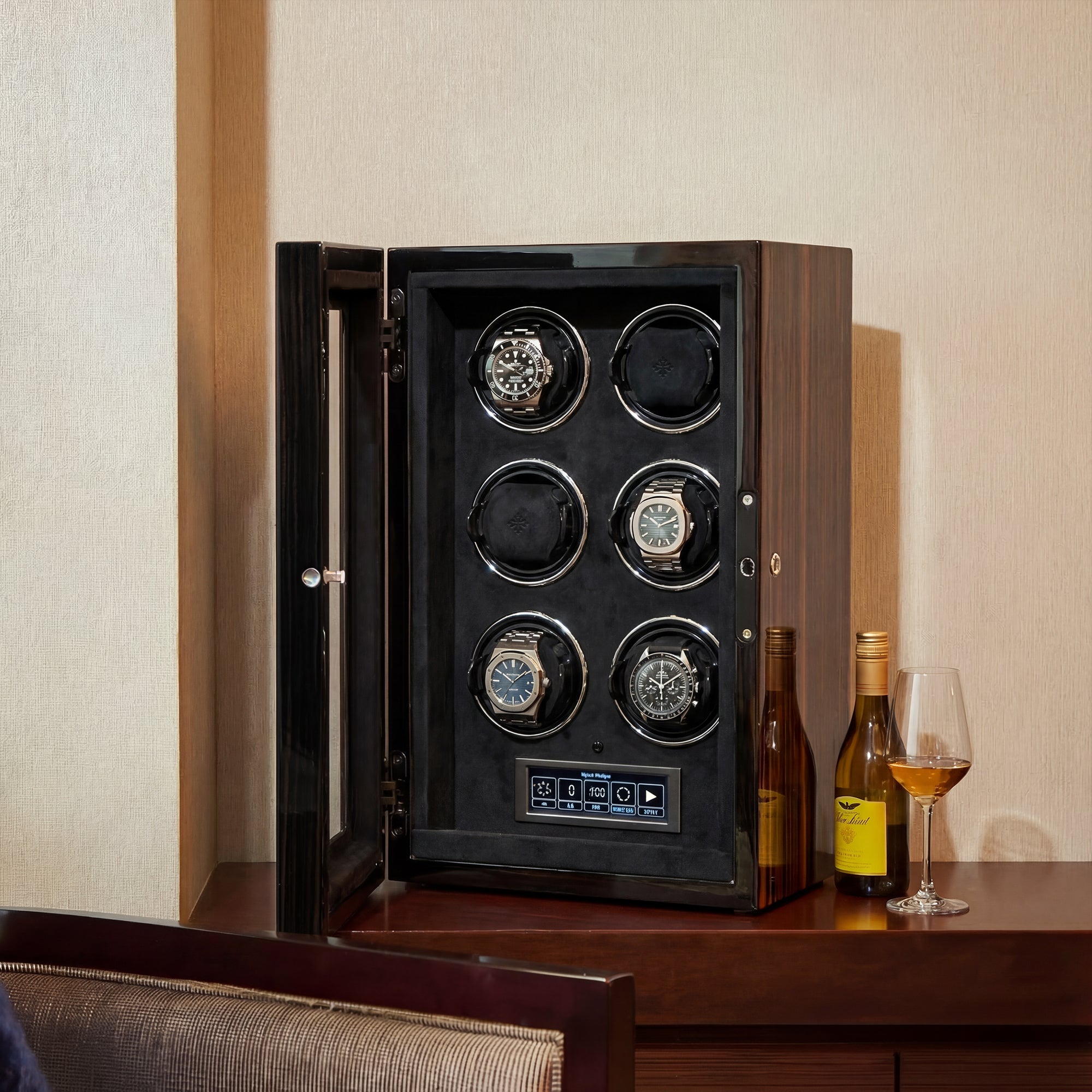
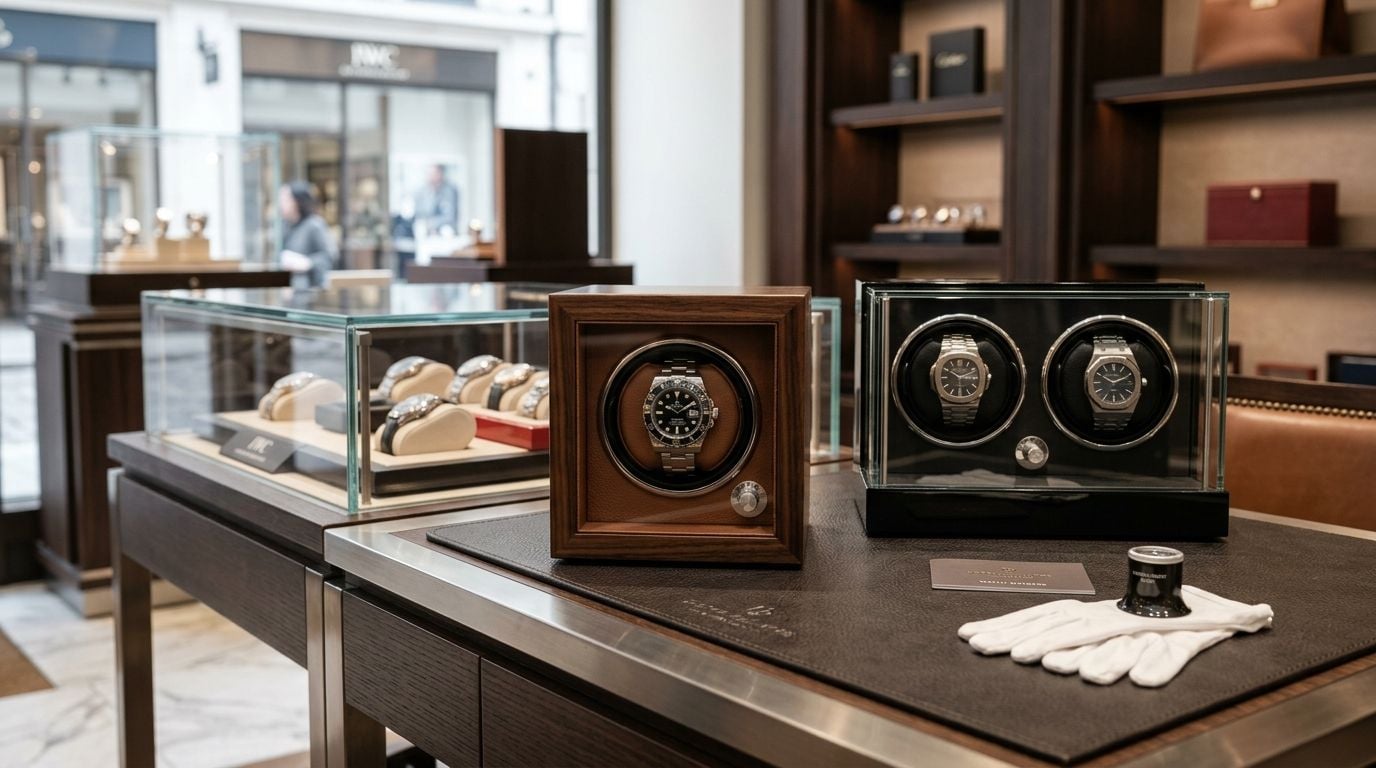
Royal Oak alongside one other watch: The Virtuoso™ Series 2. Two independently programmed rotors — the Royal Oak at 800 TPD, the adjacent watch at its own setting. Browse the double winder collection.
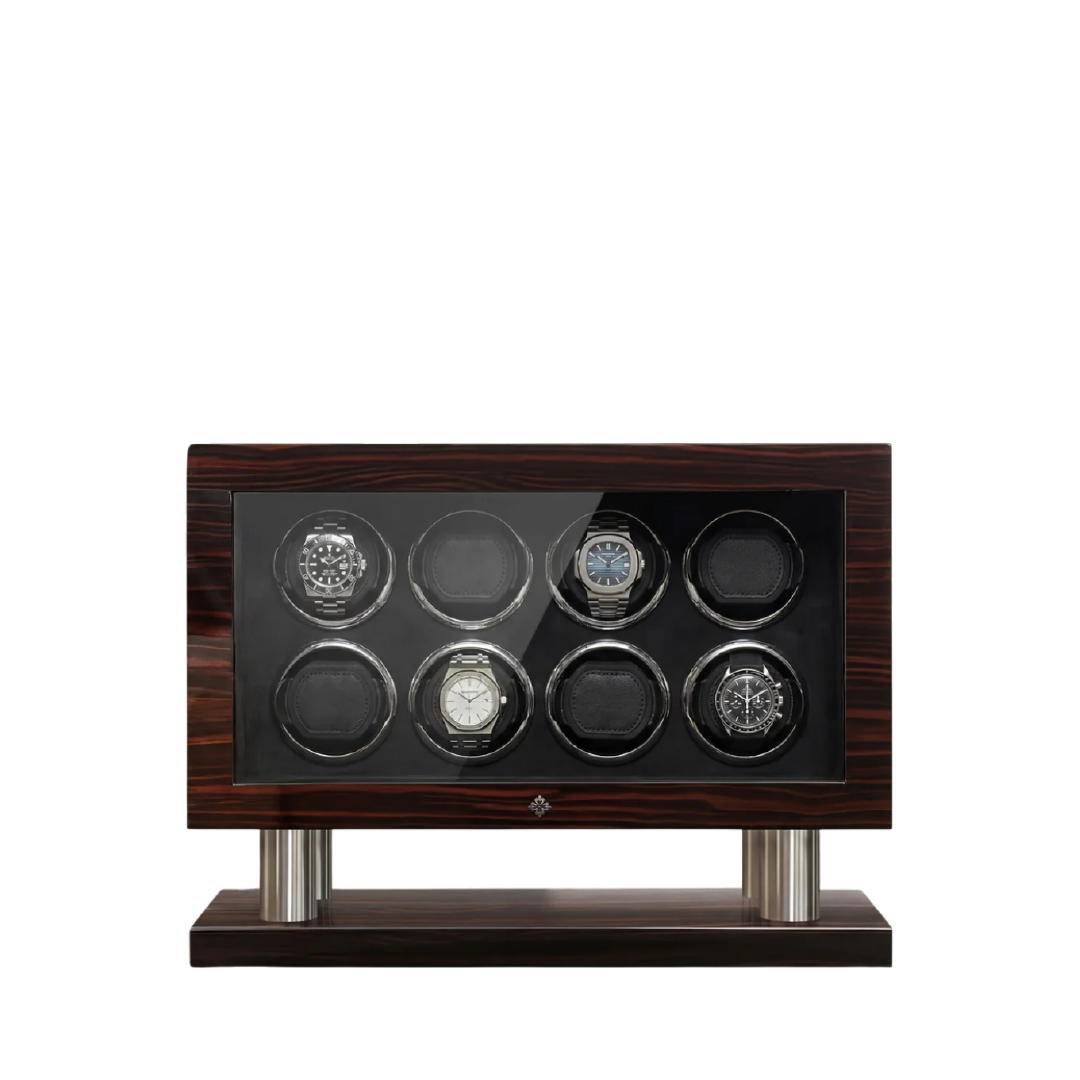
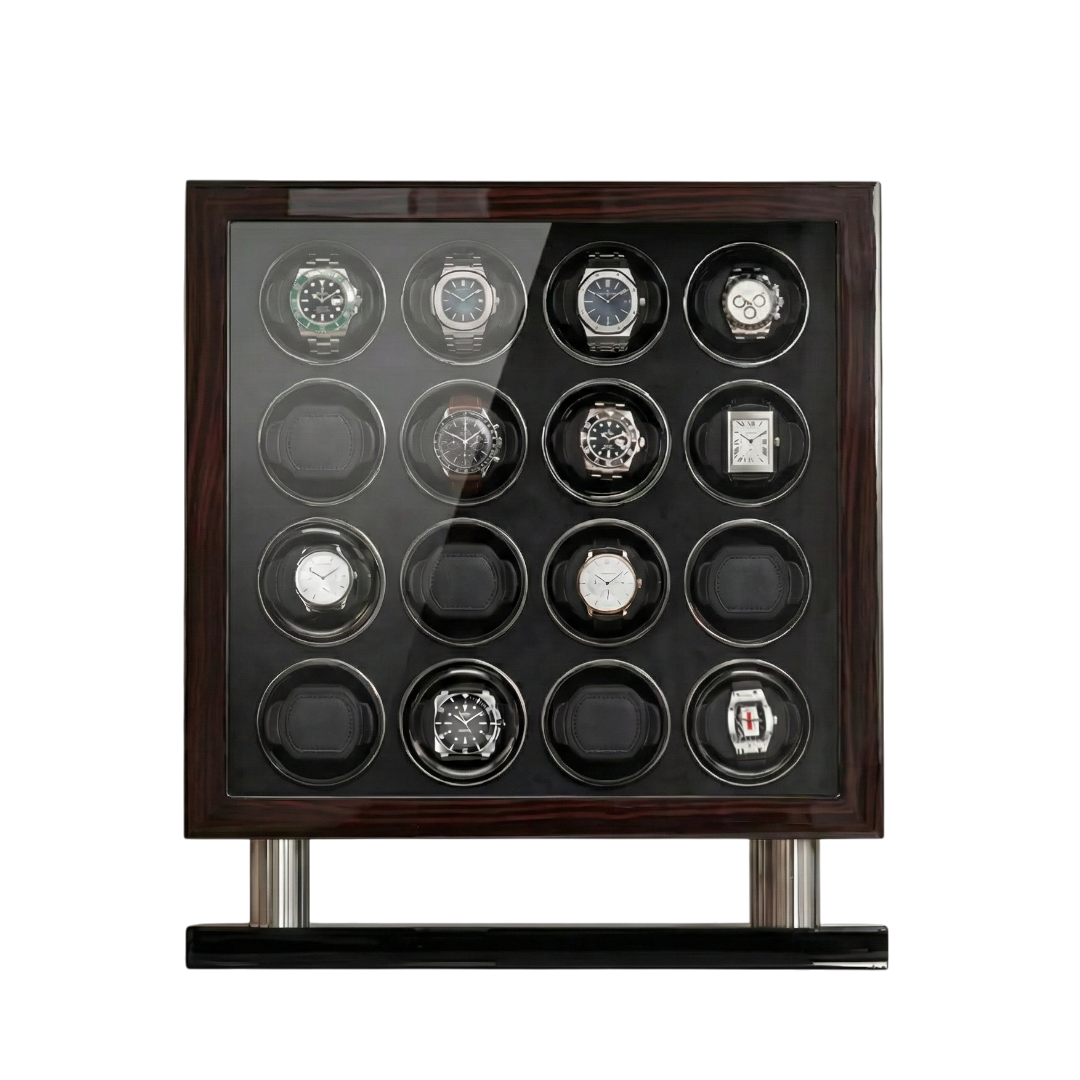
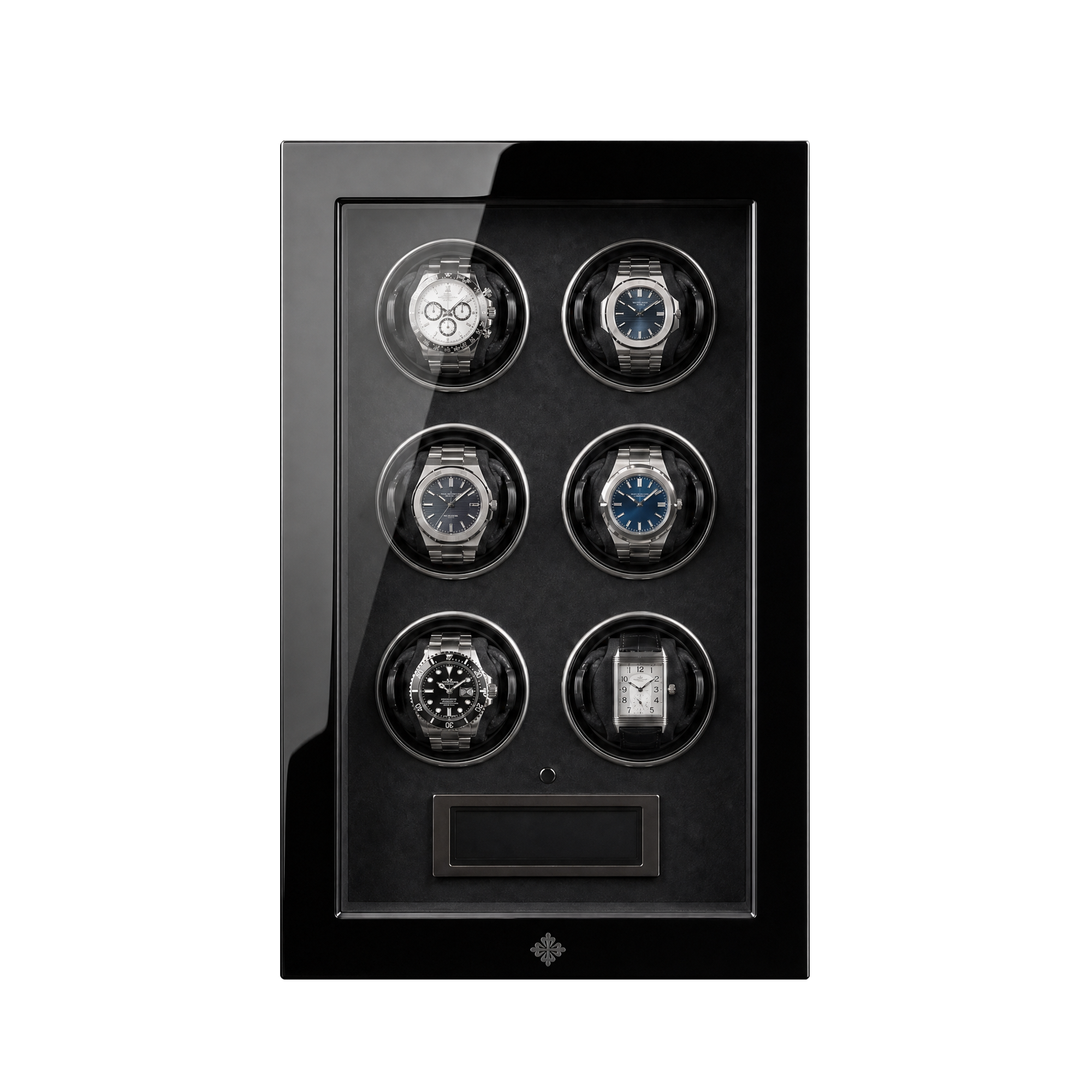
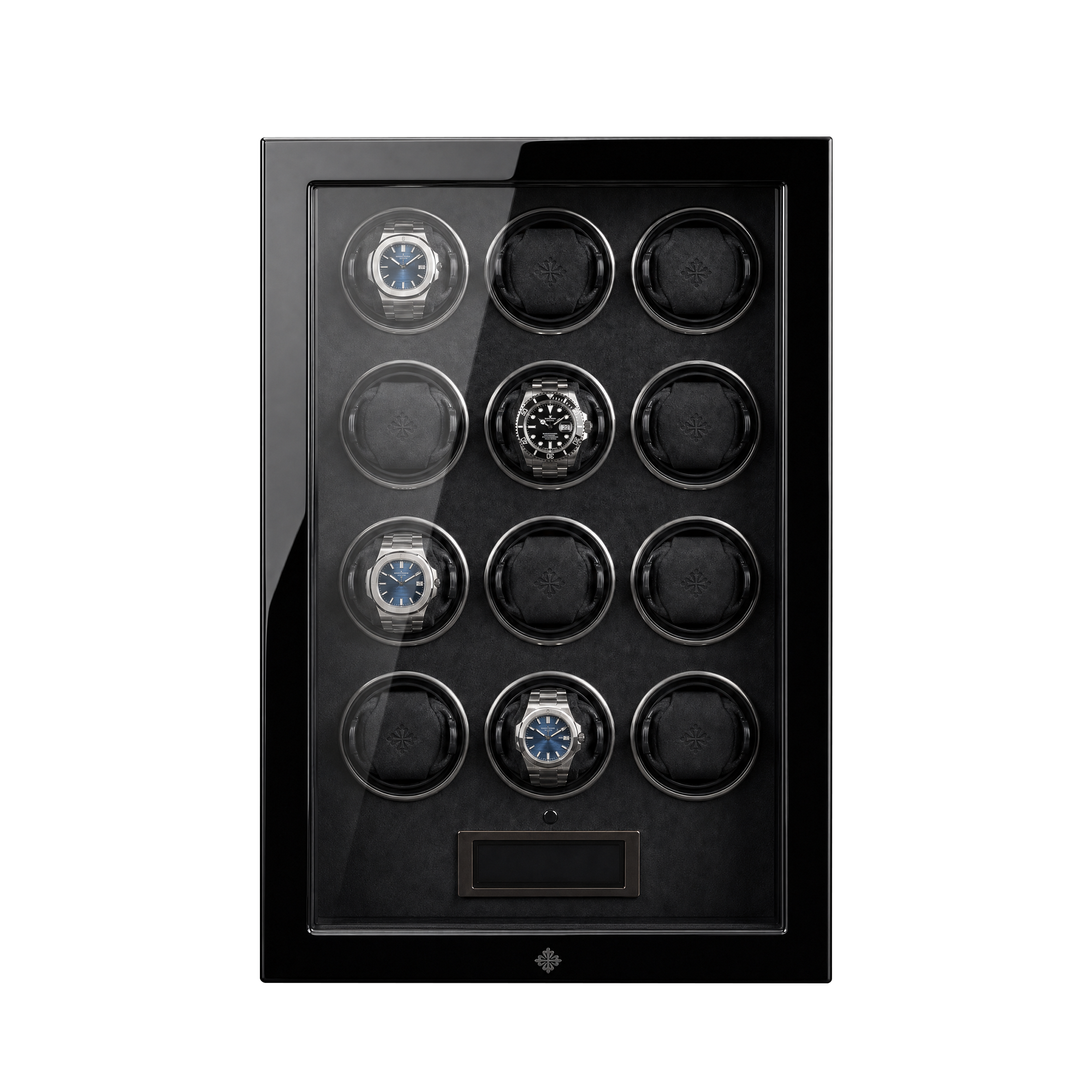
Royal Oak in a wider AP or mixed-brand collection: The Virtuoso™ Series 6. Six independent programs. If the collection mixes a Jumbo (800 TPD), a Royal Oak Chronograph (800 TPD), and a Rolex Submariner (700 TPD), each slot runs its own setting without compromise.
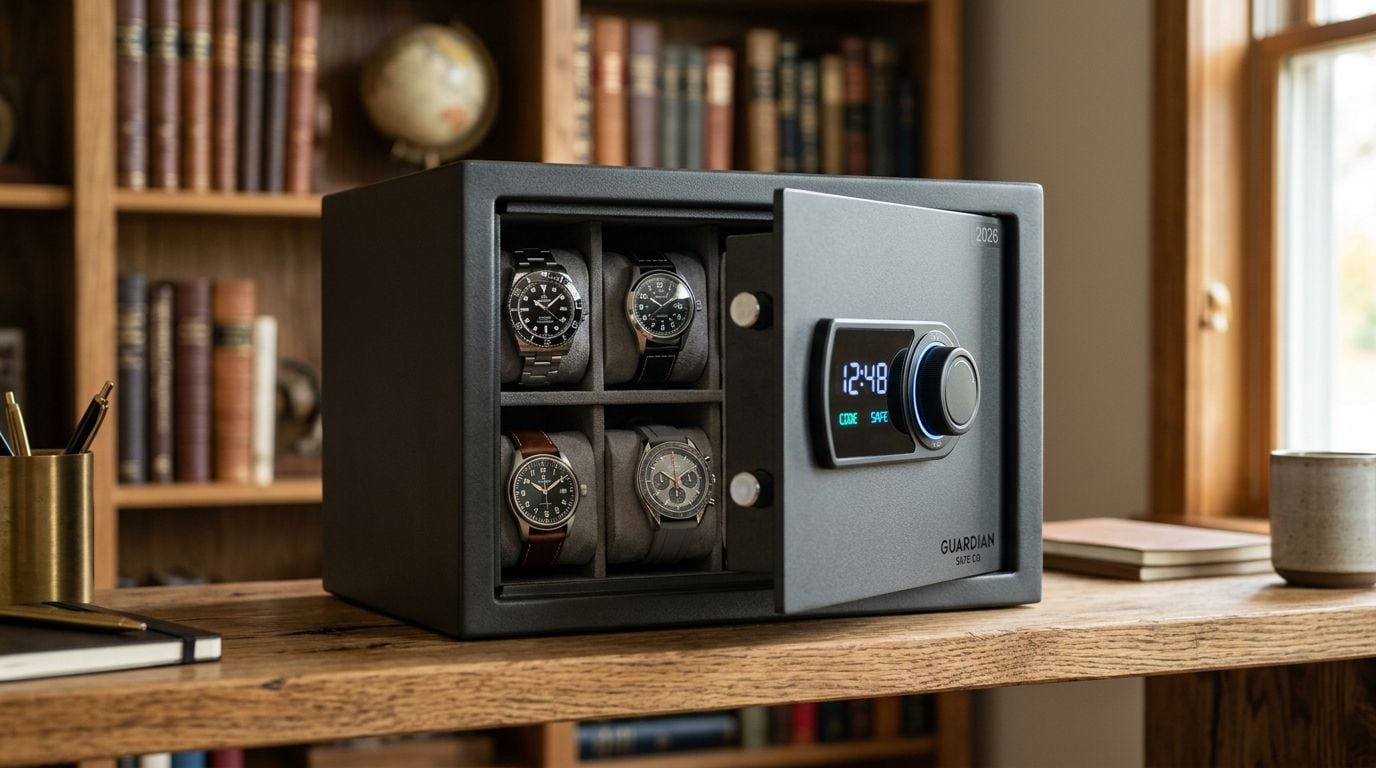
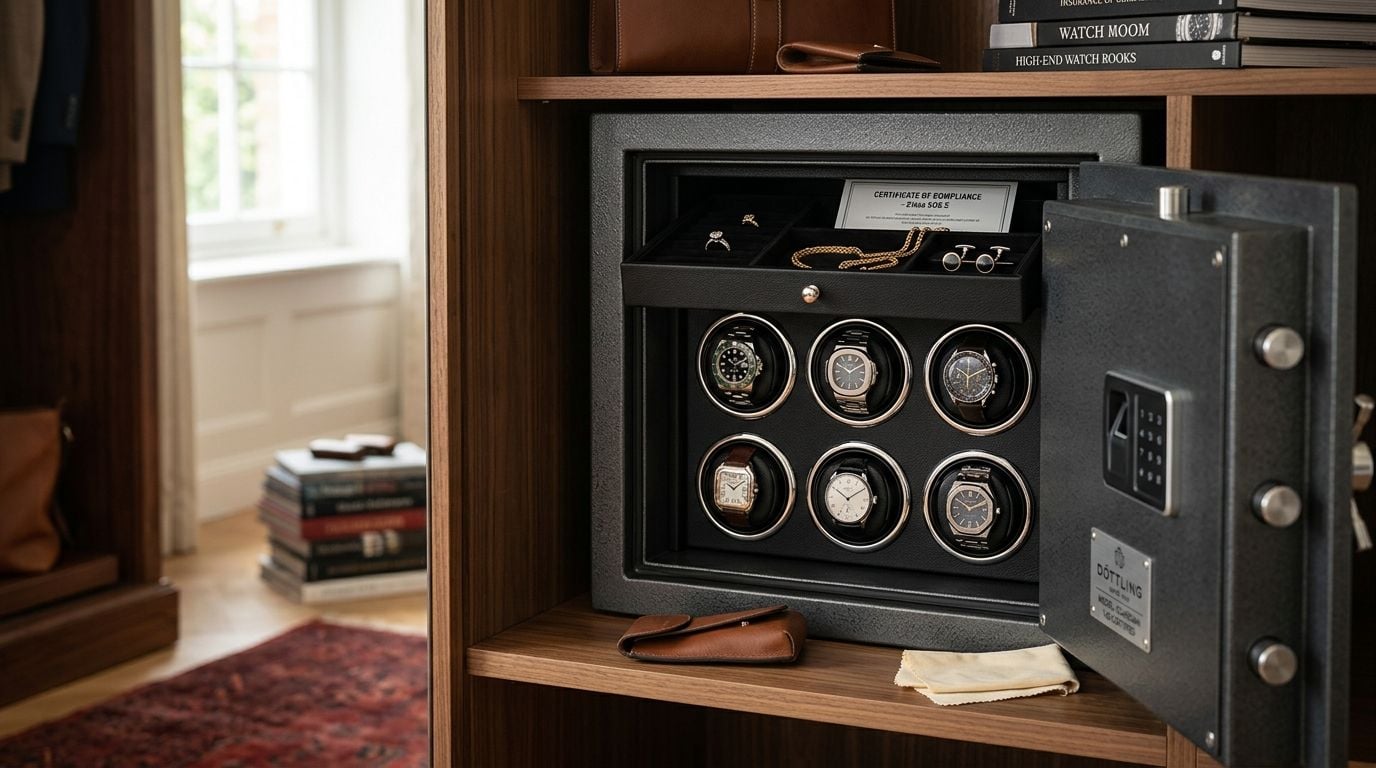
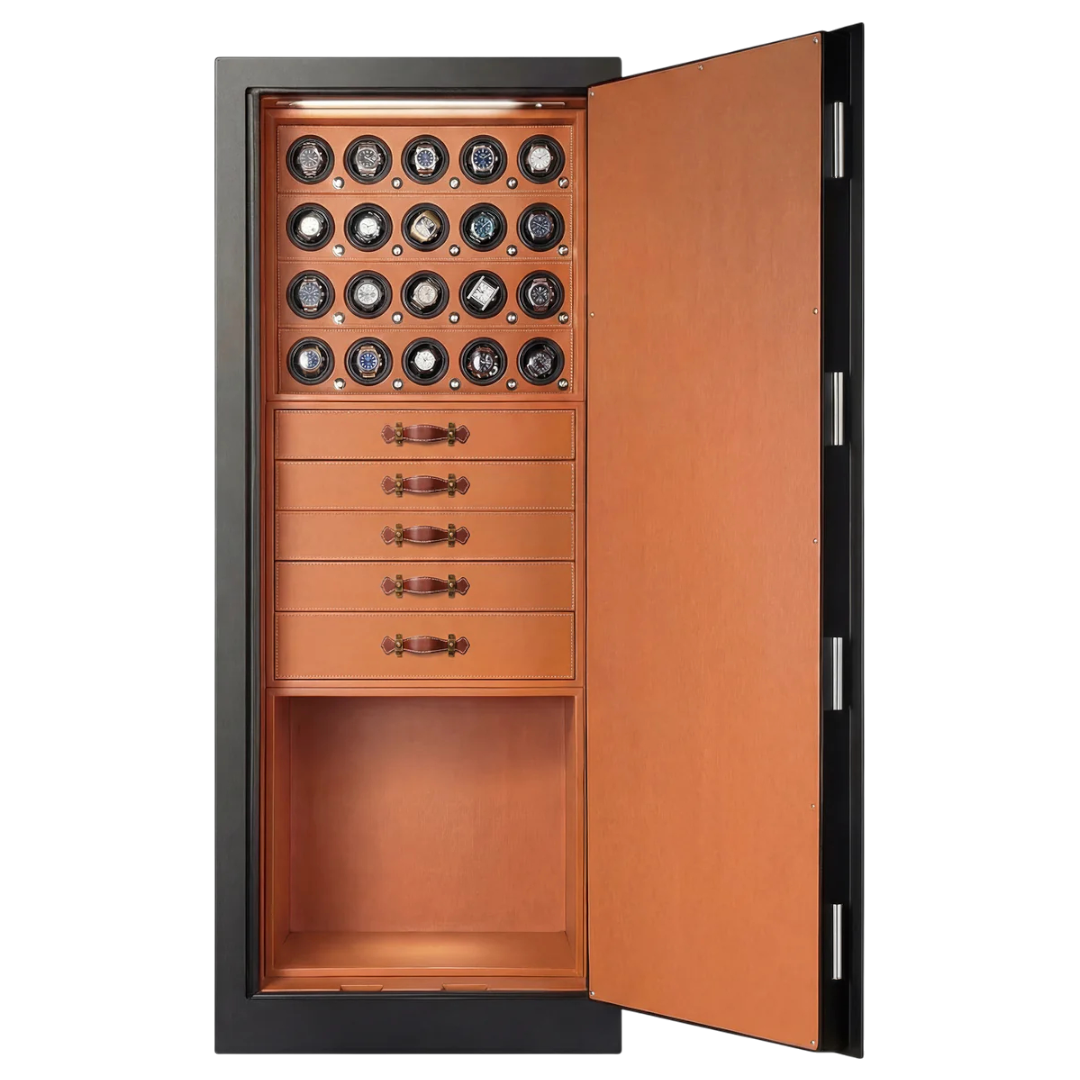
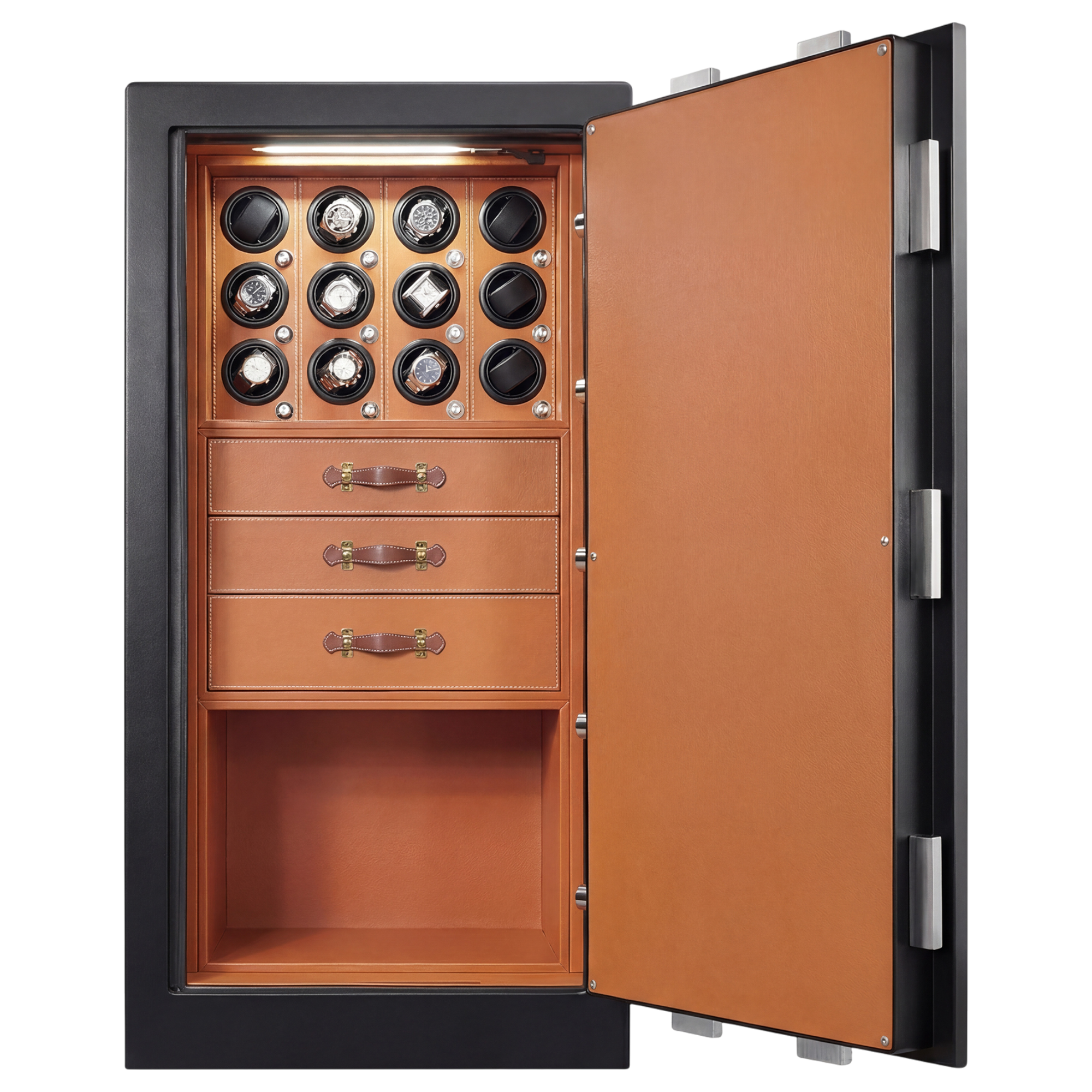
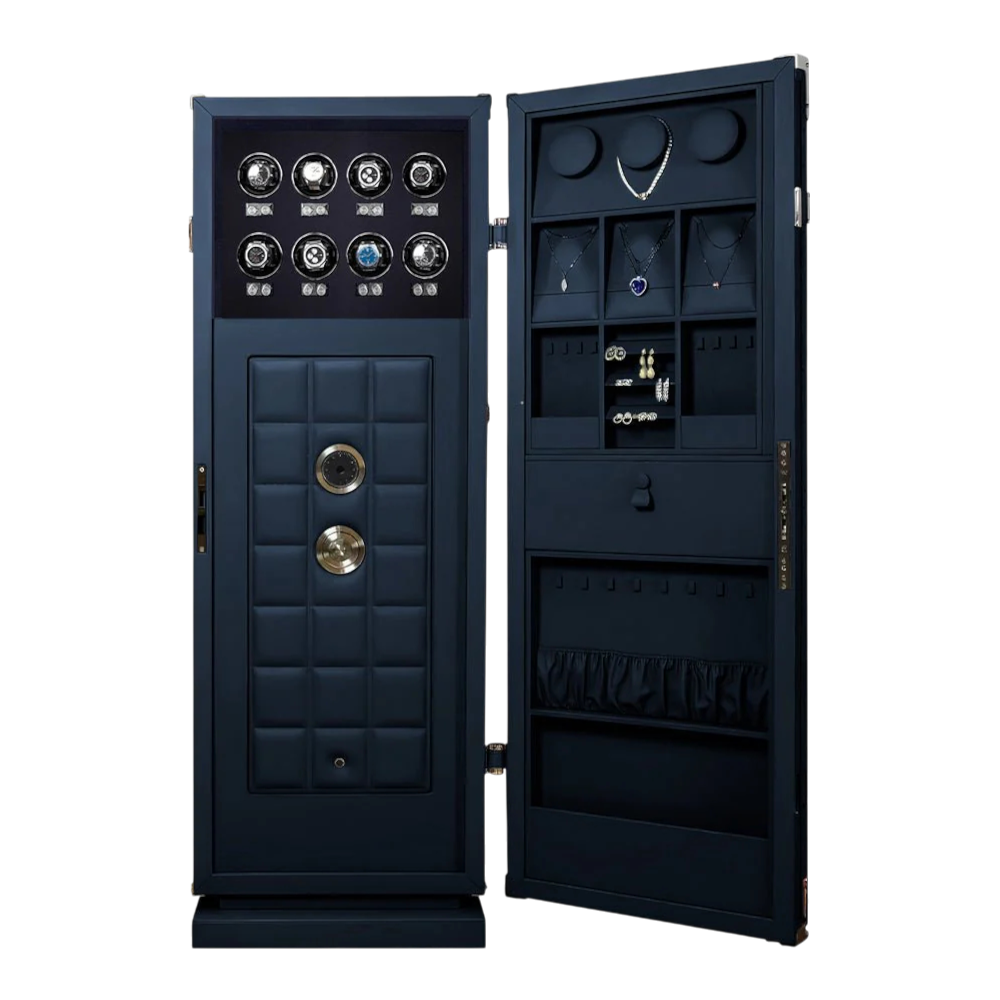
Security for a six-figure Royal Oak collection: A collection anchored by a gold Jumbo or multiple Royal Oak references warrants vault-level storage. The Grand Meridian™ 20 Watch Safe integrates winding with Macassar Ebony architecture and biometric access. The Centennial™ Bulletproof Safe adds ballistic glass. The Veron Elite™ 20 is the high-capacity option for collections of 20+ pieces. Browse the full vault collection and the safe buying guide.
We also recommend reviewing your insurance coverage for a Royal Oak collection — see our watch collection insurance guide.
Frequently asked questions
What TPD for a Royal Oak Jumbo 15202?
800 TPD, bidirectional. The Caliber 2121 requires 800 TPD — the same specification as the standard Royal Oak, despite the movement being significantly thinner and older in design lineage.
Does the Royal Oak Jumbo need more care on a winder than the standard Royal Oak?
Not in terms of settings — both run 800 TPD bidirectional. But the Jumbo’s ultra-thin case and 40-hour power reserve make continuous winding more important, and its thin case profile warrants a cradle that holds it correctly without applying pressure to the case flanks.
Can I wind a Royal Oak Perpetual Calendar in the same system as a standard Royal Oak Selfwinding?
Yes. Both run 800 TPD bidirectional. Independent per-rotor programming isn’t strictly necessary for two AP references sharing the same specification — though it’s still the correct architecture for a system that may later include non-AP brands.
My Royal Oak stopped and the perpetual calendar is wrong. What do I do?
The AP perpetual calendar must be advanced manually through each complication to reach the correct position. This is a careful, time-consuming process — AP’s service network can assist if the display becomes misaligned. A winder prevents the scenario entirely.
Browse the full winder range at enigwatch.com/collections/automatic-watch-winder.
AP collection alongside Rolex or other brands? The main AP brand guide covers the full lineup, and our Rolex winder guide covers Rolex caliber specifics.
Protect Your Watch Collection
Designed for collectors who demand the best. Explore our premium watch winders and luxury safes.
Protect Your Watch Collection
Designed for collectors who demand the best. Explore our premium watch winders and luxury safes.