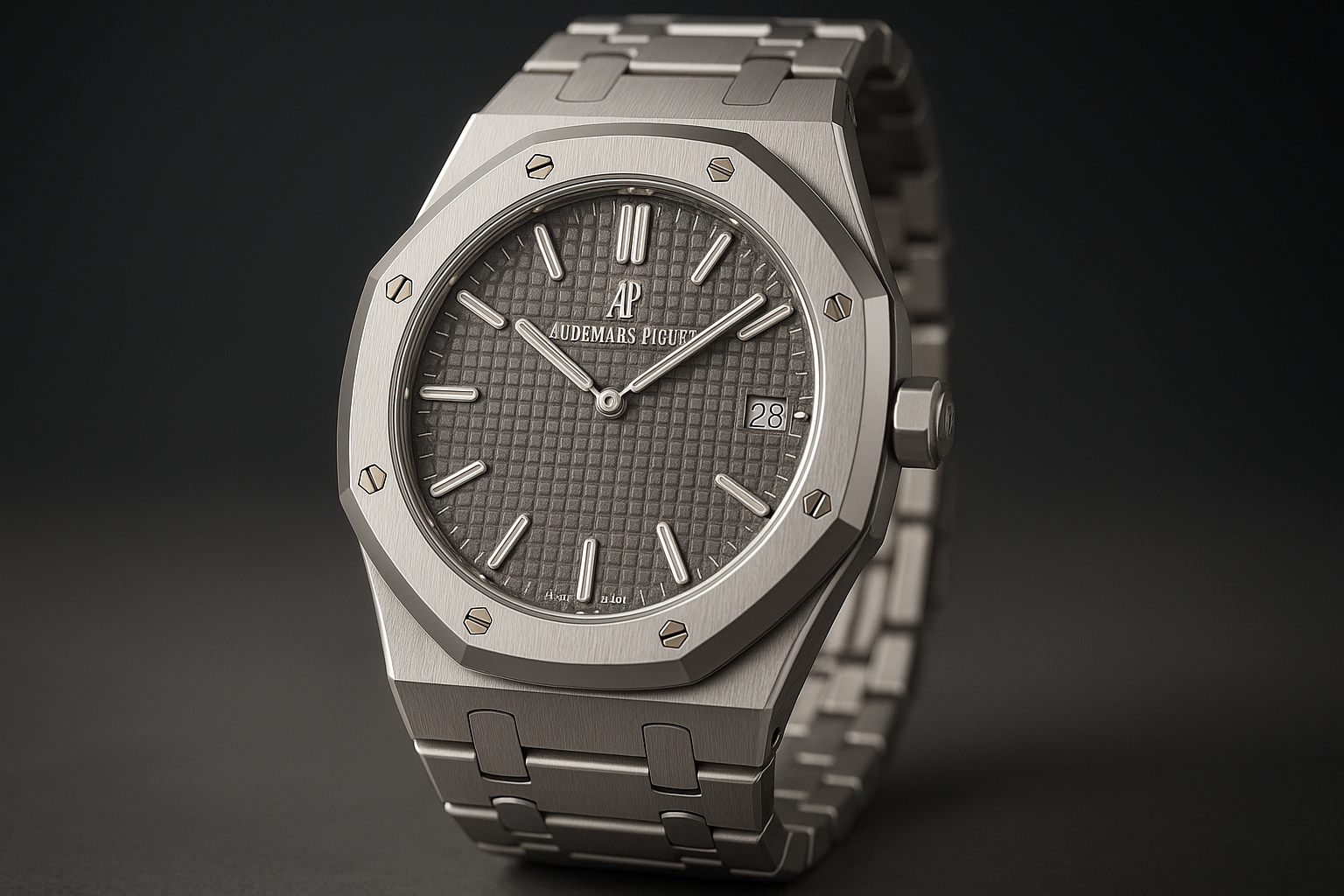
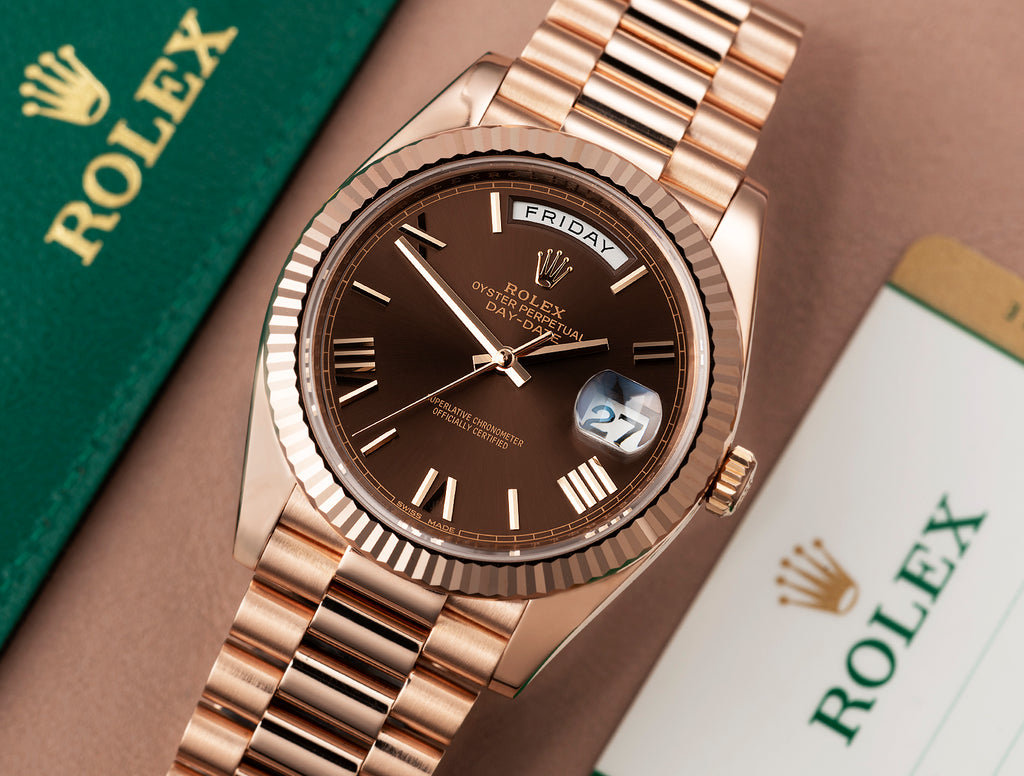
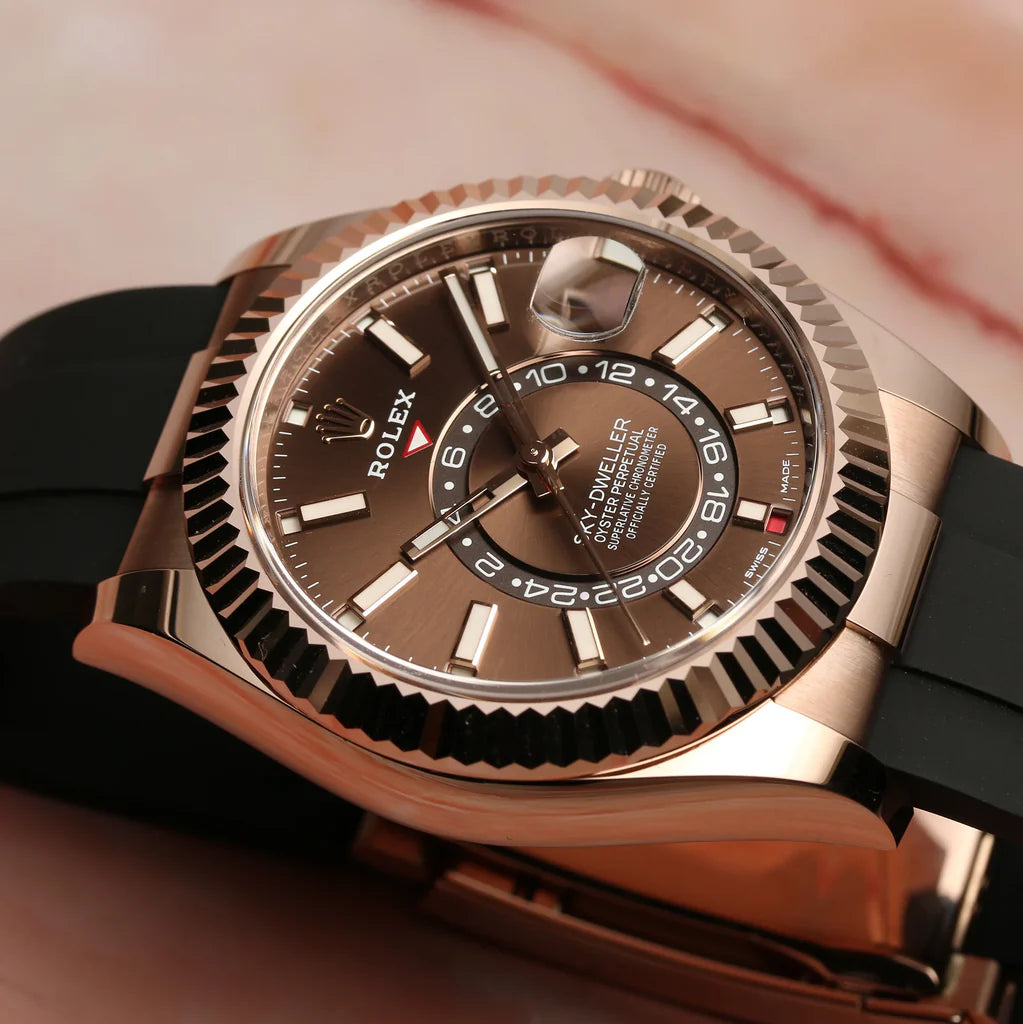
Oris, a renowned name in the world of luxury watches, has been crafting timepieces that are not only aesthetically pleasing but also mechanically superior. Owners of the Oris Big Crown Big Crown Complication Stainless Steel, Rose Gold/Black understand the importance of maintaining their prized possession in top condition. This watch, with its intricate design and precision, deserves the best watch winder for Oris.

Oris, a name synonymous with precision and craftsmanship, has been at the forefront of horology since its inception in 1904. Founded by Paul Cattin and Georges Christian in the Swiss town of Hölstein, Oris has carved a niche for itself with its impeccable timepieces. As the brand evolved, so did the need for a reliable watch winder, especially for automatic watches.
And what better way to ensure its longevity than with a high-quality watch winder? A watch winder not only protects the watch but also keeps it in optimal working condition. With that said, let's delve into the Best Watch Winder for Oris that are perfect for you.

Best Watch Winder for Oris in 2023
Impresario™ 6PC Fingerprint

The Impresario 6PC Fingerprint watch winder stands out with its state-of-the-art features. Its silent Japanese Mabuchi rotor technology ensures that your Oris watches are wound without any disturbance.
The modern design, combined with the touchscreen feature, allows for easy customization, from adjusting brightness to setting the turns per day. The fingerprint-locking system adds an extra layer of security, ensuring that only you have access to your prized collection..
Specs:
Dimensions: L. 14.5 x W. 11.8 x H. 22.8 inch
Weight: 10.8 kg/23.8 lbs
Power Supply: 5V3A
TPD: 480 to 1920 (Turns Per Day)
You might also like: 3 Best Watch Winder for Panerai to Wind Your Timepieces Perfectly
Virtuoso™ 6PC Watch Winder

The Virtuoso™ 6PC Watch Winder is a blend of art and technology. Hand-crafted with durable materials, it offers six individually programmable rotors, ensuring that each of your watches gets the care it deserves. The silent operation, courtesy of the Japanese Mabuchi rotor technology, and the integrated touchscreen setting panel, make it user-friendly. The personalized key lock system ensures the safety of your timepieces.
The integrated touchscreen setting panel allows for easy customization of the brightness and the number of rotations required by the watch, making it easy to use. Additionally, the watch winder is equipped with a personalized key lock system, ensuring that your valuable timepieces remain safe and secure.
Specs:
Dimensions: L. 14.5 x W. 11.8 x H. 20.4 inch
Weight: 8.68 kg/19.1 lbs
Power Supply: 5V3A
TPD: 395 to 1950 (Turns Per Day)
Exclusive Watch Winder Sale!
SAVE UP TO 60%
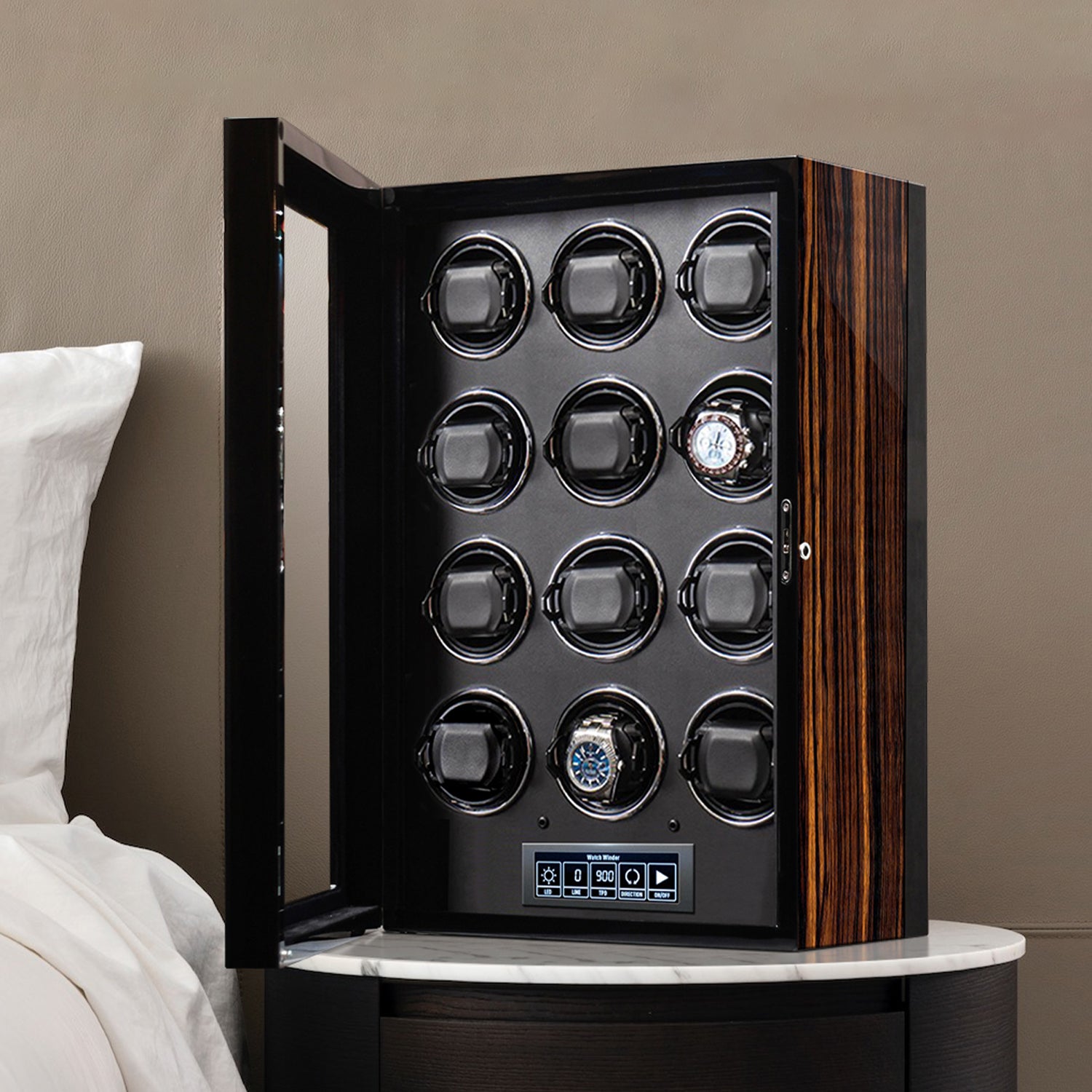


Yachtline™ 16PC Watch Winder

Enigwatch has once again delivered a masterclass in watch winder technology with their latest offering, the Yachtline™ 16PC Watch Winder. Crafted with premium wood, this watch winder is designed to last and provide excellent value for money.
The Yachtline™ 16PC Watch Winder is a testament to Enigwatch's commitment to excellence. With its premium wood construction, bright lighting, and clear glass, it's a visual treat. The silent Japanese Mabuchi rotor technology ensures that your watches are wound without any noise, while the touchscreen panel offers complete customization.
Overall, the Yachtline™ 16PC Watch Winder by Enigwatch is a true masterpiece that offers a perfect balance between functionality and style. With its premium quality, exquisite design, and soundless technology, this watch winder is the ultimate choice for watch enthusiasts who value quality and sophistication.
Specs:
Dimensions: L. 20.7 x W. 12.5 x H. 25.5 inch
Weight: 16.35 kg/36 lbs
Power Supply: 5V2A
TPD: 600 - 2100 (Turns Per Day)
You might also like: 5 Best Watch Winders for Breitling Watches That You Must Have
Centennial™ Bulletproof Safe Box
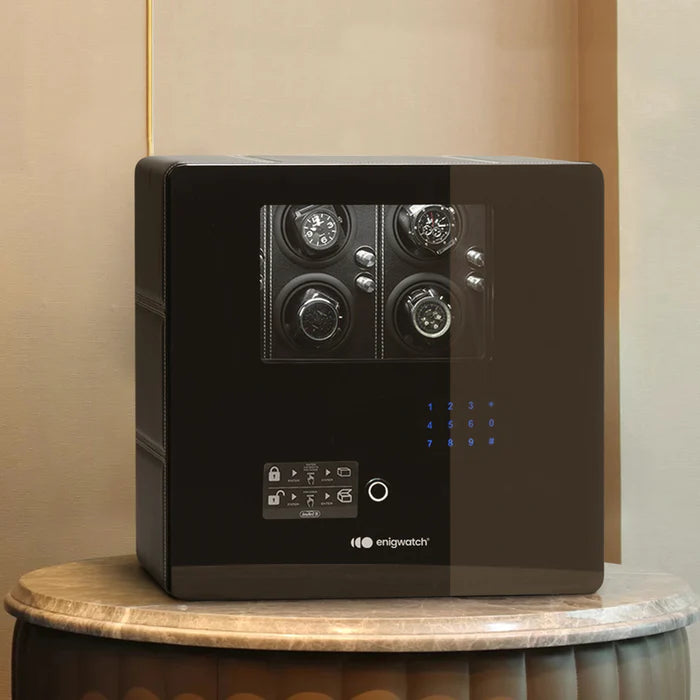
The Centennial™ Safe Box is more than just a storage solution; it's a fortress for your watches. With 12 winding rotors and additional storage for valuables, it offers unmatched security. The bulletproof glass door and digital mechanism ensure that your collection remains safe.
Not only is the Centennial™ Safe Box secure, it also offers you the freedom to choose how you want to control it. Want to feel like a tech-savvy spy? Use the Touchscreen controls to program the winder with ease. Prefer to keep it classic? The Analog controls let you set the winder through good old-fashioned buttons. The choice is yours!
So go ahead, add some class and peace of mind to your watch storage game with the Centennial™ Safe Box. With its 12 winding rotors and extra rooms for your money, cards, and jewelry, you'll be feeling like a boss in no time.
You might also like: 3 Best Watch Winders for Tissot For Investment
Apollo 12 Watch Safe Box

The Apollo™ 12 Watch Safe Box is a blend of luxury and security. With 12 individual spots and robust protection features, it's the perfect home for your Oris watches. The dual alarm system, key and password access, and the luxurious leather interior make it a must-have for watch aficionados.
The safe box features a dual alarm system and provides access through both a key and a password. Equipped with the renowned Japanese Mabuchi® Rotors, it ensures a peaceful environment.
The luxurious leather interior finish and the high-quality S400 steel plate construction elevate its appeal. For those who value their timepieces and seek an unmatched blend of luxury and security, the Apollo™ 12 Watch Safe Box is an excellent choice.

Conclusion
Your Oris watch deserves the best, and these watch winders are the perfect companions for it. Not only do they ensure the longevity of your watch, but they also add a touch of luxury to your collection. So, don't wait any longer; invest in the best watch winder for your Oris watch today HERE!
Protect Your Watch Collection
Designed for collectors who demand the best. Explore our premium watch winders and luxury safes.