

Mechanical watches need periodic service to stay running correctly. Not as frequent as cars, but not as rare as most owners assume. Each brand publishes recommended intervals, though actual wear patterns vary by movement, climate, and frequency of wear. This guide covers interval expectations by brand, what service actually includes, and typical costs so you can plan across a collection.
Recommended Intervals by Brand
| Brand | Recommended Interval | Typical Service Cost |
|---|---|---|
| Rolex | 10 years | $700 to $1,500 |
| Omega | 6 to 10 years | $700 to $1,500 |
| Patek Philippe | 5 to 7 years | $1,500 to $5,000+ |
| Audemars Piguet | 5 to 7 years | $1,200 to $4,000+ |
| A. Lange & Söhne | 5 to 7 years | $2,500 to $8,000+ |
| Jaeger-LeCoultre | 5 to 7 years | $900 to $2,500 |
| IWC | 5 to 7 years | $800 to $2,000 |
| Breitling | 5 to 7 years | $500 to $1,200 |
| Grand Seiko | 3 to 4 years (Spring Drive), 5 (9S mechanical) | $600 to $1,500 |
| Tudor | 10 years | $500 to $900 |
| Richard Mille | 3 to 5 years | $2,000 to $10,000+ |
These are manufacturer recommendations. Actual need varies based on wear pattern, climate, and any incidents (impact, water, magnetism).
What a Full Service Includes
A standard mechanical watch service covers.
- Complete movement disassembly
- Ultrasonic cleaning of all parts
- Inspection for wear or damage
- Replacement of worn components (gaskets, springs, jewels as needed)
- Fresh lubrication at all bearing points
- Reassembly and regulation to spec accuracy
- Case polishing (optional, usually included)
- Crystal inspection and replacement if needed
- Water resistance pressure test
- Final timing verification
Expect 3 to 8 weeks turnaround at authorized service centers. Independent watchmakers can be faster but may not have manufacturer parts access for newer movements.
Signs That Service Is Due
Regardless of interval, these signs mean schedule service now.
- Rate drifting more than 20 seconds per day with no other cause identified
- Power reserve noticeably shorter than new
- Crown feels gritty when winding
- Rotor sounds rough or scraping during automatic winding
- Crystal fogging (water resistance compromised)
- Dial spotting or moisture damage visible
- Watch stops repeatedly after full wind and normal wear
See why did my automatic stop and my watch gains or loses time for diagnostic context.
Authorized Service vs Independent Watchmakers
Authorized Service Centers
Direct through the manufacturer or authorized dealers. Factory parts, original specifications, manufacturer warranty on service.
Pros: Parts authenticity, warranty preservation, manufacturer-certified work.
Cons: Longer turnaround (4 to 12 weeks common), higher cost, sometimes less responsive communication.
Independent Watchmakers
Certified watchmakers operating independently. Use genuine parts through authorized supply channels or aftermarket equivalents.
Pros: Faster turnaround, often lower cost, personal service, work on vintage pieces manufacturer won’t touch.
Cons: May void manufacturer warranty on certain pieces, parts access variable for newest models.
Service vs Replace Decision
At certain wear points, the service cost approaches replacement cost for less expensive pieces. Framework.
| Watch Value | Service vs Replace Decision |
|---|---|
| Under $500 | Replace unless sentimental |
| $500 to $1,500 | Service if watch is under 20 years old; consider replacement otherwise |
| $1,500 to $5,000 | Service in almost all cases |
| $5,000+ | Always service |
How to Plan Service Across a Collection
For collections of 5+ mechanical watches, stagger service dates rather than bunching them. A collection of 10 watches serviced every 7 years means approximately 1-2 services per year. Budget accordingly.
Track service history per watch. Date, cost, service center, any parts replaced. Notes paper receipts or a simple spreadsheet. This record adds resale value and helps the next watchmaker diagnose if issues arise.
What Affects Service Interval
Factors that shorten the interval.
- Heavy daily wear (movement accumulates hours faster)
- Humid or marine climate (moisture infiltration)
- High-activity use (impacts, vibration)
- Regular water exposure
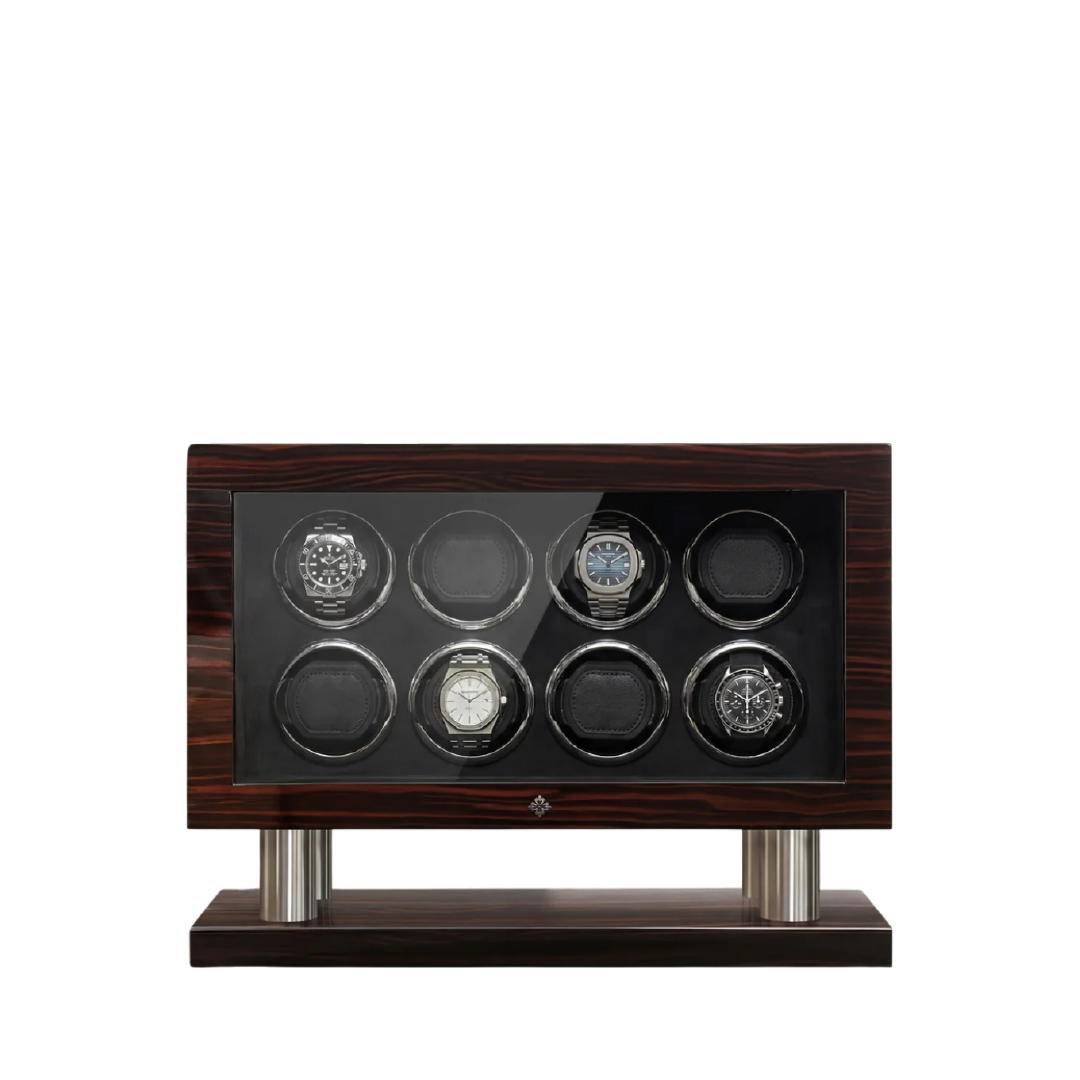
- Improperly set winder TPD over years
Factors that extend the interval.
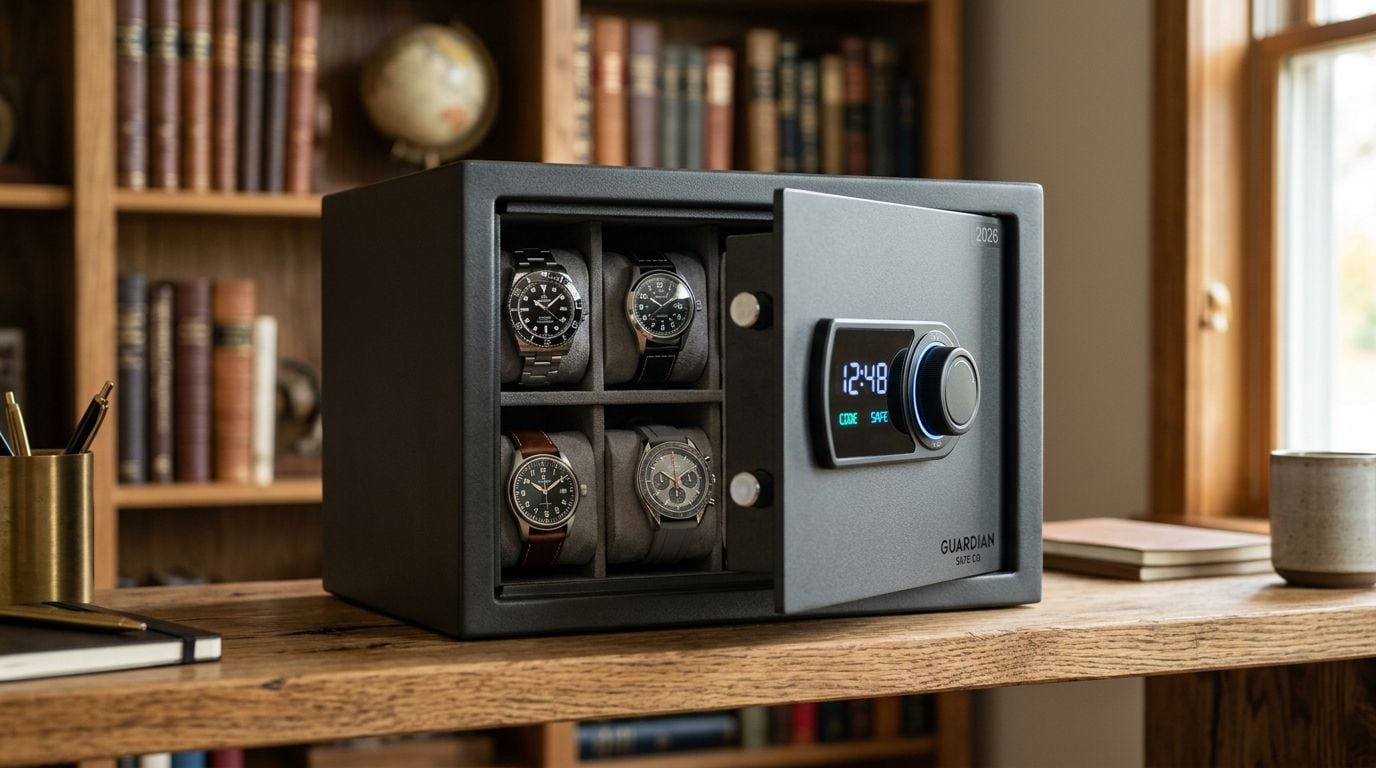
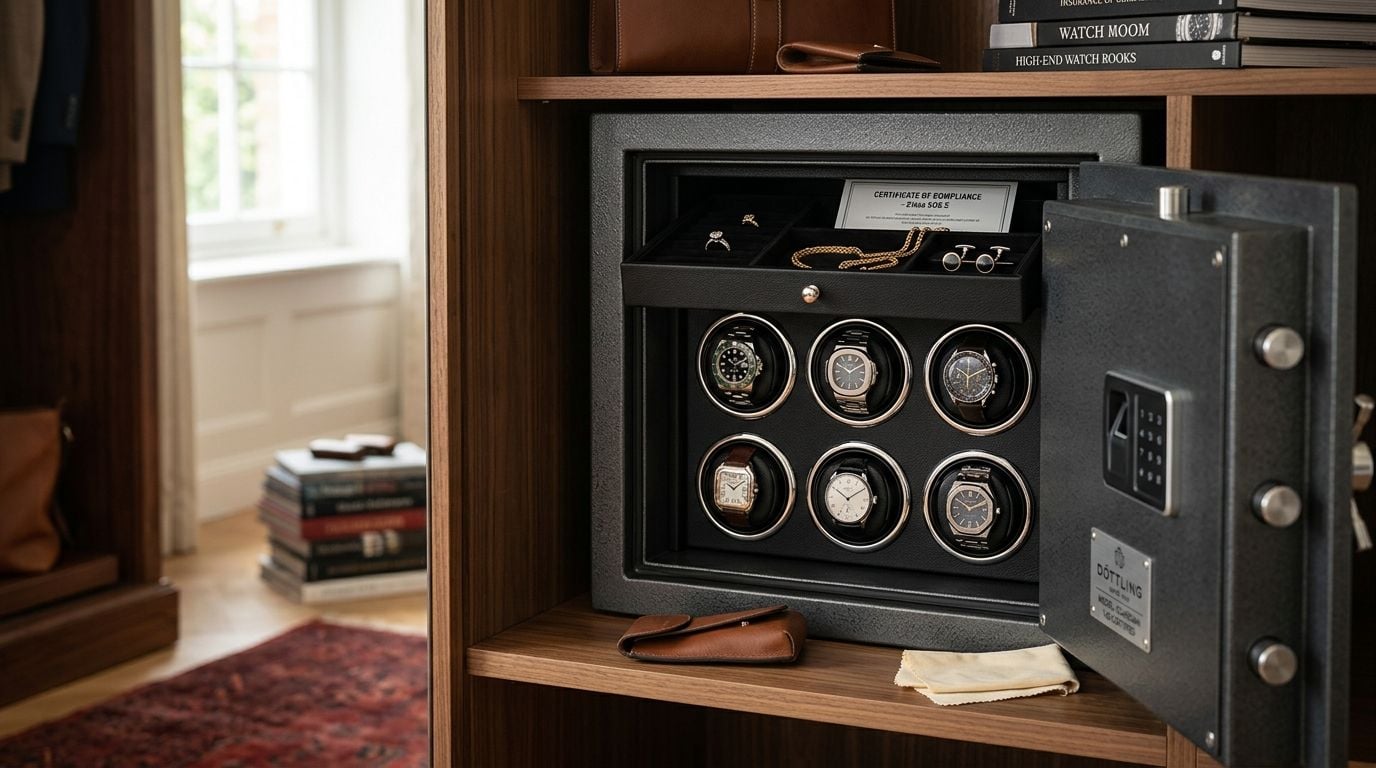
- Watch rested in a climate-controlled safe between wears
- Silicon hairspring movements (more stable lubricants)
- Correct winder TPD and direction during storage
- Stable climate, moderate humidity
Frequently Asked Questions
Is 10 years too long between Rolex services?
Rolex recommends 10 years for their modern movements. Heavy wear or problem signs may warrant earlier service.
Can I skip service if my watch runs fine?
Not indefinitely. Lubricants degrade regardless of visible rate. Long-delayed service eventually causes wear that shortens movement life.
How much does service add to watch ownership cost?
For a $10,000 watch serviced every 7 years at $1,200, roughly $170 per year amortized. Proportionally similar on most pieces.
Will service affect my watch’s value?
Documented authorized service preserves or improves resale value. Unauthorized or undocumented work can hurt value.
Is pre-owned watch pricing reflective of upcoming service need?
Good sellers disclose service history. Watches approaching service need typically trade at a discount reflecting that cost.
Should I service a watch before long-term storage?
Yes, if storing for 3+ years. Fresh lubricants last longer at rest. See how to store watches long-term.
Do quartz watches need service?
Only battery replacement every 2 to 5 years, plus occasional gasket inspection. No full movement service unless a specific issue arises.
Budget, Plan, Execute
Service is part of owning mechanical watches. Budget for it annually across the collection. Track dates per watch. Use authorized service for primary pieces. A well-maintained collection holds value and runs correctly for decades.
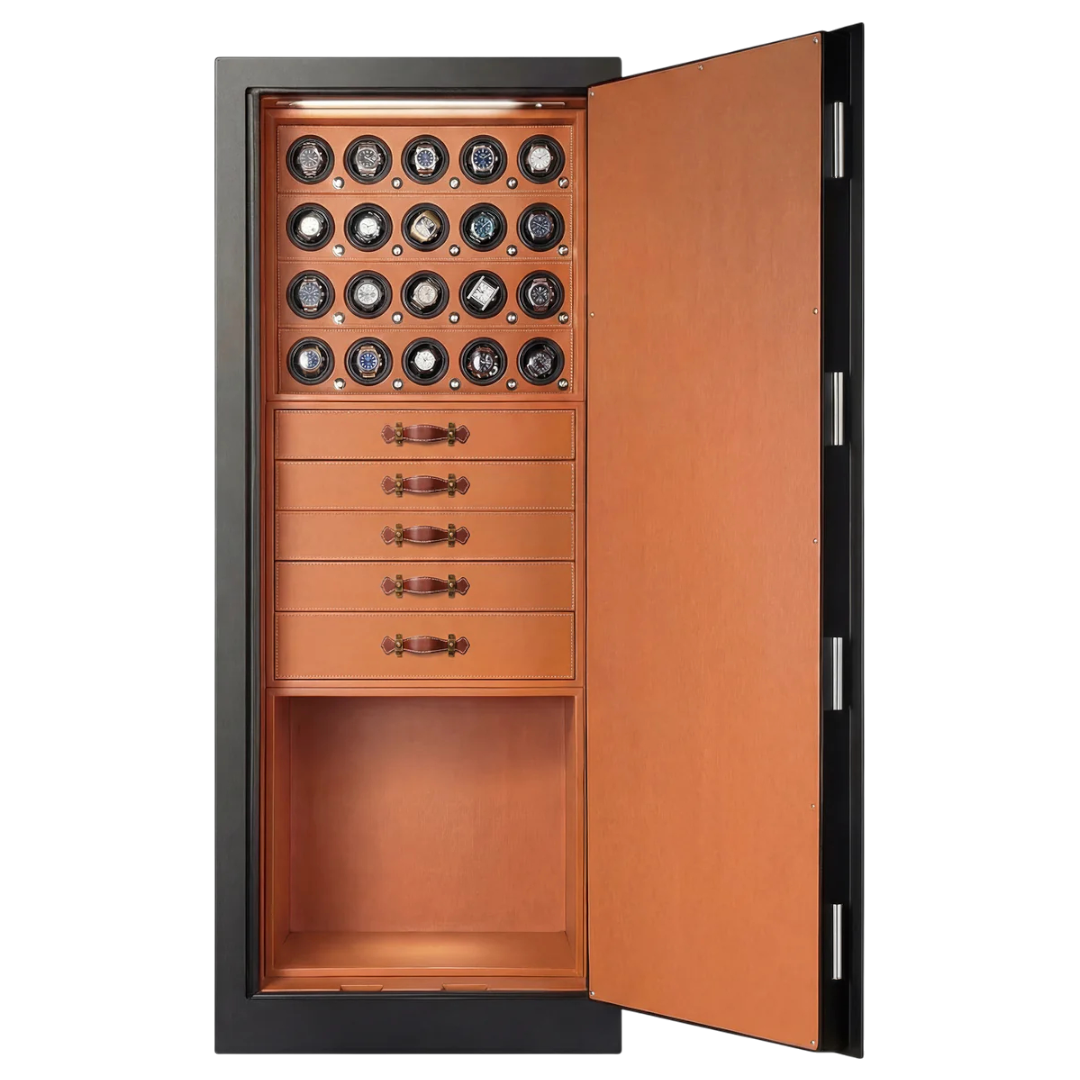
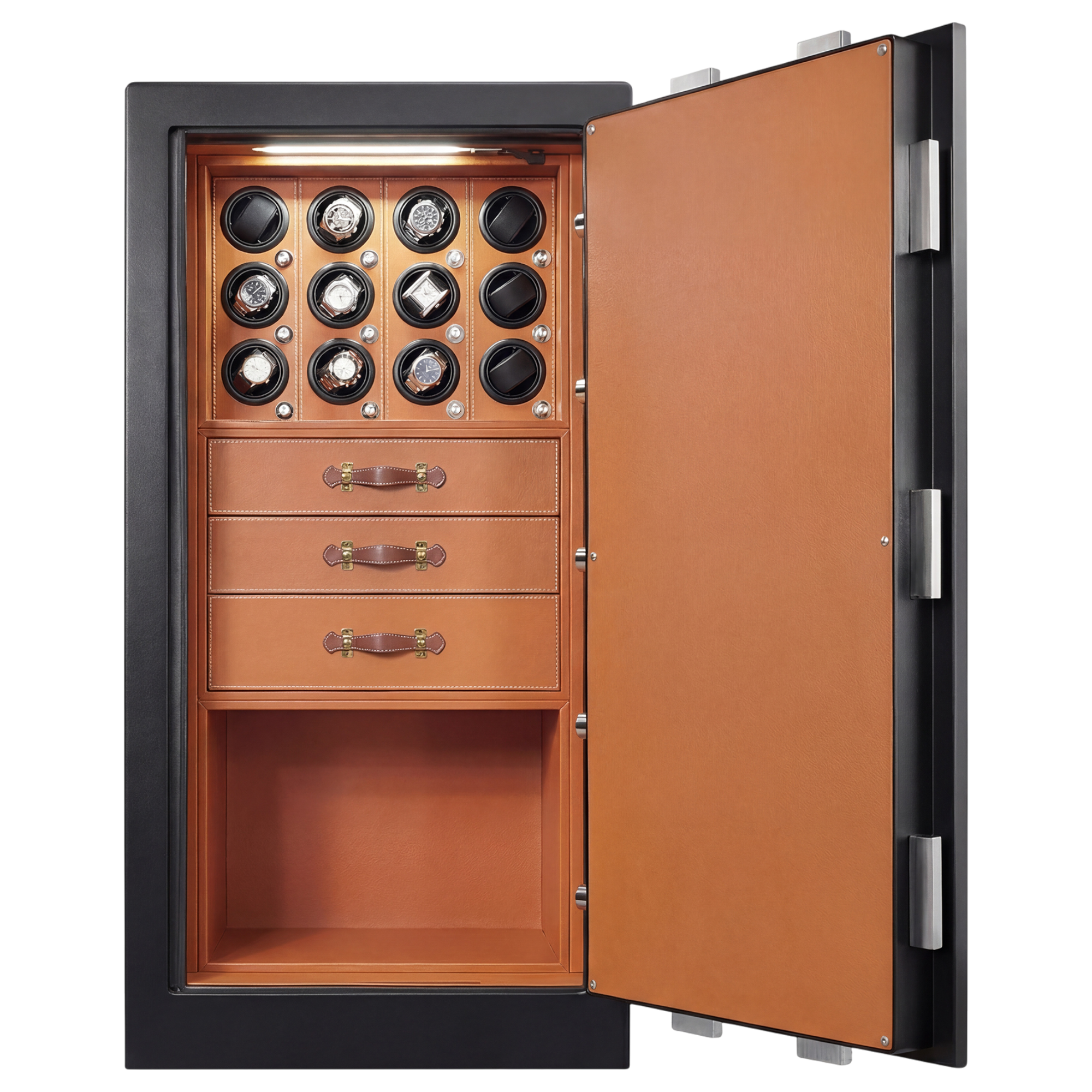
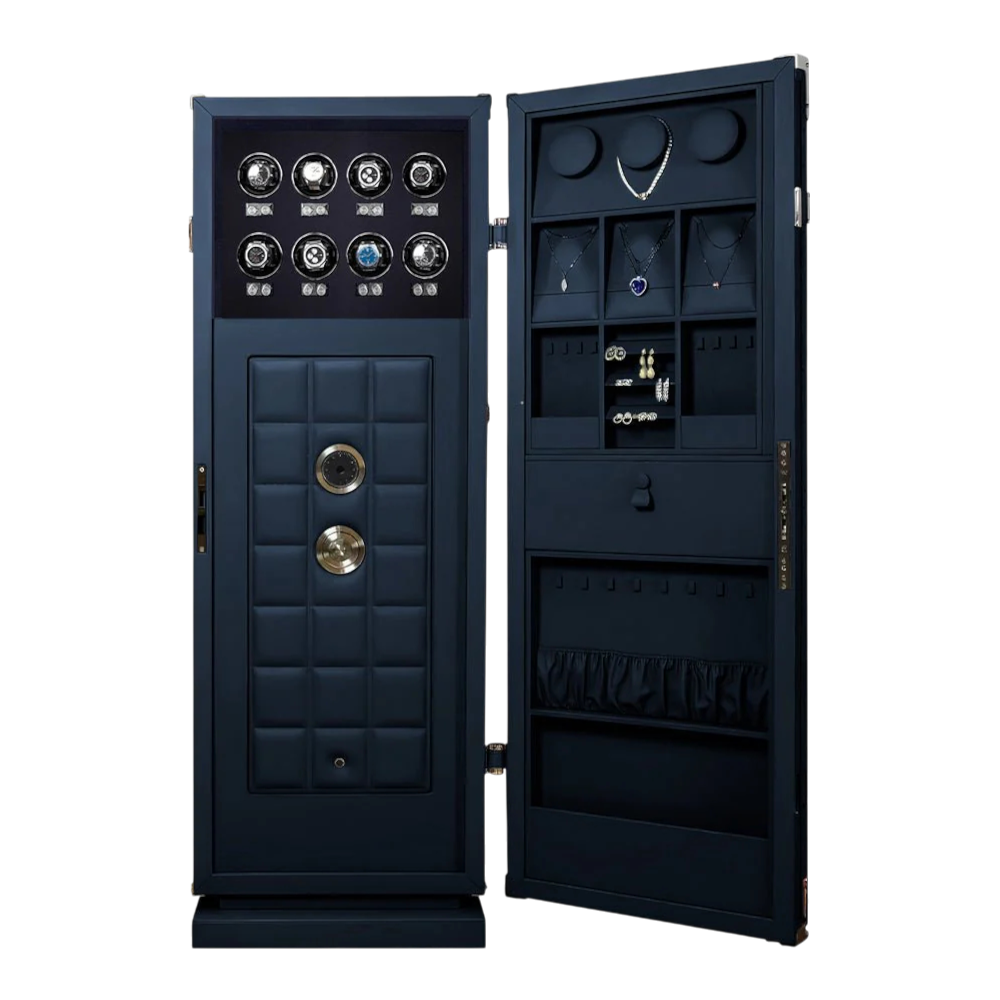
For between-service support (keeping watches wound and protected), see the Winder Series and Vaults collection. Related reading: watch winder lifespan, watch storage checklist.
Protect Your Watch Collection
Designed for collectors who demand the best. Explore our premium watch winders and luxury safes.
Protect Your Watch Collection
Designed for collectors who demand the best. Explore our premium watch winders and luxury safes.