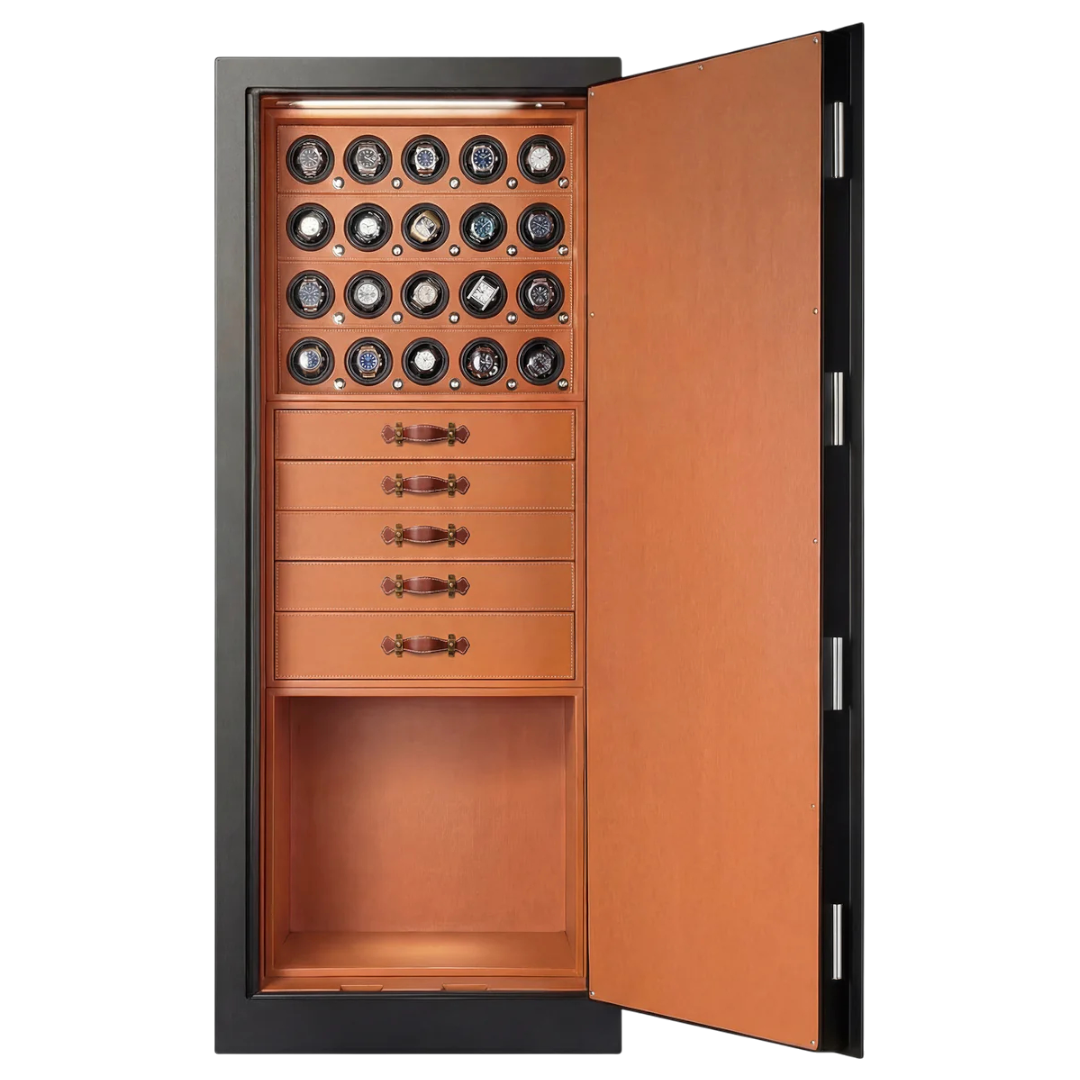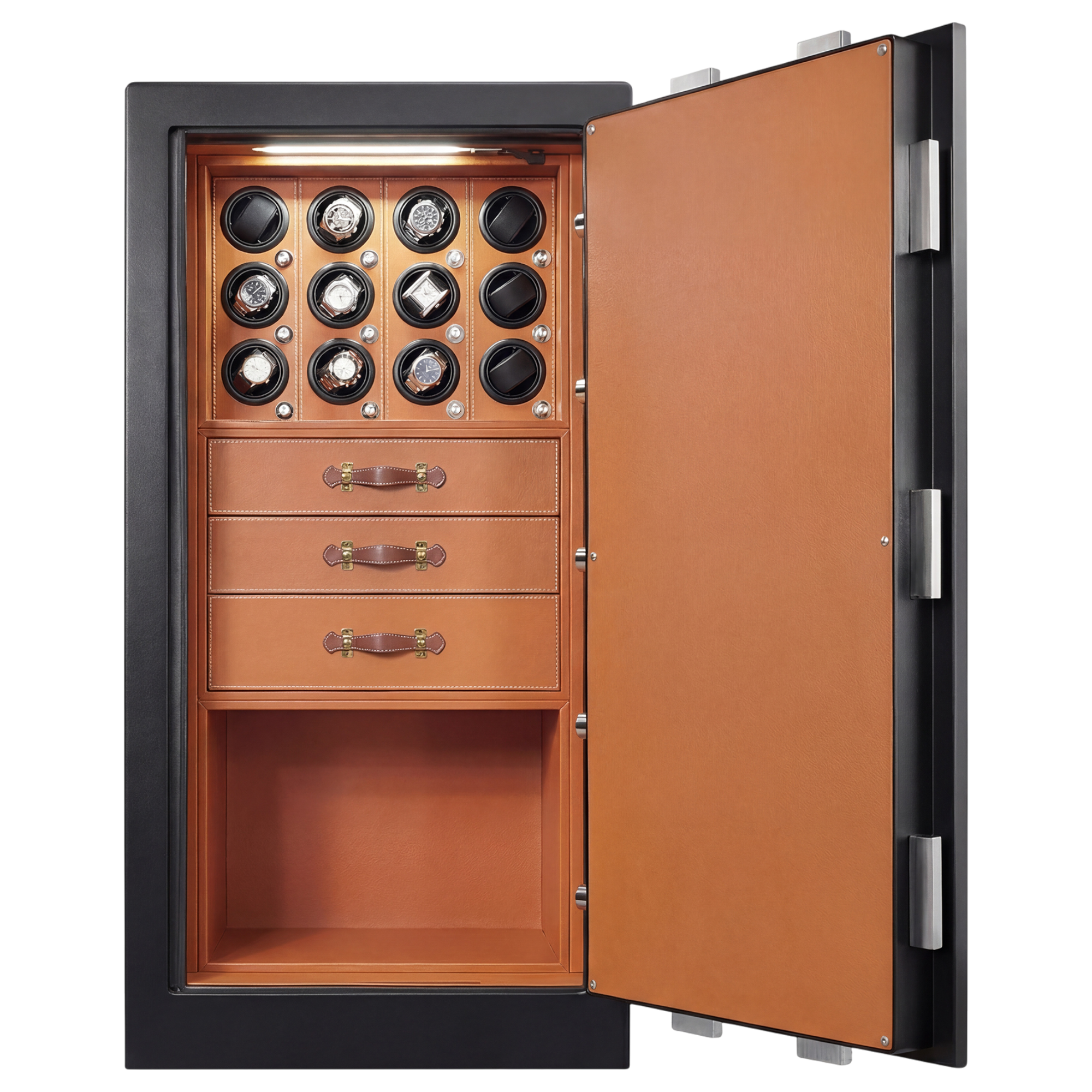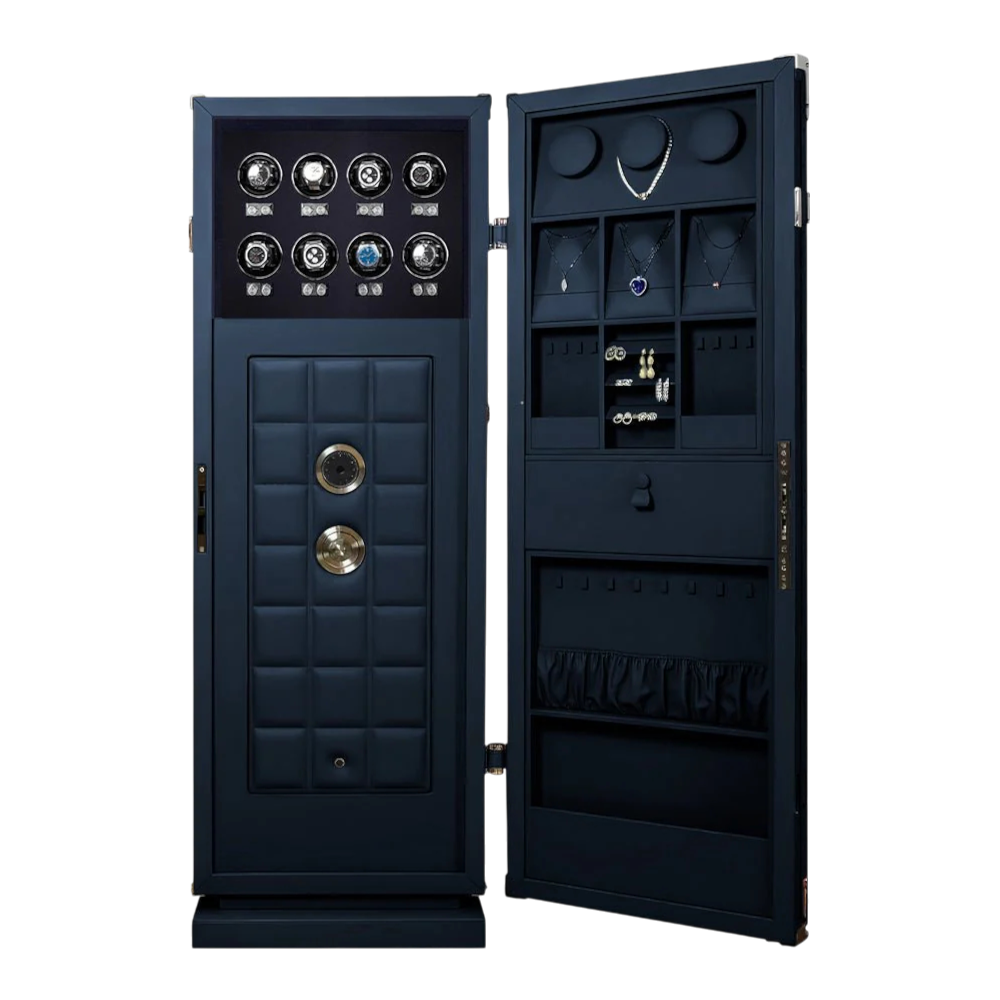

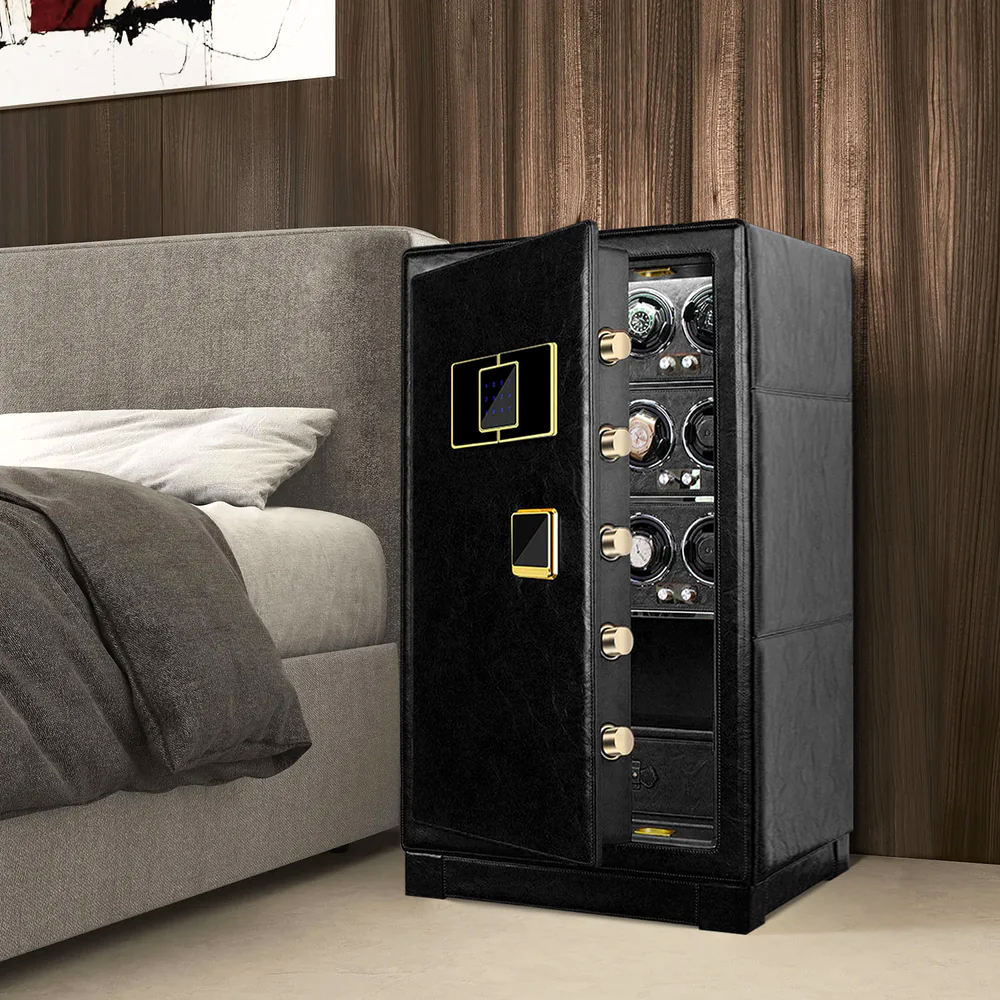
Watch storage combines several variables that each matter individually. Miss one and the others don’t cover for it. This checklist walks through every factor worth tracking, from daily rotation pieces to long-term vault holds, with specific targets for each.
Section 1: Climate
- Temperature held between 60 and 75F (15 to 24C)
- Humidity between 40 and 55 percent
- Digital hygrometer inside the storage location
- Annual verification during seasonal extremes
Climate is the foundation. Before anything else, get the hygrometer and confirm your storage stays in range. See watch humidity control for the full treatment.
Section 2: Security
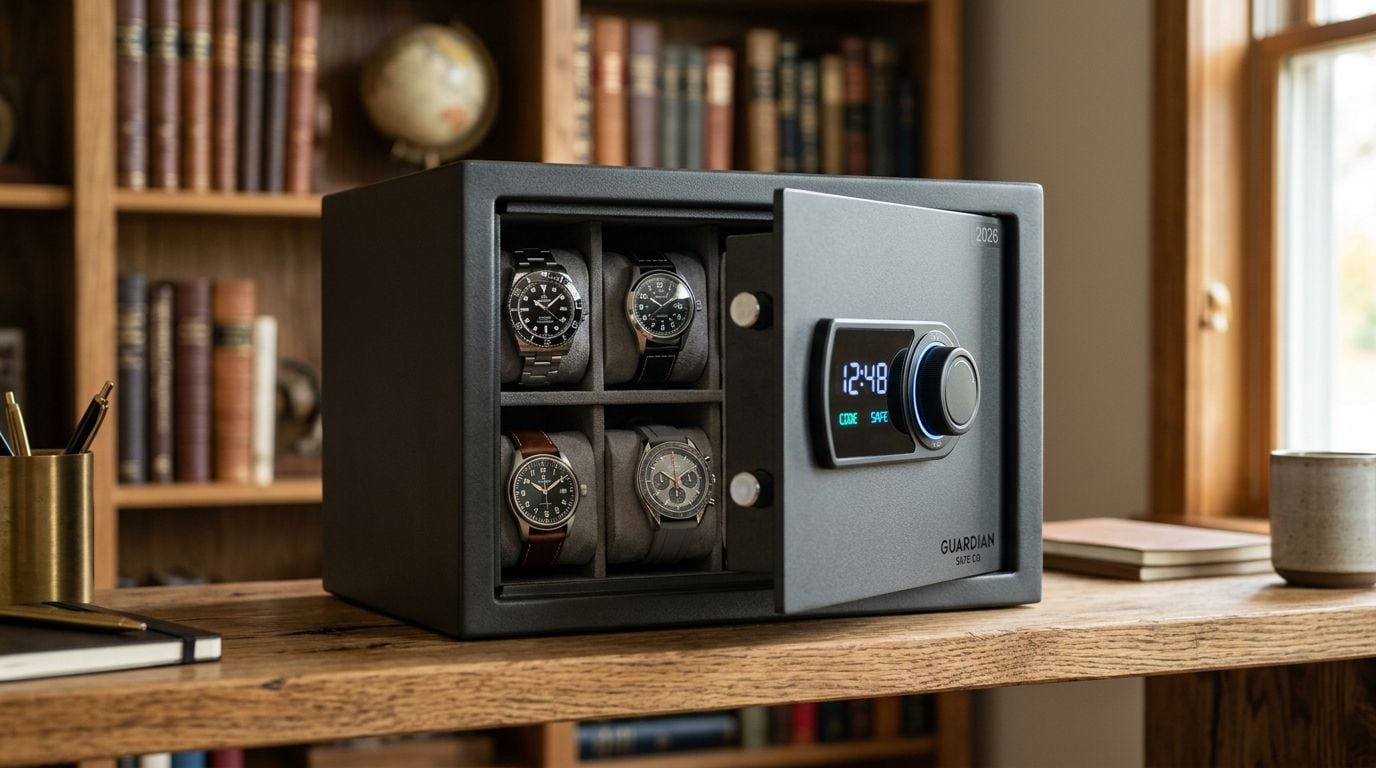
- Safe or vault sized for current collection plus 3 years of growth
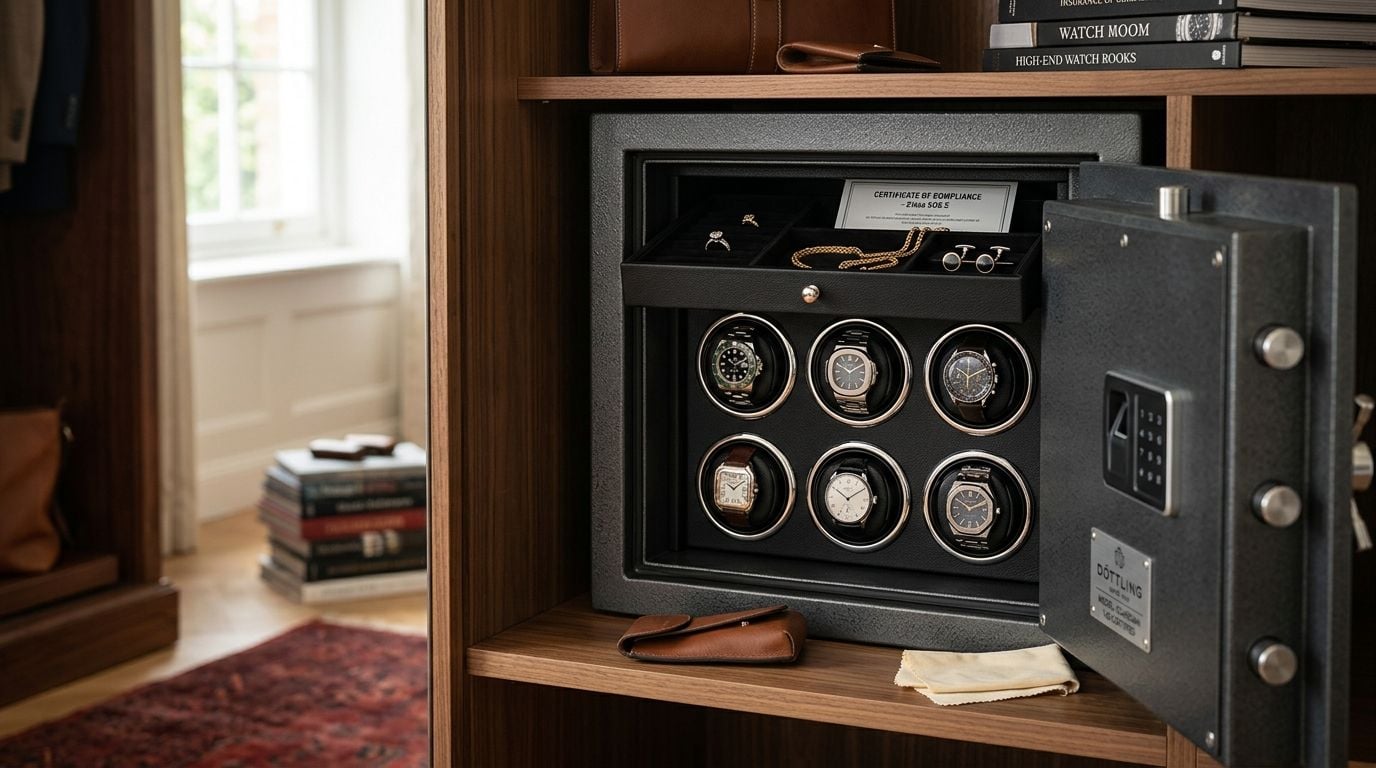
- Certification level matches insurance requirements (RSC, TL-15, or TL-30)
- Bolt-down anchoring installed on residential floors
- Biometric or electronic lock with manual key backup
- Fire rating of 30 minutes minimum, 60+ preferred
Section 3: Active Rotation
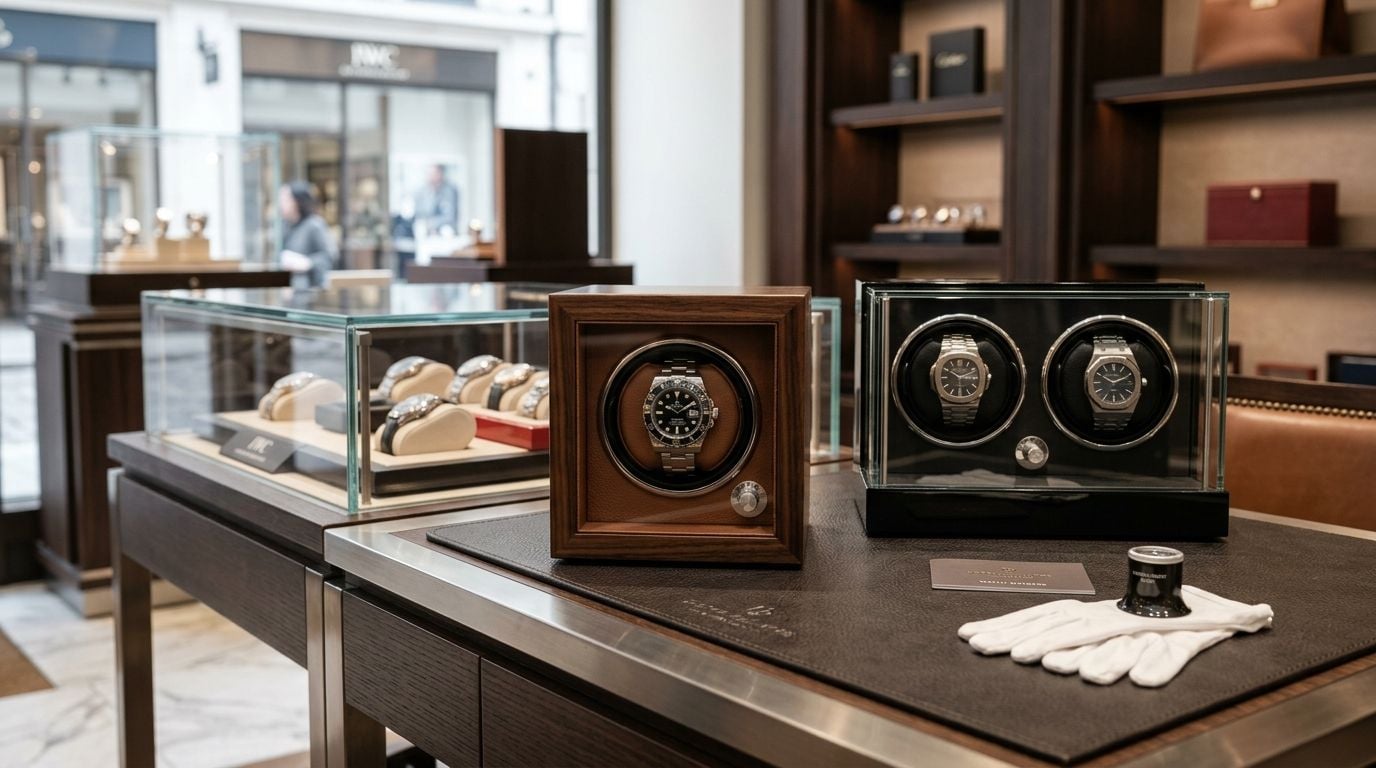
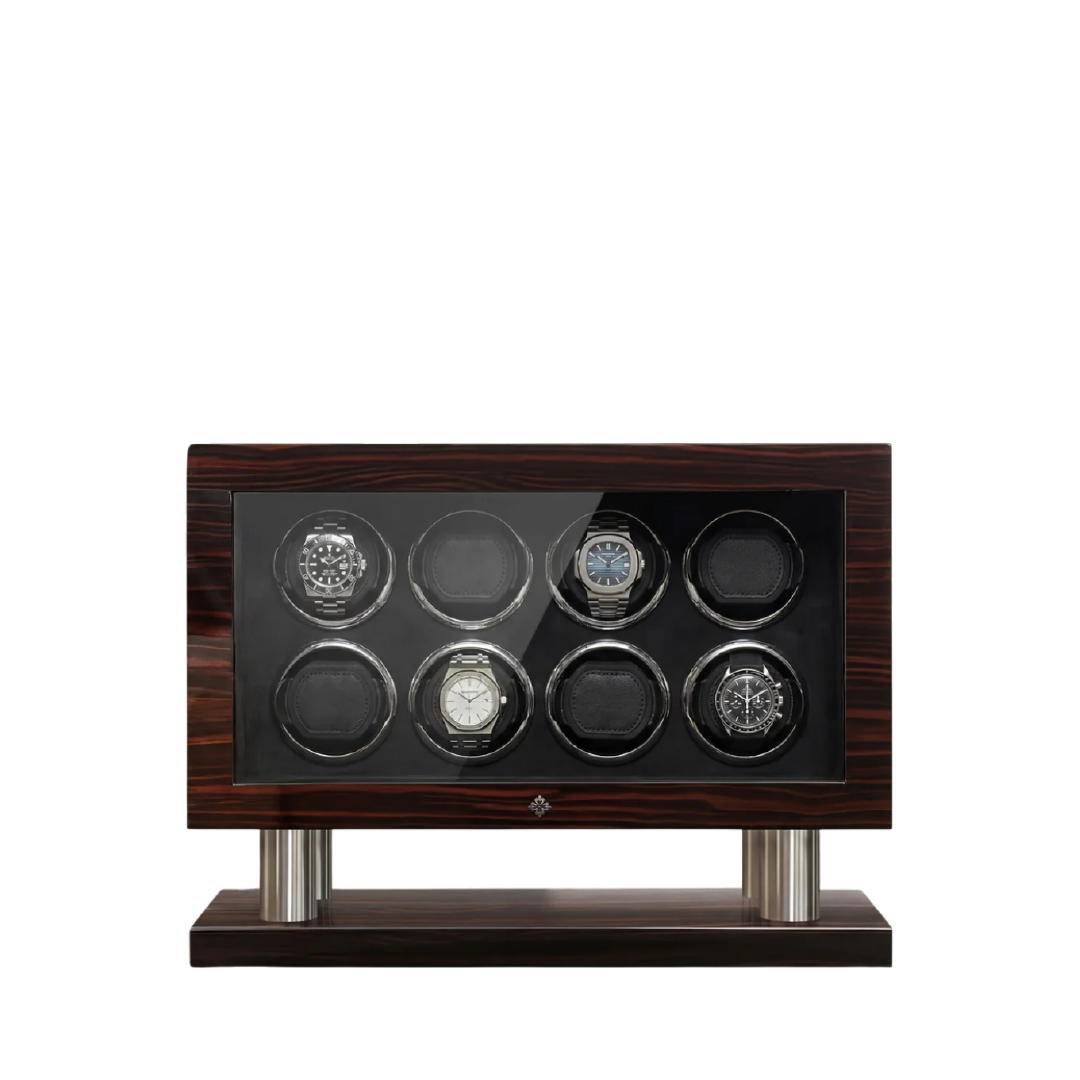
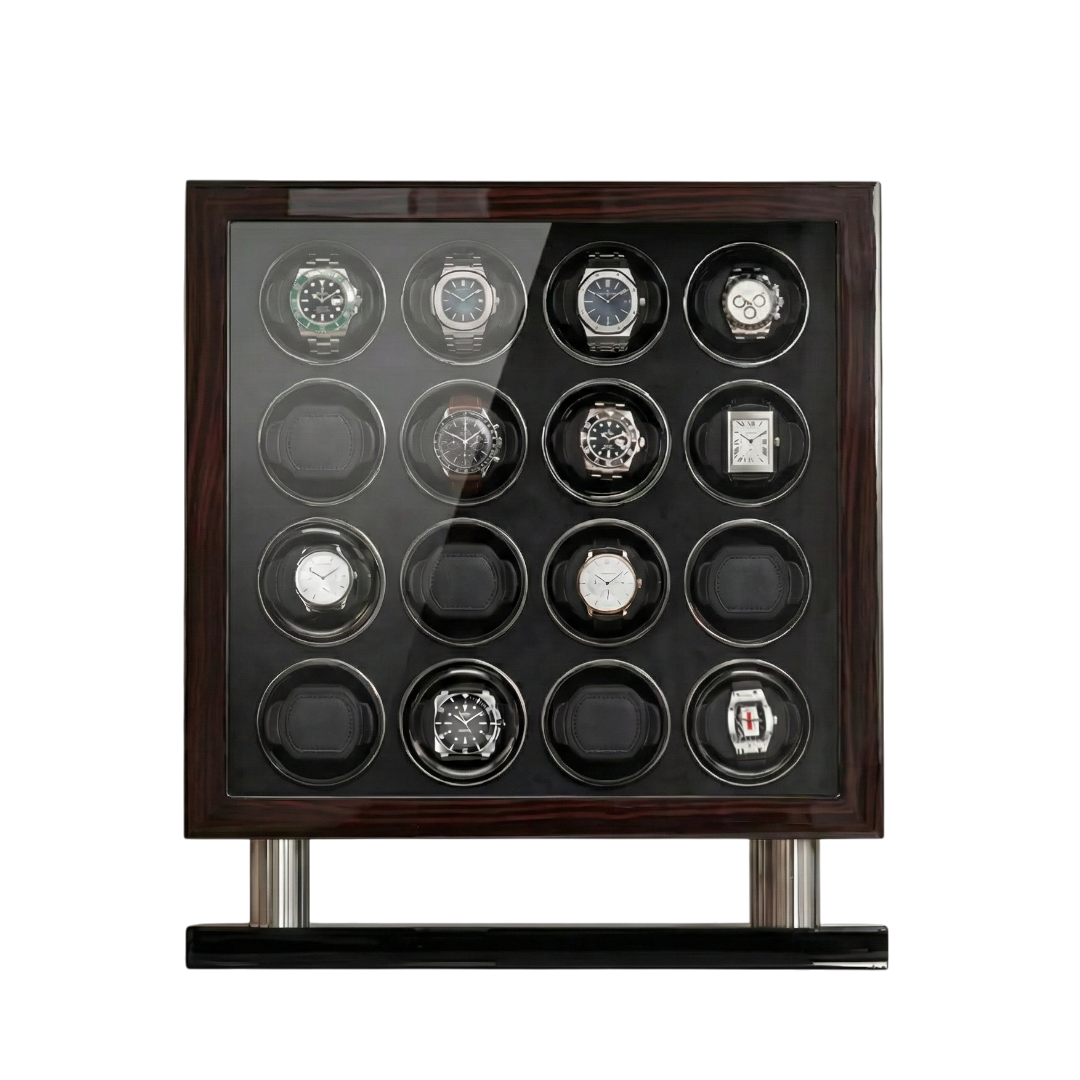
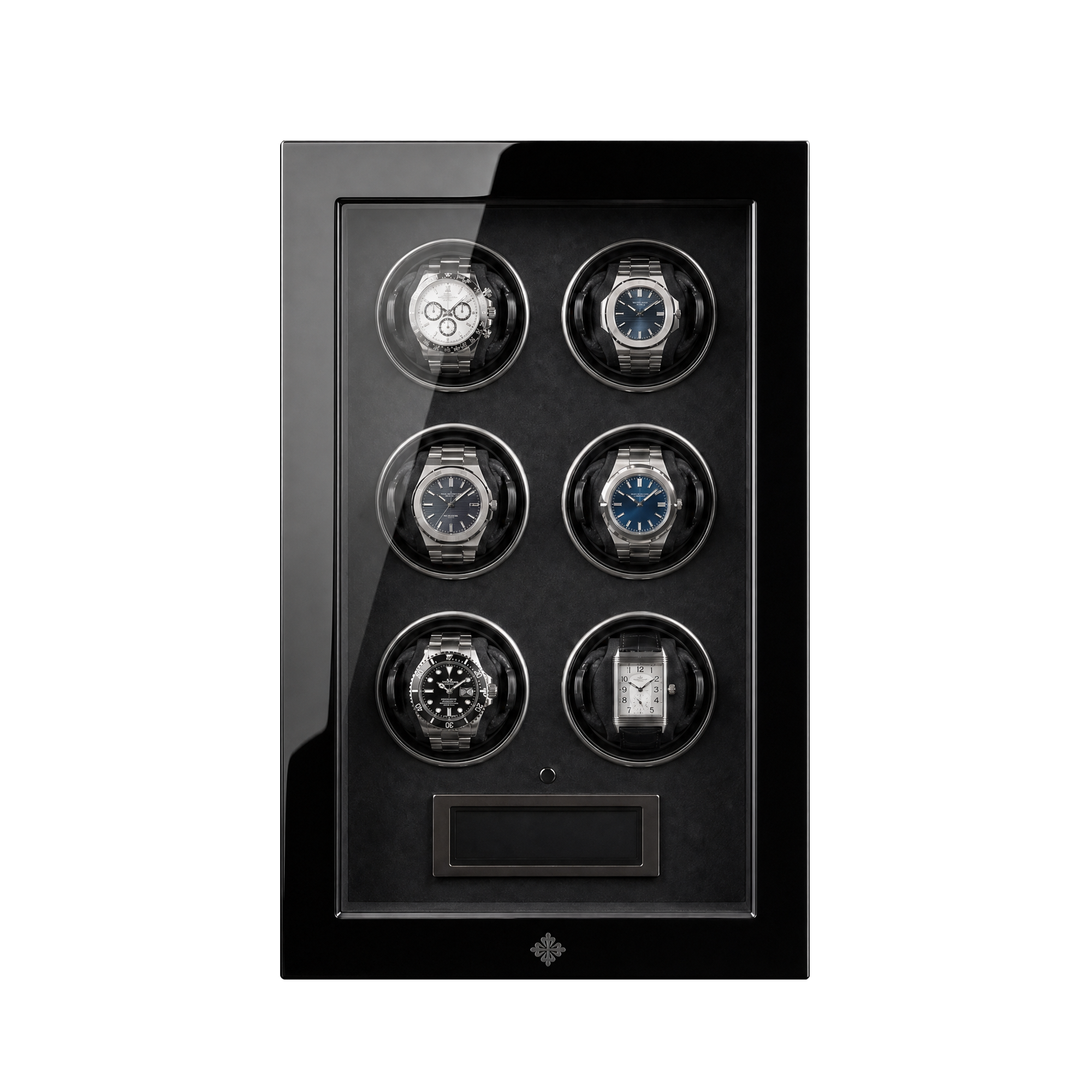
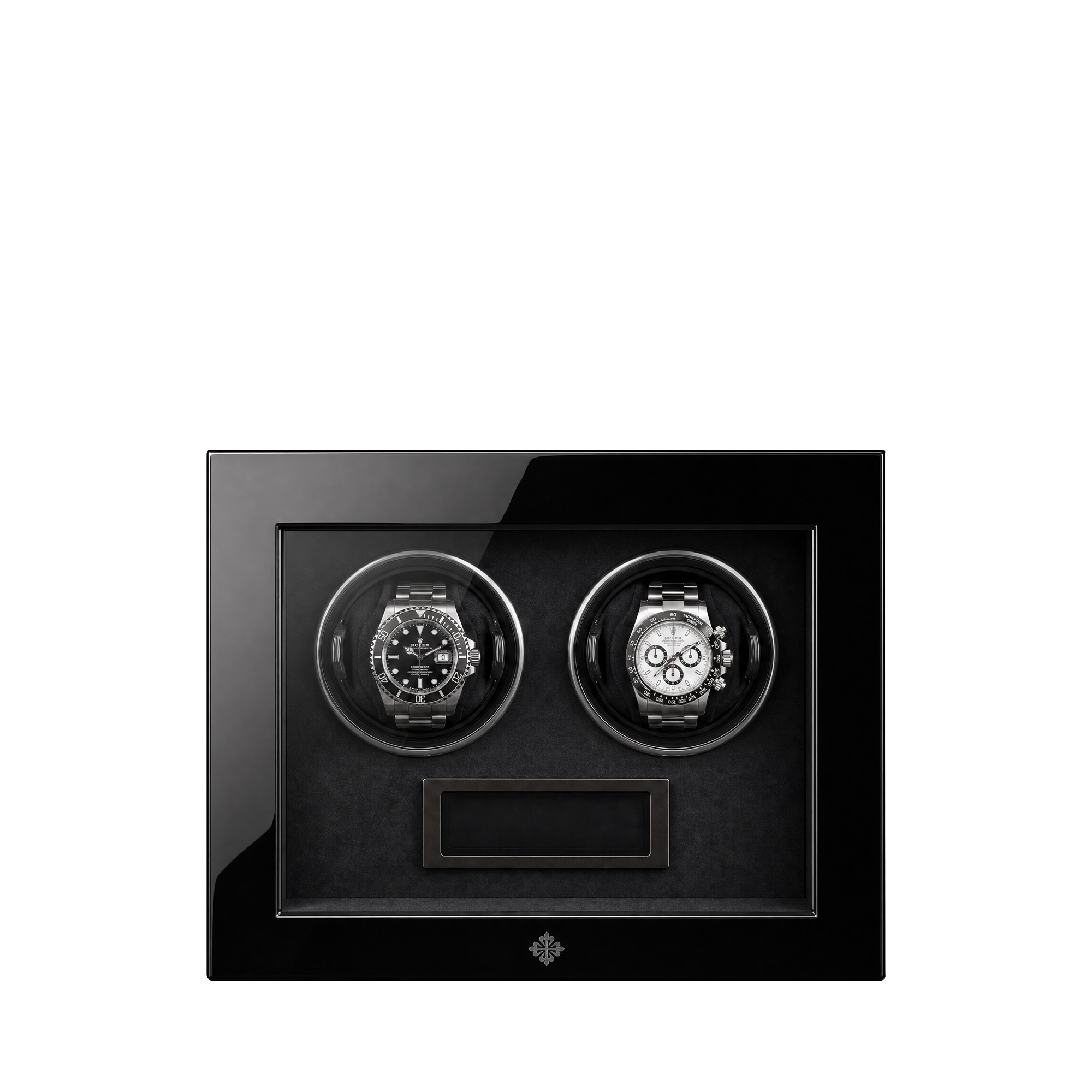
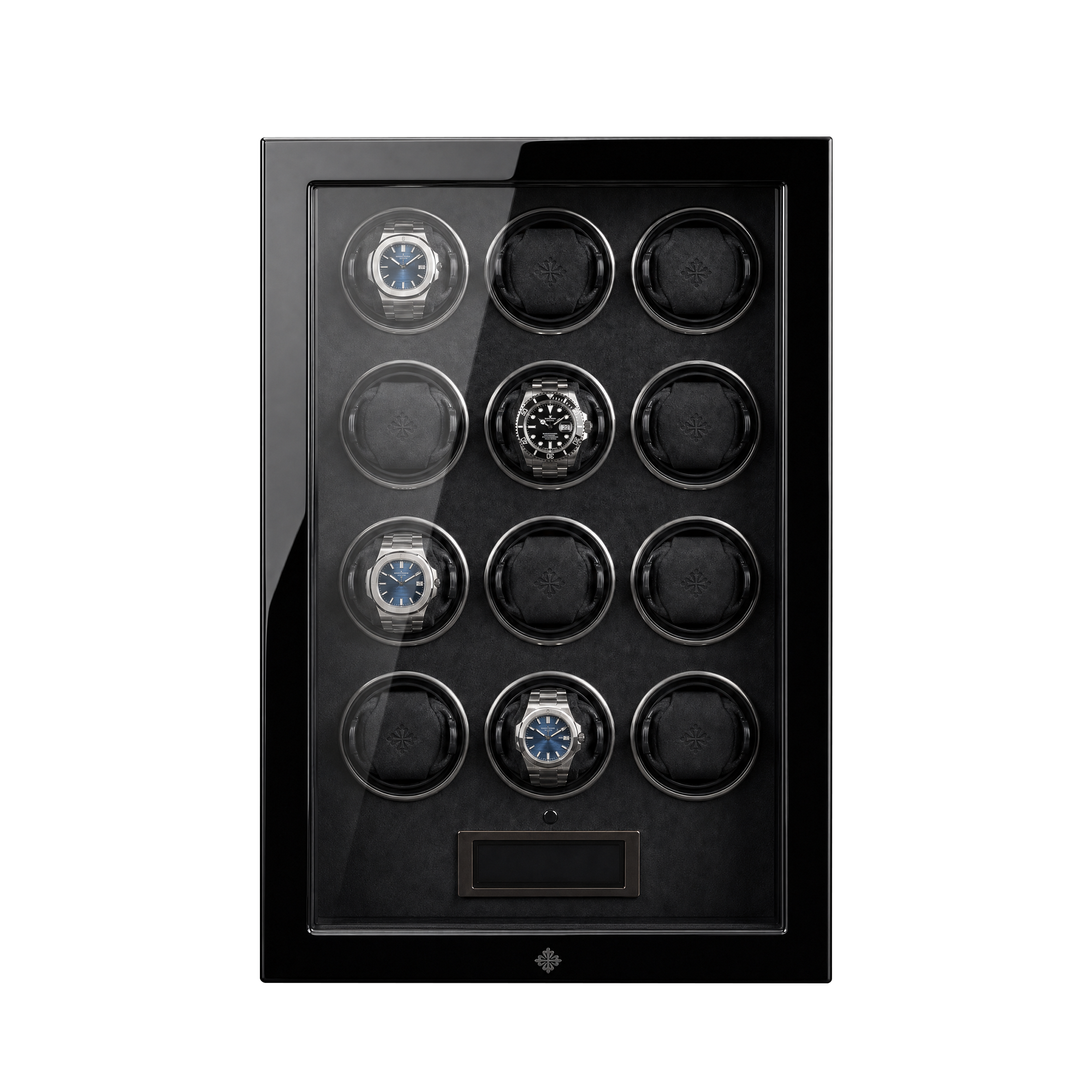
- Winder capacity sized to active rotation plus 2 years of growth
- Mabuchi motors confirmed on the winder spec
- Per-rotor TPD programming verified for each caliber
- Per-rotor direction programming set correctly
- Reference to TPD data by brand available
Section 4: Magnetism
- Storage location at least 6 feet from speakers or large motors
- Watches kept away from MagSafe-style phone accessories in direct contact
- Bi-annual demagnetization as preventive maintenance
- Compass or timegrapher check if timing drifts
See magnetism and watches for specifics.
Section 5: Insurance and Documentation
- Photos of each watch, dial and back
- Serial numbers documented
- Appraisals within 24 months for scheduled pieces
- Policy coverage verified against collection value
- Safe certification matches policy requirements
See insuring a watch collection for the full guide.
Section 6: Long-Term Storage (2+ Years)
- Watches serviced before storage
- Mainsprings allowed to wind down naturally
- Stored in climate-controlled vault with active humidity control
- Leather straps removed and stored flat on high-value pieces
- Periodic check every 6 months
Section 7: Maintenance Schedule
| Task | Frequency |
|---|---|
| Humidity check | Monthly |
| Winder clean-down | Monthly |
| Leather conditioning | Quarterly |
| Silica replacement | Every 2 to 4 months |
| Backup battery check | Annually |
| Demagnetization | Bi-annually |
| Service (movement) | Every 5 to 10 years per watch |
| Safe bolt check | Annually |
Section 8: Travel Storage
- Travel winder packed in carry-on for complicated pieces
- Watches in home safe during trip if left behind
- International travel: confirm insurance coverage worldwide
- Hotel safes acceptable for short stays, not storage grade
Section 9: Display (If Applicable)
- Low-UV LED lighting (2700-3000K)
- No direct sunlight exposure
- Enclosed glass cabinet for dust management
- Locked display for insurance and security
See how to display a watch collection for implementation.
Section 10: Collection Growth Planning
- Current collection size documented
- Expected growth over 3 years estimated
- Winder and safe capacity planned for that size
- Room for strap, service parts, and documentation storage
Critical Checkpoints
If nothing else, verify these four items.
One, humidity in the 40 to 55 percent range.
Two, winder TPD set correctly per caliber.
Three, collection documented for insurance.
Four, safe anchored to structural floor.
Everything else is incremental improvement. These four are the baseline.
Frequently Asked Questions
What’s the single most important storage factor?
Humidity. It’s the silent cumulative damage factor. Everything else is either obvious or preventable.
How often should I review my storage setup?
Annually, plus any time the collection grows significantly. New additions may change insurance or capacity needs.
Do I need all of this for a small collection?
No. Small collections (under 5 watches, under $15K) can skip active climate control, specialty insurance, and dedicated safes. Baseline is a quality safe with hygrometer.
Is a safe-deposit box in a bank a valid long-term option?
Acceptable for 1 to 2 year holds. Downsides: limited access, no climate verification, bank failure risk over longer terms.
What’s the weakest link in most collector storage?
Climate. Most collectors have good safes but no humidity monitoring or control.
Should I hire a watch storage consultant?
For collections above $1M, possibly. For most collections, a careful reading of this checklist plus product specs is sufficient.
Is there a point where this becomes overkill?
Yes. For collections under $25K in value, full vault-grade storage is unnecessary. Scale storage to what you actually own.
Start Here
Pick the weakest item from the checklist above and address it first. Usually humidity or safe upgrades. For complete setup recommendations by collection size, see our series on 10-watch collection storage, 20-watch collection storage, and beyond.
Products: Winder Series, Vaults collection, Custom Safes for bespoke builds.
Protect Your Watch Collection
Designed for collectors who demand the best. Explore our premium watch winders and luxury safes.
Protect Your Watch Collection
Designed for collectors who demand the best. Explore our premium watch winders and luxury safes.