
Insurance for watches gets complicated fast. Homeowner’s policies cover watches up to a limit, but scheduled and specialty coverage takes over above that. Each tier has different requirements for documentation, safes, and claims. This guide walks through what each type covers, when to upgrade, and what insurers actually require in 2026.
Three Tiers of Coverage
Tier 1: Homeowner’s Policy Baseline
Standard homeowner’s policies cover personal property including watches, typically up to $1,500 to $2,500 per watch with a total jewelry sublimit of $5,000 to $10,000. That’s the default. It covers most collections under $10K.
Above that, the sublimits kick in. A $30K Rolex is covered for $2,500 under a standard policy. The rest is self-insured.
Tier 2: Scheduled Personal Property
Scheduling means adding specific items to the policy with individual values and coverage. Each scheduled watch is covered for its appraised value without the sublimit.
Benefits. Coverage up to the appraised amount. Broader perils (damage, loss, theft worldwide). No deductible on most schedule riders.
Requirements. Appraisal (recent, usually within 2 years). Photos. Receipts or provenance. Sometimes a safe certification requirement for high-value pieces.
Tier 3: Specialty Jewelry or Watch Policy
Companies like Jewelers Mutual, Chubb Masterpiece, or specialty brokers offer dedicated policies. Typically needed for collections over $100K or pieces over $50K individually.
Benefits. Highest coverage limits. International coverage standard. Agreed-value claims. Specialized claim handlers who understand watches.
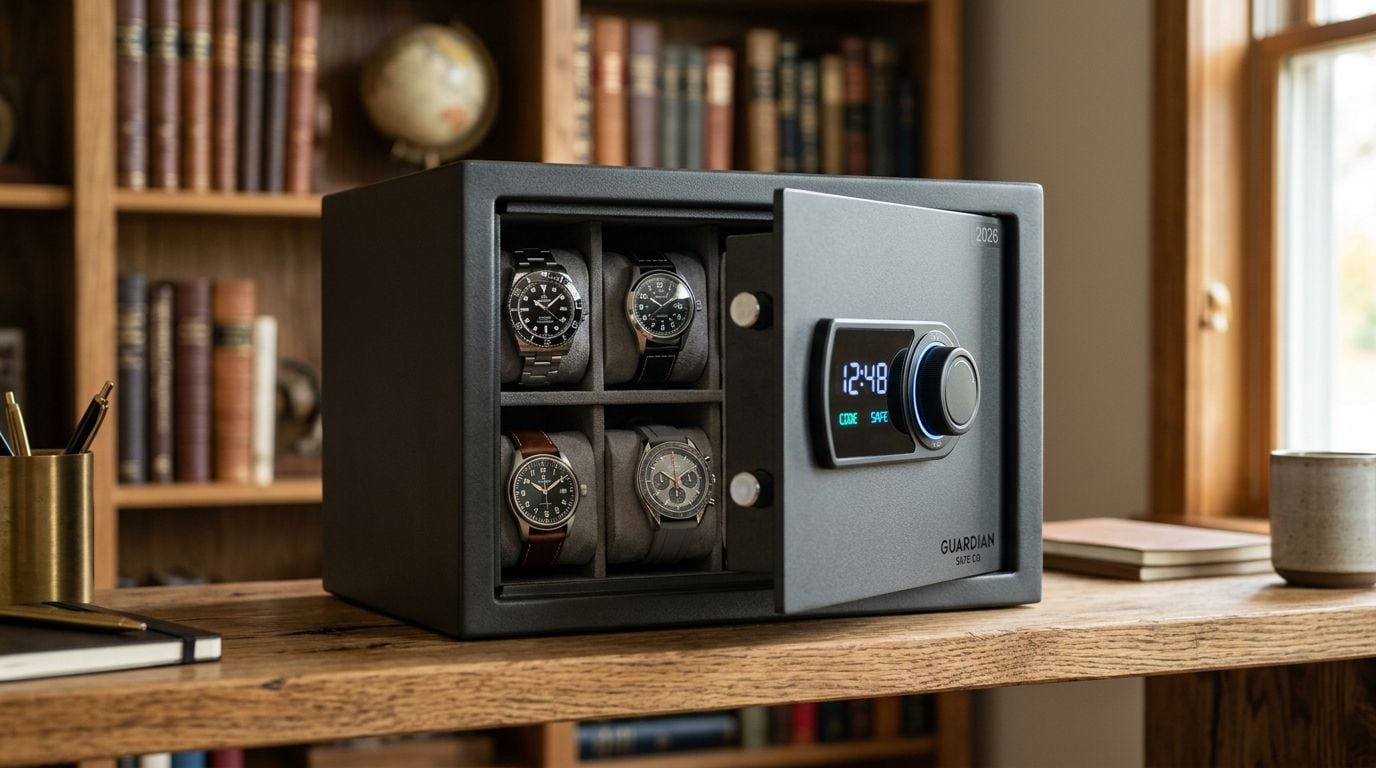
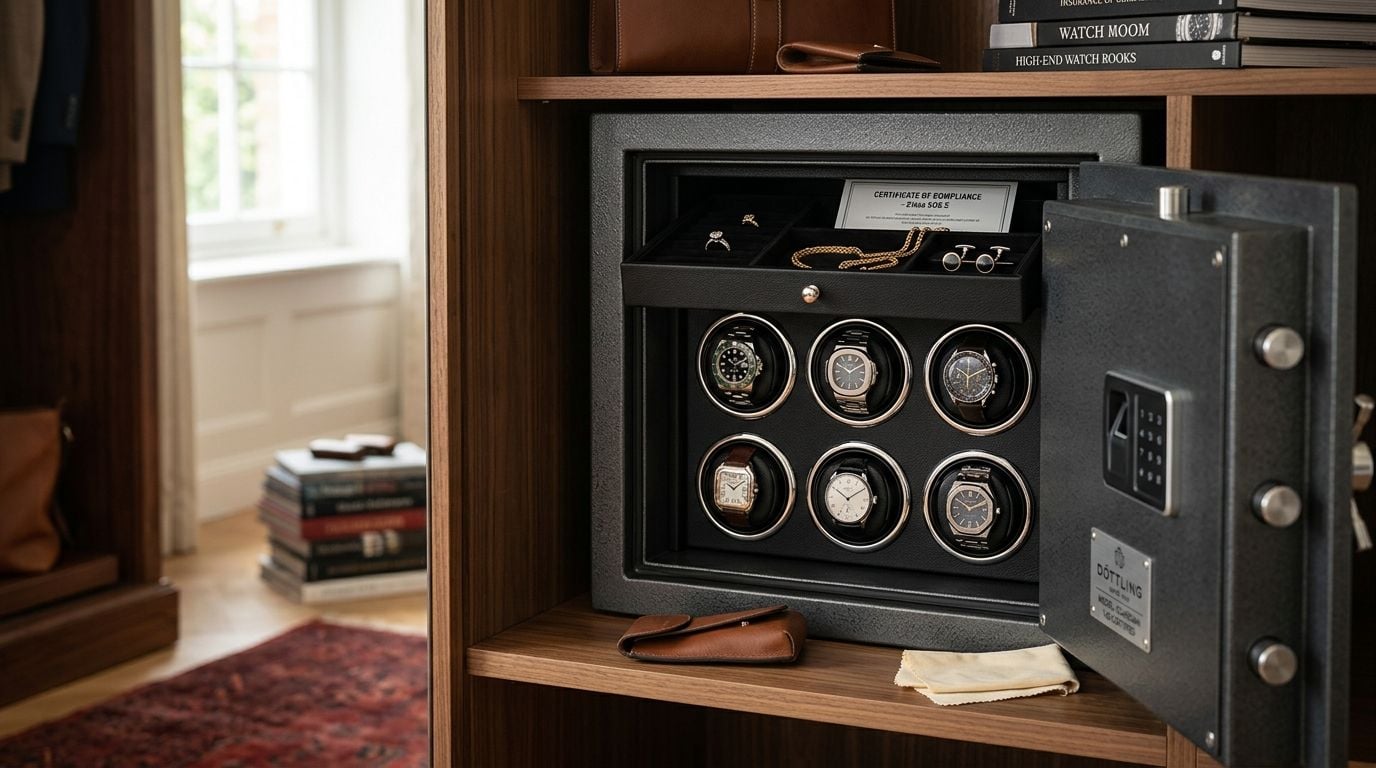
Requirements. Full collection appraisal. Safe certification (often TL-15 minimum). Security system. Photos, receipts, provenance for each piece.
What Insurers Actually Require
| Collection Value | Policy Type | Safe Requirement | Documentation |
|---|---|---|---|
| Under $10K | Homeowner baseline | None | Basic inventory |
| $10K to $50K | Scheduled rider | UL-rated RSC | Photos + appraisal |
| $50K to $250K | Scheduled or specialty | UL TL-15 | Full appraisal, receipts, photos |
| $250K+ | Specialty policy | UL TL-30 + alarm | Full documentation, security audit |
What Safe Certifications Mean for Insurance
RSC (Residential Security Container). UL-rated for 5 minutes against common tools. Baseline for covered residential storage.
UL TL-15. 15 minutes against specialty tools. Typical requirement for scheduled riders above $50K.
UL TL-30. 30 minutes with additional tool categories. Typical requirement for specialty policies above $250K.
UL TL-30X6. TL-30 on all six sides rather than just the door. Top-tier commercial grade.
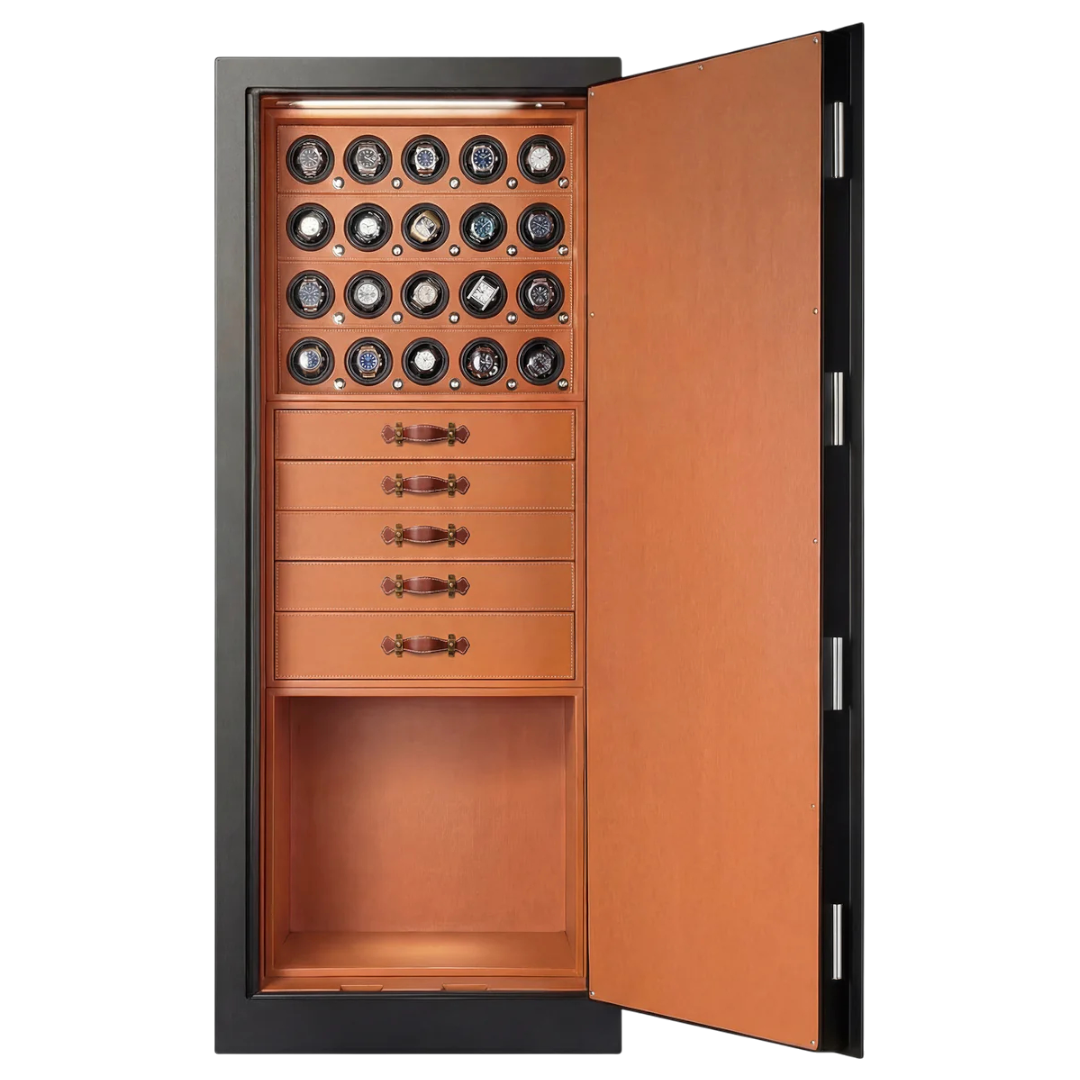
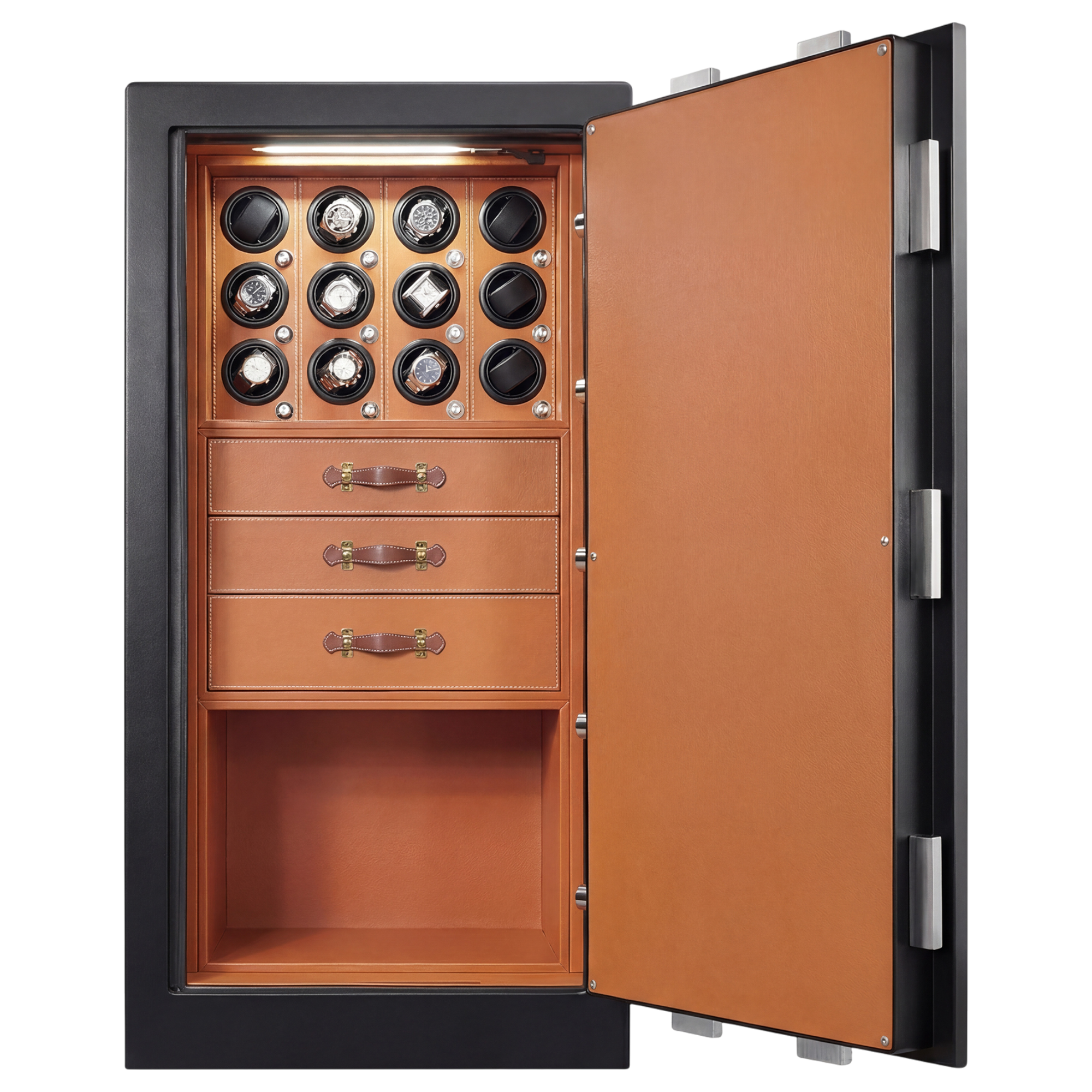
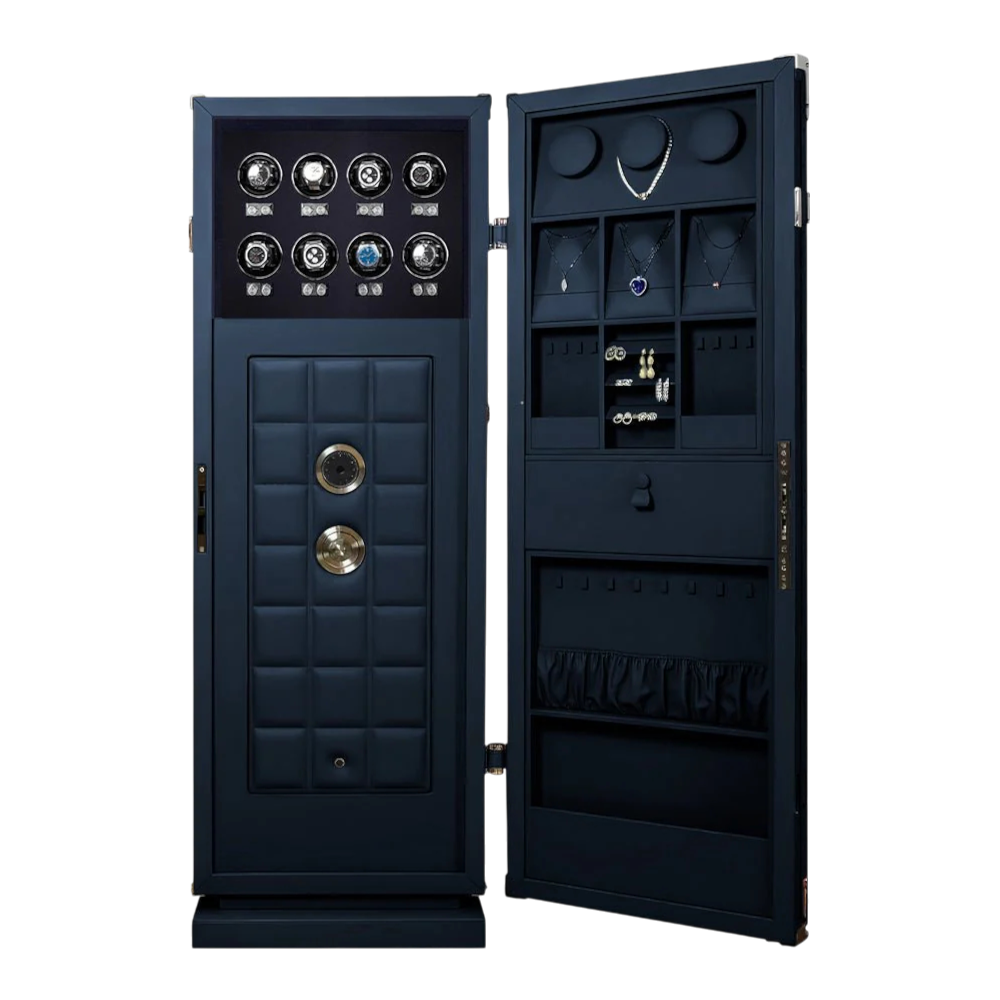
The Centennial, Titan Sanctum 20, and Custom Safes builds can be specified to TL-15 or TL-30 certification.
What Documentation Each Policy Needs
Minimum for any policy.
- Photo of each watch, dial and back
- Serial number (from caseback or papers)
- Purchase receipt or appraisal
- Date of acquisition
For scheduled riders, add.
- Independent appraisal within 24 months
- High-resolution photos showing condition
- Manufacturer papers if available
For specialty policies.
- Full collection appraisal from a certified appraiser
- Detailed photos including movement serial numbers where accessible
- Chain of ownership documentation
- Safe specifications and certifications
- Home security system details
Common Insurance Mistakes
Assuming homeowner’s policy covers high-value pieces. Sublimits apply. Check yours before a loss.
Under-appraising. A watch appraised at $25K that’s actually worth $35K pays $25K at claim. Update appraisals every 2 years.
Over-appraising. Inflated appraisals trigger insurer audits and can be voided at claim time.
Ignoring safe requirements. Some policies void coverage if stolen items weren’t in the required safe. Read the fine print.
Not insuring while traveling. Home policies may not cover international theft. Scheduled riders typically do. Confirm before traveling with valuable pieces.
When to Talk to a Specialty Broker
At $100K in collection value, specialty brokers typically provide better coverage at comparable or lower cost than homeowner’s add-ons. The claim experience is also noticeably better with specialty insurers.
Brokers worth contacting include Chubb, Jewelers Mutual, AIG Private Client, and regional specialty jewelers’ brokers.
Frequently Asked Questions
Does my homeowner’s policy cover watches?
Up to a sublimit, usually $1,500 to $2,500 per item with total jewelry caps of $5,000 to $10,000. Above that, you need scheduling or specialty coverage.
How often should I update appraisals?
Every 2 years for watches that appreciate. Rolex sport models, Patek, and AP values change fast. Out-of-date appraisals pay out less.
What does a watch appraisal cost?
$50 to $200 per watch for certified appraisers. Some insurance brokers provide free initial appraisals as part of policy setup.
Is homeowner coverage worldwide?
Usually no. Loss outside the home is often subject to different limits. Scheduled riders and specialty policies are typically worldwide.
Do I need a safe to insure watches?
For collections above $25K, usually yes. Specific certification depends on the policy.
What happens if my safe is stolen with watches inside?
Depends on the safe rating and policy. TL-rated safes cover the contents if the safe is breached. Non-rated safes may not.
Should I insure watches separately from other jewelry?
Separate scheduling is typical. It keeps watch-specific documentation clean.
Start With an Appraisal
Before shopping for coverage, get a current collection appraisal. That number determines which tier of coverage you need and which safe certification to consider. For collections that cross $50K and need proper storage, browse the Vaults collection or Custom Safes.
Related reading: how to store watches long-term, how to choose a watch safe, and best watch vaults.
Protect Your Watch Collection
Designed for collectors who demand the best. Explore our premium watch winders and luxury safes.
Protect Your Watch Collection
Designed for collectors who demand the best. Explore our premium watch winders and luxury safes.