

You own seven watches. Four you love, three you bought and never wear. The four you love show wear, the three you don’t never see daylight. A rotation schedule fixes this. It distributes wear, keeps movements exercised, and makes sure the pieces you bought get used. This guide covers rotation systems that actually work.
Why Rotation Matters
Three reasons collectors rotate deliberately.
Even wear. A bracelet worn daily for five years looks different from one worn once a month. Distributing wear keeps the collection cosmetically consistent.
Movement exercise. Automatic movements run better when used regularly. Oils distribute, springs stay responsive, tolerances hold.
Enjoyment. The watches you bought for specific reasons get worn for those reasons. A diver for the beach trip, a dress watch for the dinner, a chronograph for the weekend drive.
The Simplest System: Weekly Rotation
Pick one watch for Monday morning. Wear it through the week. Sunday evening, swap. That’s it. For a 7-watch rotation, each watch gets a week per month.
For smaller collections (3 to 5 watches), wear each watch for 1 to 2 days.
For larger collections (10+ watches), you might rotate per day or split by category (dress during the week, sport on weekends).
The Category System
Organize by watch type and rotate within categories.
| Category | Occasions | Example |
|---|---|---|
| Daily / Office | Weekdays, business casual | Rolex Datejust, Omega Seamaster |
| Sport / Weekend | Casual, travel, activity | Submariner, Speedmaster |
| Dress / Formal | Evening, formal events | Patek Calatrava, JLC Reverso |
| Complication / Occasional | Special wear | Perpetual calendar, tourbillon |
Pick from the appropriate category for the day. This naturally varies wear based on your actual life.
A Sample 12-Watch Monthly Rotation
12 watches, each wears about 2.5 days per month.
- Week 1: Watch 1 (Mon-Wed), Watch 2 (Thu-Sun)
- Week 2: Watch 3 (Mon-Wed), Watch 4 (Thu-Sun)
- Week 3: Watch 5 (Mon-Wed), Watch 6 (Thu-Sun)
- Week 4: Watch 7 (Mon-Wed), Watch 8 (Thu-Sun)
- Buffer days: Watches 9 through 12 filling in for specific occasions
Doesn’t have to be rigid. Adjust for business trips, dinners, weekend activities.
Using a Winder for Your Rotation
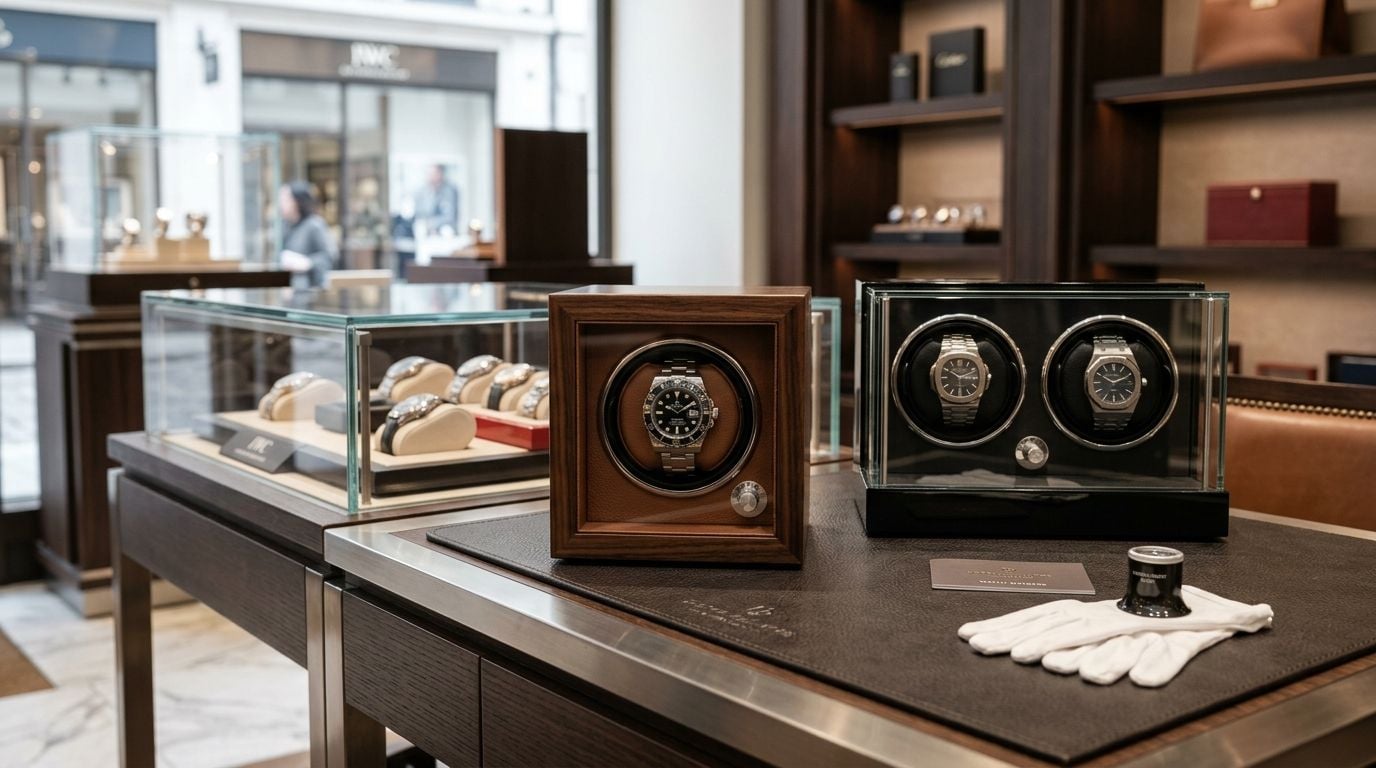
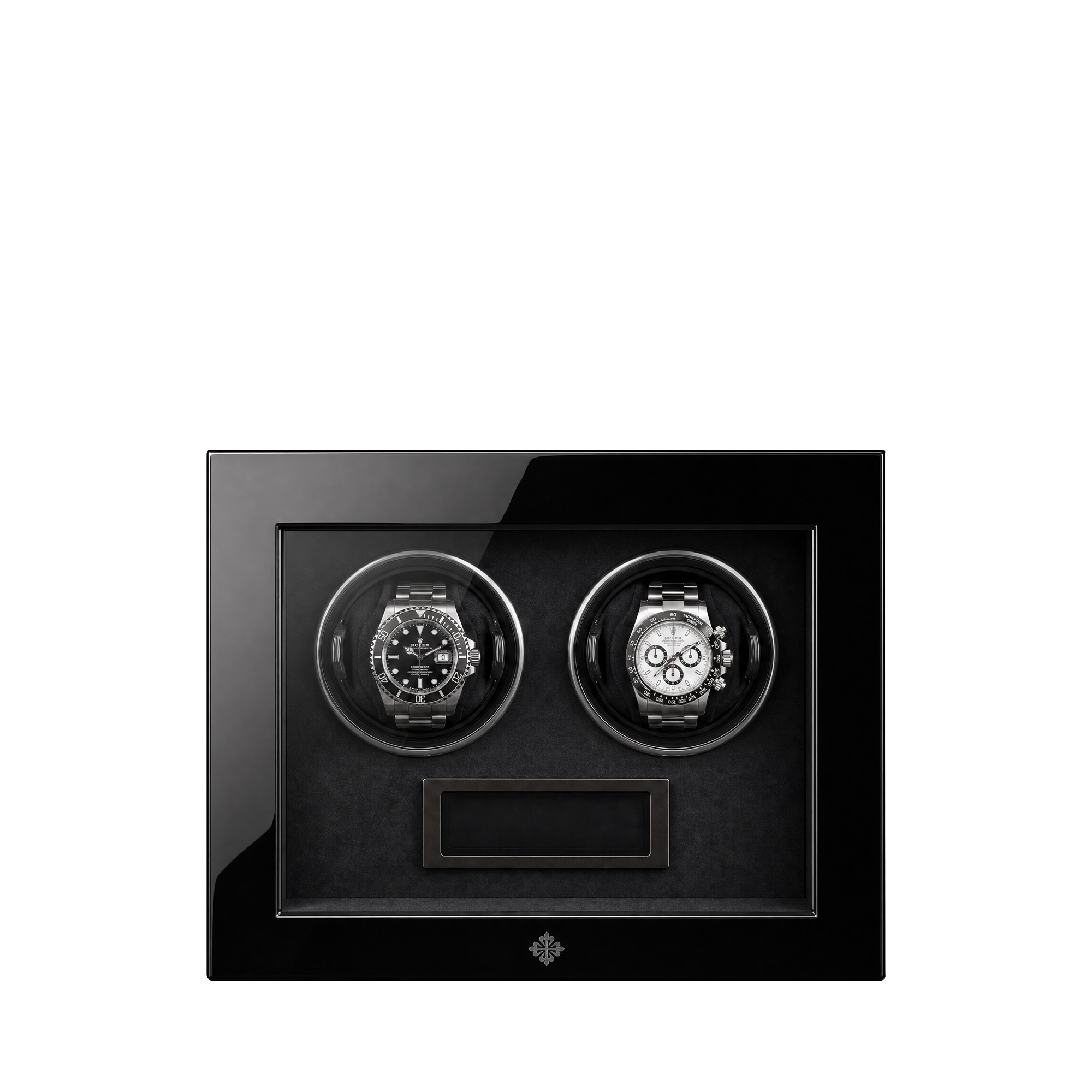
A winder keeps rotation watches ready. You pull a watch off the winder, wear it for its assigned stretch, and put it back. No resetting date. No winding by hand.
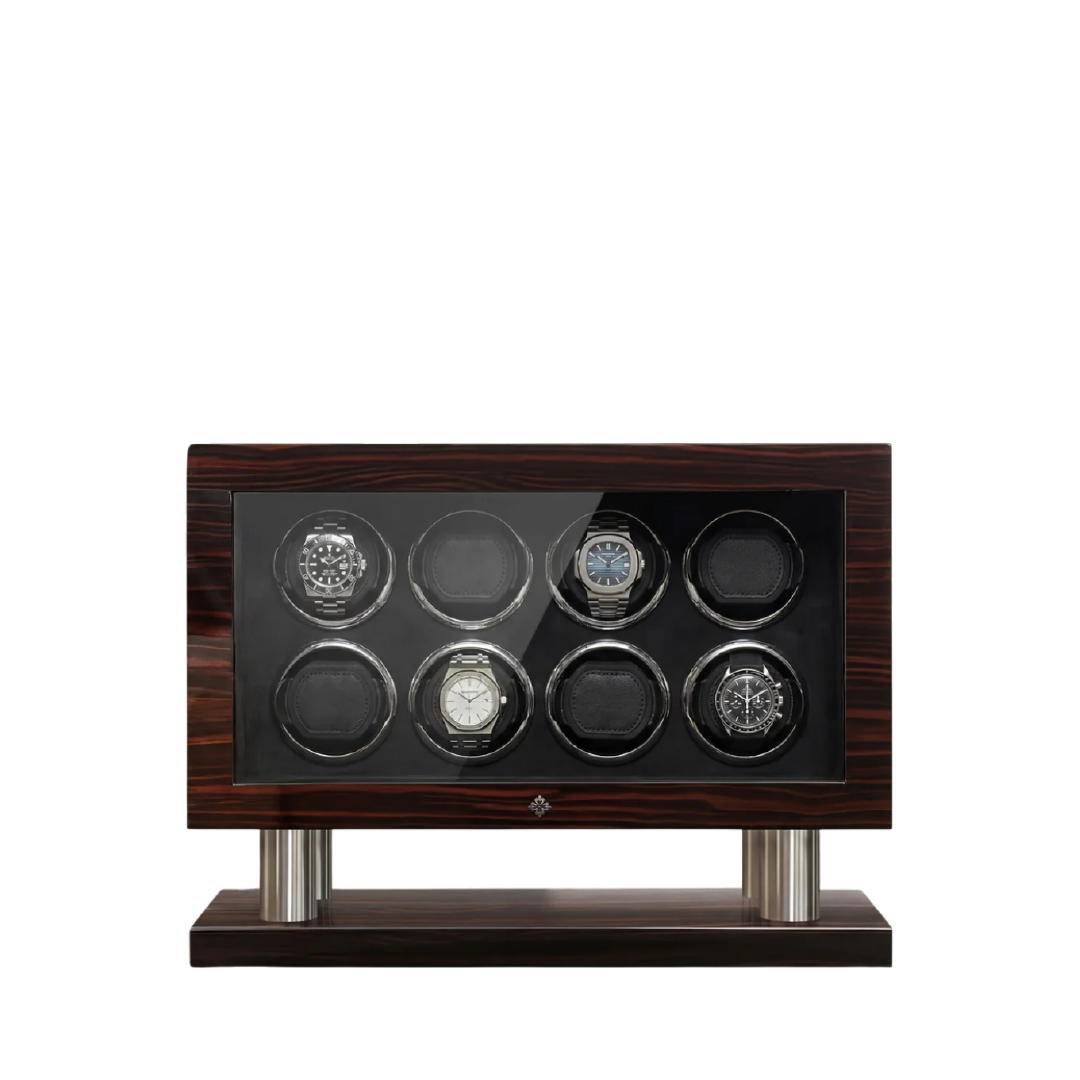
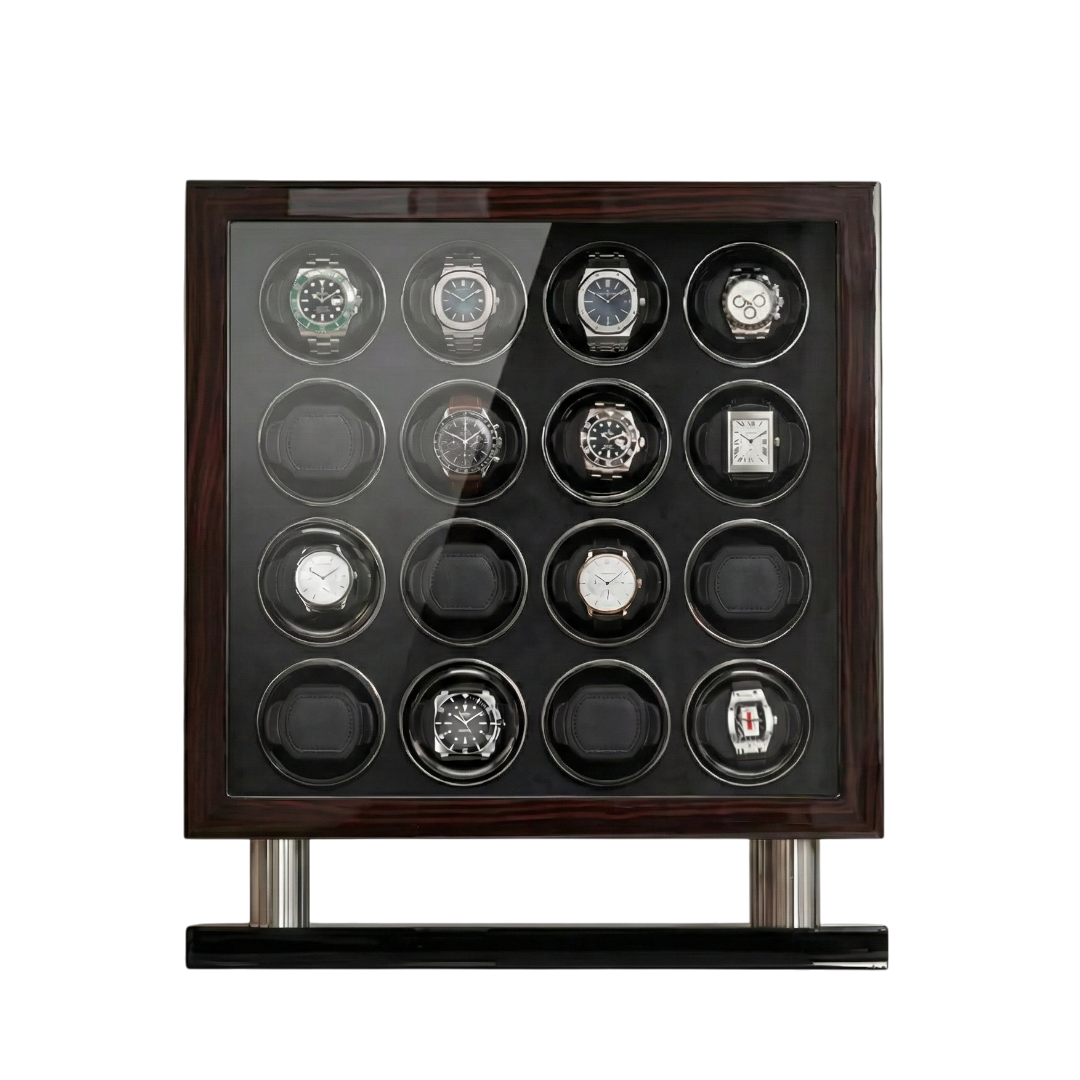
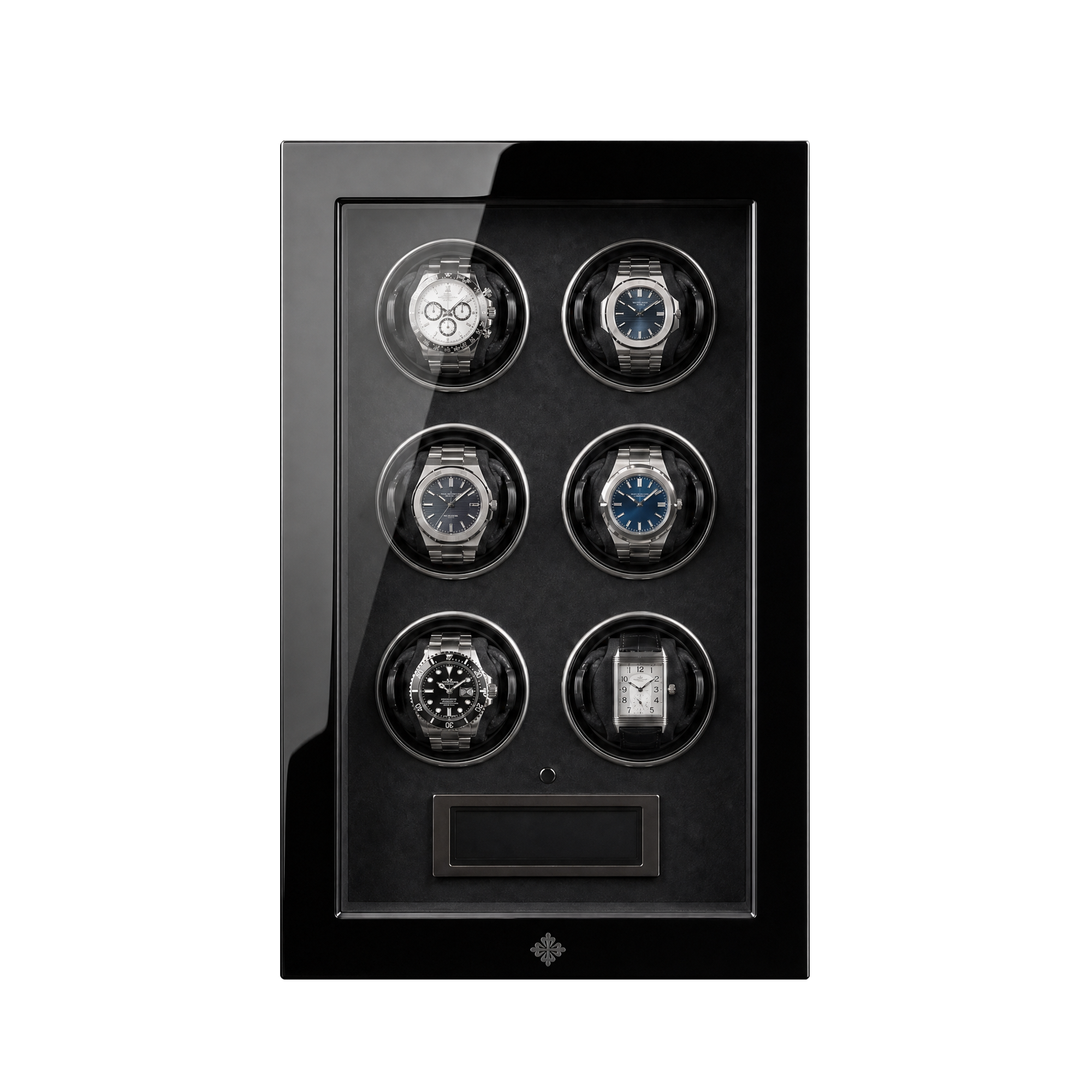
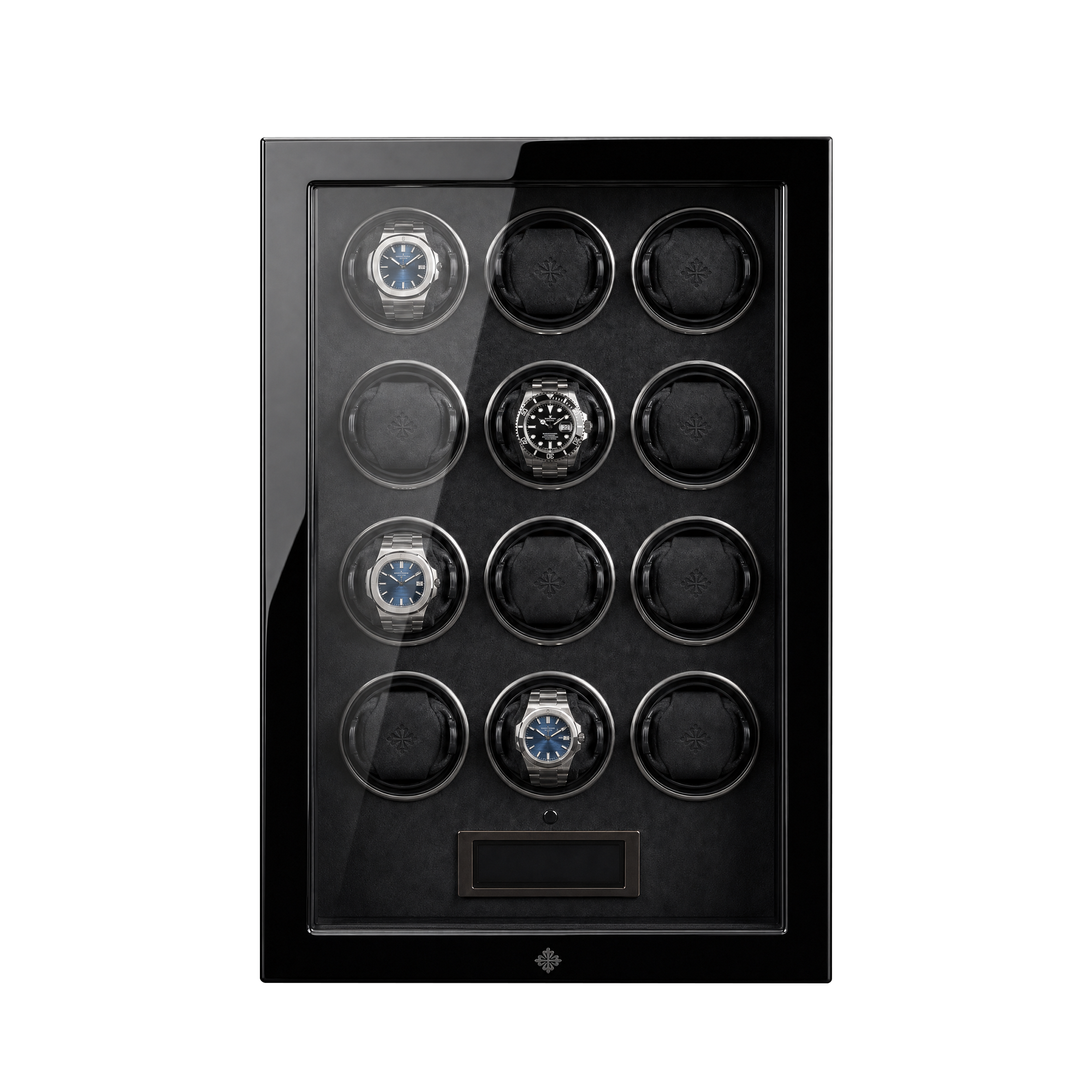
Size the winder to your active rotation. A 6-watch rotation needs a 6-rotor winder. The Impresario 6 is sized for common rotation patterns. For larger collections, the Impresario 12 handles up to twelve pieces.
Watches that aren’t in active rotation don’t need winder slots. Let them stop and wind by hand when you pull them out.
Tracking Your Rotation
Three methods.
Mental tracking. Works for 3 to 5 watches. Past that, you’ll drift.
Notes app or spreadsheet. Log the watch and date. Visual check each morning to see what’s been worn least.
Dedicated apps. Collector apps track rotation, service history, and collection stats.
Exceptions to Rotation
Some watches don’t follow normal rotation.
Perpetual calendars. Keep wound on a winder continuously. Don’t let them stop.
Vintage or fragile. Wear less, store carefully. Rotation can be monthly rather than weekly.
Sentimental. A grandfather’s watch you wear rarely but meaningfully. Not part of regular rotation.
Sport-specific. A dive watch worn primarily on vacation. Not in weekly rotation at home.
What to Do With Non-Rotation Watches
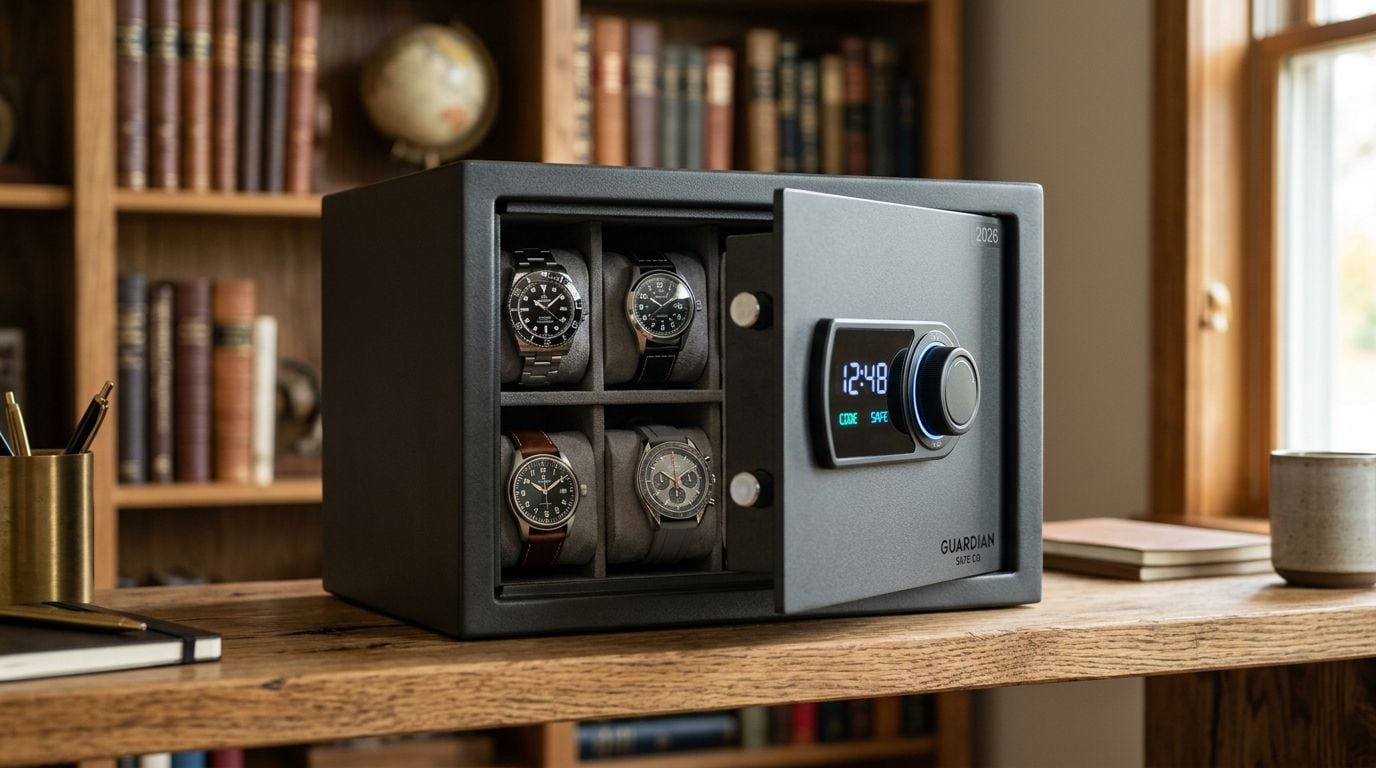
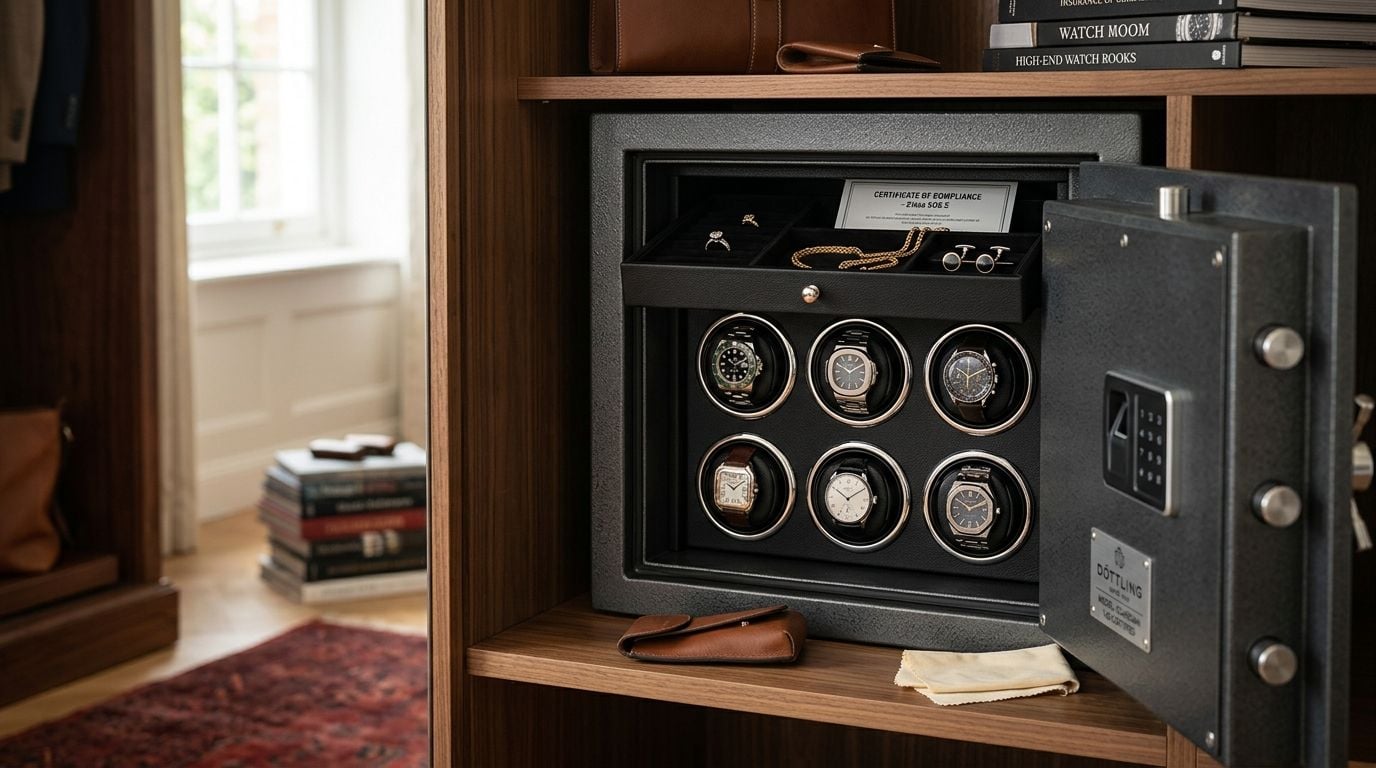
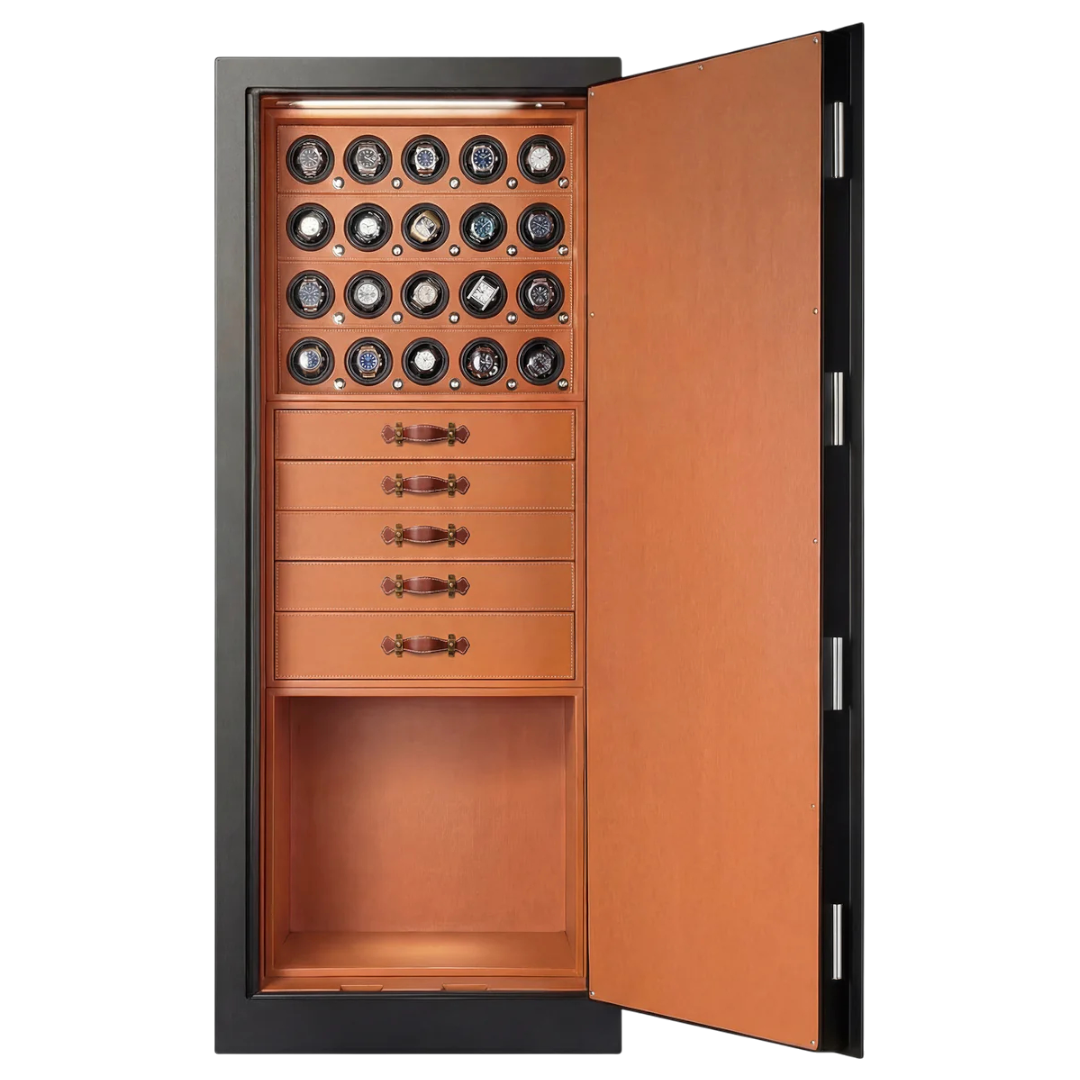
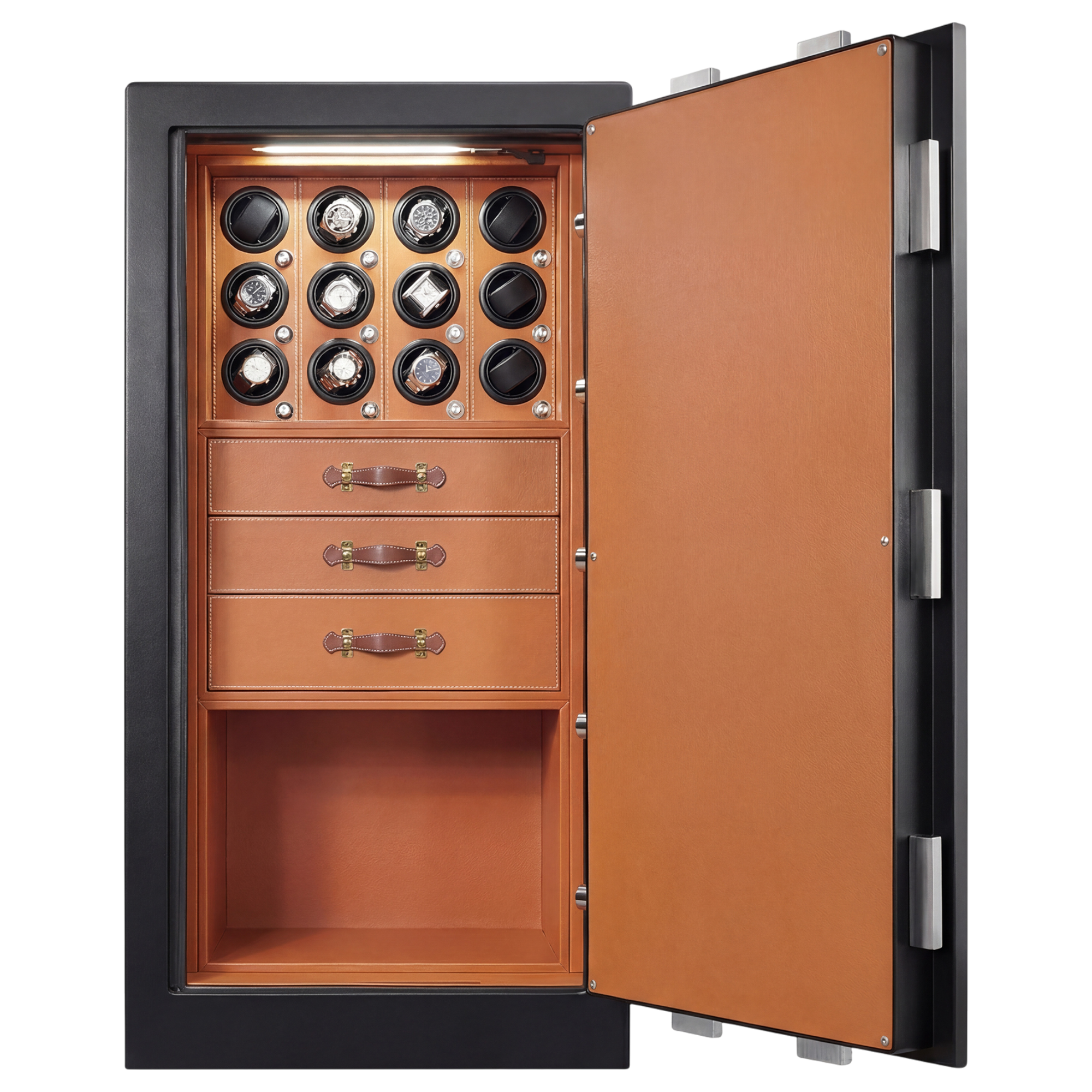
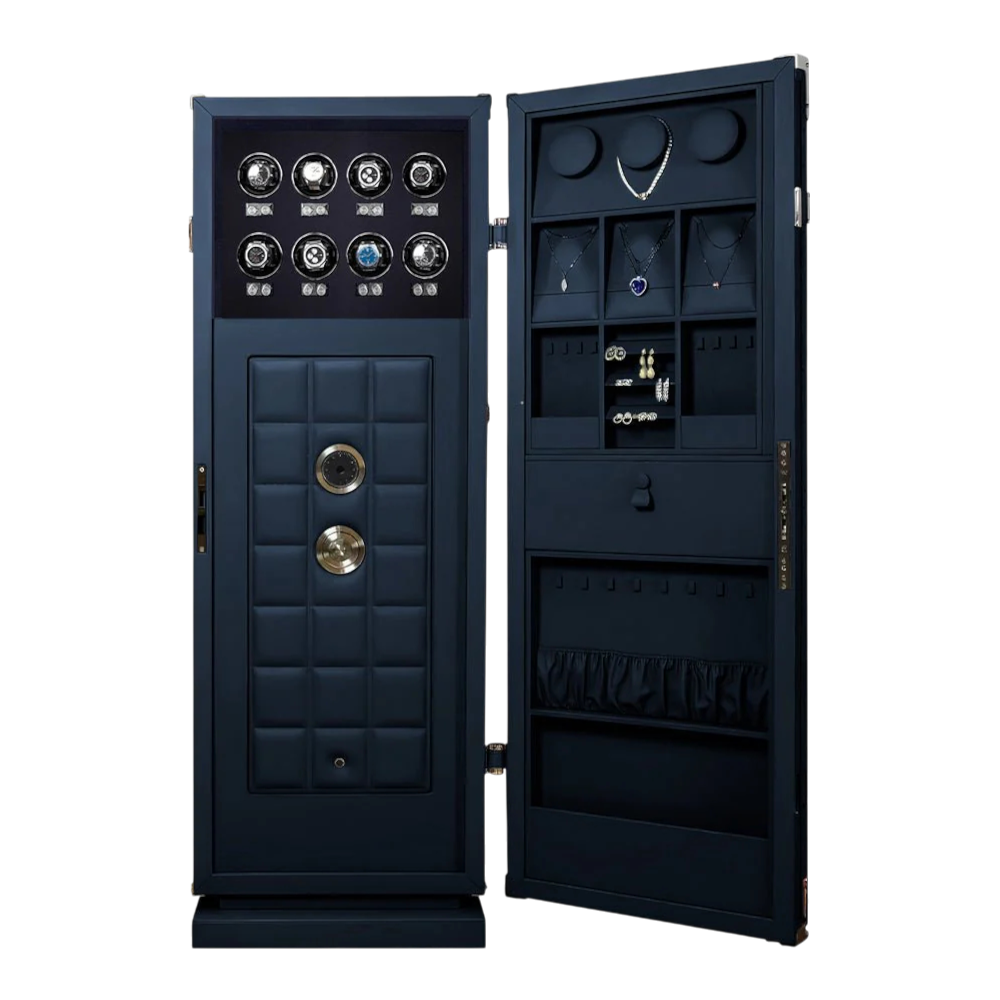
Watches you own but don’t rotate should live in a safe or secured case. A winder is wasted on a watch you never wear. A safe keeps it protected and ready when you do wear it.
For collections with significant non-rotation holdings, the Vaults collection covers storage ranges from 5 to 20+ pieces.
Frequently Asked Questions
How often should I rotate?
Weekly works for most collections. Daily for smaller, category-based for larger. Find what feels natural.
Should every watch get equal wear time?
No. Wear more of what you love. Rotation ensures all watches get some wear, not identical wear.
Do watches wear out from being worn?
Yes, but slowly. A service every 5 to 10 years handles the wear from regular use. Over-wearing isn’t a real concern with quality mechanical watches.
Is it okay to let a watch sit for months?
Yes. Automatics don’t suffer from rest. Lubricants settle but service handles that. Wind by hand when you pull it out.
What if I have too many watches to rotate realistically?
Sell or consolidate. If you can’t wear a piece at least once a quarter, it’s probably better in someone else’s collection.
Should I track rotation in a spreadsheet?
Optional. For collections above 10 watches, tracking helps prevent favoritism and reminds you of neglected pieces.
Do I need a different winder for different categories?
No. Per-rotor programming on quality winders handles mixed categories in one unit.
Start This Week
Pick your daily rotation. Decide how long each watch gets. Put the active rotation on a winder, the rest in a safe. Re-evaluate monthly.
For the winder side, browse the Winder Series. For storage, the Vaults collection.
Related reading: how many winders do you need and how to store watches long-term.
Protect Your Watch Collection
Designed for collectors who demand the best. Explore our premium watch winders and luxury safes.
Protect Your Watch Collection
Designed for collectors who demand the best. Explore our premium watch winders and luxury safes.