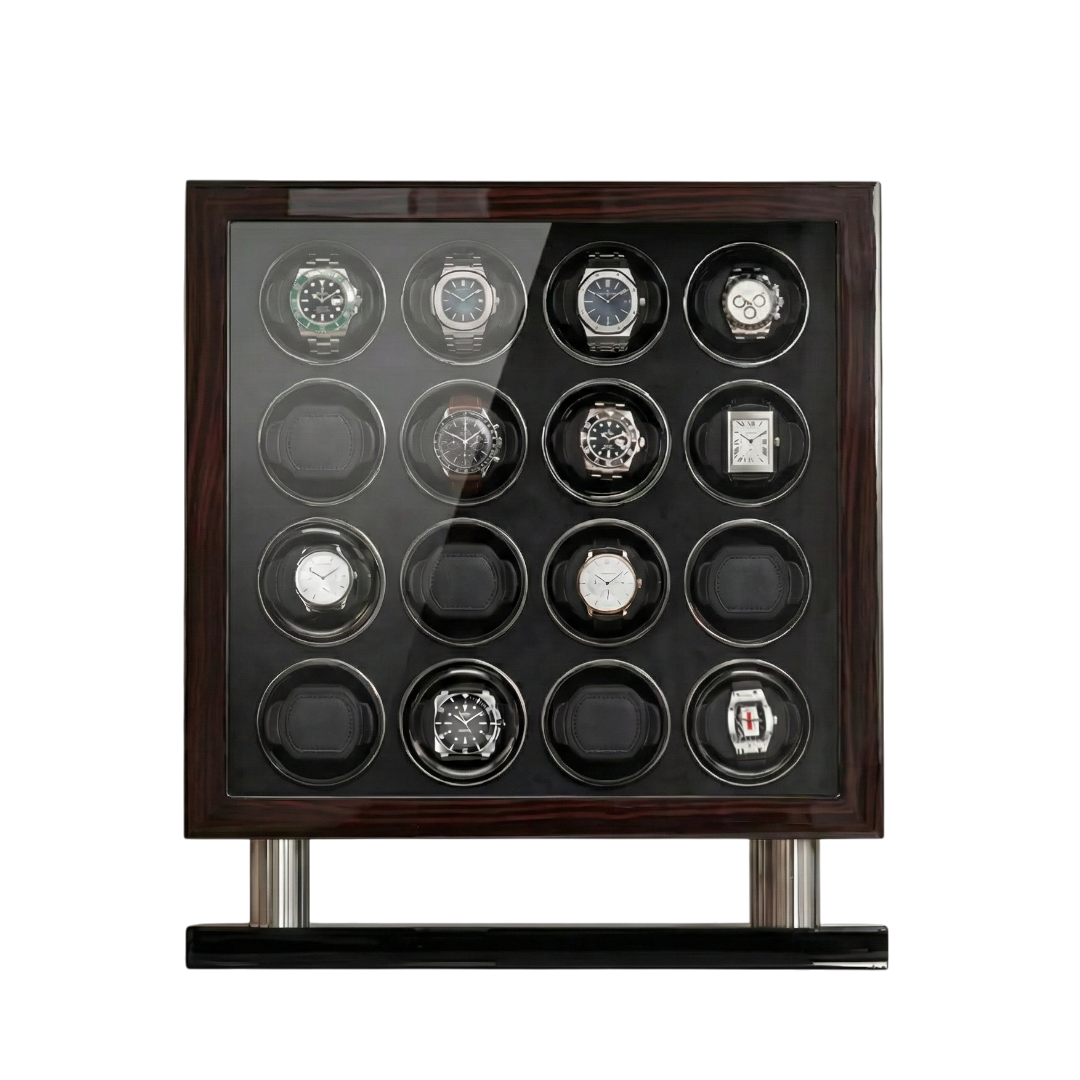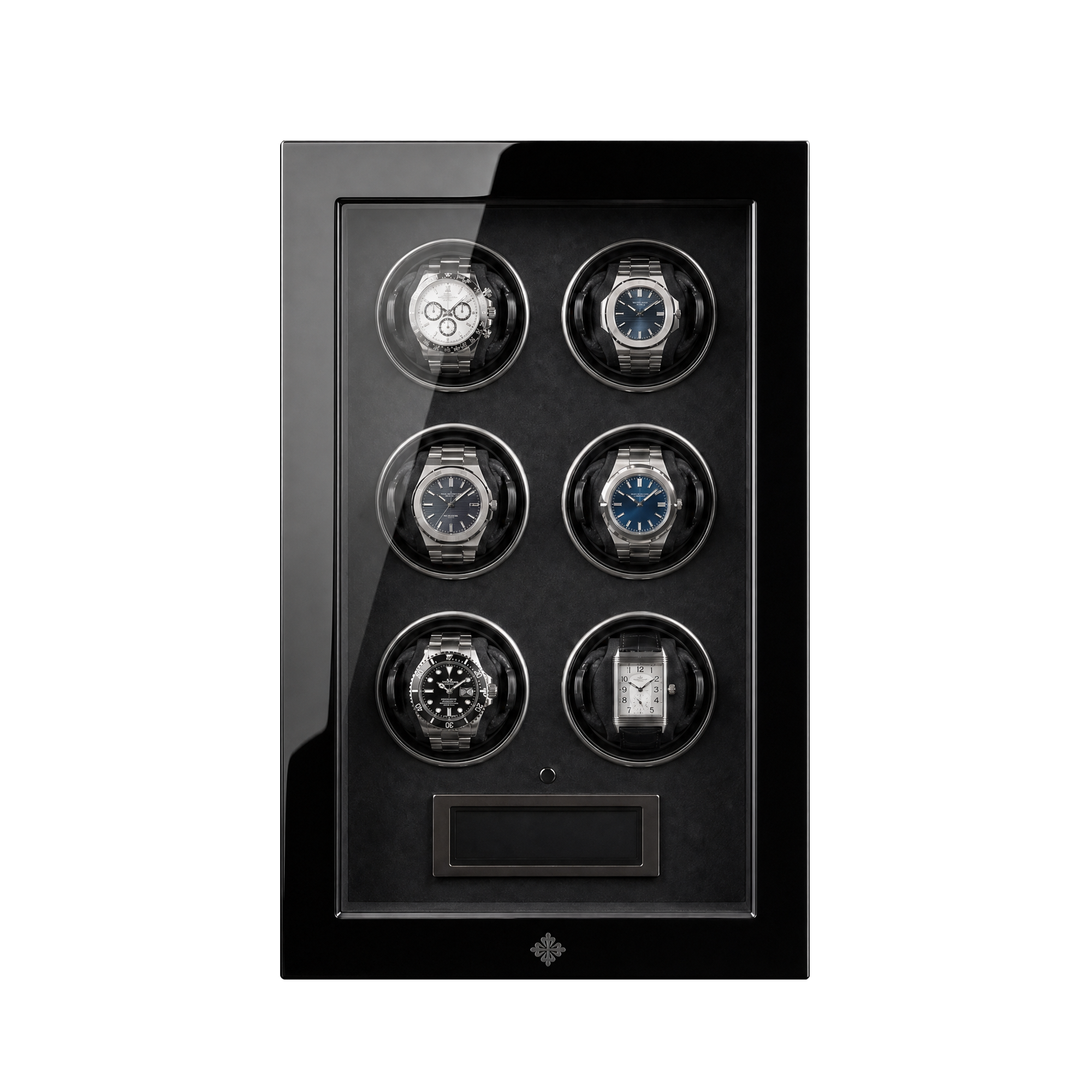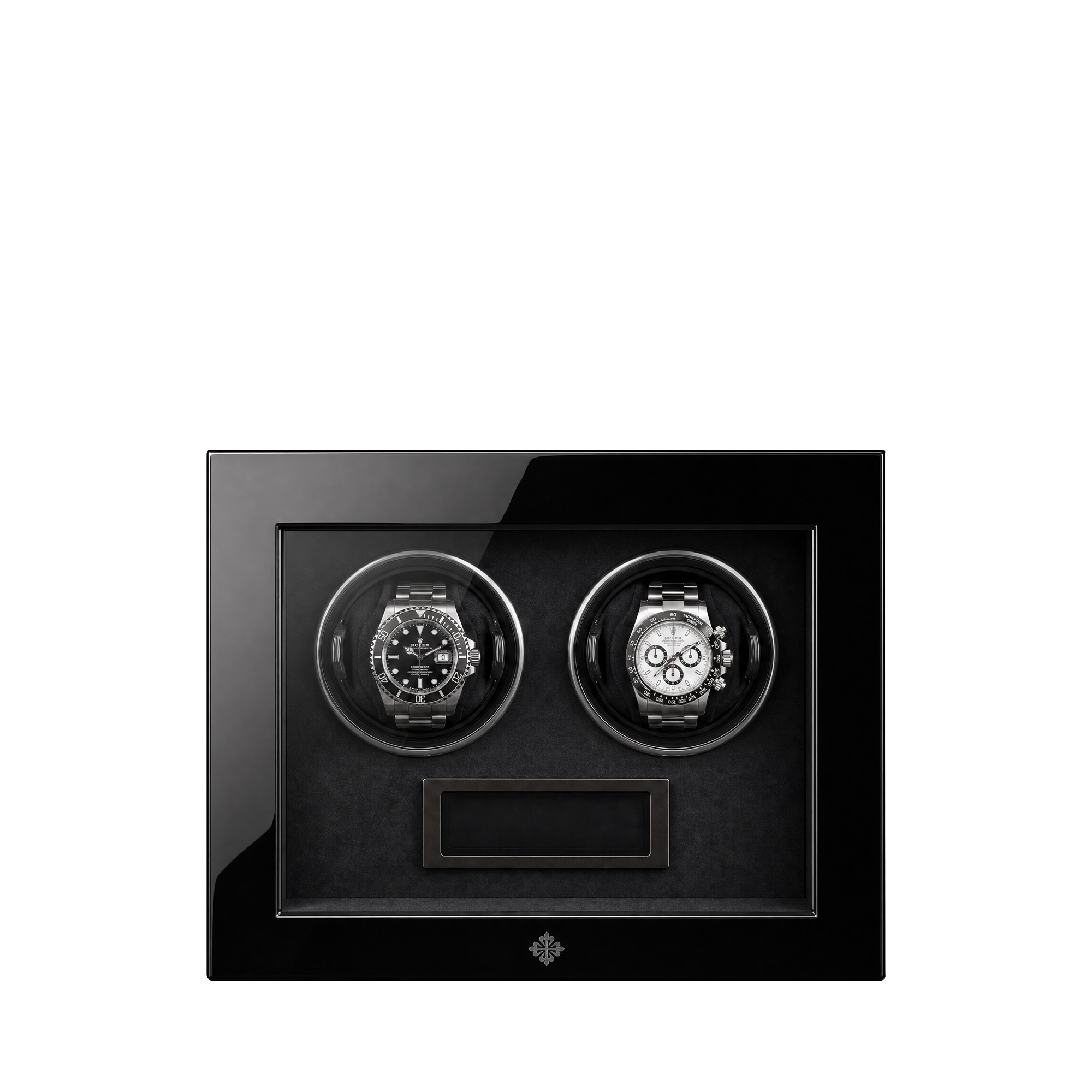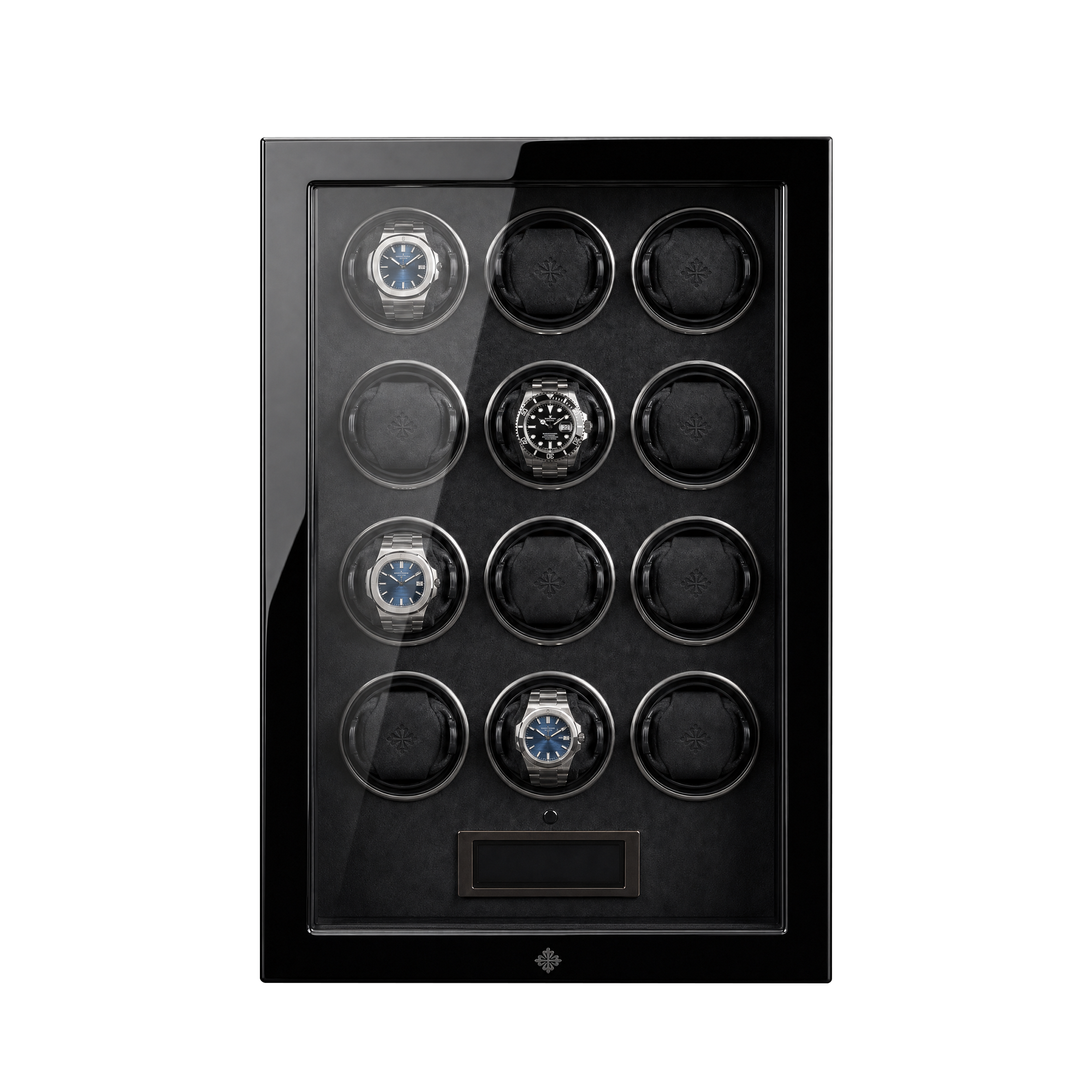

The common mistake: counting every automatic you own and buying a winder slot for each. The correct count: only the watches you actually wear in rotation. A quality winder running a watch that sits untouched for months is wasted motor hours and wasted money. Here’s how to size right.
The Simple Rule
Count the automatics you wear at least once every two weeks. That’s your winder count. Everything else is fine stopped, wound manually when you pull it out.
A collection of 10 automatics might have 4 in active rotation. You need a 4 or 6-rotor winder, not a 10.
Why Not Just Wind Every Automatic
Three reasons to skip winders for non-rotation watches.
First, cost. Rotor slots aren’t free. A 12-rotor winder costs more than a 6-rotor. Paying for slots you won’t use is money toward the wrong goal.
Second, motor hours. Winders age. Running a motor for a watch you won’t wear shortens the winder’s life for the watches you will wear.
Third, mechanical rest is fine. Automatic watches sitting at rest don’t suffer damage. Oils settle but service intervals handle that. A watch stopped for six months and then wound for wear is indistinguishable from one that ran on a winder.
Rotation Size by Collection
| Total Collection | Typical Rotation | Recommended Winder |
|---|---|---|
| 3 watches | 2 to 3 | Impresario 2 or Virtuoso 2 |
| 5 watches | 3 to 4 | Impresario 6 (room to grow) |
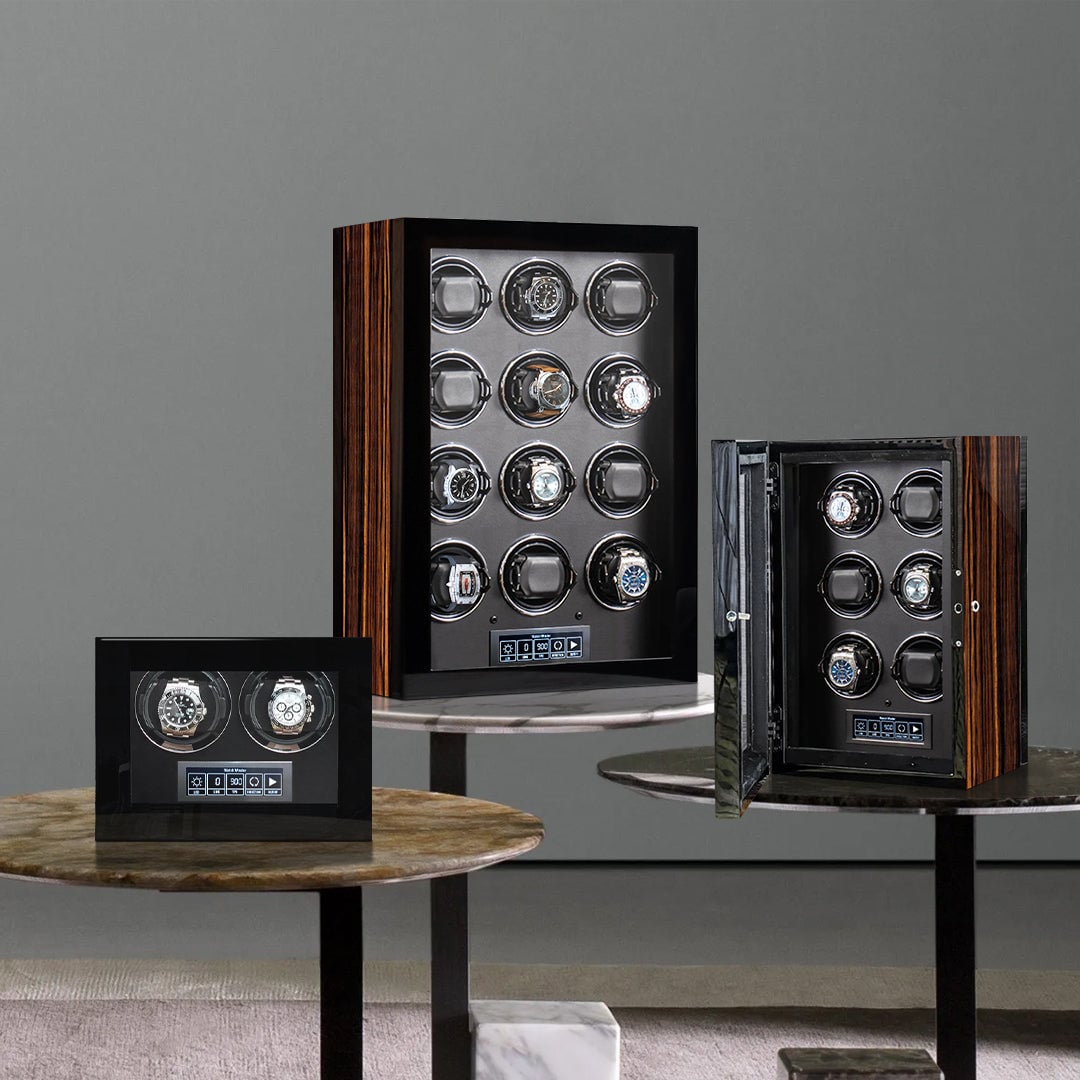
| 10 watches | 4 to 6 | Impresario 6 or Virtuoso 6 |
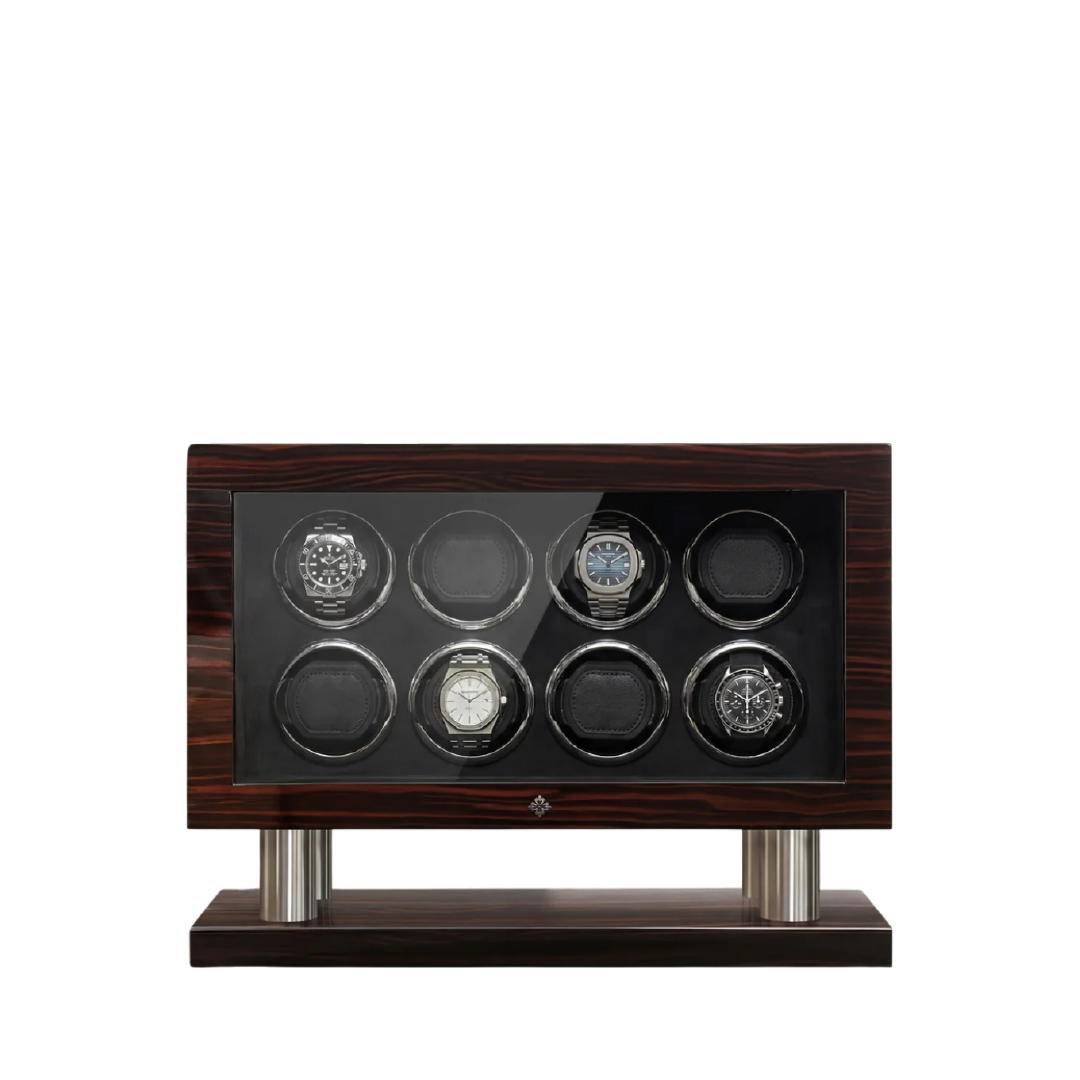
| 20 watches | 6 to 10 | Yachtline 8 or Impresario 12 |
| 30+ watches | 10 to 15 | Impresario 12 or Yachtline 16 |
| 50+ watches | 15 to 20 | Cabinet or custom build |
Exceptions to the Rotation Rule
Perpetual calendars. Wind these even if you don’t rotate them often. Losing the date takes 20 minutes per watch to reset with the reference booklet. Easier to keep them running.
Annual calendars. Same reasoning. The complication is the value.
Very sentimental pieces. A grandfather’s watch you want running at all times. Personal call, not technical.
Special Case: Grail Pieces
Some collectors keep their high-value grails (Patek, Lange, rare Rolex) wound continuously regardless of wear frequency. The reasoning is part superstition, part maintenance. Oils distribute. Movement stays “exercised.” Whether this matters technically is debatable. Whether it matters to the collector is real. If you feel strongly about it, allocate a rotor slot.
Growth Planning
Buy one size above your current rotation. Most collectors add watches. A 4-rotor rotation today is a 6-rotor rotation in two to three years. Buying exactly-at-current means upgrading sooner than you want.
Don’t buy three sizes above. Empty rotors look wasteful and you’ll have spent money on capacity that sits idle.
The Cabinet Option
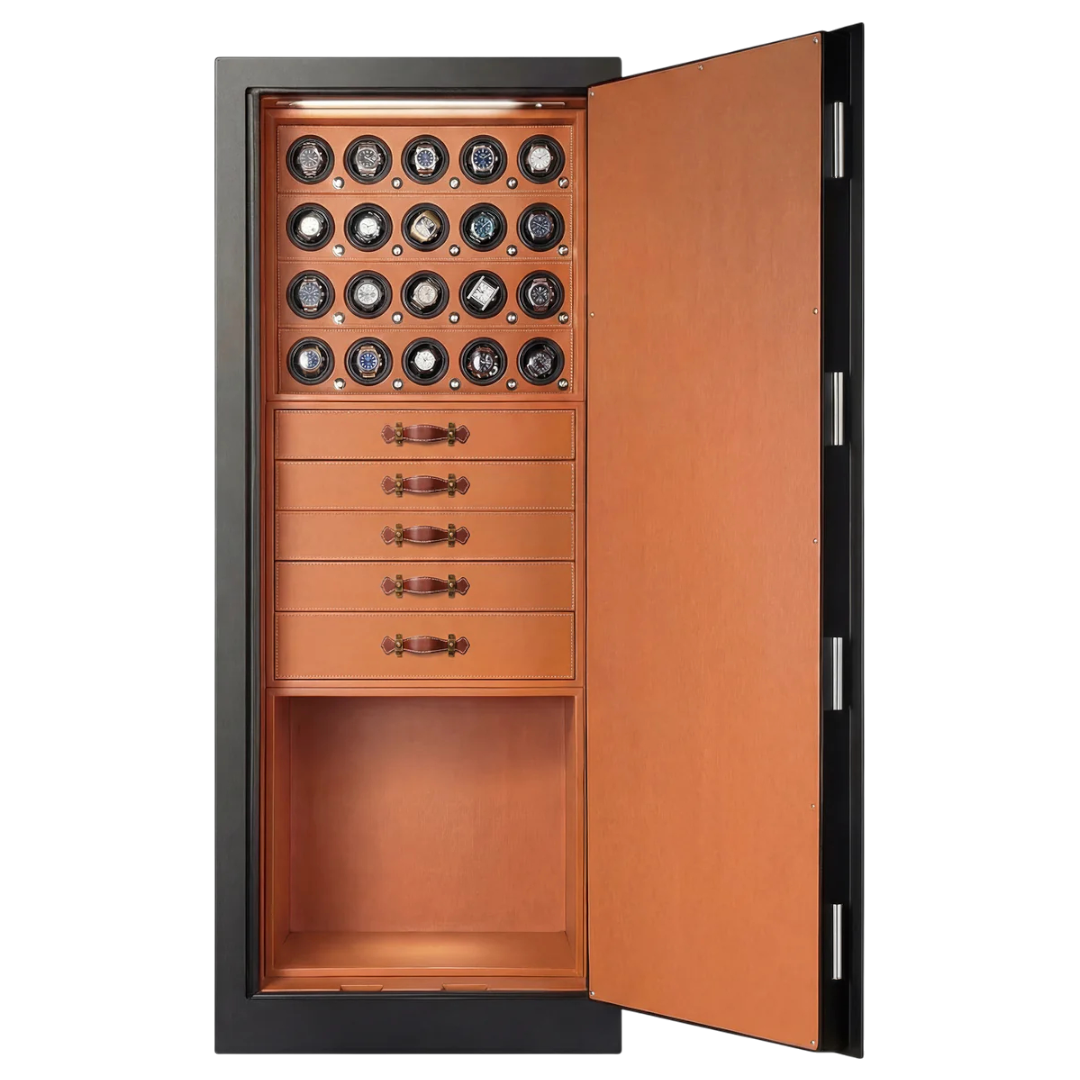
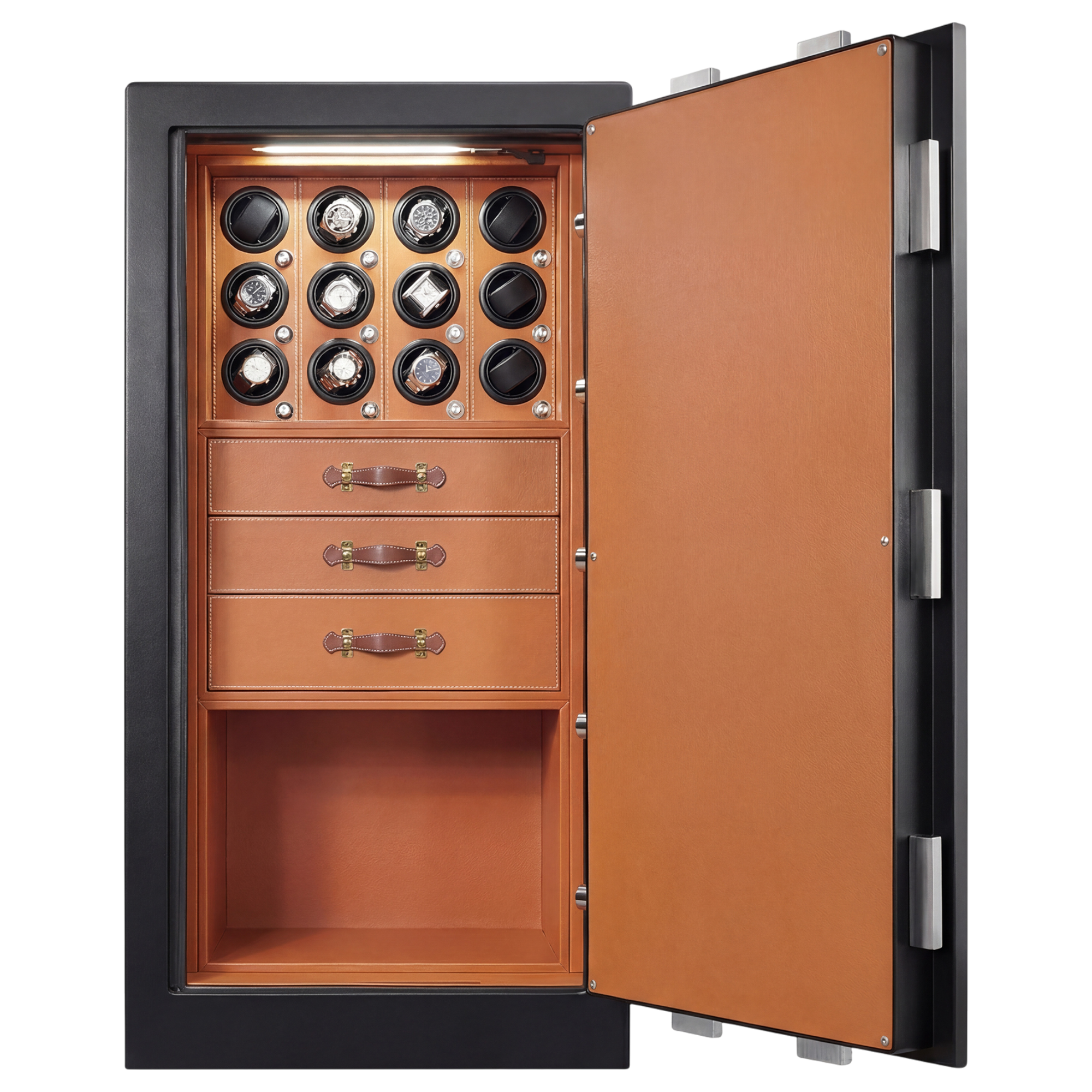
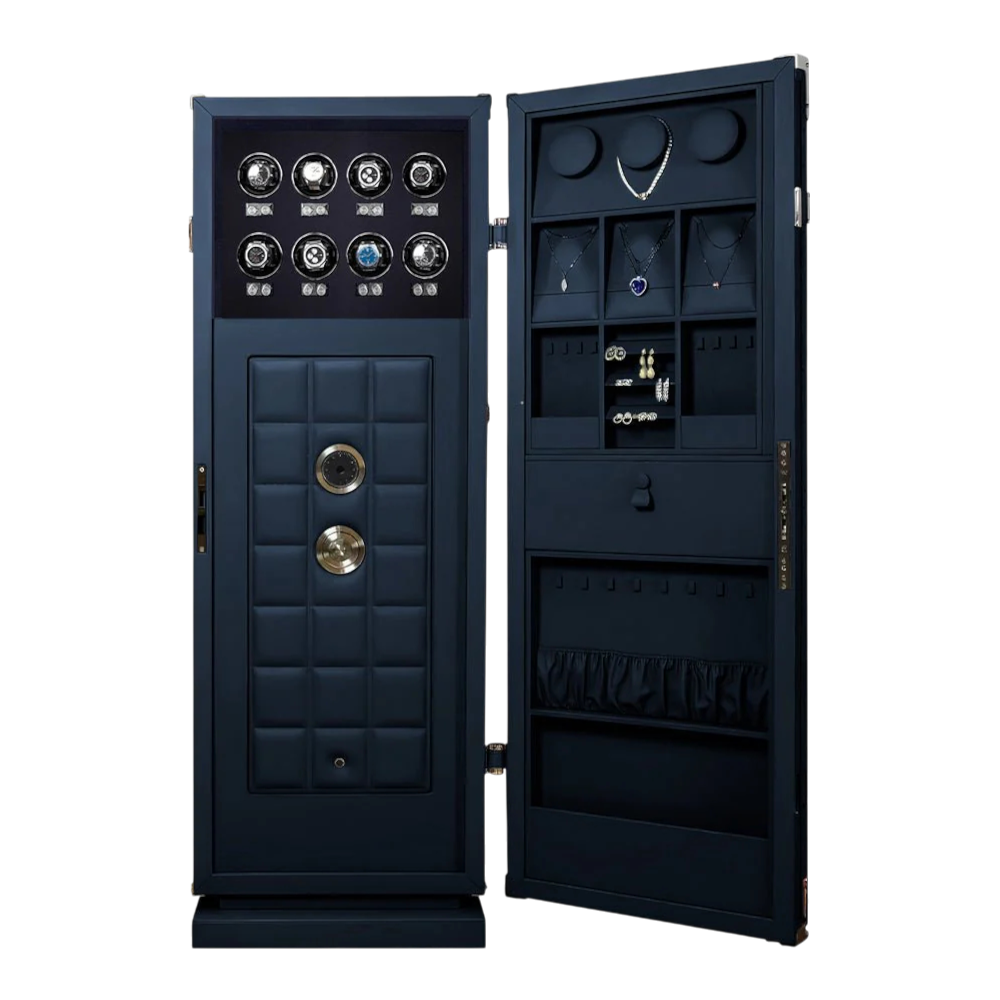
For collections above 20 pieces with substantial rotation, cabinet-style installations make sense. The Enclave and Eterna cabinets integrate winders, display, and drawers in one furniture piece. Easier than stacking standalone units, and the cabinet envelope adds acoustic benefit. See the full Watch Winder Cabinet collection.
Custom Builds for 30+ Watches
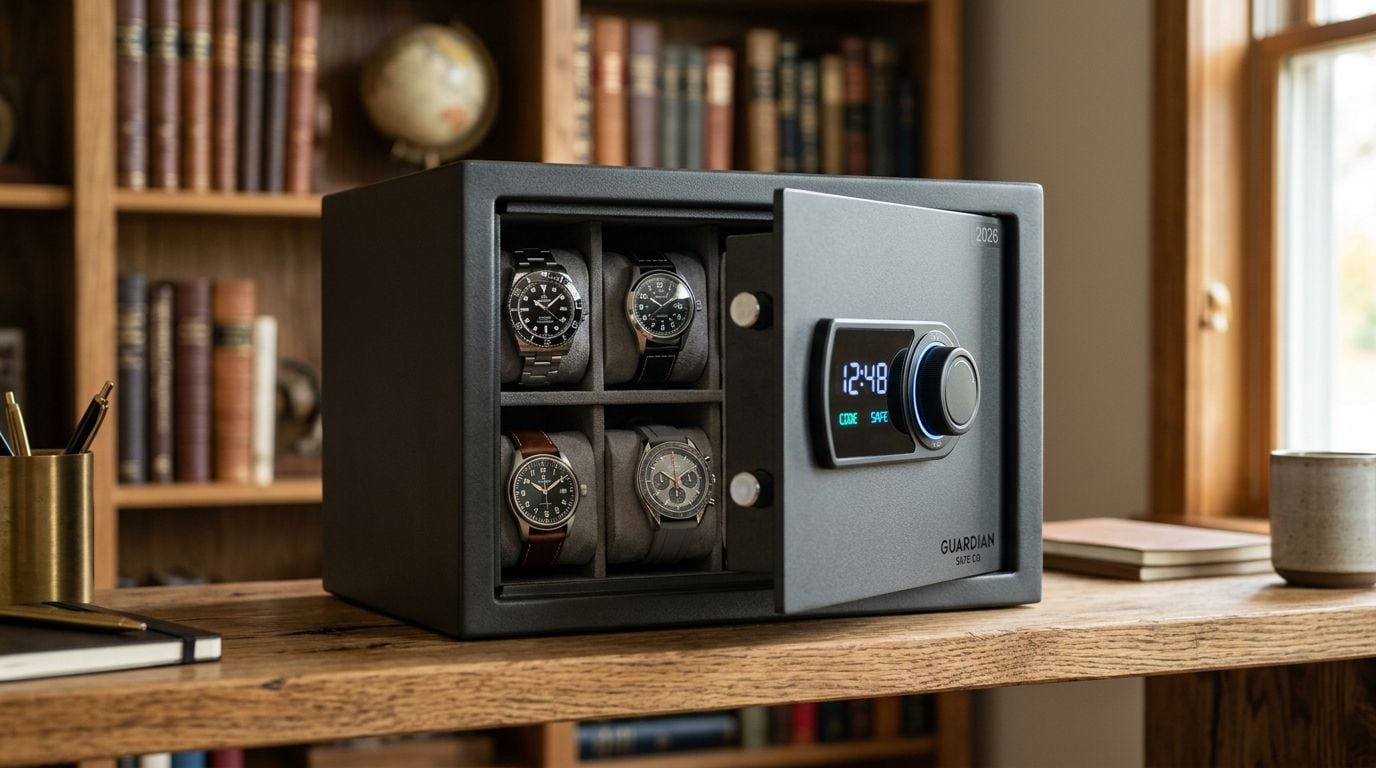
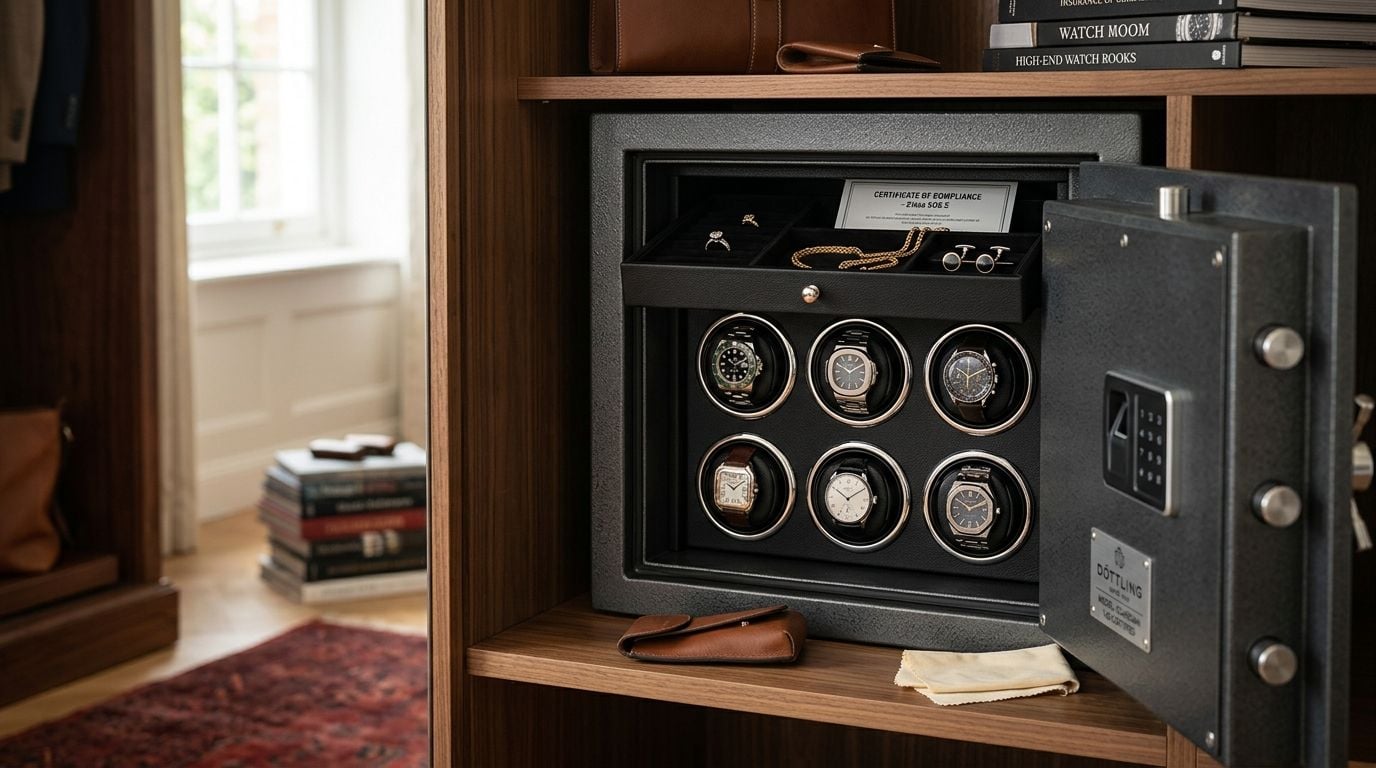
Collections past 30 watches in active rotation typically move beyond catalog products. The Custom Safes program handles integrated winder banks specified to your exact rotation, often with a dedicated safe and climate-controlled compartment. The Custom Watch Safe entry covers the range.
Frequently Asked Questions
How many watch winders should I own?
One winder with enough rotors for your active rotation plus two years of growth. Not one winder per watch.
Is a 12-rotor winder overkill for 4 watches?
Yes. Buy a 6-rotor. Per-rotor cost is fine, but eight empty slots is cabinet-sized for no benefit.
Should I wind watches I never wear?
No, with the exception of perpetual or annual calendars where resetting is tedious.
Can I run multiple separate winders instead of one big one?
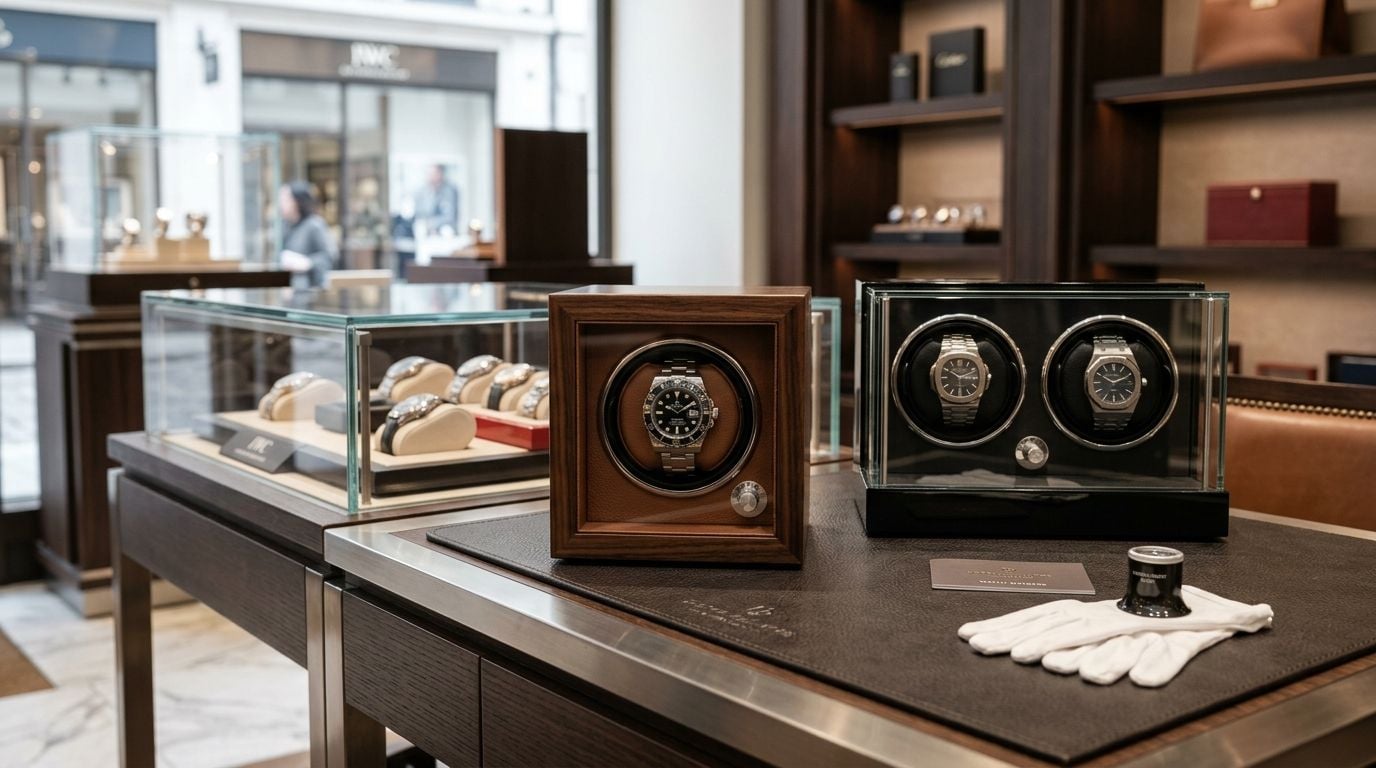
Yes, and some collectors prefer it. Multiple smaller units offer placement flexibility. One larger unit is cleaner and cheaper per rotor.
How often should I rotate through my collection?
Active rotation is once every one to two weeks per watch. If a watch goes longer than a month, let it stop.
Do I need a winder for my daily wearer?
No. Your daily wearer gets wound by your wrist every time you wear it. Winders are for the rotation pieces that don’t get daily wrist time.
What if I inherited a collection and don’t yet know my rotation?
Start with a 4 or 6-rotor unit. Use the first six months to figure out which watches you actually reach for. Upgrade if rotation exceeds the capacity.
The Summary
Count rotation, not total collection. Add two years of growth. Pick that size. Browse the Winder Series for options, or start with the Impresario 6 which covers most home collectors. For larger collections, step up to the Impresario 12.
For more reading, see how to choose a watch winder and single vs multi-rotor winders.
Protect Your Watch Collection
Designed for collectors who demand the best. Explore our premium watch winders and luxury safes.
Protect Your Watch Collection
Designed for collectors who demand the best. Explore our premium watch winders and luxury safes.