
Single-rotor winders rotate one watch. Multi-rotor winders rotate several. The obvious difference is capacity. The less obvious difference is flexibility, cost per rotor, and how the unit fits your rotation habit. This guide walks through when each makes sense, and when buying the wrong one means replacing it inside two years.
What Each Actually Is
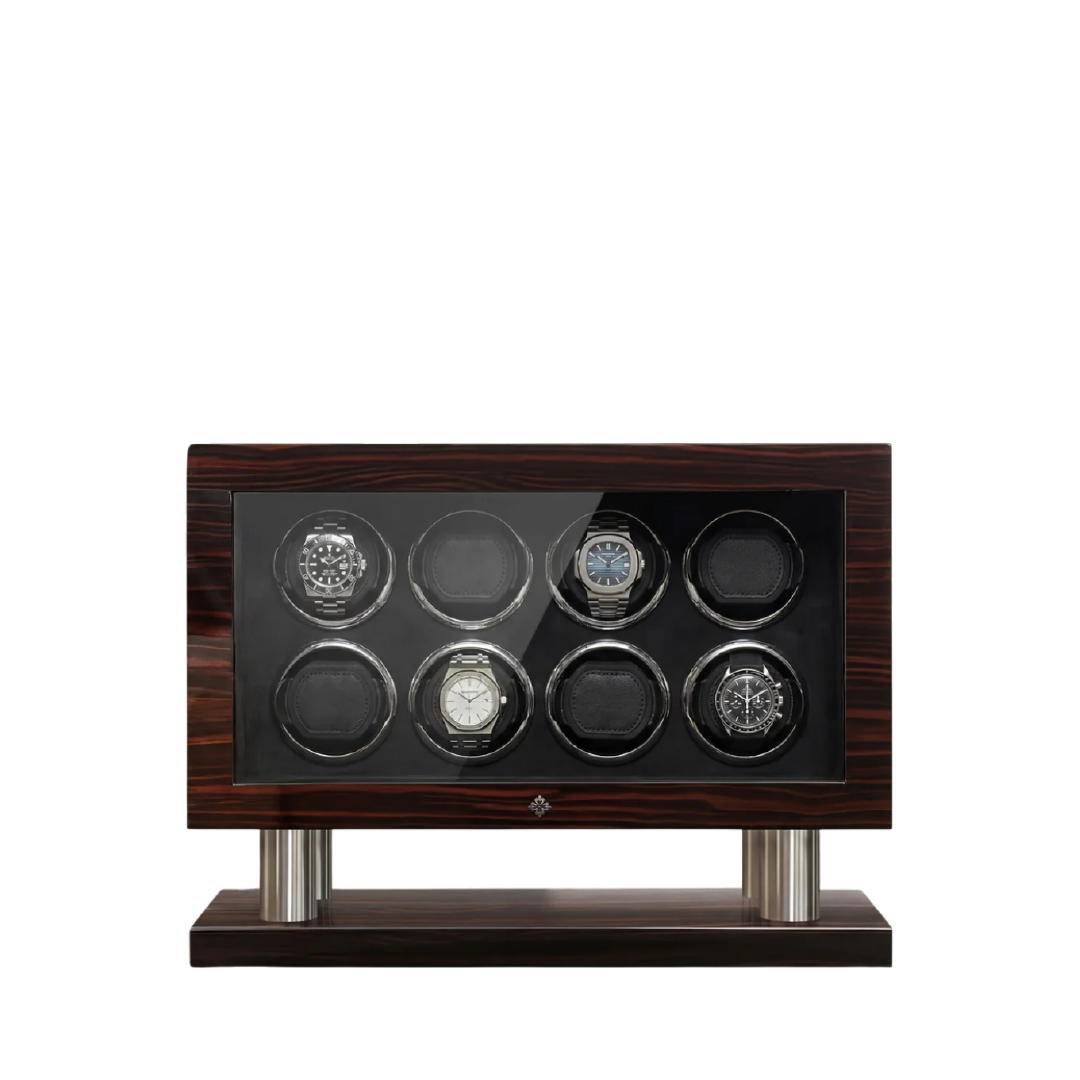
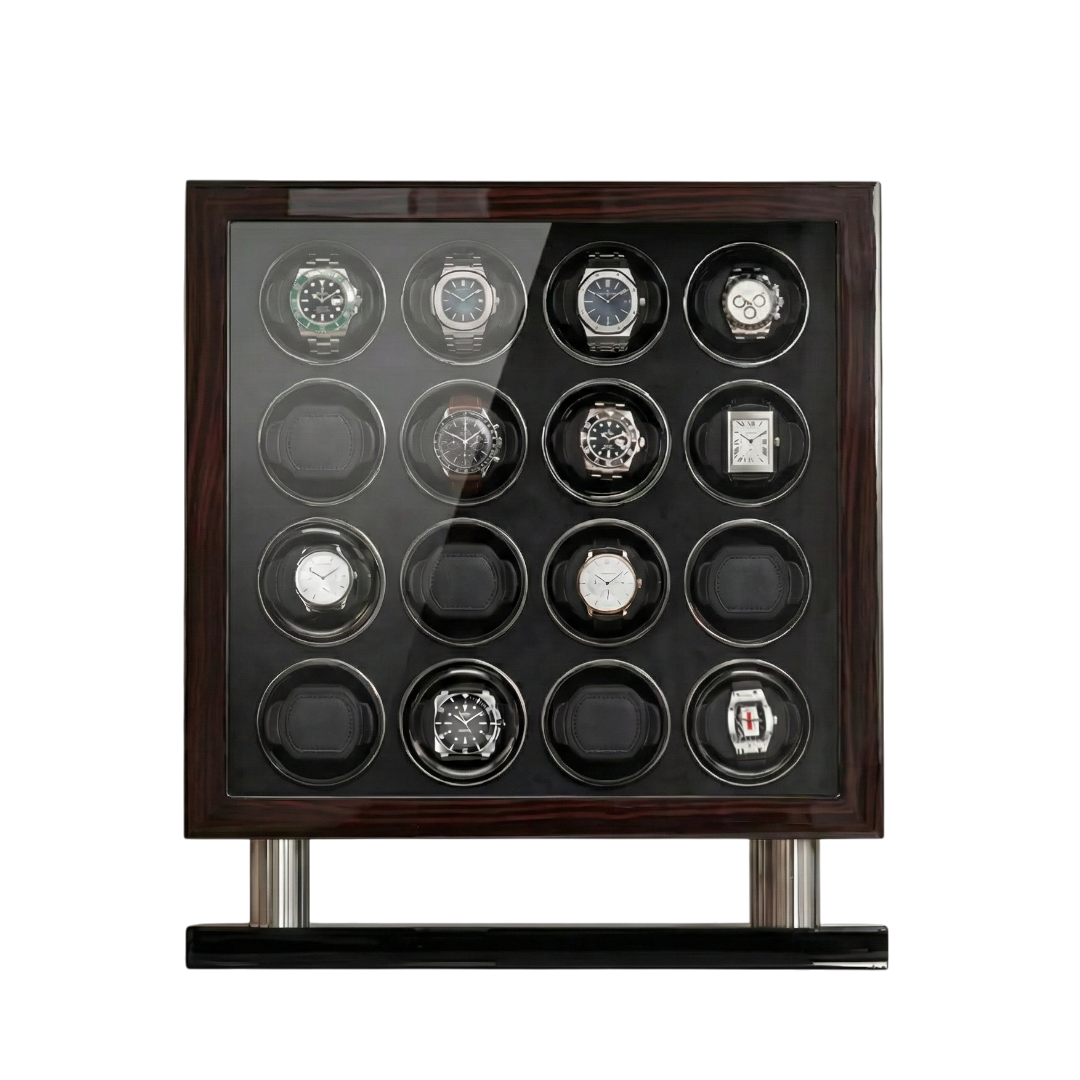
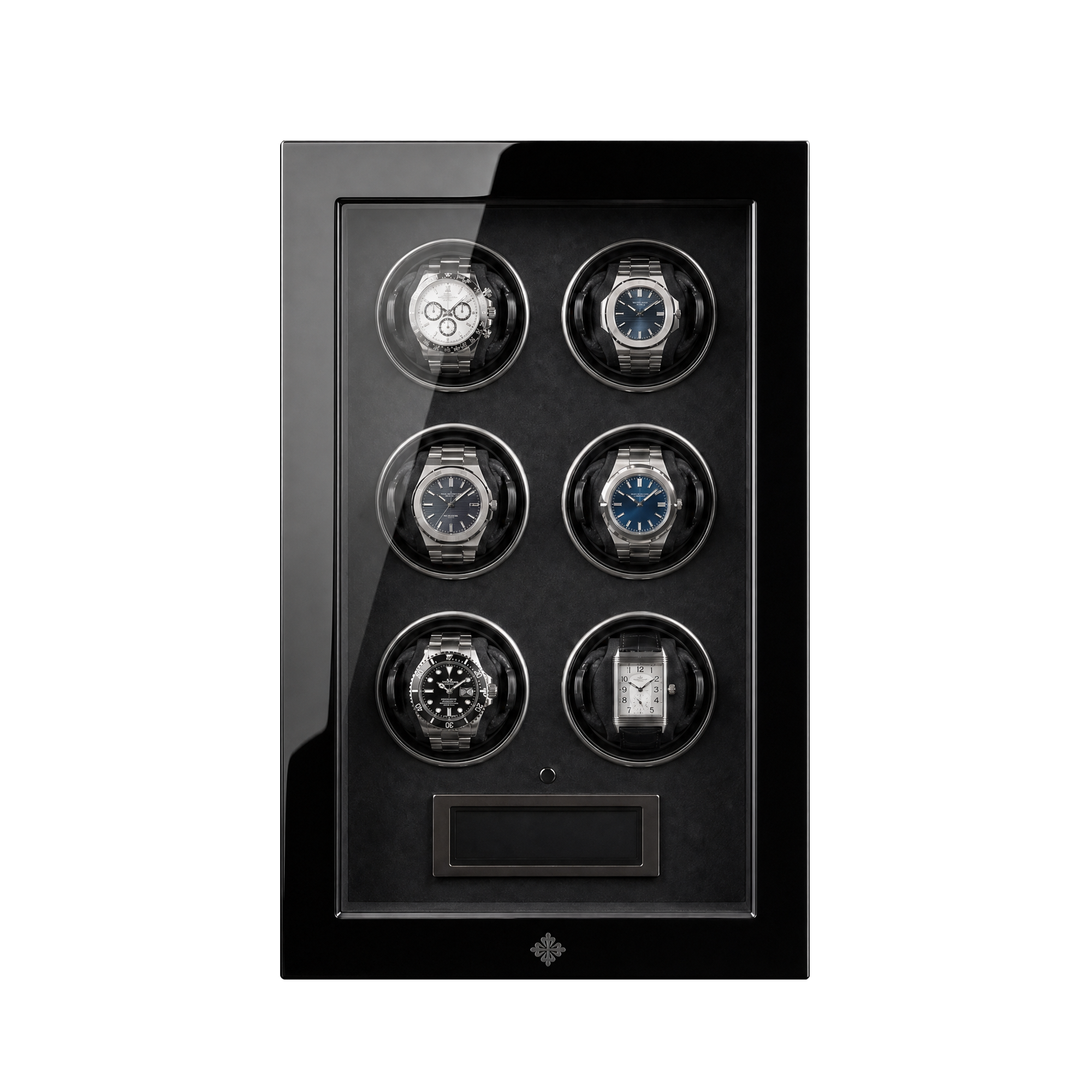
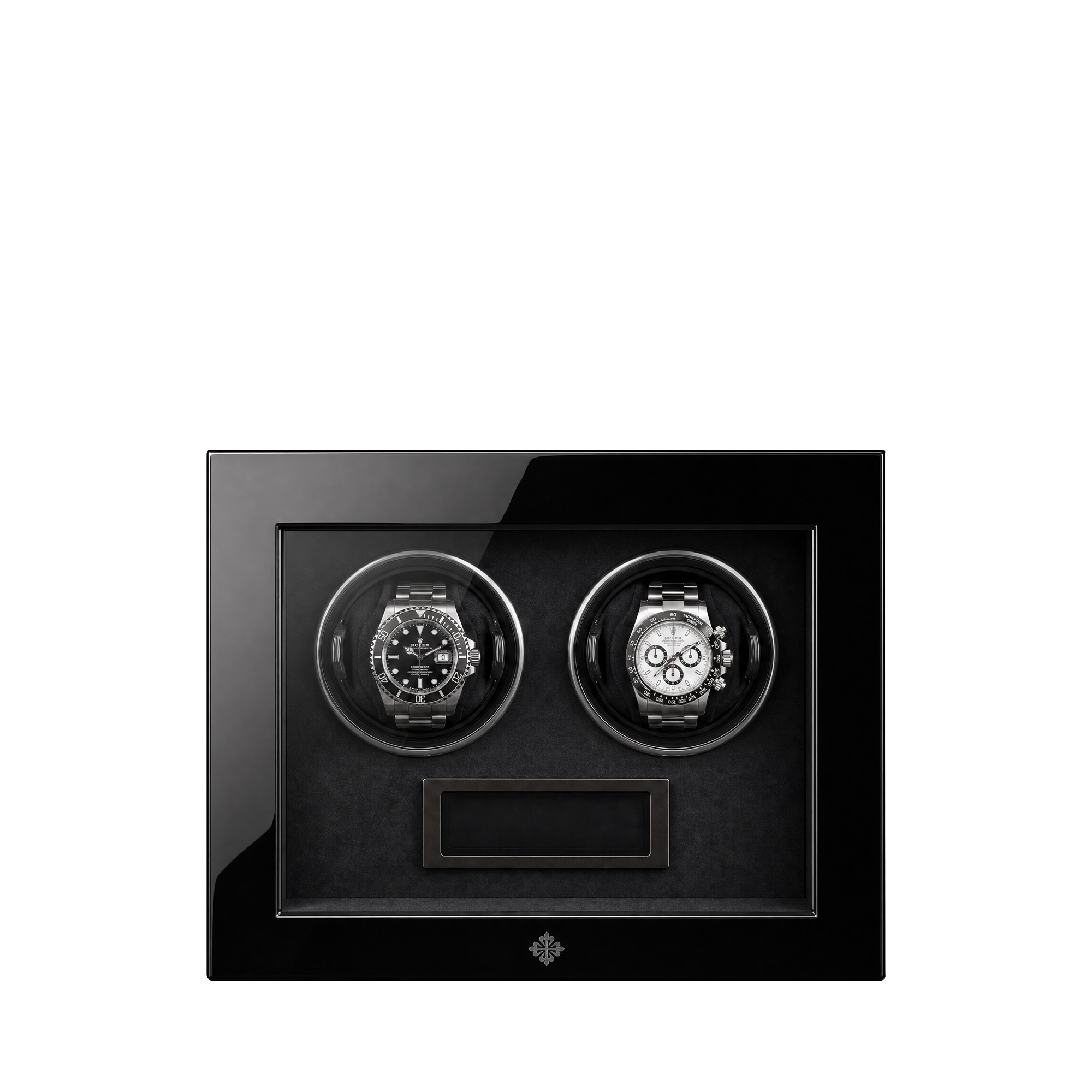
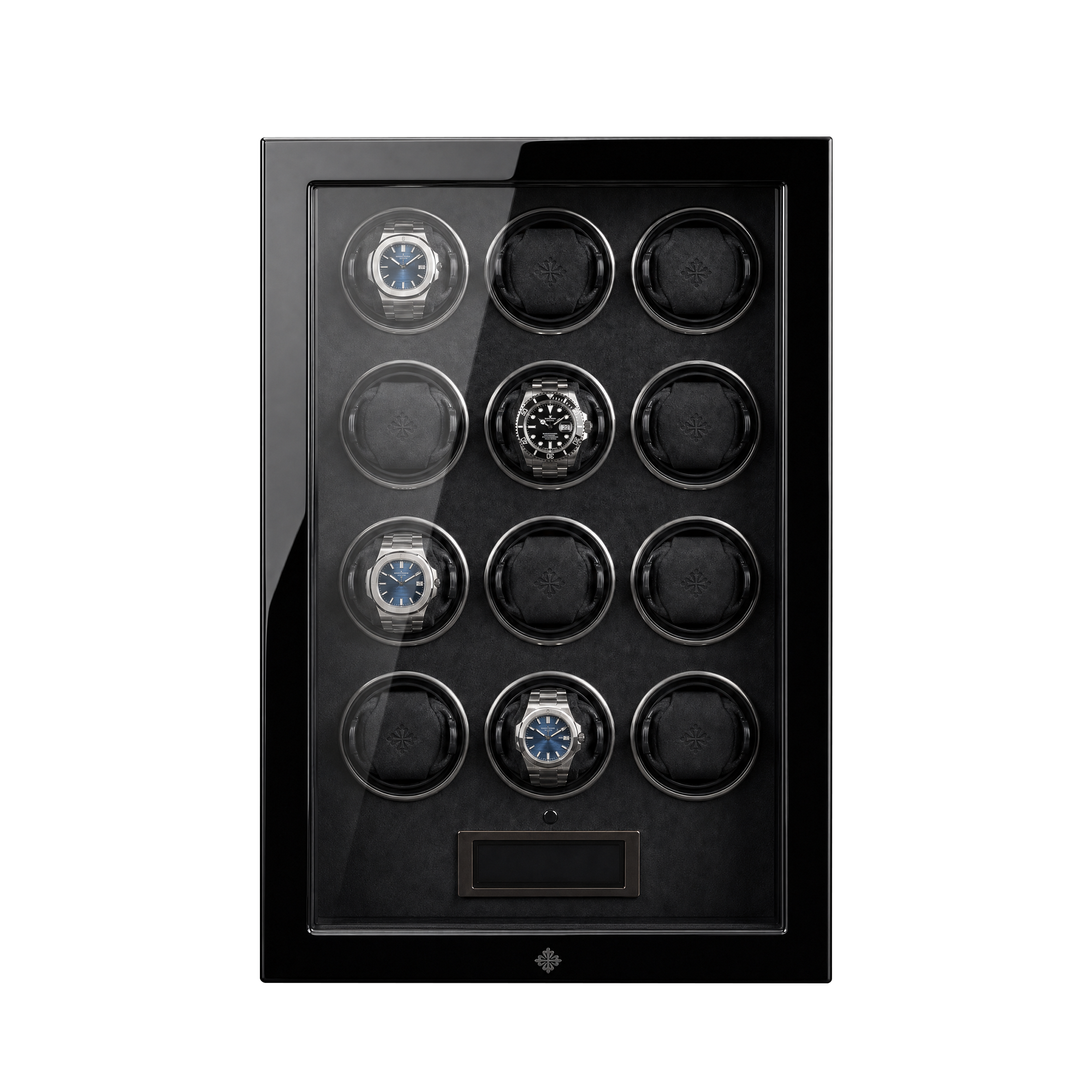
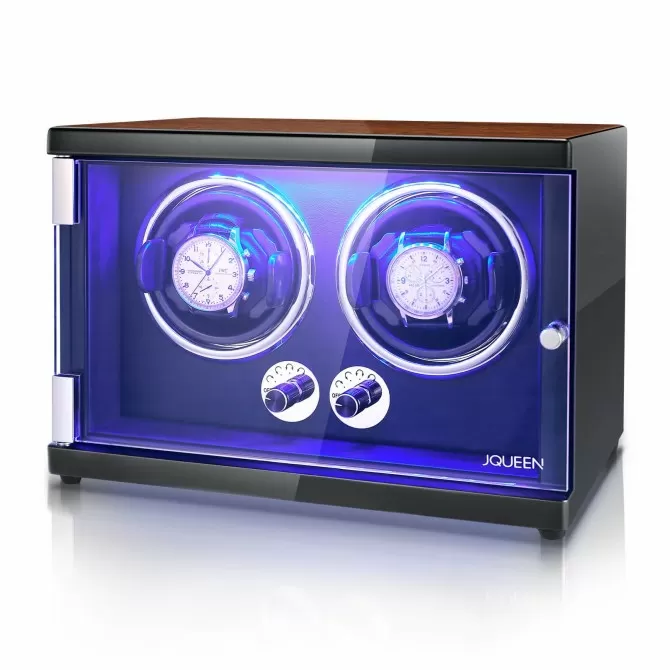
A single-rotor winder has one motor driving one watch. Simple, compact, often travel-friendly. A multi-rotor winder packages multiple motors in one enclosure, sharing a power supply, programming interface, and body. Multi-rotor ranges from two-rotor compact units to sixteen-rotor cabinet installations.
When a Single-Rotor Winder Is the Right Choice
Buy a single if any of the following is true.
You own one automatic. A single-rotor unit like the Impresario 2 in single-rotor mode, or a dedicated single, keeps one watch running without paying for capacity you won’t use.
You travel with a complicated piece. A compact single is small enough for a suitcase. For a two-week trip with a perpetual calendar, it’s the right tool.
You’re testing whether you even want a winder. A single-rotor unit at the entry of the Impresario line is the cheapest way to find out if you’ll use one consistently.
When Multi-Rotor Wins
Buy multi-rotor if any of these apply.
You rotate three or more automatics. Individual singles stacked together cost more per rotor than a purpose-built multi. The Impresario 6 at six rotors is cheaper than six Impresario 1s and cleaner on the dresser.
You value desk or dresser aesthetics. One matched enclosure looks intentional. Three mismatched singles look like a pile of appliances.
You want per-rotor programming for a mixed-brand collection. Multi-rotor units with independent TPD and direction per rotor let you run a Rolex at 650 TPD bi-directional, a Patek at 800 counterclockwise, and a Panerai at 650 clockwise all in the same unit.
Cost Per Rotor: The Math
| Setup | Rotors | Typical Price | Per-Rotor Cost |
|---|---|---|---|
| Impresario 2 | 2 | $900 | $450 |
| Impresario 6 | 6 | $1,800 | $300 |
| Impresario 12 | 12 | $3,800 | $317 |
| Yachtline 8 | 8 | $2,400 | $300 |
| Two separate Impresario 2s | 4 | $1,800 | $450 |
Per-rotor cost drops as capacity rises. A six-rotor unit is cheaper per slot than three two-rotor units. A twelve-rotor unit is the sweet spot for mid-size collections.
The Hybrid Approach
Some collectors run a multi-rotor as their daily unit and keep a single-rotor for travel. The multi handles the six to twelve watches at home, the single goes in the suitcase. That’s a legitimate setup, not overkill.
How to Decide Your Capacity
Count the watches you wear in active rotation right now. Add two to four slots for growth over the next three years. That’s your capacity target. Buy the unit one size above, not exactly at, your current need.
| Current Rotation | Recommended Capacity | Best Fit |
|---|---|---|
| 1 watch | 2 rotors | Impresario 2 |
| 2 watches | 4 rotors | Virtuoso 6 (room to grow) |
| 3 to 4 watches | 6 rotors | Impresario 6 |
| 5 to 6 watches | 8 rotors | Yachtline 8 |
| 7 to 10 watches | 12 rotors | Impresario 12 |
| 10+ watches | 12 to 16 rotors | Impresario 12 or Yachtline 16 |
Frequently Asked Questions
Is a multi-rotor winder worse for individual watches than a single?
No, as long as the multi has independent per-rotor settings. Each watch gets its own TPD and direction. The motor per rotor is the same quality in Enigwatch multi units as in single units.
Do multi-rotor winders make more noise?
Slightly, because there are more motors running. Quality Mabuchi motors keep noise under 10 decibels per motor, so even a 12-rotor unit stays quieter than a desktop fan.
Can I add rotors to a multi-rotor unit later?
No. Capacity is fixed. If you expect to grow, buy one size up from today’s rotation.
What if some rotors sit empty?
Empty rotors cost nothing to run. Leave them. The motor doesn’t wear unless it’s driving a watch.
Are singles usually better quality than multis?
No. Build quality is a function of brand and price tier, not rotor count. A quality multi-rotor and a quality single use the same motor class and construction standards.
Should I go straight to a 12-rotor unit if I’m buying long-term?
If you expect to hit 10+ watches within five years, yes. The Impresario 12 gives you room and the best per-rotor cost. If you’re unlikely to grow past six, don’t over-buy.
What about cabinets and built-in winders?
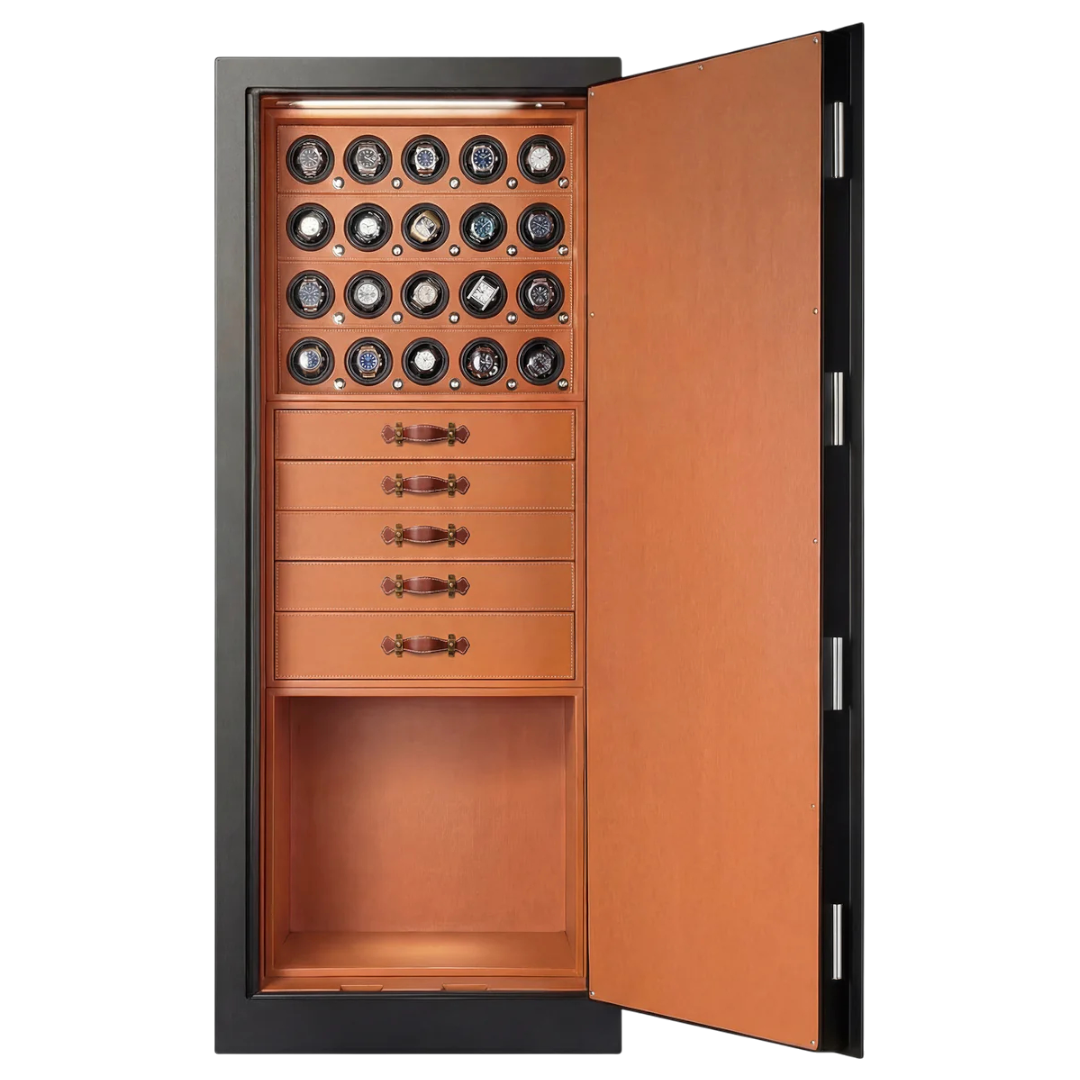
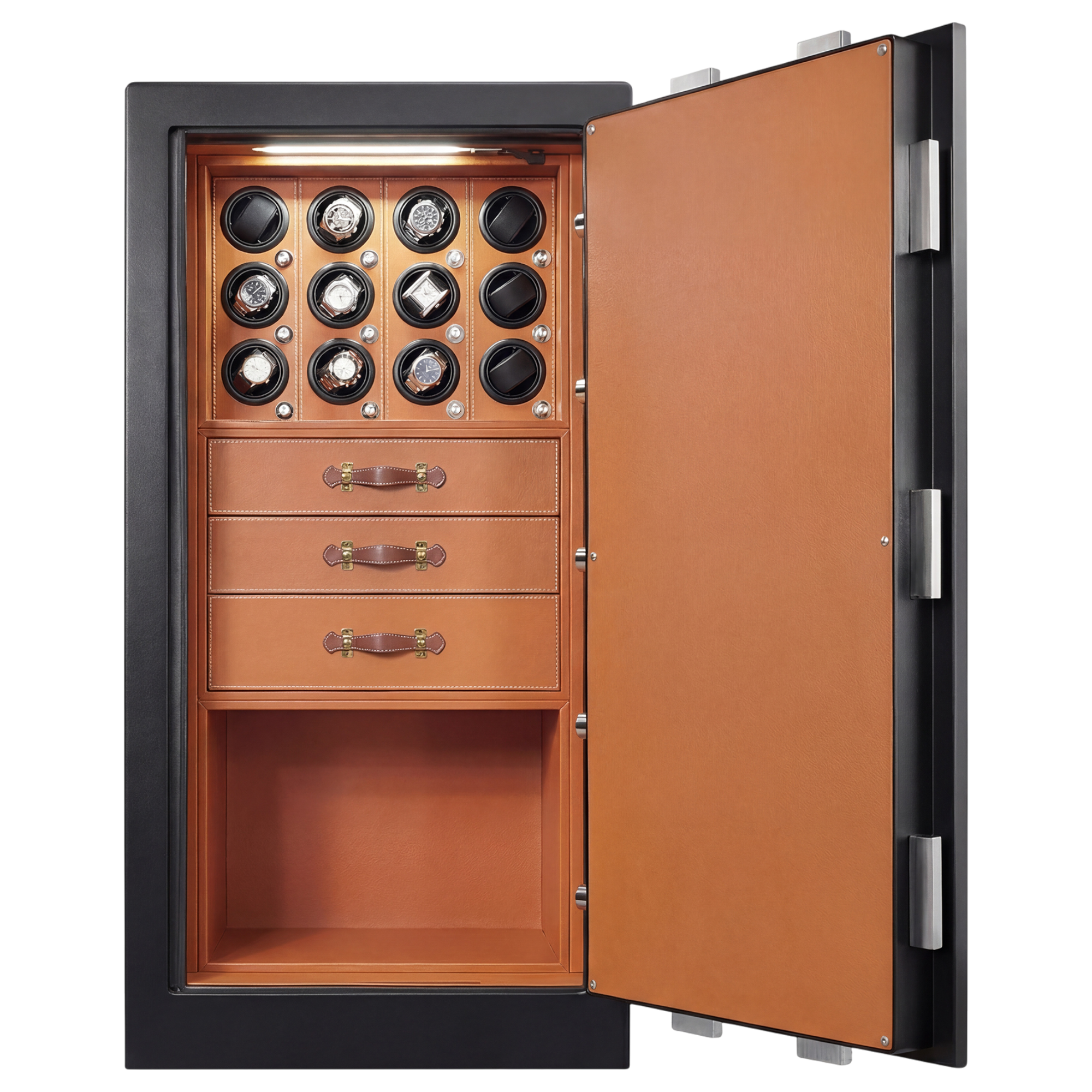
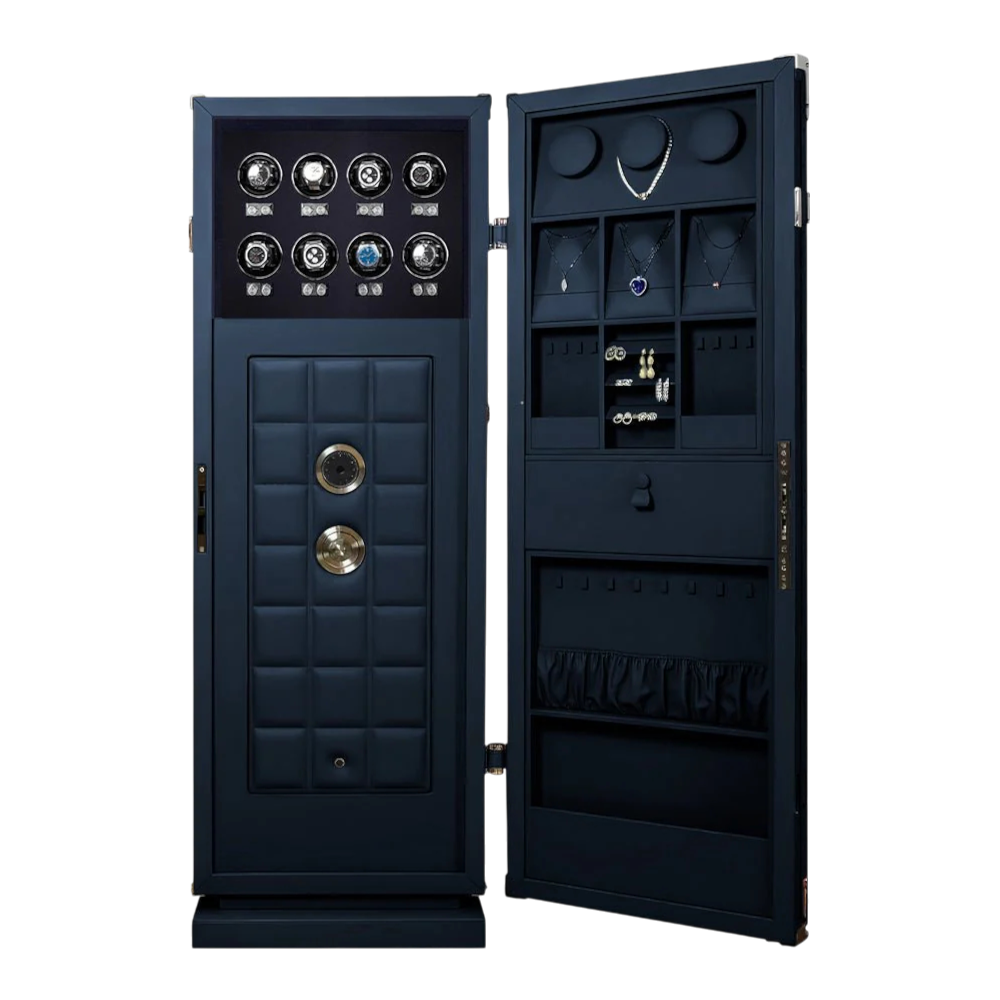
Cabinets like the Enclave and Eterna integrate multiple rotor banks with display and storage. Better suited for collectors building a collection room than a dresser setup.
Where to Start
Most collectors are better served by a multi-rotor from day one. The Impresario 6 is the most common first purchase. For larger collections, step up to the Impresario 12. Browse the full Winder Series to see all sizes.
For more reading, see how to choose a watch winder and the complete buying guide.
Protect Your Watch Collection
Designed for collectors who demand the best. Explore our premium watch winders and luxury safes.
Protect Your Watch Collection
Designed for collectors who demand the best. Explore our premium watch winders and luxury safes.