
A watch winder is a 15 to 20 year purchase when you buy the right one. Twelve months when you buy the wrong one. The gap is real, and the difference between the two is not price, it’s specification. This guide walks through every variable that matters, from the mechanical internals to the cabinet finish, so you make one purchase and own it for a decade plus.
Why a Good Watch Winder Matters
Your automatic watches are mechanical systems with tolerances measured in microns. When they stop, mainspring pressure drops. Lubricants settle. Complications like perpetual calendars lose their date. A winder keeps the mainspring tensioned, keeps oils distributed, and keeps your complicated watches ready to wear without a 20-minute reset.
A bad winder does more harm than no winder. It over-winds or under-winds. It generates heat from cheap motors. It induces magnetism through unshielded electronics. It rattles audibly at 3 AM. Specification matters because the downside is real.
The Six Things That Define a Watch Winder
1. Motor
The motor drives the rotor. Every other spec is downstream. Quality motors run quiet (under 10 decibels per motor at the enclosure), precise (consistent RPM over years), cool (no thermal drift), and long (15 to 20 years of continuous operation).
Enigwatch uses Mabuchi motors across the standard product line. Mabuchi is the industry benchmark, reliable, quiet, and stable. Our cabinets and custom builds can be specified with Maxon motors when a client asks for them. For most collectors, Mabuchi is the right motor.
2. TPD Programming
Turns per day is how much the winder rotates the watch in 24 hours. Different watches need different settings.
| Caliber Range | Typical TPD | Direction |
|---|---|---|
| Rolex 3135, 3235 | 650 to 800 | Bi-directional |
| Patek 324, 240 | 800 | Counterclockwise |
| Omega 8500, 8900 | 650 | Bi-directional |
| Audemars Piguet 3120 | 800 | Bi-directional |
| JLC 899, 920 | 650 | Bi-directional |
| Panerai P.9010 | 650 | Clockwise |
| ETA 2824 | 650 | Bi-directional |
Per-rotor programmability is non-negotiable for mixed-brand collections. A fixed-TPD winder forces compromises. See the TPD reference for a full brand list.
3. Capacity
Count the automatics you actually wear in rotation. Add three years of growth. Buy that size. A two-watch rotation today often becomes a four or five-watch rotation inside two years.
4. Construction
Solid wood frame or aluminum body. Brass hinges. Five-layer hand-polished lacquer or equivalent. Leather-lined interior with adjustable pillows. Weight tells the story. A hollow winder is a cheap winder.
5. Electronics
Microprocessor-controlled TPD. Battery backup for programming memory during power cuts. Silent mode that powers down rotors overnight if desired. Quality winders document their electronics.
6. Interior
Leather pillows, preferably calf. Adjustable to fit both dress watches and divers. Removable for cleaning. Soft enough not to mark the bracelet.
The Enigwatch Line, Mapped
Impresario Series
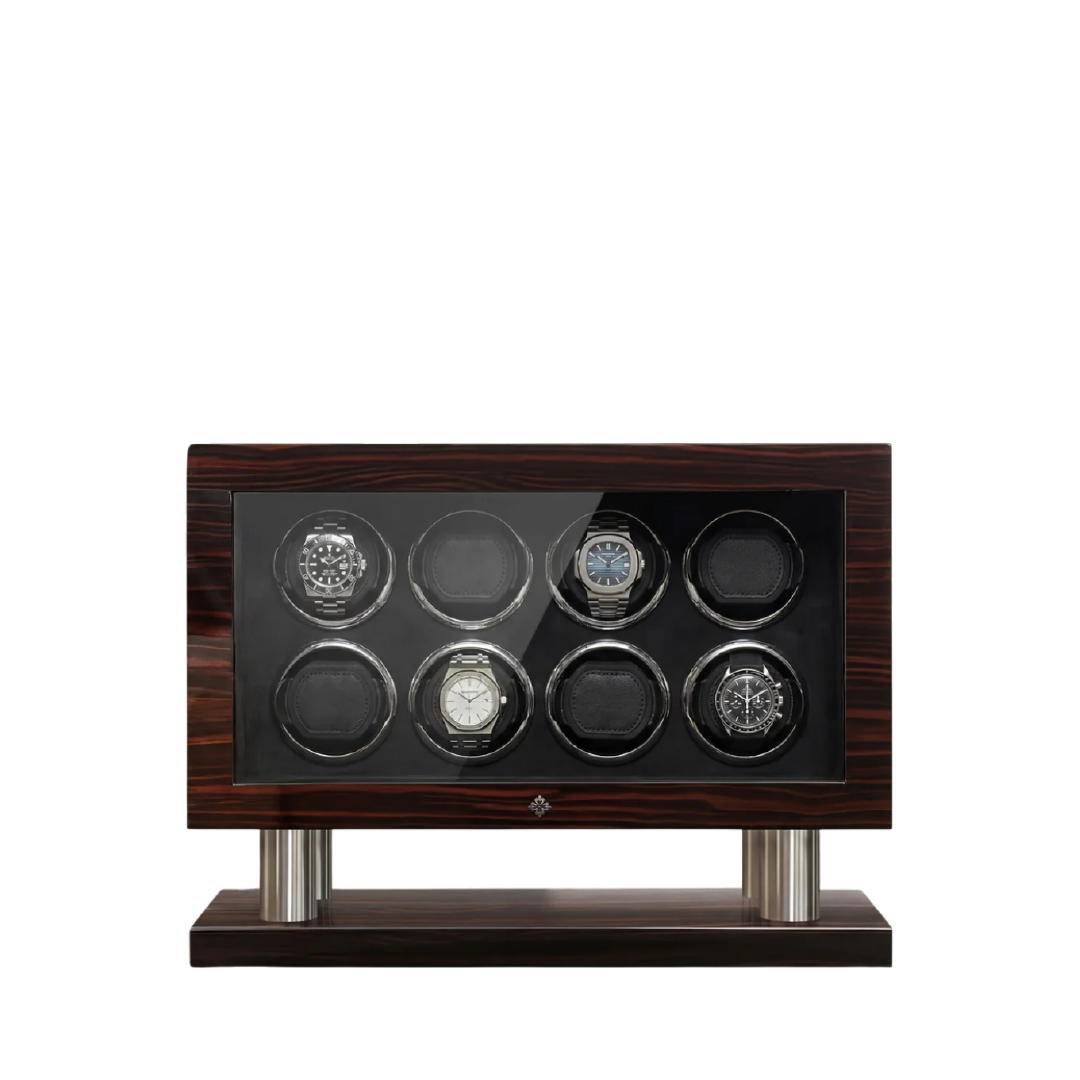
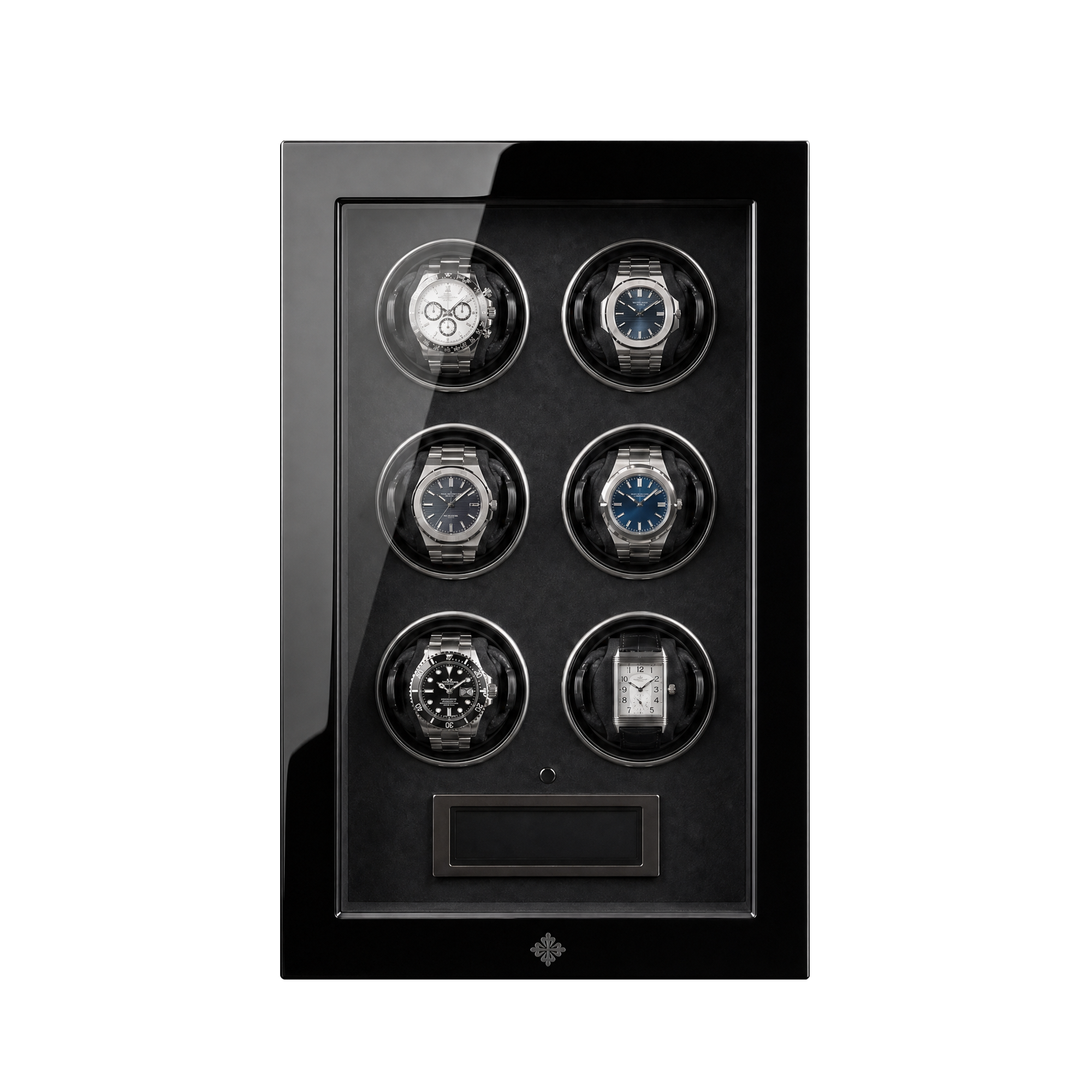
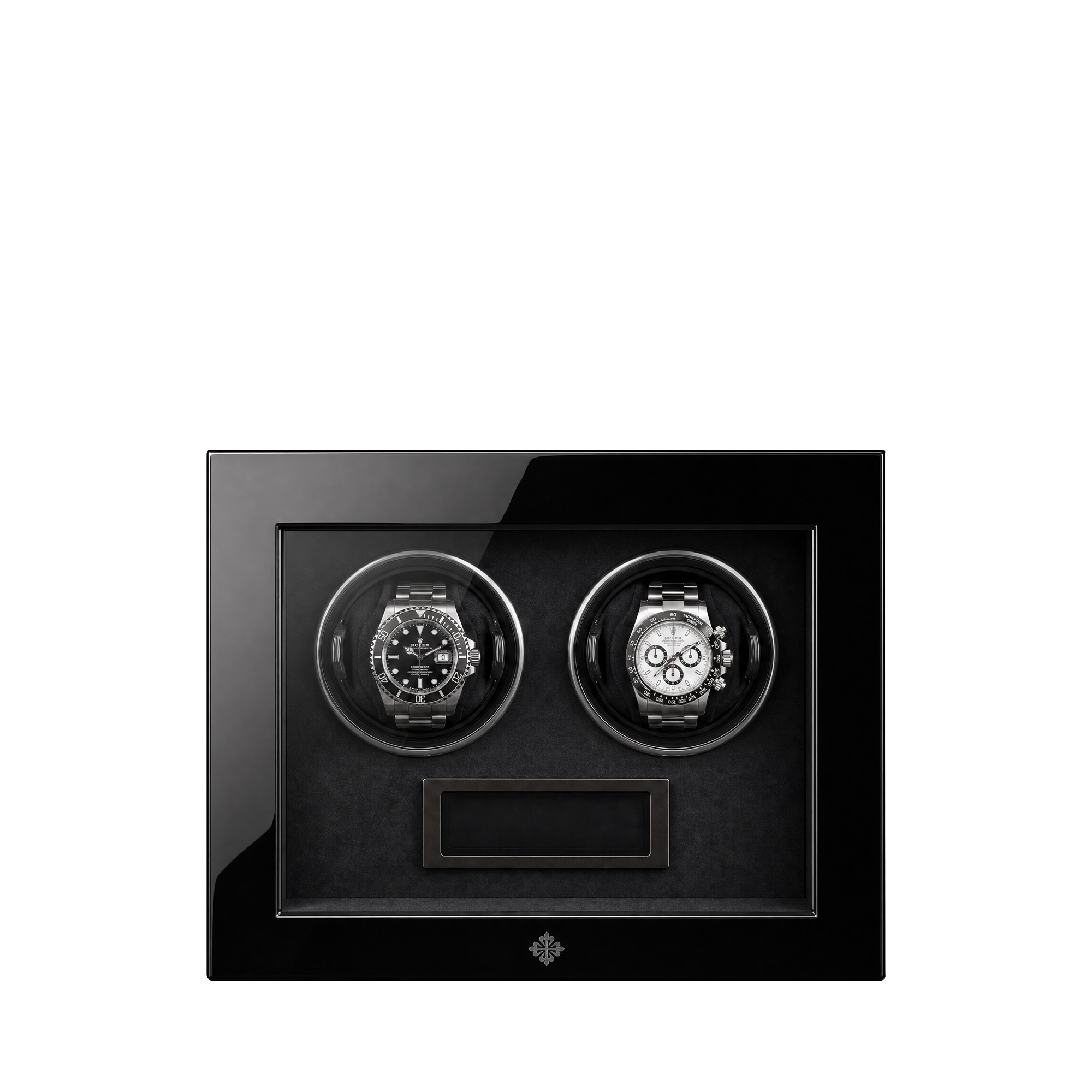
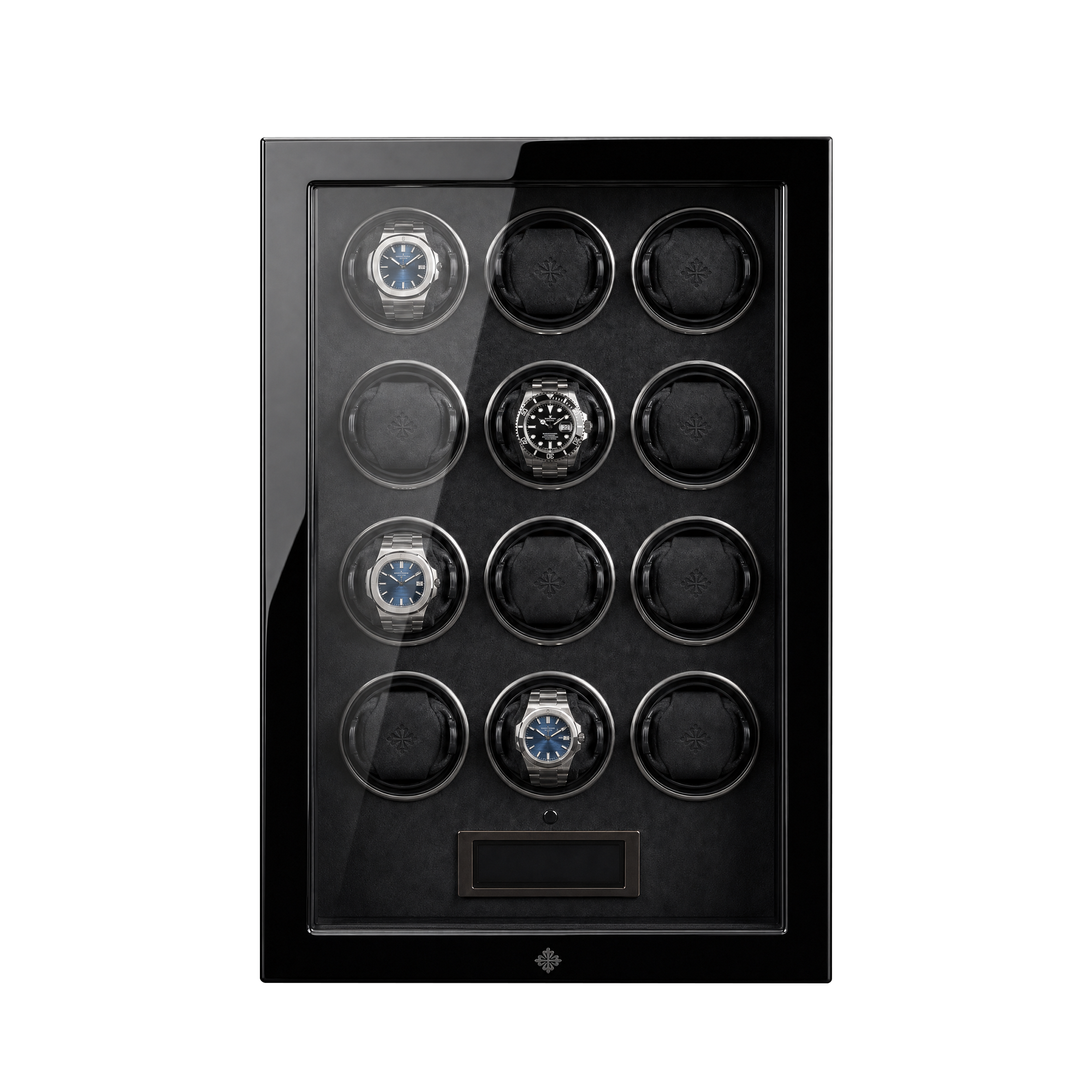
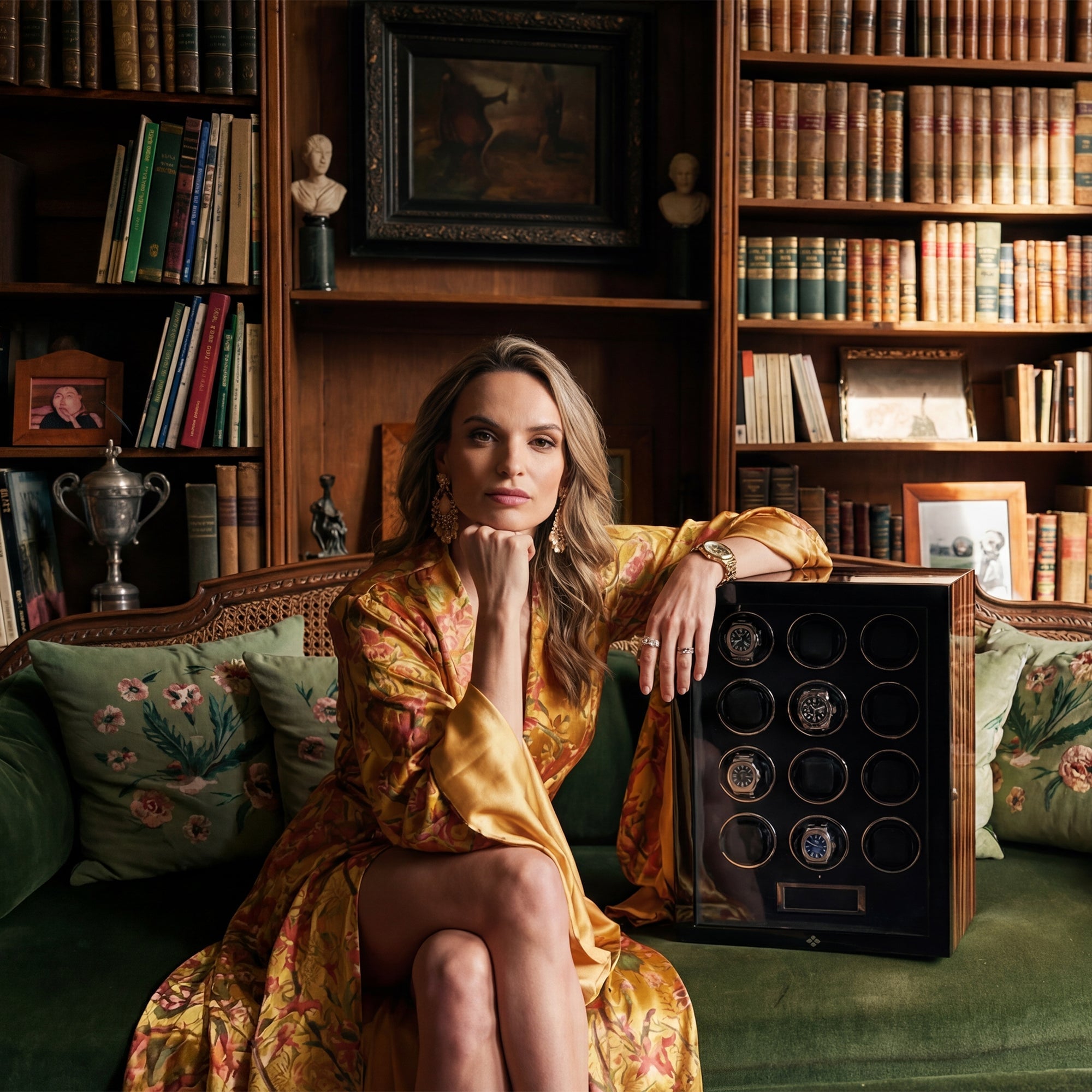
The Impresario is the flagship line. Glass-top display, Mabuchi motors, per-rotor programmable TPD, leather-lined interior, five-layer lacquer. Available from two to twelve rotors.
- Impresario 2 — 2-watch collections, travel-friendly
- Impresario 6 — 4 to 6-watch rotations
- Impresario 12 — 10 to 12-watch rotations, the most common flagship
Virtuoso Series
The Virtuoso is enclosed rather than glass-top. Premium leather interior, silent operation, Mabuchi motors, full programming. Better for dust protection and for collectors who prefer the watches hidden.
- Virtuoso 2 — enclosed 2-watch
- Virtuoso 6 — enclosed 6-watch
Yachtline Series
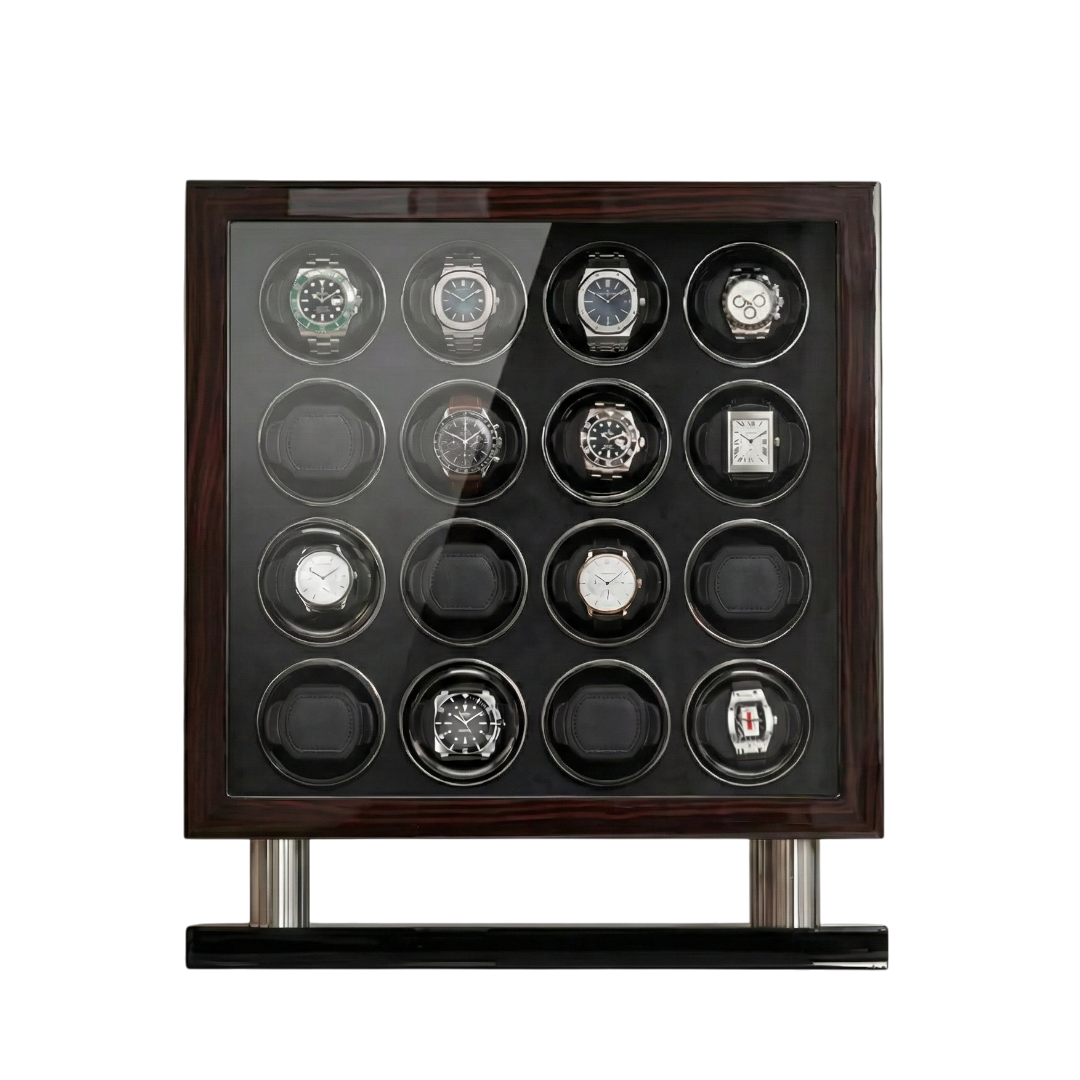
The Yachtline handles larger collections. Eight to sixteen rotors in a single unit. Cabinet-style construction.
- Yachtline 8 — 8-watch rotation
- Yachtline 16 — 12 to 16-watch rotation
Cabinet Options
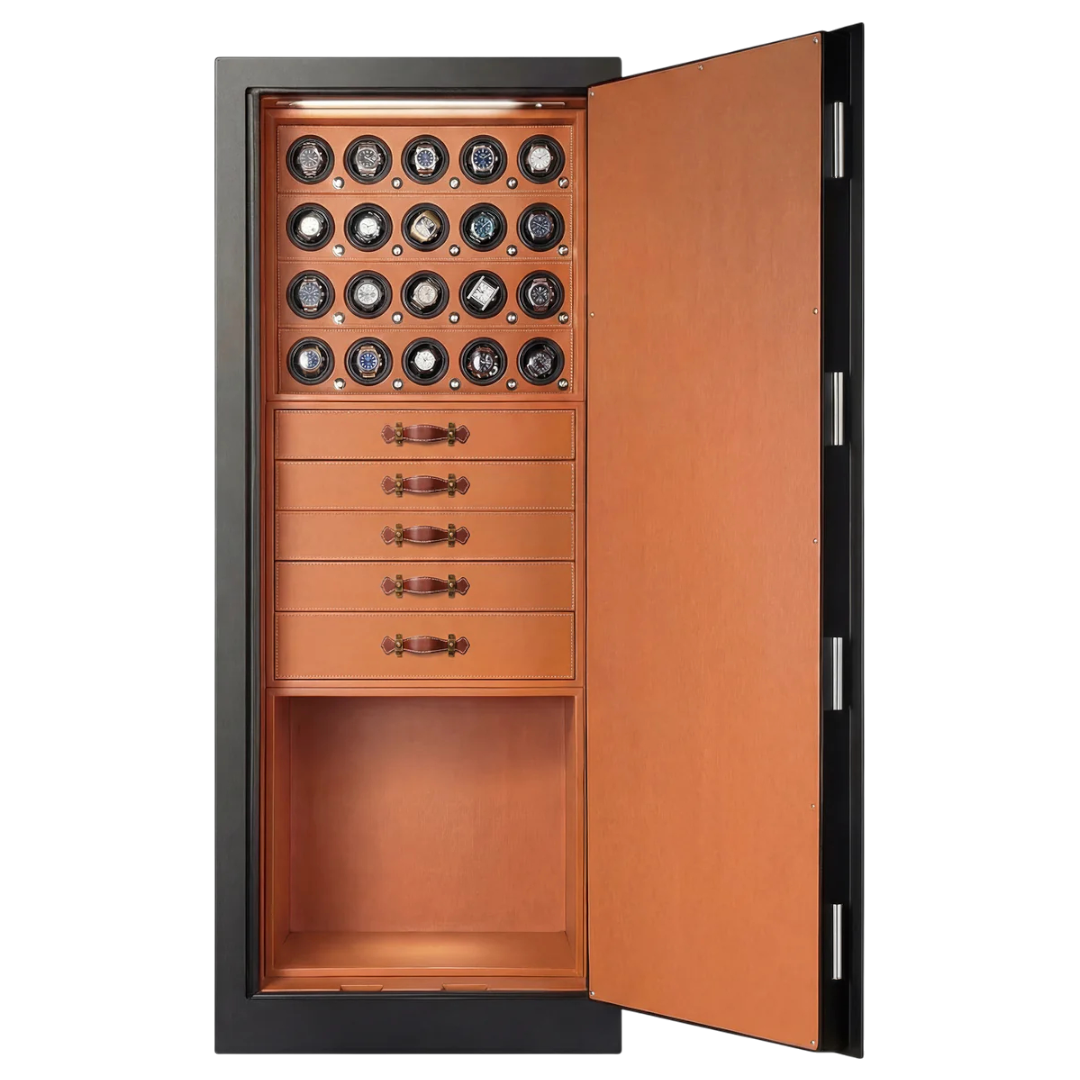
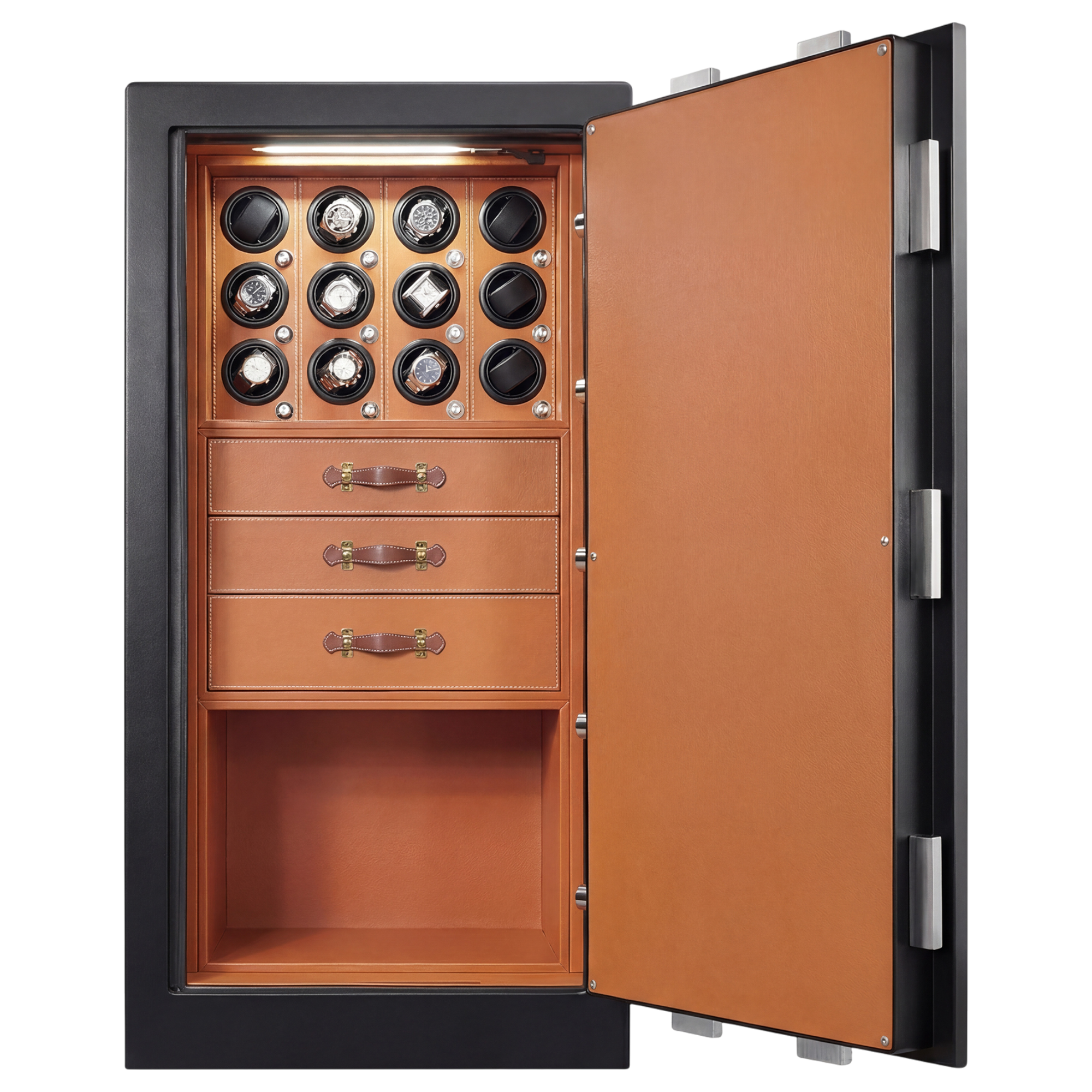
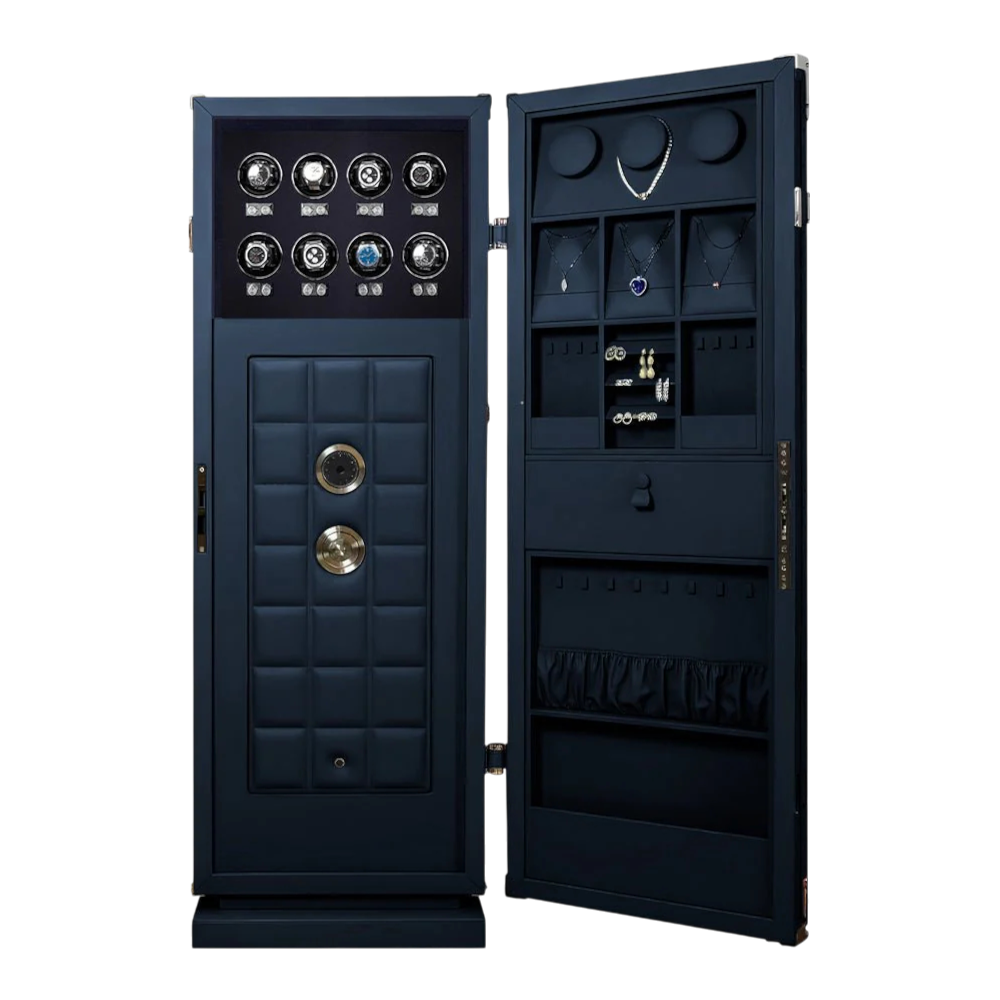
For collectors who want winders integrated into furniture with display layers and drawers, the Enclave and Eterna cabinets. See the full cabinet collection.
How to Match a Winder to Your Collection
| Collection Size | Recommended Model | Why |
|---|---|---|
| 1 to 2 watches | Impresario 2 / Virtuoso 2 | Right-sized, not overspecified |
| 3 to 6 watches | Impresario 6 / Virtuoso 6 | Common rotation size |
| 7 to 10 watches | Yachtline 8 + single standalone | Or step to Impresario 12 |
| 10 to 12 watches | Impresario 12 | Flagship for mid-size collections |
| 12 to 16 watches | Yachtline 16 | Single-unit solution |
| 16+ watches | Cabinet or custom | Enclave, Eterna, or bespoke |
Common Mistakes to Avoid
Buying by price alone. Watch winders are a category where $200 products are disposable and $600+ products are 20-year purchases. The middle doesn’t exist in a meaningful way.
Buying for today’s rotation only. You’ll outgrow it. Size up.
Ignoring TPD. A winder that rotates too much wears the movement. Too little and it doesn’t stay wound.
Skipping leather. Velvet attracts dust. Carpet scratches. Pay for the leather.
Under-specifying motors. No-name motors fail early and can induce magnetism. Pay for Mabuchi or better.
Where to Install Your Winder
Ideal location: a dresser, closet shelf, office desk, or built-in cabinet. Out of direct sunlight. Away from electronics that generate electromagnetic interference. At room temperature and moderate humidity (40 to 55 percent).
Avoid: next to speakers, on top of fridges, in bathrooms, on uneven surfaces.
Frequently Asked Questions
How much should I spend on a watch winder?
For a quality two-rotor unit, $500 to $900. For six rotors, $1,200 to $2,500. For twelve rotors, $3,500 to $6,000. Anything below those ranges is entry-tier and typically disposable. Anything significantly above includes cabinet integration or custom specification.
What’s the most reliable brand of watch winder?
At the premium tier, Enigwatch, Wolf, Orbita, and Scatola del Tempo are the recognizable names. Enigwatch differentiates on motor quality (Mabuchi across the line), cabinet integration, and interior specification.
Can I leave a watch winder running 24/7?
Yes. Quality winders are designed for continuous operation. Motors run on duty cycles (spin 5 minutes, rest 55, for example), so actual runtime is a fraction of total time.
Does a watch winder damage the movement?
A properly specified winder does not. Wrong TPD over years can accelerate wear on the slip clutch. Quality motors with accurate TPD and proper direction cause no damage.
What if I skip the winder and just wind by hand?
Fine for one or two automatics. Annoying for more. Impossible for complications like perpetual calendars that lose weeks of setup if the mainspring dies.
How do I set the TPD for a watch I can’t find data on?
Default to 650 to 750 TPD bi-directional. Most ETA-based calibers are happy in that range. For specific brands, check the TPD reference.
Glass or enclosed?
Glass for display. Enclosed for protection. Both work mechanically, the choice is where the winder will live.
Do I need a battery backup?
Not for the motor, mains is fine. Battery backup for TPD memory is useful if you lose power and don’t want to reprogram settings every time.
Your Next Step
Browse the Winder Series and filter by capacity. Start with your current rotation plus three years of growth.
For cabinet or custom integrations, the Virtuoso and Yachtline lines cover most use cases without needing full bespoke specification. For additional reading, see how to choose a watch winder, best automatic watch winder, and magnetic levitation technology.
Protect Your Watch Collection
Designed for collectors who demand the best. Explore our premium watch winders and luxury safes.
Protect Your Watch Collection
Designed for collectors who demand the best. Explore our premium watch winders and luxury safes.