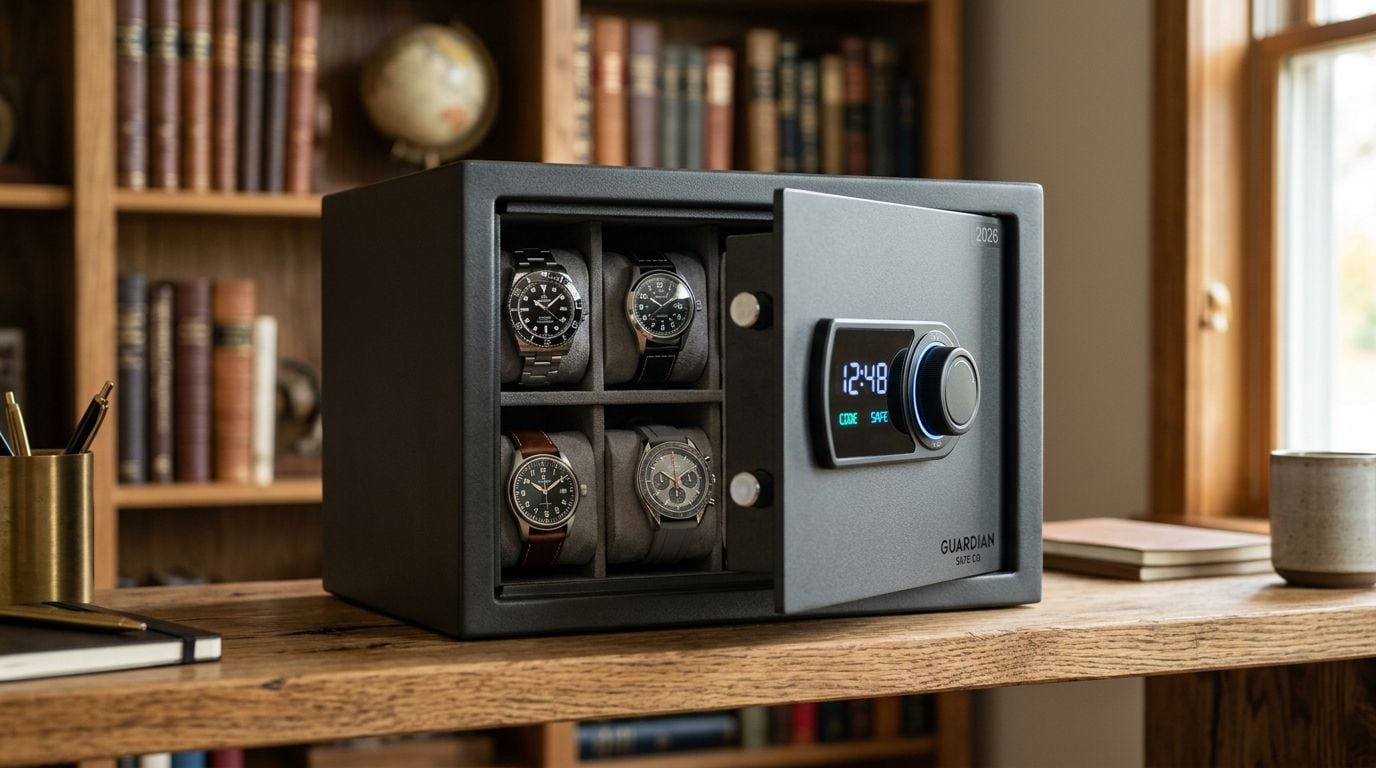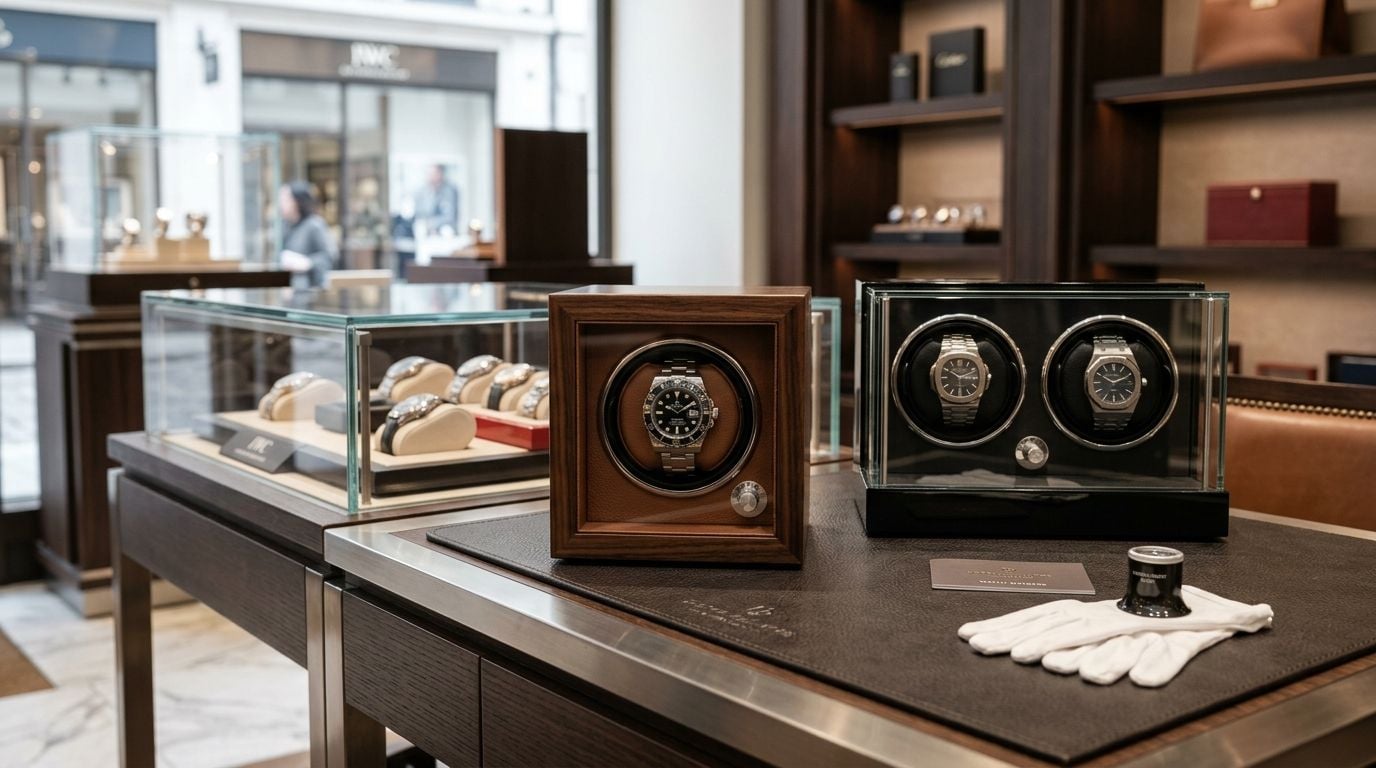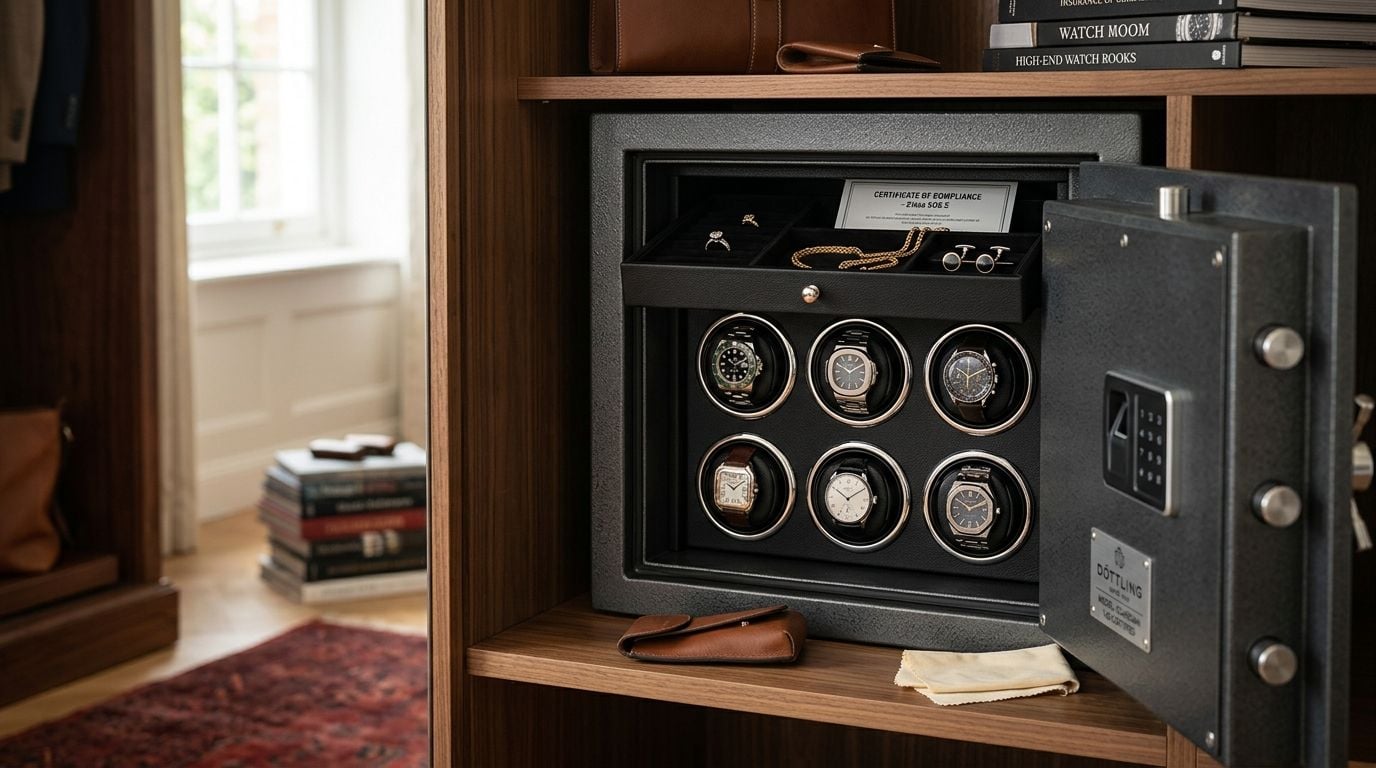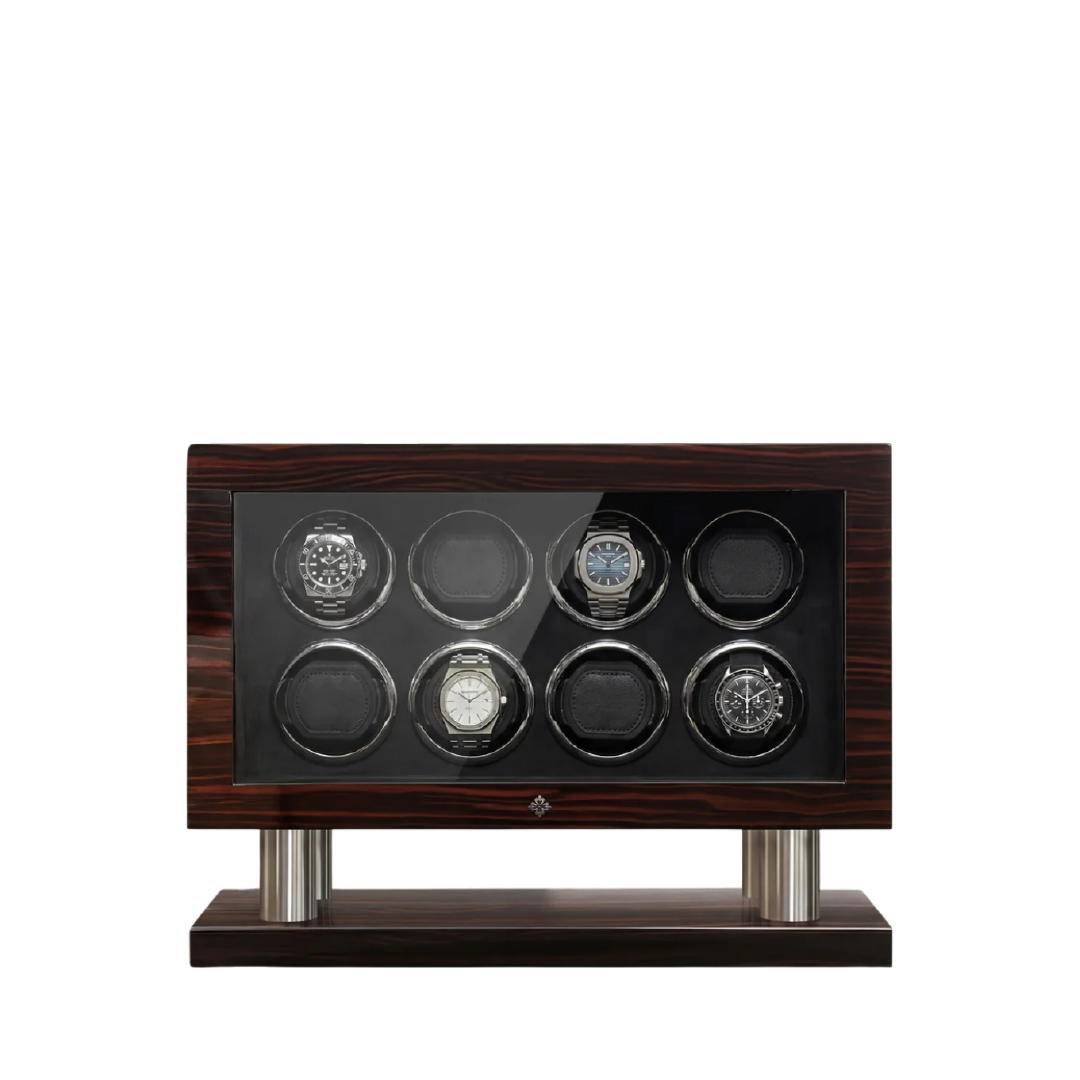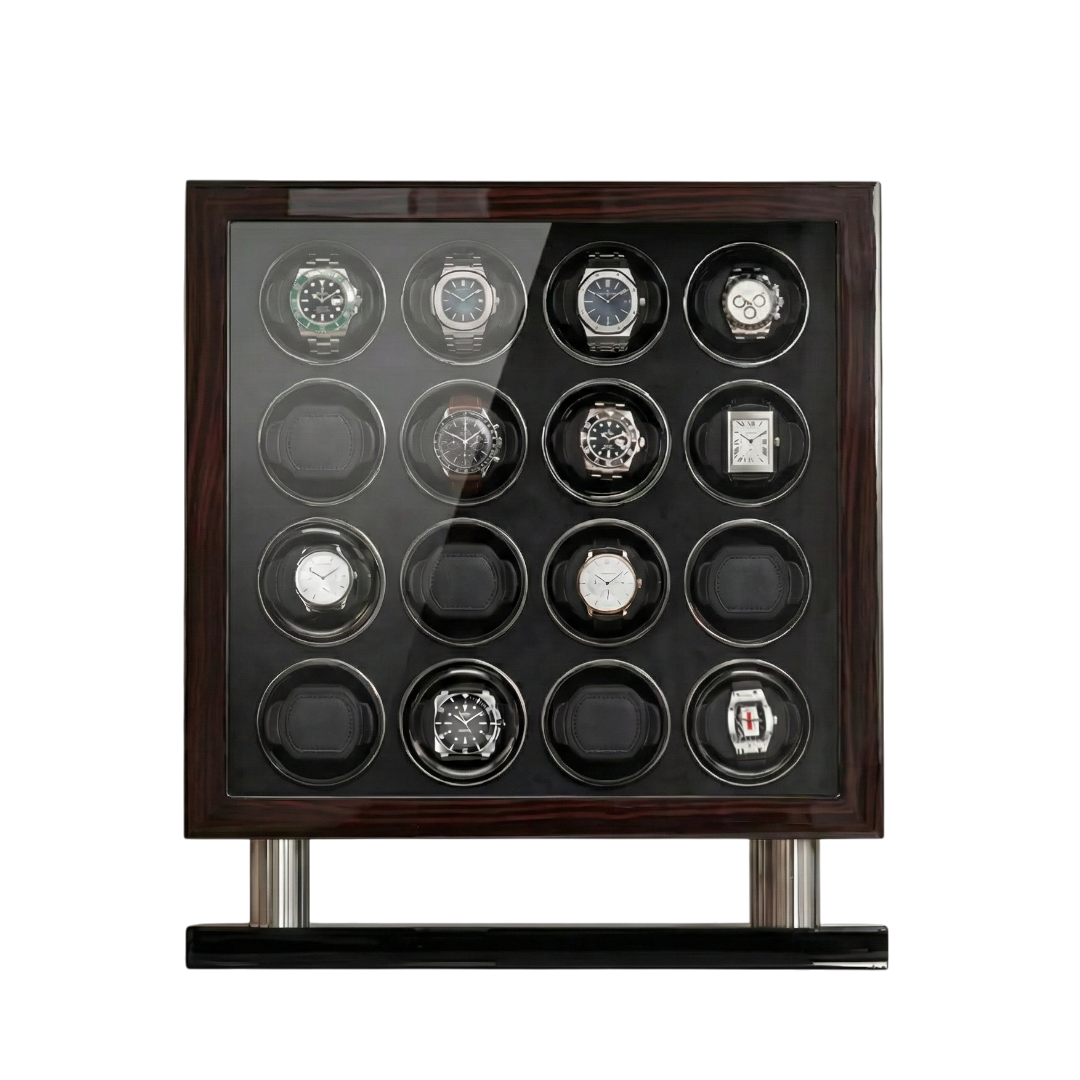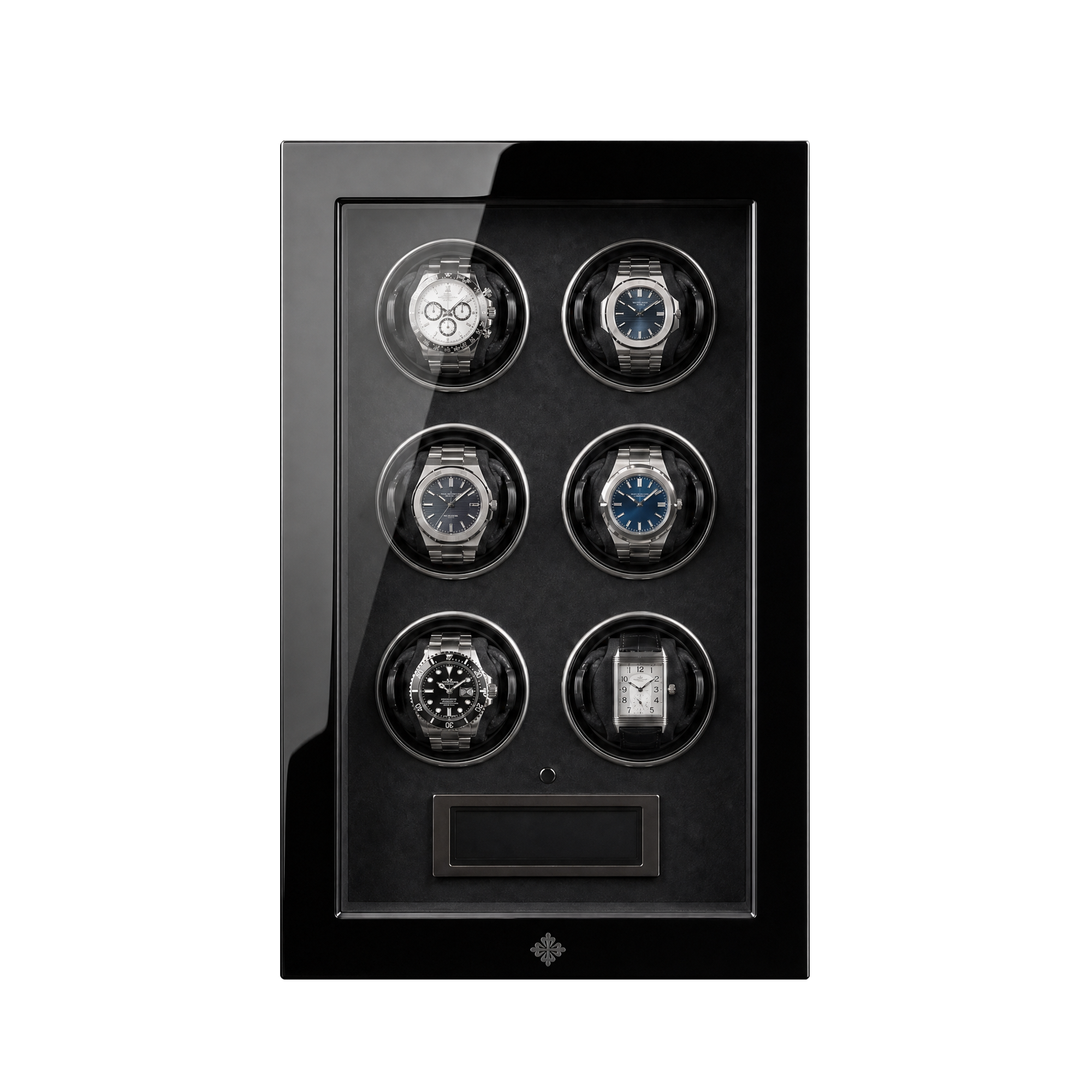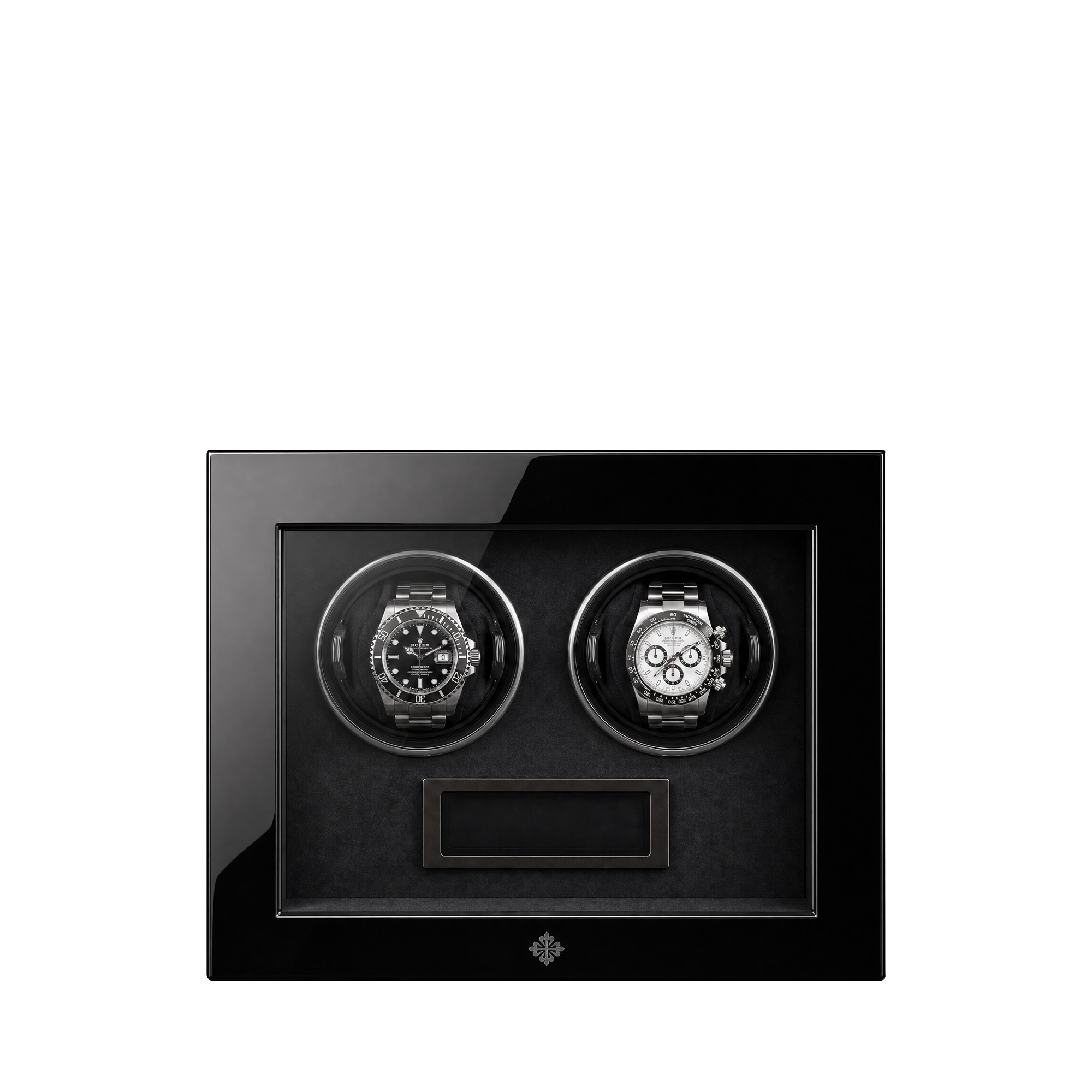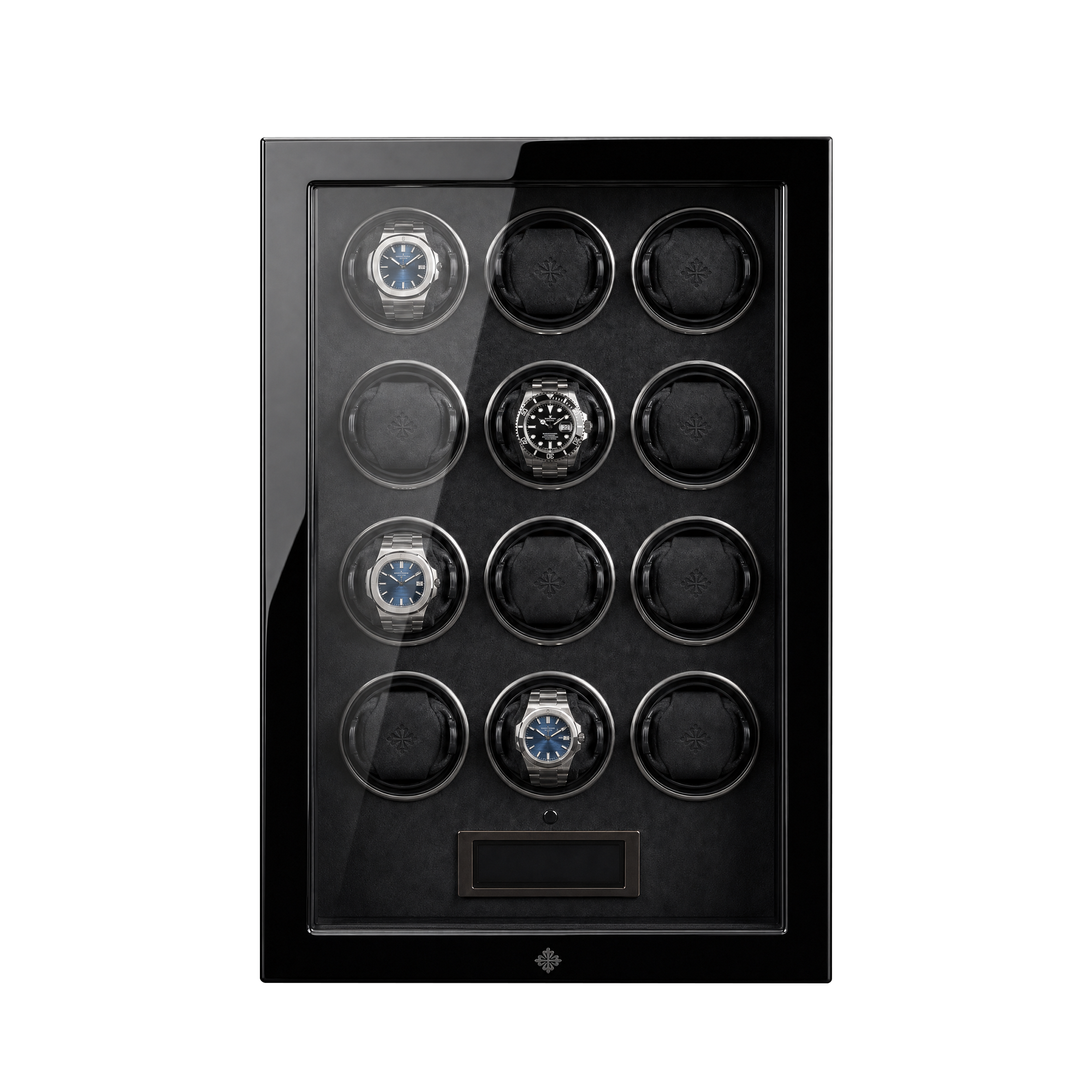

A watch box stores your watches while they’re at rest. A watch winder rotates them to keep automatics wound. They solve different problems, and many collectors eventually end up with both. The order you buy them in depends on what you actually own and how you wear it. This guide breaks down the difference, when each makes sense, and where the combined approach (a winder that also stores resting pieces) fits in.
What Each Does
| Factor | Watch Box | Watch Winder |
|---|---|---|
| Primary function | Static storage | Rotates automatics to keep them wound |
| Works for quartz | Yes | No |
| Works for manual-wind | Yes | No |
| Works for automatic (stored) | Yes | Yes |
| Protects complications from stopping | No | Yes |
| Electricity required | No | Yes |
| Typical price | $50 to $2,000 | $500 to $7,000+ |
| Capacity range | 3 to 24+ watches | 2 to 16+ rotors |
When a Watch Box Is Enough
A box alone covers your needs if any of these apply.
- Your collection is entirely quartz or manual-wind
- You wear one or two watches daily and don’t mind hand-winding the rest
- Your automatics sit for months between wears by choice
- You rotate only one automatic at a time on your wrist
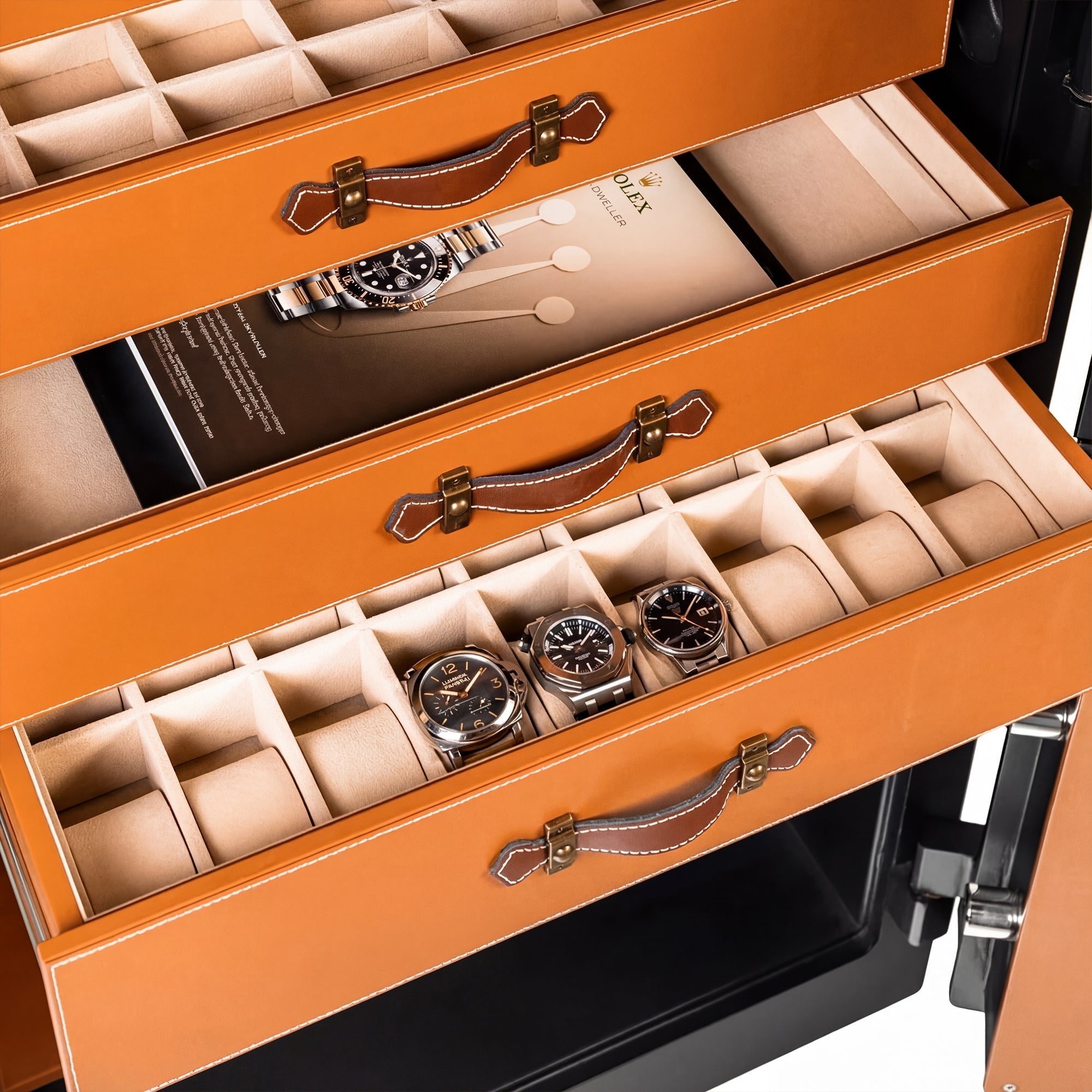
A quality leather-lined watch box protects bracelets, organizes the collection, and lets you see what you own at a glance. No rotation, no power, no TPD programming.
When a Watch Winder Is the Right Answer
Buy a winder instead of (or in addition to) a box if any of these apply.
- You own 3 or more automatics and rotate through them
- You have a perpetual calendar, annual calendar, or moonphase
- You travel and your home automatics sit for a week or more
- You find yourself hand-winding and setting time on multiple watches each week
A winder keeps your automatics ready. You pick up any watch and wear it without re-setting. For the full decision framework, see do I need a watch winder.
The Combined Answer: Winder for Rotation, Box or Safe for the Rest
Most serious collectors end up with both. A winder for the 4-8 watches in active rotation. A box or safe for everything else — the vintage pieces, the off-rotation sport watches, the manual-winds, the quartz. This is the most common setup for 10+ watch collections.
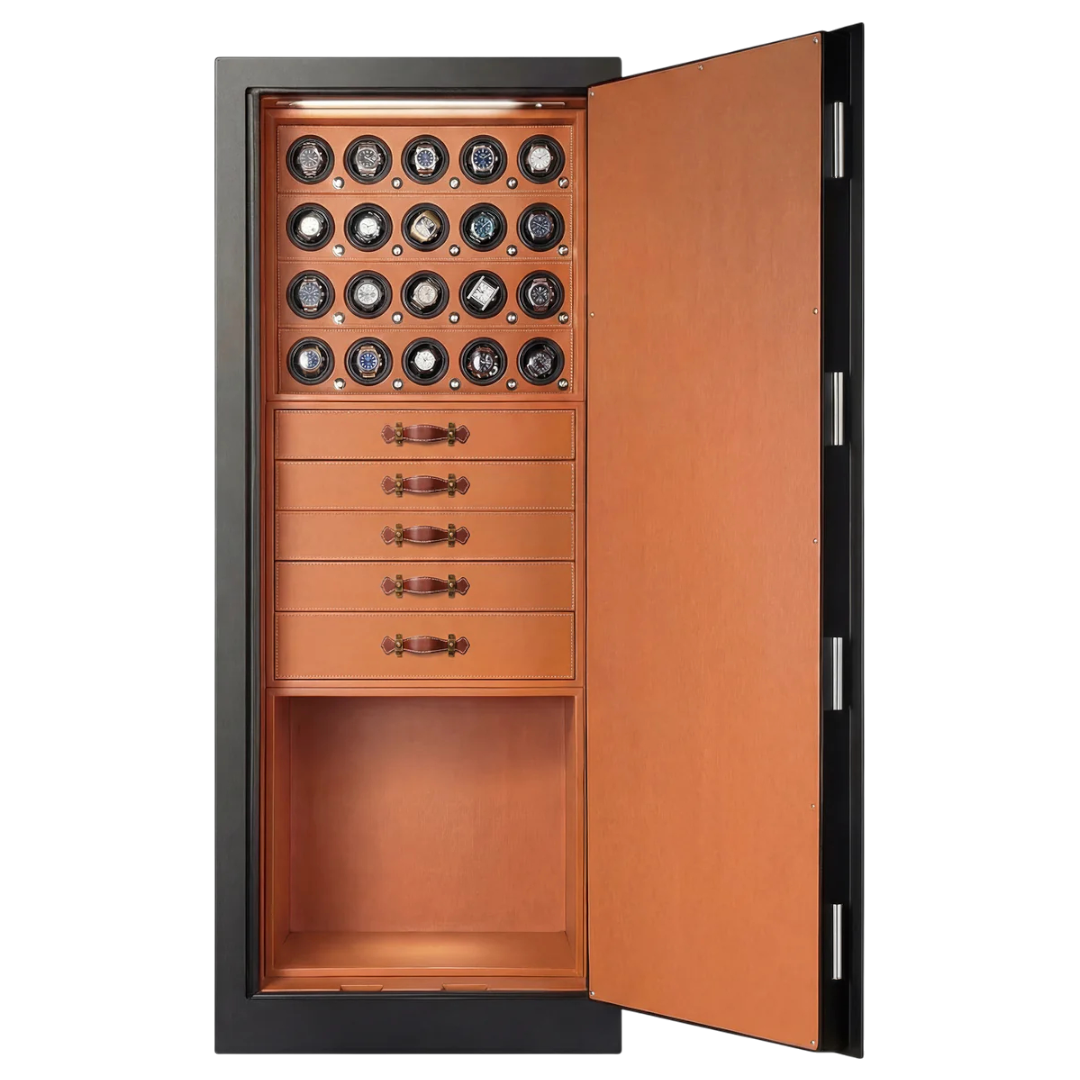
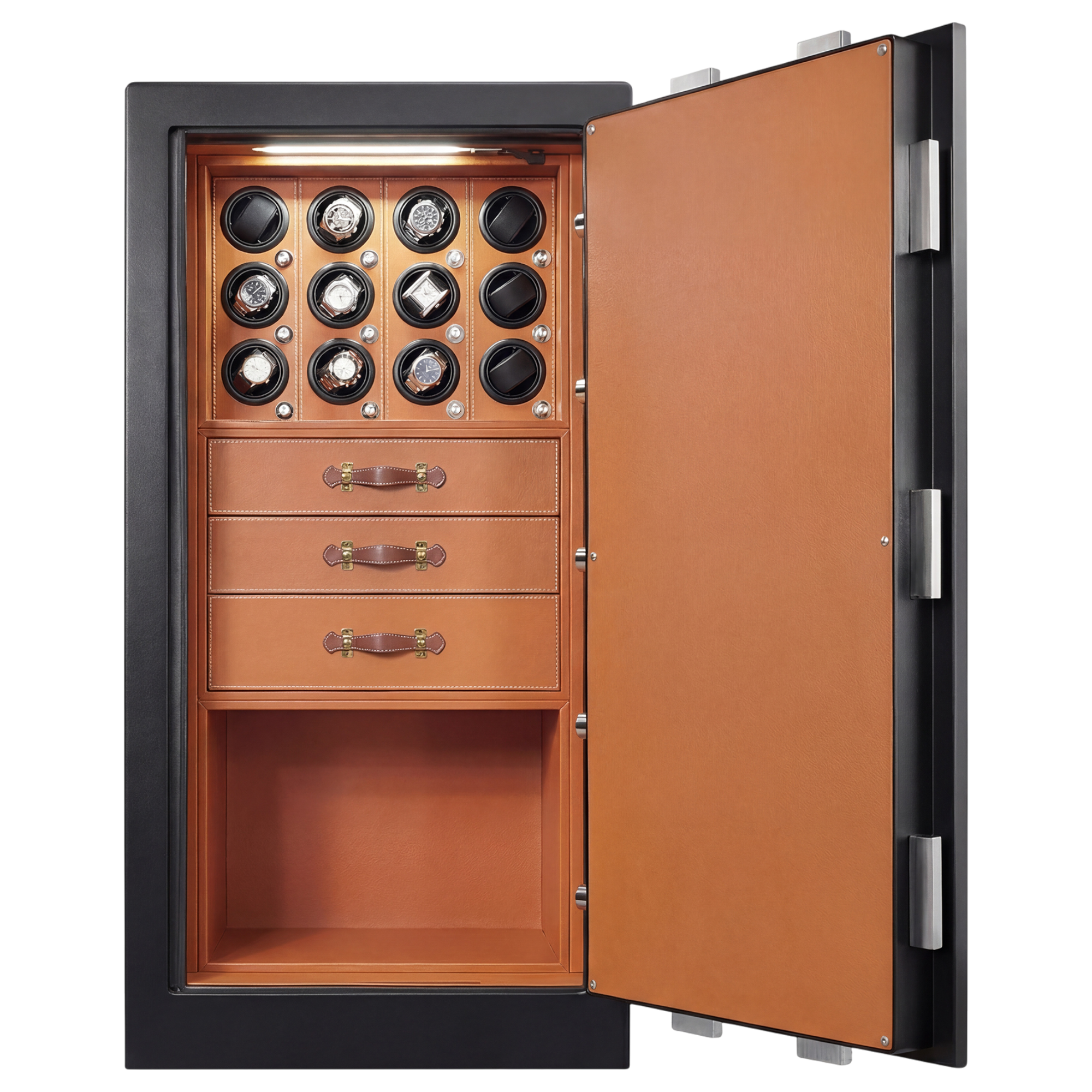
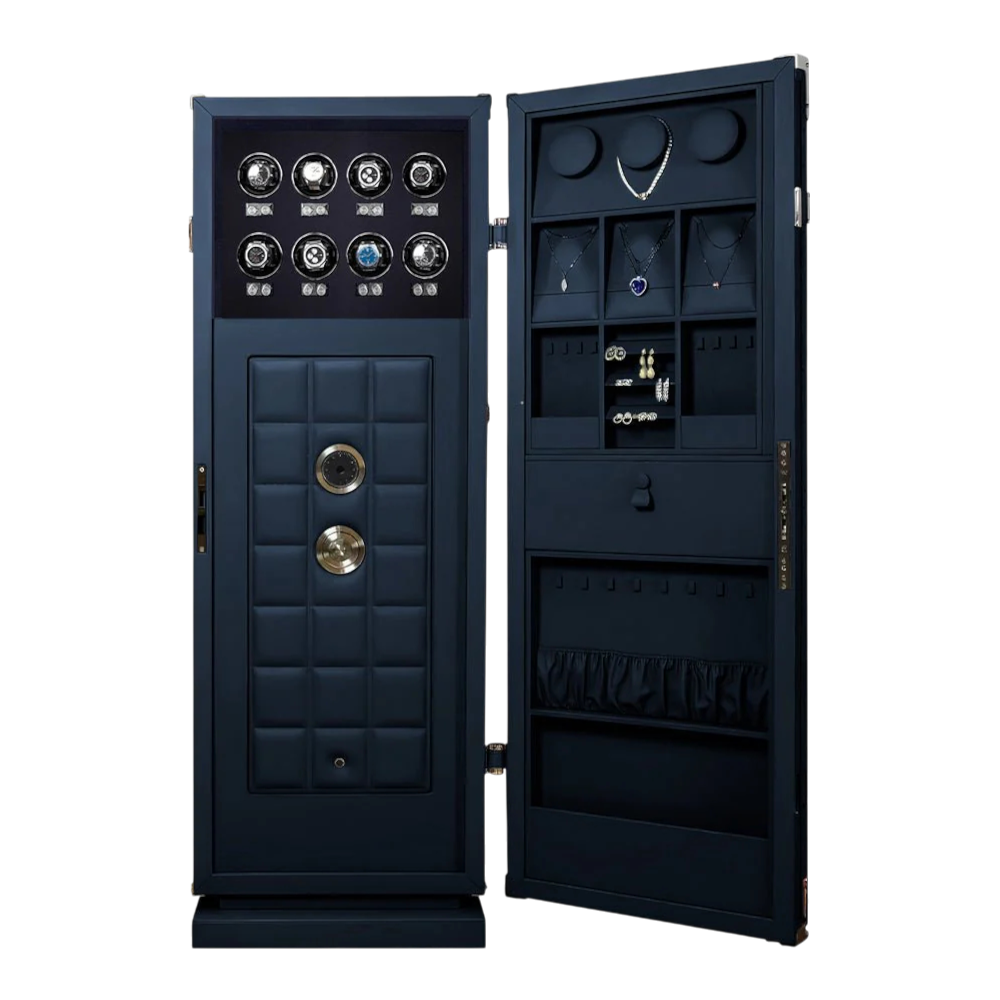
Enigwatch’s Impresario Series covers the winder side. For storage that goes beyond a basic box (security, fire protection, climate), the Vaults collection handles the protected storage role. For cabinets that integrate winders with display and drawer storage, browse the Watch Winder Cabinet collection — the Enclave and Eterna are cabinet-grade builds that do both jobs.
What a Watch Box Can’t Do
Three limitations worth understanding.
It can’t keep automatics wound. Your automatics will run down to zero reserve within a few days of sitting. To wear one, you hand-wind and reset the time, date, and any complications.
Most boxes offer minimal security. A wooden watch box with a latch is not a safe. If the collection value is significant, a box alone doesn’t meet insurance requirements.
Most boxes don’t control climate. Humidity and dust infiltrate over time. For long-term storage of high-value pieces, climate-controlled storage matters.
What a Watch Winder Can’t Do
Winders also have limits.
It doesn’t rotate watches it isn’t designed for. Quartz and manual-wind watches don’t benefit from winders. See do quartz watches need winders.
Most winders aren’t secure. A standalone winder on a dresser offers no theft protection. Combined winder-safes like the Veron 12 address this.
It’s wasted on watches you never wear. A rotor spinning a watch that sits untouched for months is motor hours and electricity for no purpose. Store those pieces in a box or safe instead.
Sizing Each
For the winder side: count active rotation automatics, add 2 to 3 for growth, pick that size. A 6-watch rotation means a 6-rotor winder like the Impresario 6. See how many watch winders do you need.
For the box or safe side: count the non-rotation watches plus 3 years of growth. Target that capacity. Shop-by-size collections help: 2-8 Watch for smaller setups, 12-20 Watch for mid-size.
Common Progression
Most collectors follow this path over the first 5 years.
- Start with a simple watch box for 5-10 watches
- Add a 2 or 6-rotor winder when the collection hits 3+ automatics
- Upgrade to a combined winder-safe like the Veron 12 when collection value crosses $50K
- Move to a cabinet (Enclave, Eterna) or custom build at 12+ watches
Frequently Asked Questions
Can I use a watch box for automatics?
Yes. Automatics don’t need to be on a winder. They’ll stop in a box and restart when you wind them for wear.
Do I need both a box and a winder?
For collections of 5+ watches with mixed mechanical types, usually yes. Winder for active rotation, box or safe for the rest.
Is a watch winder better quality than a watch box?
Different categories. A quality box and a quality winder both serve their functions well. Compare within category, not across.
What about watch rolls for travel?
Rolls are compact travel storage, similar to boxes but portable. No rotation function. Fine for quartz and manual-wind on trips.
Can I store a winding watch in a box?
Yes, but it will wind down. Restart by hand when you wear it.
What if I only have quartz watches?
Skip the winder entirely. A quality box or safe is the right category.
Is the combined winder-safe worth the premium?
For mid-to-high-value collections, yes. One unit handles both rotation and security. See the Veron 12 and Veron 20.
Pick Based on What You Own
If your collection is all quartz or you wear one watch daily, a box is enough. If you rotate automatics or own complications, add a winder. Most collectors end up with both over time. Browse the Winder Series for rotation needs and the Vaults collection for secured storage.
Related reading: watch safe vs watch winder, do I need a watch winder, how to choose a watch winder.
Protect Your Watch Collection
Designed for collectors who demand the best. Explore our premium watch winders and luxury safes.
Protect Your Watch Collection
Designed for collectors who demand the best. Explore our premium watch winders and luxury safes.