
You have automatics sitting in a drawer. Half the time you wind them by hand before wearing, the other half you skip the watch and grab something quartz. The question is whether you buy a winder, a safe, or both. The answer depends on how many pieces you own, what they’re worth, and what you’re actually trying to solve. This guide breaks the decision into plain categories and points you to what fits your situation.
What Each One Actually Does
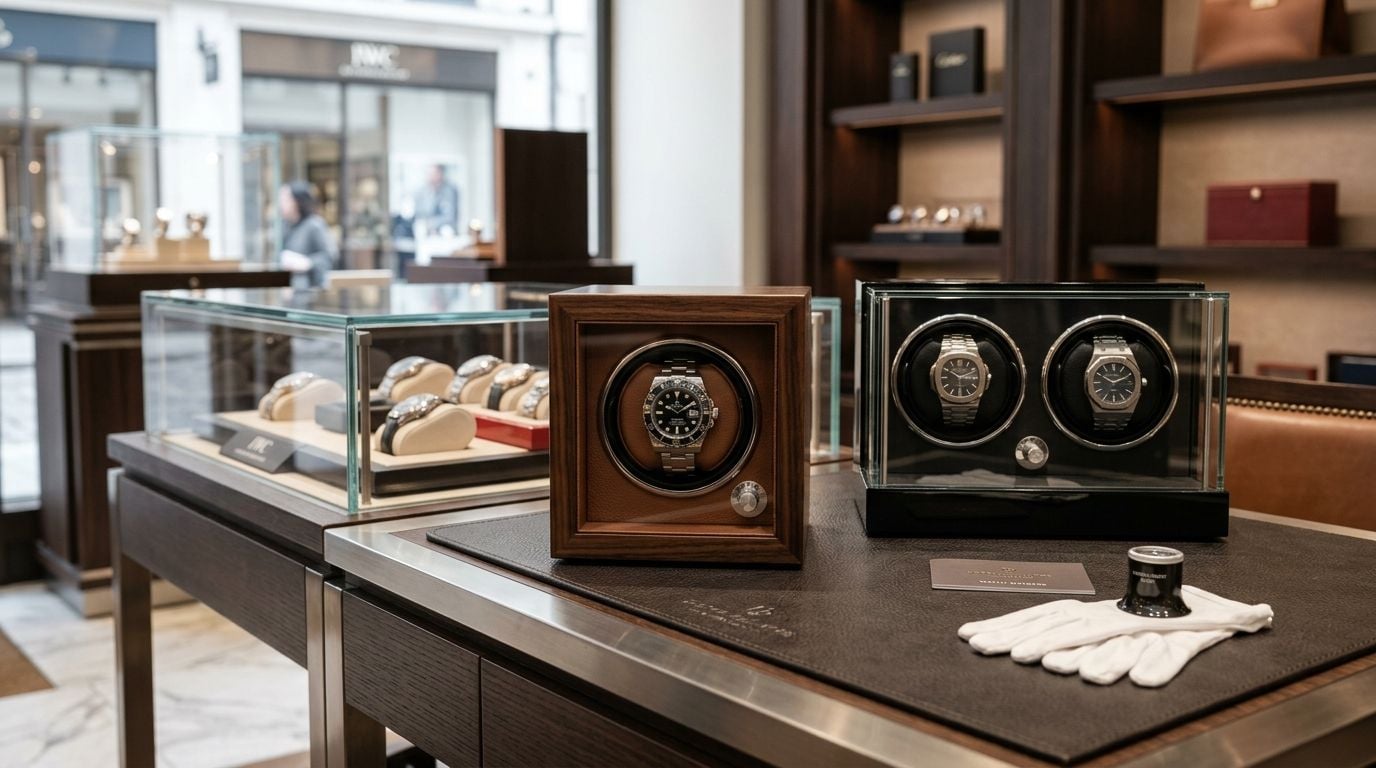
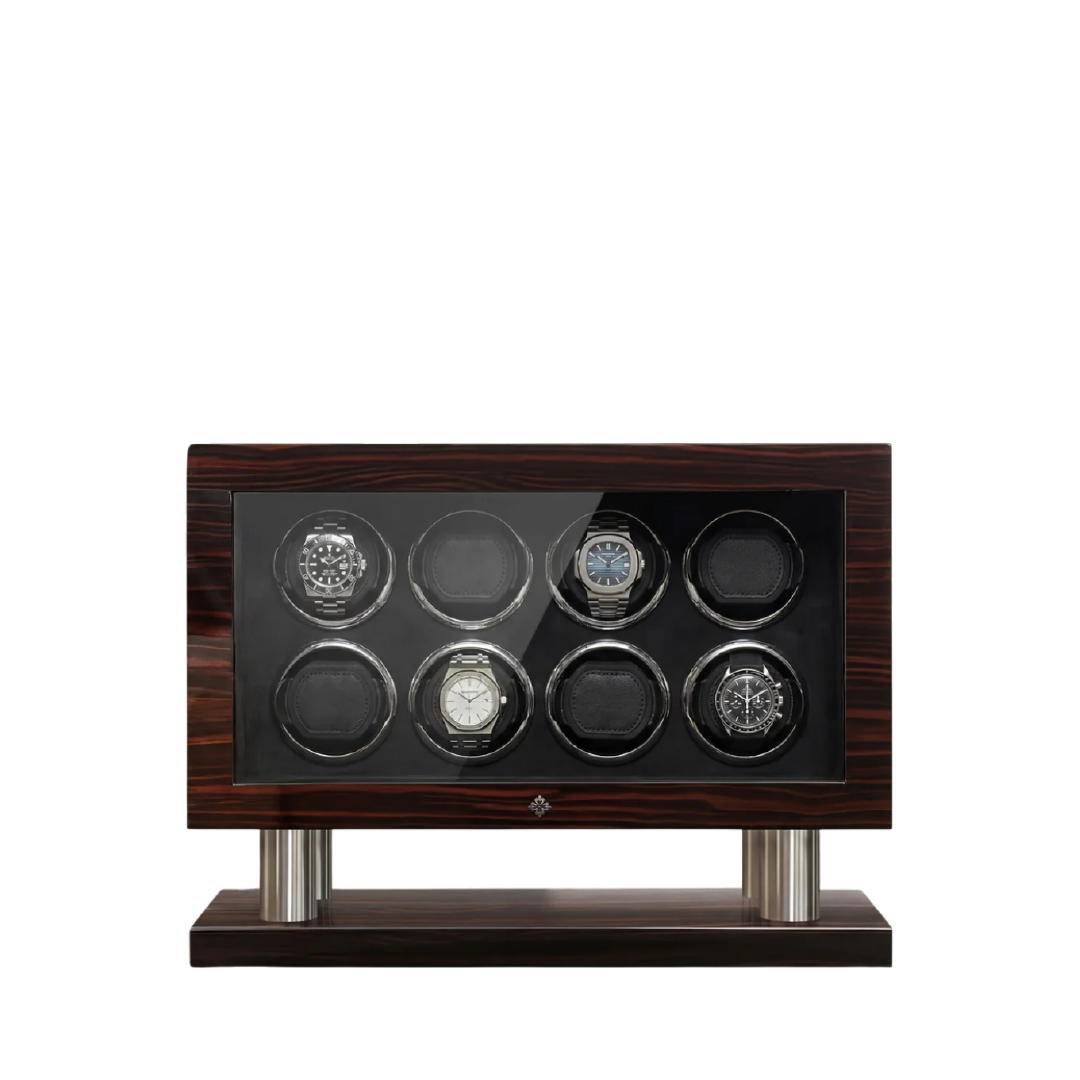
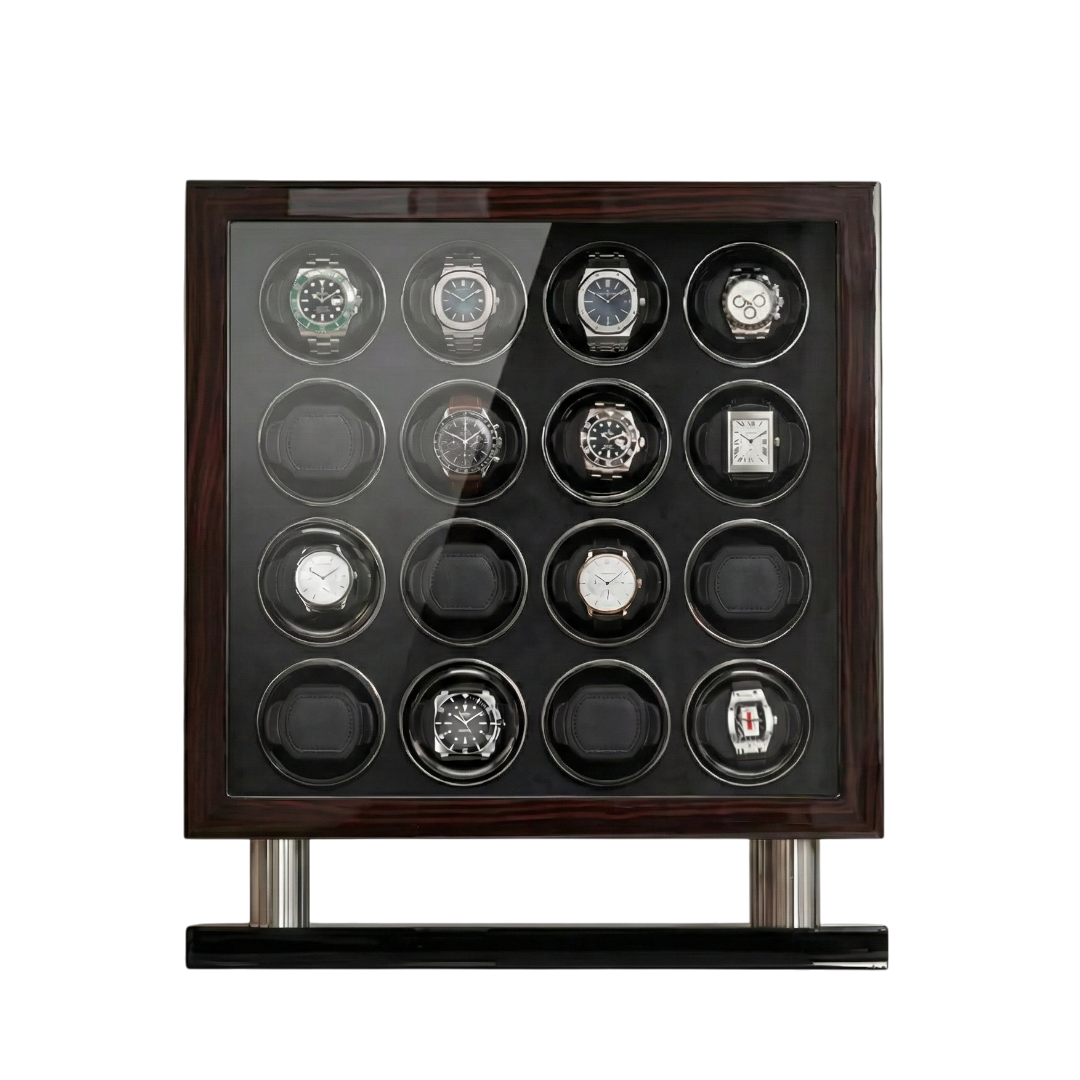
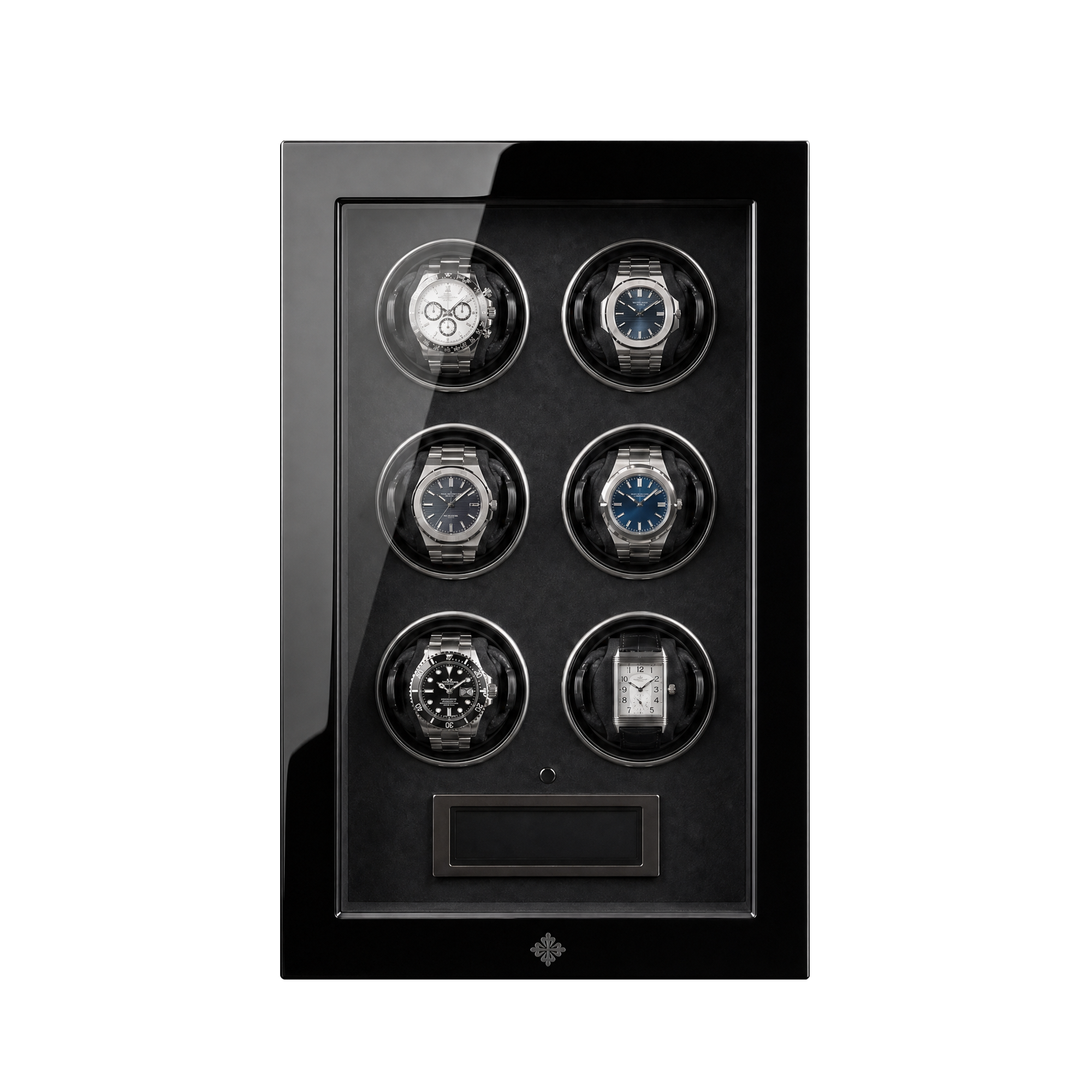
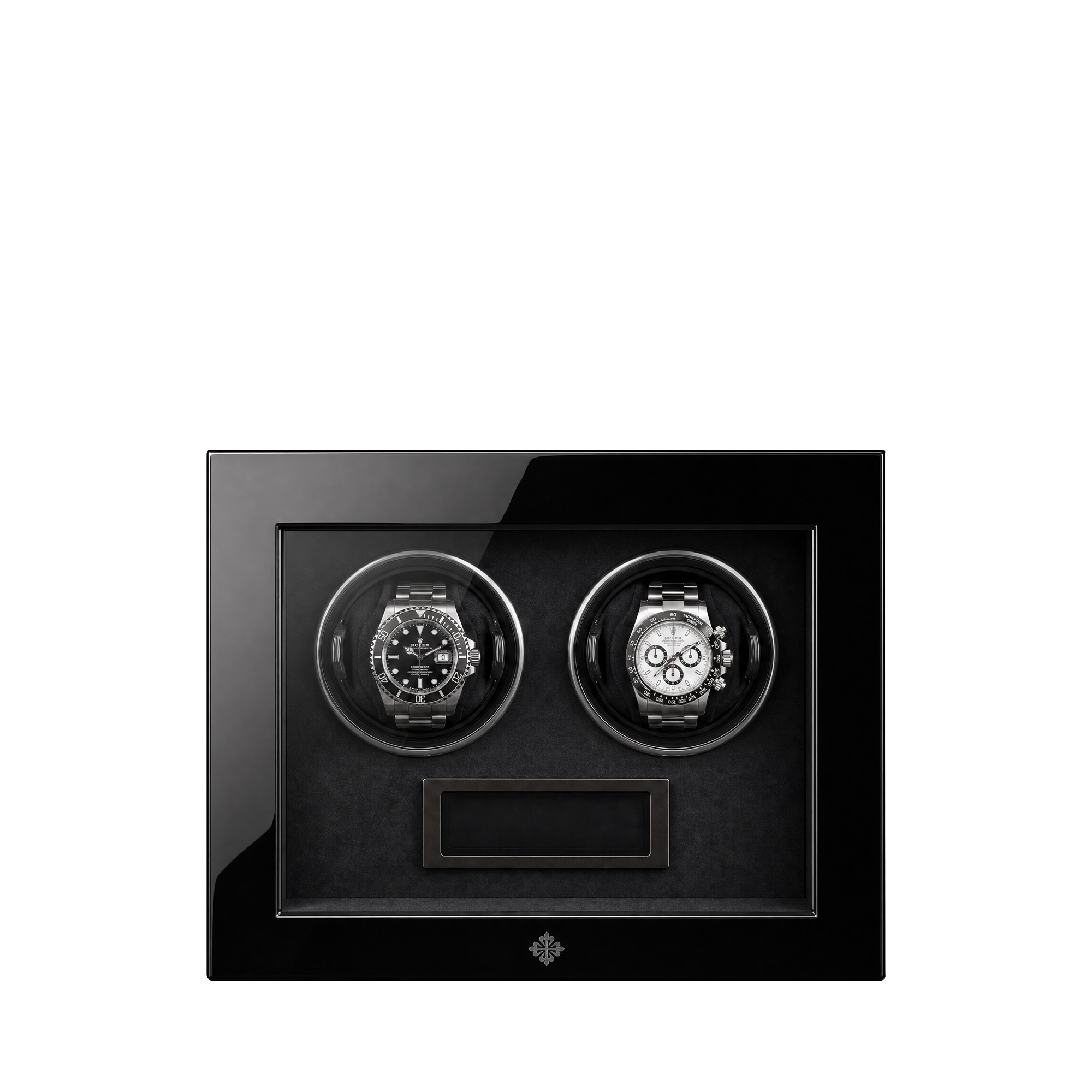
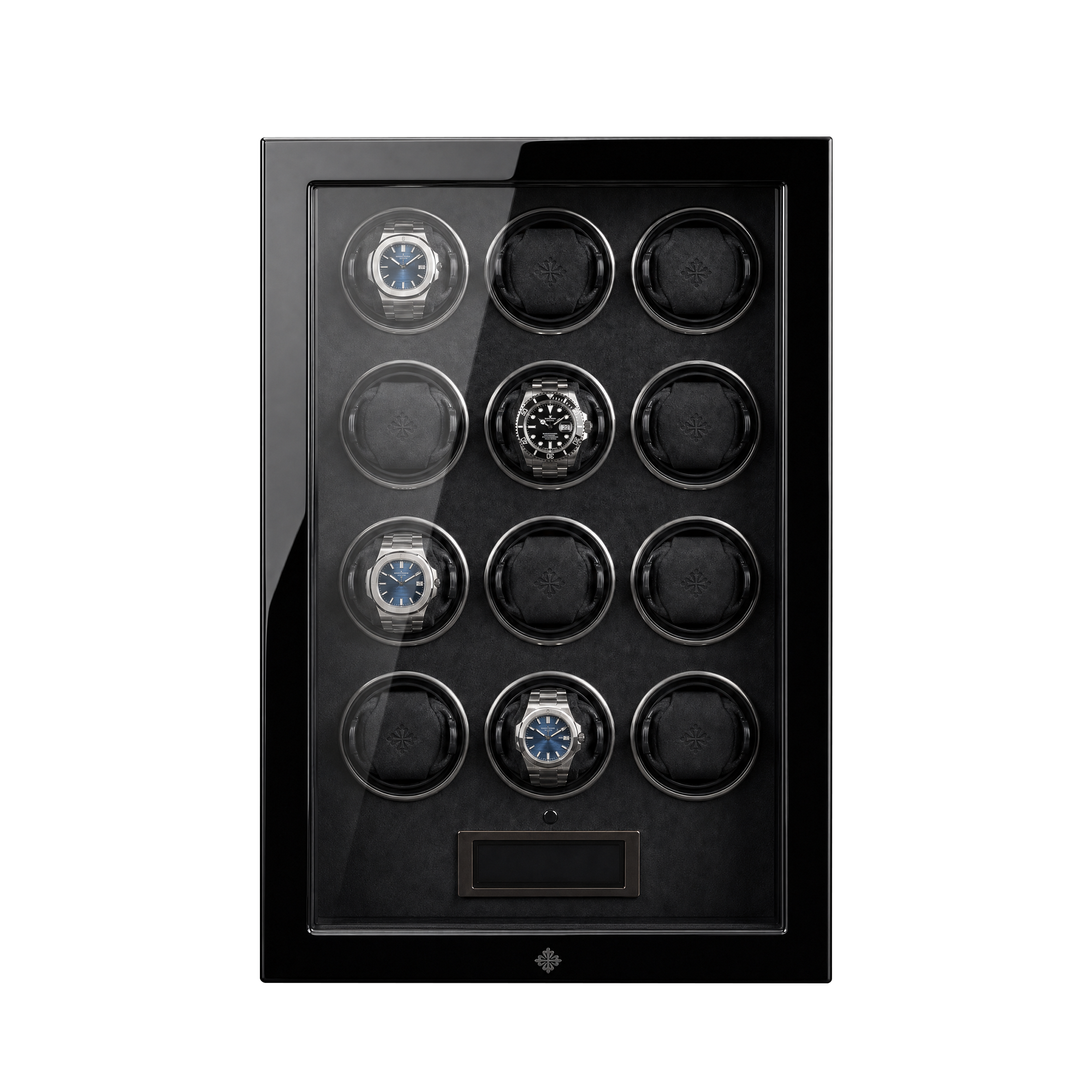
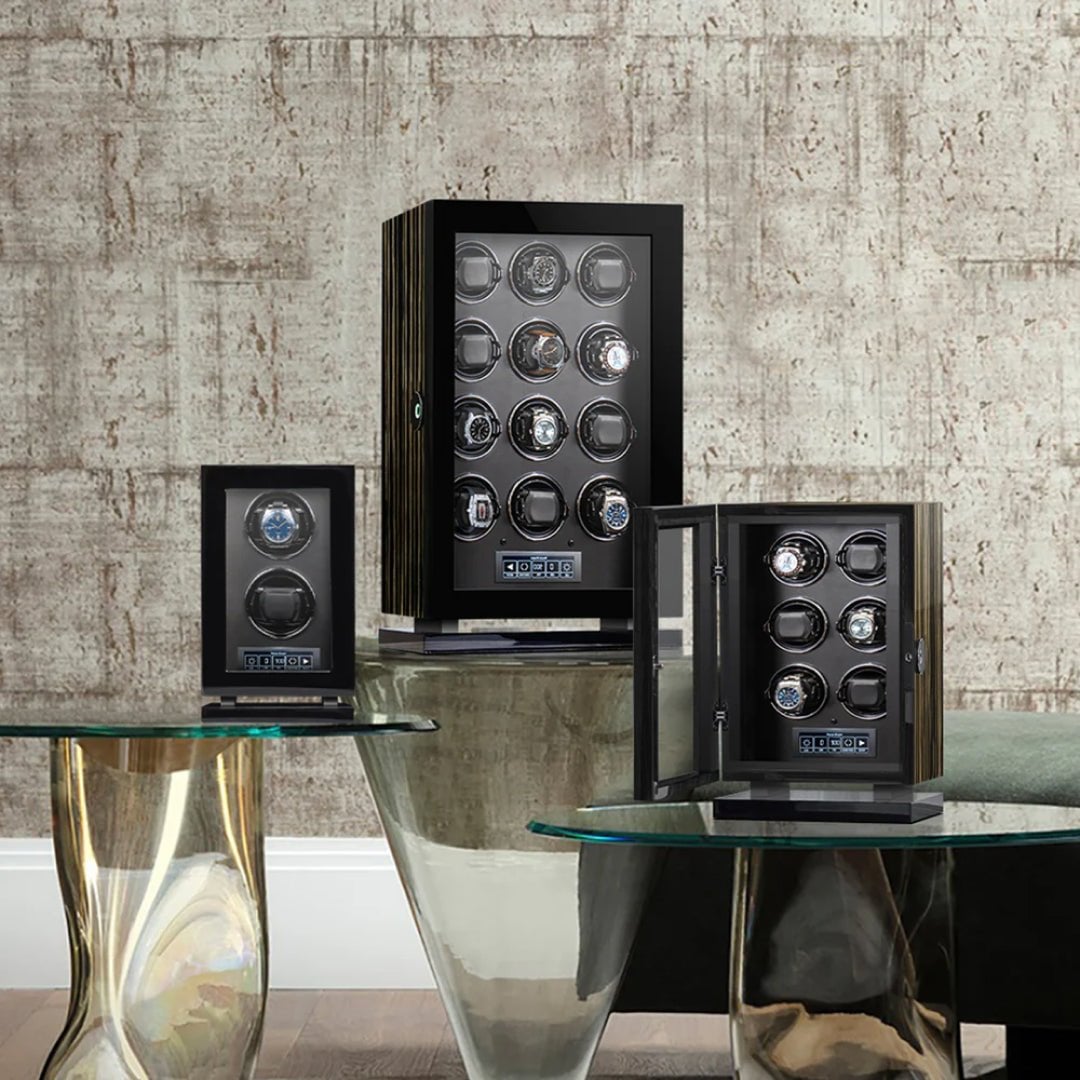
A watch winder rotates your automatic watches to keep the mainspring wound and the movement running. Perpetual calendars stay on date. Chronographs stay ready. You grab a watch and wear it, no manual winding, no resetting a GMT that’s dead for the third week in a row.
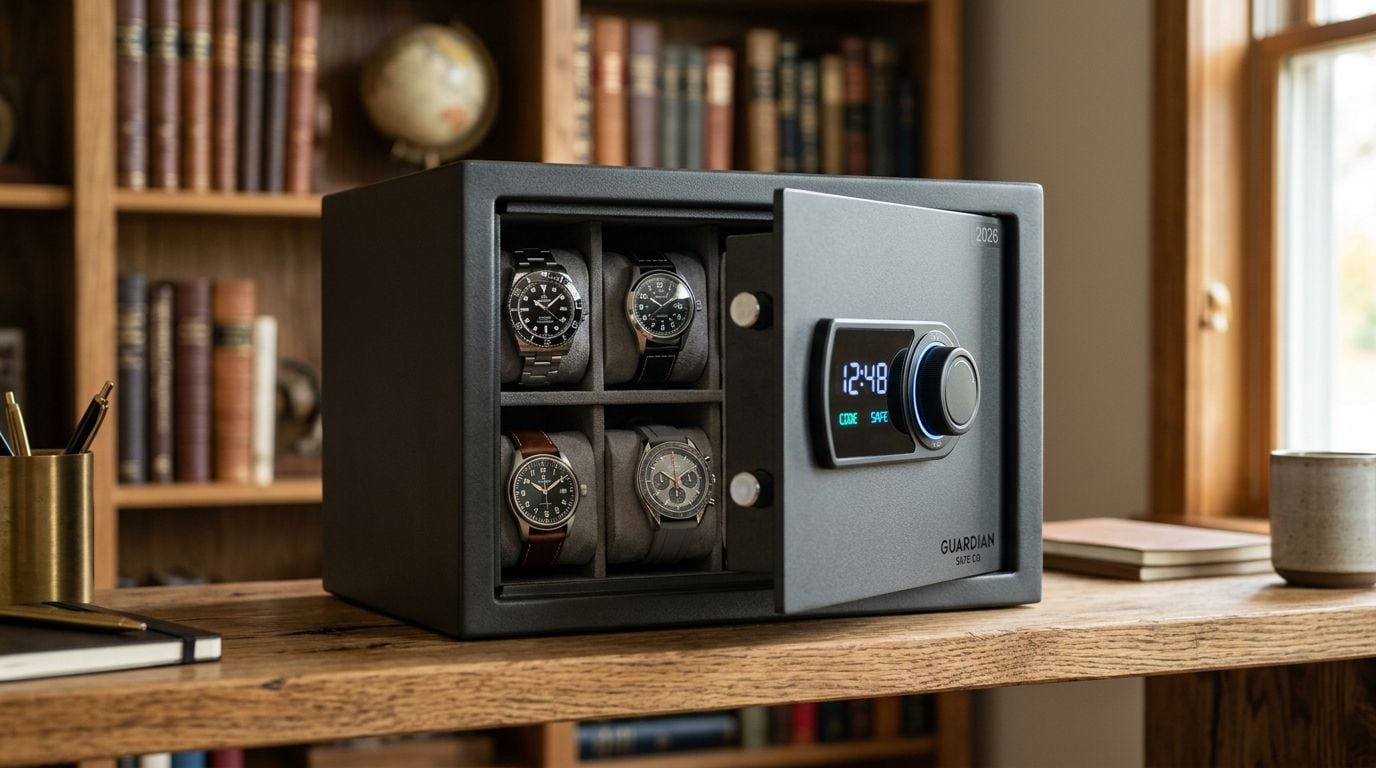
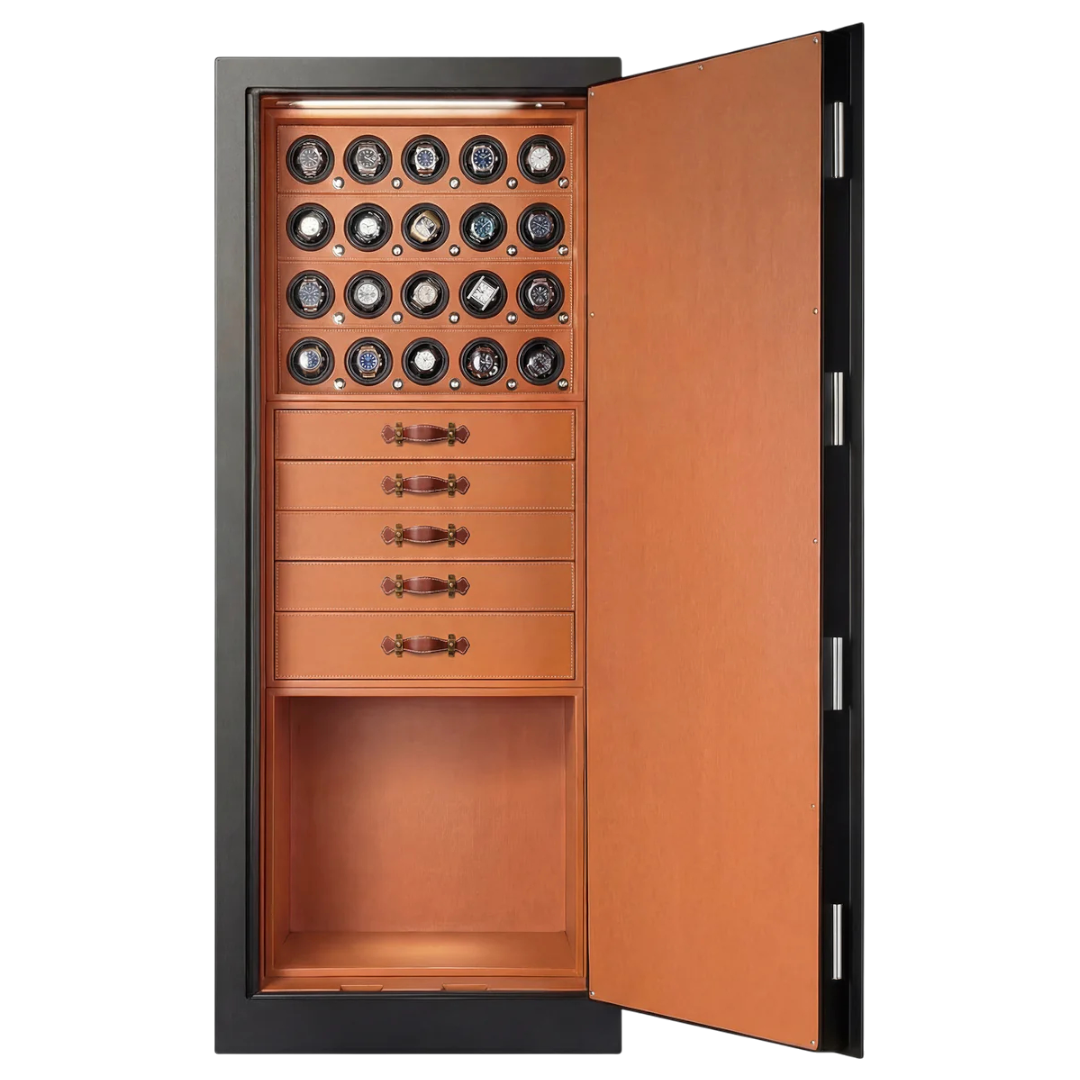
A watch safe protects your collection from theft, fire, humidity, and unauthorized access. It’s a security product first. The interior may hold the watches in leather pillows, but rotation isn’t the point. Protection is.
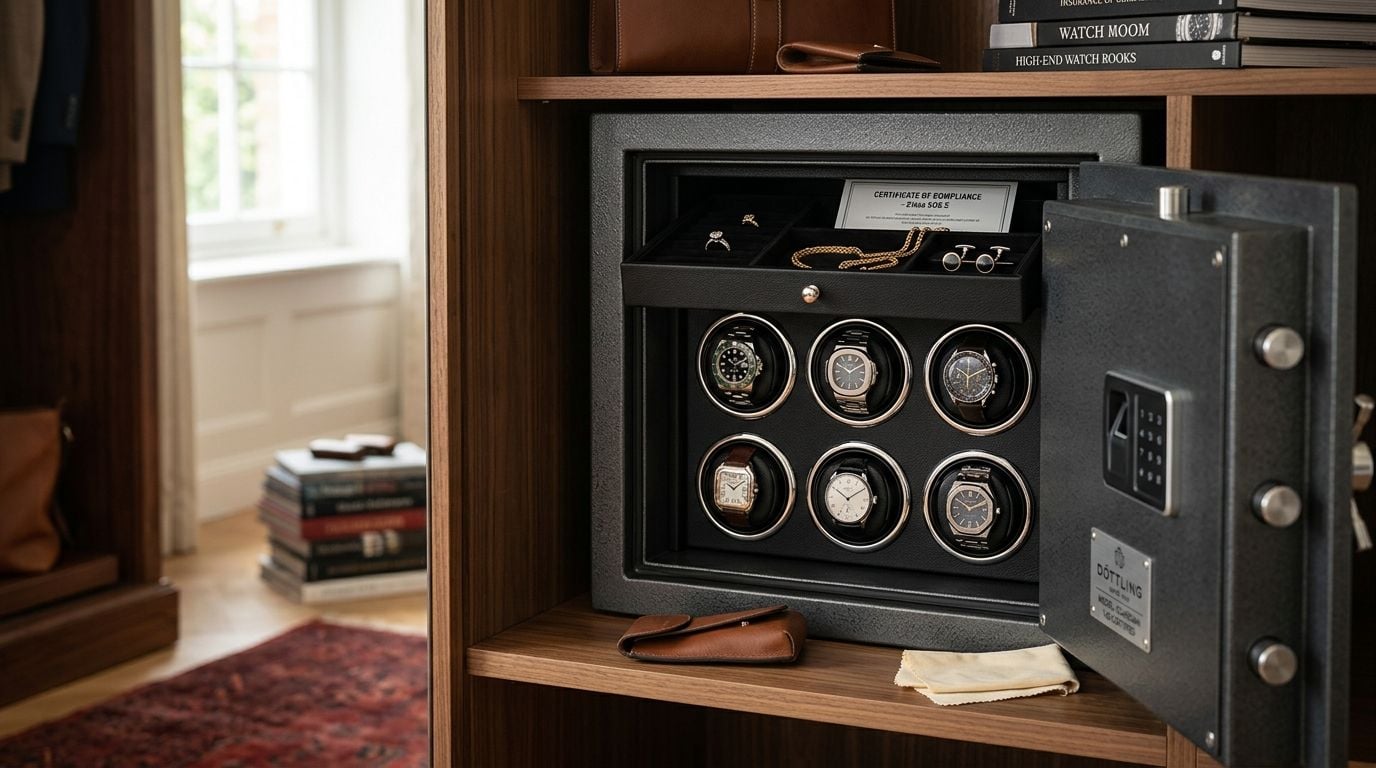
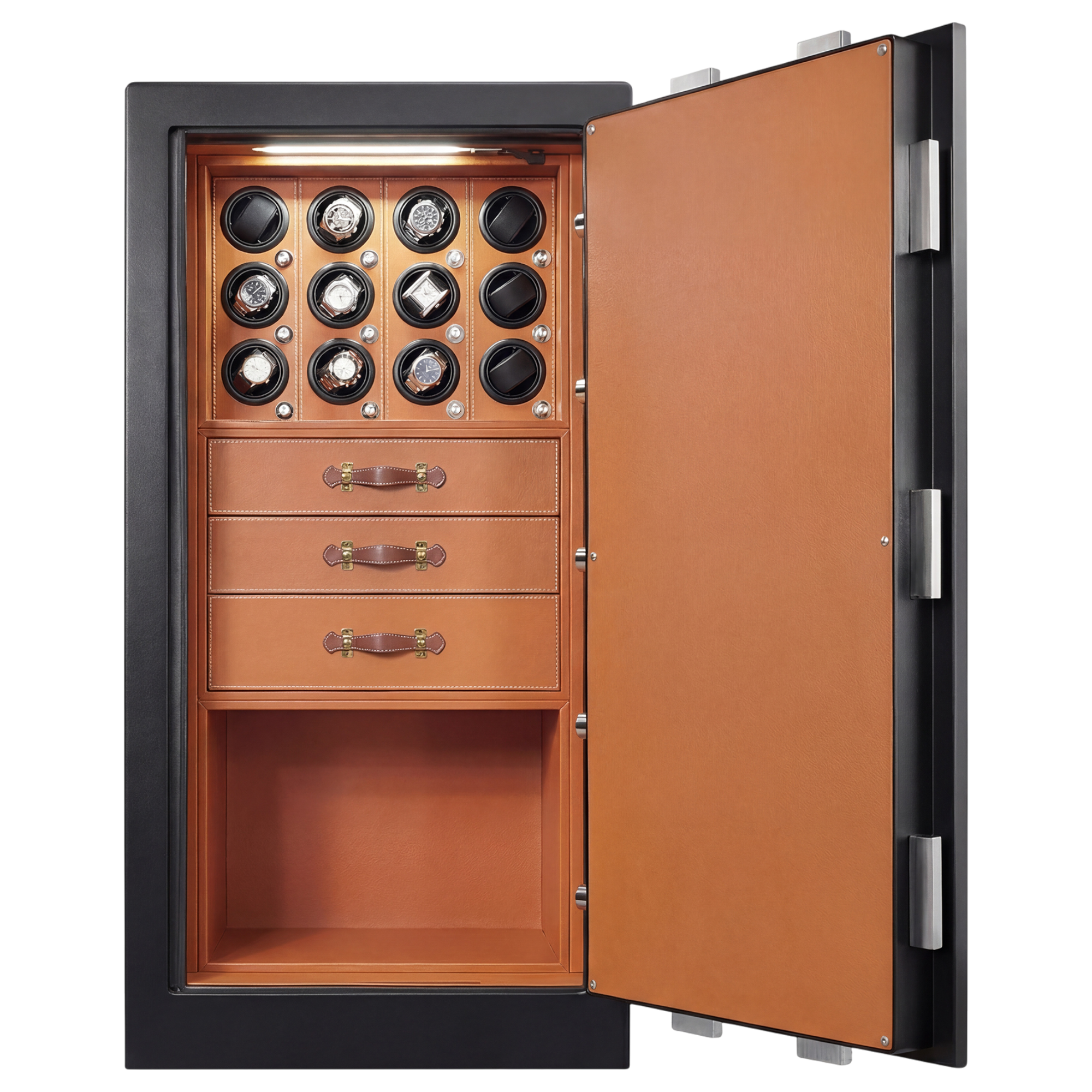
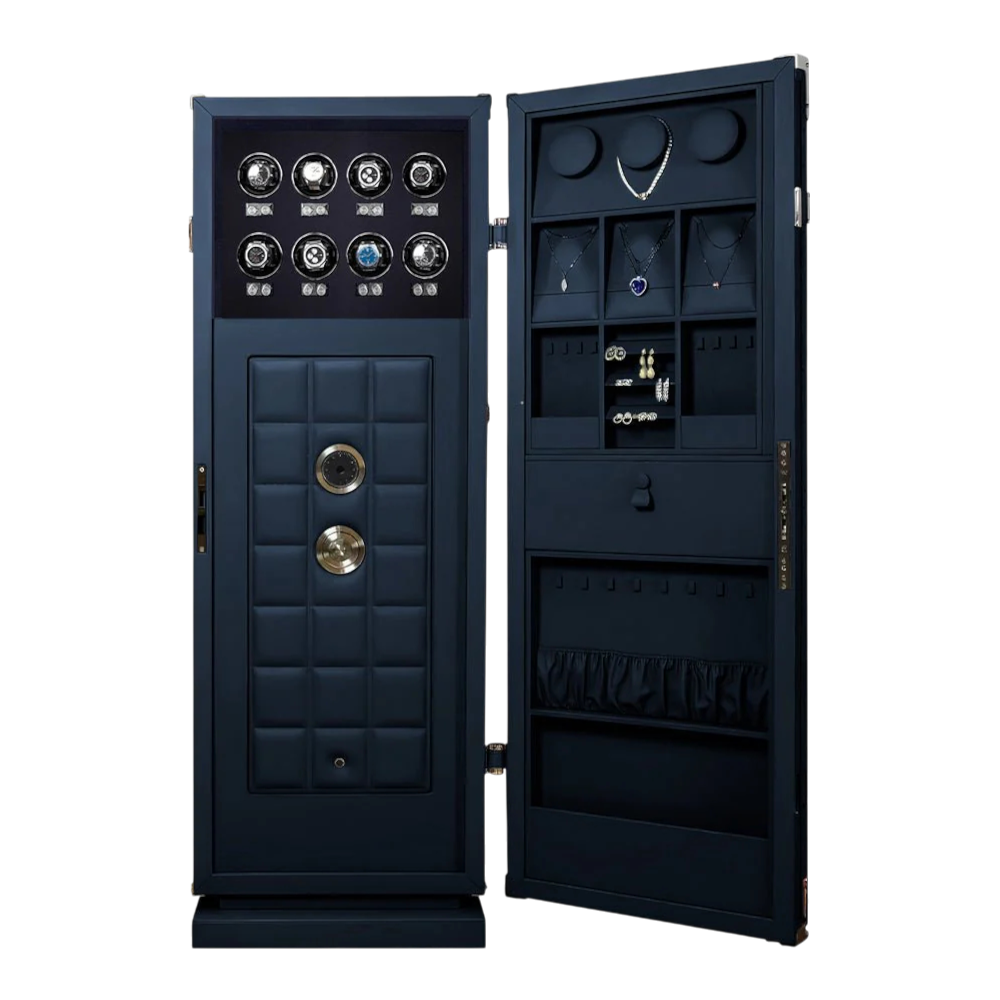
Some products do both. Our combined winder and safe line integrates rotor banks inside a security enclosure, which matters for collections that need both rotation and theft protection under one lock.
Side-by-Side: What Each Solves
| Factor | Watch Winder | Watch Safe |
|---|---|---|
| Primary job | Keeps automatics wound and running | Protects against theft, fire, humidity |
| Best for | Daily-rotation collectors with complications | High-value pieces, insurance requirements |
| Typical capacity | 2 to 16 watches | 5 to 40+ watches |
| Security rating | None (display piece) | Residential to TL-30 commercial |
| Fire protection | None | 30 min to 2 hours |
| Humidity control | None | Yes on premium models |
| Access | Open shelf | Biometric, key, or electronic |
| Price range | $400 to $12,000+ | $1,200 to $40,000+ |
When a Winder Is Enough
You probably need a winder, not a safe, if your collection is under five pieces, values are modest, and home security is covered by a monitored alarm. Winders solve the convenience problem. You want your Submariner ready, your Speedmaster on-hand, your perpetual calendar still on the right date. A quality enclosed winder with Mabuchi motors and programmable TPD does the job. See our Winder Series for options, or read how to choose a watch winder if you want the full decision framework first.
When a Safe Is Non-Negotiable
You need a safe if any of the following is true. Your collection value crosses $50,000. Your insurance policy requires a certified enclosure. You own a complicated Patek, a Richard Mille, or similar six-figure pieces. You travel frequently. You live in a high-burglary area.
At that threshold, a watch safe isn’t optional. It’s the product that keeps your collection insured, protected from a house fire, and out of reach if someone breaches your home. Our Vaults collection covers sizes from five to forty pieces, with ballistic options like the Centennial for maximum protection.
When You Need Both
The most common answer for serious collectors is both. The winders live in a display cabinet or closet for daily-rotation pieces. The safe holds the pieces that rarely come out, the ones with the highest values, the ones insurance covers. A combined unit like the Veron 12 or Veron 20 collapses the two into one enclosure, with integrated winder rotors inside a secured safe body.
This is also where cabinets come in. If you need room for a dozen winders, a display layer, and a secured compartment, the Enclave or Eterna cabinets integrate everything into a single piece of furniture. See the full Watch Winder Cabinet collection for larger setups.
A Decision Framework
Here’s the order that works for most collectors.
Under 5 watches, under $30K total: Start with a winder. A two or four-rotor Impresario is plenty.
5 to 12 watches, $30K to $150K total: A combined winder-safe like the Veron 12, or a mid-size safe plus a winder for the daily rotation.
12 to 30 watches, $150K+: Dedicated safe plus winders. The Impresario 12 handles the rotation, and a Titan Sanctum 20 or Veron 20 handles the storage for rarer pieces.
30+ watches, significant value: Custom vault. The Custom Safes program builds enclosures sized to your collection, with integrated winder banks and room to grow.
Frequently Asked Questions
Is a watch winder a replacement for a watch safe?
No. A winder rotates your automatics. A safe protects them. They solve different problems. A winder sitting on a dresser offers zero theft protection. If your collection value justifies insurance or your insurer requires a certified enclosure, you need a safe regardless of whether you also run a winder.
Can I put my watch winder inside my safe?
You can, but you lose the point of a winder. Safes are sealed when locked, which cuts airflow and traps motor heat. Better to buy a combined unit designed for it, like a Veron or a Centennial with integrated rotors, so the winder and safe were engineered to work together.
Do I need a winder for every automatic I own?
No. Winders are for watches you wear in rotation. If a watch sits for six months untouched, it’s fine stopped. Oils settle, but service intervals handle that. Wind watches by hand when you wear them after long rest.
What about my quartz watches, do they need a winder?
Quartz watches don’t need a winder. A winder is only for mechanical automatics. Quartz runs on battery, and putting one in a winder wastes space.
How much fire protection do I actually need?
For residential collections, 30 to 60 minute UL fire rating handles most house fires. For collections above $250K, look for 2-hour ratings, which typically come on commercial-grade TL-15 and TL-30 safes. Fire ratings matter because structure collapse and fire duration are the two variables that determine whether your collection survives.
Is a winder safe or a combined unit better than buying separately?
Combined units save space and look cleaner. Separate units give you more flexibility, the winder can go on a dresser for easy access, and the safe can go in a closet or secured location. For collections under twelve pieces, the combined approach usually wins. For larger collections, separate is more practical.
What about humidity? Where does that fit?
Humidity is a safe problem, not a winder problem. Premium safes include dehumidification or hygrometer monitoring. Watches stored in the 40 to 55 percent humidity range hold up best. If your climate is extreme either direction, buy a safe with active humidity control.
What to Do Next
If you know what you need, head to the Winder collection or Vault collection and pick the size that fits your current setup plus two years of growth.
If you’re still deciding, the Custom Safes team can walk through your collection size, values, and space constraints and recommend the combination that fits. No pushy sales, just the right product for what you actually own.
Protect Your Watch Collection
Designed for collectors who demand the best. Explore our premium watch winders and luxury safes.
Protect Your Watch Collection
Designed for collectors who demand the best. Explore our premium watch winders and luxury safes.