
Not every automatic owner needs a winder. Plenty of collectors manage fine without one. The honest answer depends on three things about how you actually use your watches. Answer those three questions and the decision is clear. This guide walks through the framework and points to the right product once you know.
The Three Questions That Decide It
Work through these in order. Any “yes” pulls you toward owning a winder.
| Question | If Yes | If No |
|---|---|---|
| 1. Do you own more than one automatic? | Winder starts to make sense | Probably can skip |
| 2. Do you own a complication that’s painful to reset? | Winder strongly recommended | Less urgent |
| 3. Do you rotate weekly or leave watches for days at a time? | Winder pays off fast | Daily wearer is fine without |
Question 1: Collection Size
One automatic that you wear every day doesn’t need a winder. Your wrist handles the winding. The watch stays wound. No problem to solve.
Two or more automatics is where it shifts. Any watch you don’t wear for a few days starts losing reserve. By day three, most automatics are stopped. Now you’re manually winding every time you rotate, which is fine once and tedious by the tenth time.
Three or more automatics and a winder becomes genuinely useful. You’re rotating through a lineup where individual watches sit for a week or more between wears. A winder keeps everything ready.
Question 2: Complications
Some complications are annoying to reset. Perpetual calendars lose their date when they stop, and resetting them properly takes 20 minutes with a reference booklet. Annual calendars are similar. Moonphases drift from the lunar cycle and need reset. World-timers lose their dual timezone.
If you own any of these and don’t wear them daily, a winder is the right answer. The cost of the winder is one or two watchmaker service visits you’ll otherwise pay for re-setting.
For complication-specific guidance, see our articles on perpetual calendars, annual calendars, and moonphases.
Question 3: Rotation Pattern
If you wear the same watch every day, you don’t need a winder for that watch. If you rotate weekly through three or four pieces, you do. If you have a “daily” and a “weekend” watch, the weekend piece probably stops by Friday.
The test is simple. Pick up your least-worn automatic right now. Is it running? If not, that’s the watch a winder helps.
When You Probably Don’t Need One
Clear cases where a winder isn’t necessary.
- You own one automatic and wear it daily
- Your collection is entirely quartz or manual-wind (see do quartz watches need winders)
- You don’t mind winding a watch when you rotate to it
- You rotate fast enough that watches don’t stop between wears
- Your collection is small and uncomplicated
When a Winder Is the Right Call
- You own 3+ automatics and rotate across them
- You own a perpetual, annual, or complicated watch
- You travel frequently and want your watches ready at home
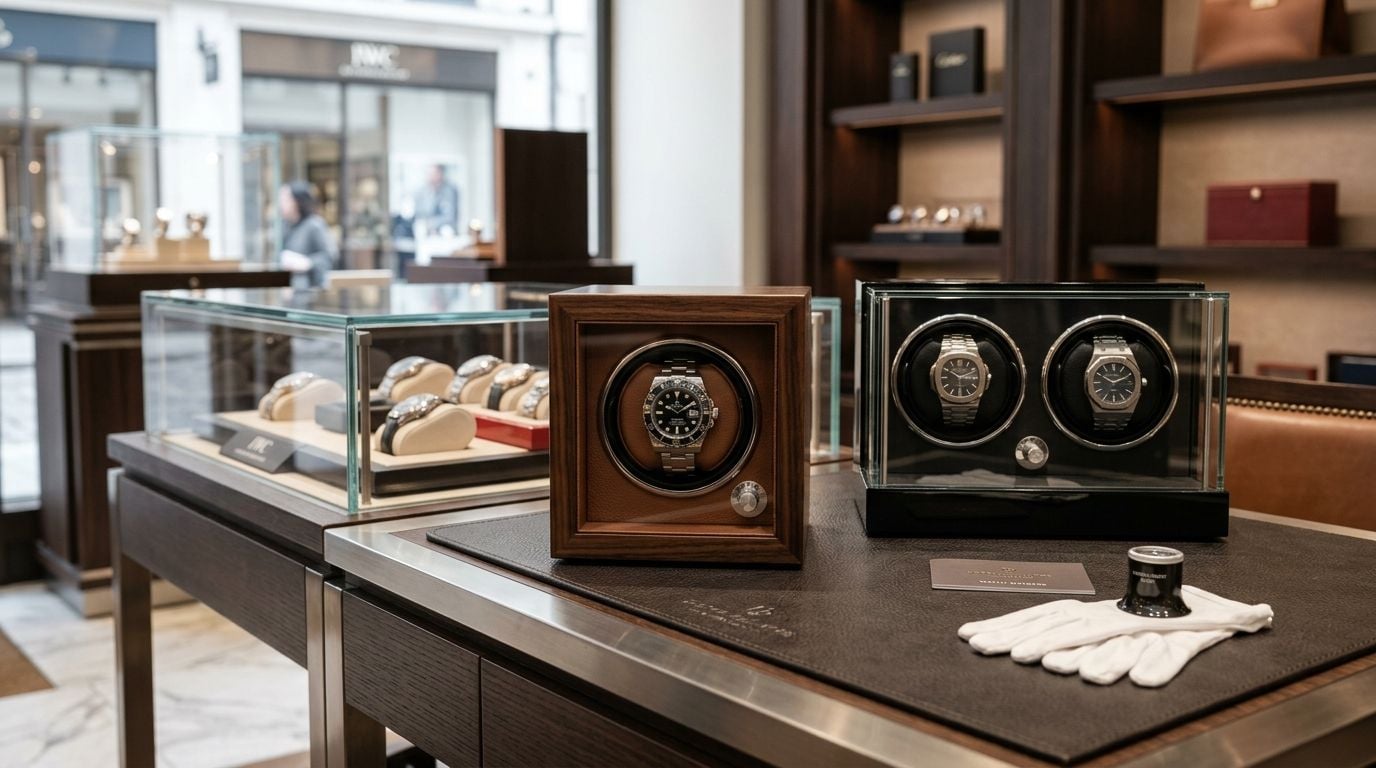
- You want to display your collection as part of the room
- You value the convenience of grabbing a watch and wearing it
What Size to Buy If You Decide Yes
| Your Situation | Recommended Model |
|---|---|
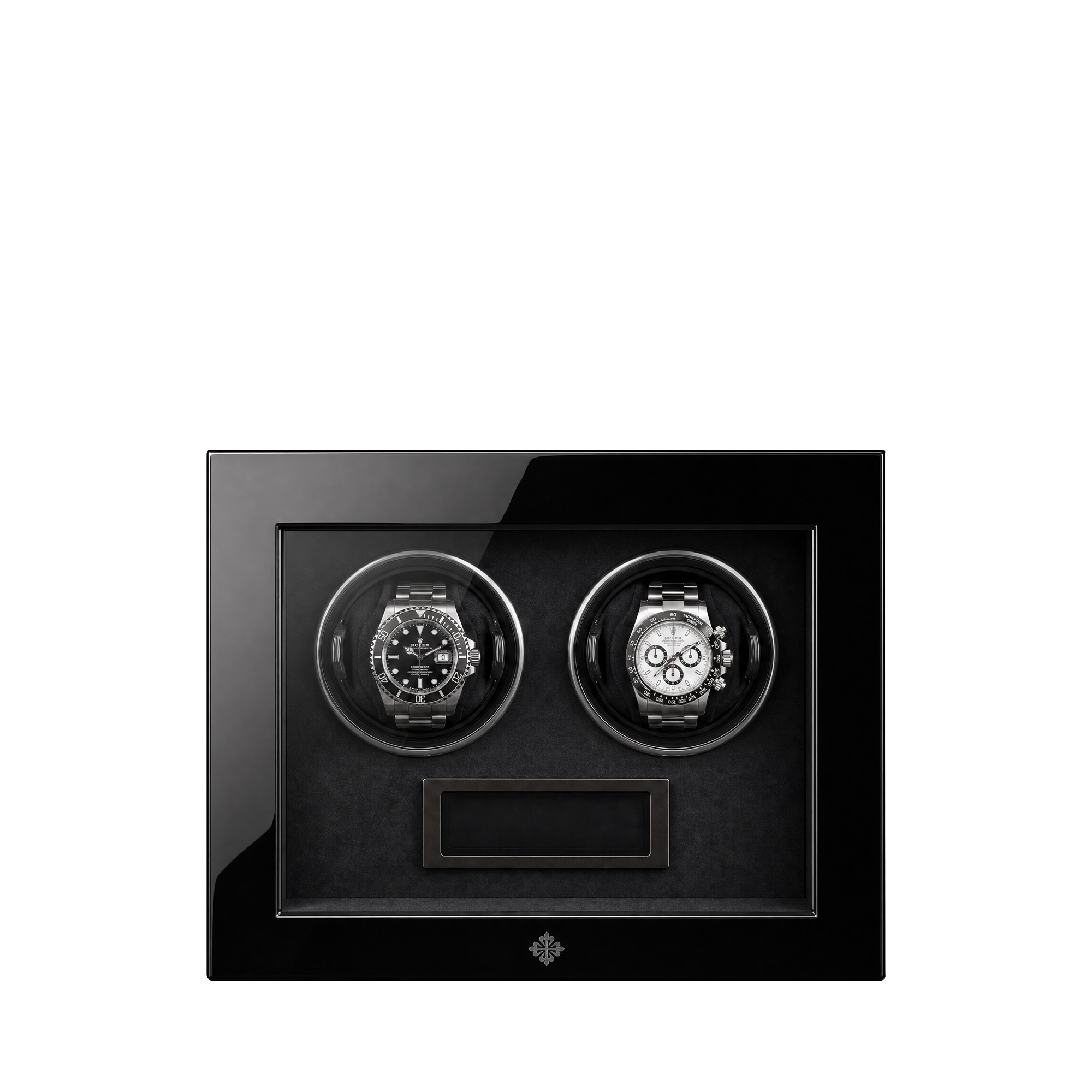
| 2 automatics, first winder | Impresario 2 |
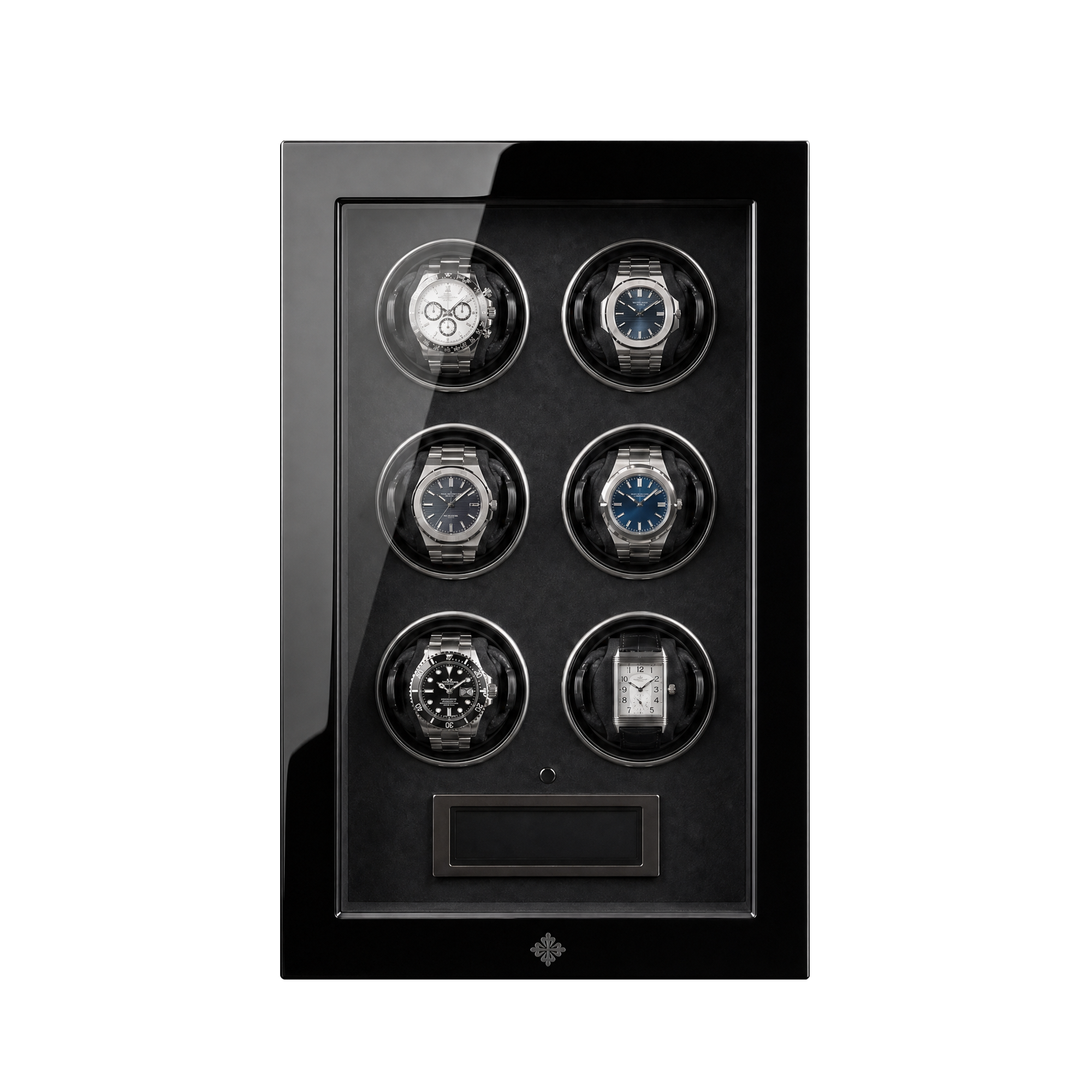
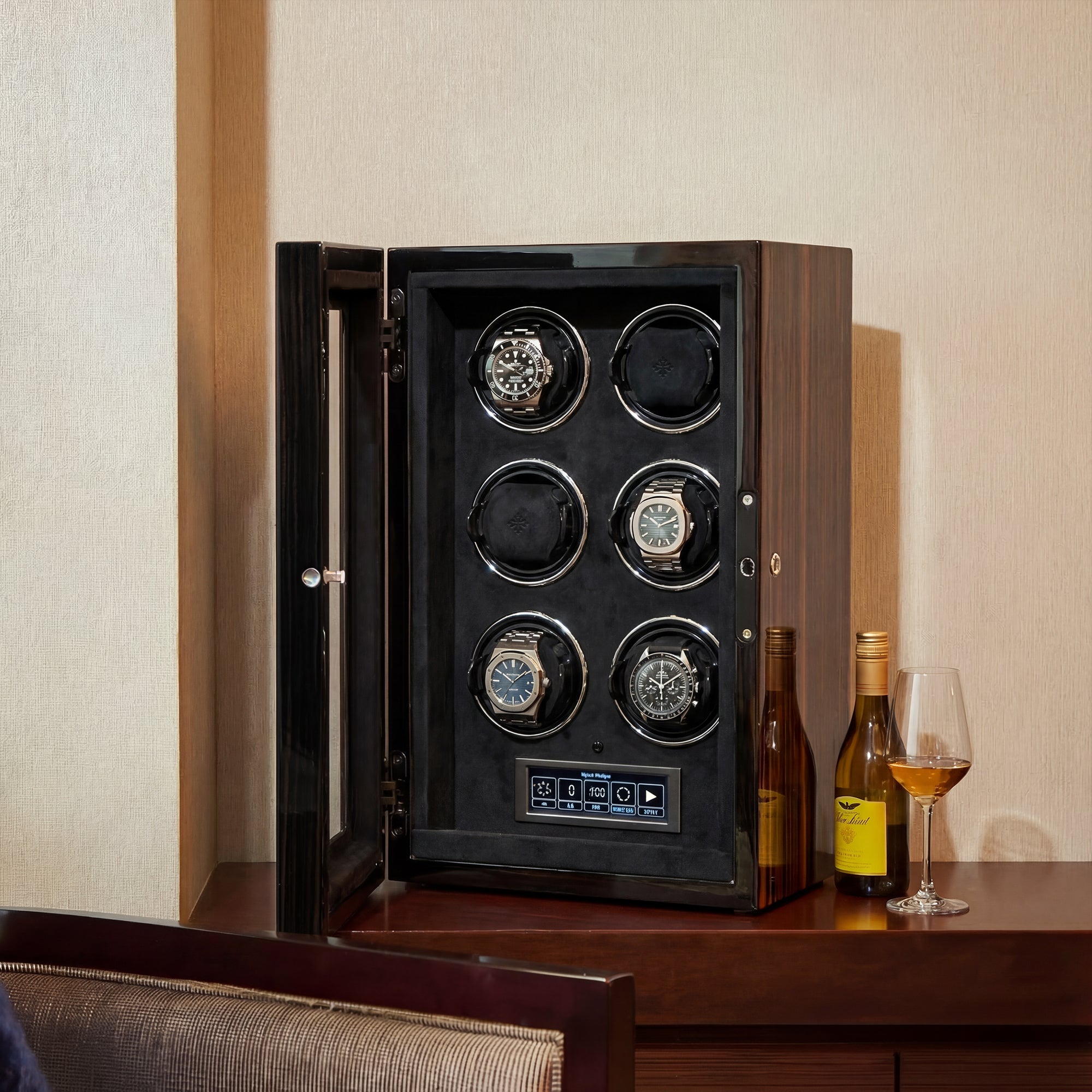
| 3 to 5 automatics in rotation | Impresario 6 |
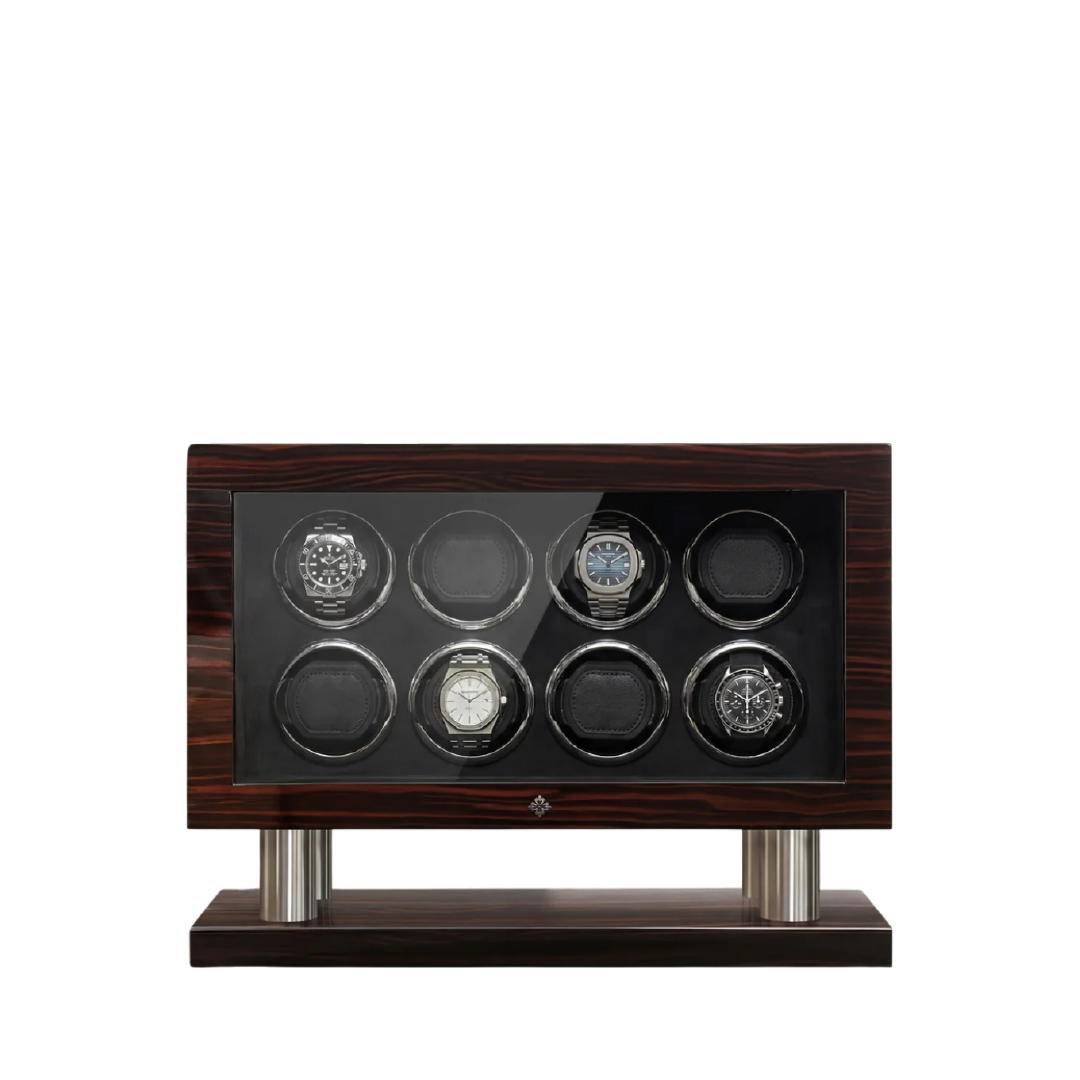
| 6 to 10 automatics in rotation | Yachtline 8 |
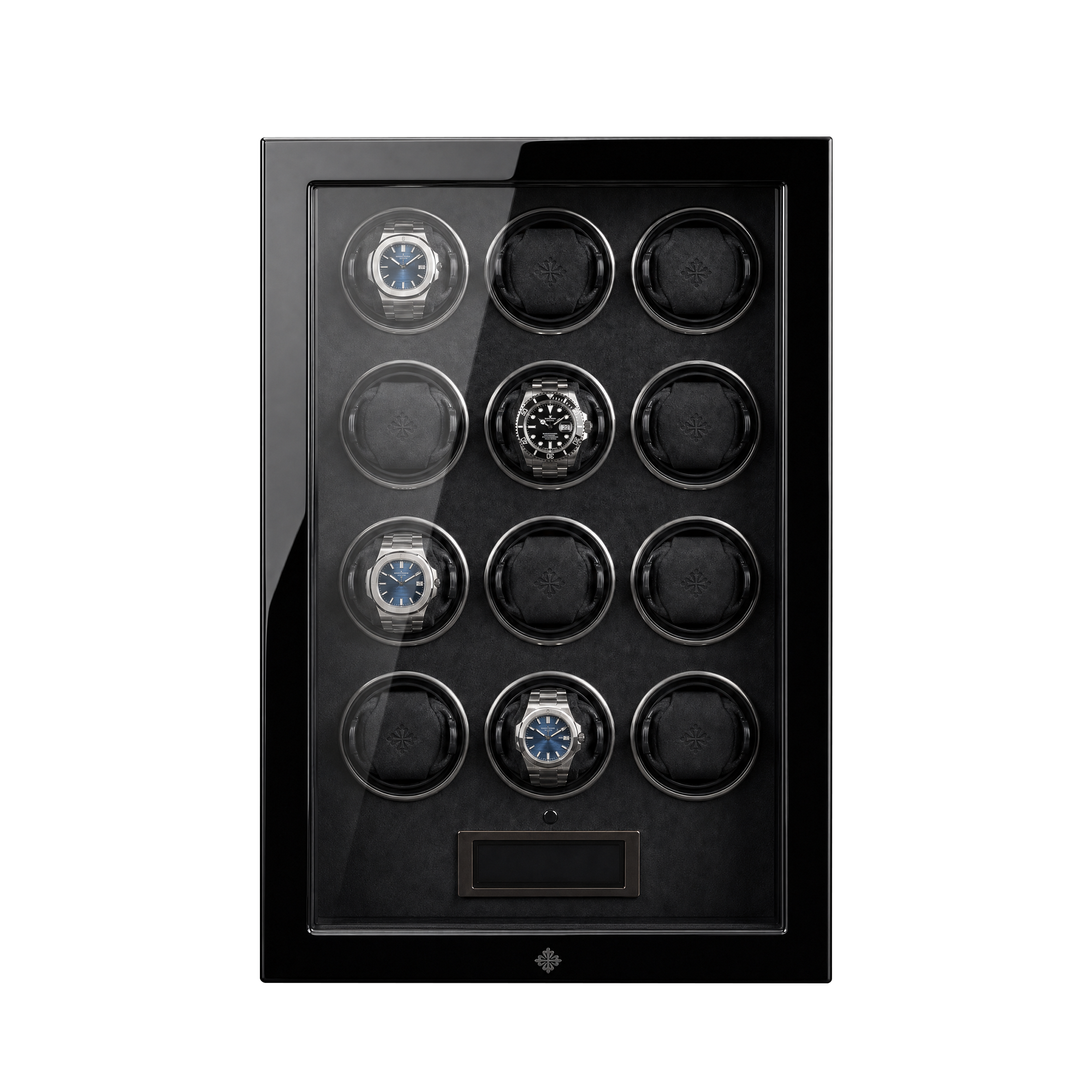
| 10 to 12 automatics in rotation | Impresario 12 |
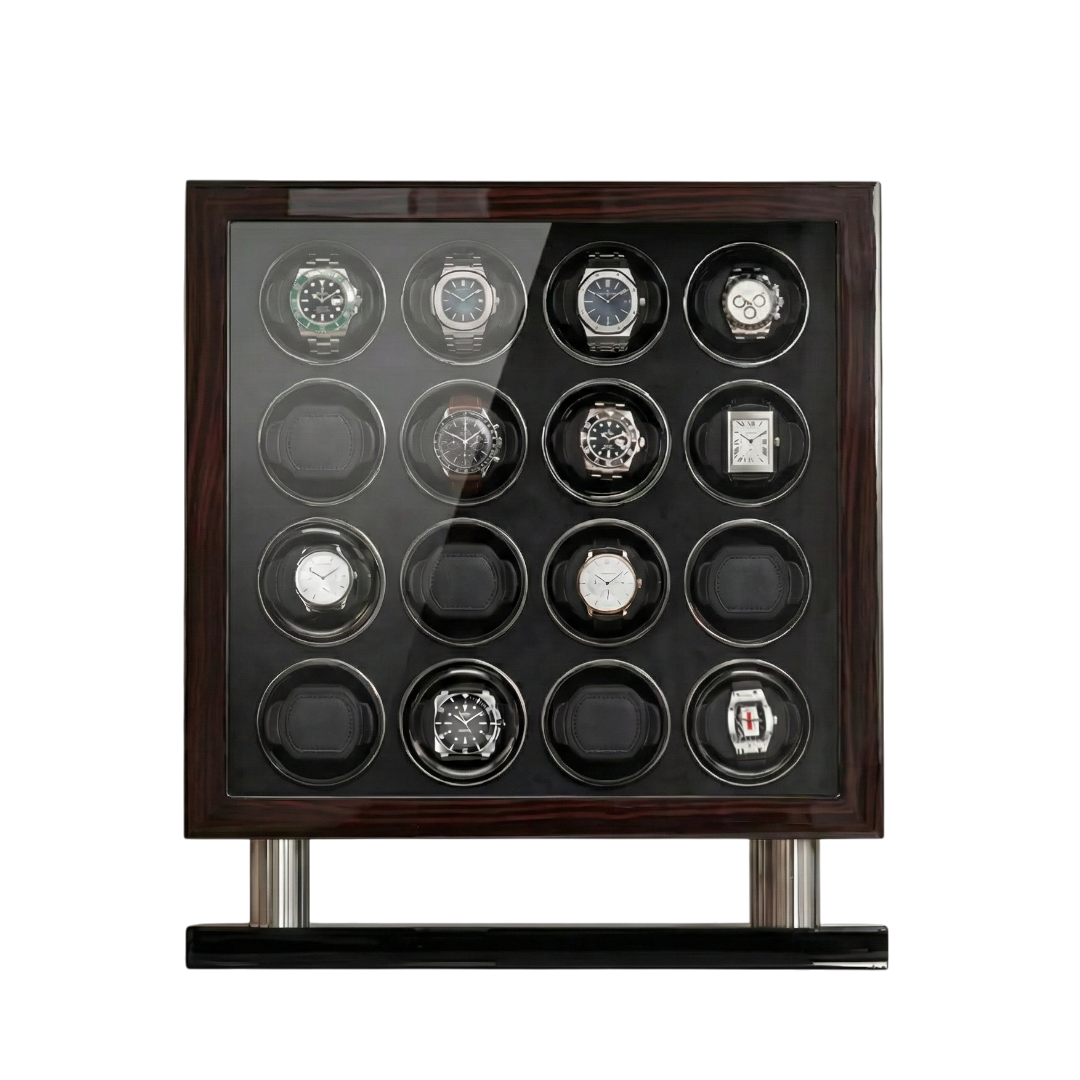
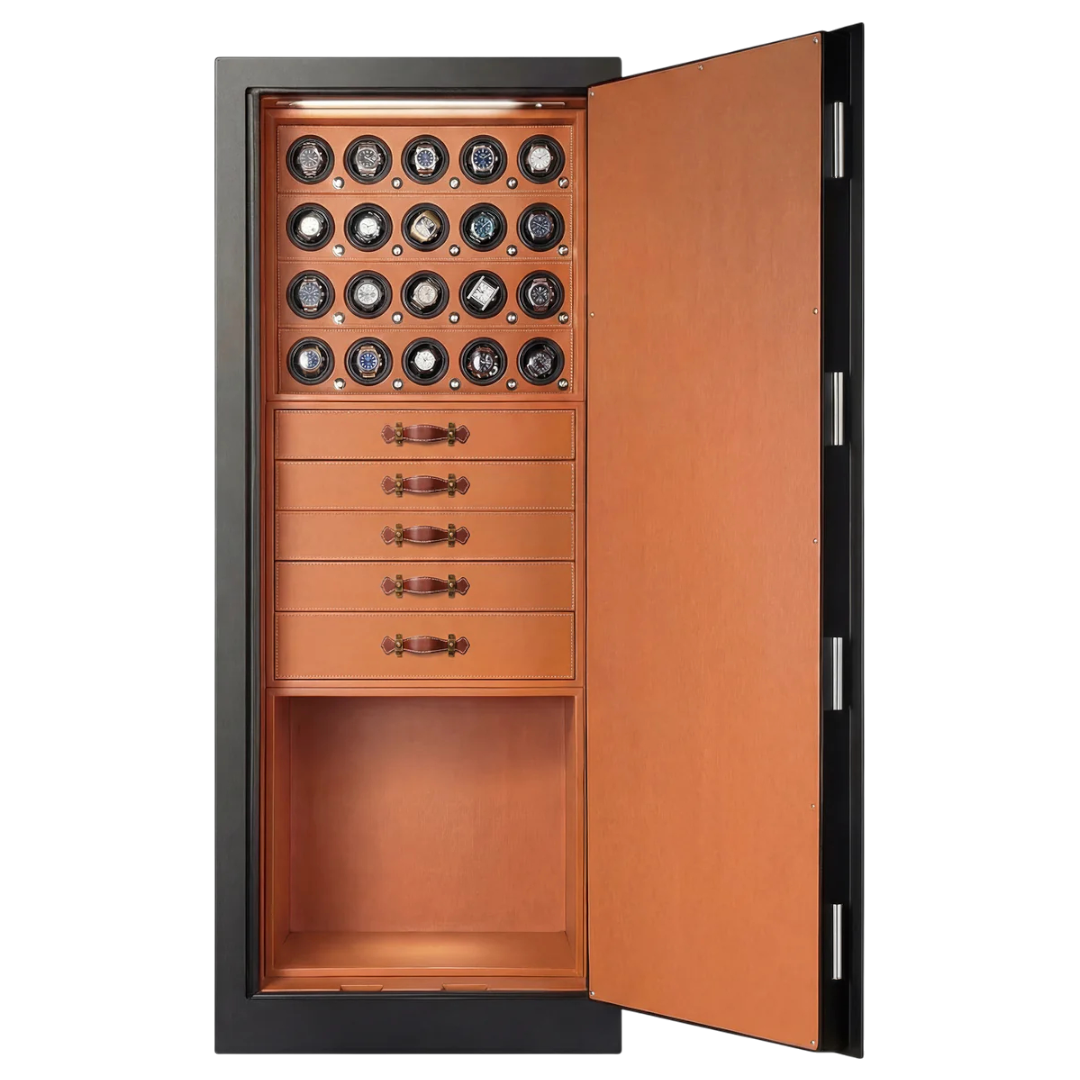
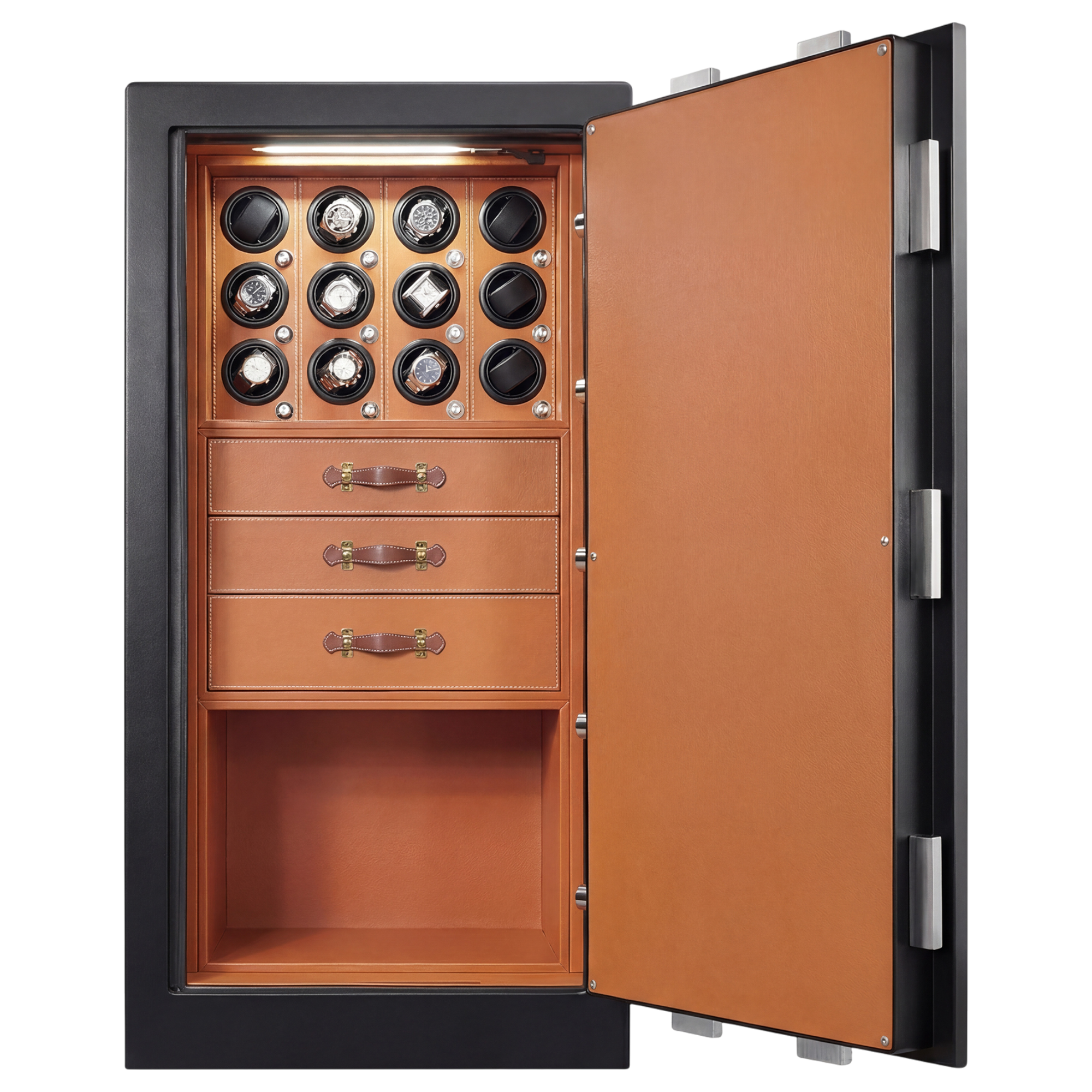
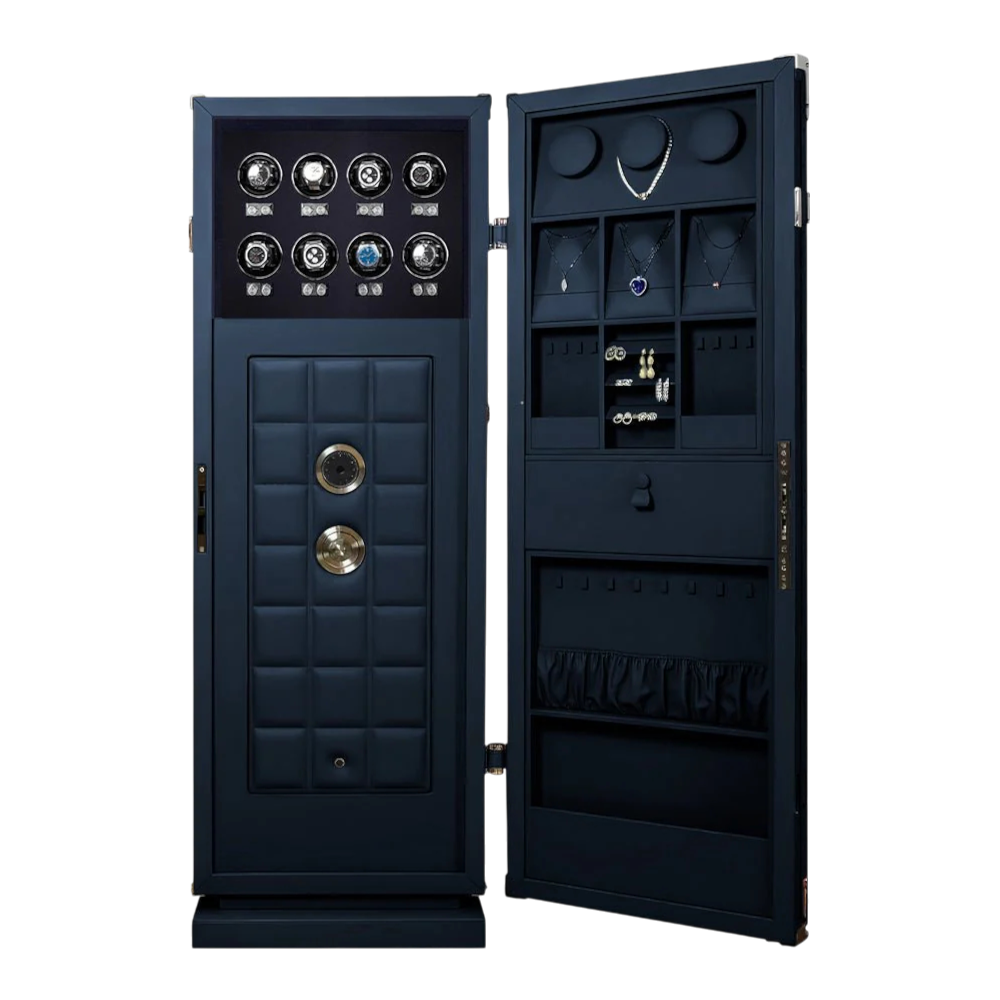
| 12+ automatics or collection room | Cabinet collection |
What to Avoid If You Buy One
The biggest mistake is buying cheap. Winders under $200 use unlabeled motors that fail inside 18 months and can induce magnetism that speeds up your watches. Quality starts around $500 for a 2-rotor unit with Mabuchi motors and proper programming.
The second biggest mistake is buying too small. A 2-rotor winder when you have 4 automatics means you’re back to manually winding half your collection. See how many watch winders do you need for the sizing math.
Winder vs Safe: Different Problems
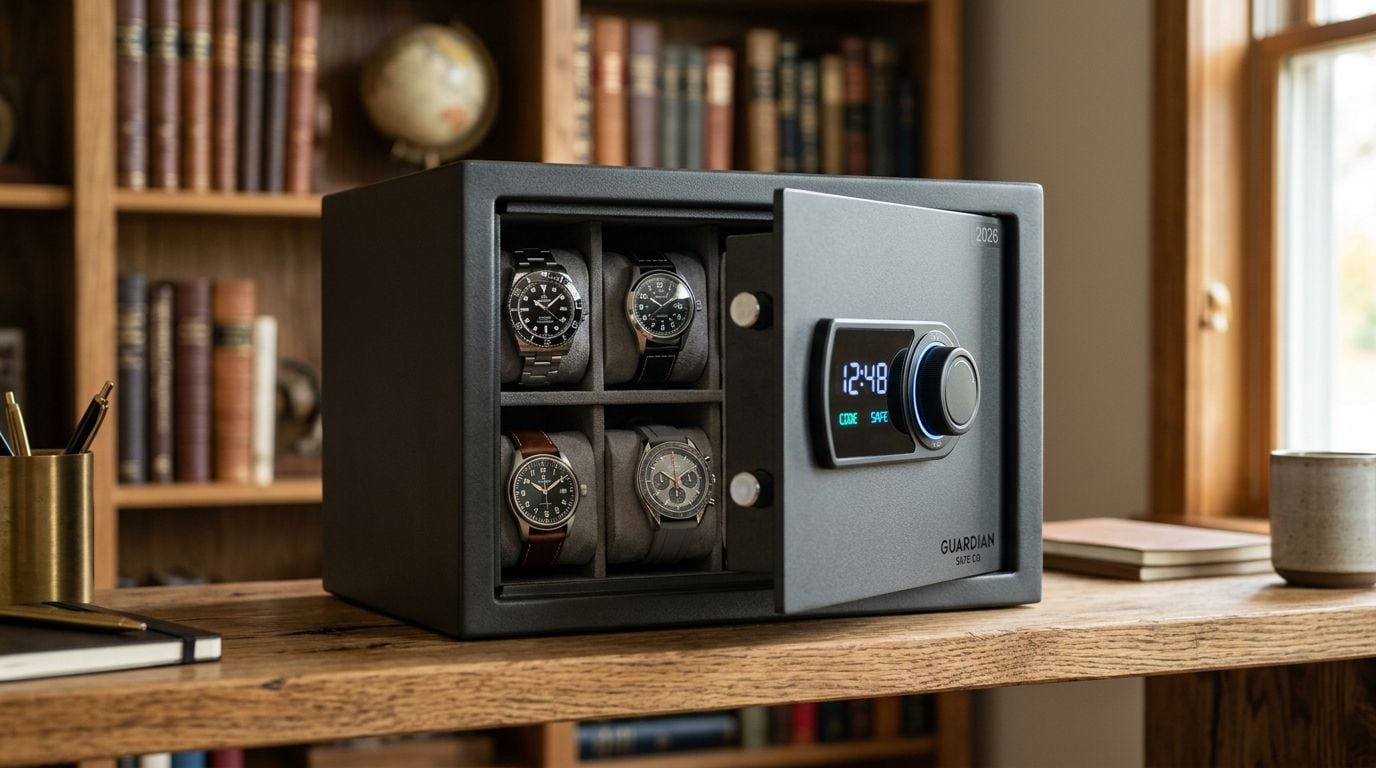
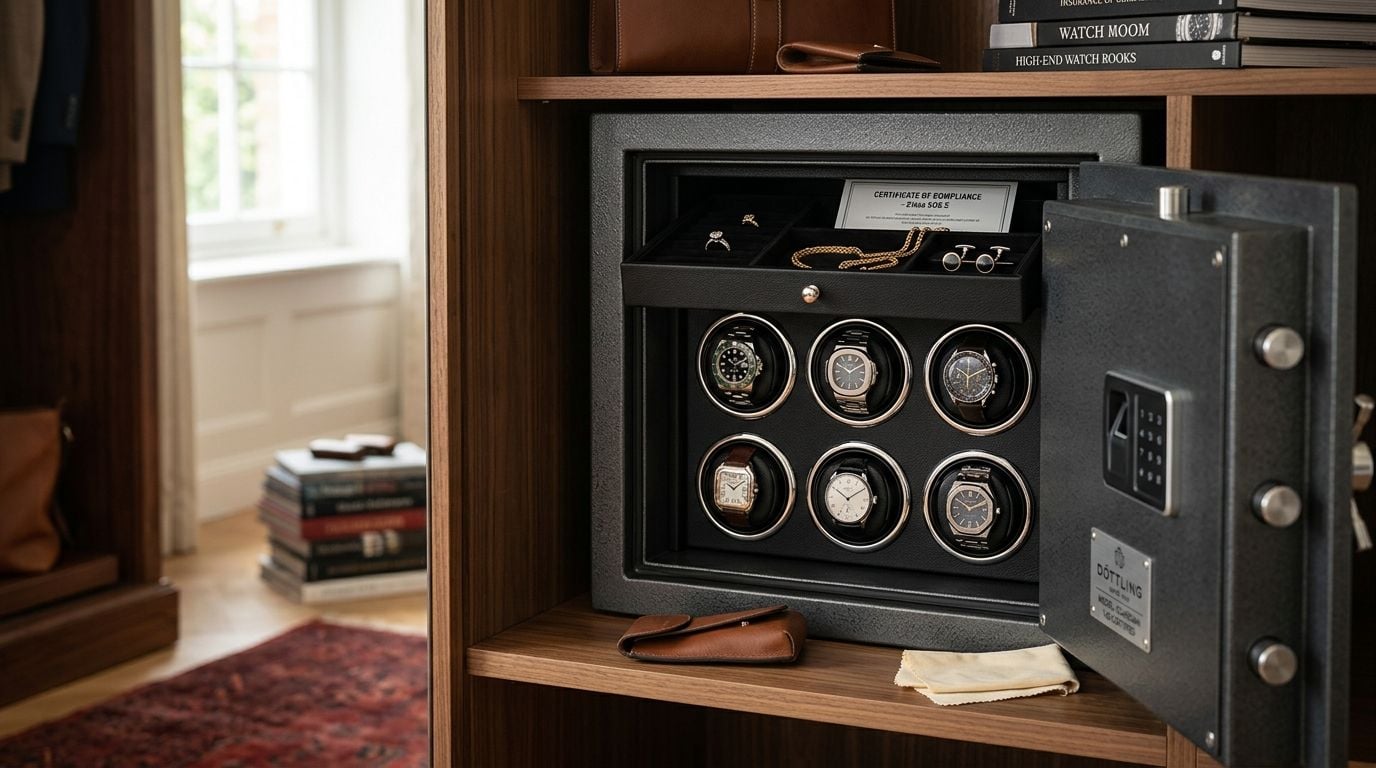
A winder rotates automatics to keep them wound. A safe protects watches from theft, fire, and humidity. They solve different problems. Many collectors need both. If your collection value is high or your insurance requires it, read watch safe vs watch winder for the full comparison.
Frequently Asked Questions
Will a watch winder damage my watch?
A quality winder with correct TPD and direction does not damage the watch. Cheap winders with wrong settings over years can accelerate wear on the slip clutch, but this is a settings issue, not a concept issue.
Is it bad to leave an automatic stopped?
No. Automatic watches are fine at rest. Modern lubricants don’t degrade from starting and stopping.
Do I need one for every automatic I own?
No. Only for watches in active rotation. A watch you never wear does not need a winder slot.
Can I use one winder for multiple brands?
Yes if the winder has per-rotor TPD and direction settings. Quality winders program each rotor independently.
How much should I spend?
$500 to $900 for a quality 2-rotor. $1,500 to $2,500 for 6-rotor. $3,500 to $6,000 for 12-rotor. Below those ranges, skip.
What about magnetic levitation winders?
Specialized technology, still niche. Works well but not necessary for most collectors. Quality Mabuchi motor winders handle the job.
I own only one watch. Should I still buy one?
Only if it’s a complication painful to reset, or if you don’t wear it daily. Otherwise, wrist time is enough.
Decide Based on Your Watches
Walk through the three questions. If two or more pulled you toward yes, browse the Winder Series and match capacity to your rotation. If you’re still deciding, read when to buy your first watch winder for the timing conversation.
Related reading: how to choose a watch winder, the complete buying guide.
Protect Your Watch Collection
Designed for collectors who demand the best. Explore our premium watch winders and luxury safes.
Protect Your Watch Collection
Designed for collectors who demand the best. Explore our premium watch winders and luxury safes.