
You pick up your automatic. Dial is frozen. Seconds hand isn’t moving. No obvious damage. Most of the time this is not a repair. It’s one of a handful of common causes you can identify in about two minutes. This guide walks through the diagnostic order, the fix for each, and when the answer is a trip to the watchmaker.
Diagnostic Order
Work through these in sequence. Most automatics stop for the first two reasons. If both are ruled out, move down.
| # | Cause | Likelihood | Fix |
|---|---|---|---|
| 1 | Power reserve exhausted | Very common | Wind and wear |
| 2 | Crown pulled out (time-setting position) | Common | Push crown in fully |
| 3 | Not enough wrist time | Common | Wear more, or use a winder |
| 4 | Magnetized movement | Occasional | Demagnetize |
| 5 | Temperature shock | Rare | Let it stabilize |
| 6 | Service overdue | Eventually | Professional service |
1. Power Reserve Exhausted
Automatic movements hold 38 to 72 hours of power on a full wind. Typical sport Rolex sits at 70 hours. Most ETA calibers run 38 to 42. If the watch sat on a dresser over a weekend, it has stopped because the mainspring ran down, not because anything is wrong.
Fix. Give the crown 20 to 30 manual winds with the crown in position zero (pushed in against the case). You will feel resistance build. Stop when it feels firm. Wear it for a few hours and the rotor will top off the reserve.
2. Crown Pulled Out
Most automatics stop running when the crown is pulled out to set the time. Easy to miss if you bumped it. A watch with the crown in position 2 (time-setting) will show the correct time if you just set it, but the seconds hand will hold. It isn’t broken. The hack function is working as designed.
Fix. Push the crown in until it clicks flush against the case. For screw-down crowns, screw it down hand-tight. The seconds hand will start moving within a beat.
3. Not Enough Wrist Time
If you rotate through several watches, any individual piece may not get enough wrist time to stay wound. A watch worn two days a week may barely keep its reserve, especially if you do desk work that doesn’t move the rotor much.
Fix. Either wear it more or put it on a watch winder sized to your rotation. Browse the Winder Series for capacity-matched options. If you are still deciding whether a winder fits your pattern, read do I need a watch winder.
4. Magnetized Movement
Magnetism doesn’t usually stop a watch outright, but severe magnetism can. If the watch stopped near a speaker, laptop magnetic closure, or medical equipment, check for magnetism.
Quick test. Hold a compass near the watch. Needle movement indicates a magnetic field.
Fix. A $20 demagnetizer or a visit to a watchmaker clears it in under a minute. See magnetism and watches for prevention.
5. Temperature Shock
Cold temperatures can thicken movement lubricants enough to stall a worn or lightly wound watch. If you left the watch in a cold car overnight and it stopped, let it warm to room temperature and wind it. If it restarts, it was temperature.
Fix. Room temperature plus a manual wind. Long term, service may be due.
6. Service Overdue
Automatic movements need service every 5 to 10 years depending on brand. Old lubricants gum. Wear compounds. A watch that stops during normal wear with full wind is typically telling you service is due.
Fix. Authorized service. Costs range from $300 for basic automatics to $2,000+ for complicated pieces. See watch service intervals for what to expect.
Signs That Tell You It’s Service, Not a Quick Fix
- Watch stops repeatedly even after full wind and normal wear
- Power reserve is noticeably shorter than spec
- Rate drifts more than 20 seconds per day
- Rotor makes a scraping or rattling sound
- Crown feels gritty when winding
- Water or moisture visible inside the crystal
Any of those, head to a watchmaker rather than trying to diagnose further at home.
Prevention for Watches You Rotate
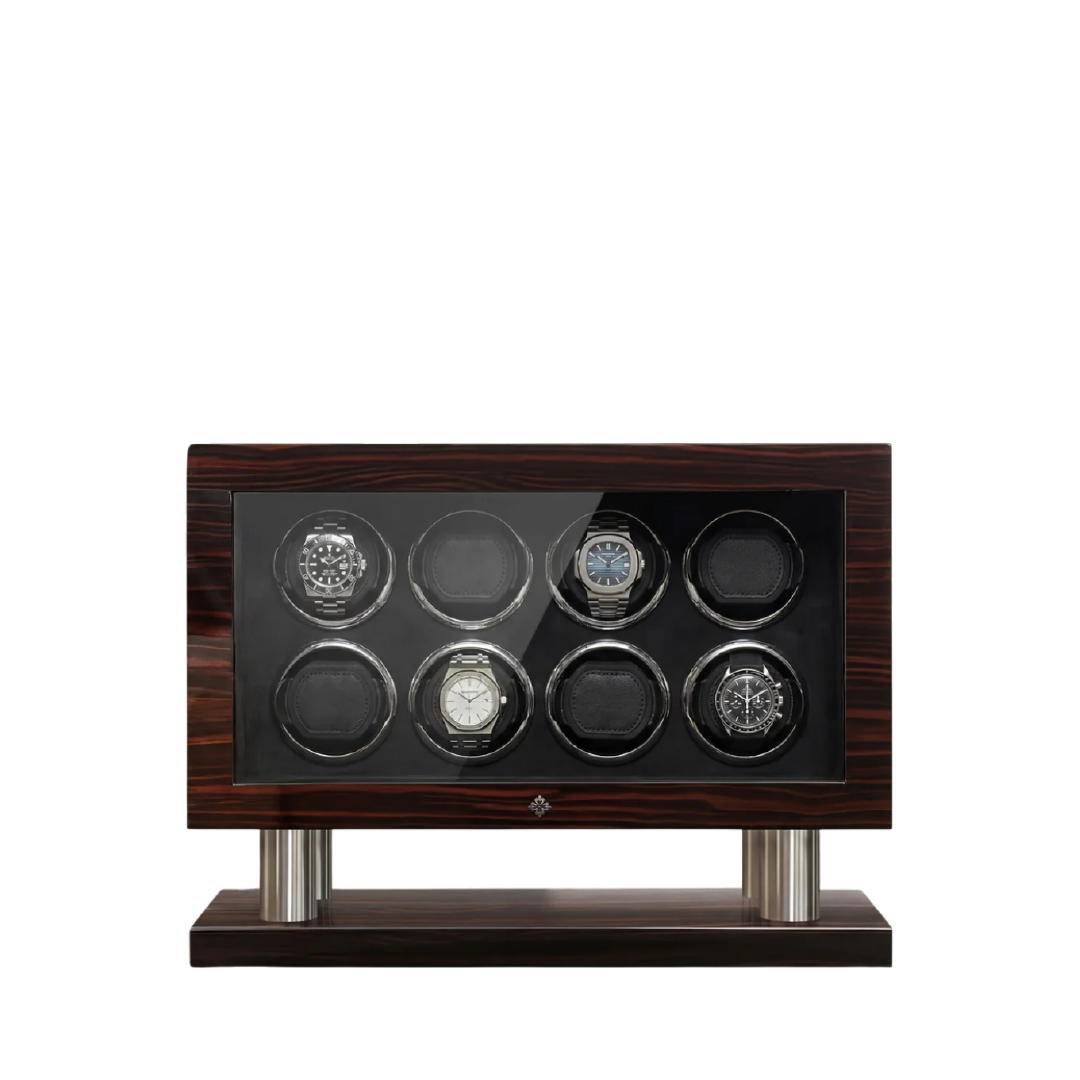
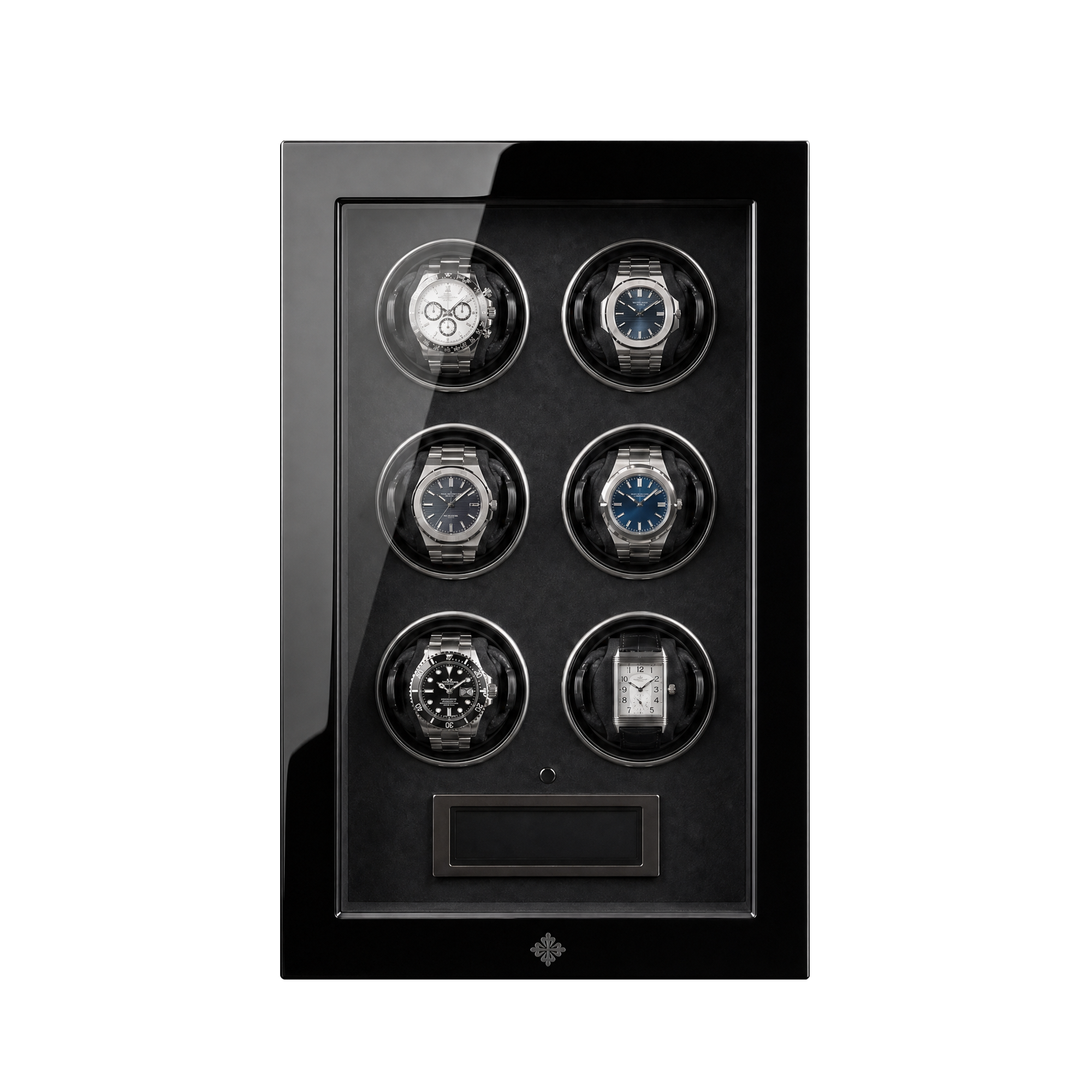
If your watch stops because of rotation gaps, a winder fixes the problem. Quality winders with Mabuchi motors keep automatics wound at correct TPD without stressing the movement. For mixed-brand collections with different winding directions, per-rotor programming handles all of them correctly. The Impresario 6 is the most common first winder for this exact scenario.
For a full rundown on picking one, see how to choose a watch winder and the complete buying guide.
TPD Matters If You Use a Winder
Different calibers need different turns per day. A Rolex 3235 takes 650 to 800 TPD bi-directional. A Patek 324 takes 800 counterclockwise. A Panerai P.9010 takes 650 clockwise. Running the wrong setting means the watch still runs low on reserve even with the winder going. Check the TPD reference for your specific caliber.
Frequently Asked Questions
Is it bad to let an automatic watch stop?
No. Modern lubricants are stable at rest. Starting and stopping does not damage the movement. Letting a watch sit for months or years is fine.
How long do I have to wind an automatic?
20 to 30 full crown rotations from a dead stop. You will feel resistance build. Do not force past resistance on automatics with slip clutches, but modern movements are forgiving.
Why does my watch stop every weekend?
Power reserve is running out between wears. Either wind manually on Monday morning or put it on a winder.
Can a watch winder overwind my watch?
No. Modern automatics have slip clutches that disengage the rotor from the mainspring once full wind is reached. See can a watch winder overwind for the full explanation.
My watch stops only on my wrist. What’s wrong?
Usually means the rotor isn’t catching enough movement to keep it wound. Desk-job rotations often under-wind. A winder or more wrist time solves it.
Do vintage watches stop more often?
Yes. Older movements have less efficient rotors, shorter power reserves, and older lubricants. A vintage piece worn part-time needs more active winding.
When should I take it to a watchmaker?
If you have worked through causes 1-4 and the watch still stops during normal wear, the movement needs service.
Before You Spend on a Watchmaker
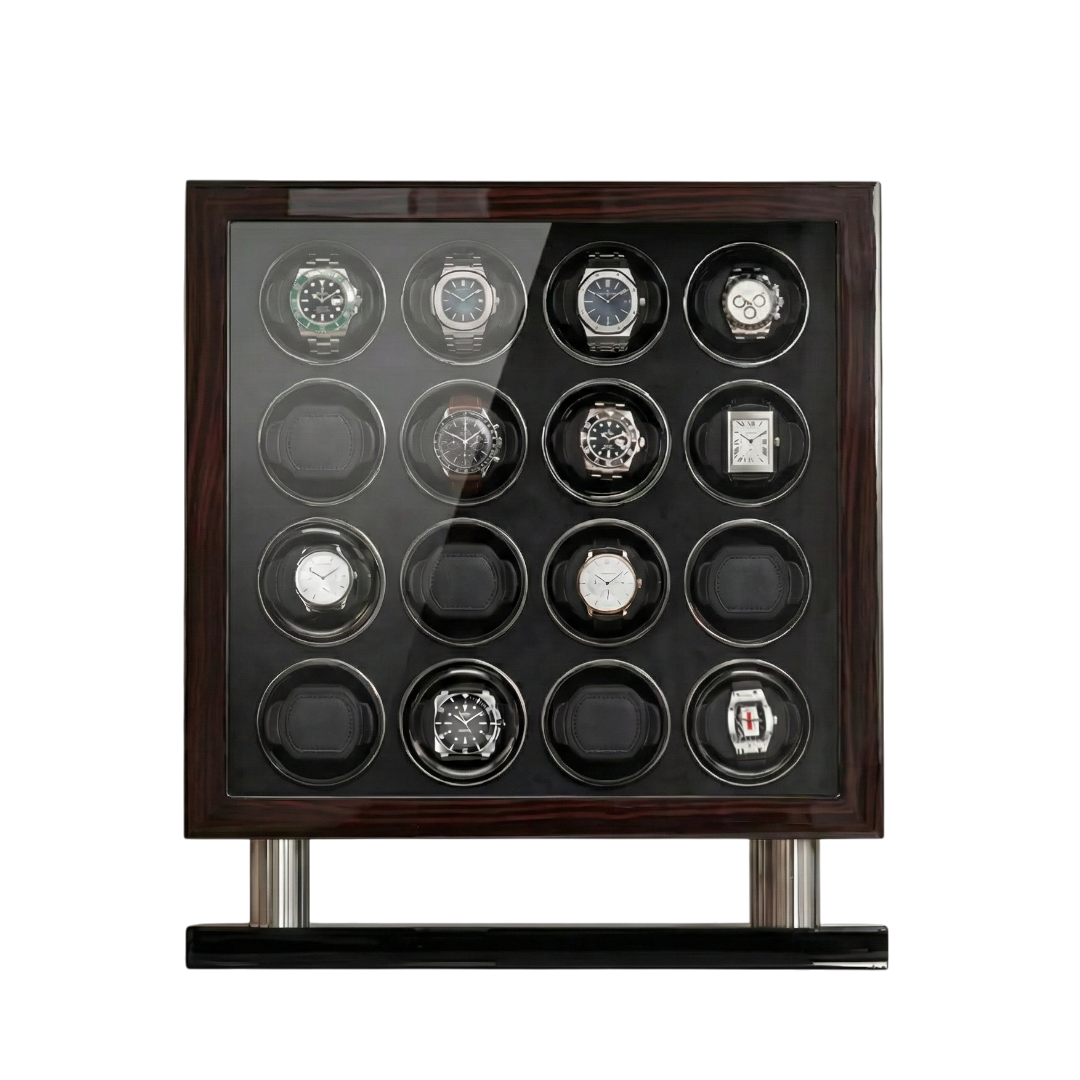
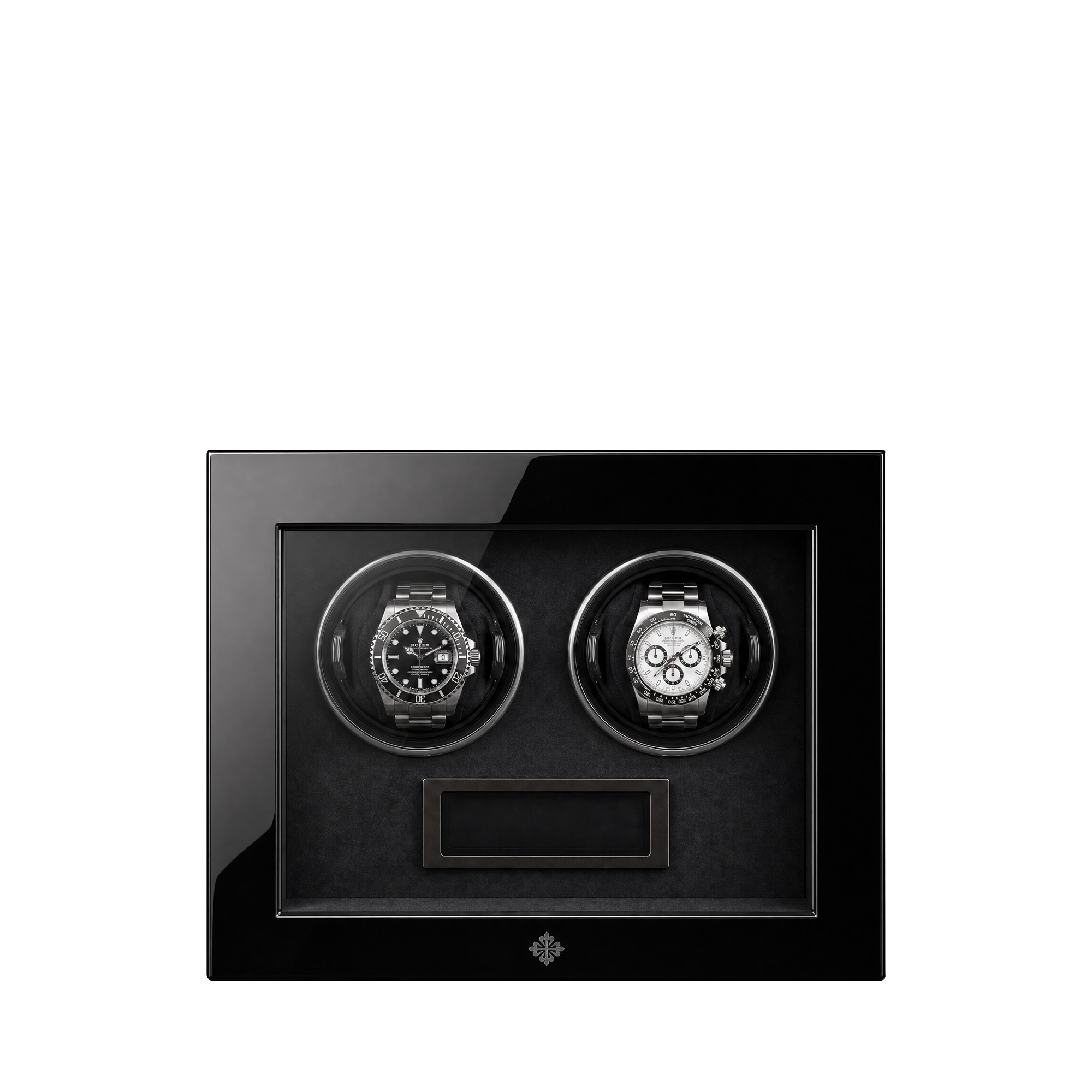
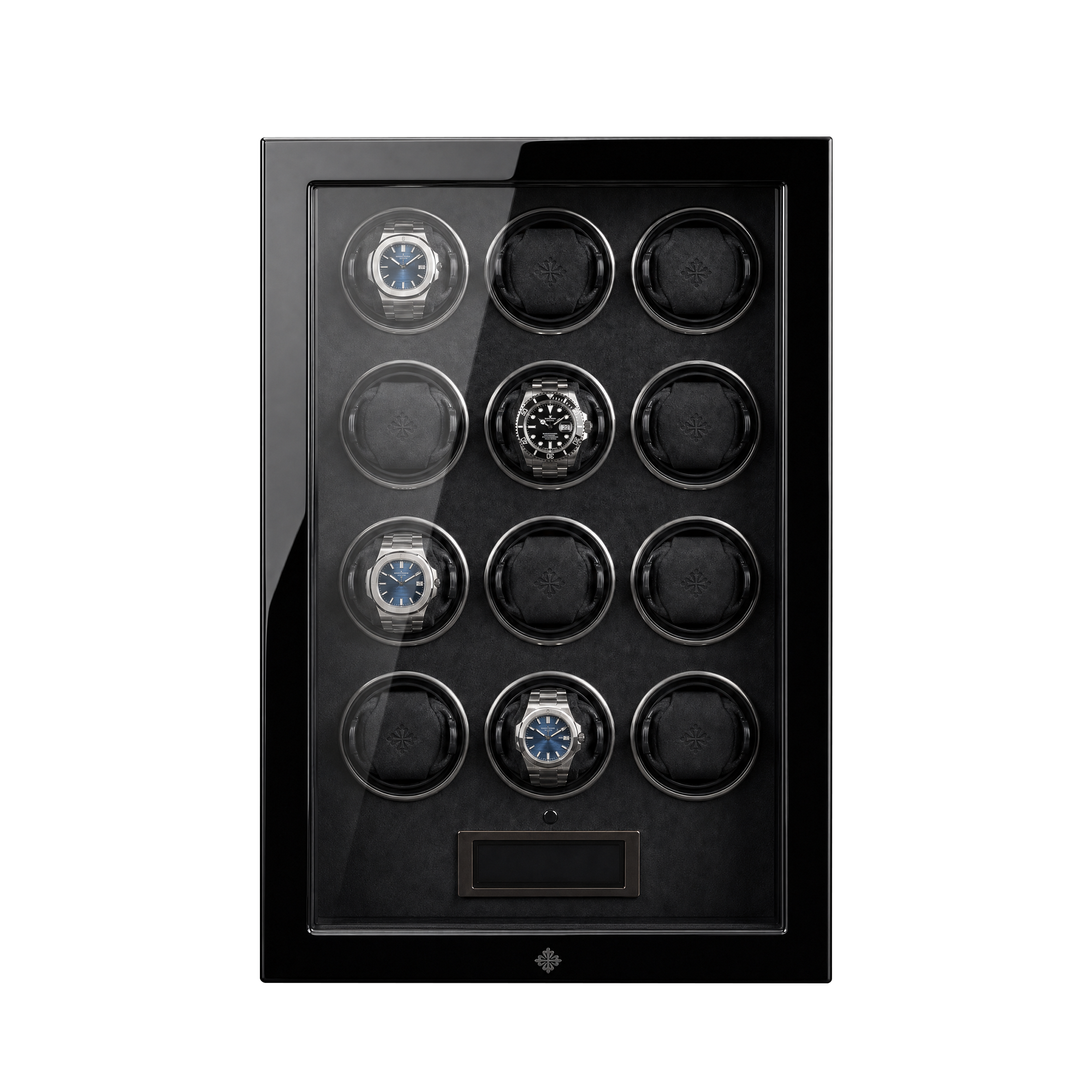
Run the diagnostic above first. Nine times out of ten, the answer is wind it, wear it, or put it on a winder. The Winder Series covers two-rotor to sixteen-rotor capacities, all Mabuchi-powered.
Related reading: when to buy your first watch winder, my watch gains or loses time, watch winder maintenance.
Protect Your Watch Collection
Designed for collectors who demand the best. Explore our premium watch winders and luxury safes.
Protect Your Watch Collection
Designed for collectors who demand the best. Explore our premium watch winders and luxury safes.