
You own one or two automatics and you’re wondering if it’s time for a winder. Or you just bought your third watch and the convenience question is getting real. There’s no universal answer, but there are three clear trigger moments that tell most collectors the time is right. This guide walks through them and points to the right first purchase.
The Three Trigger Moments
One of these is usually the point where a winder pays off. Work through them.
| Trigger | What Changes |
|---|---|
| You buy your second automatic | Rotation begins, one watch starts stopping |
| You buy your first complication | Resetting becomes painful enough that running matters |
| You hit three automatics in active use | Manual winding becomes a daily chore |
Trigger 1: The Second Automatic
Your first automatic was your wrist’s daily companion. It stayed wound because you wore it every day. The second automatic changes the math. Now you’re rotating. Some days one watch is on your wrist, and the other is sitting on a dresser losing its reserve.
Three days in, the dresser watch is stopped. To wear it, you’re manually winding and resetting the time. Not a disaster the first time. Annoying by the tenth.
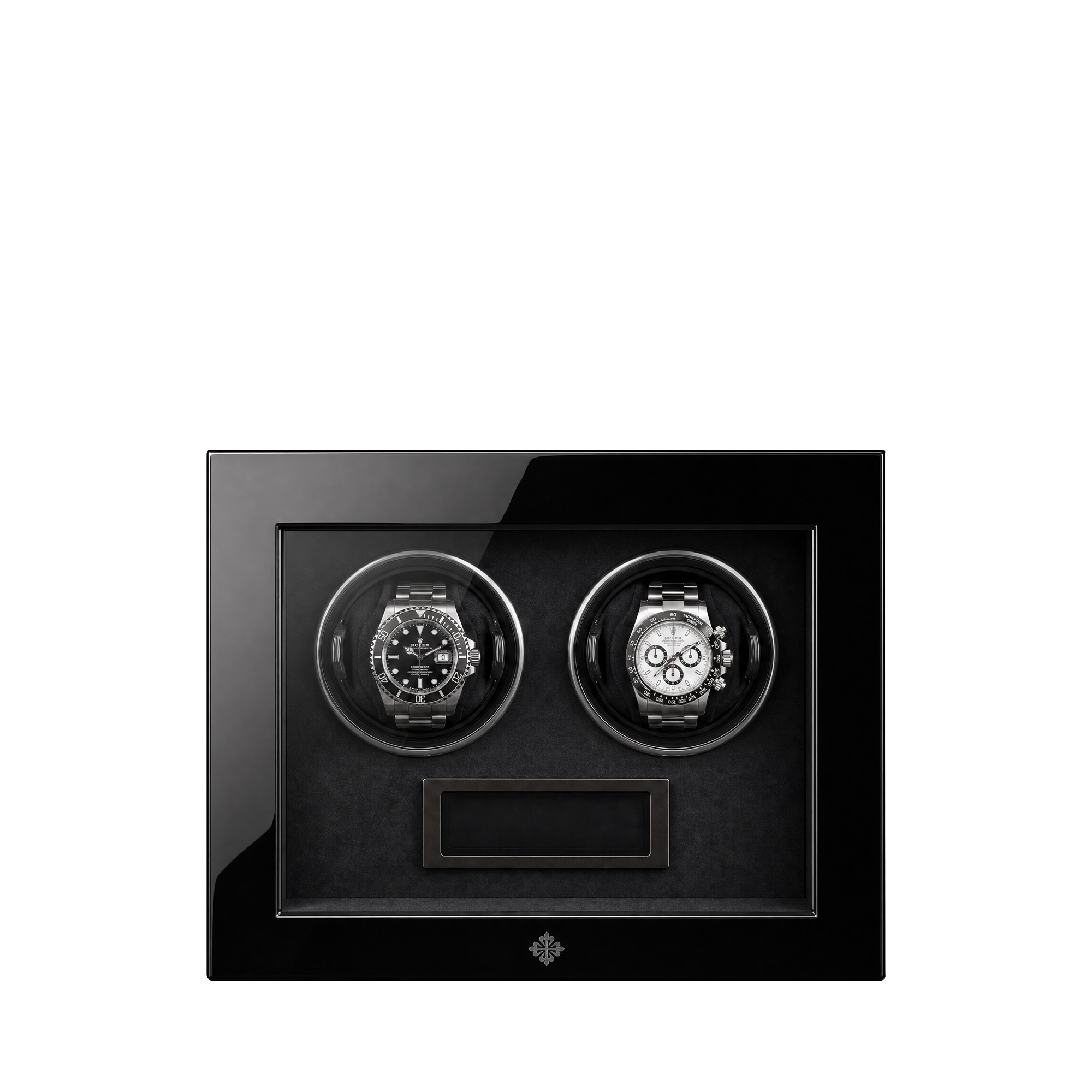
At this point, a 2-rotor winder solves the problem for the total cost of maybe 5 percent of your second watch. The Impresario 2 or Virtuoso 2 covers this use case.
Trigger 2: Your First Complication
Buying a perpetual calendar, annual calendar, or complicated chronograph changes the conversation. These watches are painful to reset when stopped. A perpetual calendar that runs out of reserve loses its date, and re-setting it properly takes 20 minutes with a reference booklet.
A winder keeps complications running continuously, which preserves the reference time and date without manual intervention. If you paid $20K for a perpetual calendar, paying $900 for a winder that keeps it running 24/7 is obvious math.
For complication-specific guidance, see watch winder for perpetual calendar or annual calendar.
Trigger 3: Three Automatics in Active Use
Three watches in active rotation is the point where manual winding becomes a chore. You pick up whichever watch you want to wear, find it stopped, wind it, set it. Over and over.
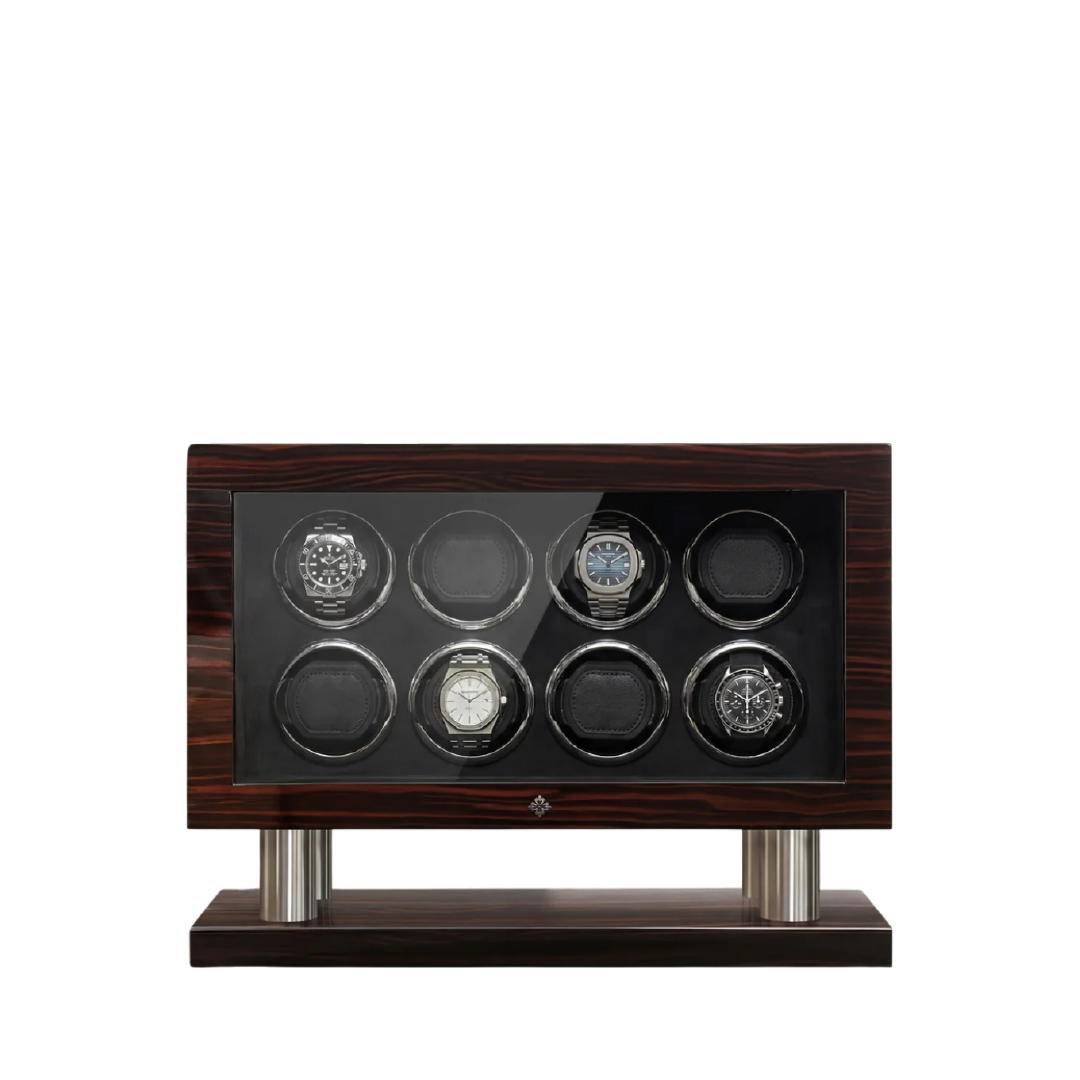
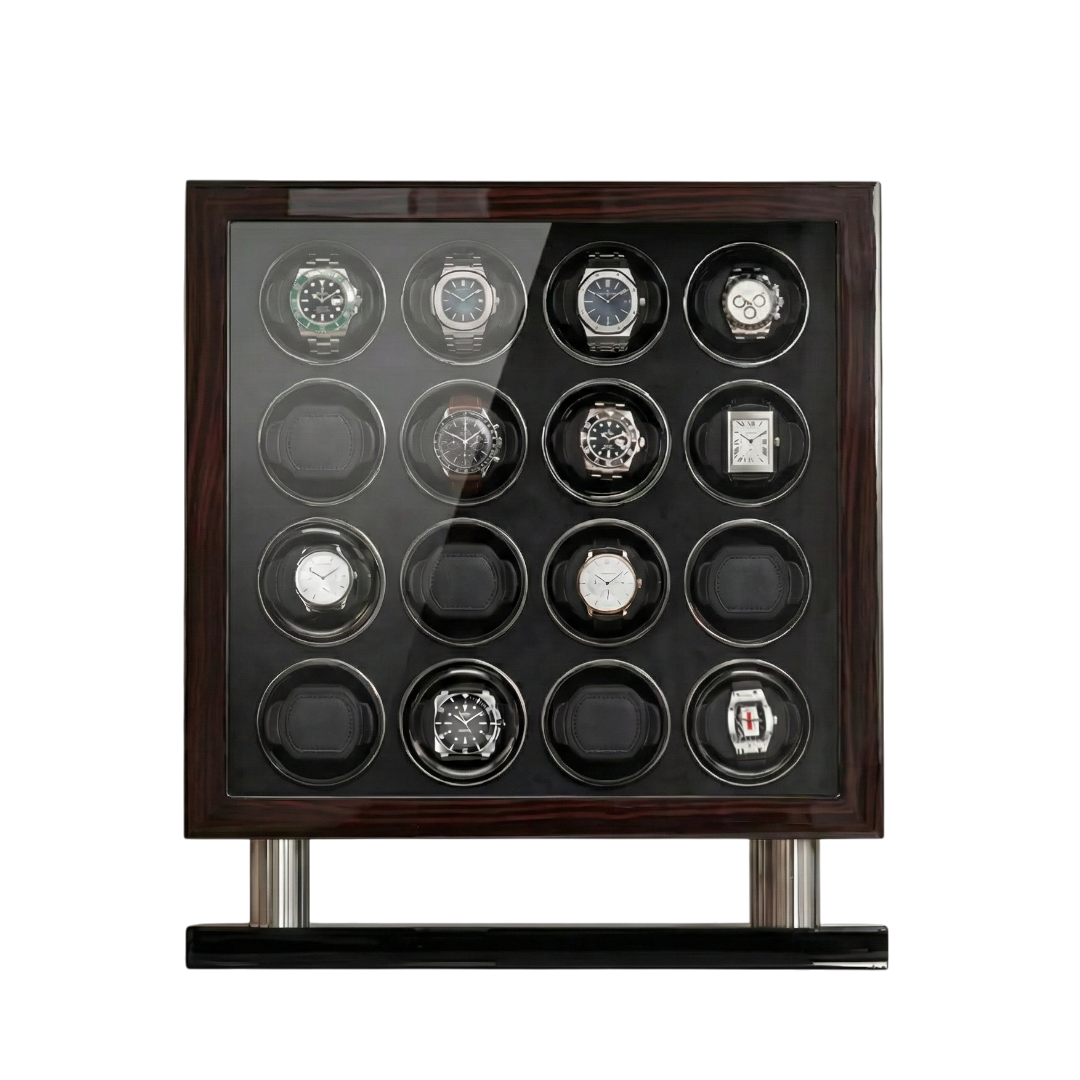
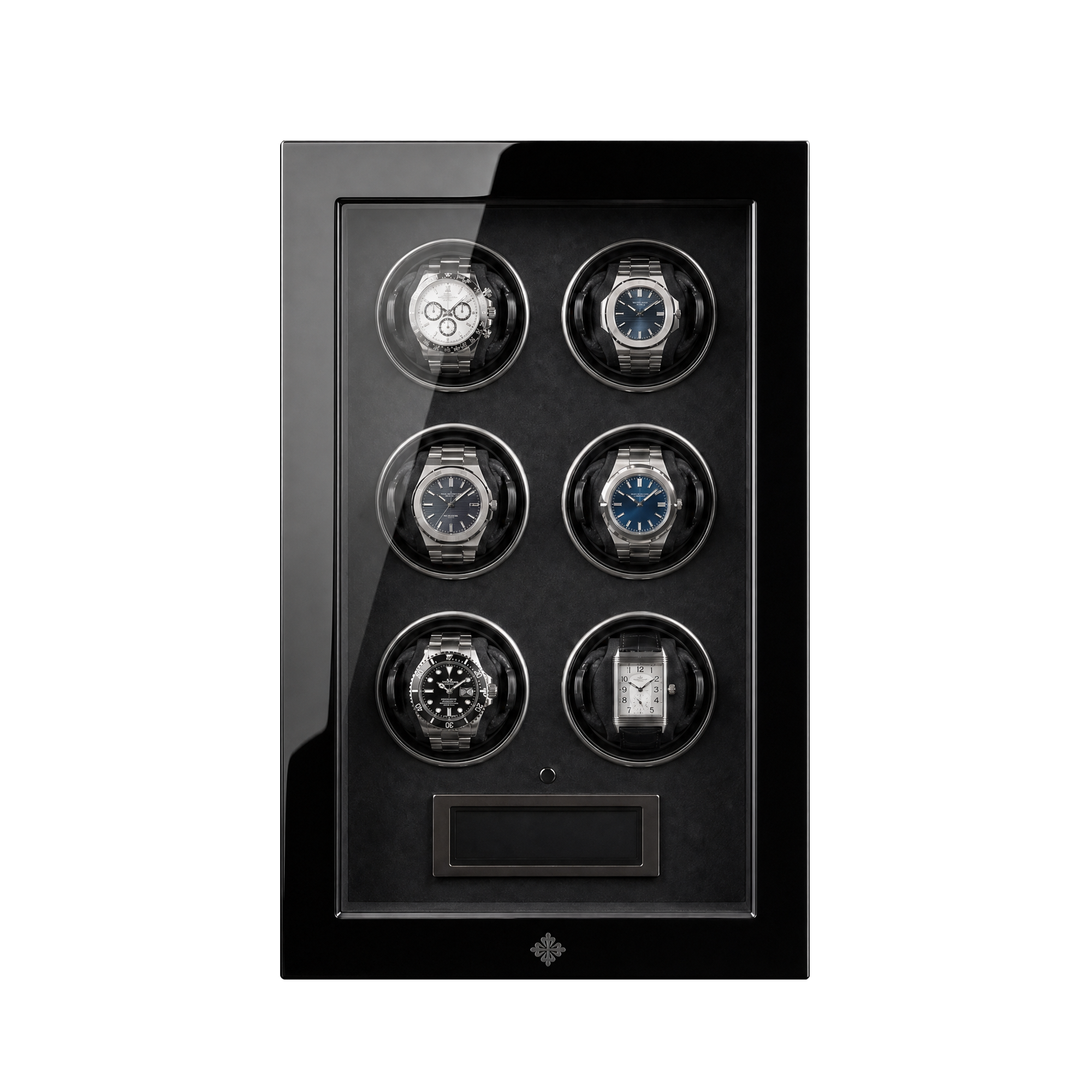
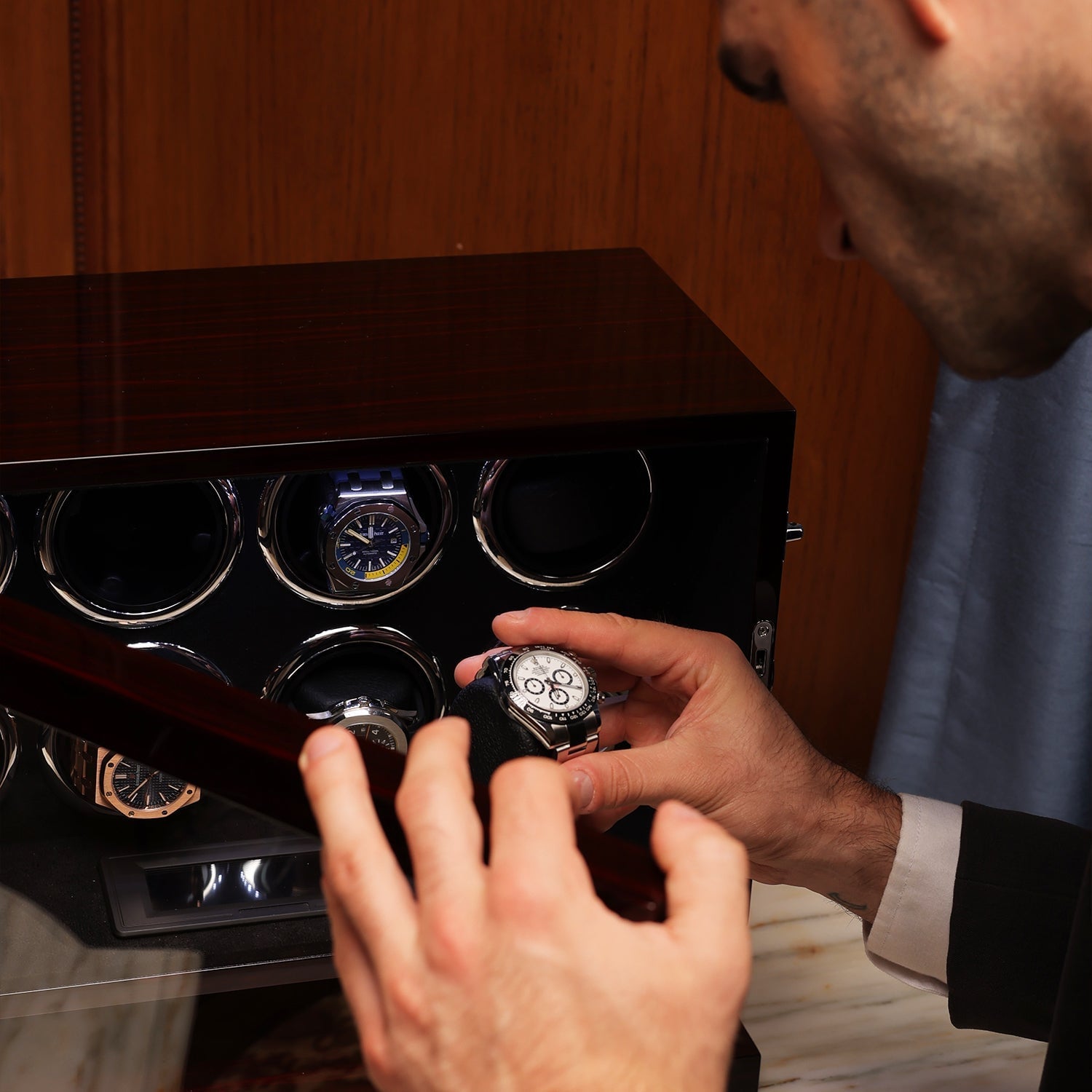
A 6-rotor winder at this point is right-sized for current use with room for growth. The Impresario 6 is the most common first winder purchase for collectors at this stage.
What to Buy First
Most first-time winder buyers end up with one of three models.
| Situation | Recommended First Winder | Price Range |
|---|---|---|
| 2 automatics | Impresario 2 | $600 to $900 |
| 3-6 automatics | Impresario 6 | $1,500 to $2,500 |
| Prefer enclosed, bedroom placement | Virtuoso 2 or Virtuoso 6 | Similar tier |
All of these use Mabuchi motors, per-rotor programmable TPD and direction, and leather-lined interiors. Mabuchi is the benchmark motor for consumer watch winders — quiet, precise, long-lived. For larger rotations or cabinet-style integrations, Maxon motors become an option in custom builds and cabinet lines.
What to Avoid on a First Purchase
Under $200 units. Generic motors, fixed TPD, plastic construction. Fail inside 18 months and can induce magnetism.
Buying too small. A 1-rotor unit when you have 2 watches means you’re still manually winding half your collection.
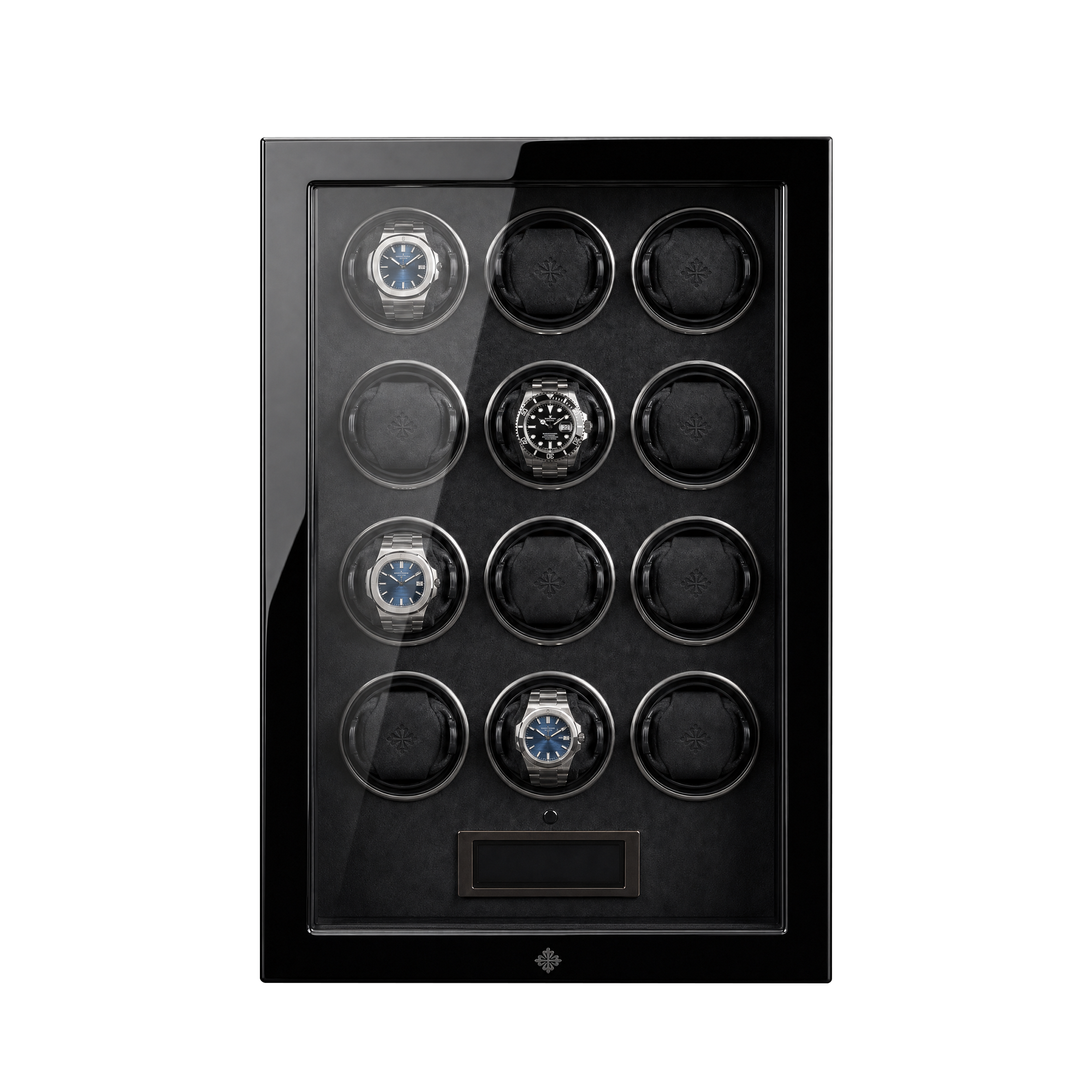
Buying too large. A 12-rotor unit for 2 watches looks silly and wastes money.
Ignoring direction. Patek, Panerai, and some older movements wind in specific directions. A winder without direction programming fails these calibers.
Ignoring TPD. Different calibers need different settings. Fixed-TPD winders force compromises.
First-Winder Setup Checklist
Before you power on.
- Identify each watch’s caliber (check caseback or paperwork)
- Look up each caliber on the TPD reference
- Program the correct TPD per rotor
- Set direction per rotor (default bi-directional for most modern Rolex, Omega, AP)
- Place the winder on a flat, stable surface
- Plug into a surge protector for electronics safety
- Load each watch onto its assigned rotor, pillow firm against bracelet or strap
Common First-Time Questions
Three concerns that new winder buyers raise.
Will the winder damage my watch. No, if TPD and direction are correct. See can a watch winder overwind for the full explanation.
Is it loud. Quality Mabuchi motor winders run under 15 decibels per motor. Quieter than a refrigerator hum.
Can I leave it running 24/7. Yes. Winders are designed for continuous operation, and electricity cost is pennies per year.
Growth Planning
Collections grow. A 2-rotor winder today often becomes a 6-rotor within 3 years. If you can stretch the budget to buy one tier up, you’ll avoid the upgrade cycle. Buy the capacity that serves you through year 3, not just year 1.
For growth math, see how many watch winders do you need.
Frequently Asked Questions
How do I know I’m ready to buy?
If any of the three triggers above applies and you’re asking the question, you’re ready. The payoff is convenience and the peace of mind of watches being ready.
Should I buy a winder or a safe first?
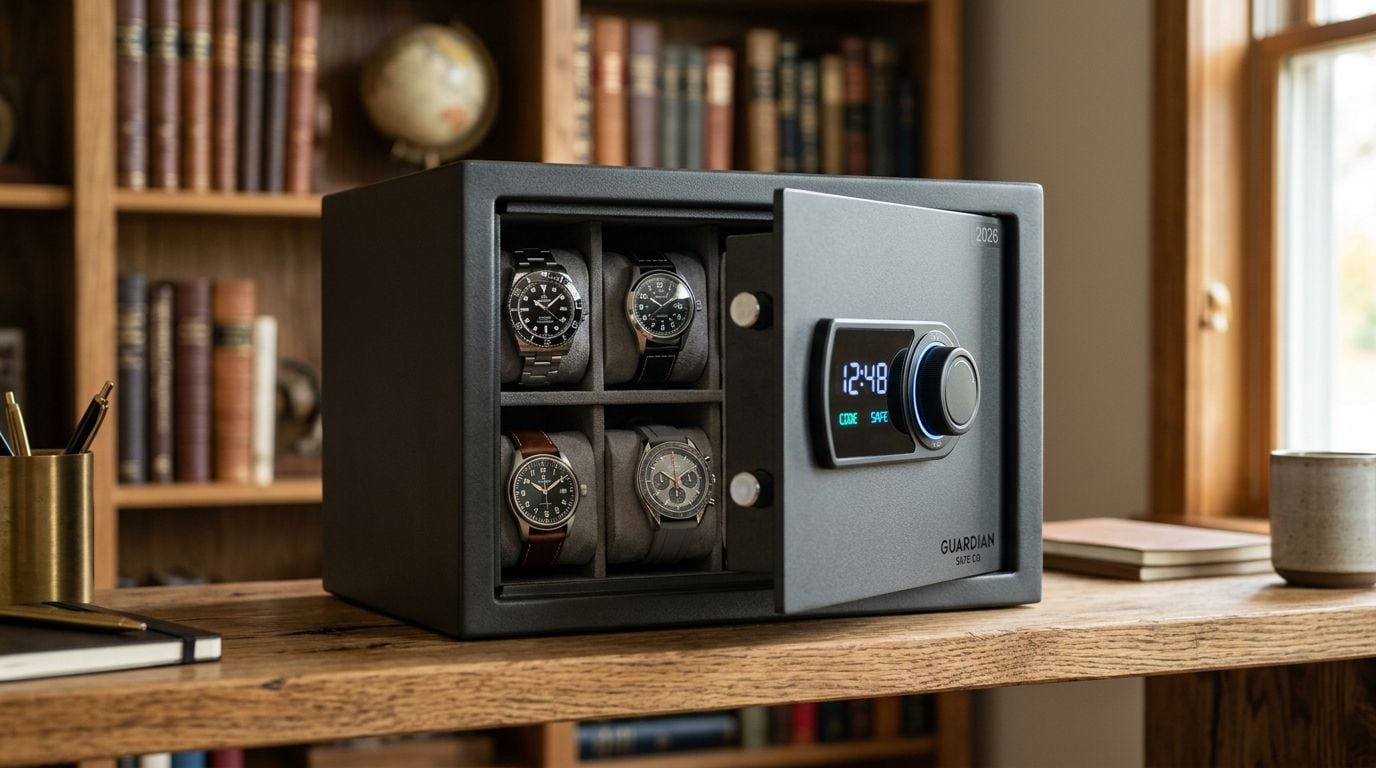
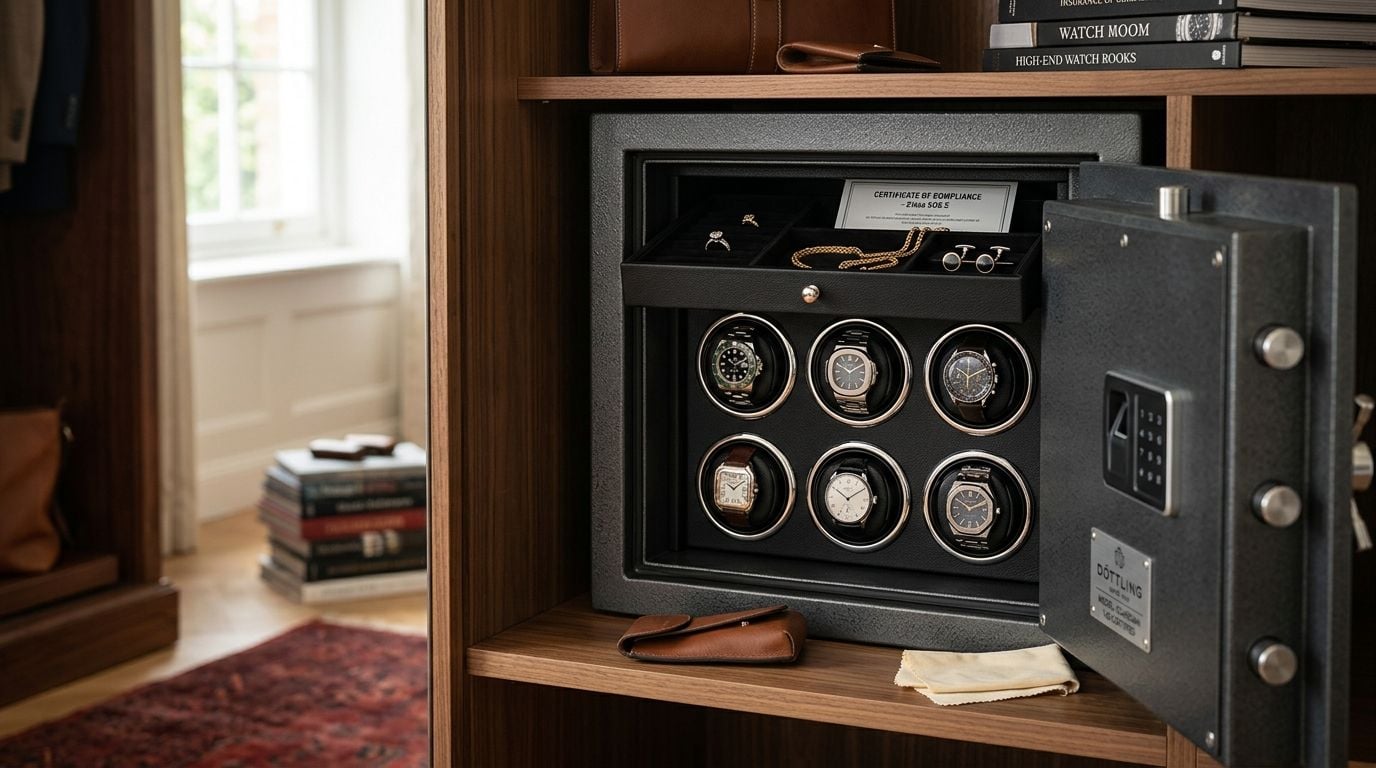
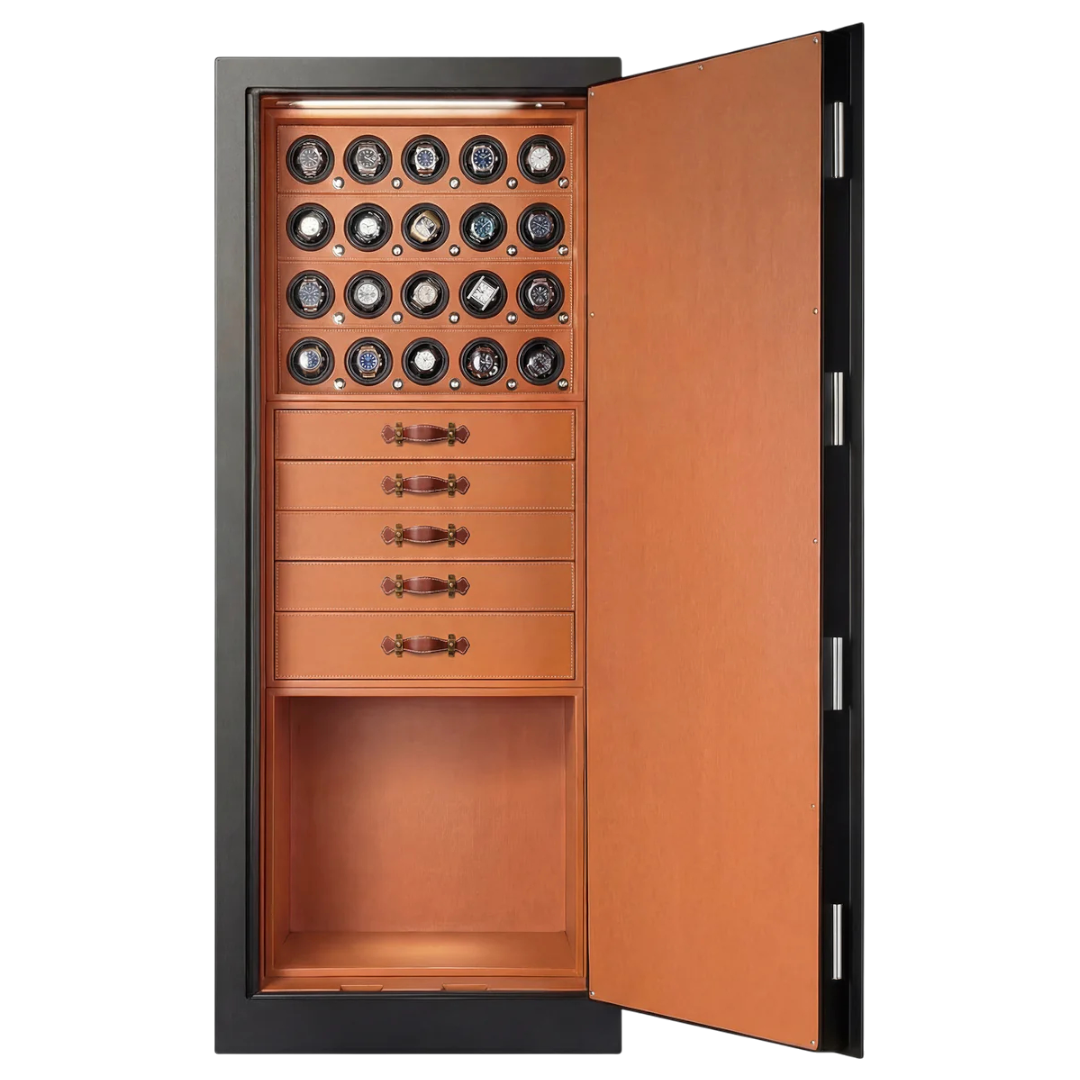
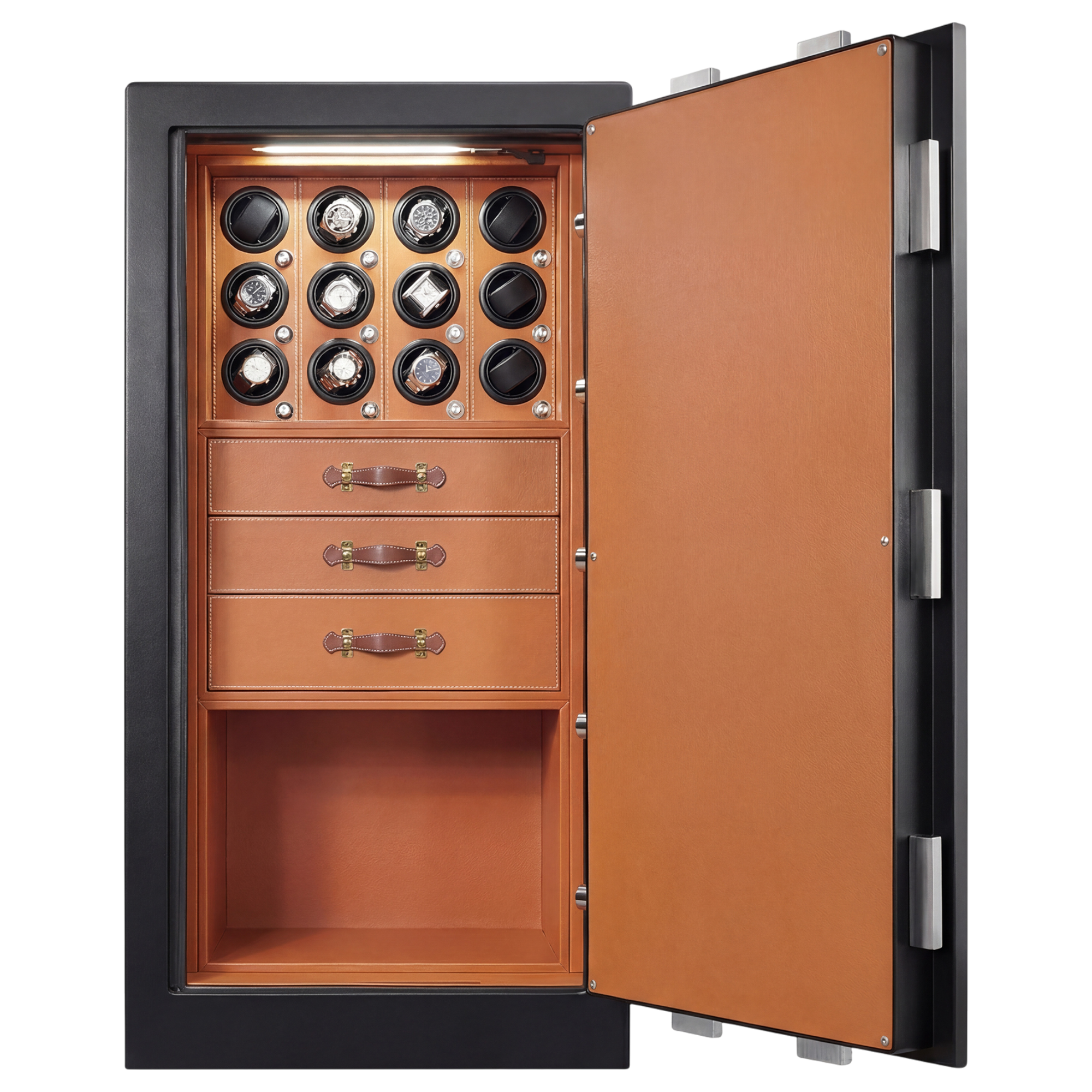
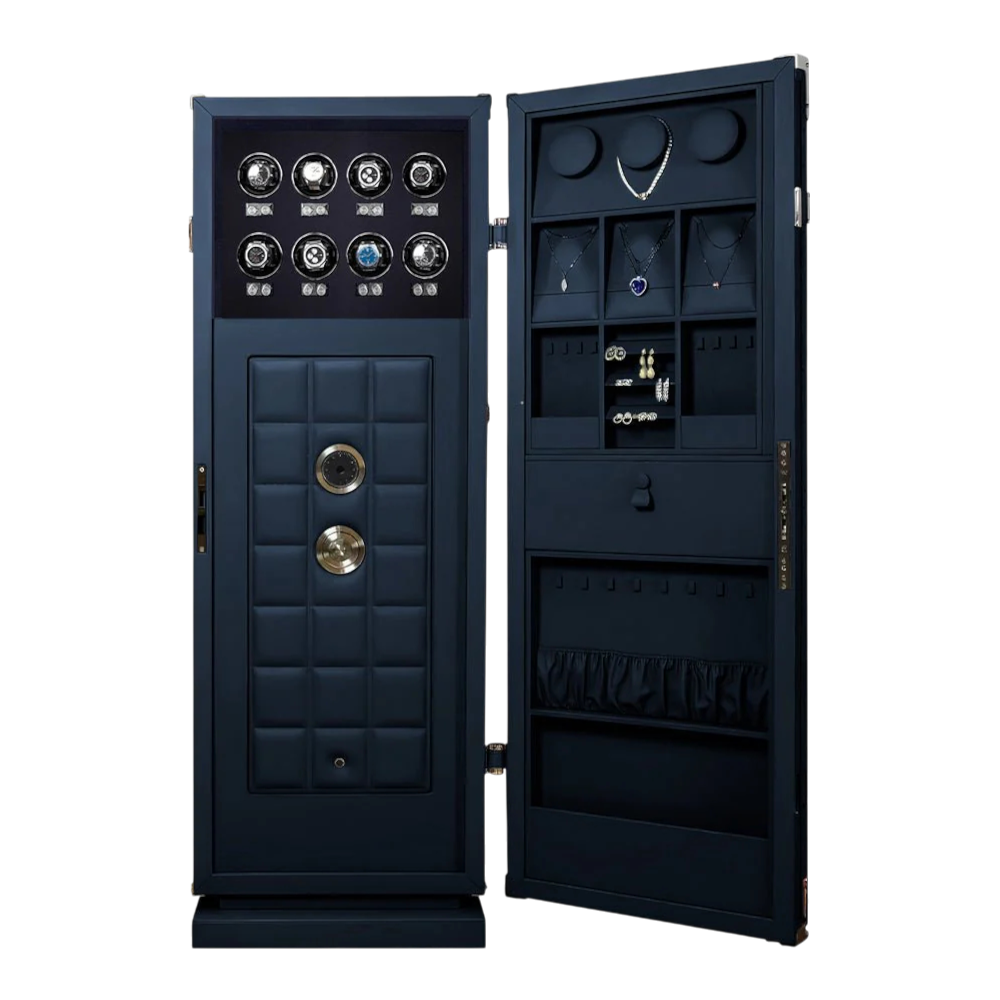
Different problems. A winder keeps watches wound. A safe keeps them secure. Most collectors need both eventually. For small collections under $25K, the winder typically comes first. For high-value collections, the safe often comes first.
Is a travel winder a good first buy?
Only if you travel frequently with a complicated watch. Otherwise, a home winder like the Impresario 2 is more versatile.
How much should I spend on my first?
$600 to $900 for a quality 2-rotor, or $1,500 to $2,500 for 6-rotor. Below $500, you’re buying disposable.
What brands should I consider?
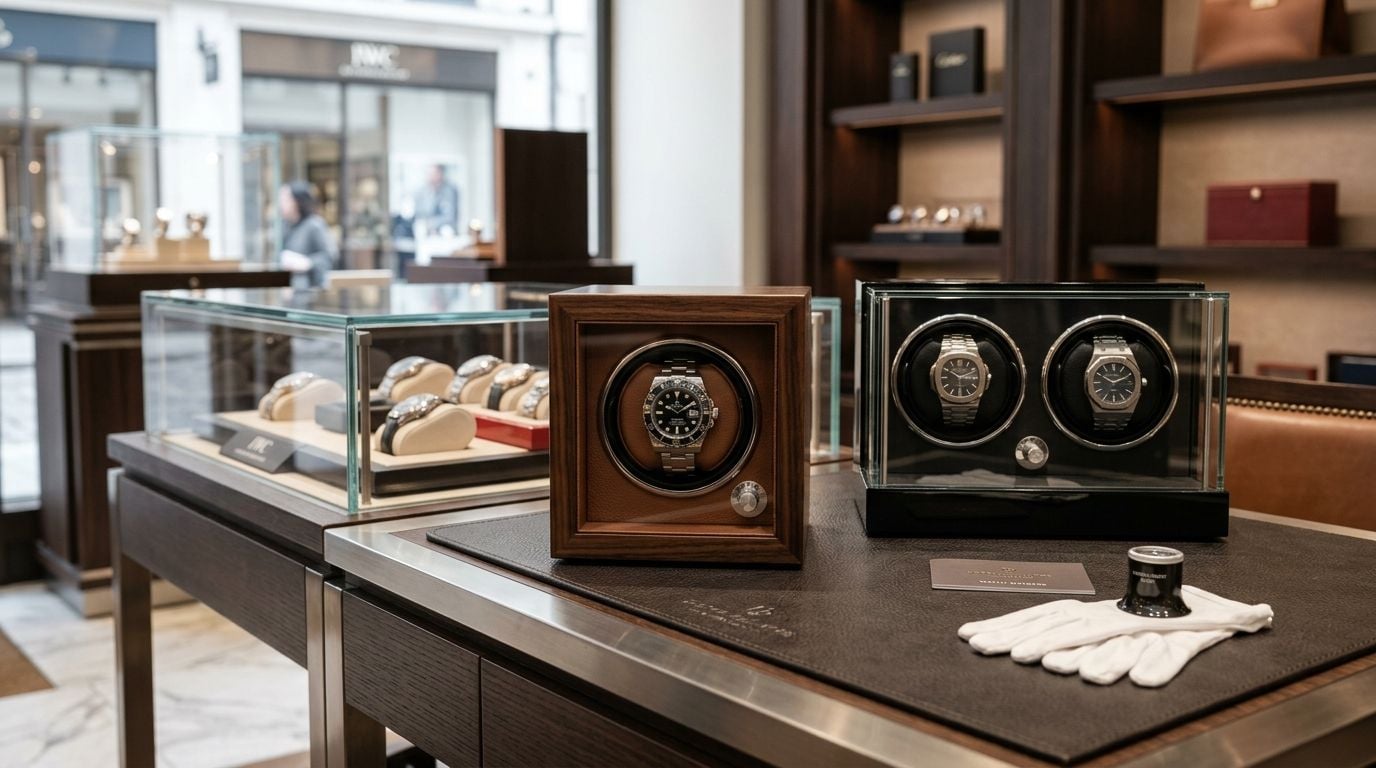
Enigwatch, Wolf, Orbita, and Scatola del Tempo are the premium names. Enigwatch differentiates on Mabuchi motors across the line, cabinet integration options, and custom build capability.
Is a used winder a good idea?
Sometimes. Premium brands hold up well on the secondary market. Avoid cheap brands even used — they were disposable new.
Can I test a winder before buying?
Most online purchases include a return period. Read the policy. For authorized retailers in your city, in-person viewing is sometimes available.
Start Small, Size Up
The Impresario 2 is the most common first winder for collectors at the 2-watch stage. The Impresario 6 is the most common first winder for collectors at 3-6 watches. Browse the full Winder Series for all capacities.
Related reading: do I need a watch winder, how to choose a watch winder, complete buying guide.
Protect Your Watch Collection
Designed for collectors who demand the best. Explore our premium watch winders and luxury safes.
Protect Your Watch Collection
Designed for collectors who demand the best. Explore our premium watch winders and luxury safes.