
Long-term storage for watches isn’t a single answer. It depends on how long, how many, what values, and what climate. A six-month rotation gap is different from a five-year vault hold. A single $5K daily wearer is different from a 30-piece six-figure collection. This guide covers what matters across the full range, from a dresser in a normal home to a climate-controlled vault.
Start With What “Long-Term” Actually Means

Define the timeline first.
Short rotation gap (1 to 6 months). Watches you’ll wear soon but not this week. Dresser-grade storage in leather cases works.
Medium-term (6 months to 2 years). Watches you’re not rotating actively but don’t want to sell. Needs climate control, humidity monitoring.
Long-term (2+ years). Collector pieces you’re holding as investments or heritage. Needs professional-grade vault storage with humidity, temperature, and security controls.
Different timelines have different requirements. This guide addresses all three.
Climate: What Watches Actually Need

| Factor | Ideal Range | Why It Matters |
|---|---|---|
| Temperature | 60 to 75F (15 to 24C) | Heat accelerates lubricant breakdown |
| Humidity | 40 to 55 percent | Prevents moisture damage and leather mold |
| UV exposure | None | Prevents dial fade and strap discoloration |
| Magnetic fields | Under 50 gauss | Strong fields magnetize movements |
| Vibration | Minimal | Heavy vibration can disturb rotors in storage |
The Long-Term Storage Checklist
Step 1: Service Before Storage
Watches going into multi-year storage should be serviced first. Fresh lubricants last longer at rest. Old dried oils can gum and cause issues when the watch eventually restarts. Budget 5 to 10 percent of the watch’s value for pre-storage service on anything heading into 2+ years of rest.
Step 2: Wind Down Before Rest
Let the watch run down naturally before storing. Don’t force-wind it fully and then stop it. A wound mainspring under tension for years can set (lose some of its springiness).
Step 3: Clean and Document
Wipe down the case and bracelet. Photograph each piece with serial numbers visible. Note condition for insurance documentation.
Step 4: Place in Climate-Stable Storage
Safe or vault with humidity control. Leather-lined interior. No direct sunlight. Avoid closets near exterior walls where temperature swings.
Step 5: Check Periodically
Every 6 months, open the safe and verify humidity levels. Rotate watches if leather straps are under tension. Check for any visible moisture issues.
Safe vs Vault vs Winder for Long-Term
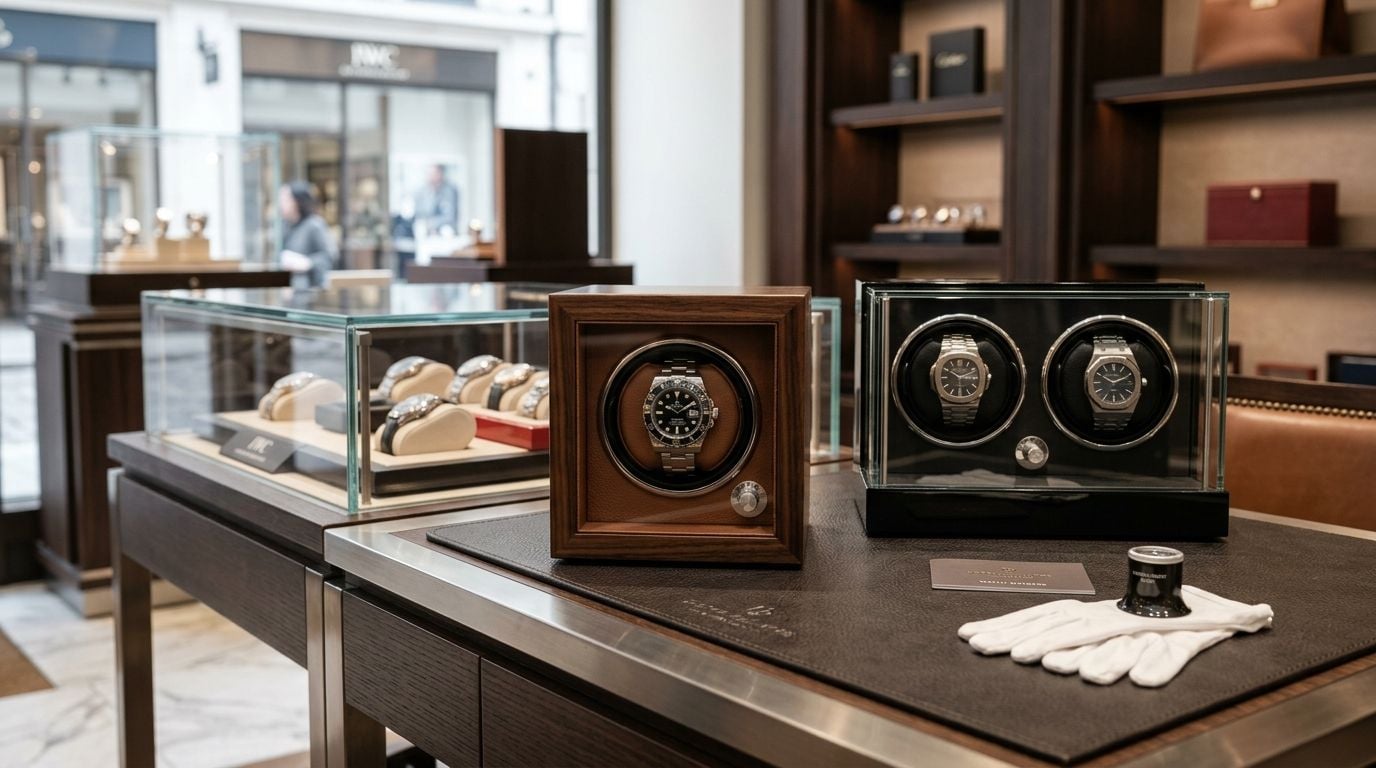
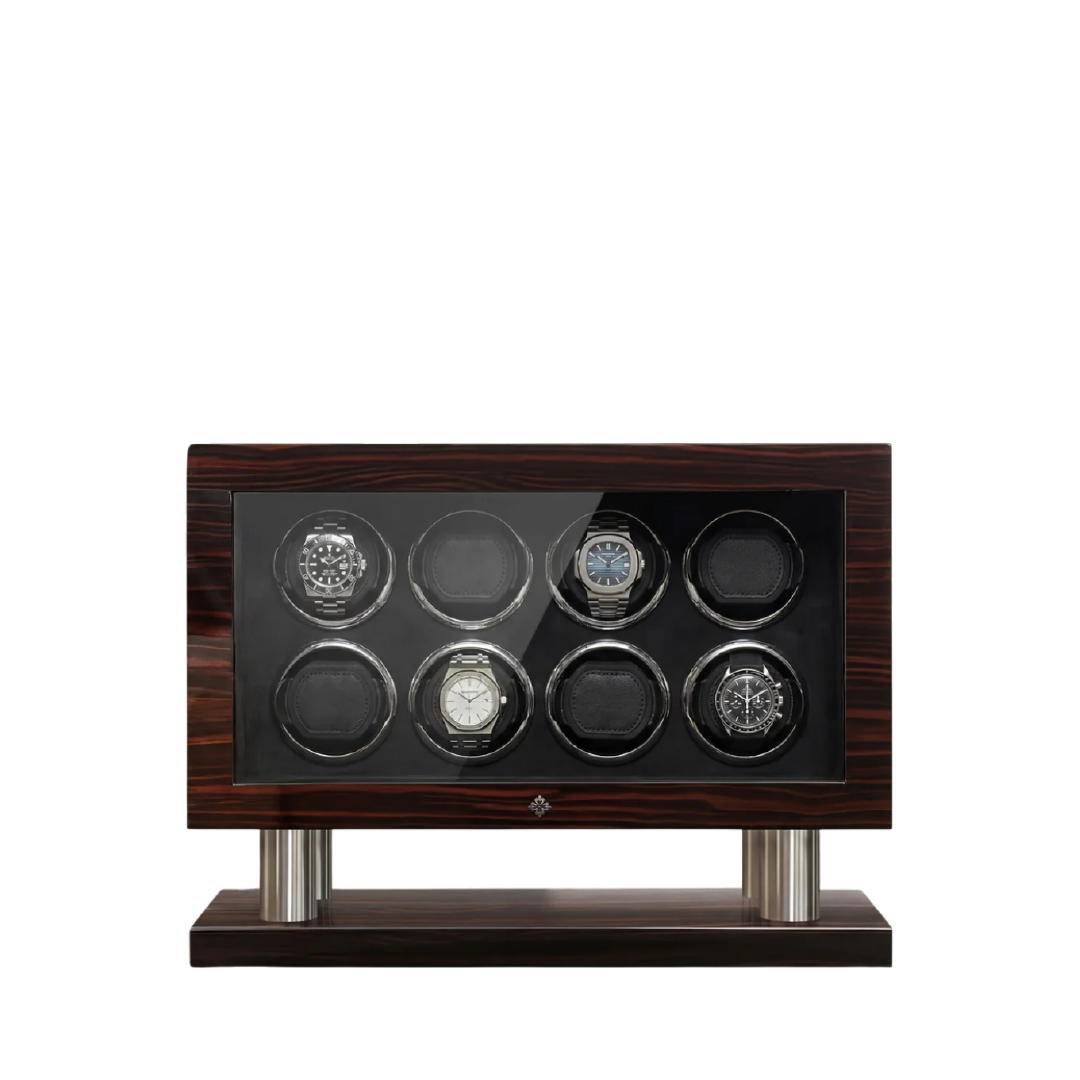
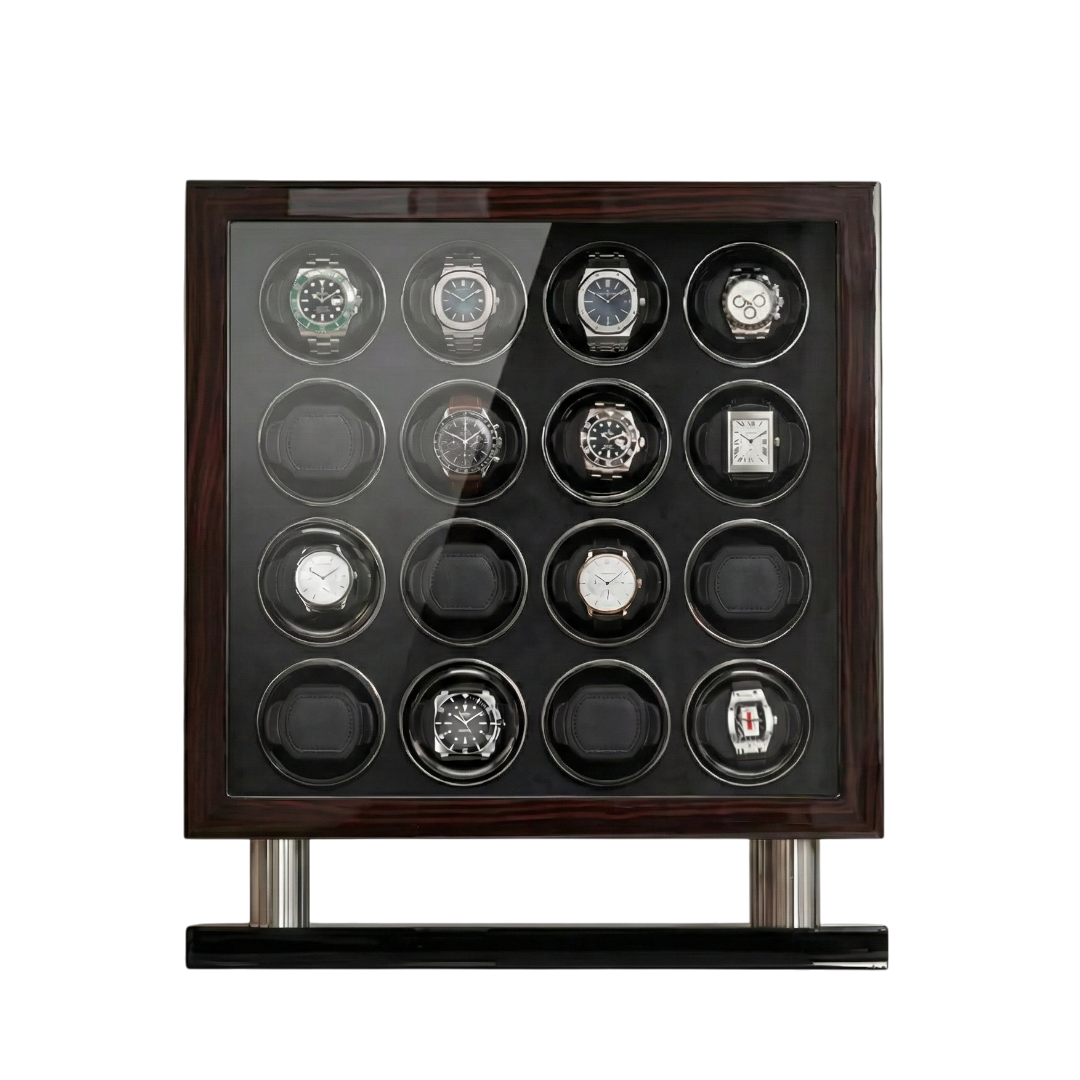
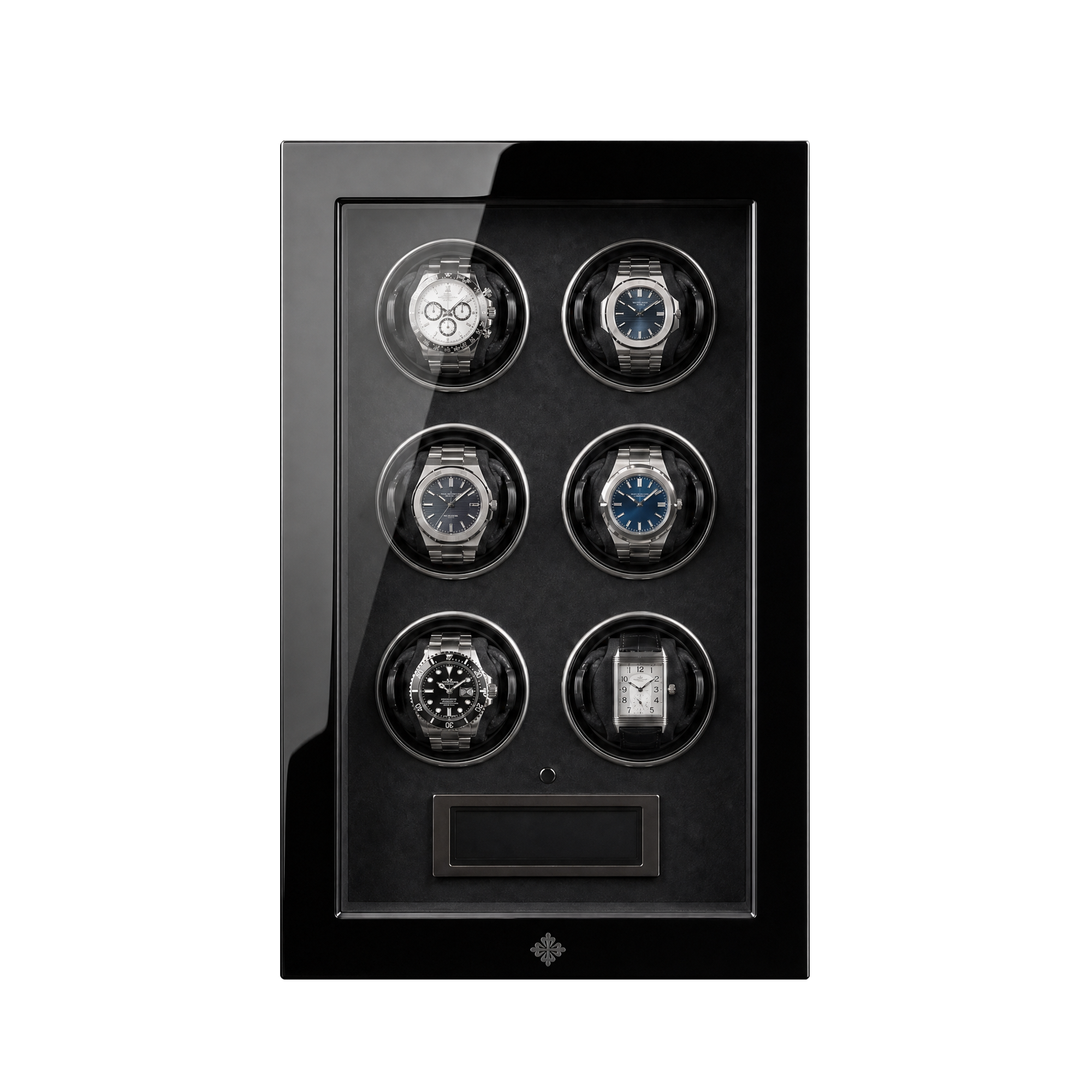
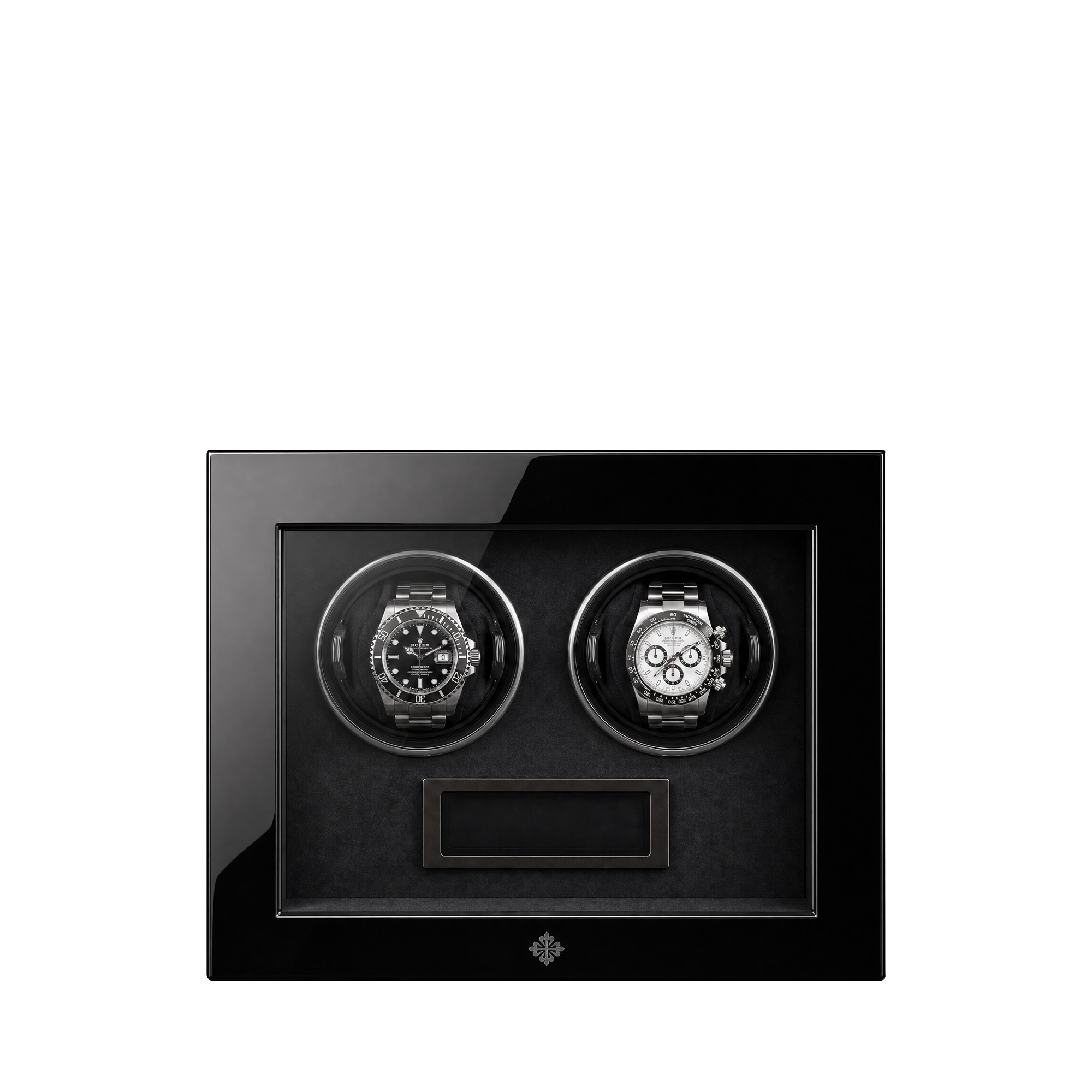
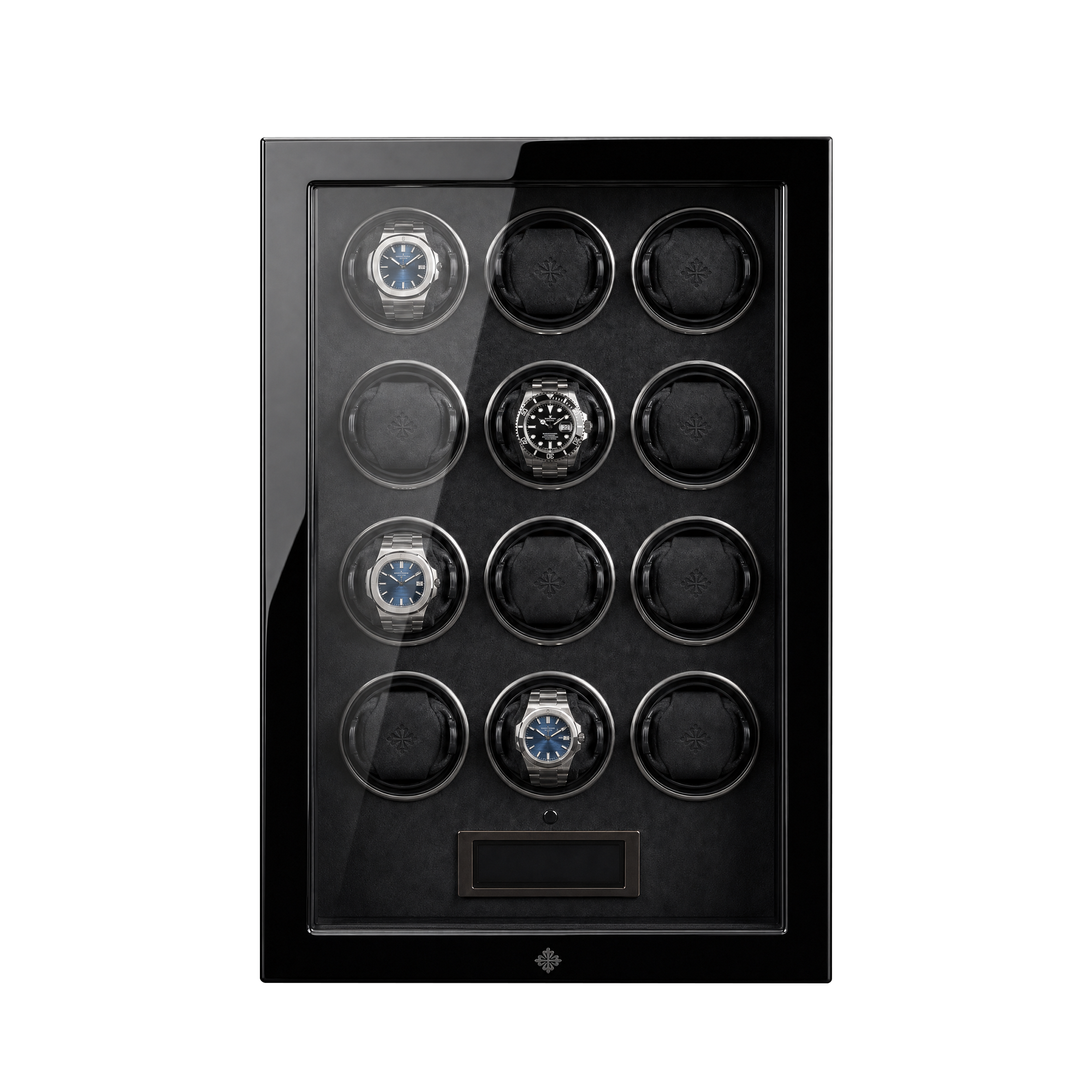
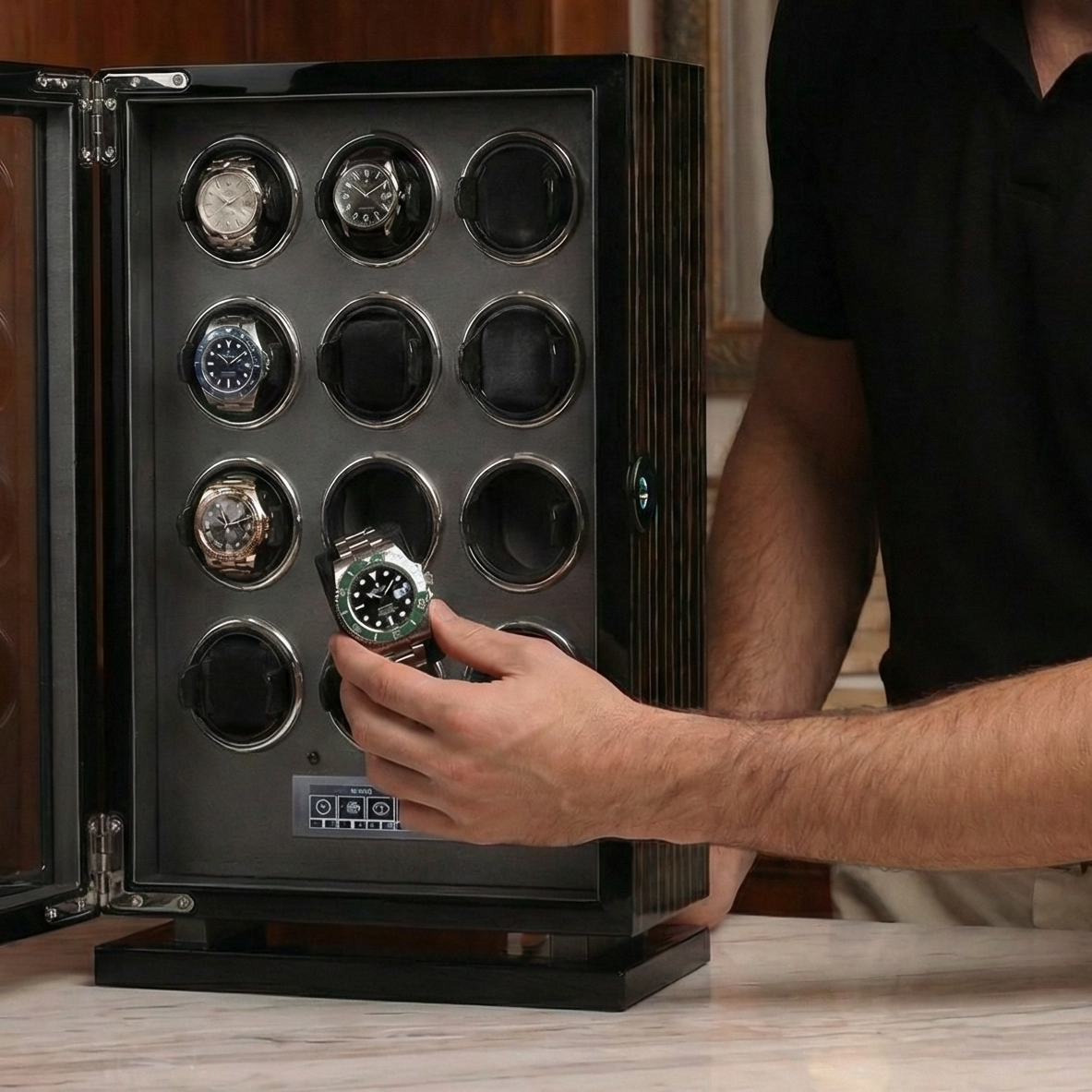
Winder. Not for long-term storage. Winders are for active rotation. A watch sitting on a winder running for years is wearing the movement unnecessarily.
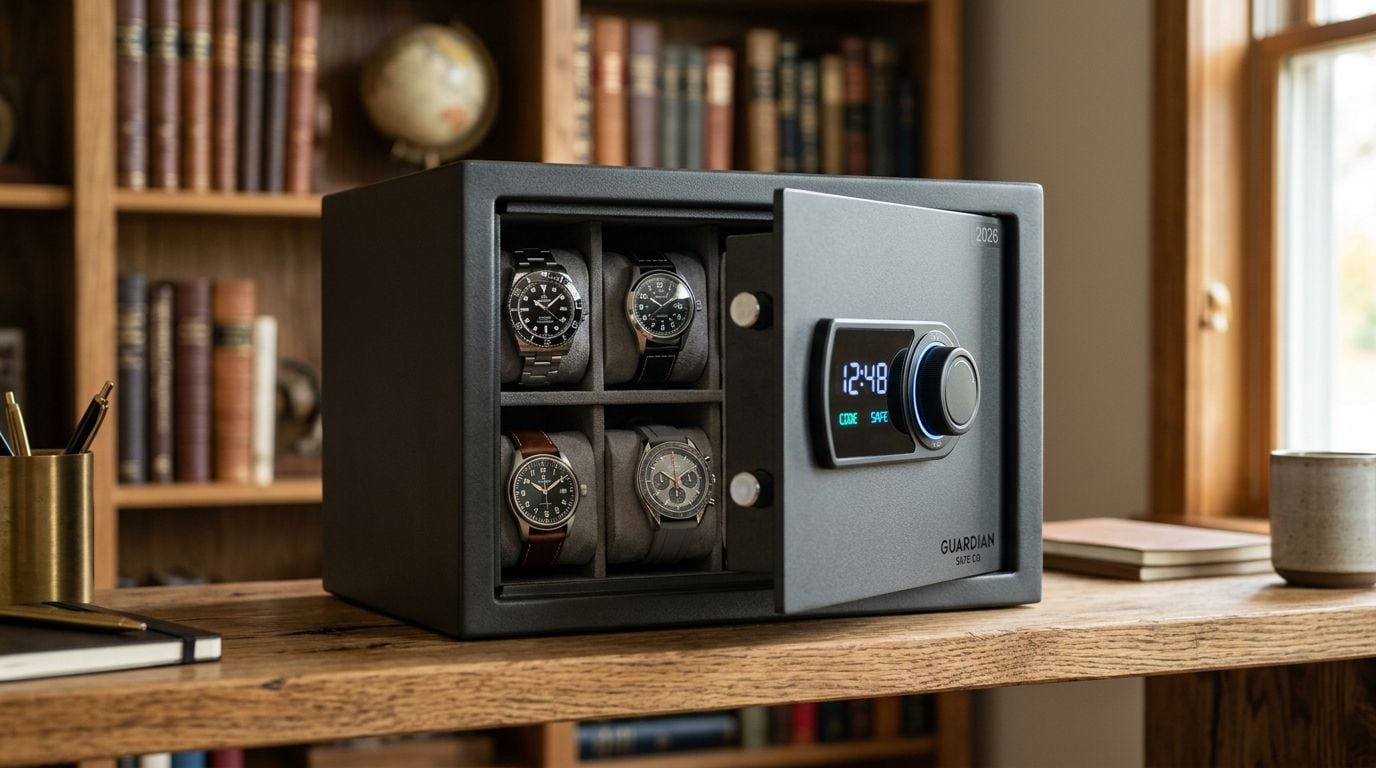
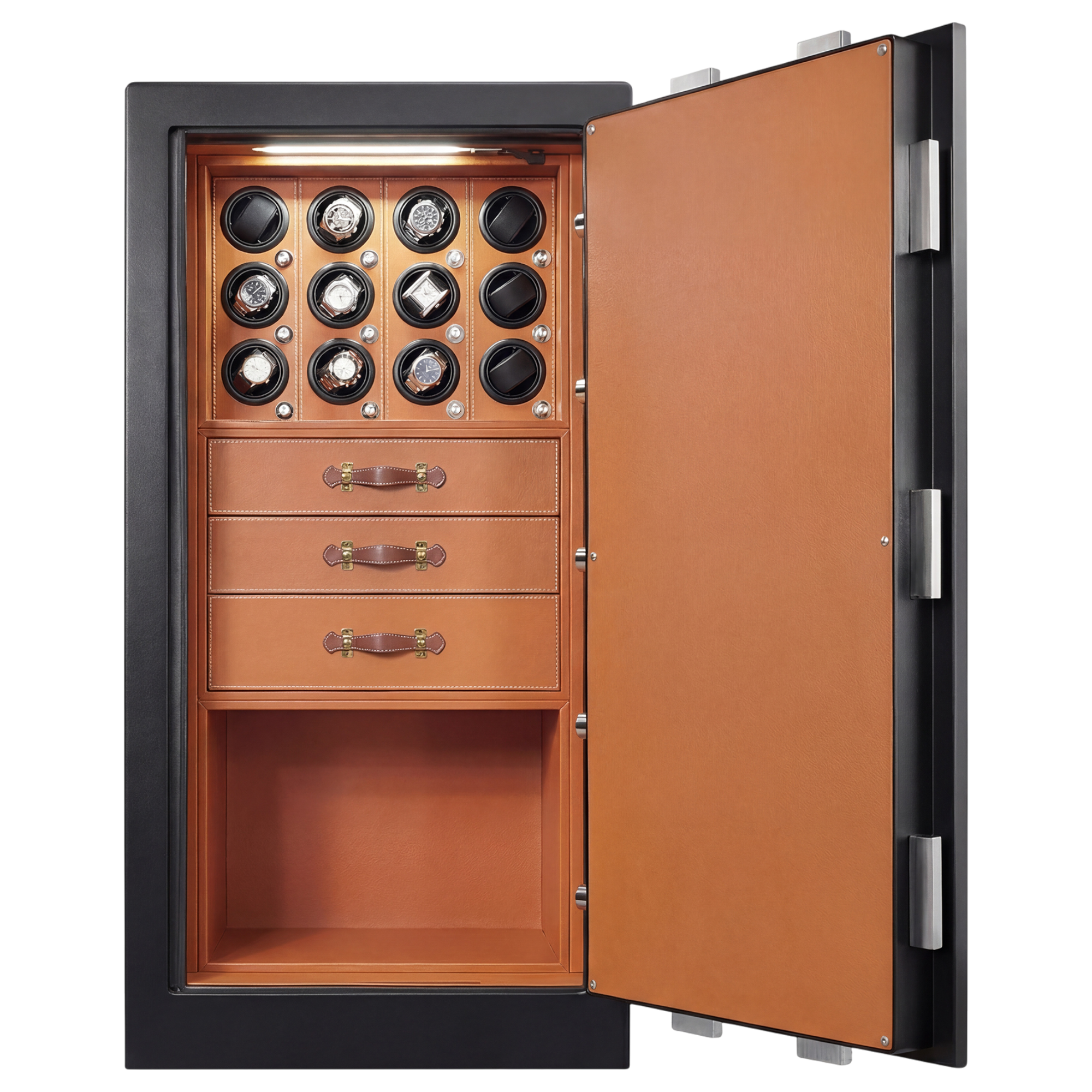
Standard safe. Good for medium-term (6 months to 2 years) with hygrometer monitoring. Passive protection, no climate control.
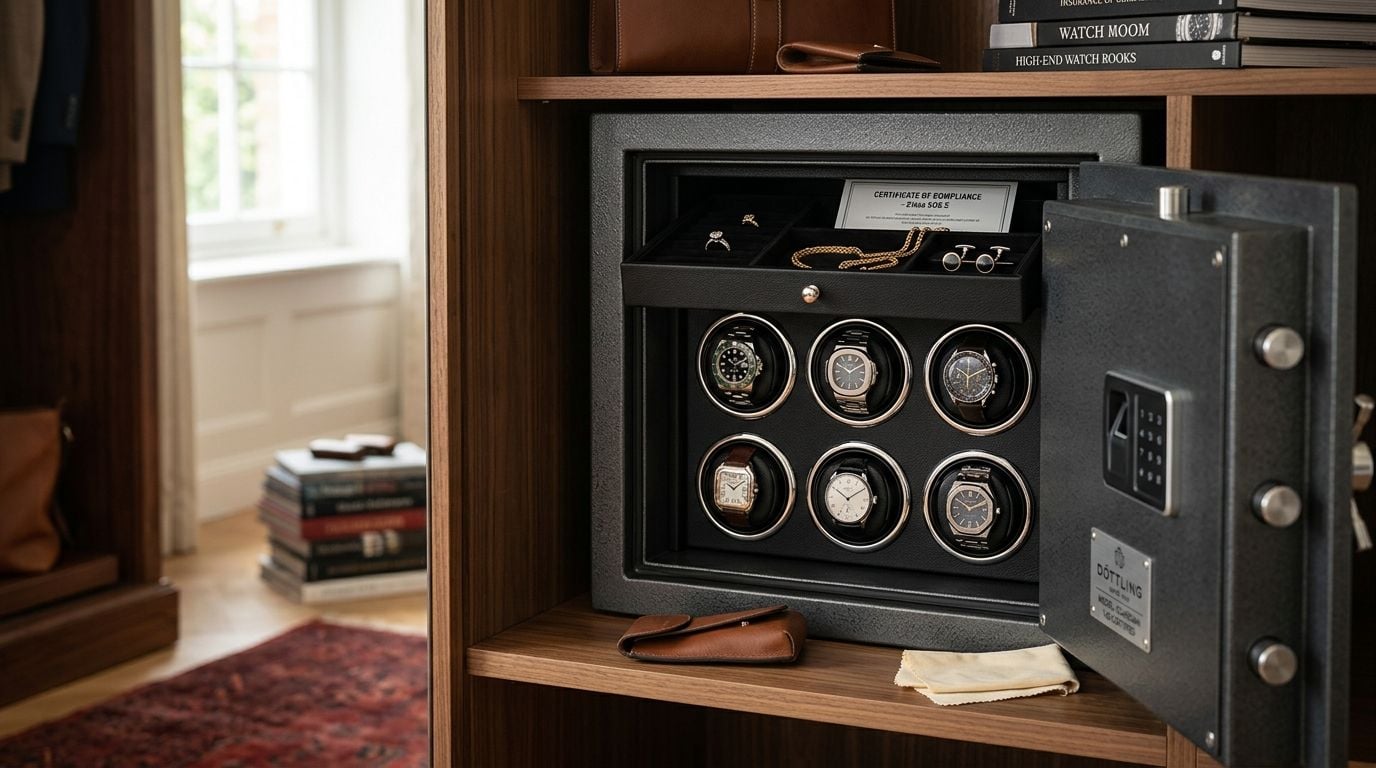
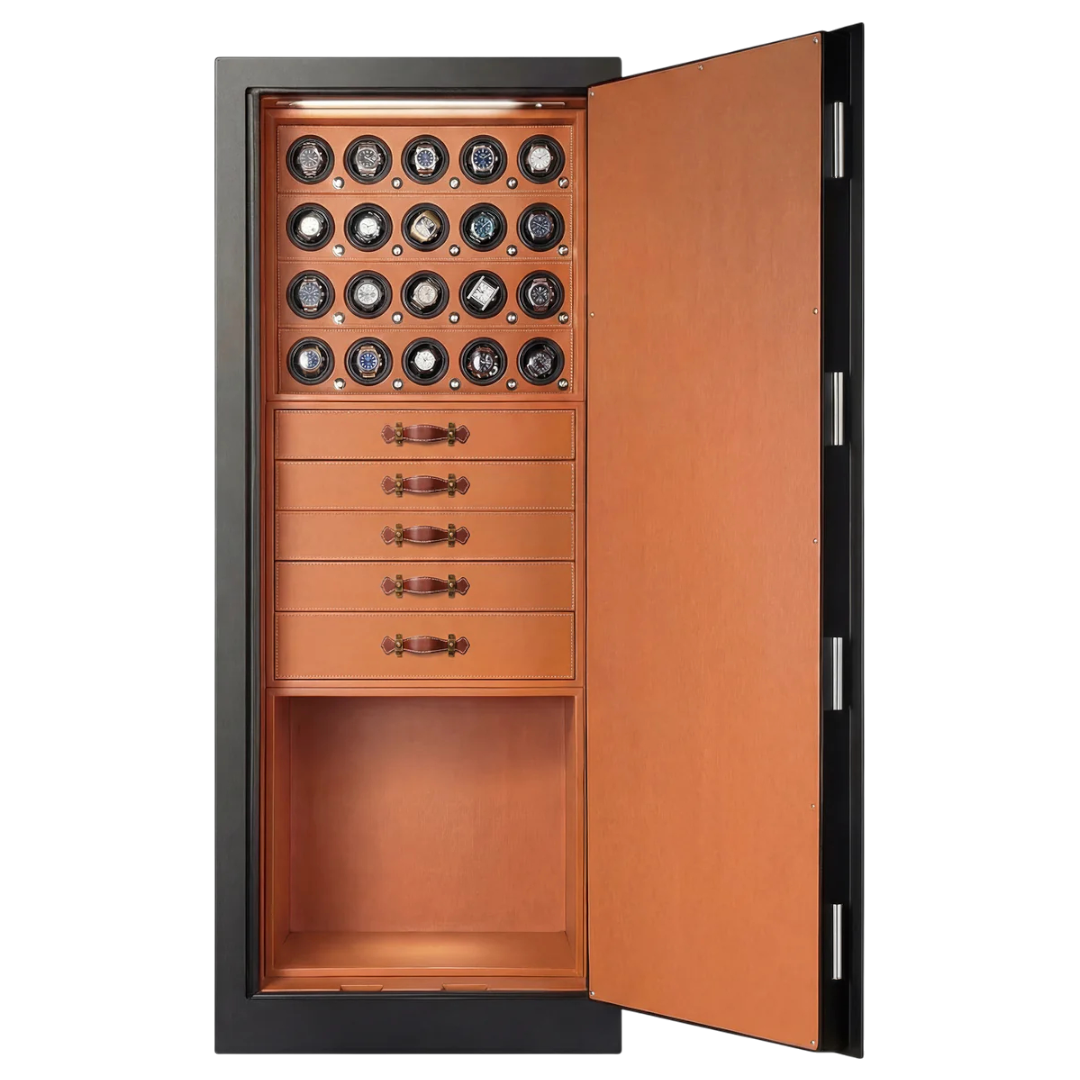
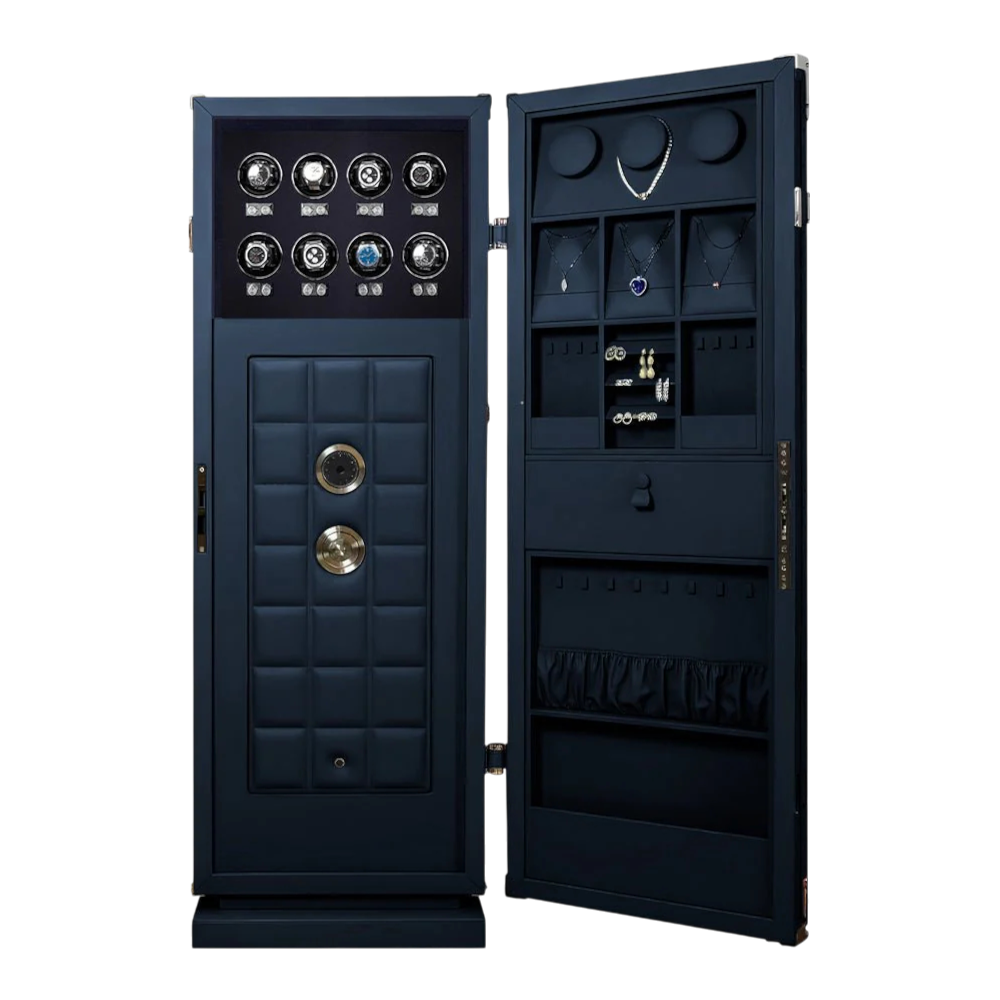
Climate-controlled vault. Required for 2+ years with high-value pieces. Active humidity and temperature control. Our Vaults collection covers this tier, with options like the Titan Sanctum 20 and Centennial for commercial-grade protection.
Custom vault installations. For 30+ piece long-term holds, a dedicated vault installation with integrated climate and monitoring. See Custom Safes.
Magnetism Management
Magnetized movements run fast or stop. Watches stored near speakers, large motors, or medical equipment can develop magnetic fields over time.
For long-term storage, keep watches at least 6 feet from any electromagnetic source. Premium safes offer magnetic shielding as a construction spec. If you’re unsure, use a magnetometer (cheap, under $30) to check for fields in your storage location.
If you discover magnetism, standalone degaussers or a visit to a watchmaker solves it in minutes.
Humidity: The Silent Threat
Moisture is the slowest but most common damage pattern. Over years, humidity corrodes movement parts, creates mold on leather straps, and damages dials and hands.
Best practices.
- Active dehumidification in storage safes above $100K in collection value
- Passive silica gel in standard safes, replaced every 6 months
- Hygrometer monitoring in any long-term storage location
- Avoid basements, which tend to run humid
Insurance Requirements
Most homeowner policies require a UL-certified safe for watch coverage above $25,000. For high-value long-term storage, a TL-15 or TL-30 rated safe is often the minimum for coverage. Check your specific policy and the safe certification before you rely on coverage.
Periodic Wind-Up for Stored Watches
Some collectors wind their stored watches monthly to keep oils distributed. Evidence is mixed on whether this matters. Modern synthetic lubricants are more stable than older petroleum-based oils, which means long rest is less harmful now than in prior decades.
If you want to wind periodically, a gentle manual wind every 3 to 6 months is enough. No need for weekly handling.
Strap and Bracelet Care
Leather straps stored under tension can crack at the buckle points. Remove straps from high-value pieces before long-term storage and store flat. Metal bracelets are fine stored installed.
Rubber straps degrade over time in any storage condition. Replace every 5 to 7 years regardless of use.
Frequently Asked Questions
Can I store a watch for 5 years?
Yes, with proper service before storage and climate-controlled conditions. Expect some re-lubrication on start-up.
Do I need to wind a stored watch periodically?
Not strictly required with modern lubricants. Some collectors prefer monthly gentle winding as a hedge.
What’s the biggest threat in long-term storage?
Humidity. Slow, cumulative, and often only visible once damage is done.
Should stored watches run in a winder?
No. Winders are for active rotation. Long-term storage is about rest, not rotation.
How much does a vault-grade safe cost?
TL-15 certified safes start around $8,000 for small units. TL-30 with climate control runs $15,000 to $40,000 depending on size. Custom builds scale from there.
Should I remove leather straps before storage?
For 2+ year storage on high-value pieces, yes. Store the strap flat in a climate-controlled environment.
Does a safe deposit box work for long-term storage?
Bank vaults have climate and security. Downsides: access limited to business hours, no humidity verification, watches can be lost if the bank fails. Fine for 1 to 2 years, less ideal for longer.
Where to Start
For medium-term storage (6 months to 2 years), a quality residential safe with hygrometer works. The Veron 12 or Veron 20 cover this range. For 2+ year holds with high-value pieces, step up to the Titan Sanctum 20 or Custom Safes.
For active rotation watches that only need storage between wears, browse the Winder Series. For more reading, see magnetism and watches and watch humidity control.
Protect Your Watch Collection
Designed for collectors who demand the best. Explore our premium watch winders and luxury safes.
Protect Your Watch Collection
Designed for collectors who demand the best. Explore our premium watch winders and luxury safes.