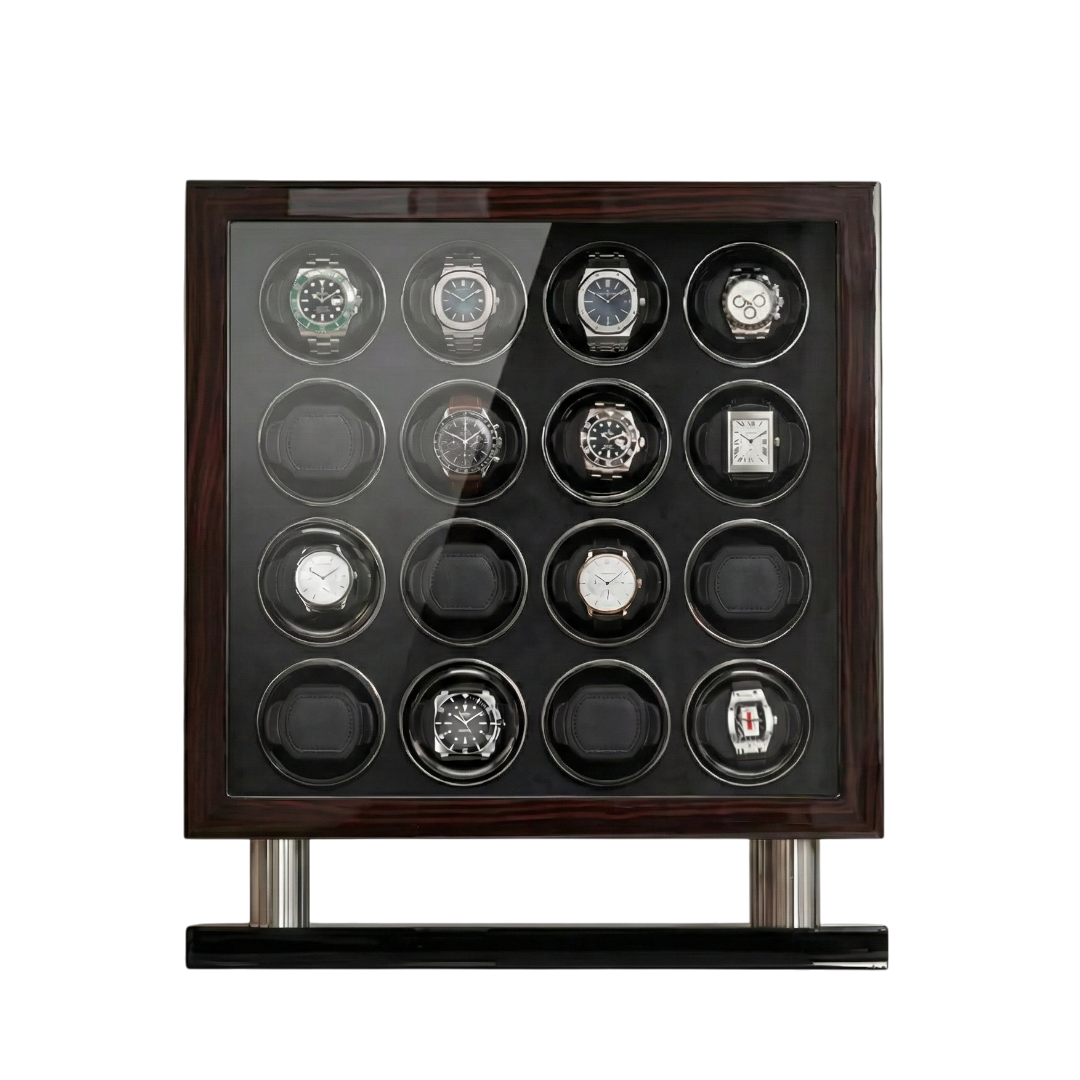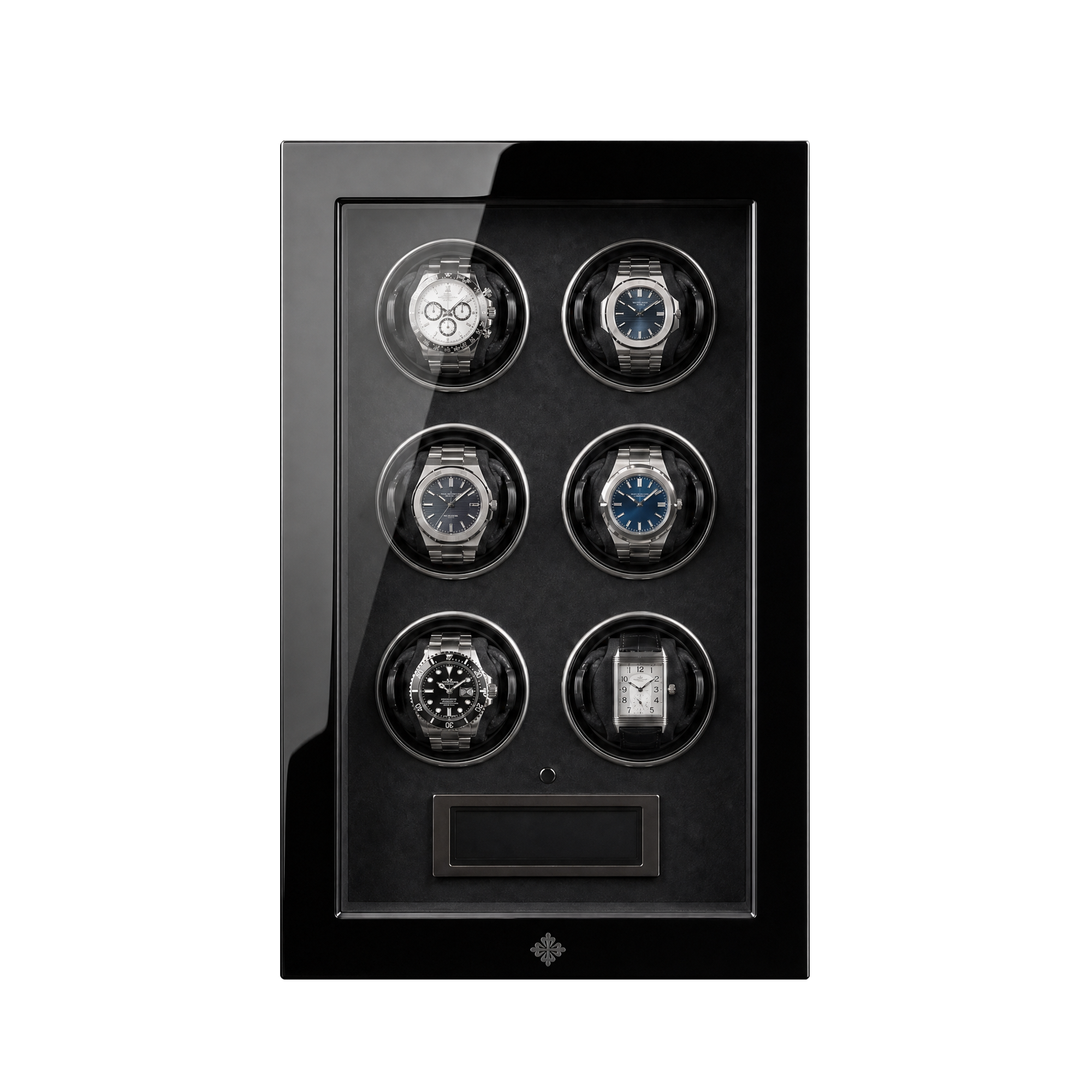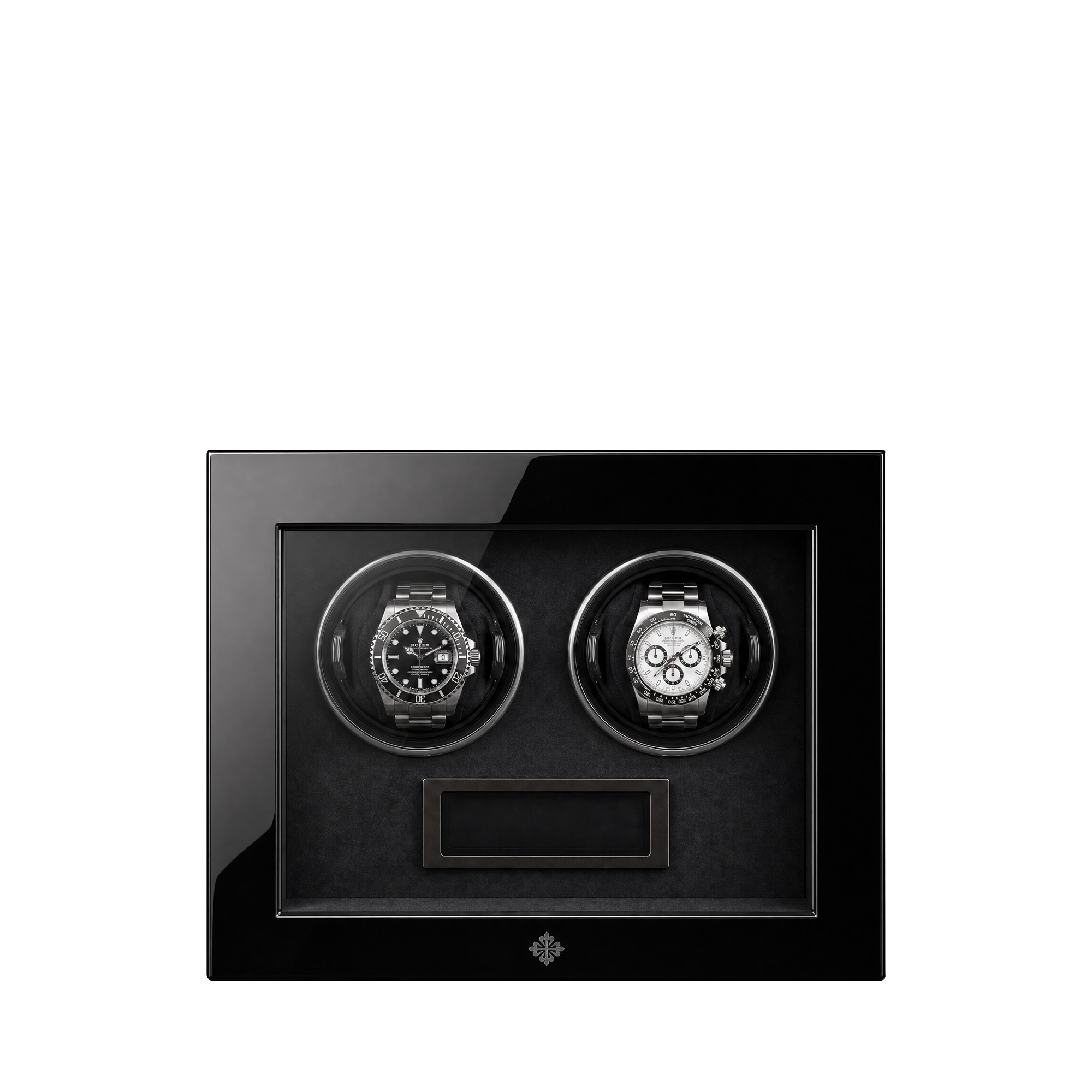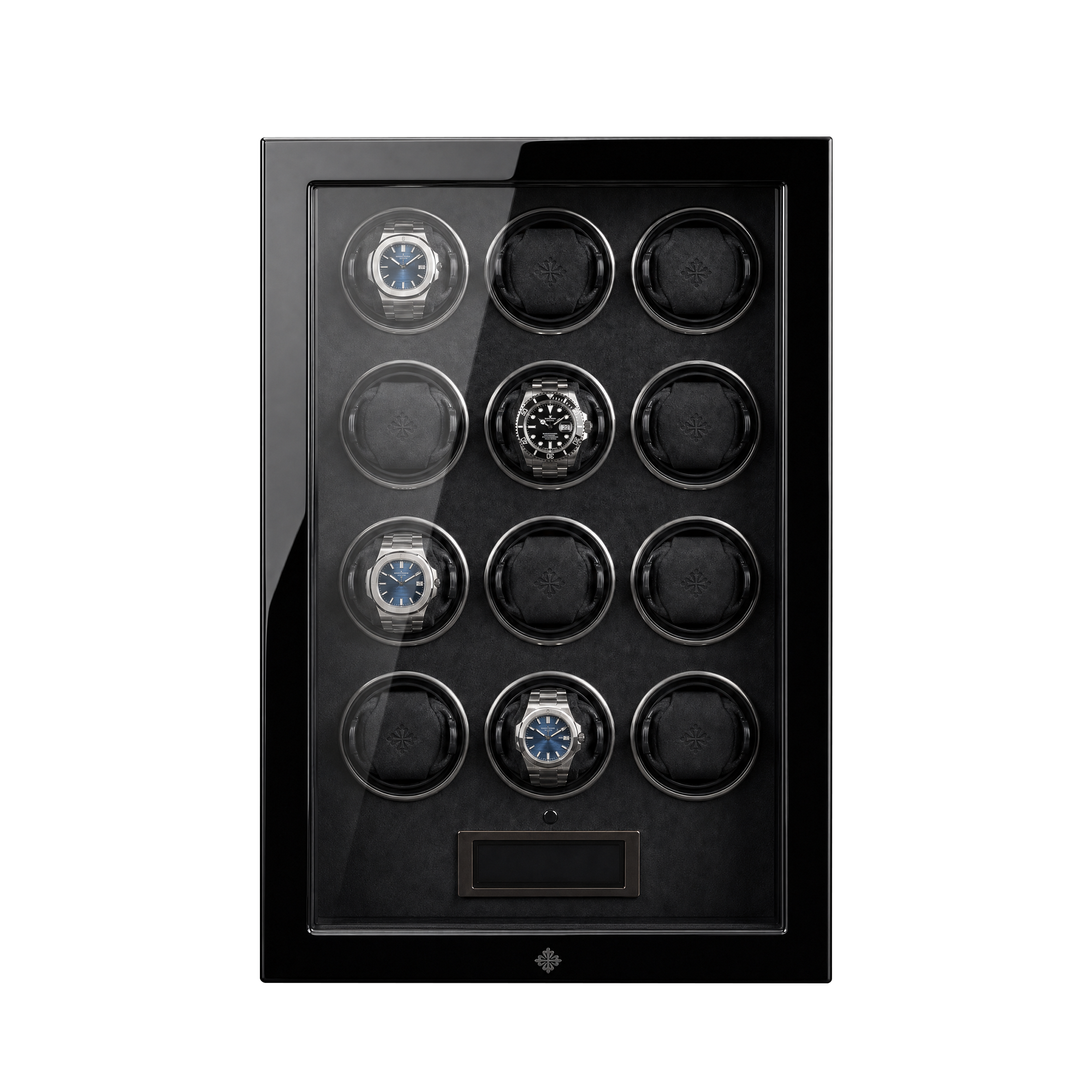

Chronographs are mechanically demanding. The extra gear trains, levers, and springs that drive the stopwatch function draw more power from the mainspring than a simple three-hand automatic. When a chronograph runs on a winder, TPD settings matter more because the watch needs more wind to stay at reserve. This guide covers chronograph-specific winder considerations and the right picks for chronograph owners.
Why Chronographs Have Higher Power Demand
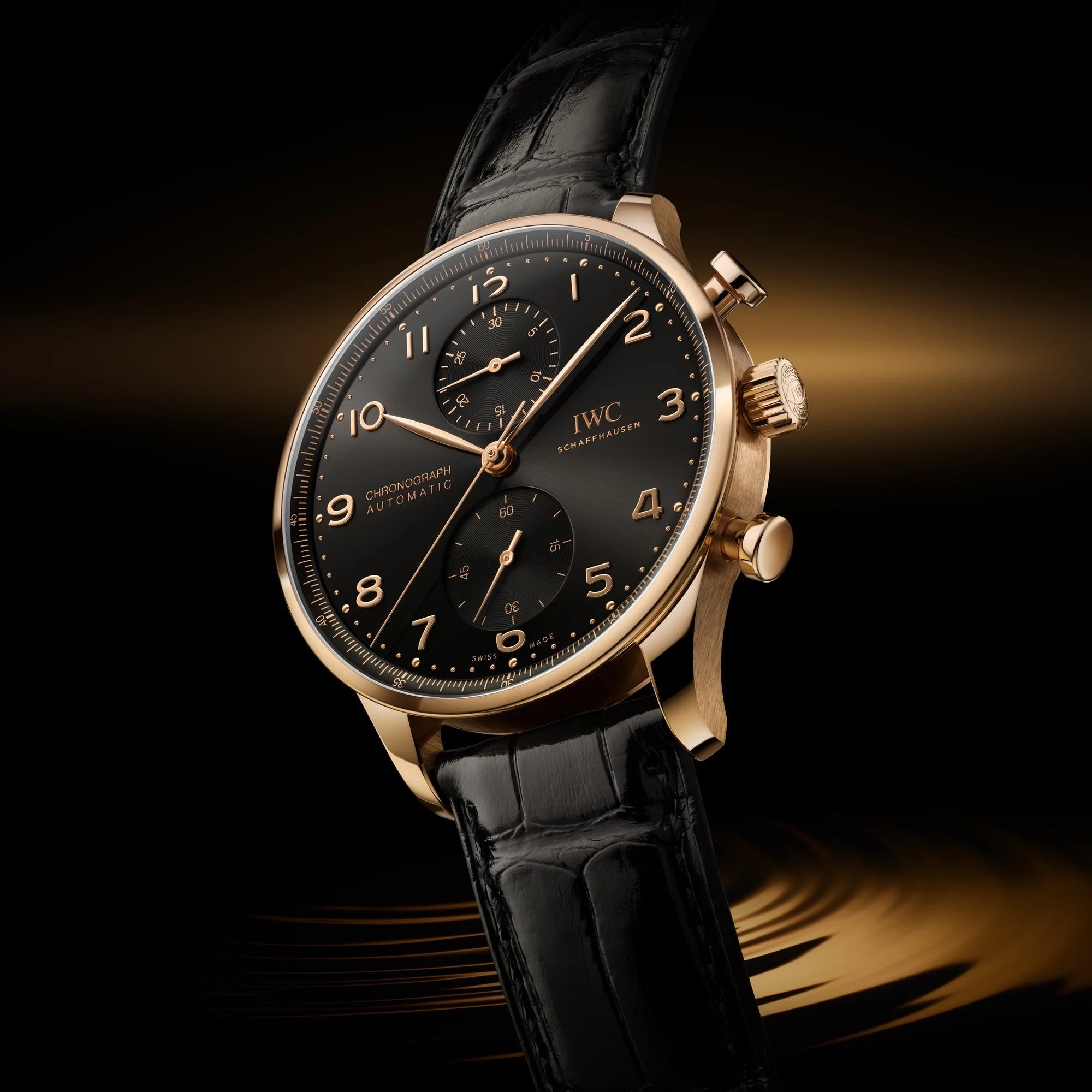
A standard automatic drives hours, minutes, and seconds. A chronograph adds.
- A central chronograph seconds hand driven by a column wheel or cam system
- One or more sub-dials for elapsed minutes and hours
- Clutch mechanisms that engage and disengage the chronograph gear train
- Reset hammers that snap the chronograph hands to zero
When the chronograph is engaged (counting), the additional gear train draws mainspring power. Over a long chronograph run, reserve drops faster than normal automatic operation.
For winder programming, this means chronographs often benefit from slightly higher TPD than their base caliber would suggest. Not always dramatically higher, but enough that fixed low-TPD winders can leave a chronograph under-wound.
TPD and Direction for Major Chronograph Calibers
| Caliber | Brand/Model | TPD | Direction |
|---|---|---|---|
| Cal. 4130 | Rolex Daytona | 650-800 | Bi-directional |
| Cal. 9300 | Omega Speedmaster Racing/Dark Side | 650 | Bi-directional |
| Cal. 1861 | Omega Speedmaster Professional (manual) | N/A manual wind | N/A |
| B01 | Breitling Chronomat/Navitimer | 650-800 | Bi-directional |
| Cal. 2385 / 3126/3840 | Audemars Piguet Royal Oak Chronograph | 800 | Bi-directional |
| Cal. CH 29-535 PS | Patek Philippe Chronograph | 800 | Counterclockwise |
| Cal. L951.5 | A. Lange & Söhne Datograph | 650-750 | Bi-directional |
| Cal. L688 | TAG Heuer Carrera Heuer 02 | 650 | Bi-directional |
Note the Speedmaster Professional uses a manual-wind caliber (1861 or 3861) and shouldn’t go on a winder. Keep that one off the winder and wind manually when worn. For full reference, see TPD data by brand.
Chronograph-Specific Winder Setup
Best practices for chronograph owners.
Disengage the chronograph before placing on winder. A chronograph left running while on the winder draws power continuously and can keep the reserve below full. Stop the chronograph and reset hands to zero before placing in the winder.
Use the upper end of TPD range. Chronographs benefit from slightly higher TPD than plain automatics of the same base caliber. If a base caliber recommends 650, chronograph versions often settle well at 750 to 800.
Respect the direction. Most modern chronographs wind bi-directionally. Patek chronographs are counterclockwise. Check the caliber.
Leather-lined pillow. Chronograph bracelets often have pushers on the side that can press against pillow materials. Leather is soft enough to avoid marking.
Enigwatch Models for Chronograph Collections
Chronograph owners typically want a winder that handles high-quality complications reliably.
Single chronograph plus daily wearer. The Impresario 2 covers both.
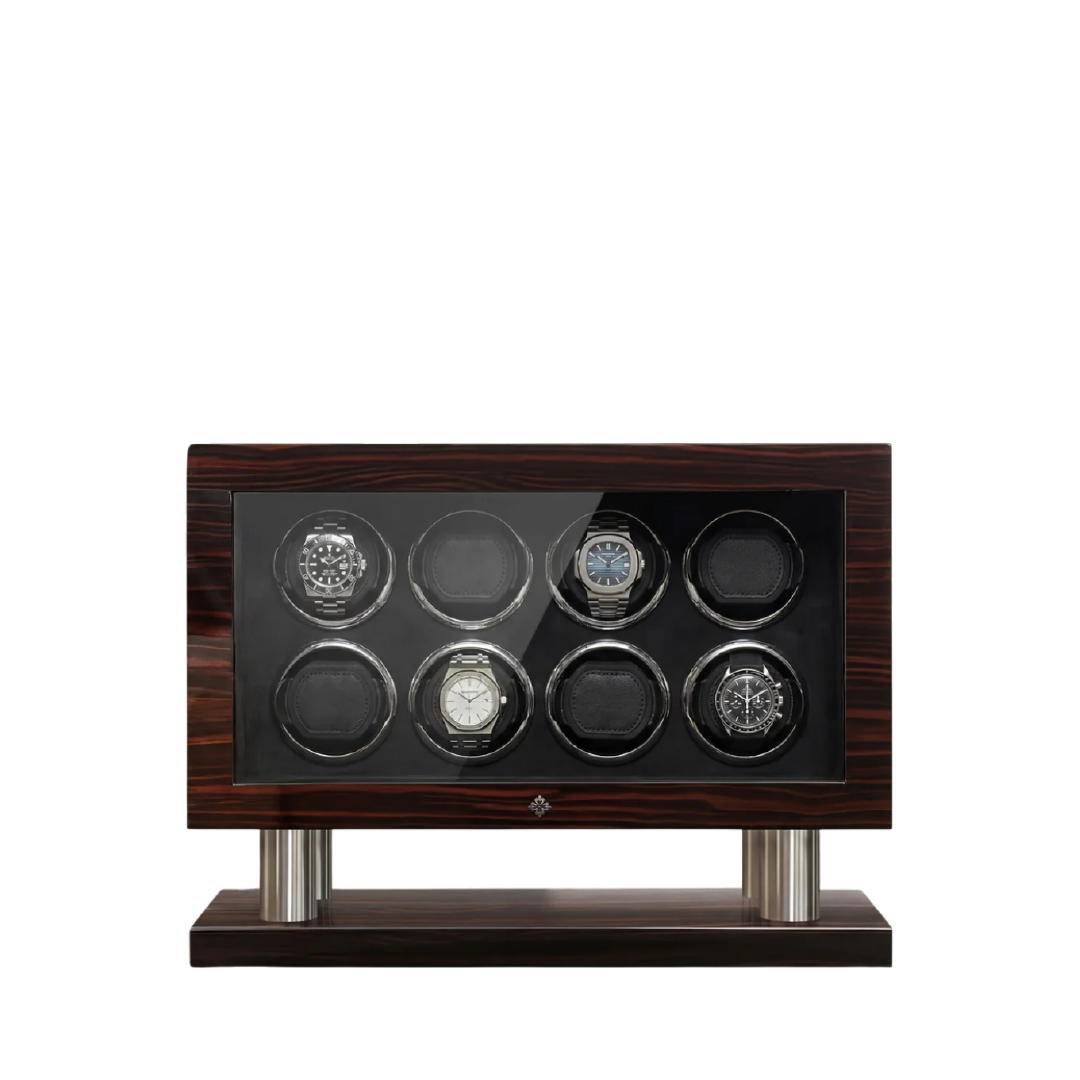
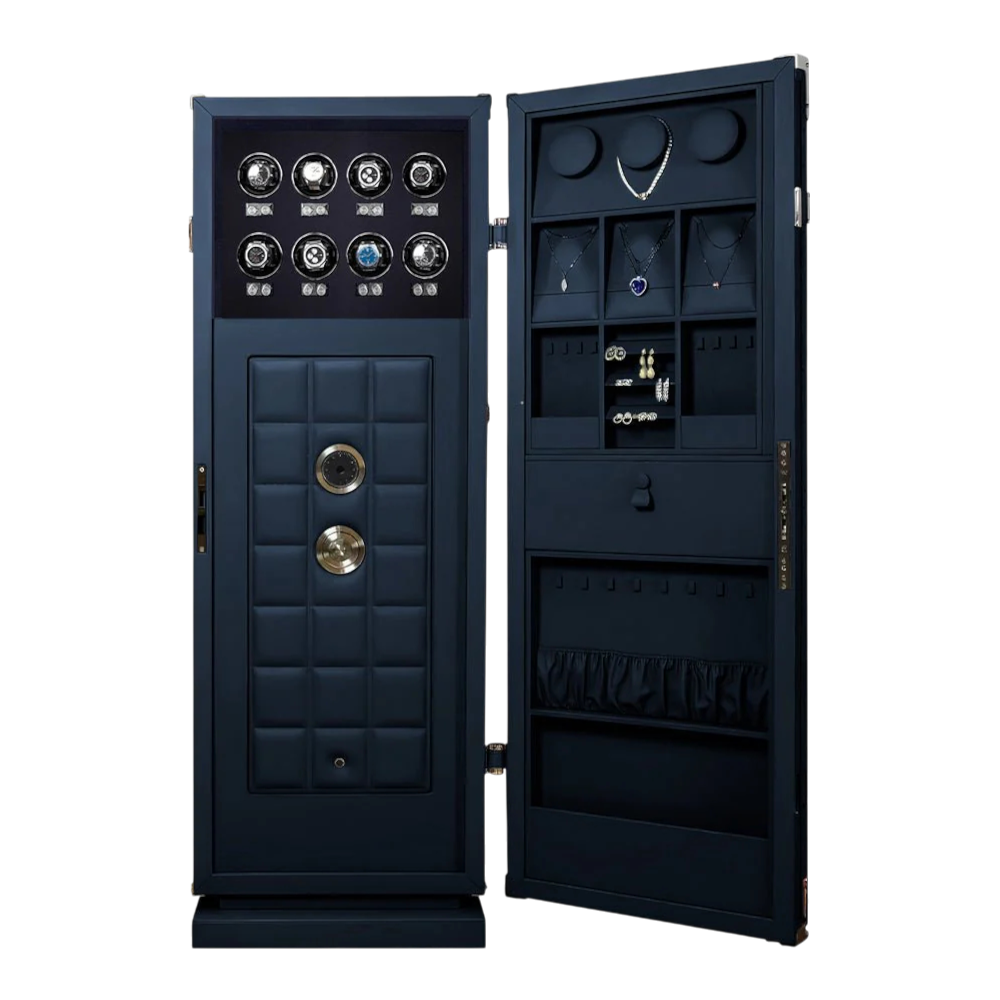
Chronograph collection (3-6 pieces). The Impresario 6 or Virtuoso Series (enclosed) for dust-sensitive storage.
Mixed collection with chronographs. The Impresario 12 handles 12 watches with full per-rotor programming, including chronograph-specific TPD.
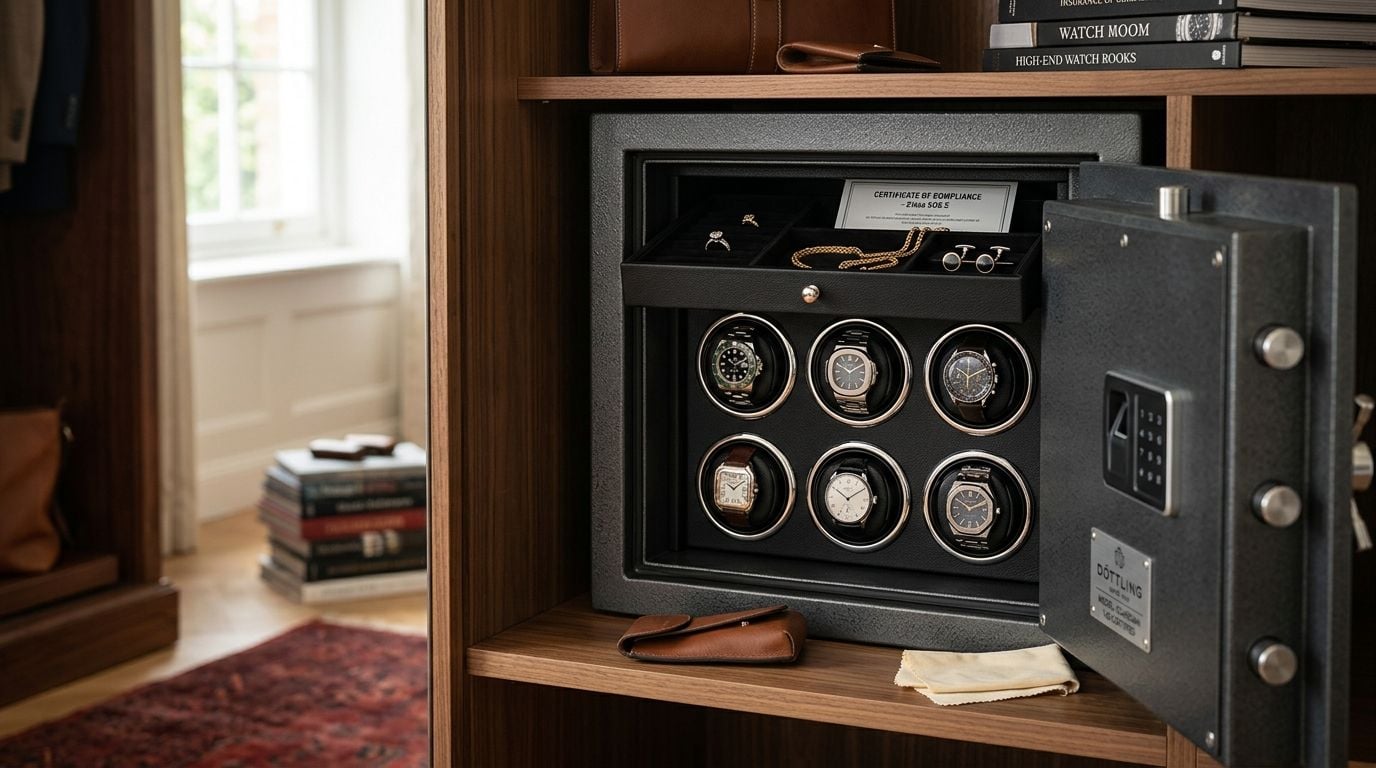
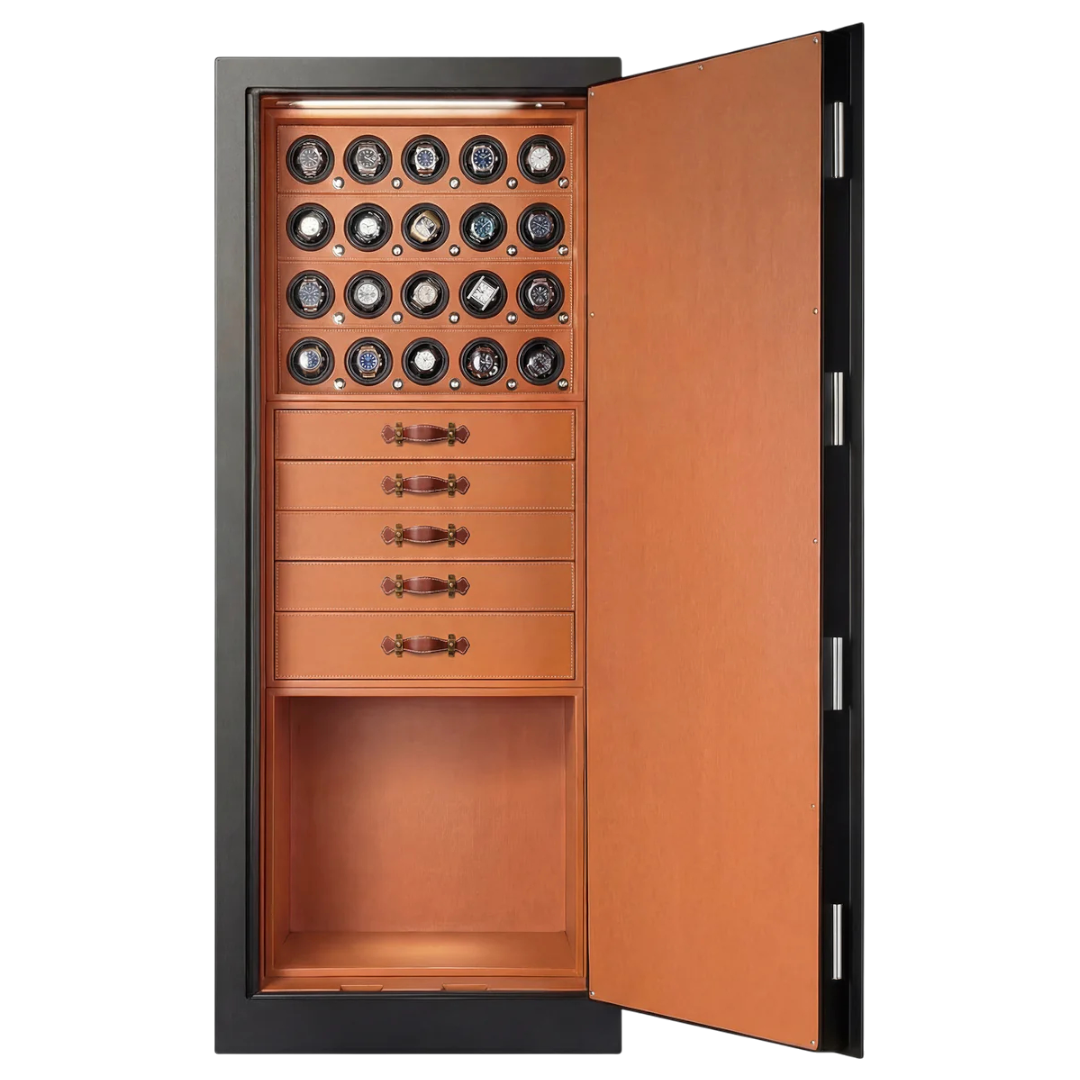
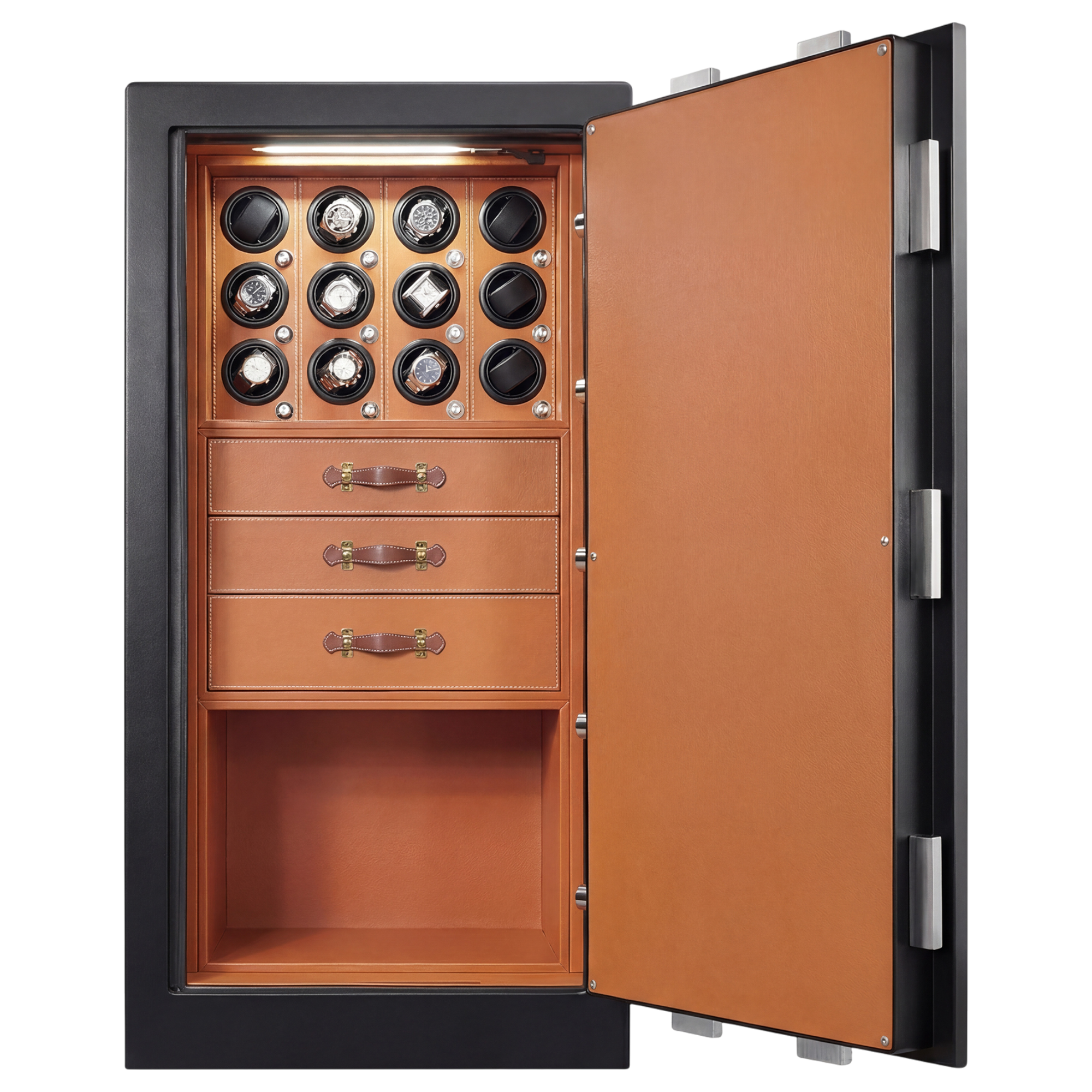
Integrated security. The Veron 12 combines winder and safe for high-value chronograph collections.
What If Your Chronograph Stays Under-Wound
Common diagnostic steps.
- Increase TPD to the upper end of the caliber spec
- Confirm chronograph is disengaged (not running) while on winder
- Check pillow grip (loose pillow means watch slumps and doesn’t wind)
- Verify the winder is actually rotating (cheap units sometimes stall)
- Check the movement itself for service needs
For general rate issues, see my watch gains or loses time.
Running the Chronograph Function On-Winder
Some collectors like to run the chronograph while the watch is on the winder, treating it as a display feature. Mechanically acceptable on quality chronographs but.
- Power draw stays higher
- Chronograph gear train wears faster than if disengaged
- Over decades, adds cumulative wear
For long-term watch health, disengage the chronograph when placing on the winder. The display benefit isn’t worth the wear.
Frequently Asked Questions
Do chronographs need different TPD than regular automatics?
Often the upper end of the base caliber’s range. Example: a 4130 Daytona might do fine at 650 TPD with chronograph off, but 750-800 with the chronograph occasionally running.
Should I leave the chronograph running on the winder?
No. Disengage before placing in the winder. Reduces wear on chronograph gear train.
Can I use one winder for chronograph and dress watches?
Yes with per-rotor TPD and direction control.
What about manual-wind chronographs like the Speedmaster Professional?
Don’t put on a winder. Manual-wind movements lack rotors. Wind by hand when wearing.
Does chronograph use age the movement faster?
Only in the chronograph train. Regular hour/minute/seconds components aren’t affected. Plan on standard 5-10 year service intervals.
Can a winder wind the chronograph mechanism?
No. The winder winds the mainspring via the rotor. The chronograph draws from that mainspring when engaged.
Is a flyback or rattrapante chronograph different?
Same TPD and direction as the base chronograph caliber. The complication is engaged via pushers, not ongoing winding.
The Right Chronograph Setup
Program the upper end of TPD for the caliber. Disengage the chronograph. Use a quality winder with Mabuchi motors and per-rotor programming. The Impresario Series or Virtuoso Series cover the quality range for chronograph collections.
Related reading: TPD explained, watch winder direction, how to choose a watch winder.
Protect Your Watch Collection
Designed for collectors who demand the best. Explore our premium watch winders and luxury safes.
Protect Your Watch Collection
Designed for collectors who demand the best. Explore our premium watch winders and luxury safes.