
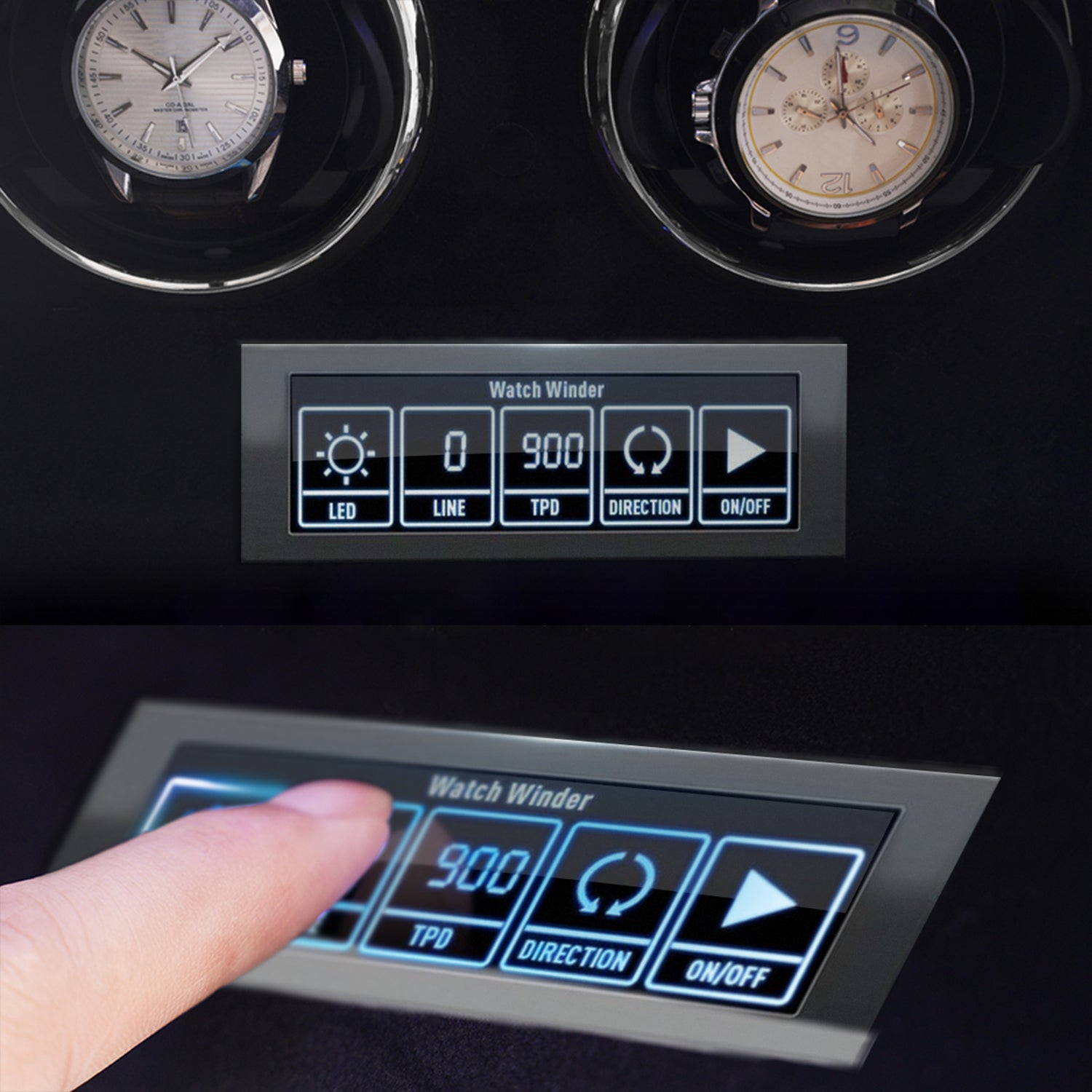
A watch winder runs on one of three power sources: mains, battery, or both. For most collectors, mains is the right answer. For travelers and certain edge cases, battery matters. This guide covers how each power source works, how long batteries actually last, and which option fits your use.
Mains Power: The Default

A mains-powered winder plugs into a wall outlet and runs continuously. The motor pulls minimal current. Most winders consume under 2 watts per rotor, which is less than a USB charger. Leaving a winder plugged in 24/7 costs pennies per year in electricity.
Mains is the right choice for any winder that lives in one place. No batteries to replace. No runtime to track. No surprise stoppages at 4 AM when the battery dies.
Battery Power: The Travel and Edge Case Option

Battery-powered winders run on rechargeable lithium cells or standard AA or D batteries. Runtime varies dramatically based on capacity and motor duty cycle. Typical runtime.
| Battery Type | Typical Runtime | Best Use |
|---|---|---|
| Standard AA (4 cells) | 1 to 3 weeks | Short travel, power outage backup |
| Standard D (4 cells) | 6 to 10 weeks | Extended travel |
| Rechargeable Li-ion | 2 to 5 weeks per charge | Regular travel, office |
| Mains with battery backup | Unlimited + 1-2 weeks buffer | Home winder in power-unreliable areas |
When to Choose Battery
Buy a battery-powered or battery-capable winder if any of the following apply.
You travel with a complicated automatic. Hotel outlets vary, and a battery-capable winder removes the adapter-and-outlet hassle.
Your home has unreliable power. Brownouts and outages happen. A winder with battery backup keeps your automatics running through interruptions without needing reprogramming.
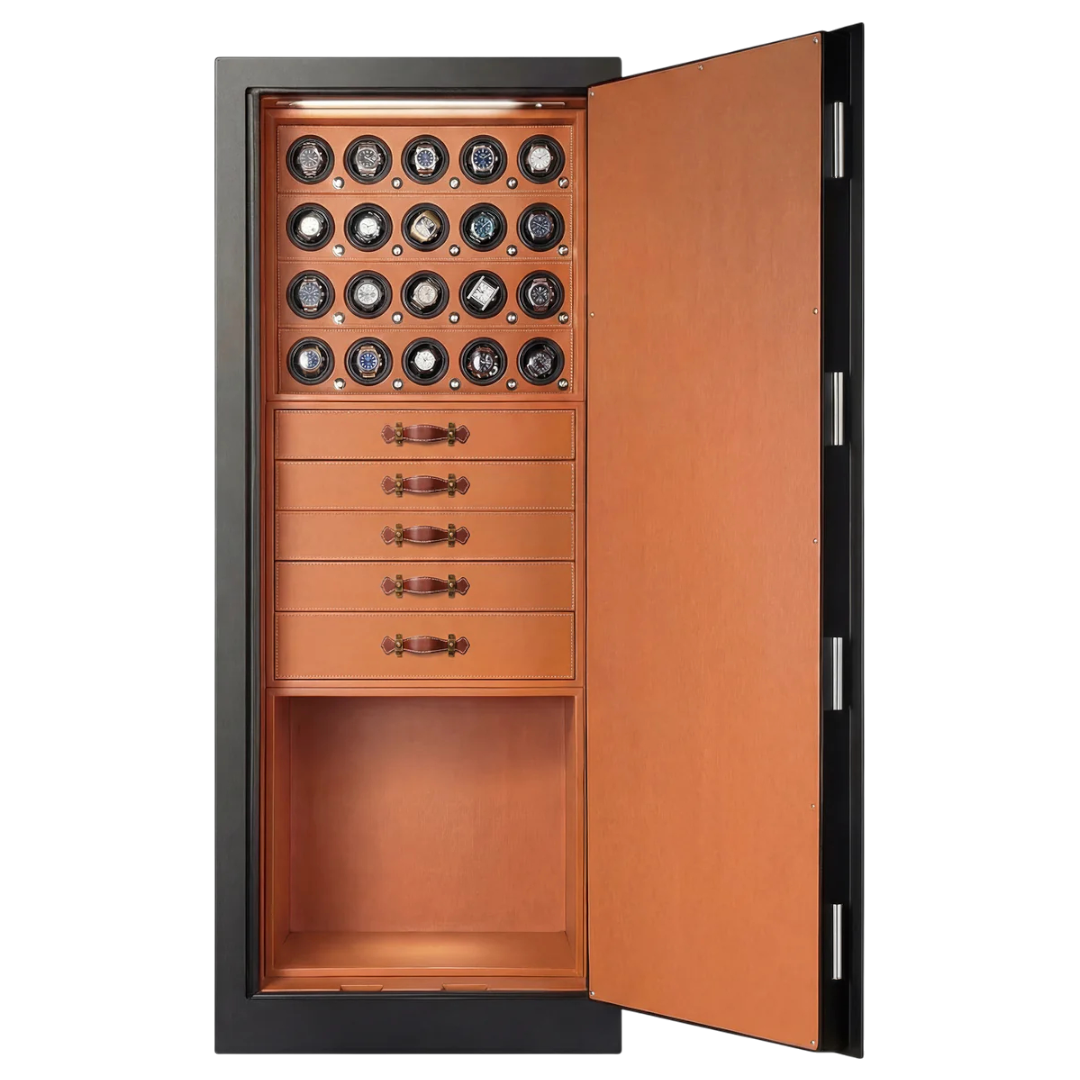
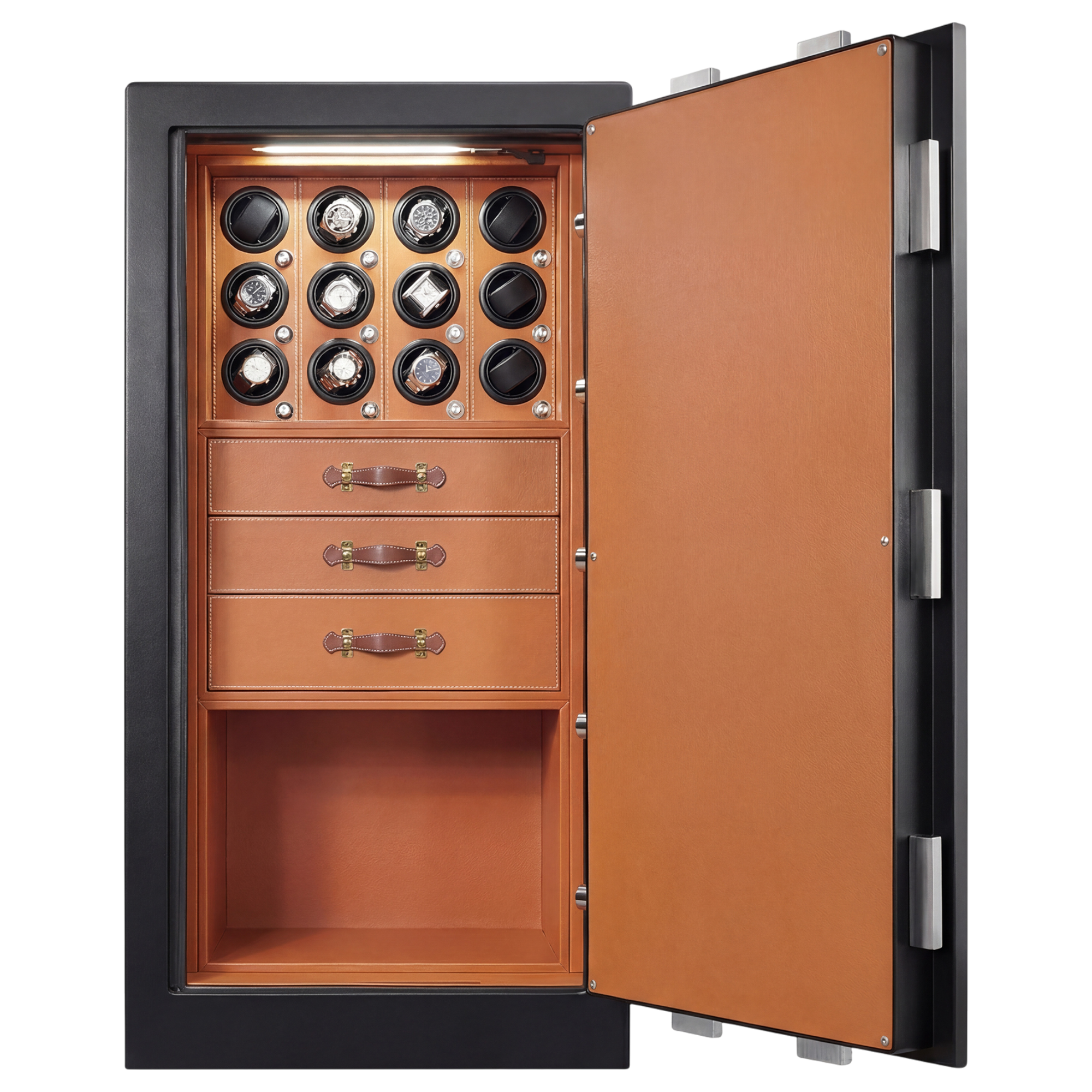
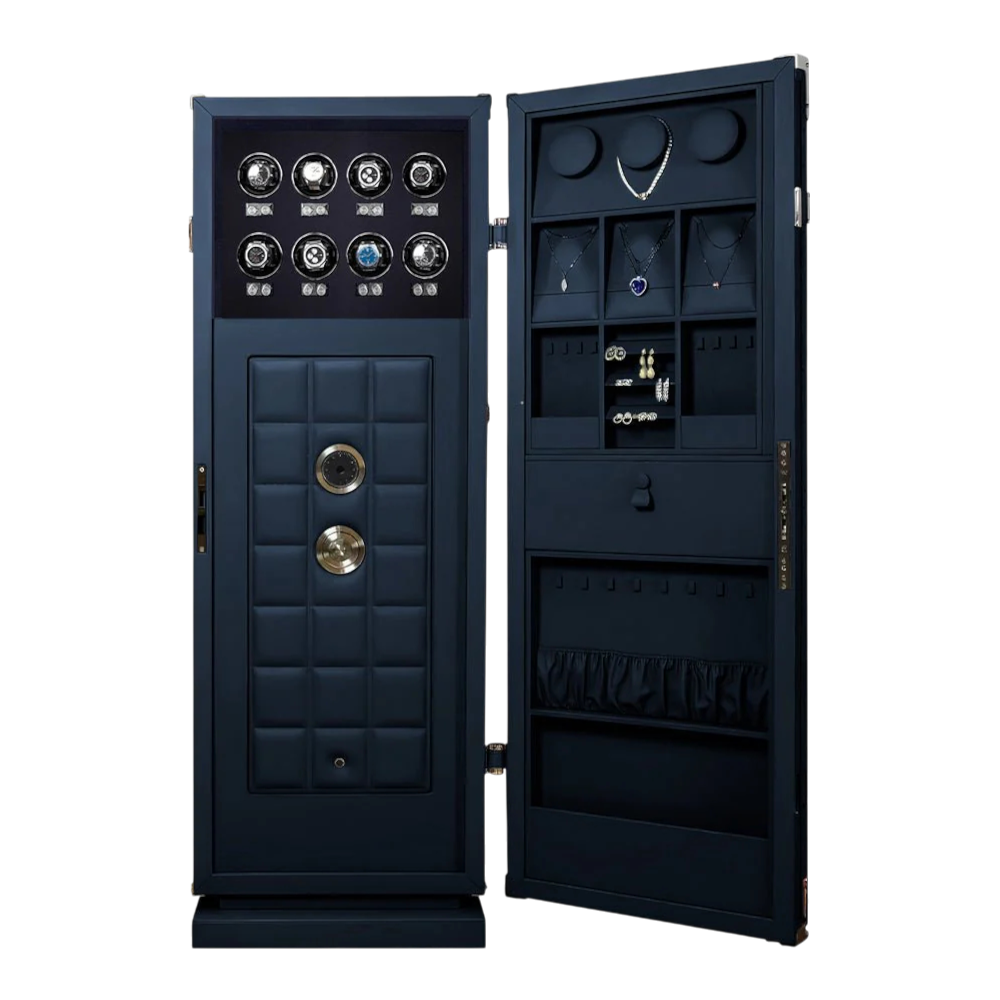
You keep a winder in a location without nearby outlets. A safe interior, a remote cabinet, or a location where running a cord isn’t practical.
When to Stick With Mains
Mains wins for the common case. A dresser-mounted winder. A desk winder in an office. A cabinet winder in a dressing room. All of these have outlets nearby and no reason to carry the battery cost, runtime limit, or replacement hassle.
Hybrid Power Supplies
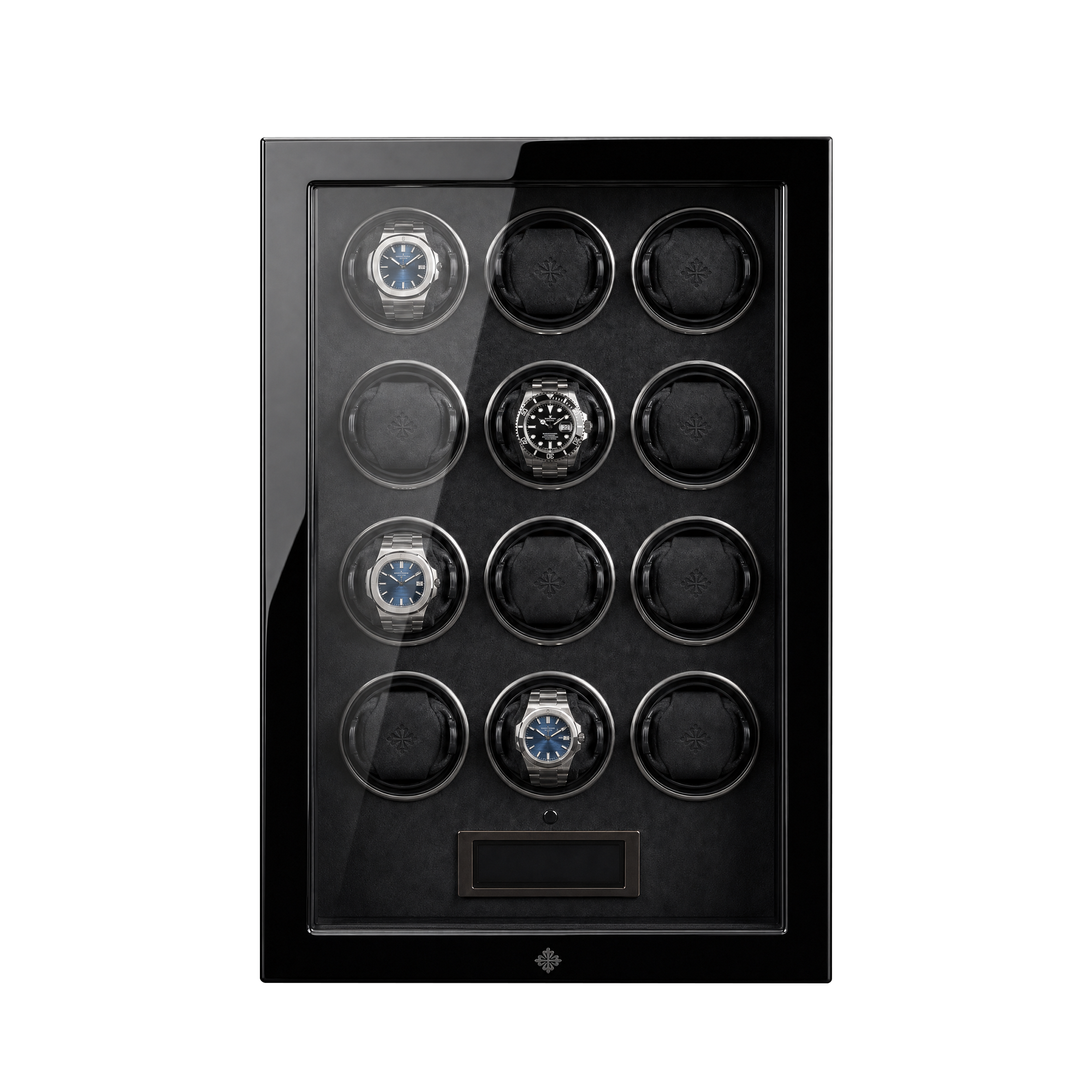
The best compromise is a mains-powered winder with battery backup. The motor runs on mains under normal conditions, and the battery takes over during outages. Battery runtime of one to two weeks is enough to cover most power interruptions and extended vacations where you’ve unplugged before leaving.
The Impresario line and Virtuoso line include programming memory backup batteries, so even if the mains drops, your TPD settings survive the outage.
Common Power-Related Problems
Buzzing or humming from the wall adapter. Cheap transformers create electrical noise. Quality winders ship with properly-specified adapters that run silent.
Winder stops during storms. Surge events can reset electronics. A surge protector between the outlet and the winder fixes this.
TPD settings reset on power loss. Look for winders with memory backup battery that preserves programming during outages.
Battery winder runs out during travel. Plan runtime conservatively. A spec sheet claim of 4 weeks often means 2 to 3 weeks in real use with quality batteries.
Frequently Asked Questions
Can I leave a mains winder plugged in 24/7?
Yes. Quality winders are designed for continuous operation. Total power draw is typically under 2 watts per rotor.
Do battery winders wind as fast as mains winders?
Motor speed is the same. Battery capacity limits runtime, not winding performance.
Will a power outage damage my winder?
No. Winders safely stop when power drops and resume when it returns. Programming may reset without backup battery.
How long does a battery winder run on one charge?
Two to five weeks depending on battery capacity and rotor count. Spec claims are usually optimistic. Assume 70 percent of the claimed runtime in practice.
Can I use rechargeable batteries in a standard battery winder?
Usually yes, though voltage differences can cause the motor to run slower. Check the manual.
Do all watch winders have a battery option?
No. Most home winders are mains-only. Dedicated travel winders and higher-end cabinets typically include battery capability.
Which is cheaper long-term, mains or battery?
Mains, by a lot. Electricity is cheap. Disposable batteries add up. Rechargeable batteries eventually fail and need replacement.
The Short Answer
Mains for home. Battery-capable for travel. Hybrid (mains with battery backup) for collectors in areas with unreliable power. The Winder Series covers all three configurations. For travel-specific considerations, see our guide on best travel watch winders or the existing travel watch winders overview.
Protect Your Watch Collection
Designed for collectors who demand the best. Explore our premium watch winders and luxury safes.
Protect Your Watch Collection
Designed for collectors who demand the best. Explore our premium watch winders and luxury safes.