Concierge Assistance:
+1 (833) 600-0077
Message us on WhatsApp →
Discover the Summer Collection
No matches for “”
Sign In
0
The Winders
Impresario™
Virtuoso™
Yachtline™
View all winders →
The Vaults
Titan Sanctum™
Veron Elite™
Centennial™
View all vaults →
The Cabinets
Bespoke
Journal
Schedule Installation
The Winders
Watch Winder for Omega
Winders suited to Omega calibres and their turns per day.
08
OF
08
MODELS
CONFIGURED FOR
—
TIMEPIECES
At a Glance
Add to Cart
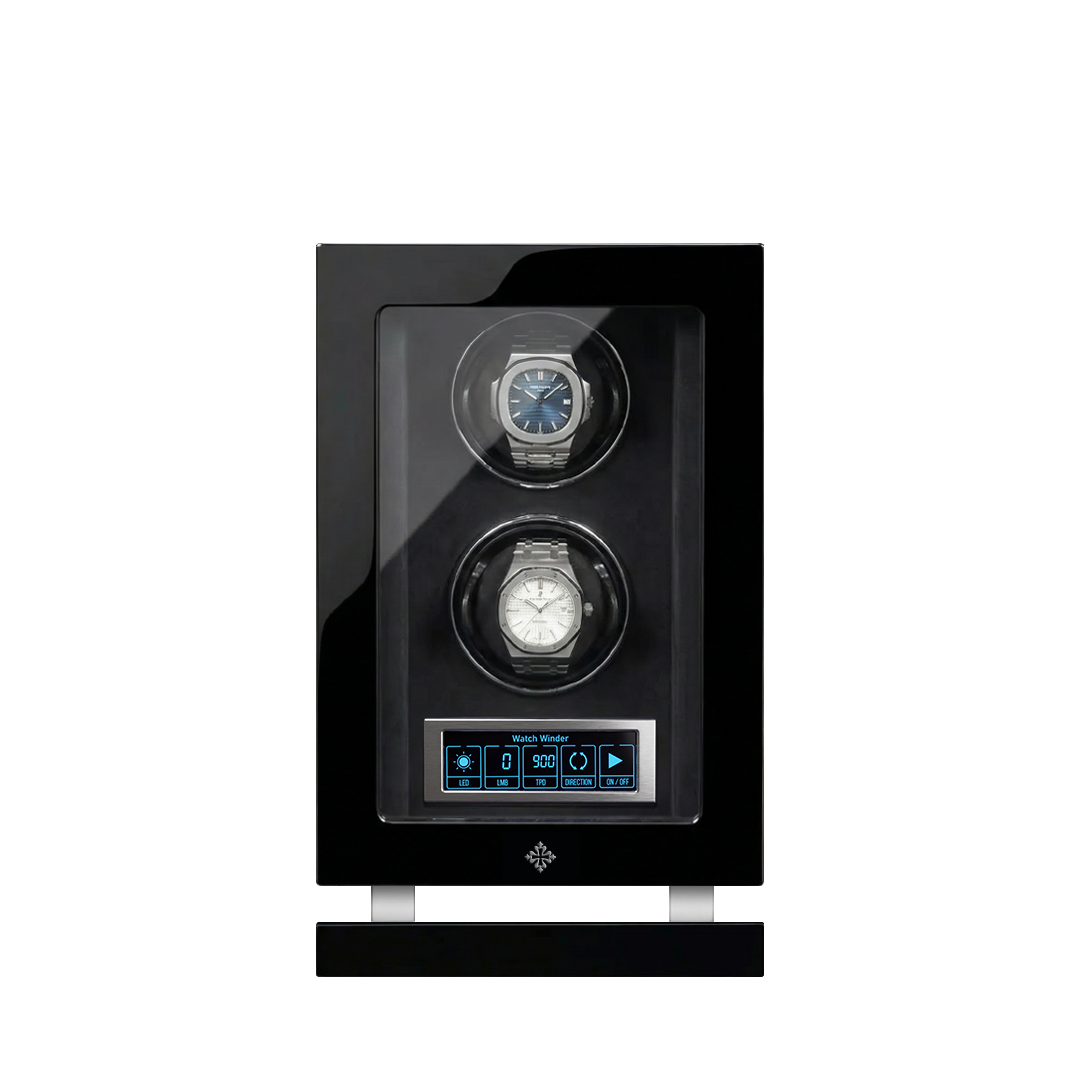
Impresario™
2
2-
$649
or 4 ×
$162
with Affirm™
At a Glance
Add to Cart
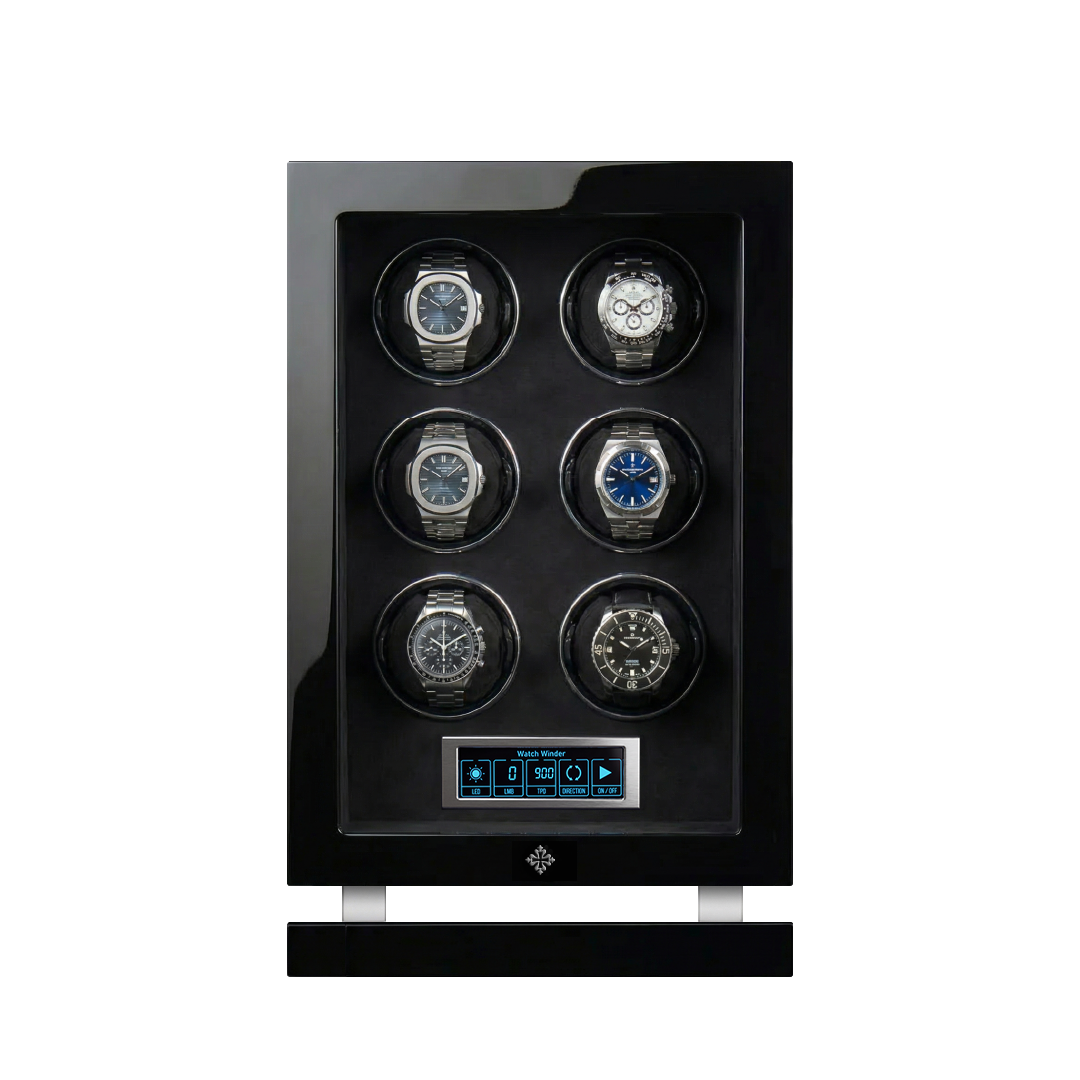
Impresario™
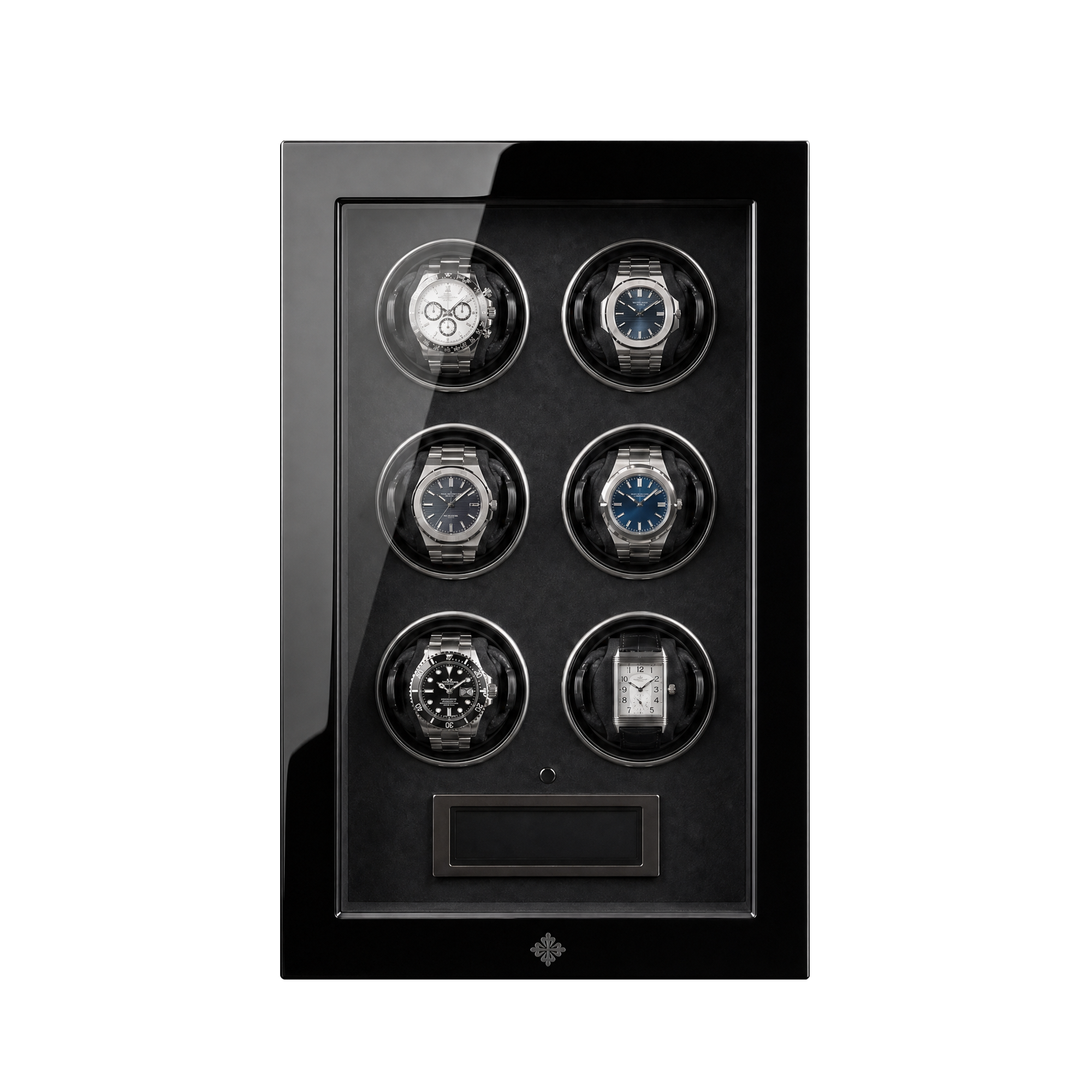
6
6-
$1,199
or 4 ×
$300
with Affirm™
At a Glance
Add to Cart
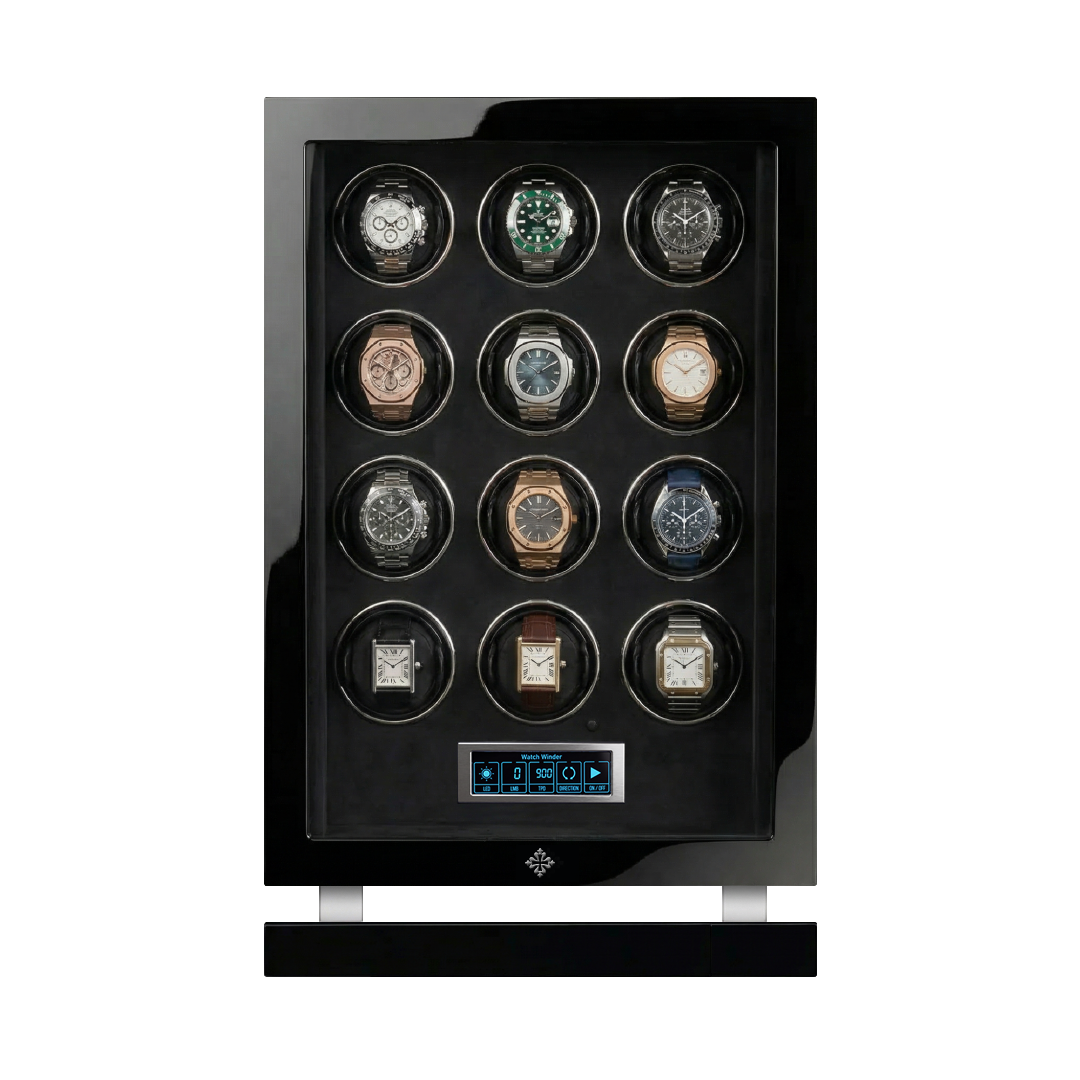
Impresario™
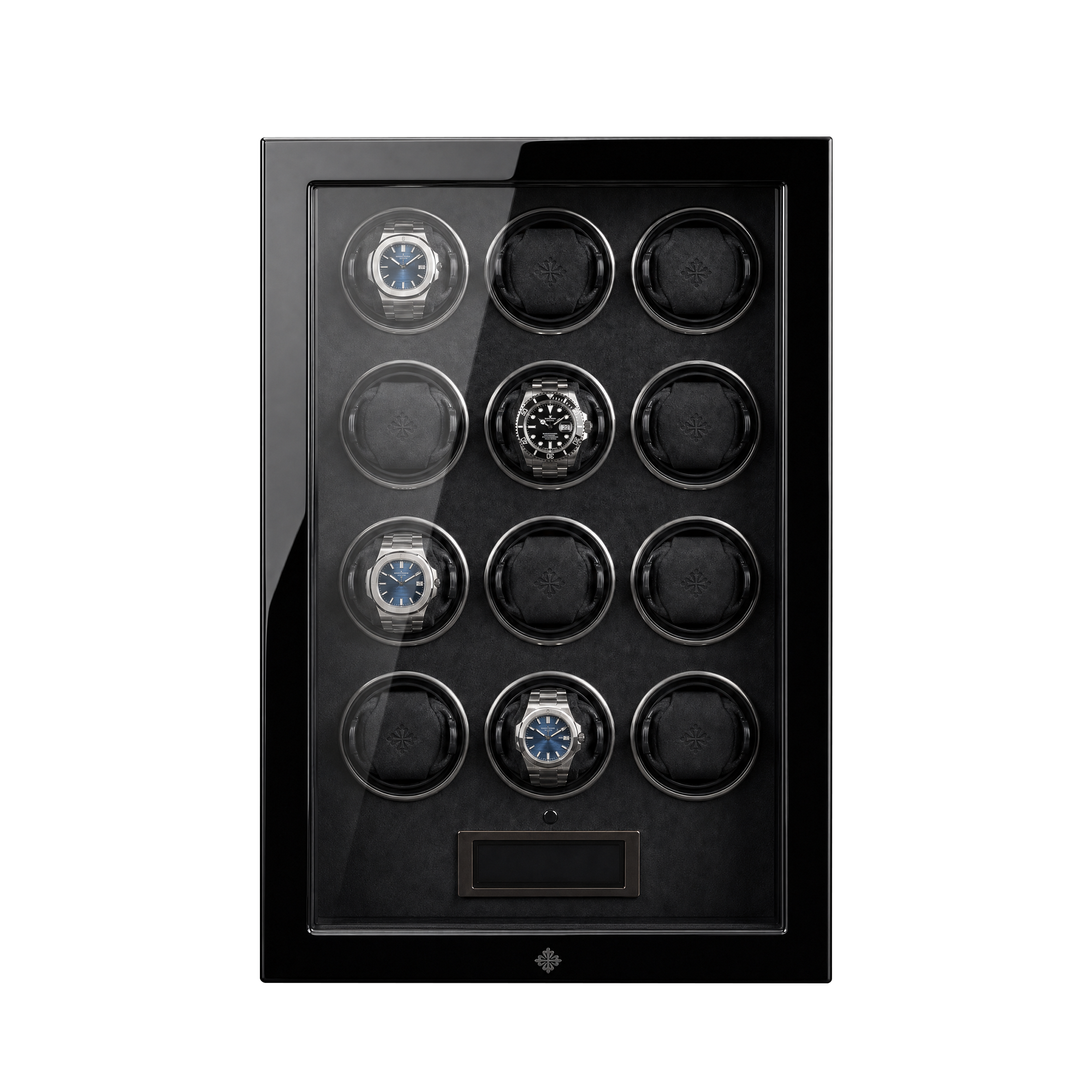
12
12-
$1,499
or 4 ×
$375
with Affirm™
At a Glance
Add to Cart
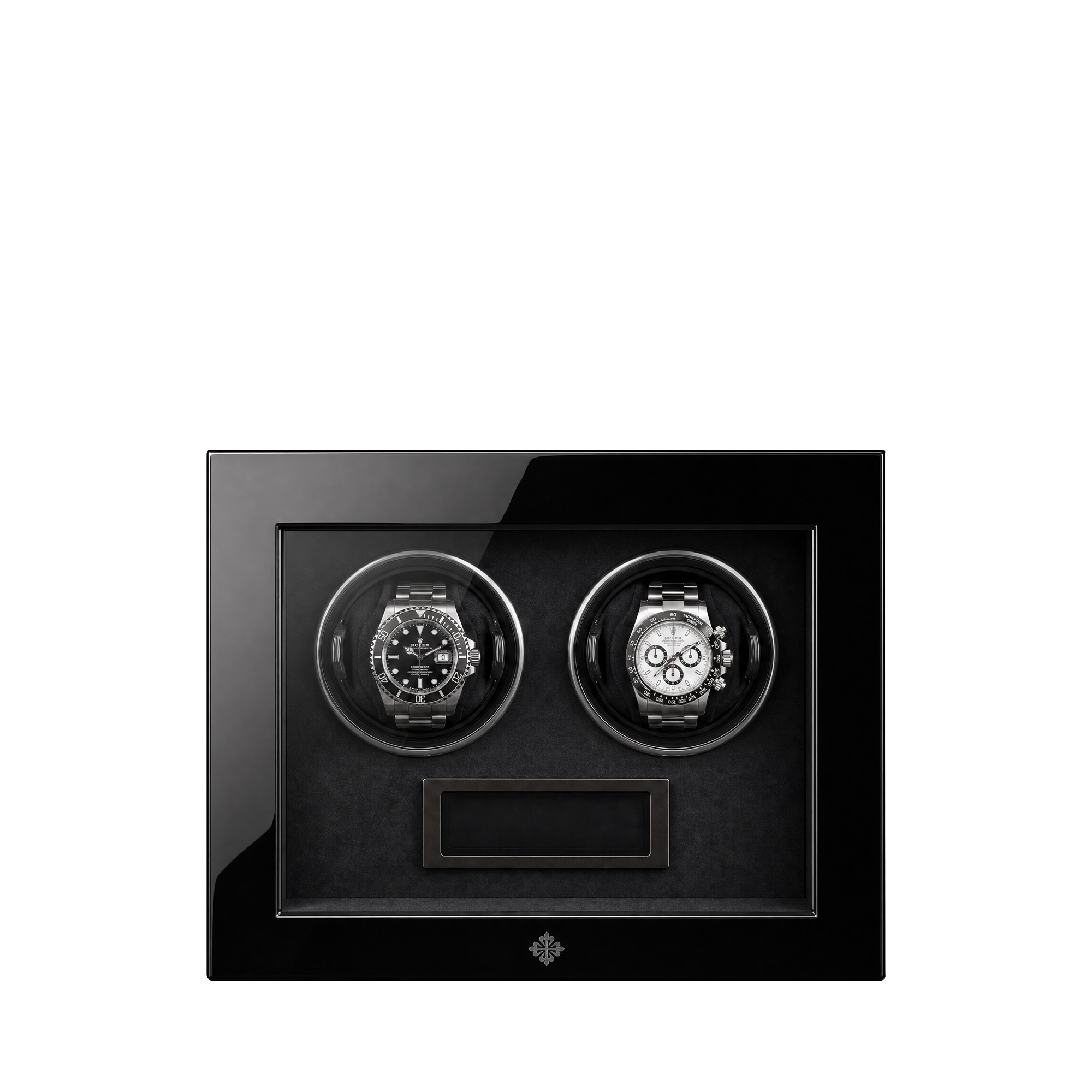
Virtuoso™
2
2-
$599
or 4 ×
$150
with Affirm™
At a Glance
Add to Cart
Virtuoso™
6
6-
$949
or 4 ×
$237
with Affirm™
At a Glance
Add to Cart
Virtuoso™
12
12-
$1,299
or 4 ×
$325
with Affirm™
At a Glance
Add to Cart
Yachtline™
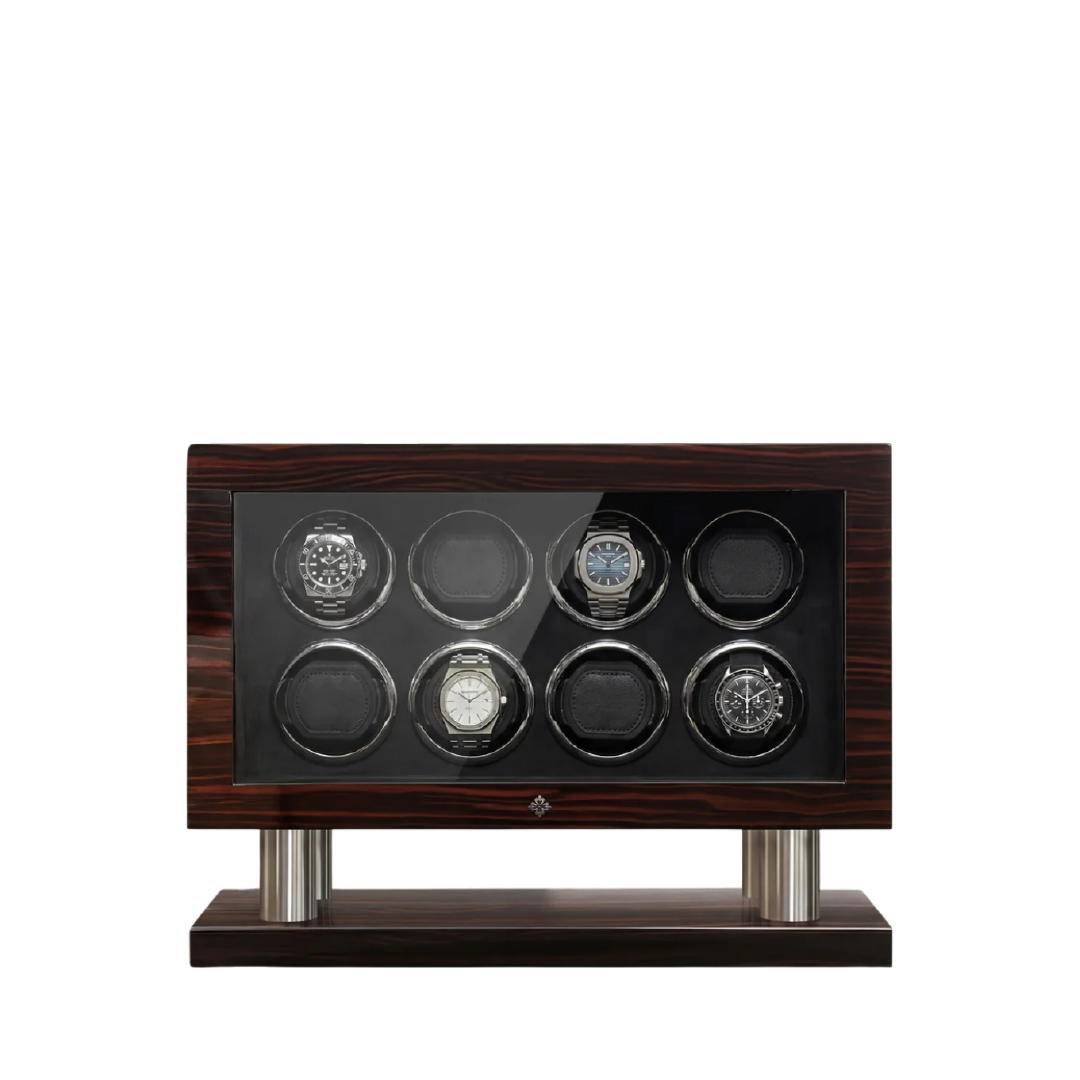
8
8-
$1,399
or 4 ×
$350
with Affirm™
At a Glance
Add to Cart
Yachtline™
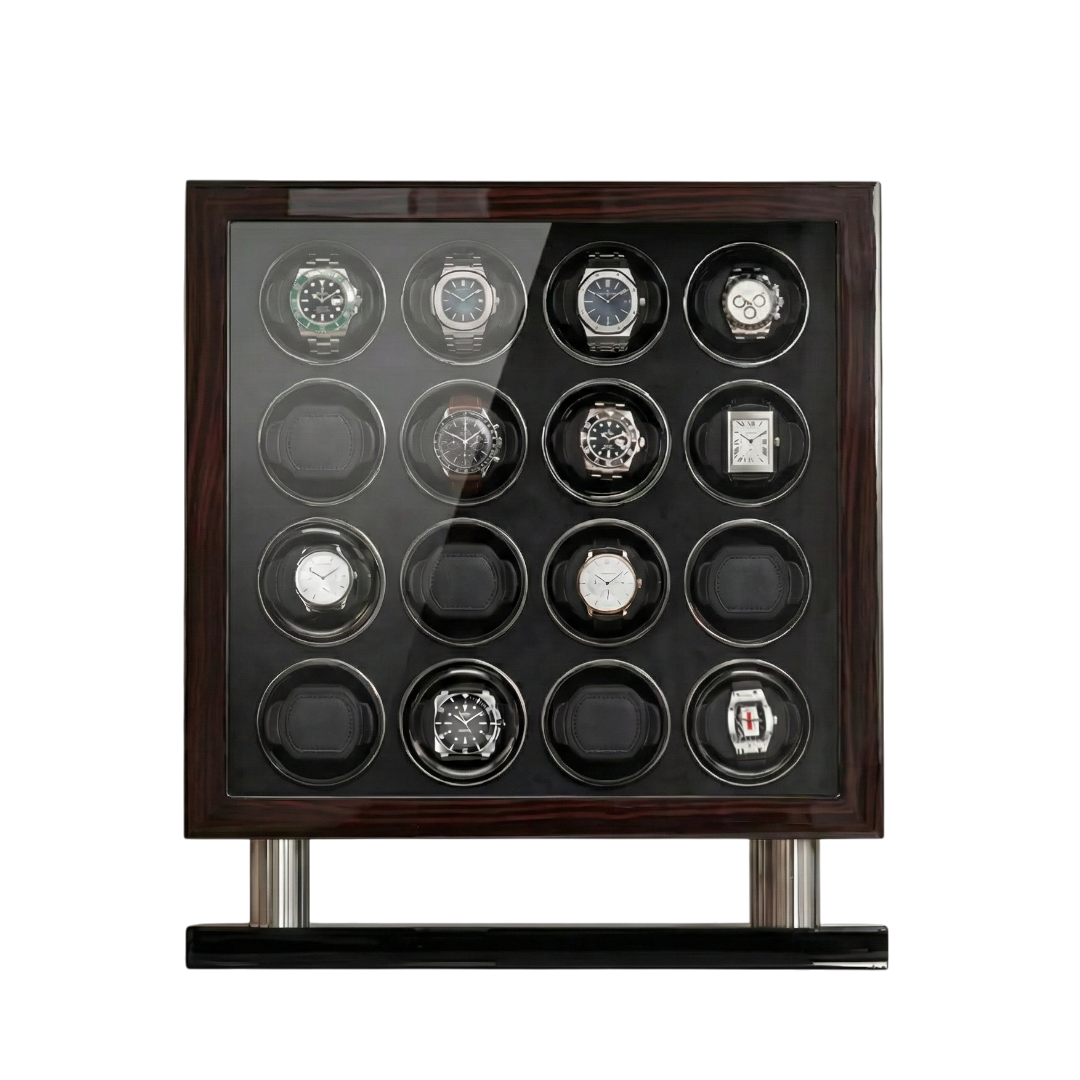
16
16-
$2,299
or 4 ×
$575
with Affirm™