
The Tudor Pelagos runs on the MT5612 (or MT5621 in the LHD variant) — an in-house movement with a 70-hour power reserve that Tudor rates for bidirectional winding. Getting the winder settings right keeps the Pelagos accurate and prevents unnecessary mainspring stress. This guide covers exactly what the Pelagos needs, what to avoid, and which Enigwatch winders fit the bill in 2026.
TL;DR: The Tudor Pelagos needs 650–800 TPD, bidirectional rotation, with rest intervals built into the program. For a single Pelagos, the Impresario Series 2 is the clean choice. For collectors rotating multiple pieces, the Impresario Series 6 or Virtuoso Series 6 cover the Pelagos alongside other automatics without compromise. All three use Japanese Mabuchi motors and are covered by Enigwatch’s lifetime warranty.
Why This Matters
The MT5612 is a high-beat movement — 28,800 vph — with a silicon hairspring that handles magnetic fields well, but that does not mean any winder will do. Set TPD too high and the rotor runs continuously, which wears the winding mechanism over time without adding meaningful power. Set it too low and the Pelagos drops out of wind after a day off the wrist. Tudor does not publish a single official TPD figure, but movement engineers and collector consensus in 2026 put the Pelagos comfortably wound at 650–800 TPD bidirectional. That range satisfies the mainspring without stressing the slipping clutch.
Who This Is For
This guide is written for the Pelagos owner who treats the watch as a daily-rotation piece — someone who wears it three or four days a week and wants it ready, wound, and accurate on the days it sits. That might be a diver who also owns a dress watch or two, or a collector whose Pelagos shares a drawer with a Submariner and a Seamaster. The common thread: you are not leaving the Pelagos in a drawer and manually winding it each morning. You want the winder to do that work correctly.
What to Look For in a Watch Winder for Tudor Pelagos
TPD Range That Covers 650–800
Not every winder on the market reaches 800 TPD. Some entry-level units top out at 650 and offer no fine-tuning between modes. For the Pelagos, you need a winder that lets you dial in somewhere in the 650–800 range with discrete, programmable steps — not a three-position switch labeled “low/medium/high.” Enigwatch winders program TPD in specific increments, so you are not guessing.
Bidirectional Motor Operation
The MT5612 winds in both directions. A clockwise-only winder will still wind the Pelagos, but it wastes roughly half of every rotation cycle. Bidirectional operation means the rotor charges the mainspring on both the forward and return stroke, reaching your target TPD with fewer total rotations. That is gentler on the movement long-term. Confirm the winder runs true bidirectional — not “alternating” programs that simply switch direction on a timer without completing full arcs.
Rest Intervals
Continuous rotation is the wrong approach for the Pelagos. The movement’s slipping clutch is designed to disengage when the mainspring is fully wound — but sustained mechanical pressure still creates wear. A winder that programs in rest periods (rotate for 2 minutes, rest for 4, repeat) keeps the mainspring at full charge without the motor running against a fully tensioned spring for hours. This is the single most overlooked spec when buyers compare winders.
Motor Noise
The Pelagos is a dive watch built for the water, but the winder almost certainly lives in a bedroom or study. Japanese Mabuchi motors — the standard across Enigwatch’s lineup — run at noise levels measured under 20 dB at 1 meter in normal room conditions. Cheap DC motors without precision bearings produce audible vibration that is noticeable at night. If the winder sits on a nightstand or inside a cabinet with reflective surfaces, motor quality is not cosmetic — it is a practical requirement.
Pillow Fit for a 47mm Case
The Pelagos runs large. The 42mm case with its titanium bracelet and asymmetric crown-protection system adds real bulk at the lug. Some winders sized for “standard” watches use pillows that do not accommodate 47mm-range cases without the bracelet pinching or the watch sitting at an angle. Verify pillow diameter before ordering — or choose a winder that ships with interchangeable pillows.
Build Quality That Matches the Watch
A Pelagos retails between $4,000 and $5,800 depending on variant and year of purchase. Housing it in a winder with a plastic chassis and faux-leather lining is a category mismatch. Italian Alcantara or Nappa leather interiors, solid wood veneers, and a brushed or lacquered exterior are not vanity features — they signal the same standard of craft the movement deserves.
Top Picks
The Single-Watch Pick — Impresario Series 2
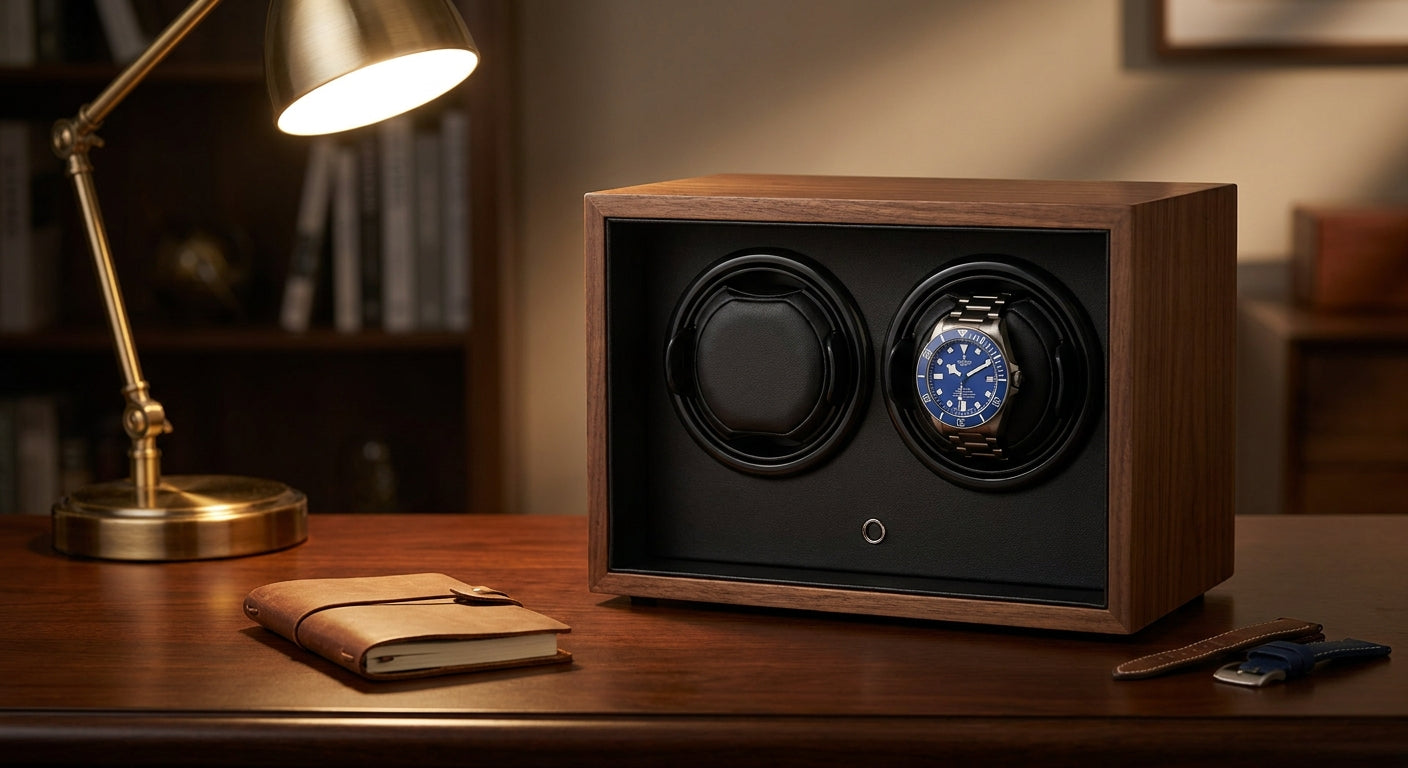
The focused choice. Two slots, programmable TPD in the 650–800 range, bidirectional operation, Mabuchi motors, and an Alcantara-lined interior. If your Pelagos is one of two automatics in regular rotation, this is the correct unit. It does not overengineer the task. The second slot handles a dive companion — a Seamaster Planet Ocean, a Blancpain Fifty Fathoms, anything with comparable TPD needs.
One concrete number: the Series 2 programs rest intervals in defined cycles so the motor is not running against a fully wound spring. That matters for a high-beat movement like the MT5612.
Verdict: Buy if the Pelagos is one of two pieces you rotate actively. Impresario Series 2
The Collector’s Pick — Impresario Series 6
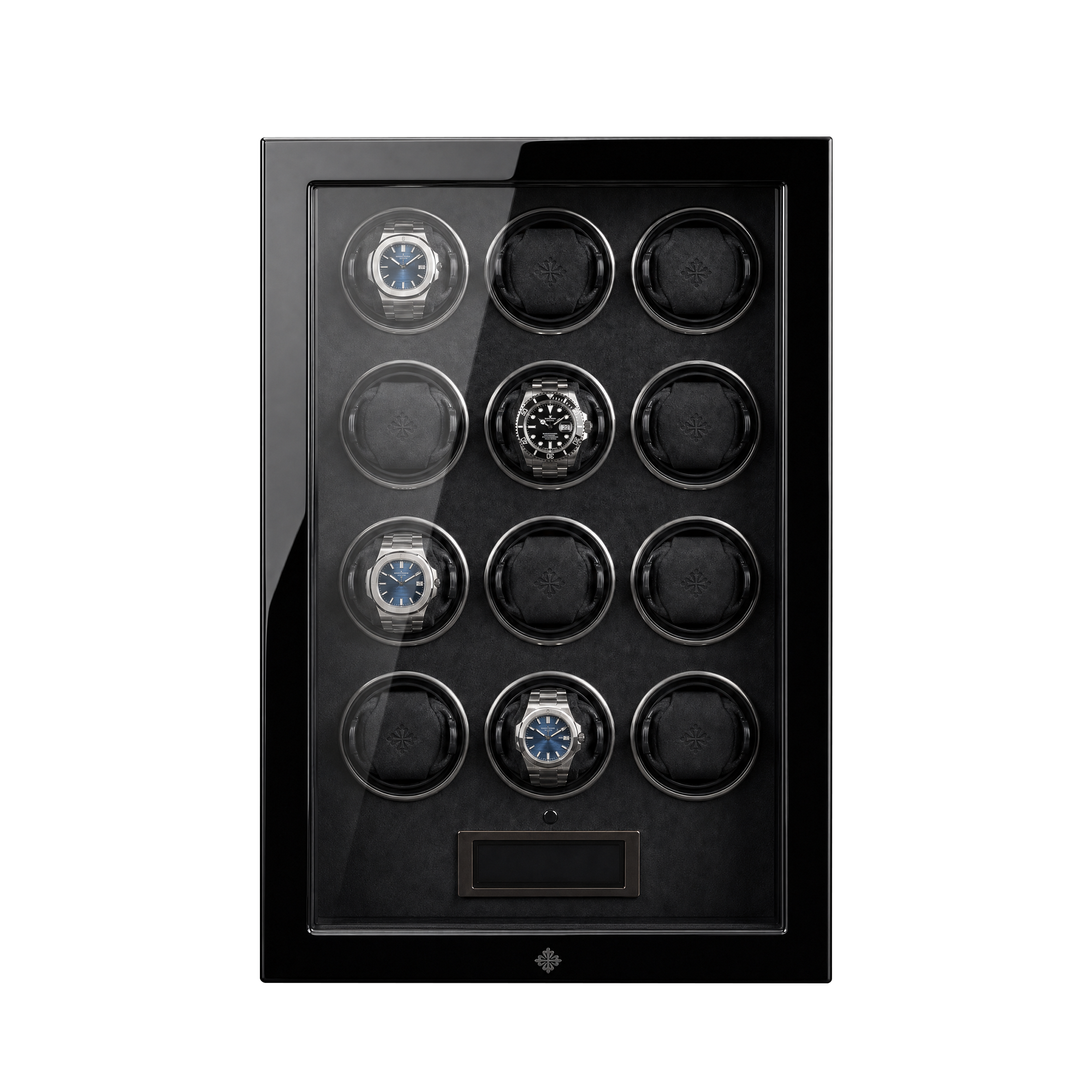
The safe pick for a growing collection. Six independently programmable slots mean the Pelagos shares a unit with up to five other automatics, each on its own TPD and direction setting. A Rolex GMT-Master II alongside a Pelagos alongside a Cartier Santos — every movement gets its own program. The Series 6 runs six Mabuchi motors independently, so one slot’s cycle does not affect another’s.
For the Pelagos specifically, set slot 1 to 700 TPD bidirectional with rest intervals. Adjust the remaining slots to whatever your other pieces need — watch winder rotation programs explained covers the logic behind each mode if you want to go deeper on that.
Verdict: Buy if you own or plan to own more than three automatics. Impresario Series 6
The Display Pick — Virtuoso Series 6
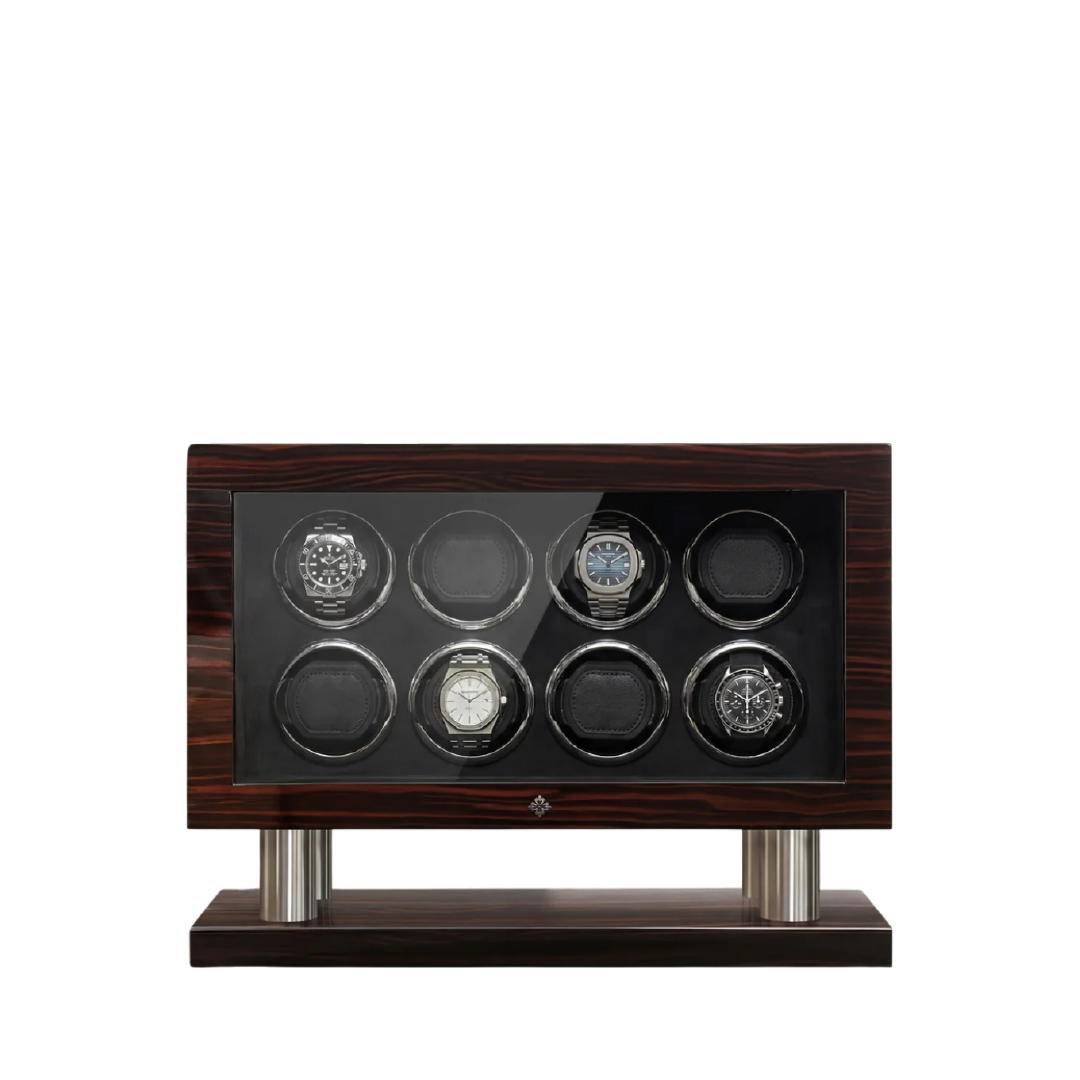
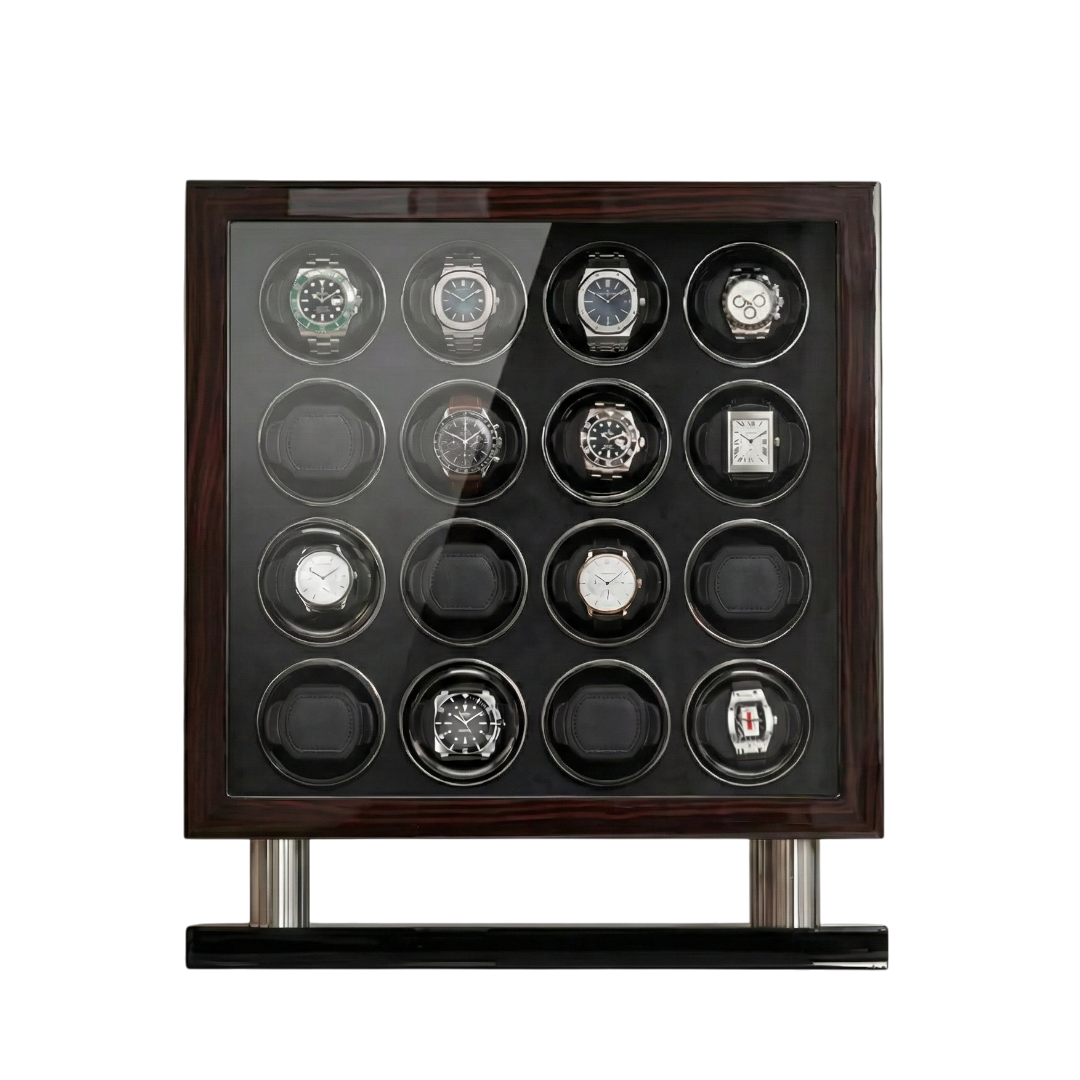
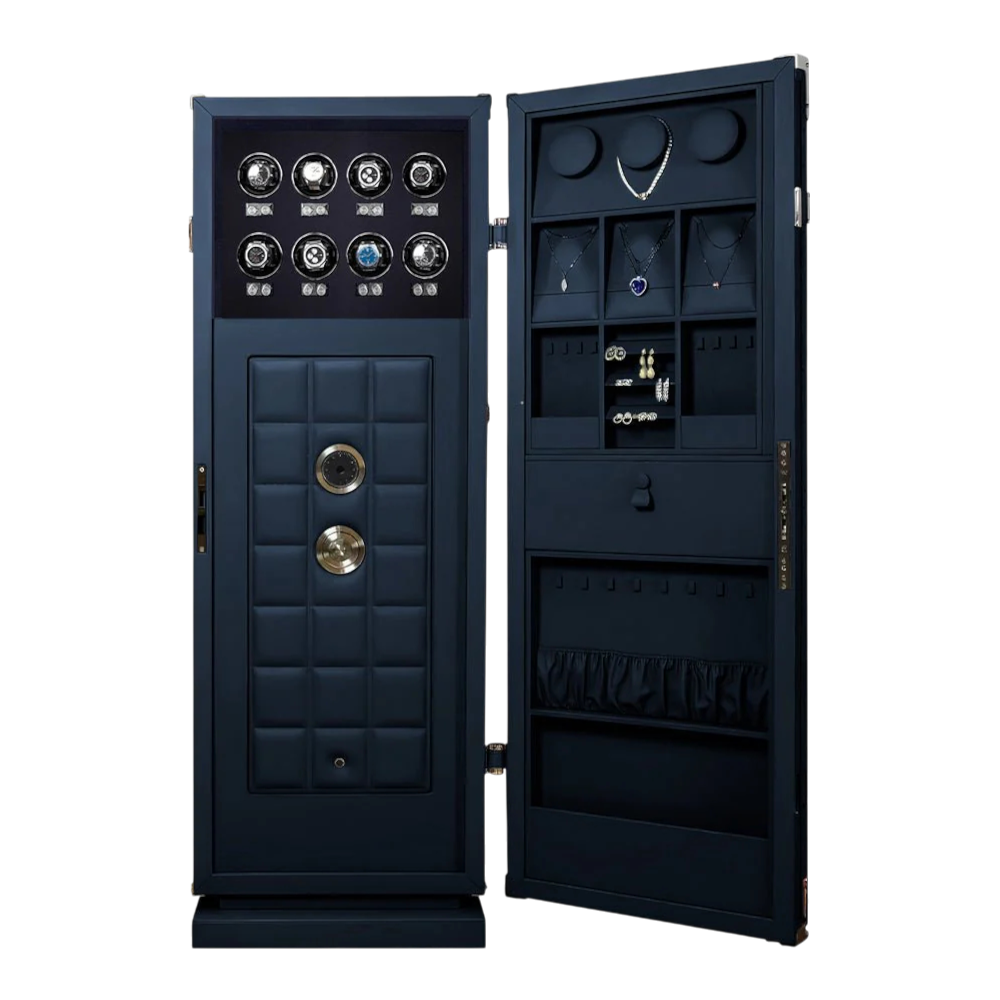
The wildcard. Same six-slot independent programming as the Impresario Series 6, but the Virtuoso line adds a glass-front display design oriented toward collectors who want the watches visible. If the winder lives in a study or walk-in closet where the collection is part of the room’s aesthetic, the Virtuoso Series 6 is the answer. Motor specs are identical — Mabuchi, bidirectional, programmable TPD — so the Pelagos winds exactly the same way.
Verdict: Consider if display matters to you; Buy if the winder is visible from a seating area. Virtuoso Series 6
What to Avoid
- Fixed-direction winders labeled “bidirectional” via alternating programs. Some units alternate direction only every few hours, not within each cycle. The Pelagos rotor winds efficiently only when the motor reverses within each rotation sequence. Confirm true bidirectional operation — not a timed direction switch.
- Winders without programmable rest periods. A winder that runs continuously 24 hours is wrong for the Pelagos. The MT5612’s slipping clutch handles it, but continuous pressure shortens the clutch’s service life. Rest intervals are not optional.
- Undersized pillows. The Pelagos with its bracelet needs a generously sized pillow — many budget winders ship with pillows suited for a 40mm dress watch. A misfit pillow causes the watch to sit off-axis, which is cosmetically harmless but means the rotor is not winding at its most efficient angle.
Verdict Comparison
| Winder | Slots | TPD Range | Bidirectional | Rest Intervals | Interior | Best For |
|---|---|---|---|---|---|---|
| Impresario Series 2 | 2 | Programmable | Yes | Yes | Alcantara | 1–2 watch rotators |
| Impresario Series 6 | 6 | Per-slot programmable | Yes | Yes | Alcantara | Collectors, 3–6 pieces |
| Virtuoso Series 6 | 6 | Per-slot programmable | Yes | Yes | Alcantara | Display-forward setups |
FAQ
What TPD does a Tudor Pelagos need in a winder?
The Pelagos MT5612 movement winds comfortably at 650–800 TPD bidirectional. Set the winder to 700 TPD as a starting point — that keeps the mainspring fully charged without overworking the slipping clutch.
Is the Tudor Pelagos clockwise or counterclockwise for winding?
The MT5612 winds in both directions, so a bidirectional winder is the correct choice. Clockwise-only will wind the movement, but at roughly half the efficiency — you would need to set a higher TPD to compensate, which adds unnecessary rotation cycles.
Can I use any automatic watch winder for the Pelagos?
Technically yes, but a winder that does not allow TPD programming or rest intervals is a poor match. The Pelagos deserves a winder with discrete TPD settings, true bidirectional rotation, and programmable rest cycles.
Does the Tudor Pelagos have a long enough power reserve to skip a winder?
The MT5612 offers a 70-hour power reserve — about 2.9 days. If you wear the Pelagos at least every third day, you do not strictly need a winder. If it sits for four or more days, the watch stops and requires manual winding plus time-setting, which for a watch with a helium escape valve and a left-hand crown is inconvenient enough to make a winder worth it.
What is the difference between TPD and turns per day on a winder?
They are the same metric. TPD (turns per day) counts how many times the winder’s rotor completes a full rotation in 24 hours. For the Pelagos, target 650–800 per 24-hour cycle across both directions combined.
Will a watch winder damage my Tudor Pelagos?
Not if it is set correctly. The risk comes from winders that run continuously against a fully wound mainspring. With programmed rest intervals and a TPD in the 650–800 range, there is no credible damage mechanism. The slipping clutch is specifically designed to handle this.
Should the Pelagos share a slot program with a Rolex Submariner in a multi-watch winder?
Yes — both the Pelagos and the Submariner wind well at 650–800 TPD bidirectional. If they share a winder with per-slot programming, set each independently, but the parameters will be nearly identical. See the watch winder settings for Rolex Submariner and GMT-Master guide for the Rolex side of that comparison.
How do I know if my watch winder’s motor is safe for bedroom use?
Look for Japanese Mabuchi motors specifically. They run under 20 dB at close range, which is quieter than ambient HVAC noise in most rooms. Generic DC motors without precision bearings produce a low hum that is audible in a quiet room at night.
One Last Thing
The Tudor Pelagos LHD — the left-hand-drive variant with the crown at 9 o’clock — uses the MT5621 movement, which shares the same winding architecture and the same TPD requirements as the MT5612. If you own the LHD, do not adjust your winder settings. The 650–800 TPD bidirectional recommendation applies equally. The case diameter is also identical at 42mm, so pillow sizing is not a variable between variants.
Related Guides
Protect Your Watch Collection
Designed for collectors who demand the best. Explore our premium watch winders and luxury safes.