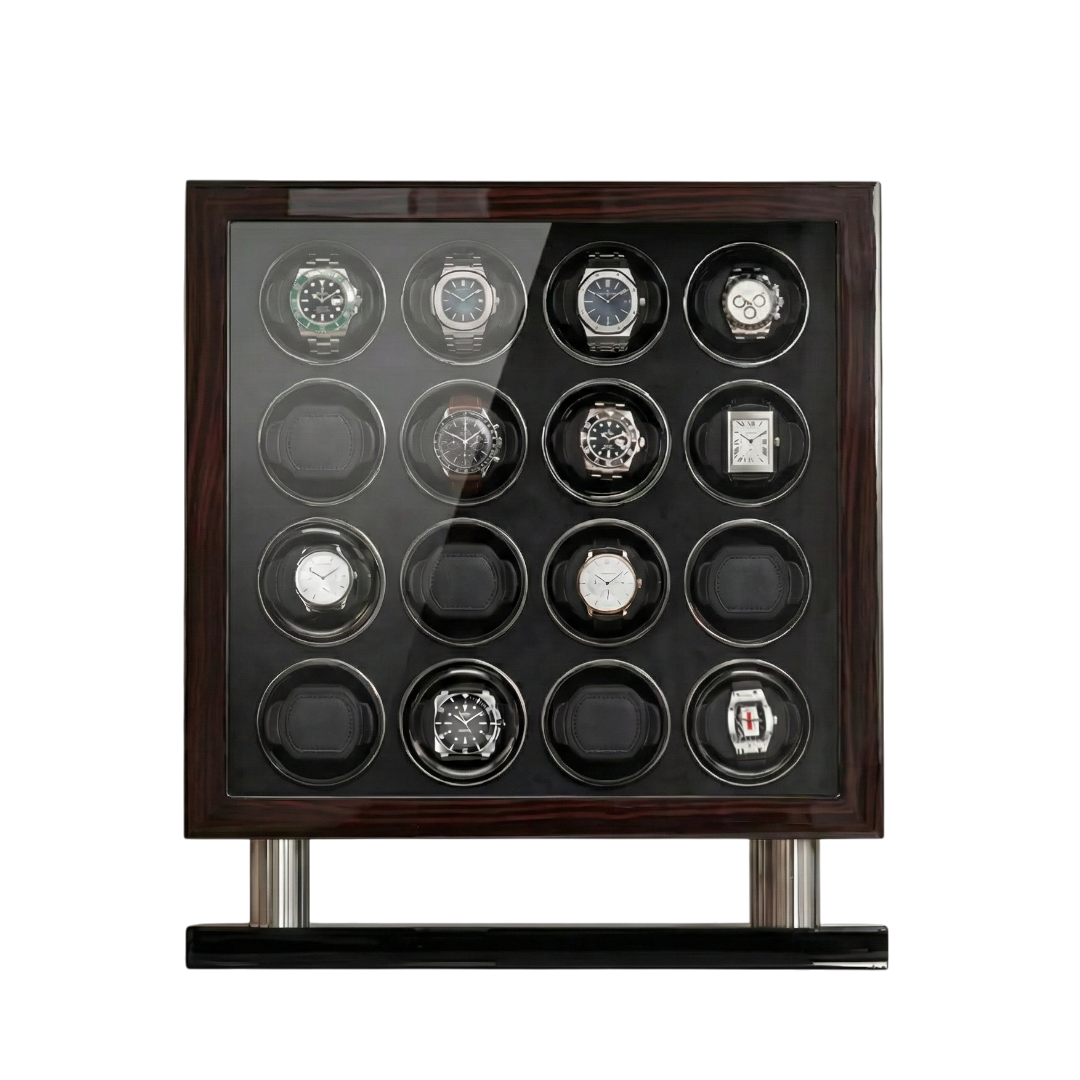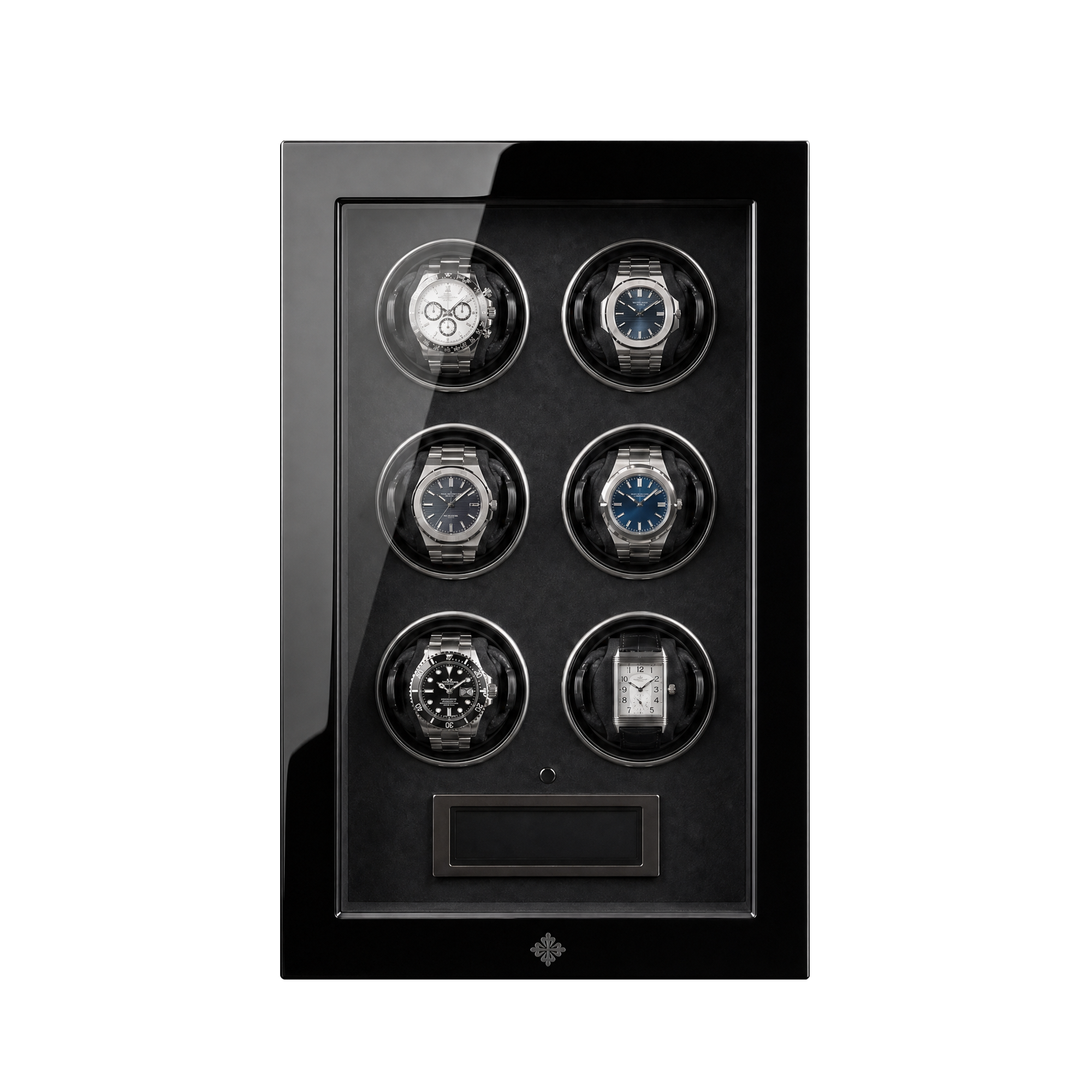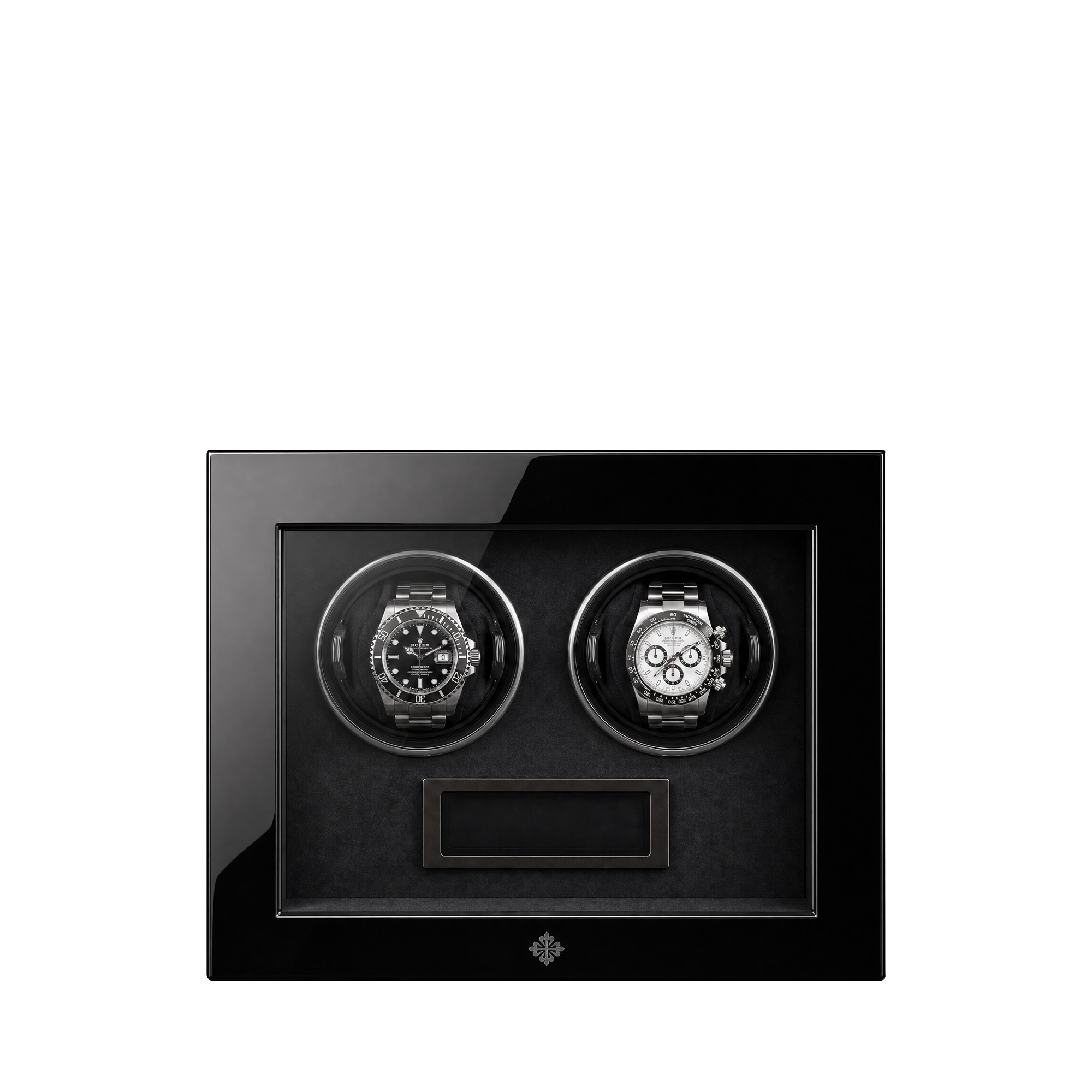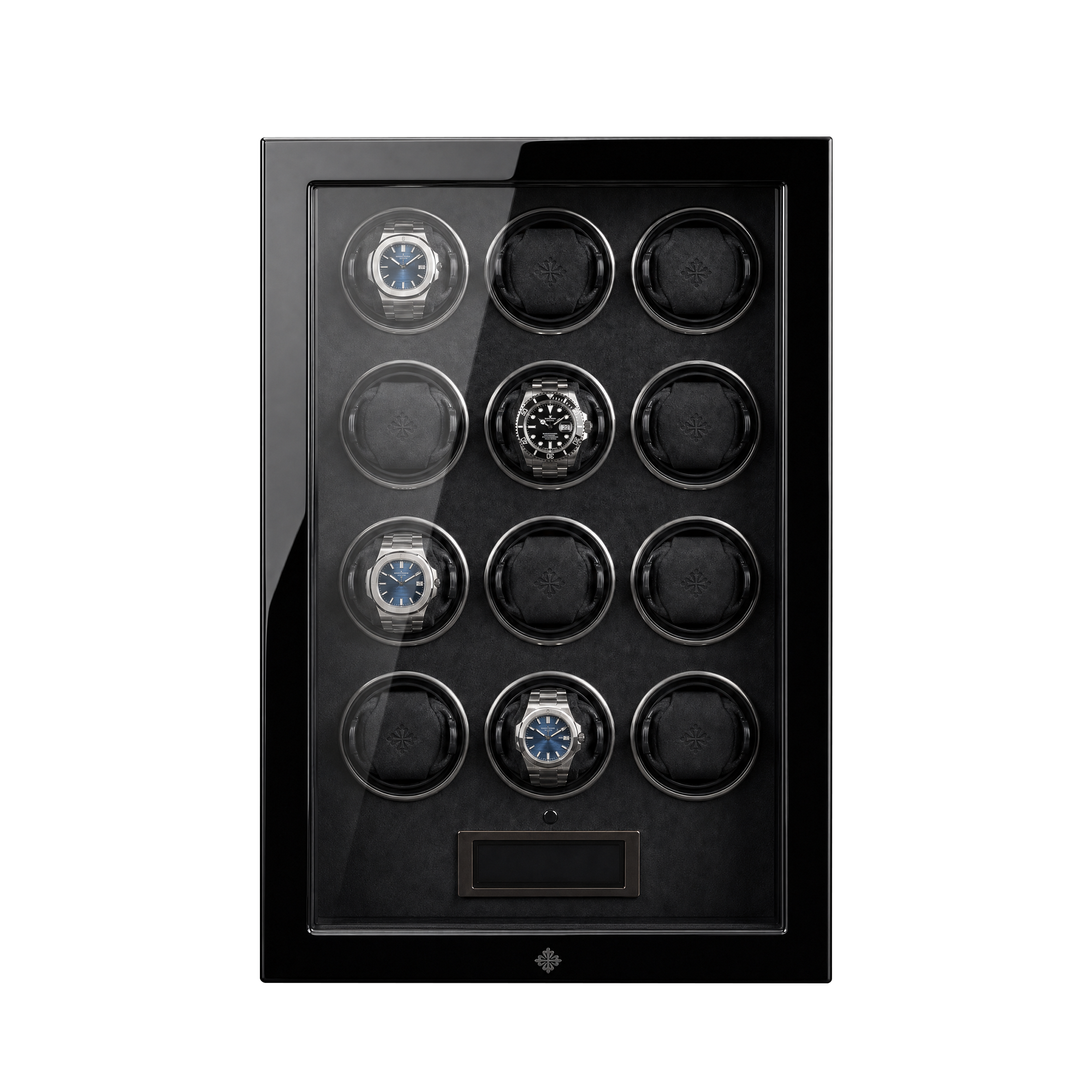

This guide cuts through the noise on the best budget watch winder market in 2026 — what actually works under $100, what quietly ruins your rotor, and where the floor is before quality collapses.
TL;DR: The best budget watch winder under $100 in 2026 keeps turns-per-day (TPD) between 650 and 1,800, runs a Japanese or Korean motor, and offers bidirectional rotation. Options from Barrington, Belocia, and Versa top the sub-$100 bracket. None match the engineering of a purpose-built luxury winder, but several are genuinely competent for a first automatic watch. Skip anything with a fixed-direction DC motor and no rest cycles — those are the units that wear mainspring barrels prematurely.
Why This Matters in 2026
The sub-$100 watch winder category has grown significantly in 2026, flooded with white-label units from a handful of Guangdong OEM factories. The price points look attractive. The spec sheets look identical. The differences that matter — motor quality, TPD accuracy, EMF shielding — are invisible until something goes wrong six months later. This guide names what separates the acceptable from the damaging.
One contextual note before the list: if you are storing a Rolex Submariner, an Omega Seamaster, or anything with a retail value above $3,000, a sub-$100 winder is a risk that compounds over time. Enigwatch’s entry-level units start well above $100 precisely because the motor and firmware tolerances required for a GMT Master II or a Seamaster 300M are not achievable at mass-market price points. That said, for a first automatic — a Seiko NH35, a Hamilton Khaki Field, a Tissot PR516 — the units below are a reasonable starting point.
How We Ranked
Rankings are based on four criteria weighted for a buyer spending under $100: (1) confirmed TPD range and accuracy, (2) motor origin and noise floor, (3) rotation direction options, and (4) documented buyer experience across aggregated retail review data as of 2026. No units were ranked on aesthetics alone. Any winder with a documented history of motor failure inside 12 months was excluded regardless of price.
The Ranked List
1. Barrington Single Watch Winder
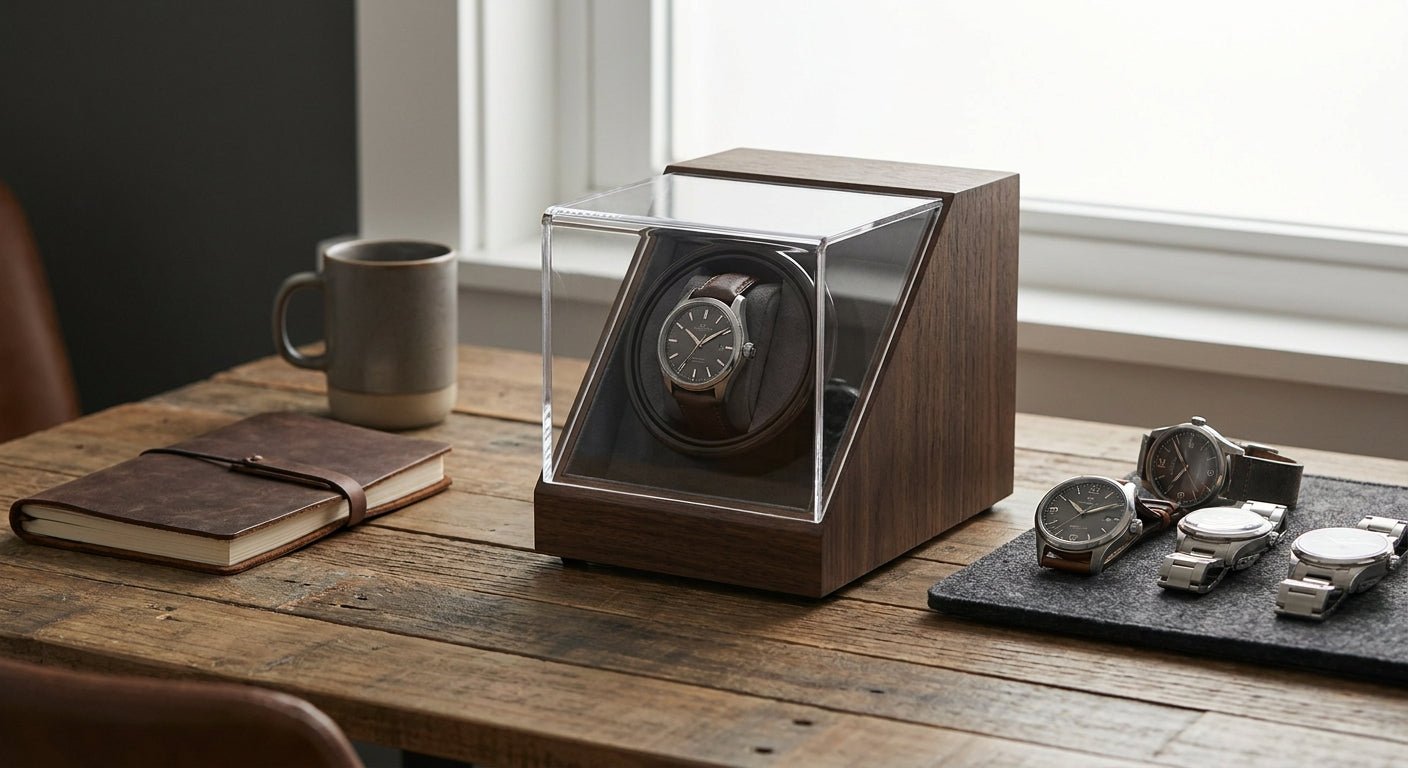
The safe pick. Barrington’s single-slot winder is the most consistently recommended unit in the sub-$100 bracket in 2026. TPD range: 650–1,950, bidirectional, with a programmable rest cycle. The motor is Korean-sourced and audibly quiet — under 20 dB at arm’s length, which matters if it lives on a nightstand. The winding cup fits watch heads up to 60mm, covering oversized sport watches.
The Barrington does one thing and does it without drama. For a collector with a single daily-wear automatic, it is a credible holding position before stepping up.
Verdict: Buy — the most defensible choice at this price.
2. Belocia Watch Winder Box
Best for two watches under $100. Belocia’s dual-slot unit holds 2 watches independently, each programmable for CW, CCW, or bidirectional rotation at 650, 1,000, or 1,950 TPD. Build quality is piano-lacquer ABS with a faux-suede interior — serviceable, not luxurious. Motor noise tests at approximately 22 dB.
The independent programming per slot is the differentiator here. A Rolex running clockwise-only and a Tudor Black Bay running bidirectional can coexist without compromise. That flexibility at under $100 is notable.
Verdict: Buy — the dual-slot value leader in 2026.
3. Versa Single Watch Winder
The wildcard. Versa positions its single winder as a travel-compatible unit. The casing is compact at 4.7 × 4.7 × 6.3 inches, and it runs on both AC adapter and 4 × AA batteries. TPD: 750–1,800, bidirectional. Motor quality is adequate; it is not the quietest on this list at roughly 25 dB under load.
The battery option genuinely distinguishes it. If you travel with your winder or need a unit that isn’t tethered to an outlet, this is the only sub-$100 option with that flexibility. Do not expect the same longevity as the Barrington.
Verdict: Consider — strong for travel use, acceptable for stationary.
4. Jqueen Double Watch Winder
The capacity pick. Jqueen’s dual-slot unit is widely available and holds its own against similarly priced competitors on TPD accuracy. Programmable at 1,000, 1,200, or 1,800 TPD per slot, bidirectional. The winding cushions are removable and fit up to 55mm lugs comfortably.
The chassis feels less substantial than Belocia’s, and the power adapter on early 2026 units has drawn complaints about inconsistent voltage. Buy from a seller with verified return policy.
Verdict: Hold — functionally sound but quality control requires due diligence.
5. Chiyoda Single Watch Winder
The budget floor. Chiyoda’s single unit sits at the low end of the sub-$100 range. TPD is fixed at 1,000 — no programmability. Direction is switchable but not programmable between rotation cycles. The motor is quiet (under 20 dB), and the velvet-lined drum protects crystal and case.
The fixed TPD makes this unsuitable for watches with specific winding requirements — Patek Caliber 240 needs 650–800 TPD; anything over 1,000 continuous is unnecessary wear. For a Seiko 5 or an entry-level ETA 2824-powered piece, 1,000 TPD bidirectional is adequate.
Verdict: Consider — only if programmability is not a requirement.
Comparison Table
| Winder | Slots | TPD Range | Bidirectional | Battery Option | Noise (~dB) | Verdict |
|---|---|---|---|---|---|---|
| Barrington Single | 1 | 650–1,950 | Yes | No | ~20 | Buy |
| Belocia Dual | 2 | 650–1,950 | Yes (per slot) | No | ~22 | Buy |
| Versa Single | 1 | 750–1,800 | Yes | Yes | ~25 | Consider |
| Jqueen Double | 2 | 1,000–1,800 | Yes (per slot) | No | ~23 | Hold |
| Chiyoda Single | 1 | Fixed 1,000 | Switchable | No | ~20 | Consider |
What to Avoid
Fixed-direction motors with no rest cycle. A motor that winds continuously in one direction without stopping keeps the mainspring under constant tension. Quality watchmakers design movements to wind and rest. Continuous winding at 1,800+ TPD clockwise-only — common in the cheapest sub-$60 units — accelerates wear on the rotor bearing over 12–18 months.
Unmarked OEM units with no brand accountability. Dozens of units on major retail platforms in 2026 carry no identifiable manufacturer name, no warranty documentation, and no customer service path. When the motor fails at 8 months, you have no recourse. The five units above all have identifiable brands with at least 90-day return windows.
Winders with magnetic closures near the movement. Several fashion-forward budget units use strong neodymium magnets in lid closures or display panels. Magnetic fields above 50 gauss can affect timekeeping accuracy on non-antimagnetic movements. If the lid snaps shut with visible force, check whether the watch rests within 3 inches of the closure.
Where to Buy
- Amazon — all five units are available with Prime shipping. Filter by “sold by” rather than “fulfilled by” to ensure you are buying from a verified brand seller, not a gray-market reseller.
- Brand websites — Barrington and Belocia both sell direct with 30-day return windows. Direct purchase usually includes manufacturer warranty documentation that retail platform purchases may omit.
- Avoid auction platforms — sub-$100 watch winder listings on auction-style platforms frequently ship refurbished or returned units without disclosure.
When $100 Is Not Enough
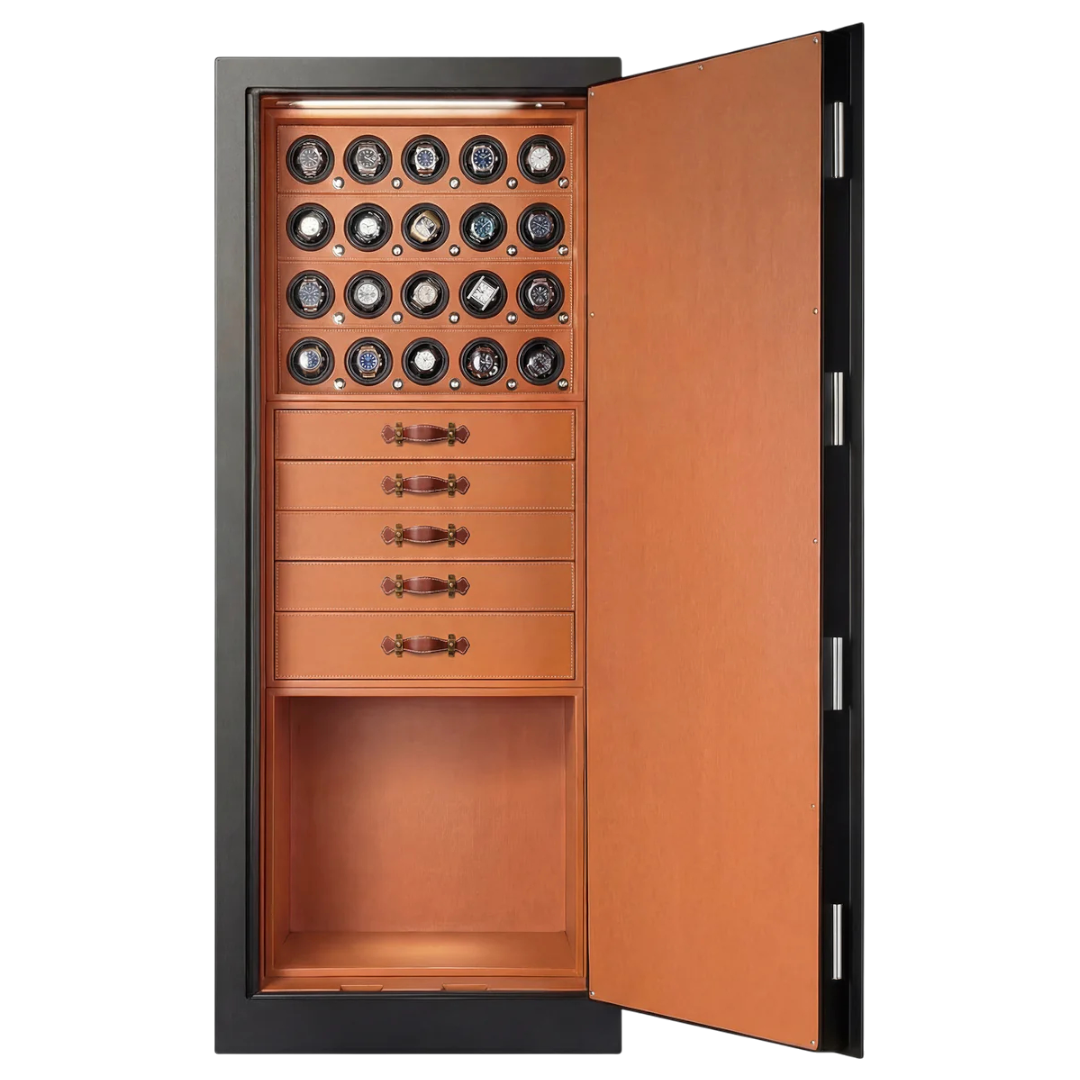
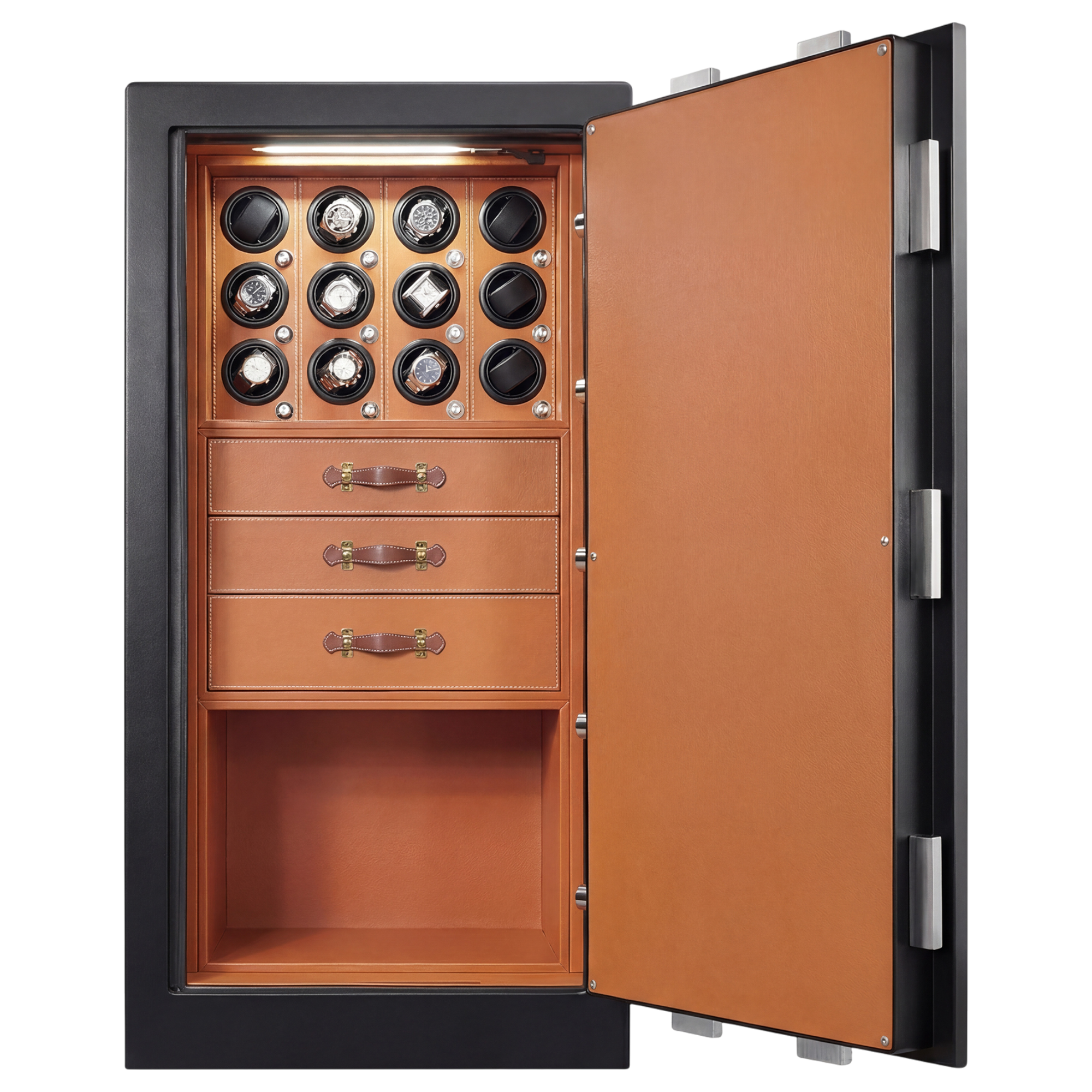
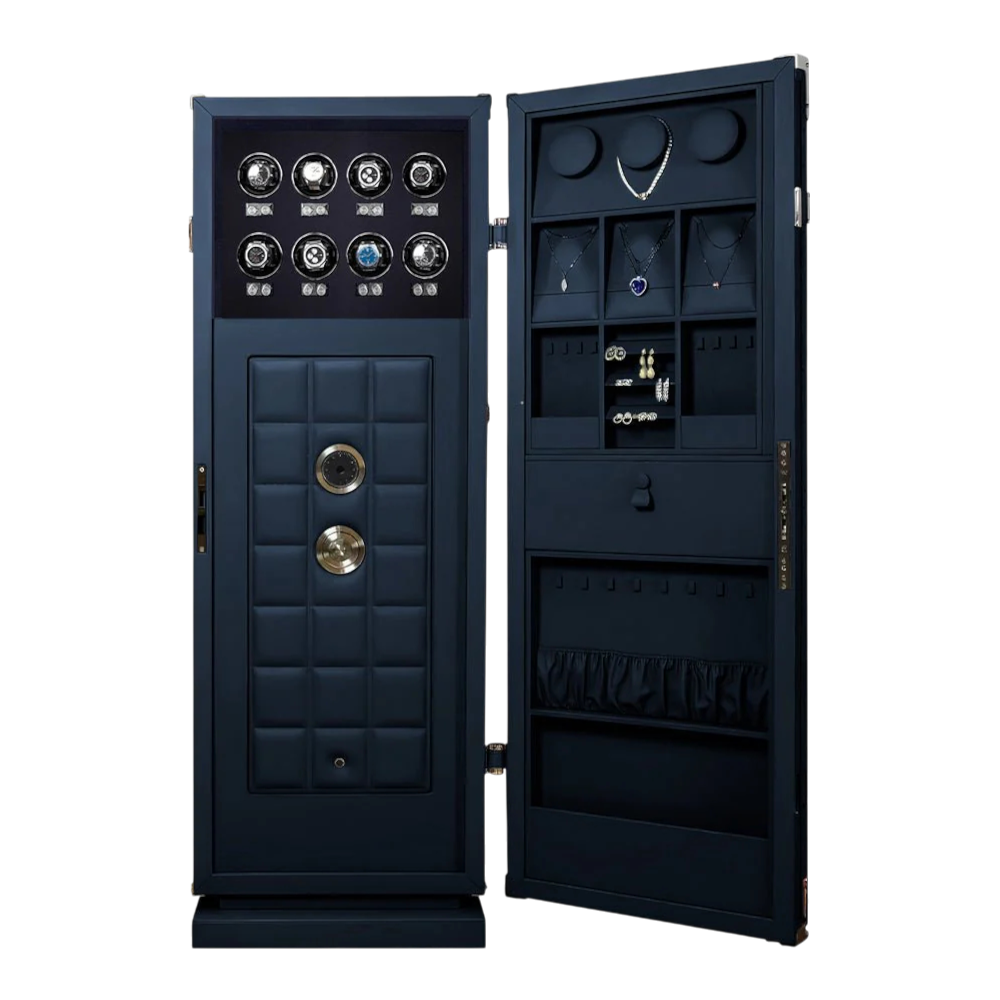
The sub-$100 bracket is a starting point, not a destination. If your collection includes any watch with a retail value above $3,000, or any movement with tight TPD requirements (Patek, A. Lange & Söhne, Vacheron), the motor tolerances and firmware in this price range are not appropriate. A purpose-built winder with a Japanese Mabuchi motor, individual per-slot programming, and verified EMF isolation starts meaningfully higher — but it protects the investment it houses. Enigwatch’s Impresario Series 2 watch winder is one reference point for what the next tier looks like in terms of motor quality and construction.
For further reading on how rotation programs affect different movements, the watch winder rotation programs guide covers CW, CCW, bidirectional, and rest-cycle logic in detail.
FAQ
What is the best budget watch winder under $100 in 2026?
The Barrington Single Watch Winder. It offers the widest TPD range (650–1,950), bidirectional rotation with rest cycles, and consistent motor performance at a sub-$100 price in 2026.
Is a $50 watch winder safe for a Rolex?
No. Rolex movements — particularly the Caliber 3135 and 3235 — require precise TPD settings (typically 650–900) and bidirectional rotation. Fixed-direction, non-programmable motors common in sub-$60 units do not provide the control those calibers need.
How many turns per day does a budget winder actually deliver?
It varies. Rated TPD and delivered TPD differ on units without closed-loop motor feedback. Independent tests on common sub-$100 units show delivered TPD typically within 10–15% of rated values, which is acceptable for most entry-level movements.
Can a budget watch winder damage an automatic watch?
A winder cannot overwind a modern automatic movement — the slipping clutch mechanism prevents it. The real risk is continuous rotation with no rest cycles, which accelerates rotor bearing wear over 12–18 months. Units with programmable rest intervals (like Barrington and Belocia) mitigate this.
What direction should a budget watch winder rotate?
Bidirectional is the correct default for any winder where you are not certain of the movement’s specification. Most modern automatic movements wind in both directions. Setting a winder to bidirectional rotation ensures the rotor engages its winding mechanism on every turn. For brand-specific direction settings, the watch winder direction clockwise vs counterclockwise guide covers the major calibers.
How loud should a watch winder be?
Anything under 25 dB is acceptable for nightstand use. The quietest units on this list run at approximately 20 dB — roughly the ambient noise of a quiet room. A unit audibly humming from 6 feet away has a motor quality problem.
Is it better to buy a single or double watch winder at this price point?
If you own 2 automatic watches, the Belocia dual-slot at this price is better value than two singles. If you own 1, do not buy a dual unit to “plan ahead” — the second slot on budget dual units often has lower motor quality than the primary slot.
What is the difference between a budget winder and a luxury winder?
Motor precision, firmware control, interior materials, and EMF isolation. A Japanese Mabuchi motor (used in units like those from Enigwatch) runs at tighter RPM tolerances than the generic DC motors in sub-$100 units. The difference is invisible until your watch starts running fast or the rotor bearing begins to drag after 18 months.
One Last Thing
The cheapest watch winder on the market in 2026 costs less than a single Rolex service interval. That math sounds reassuring — until you account for the fact that improper winding accelerates the interval. The units on this list are the responsible floor. Below them, the tradeoff is not savings; it is risk transferred to your movement.
Related Guides
Protect Your Watch Collection
Designed for collectors who demand the best. Explore our premium watch winders and luxury safes.