Watch marketing describes accuracy in seconds per day: +/- 6, -4/+6, 0 to +5. These numbers mean something specific. Once you understand how they're derived and what they represent, you can read a spec sheet and know what to expect in daily wear. This guide covers the major accuracy standards, how testing is done, and what the numbers actually mean when you wear the watch on your wrist.
The Basic Unit: Seconds Per Day
Mechanical watches measure accuracy in seconds gained or lost per 24 hours. A watch rated +/- 6 seconds per day can run anywhere between 6 seconds fast and 6 seconds slow in a day and still be considered "in spec."
Over time, this compounds. A watch running +6 s/day is 42 seconds fast in a week, 3 minutes fast in a month.
Major Accuracy Standards
| Standard | Rate Spec | Who Uses It |
|---|---|---|
| Non-certified automatic | +/- 10 to 20 s/day | Most mainstream automatics |
| COSC Chronometer | -4 to +6 s/day | Certified Swiss movements |
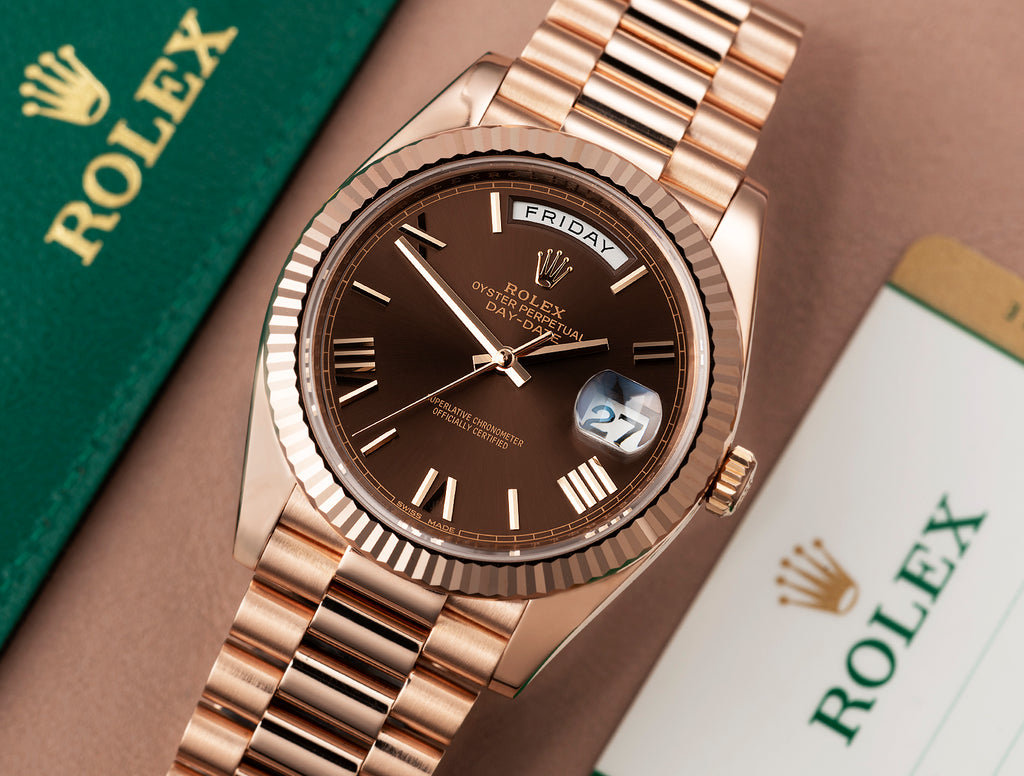
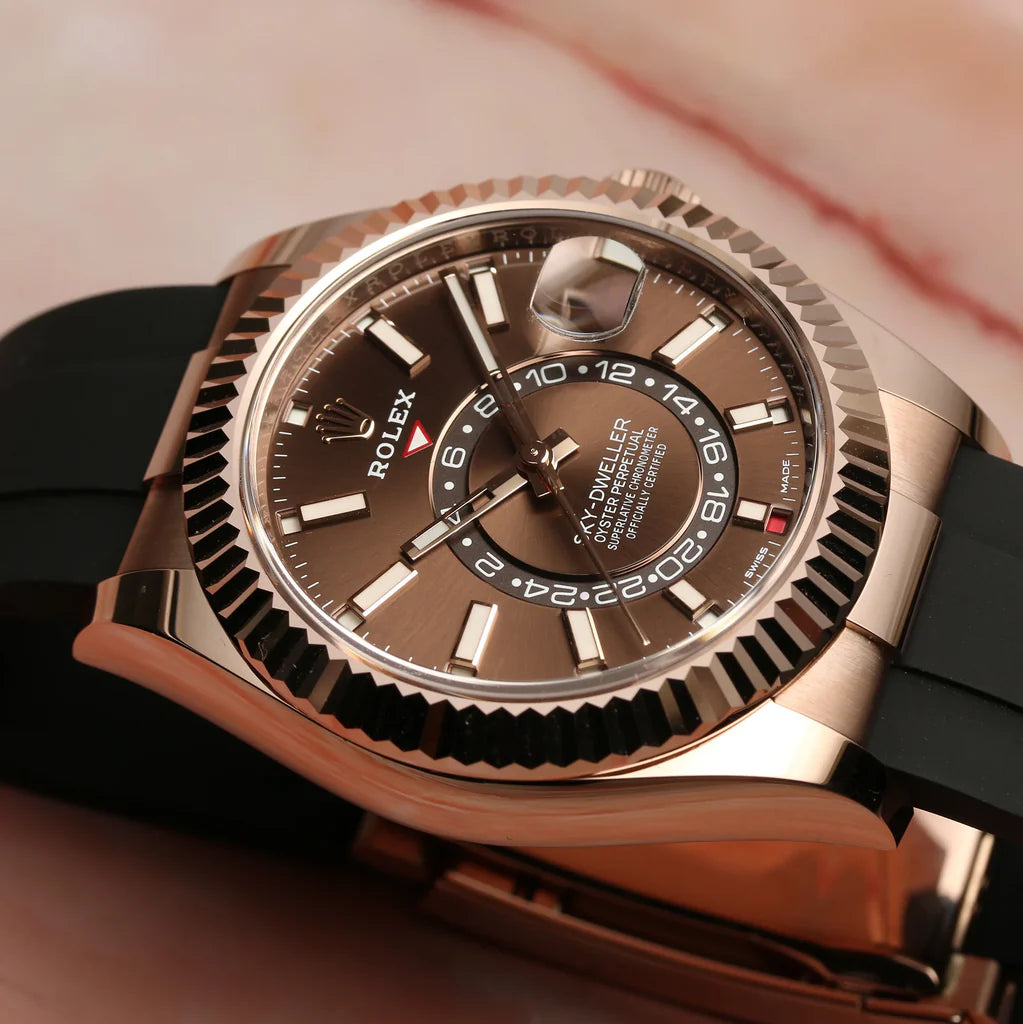
| Rolex Superlative Chronometer | -2 to +2 s/day | All current Rolex |
| Omega Master Chronometer | 0 to +5 s/day | Current Omega (METAS-certified) |
| Patek Seal | -3 to +2 s/day | Patek Philippe current production |
| Grand Seiko Special Std. | -2 to +4 s/day (9S Hi-Beat) | Grand Seiko 9S movements |
| Quartz (non-high accuracy) | +/- 15 s/month | Most quartz watches |
| High Accuracy Quartz (HAQ) | +/- 10 s/year | Grand Seiko 9F, Breitling SuperQuartz |
How Accuracy Is Tested
Three testing approaches produce the spec numbers.
COSC Testing
15-day test at a certified chronometer testing institute. Watches tested in 5 positions at 3 temperatures. Pass requires meeting -4 to +6 s/day across all test conditions. Only the movement is tested, not the cased watch.
METAS Master Chronometer Testing
Omega's standard, administered by METAS (Swiss Federal Institute of Metrology). Tests the cased, cased-and-functional watch. Includes magnetism resistance to 15,000 gauss. Accuracy spec 0 to +5 s/day across multiple conditions.
Rolex Superlative Chronometer Testing
Rolex in-house testing after COSC certification. Tests the final cased watch. Rolex's spec of -2 to +2 s/day is tighter than COSC.
Manufacturer In-House Standards
Patek Seal, Grand Seiko Special Standard, JLC 1000-Hour — each brand uses proprietary testing. Spec details vary, but all represent tighter-than-COSC or different-criteria standards.
Why Your Watch Runs Differently Than Spec
Certification spec is not daily reality. Testing uses controlled positions and full wind. Real wear introduces variables.
| Variable | Typical Impact |
|---|---|
| Wrist position variation | +/- 2 to 5 s/day from spec |
| Temperature (office to outdoor) | +/- 1 to 3 s/day |
| Overnight resting position | +/- 3 to 10 s/day |
| State of wind (full vs partial) | Faster when full, slower as reserve drops |
| Magnetism exposure | Up to +60 s/day if magnetized |
| Service age (oil breakdown) | Gradual drift over years |
A Rolex rated -2 to +2 often measures +/- 5 to 7 s/day in real wear depending on these factors. Still excellent, just different from the spec number.
How to Measure Your Own Watch
Simple method. Set the watch precisely against atomic time. Check against the same atomic time 7 days later. Divide difference by 7 for seconds per day average.
More precise method. Use a timegrapher (Weishi 1900 or similar) to get instantaneous rate in multiple positions. See watch timing machine guide.
What to Do If Your Watch Is Out of Spec
If your watch runs significantly outside its certified spec.
Check for magnetism first. Use a compass test or a demagnetizer. See magnetism and watches.
Check resting position. Vary overnight orientation. See my watch gains or loses time.
If on a winder, check TPD and direction. Wrong TPD over weeks can affect perceived accuracy. See TPD explained.
If none of the above, consider service. Oil breakdown affects rate over 5 to 10 year intervals.
Comparing Mechanical vs Quartz Accuracy
Quartz watches are orders of magnitude more accurate than mechanical. A $100 quartz often beats a $50,000 mechanical in pure seconds-per-day terms.
Collectors buy mechanical for craft, tradition, and engineering appreciation — not accuracy. A mechanical watch at +/- 3 s/day is doing extraordinary work mechanically. It's an engineering achievement rather than a timekeeping one.
If pure accuracy is the priority, see do quartz watches need winders for the quartz conversation.
Chronometer Certification Means What, Exactly
COSC-certified movements have passed Swiss standard testing. The certificate adds roughly 5 to 15 percent to a watch's price. Whether that premium is worth it depends on how much you value certified precision.
Many collectors care more about brand, heritage, and design than certification. Others buy specifically for certified accuracy. Both are valid positions.
Frequently Asked Questions
Is +/- 15 seconds per day acceptable?
For non-certified automatic movements, yes. For COSC or higher-grade chronometers, no.
Does a winder help with accuracy?
Indirectly. Keeping a watch fully wound maintains consistent mainspring torque, which produces more consistent rate. A correctly programmed winder improves daily accuracy compared to watches cycling through partial reserve states.
Can I regulate my watch to +/- 1 s/day?
Professionally yes, for a price. Hobby regulation without experience typically makes accuracy worse.
Do quartz watches get more accurate over time?
No, they tend to drift slightly as the quartz crystal ages. High Accuracy Quartz mitigates this with temperature compensation.
What does "chronometer" actually guarantee?
That the tested movement passed COSC or equivalent accuracy standards. No guarantee about water resistance, lifespan, or other characteristics.
Should I expect my watch to stay within spec forever?
No. Rate drifts over time as oils break down. Stay in spec within service intervals (5 to 10 years), then expect some drift until next service.
How accurate is my phone as a time reference?
Phones sync to atomic time via NTP when connected to the internet. Use them for setting watches — they're typically accurate to milliseconds of true time.
Read the Numbers With Context
Accuracy specs tell you what to expect under test conditions. Real wear differs based on your habits, climate, and watch setup. For collectors who care about sustained accuracy, keep watches fully wound via a quality winder from the Winder Series, avoid magnetic sources, and service on schedule.
Related reading: watch timing machine guide, TPD explained, watch service intervals.
Protect Your Watch Collection
Designed for collectors who demand the best. Explore our premium watch winders and luxury safes.