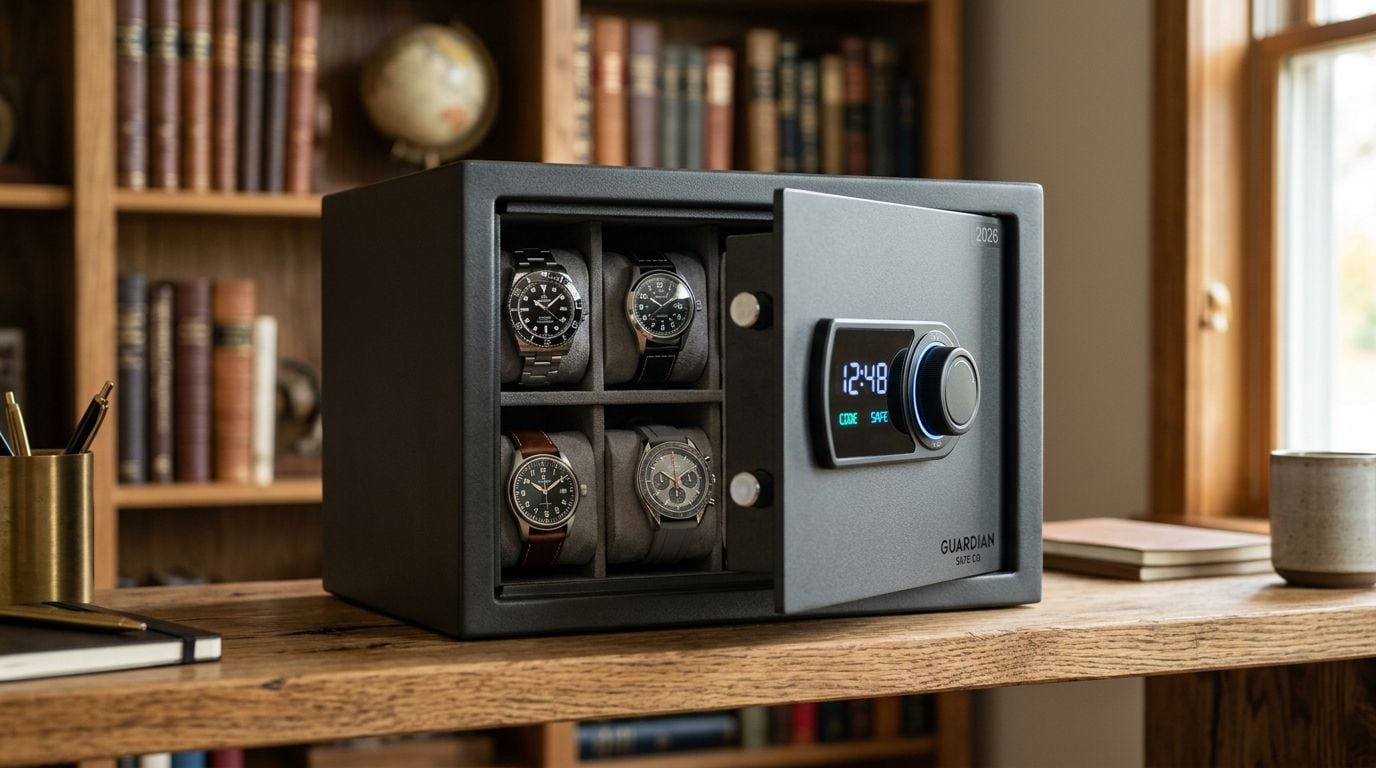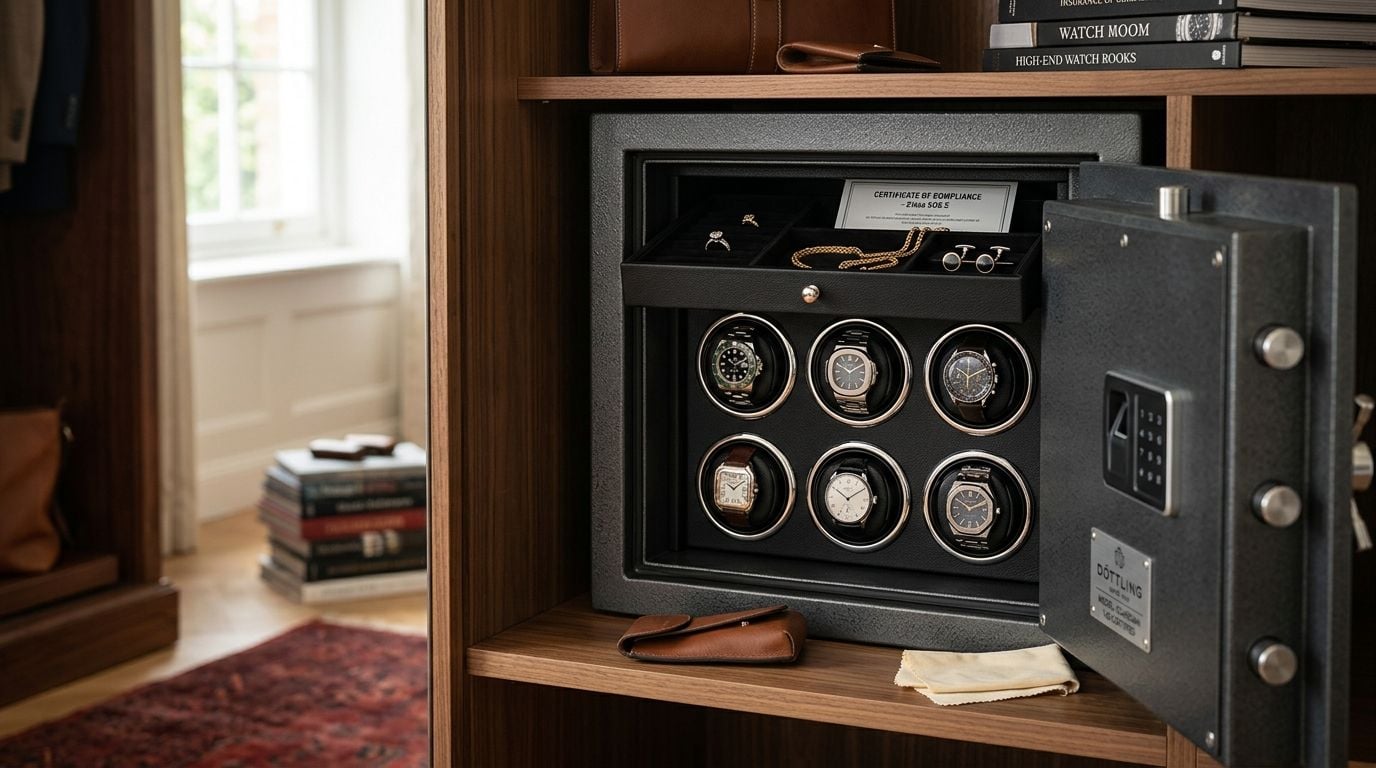

A 300-pound safe sounds heavy. For a determined thief with a dolly and 20 minutes, it isn’t. Bolting a safe to the floor transforms it from a portable heavy object into a fixed security asset. This guide covers when bolt-down is essential, how it’s done, and when freestanding is acceptable.
Why Anchoring Matters

Three facts about theft.
Professional thieves work fast. A typical targeted burglary runs 8 to 15 minutes from entry to exit.
Safes are portable if unanchored. Two people with a dolly can move a 400-pound safe in 5 minutes.
Anchored safes require breaching the safe in place, which takes 15+ minutes even with power tools and usually alerts neighbors.
Bolt-down extends the defensive window from 5 minutes to 15+, which usually means the thief leaves rather than waits.
When Bolt-Down Is Essential
Four scenarios where anchoring isn’t optional.
Insurance-required. Scheduled or specialty policies often require bolt-down as coverage condition. Check your specific policy.
Collection value above $25K. At that value, the safe becomes worth stealing for the contents even if the thief can’t open it immediately.
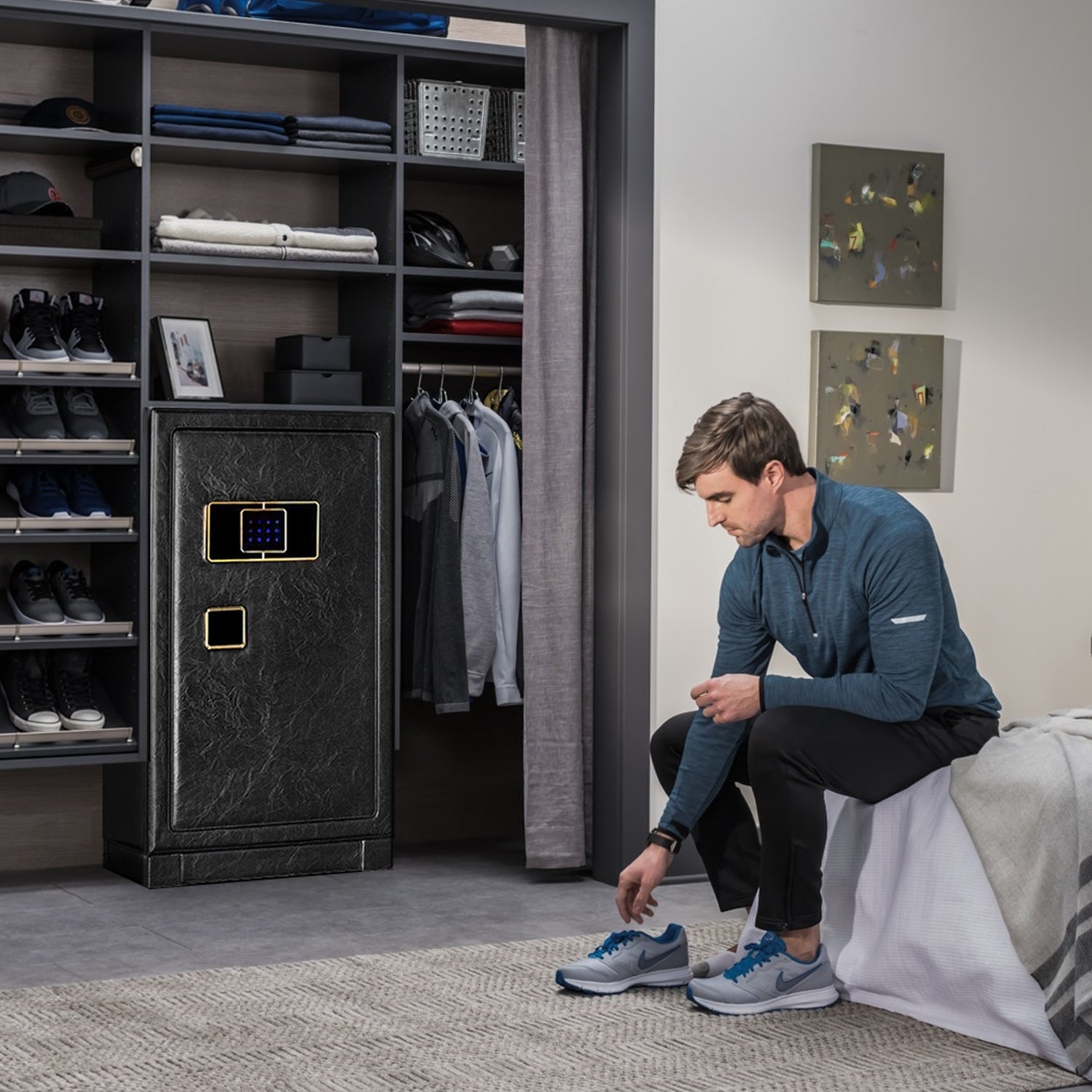
Ground-floor or garage installation. Easier thief access makes portability a higher risk.
Rented or shared space. Safes in offices, storage units, or shared areas face higher theft risk than bedrooms.
When Freestanding Is Acceptable
Some cases where anchoring is less critical.
Collections under $10K. The cost of the safe is close to the collection value. Theft risk is proportionally lower.
Heavy vault-grade safes (800+ lb). At that weight, portability stops being realistic. A 1,500-pound safe takes professional equipment to move.
Short-term storage. Temporary installations where drilling isn’t appropriate. Not a long-term strategy.
How to Bolt Down a Safe

Three attachment points matter.
Concrete floor. Hammer-drill anchors with expansion bolts. 3/8 to 1/2 inch bolts, 3 to 4 inches deep, four-point anchoring at corners.
Wood subfloor. Lag bolts into floor joists. Requires knowing joist locations. Attachment strength is lower than concrete.
Wall mount (secondary). Lag bolts into wall studs. Used in combination with floor anchors for extra security on lighter safes.
Anchoring Hardware
| Hardware | Floor Type | Hold Strength | Install Time |
|---|---|---|---|
| Concrete expansion anchors | Concrete slab | Very high | 30 minutes |
| Wedge anchors | Concrete slab | Very high | 30 minutes |
| Lag bolts into joists | Wood subfloor | Moderate | 45 minutes |
| Through-bolt with backing plate | Any floor | High | 60 minutes |
DIY vs Professional Installation
A handy homeowner can bolt down a safe in under an hour with basic tools. Hammer drill, masonry bit, impact driver, a level, and the right anchors.
Professional installation makes sense for.
- Heavy safes (400+ lb) that need equipment to position
- Floor structures that aren’t obvious (engineered joists, radiant heat)
- High-value installations where installation certification matters for insurance
What to Avoid
Drilling blind. Hitting HVAC ducts, plumbing, or electrical in the floor or walls. Use a stud finder and drill locator.
Under-torqued bolts. Loose anchors strip the hole over time. Tighten to spec.
Soft substrates. Particle board subfloors or drywall don’t hold. You need wood joists or concrete.
Visible bolts. Bolt heads visible from outside the safe can be drilled. Interior-mounted anchors where the bolt heads are inside the locked compartment are more secure.
What a Quality Safe Offers for Anchoring
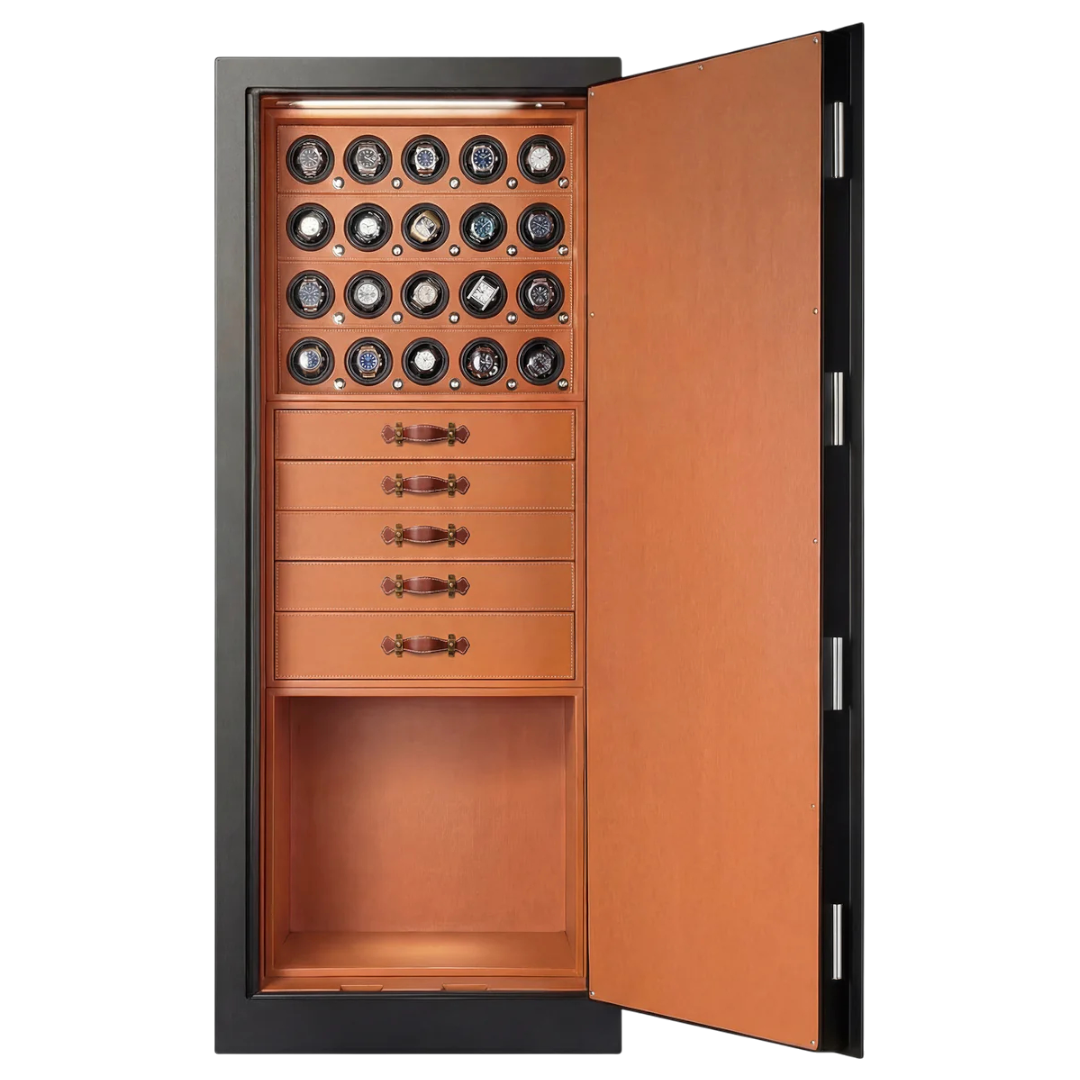
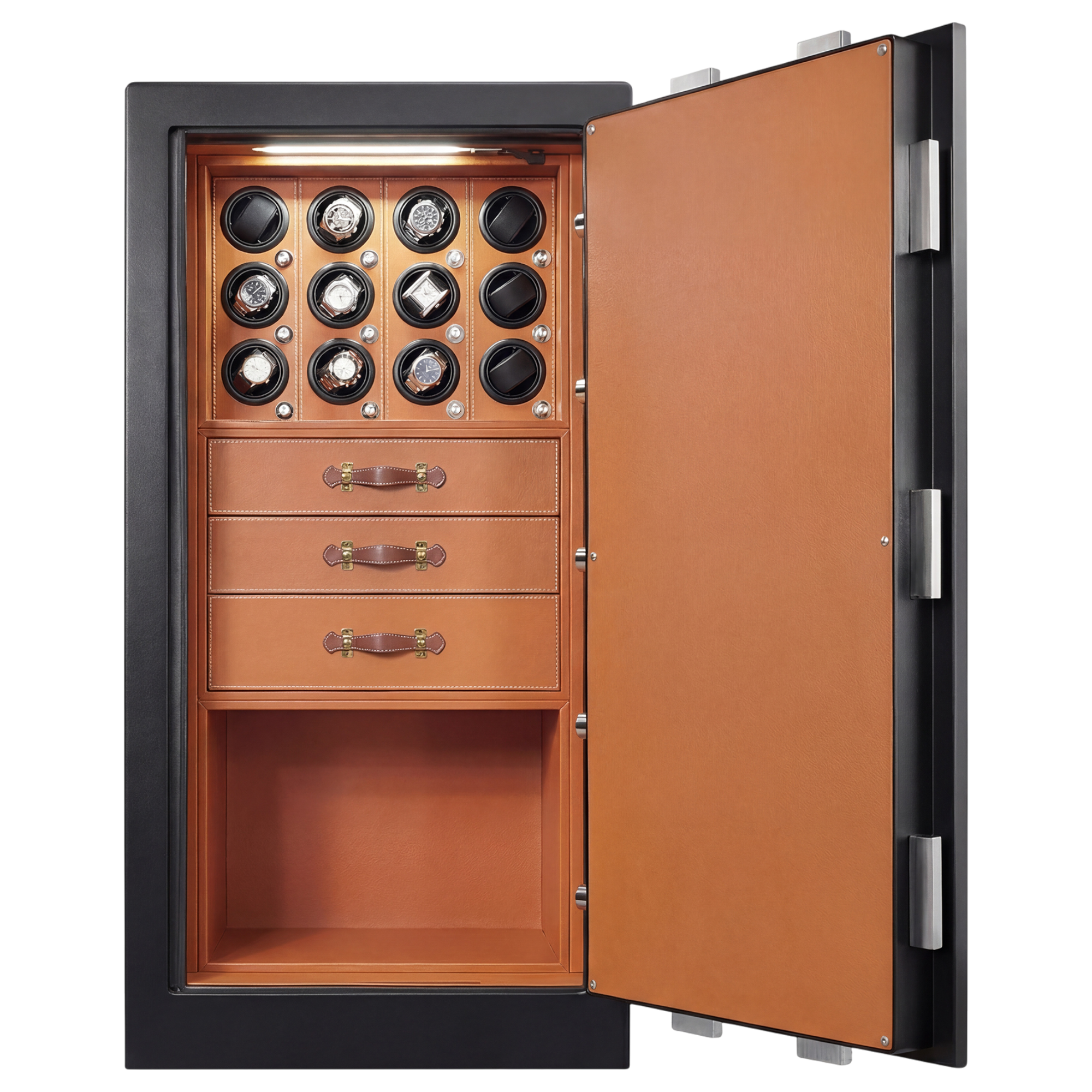
Premium safes ship with pre-drilled anchor holes in the bottom interior. Standard 4-point pattern. Hardware often included. Some safes like the Centennial and Titan Sanctum 20 also support wall anchoring for backup.
Frequently Asked Questions
How heavy does a safe need to be to skip bolt-down?
Roughly 1,000 pounds before portability becomes impractical without professional equipment. Most home safes are lighter.
Can I bolt down a safe to carpet?
No. Bolts go through the carpet into the subfloor or concrete below. A hole in the carpet is acceptable.
Will drilling void the safe warranty?
No, when done through pre-drilled anchor holes. Drilling new holes voids some warranties.
Is wall anchoring enough without floor?
For lighter safes, wall alone is acceptable. For heavier safes, floor plus wall is standard.
Can I move a bolted-down safe later?
Yes, unbolt and re-anchor at the new location. Fill old anchor holes with concrete patch or wood filler.
Does my homeowner’s insurance require bolt-down?
Above a certain value, usually yes. Check your specific policy requirements.
How often should I check the bolts?
Annually. Temperature cycles can loosen bolts over years. A quick check and re-torque takes 5 minutes.
The Baseline
If your collection is worth more than the safe, bolt it down. Residential concrete takes 30 minutes and standard hardware. The peace of mind is worth the afternoon. For insurance-grade installations, consult your policy for specific certification and anchoring requirements.
Browse the Vaults collection for bolt-down-ready models. For custom integrations with wall or floor anchoring specified at build time, Custom Safes handles the specification.
Related reading: how to choose a watch safe, insuring a watch collection.
Protect Your Watch Collection
Designed for collectors who demand the best. Explore our premium watch winders and luxury safes.
Protect Your Watch Collection
Designed for collectors who demand the best. Explore our premium watch winders and luxury safes.