
How to Childproof a Watch Safe at Home (2026 Guide)
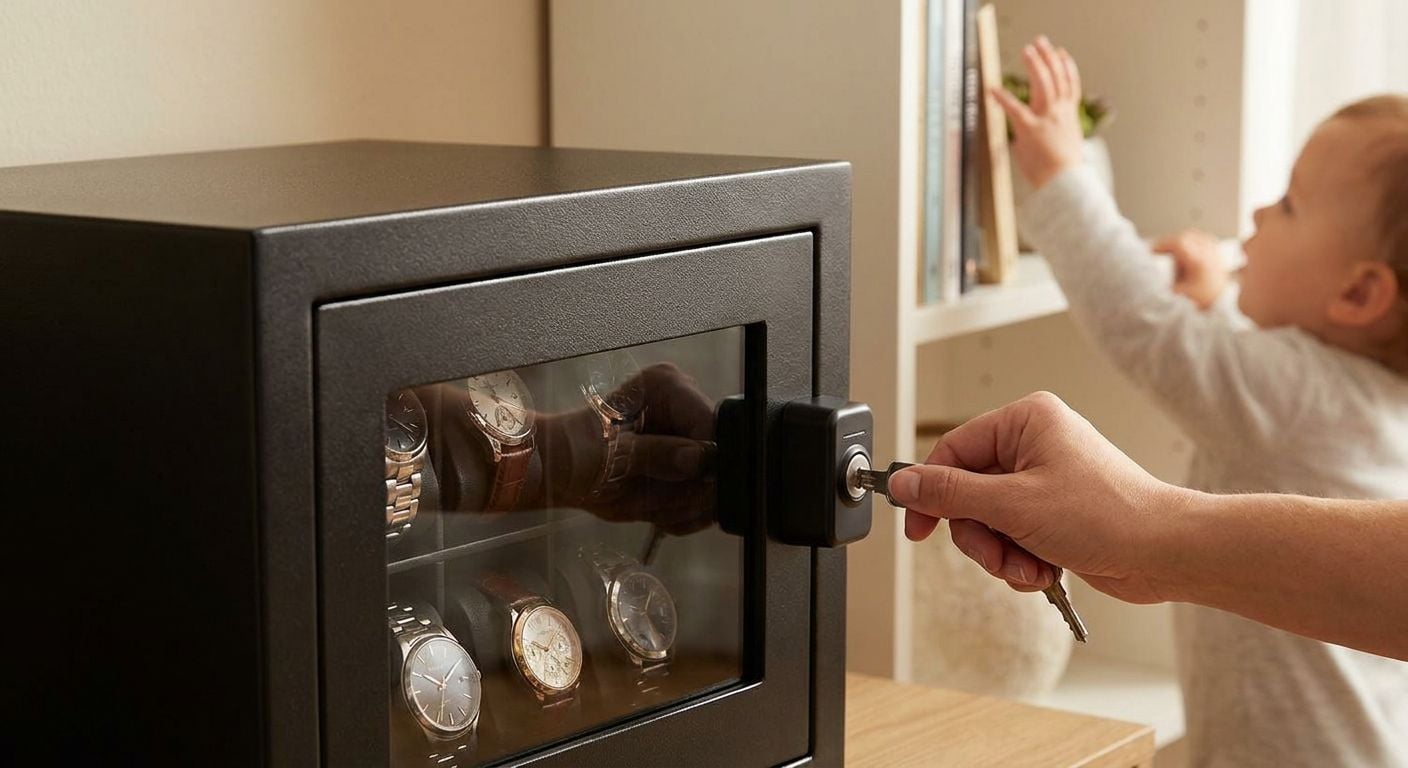
Childproof a watch safe with a bolted mount, adult-only biometric lock, and smart placement. Enigwatch’s 2026 guide covers the steps that actually wor...
Browse by topic
Childproof a watch safe with a bolted mount, adult-only biometric lock, and smart placement. Enigwatch’s 2026 guide covers the steps that actually wor...
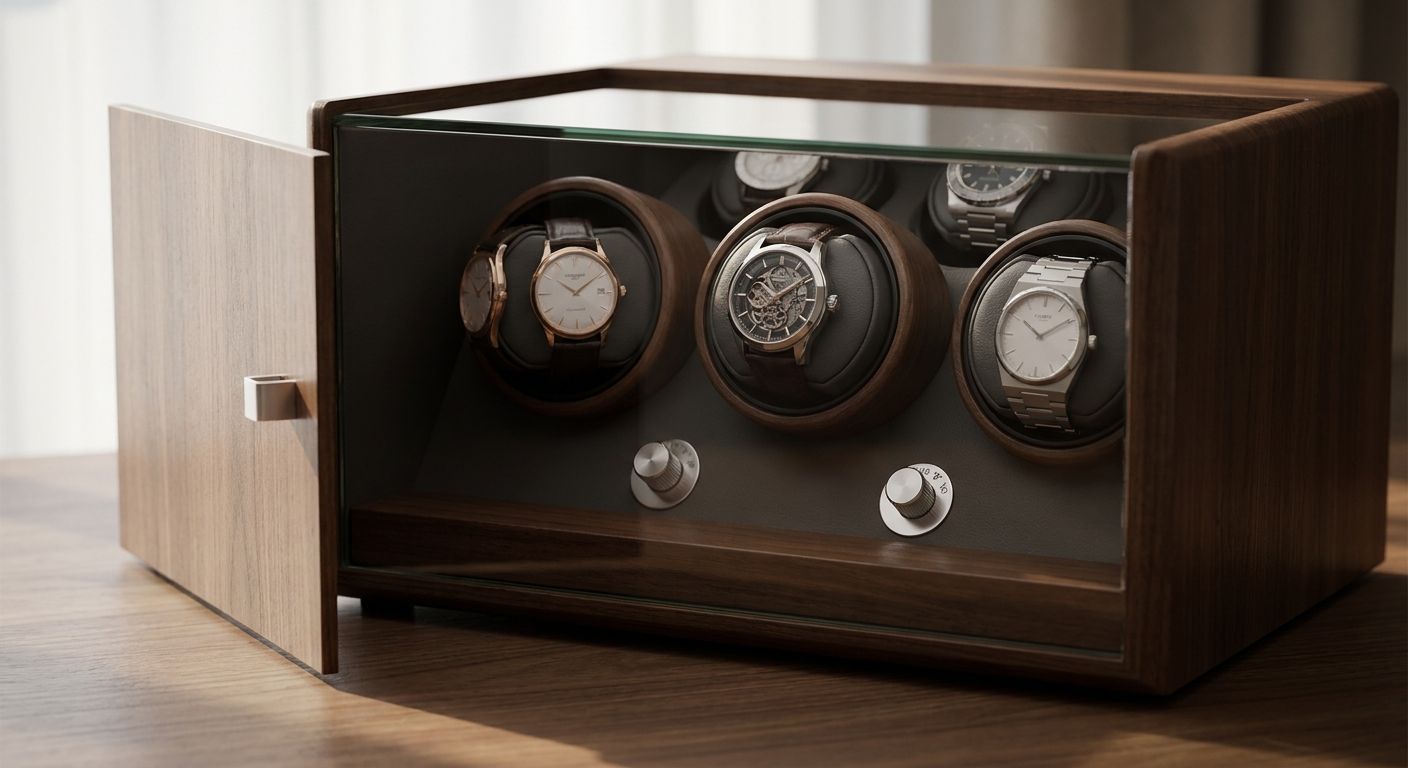
Quartz watches don’t need winding. See which watch winder configuration fits a mixed quartz and automatic collection in 2026, from single-slot to 12-s...
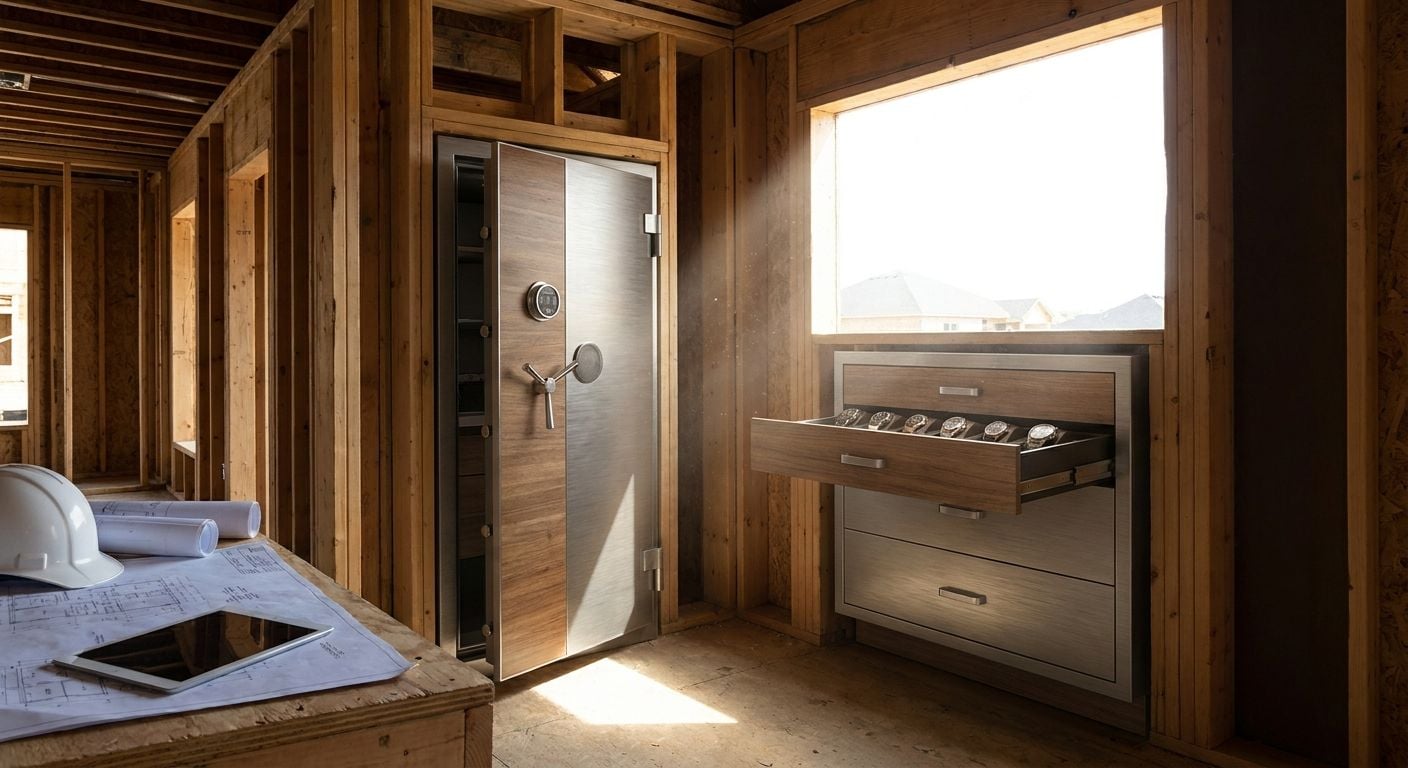
Planning a watch safe for a new home build in 2026? Get floor load, wiring, and placement right before drywall goes up — avoid costly retrofits later.
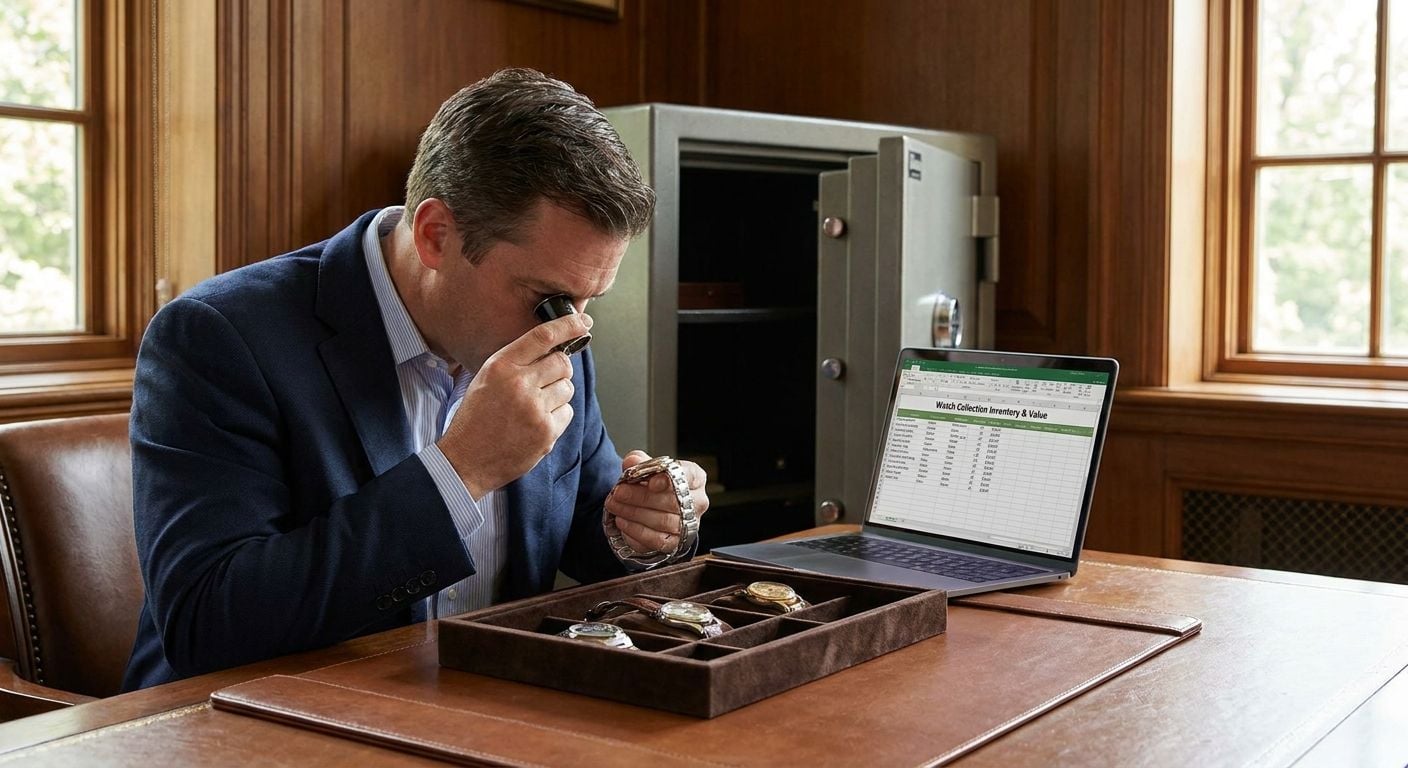
Learn how to appraise a watch collection before buying a safe in 2026 — inventory steps, comp data, and how value drives safe size and rating.
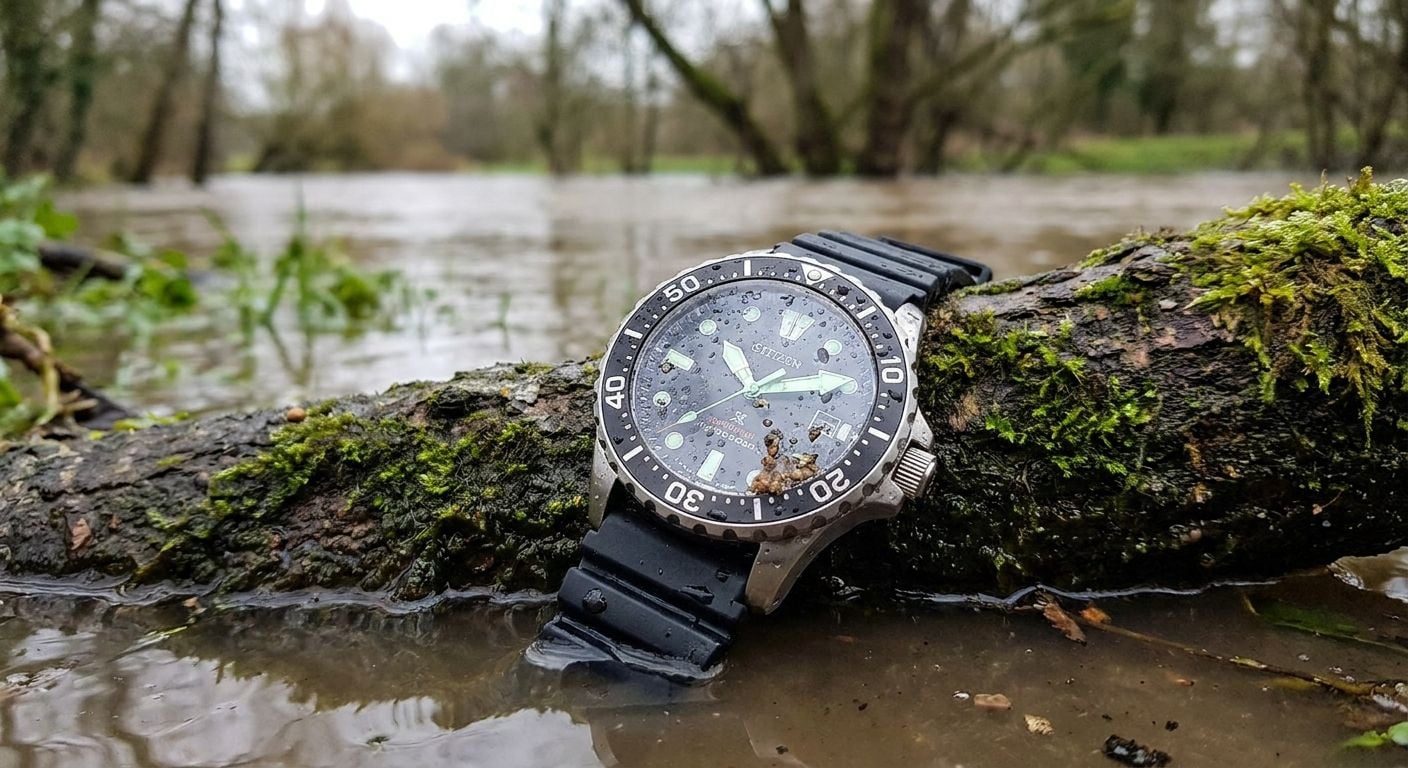
A waterproof watch safe needs IP65 sealing, elevation above the flood line, and a fire-water dual rating — most 2026 models only pass one of the three...
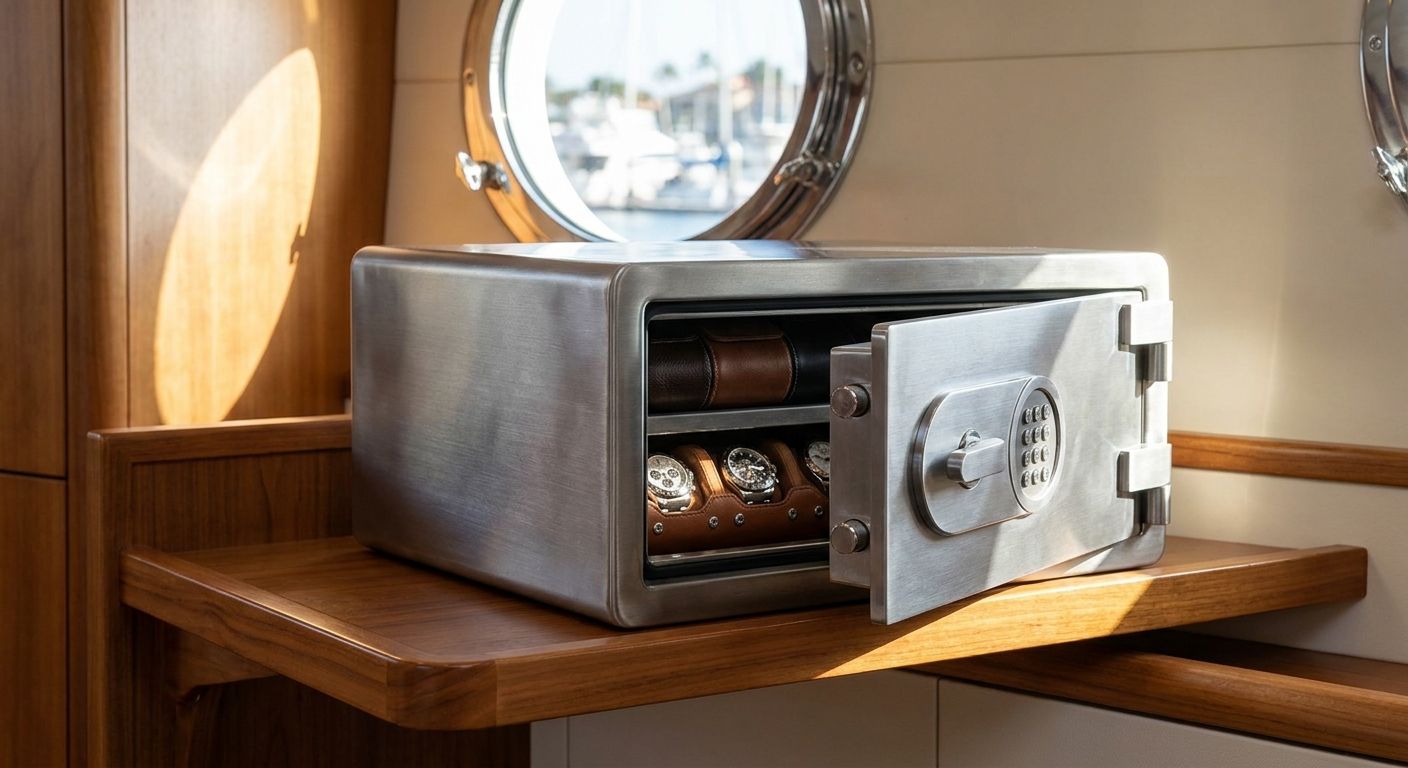
Find the right watch safe for boat use in 2026 — UL ratings, biometric locks, humidity control, and mounting rules that hold up at sea. Buy vs skip br...
Moving a watch collection overseas in 2026? Insure, photograph, declare, and pack correctly to avoid customs holds and denied claims. Step-by-step gui...
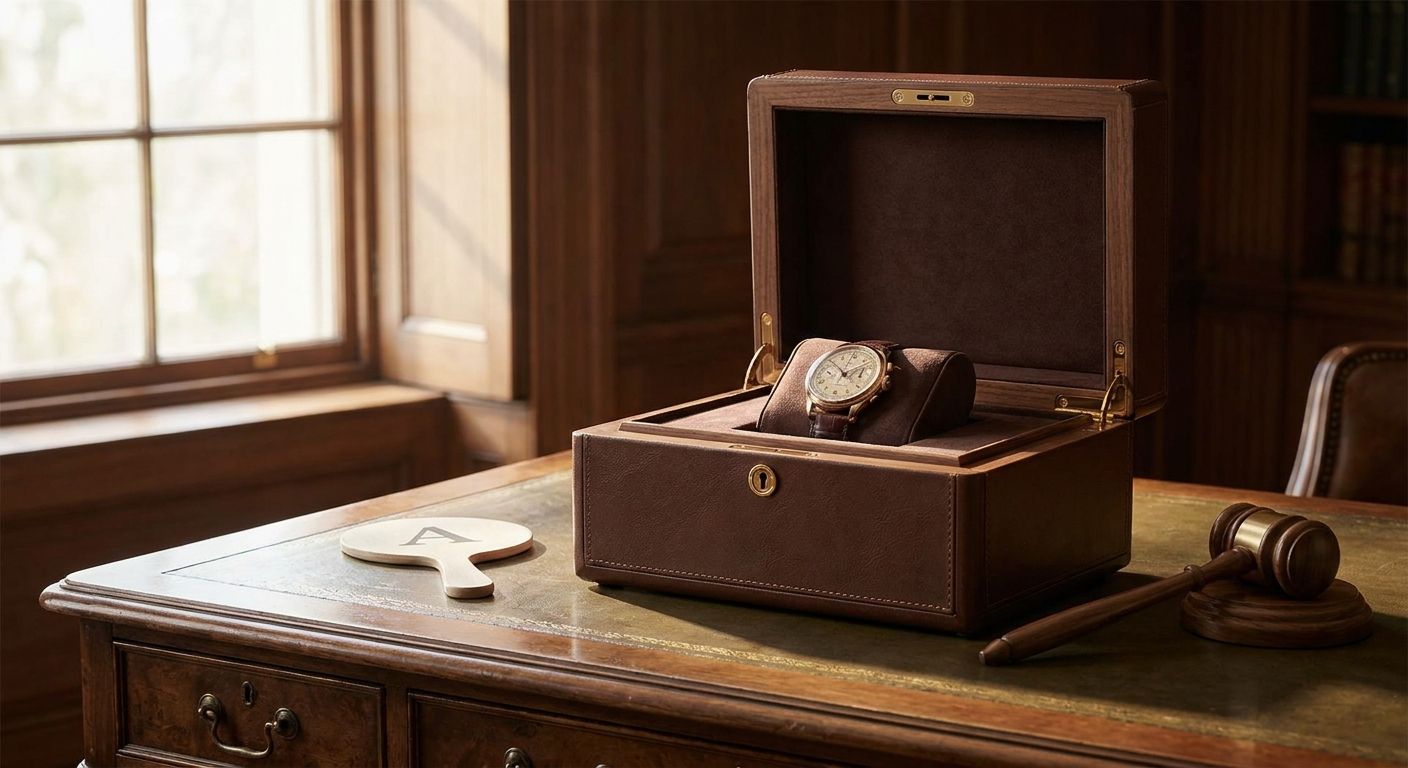
A watch safe for auction watch purchases needs fire rating, biometric locks, and document storage. See the 2026 verdicts before you buy.
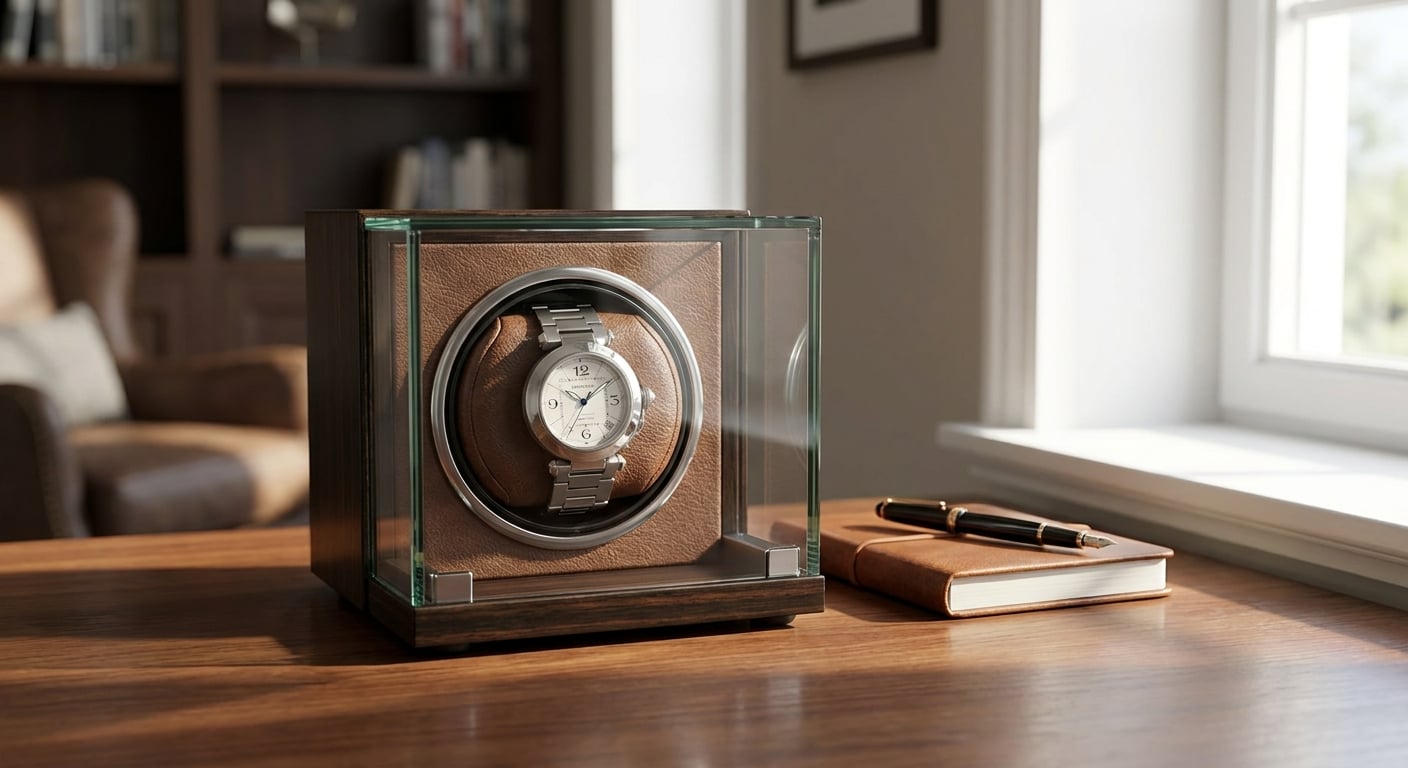
Cartier Pasha winder guide for 2026: bidirectional rotation, 650-800 TPD, cushion fit for 42mm cases, and which setups to buy or skip.
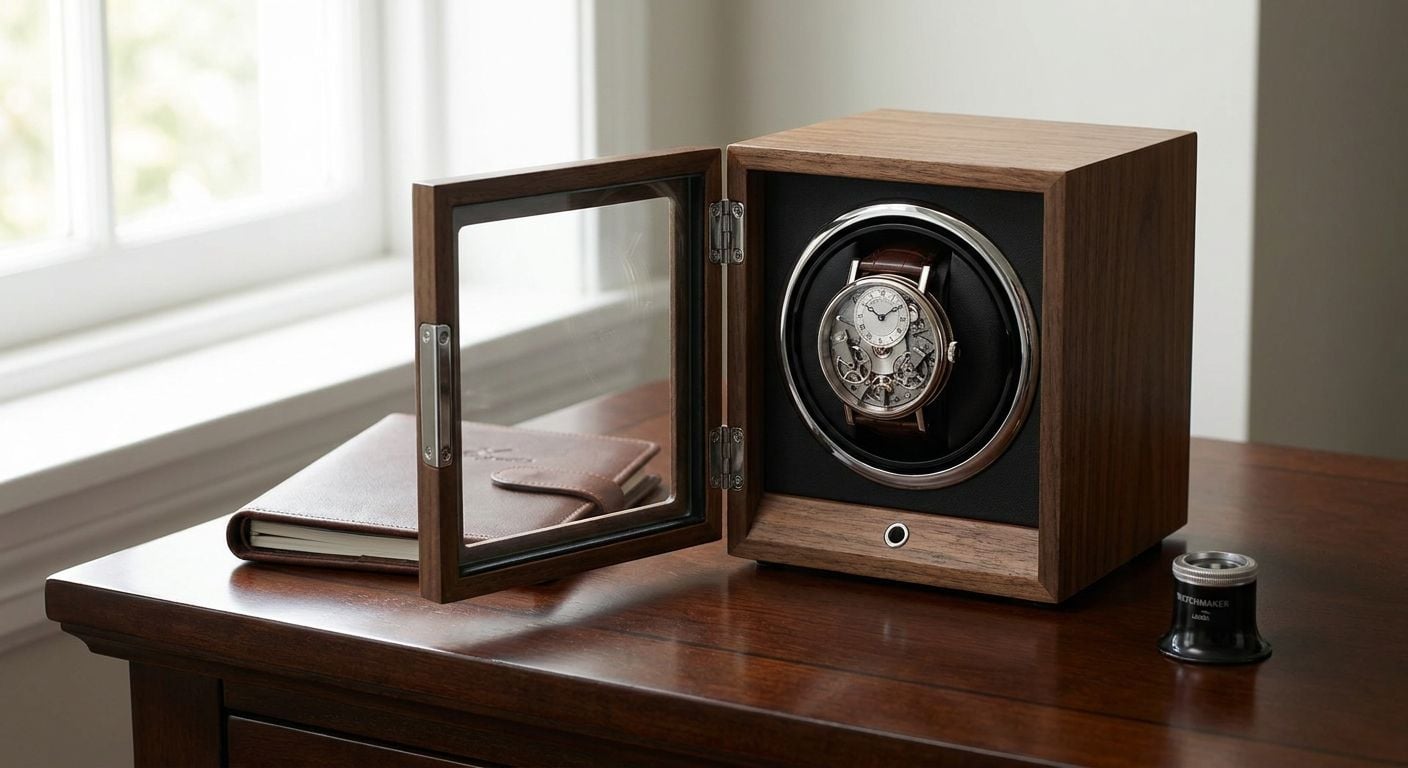
Watch winder for Breguet Tradition settings for 2026: TPD range, bidirectional rotation, motor picks, and which Tradition references need a winder at...
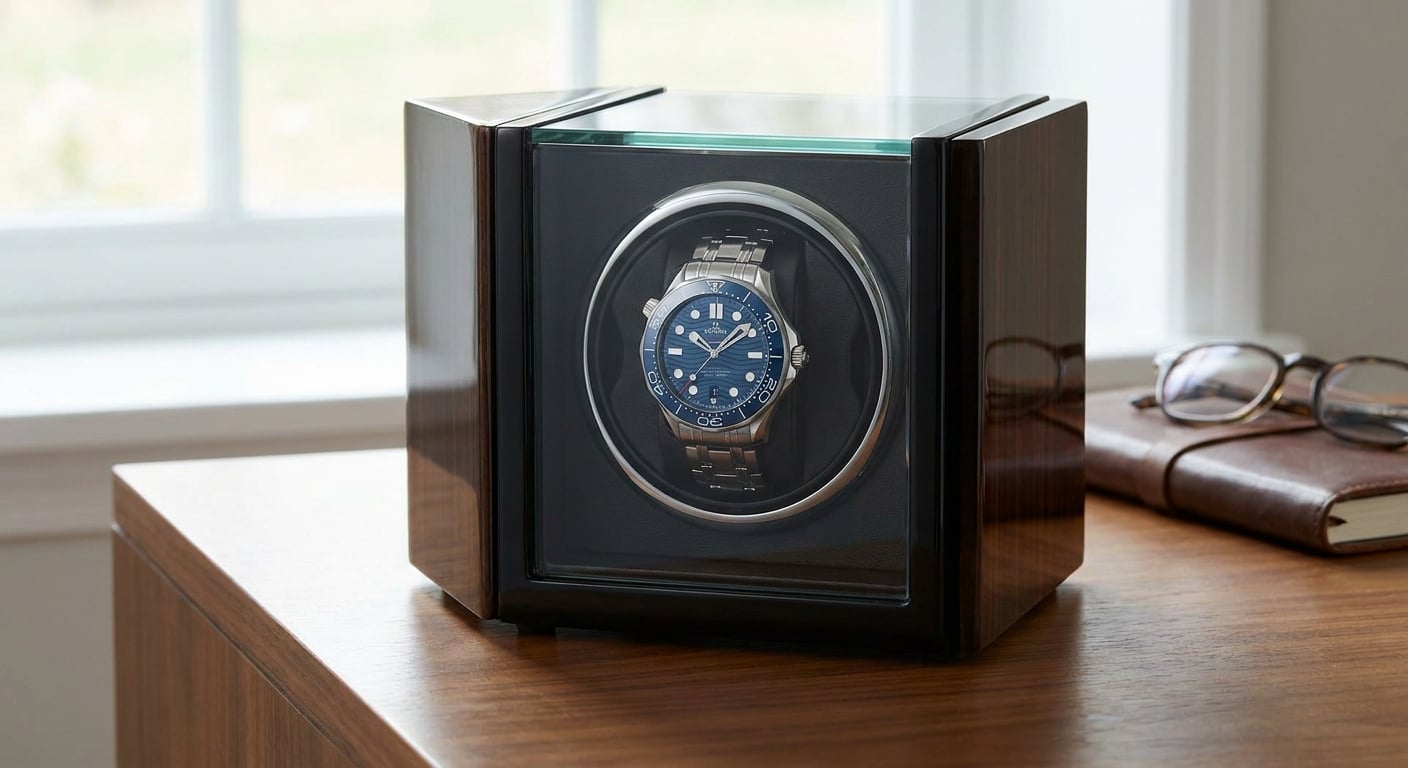
Watch winder for Omega Seamaster Diver 300M: the right TPD, direction, and motor pick for 2026, plus what to avoid on this Co-Axial Master Chronometer...
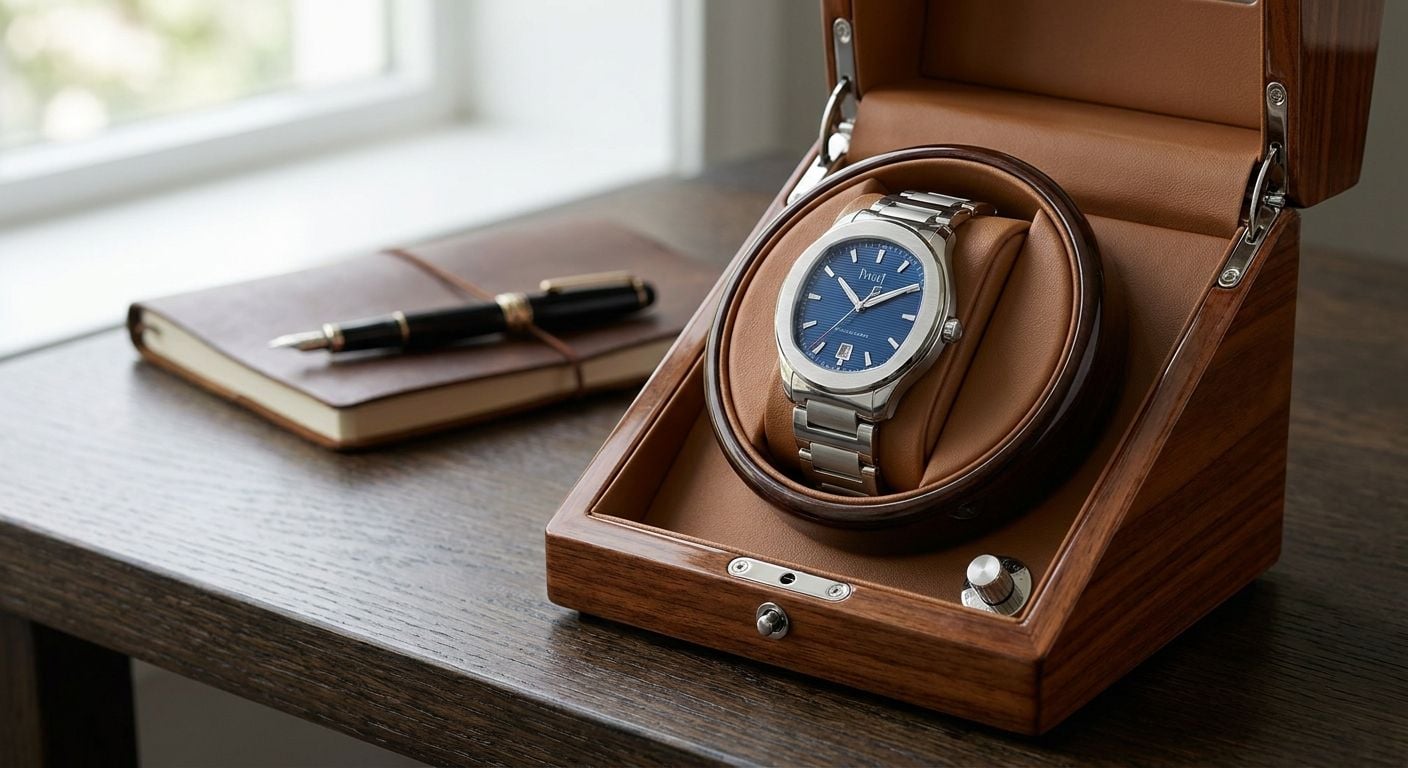
The best watch winder for Piaget Polo needs bidirectional winding at 650-800 TPD. Enigwatch’s 2026 guide covers settings, top picks, and mistakes to a...
THE COLLECTOR’S BRIEF
New builds from the workshop, setup thinking, and storage decisions for collections that matter.